Chiang Mai, Thailand 2017 by William Bryan

This is the fifth and final post in a five-part series from a trip to Southeast Asia in May, 2017 with Sach and Goose. Check out the first four from Hong KongHanoi, Hạ Long Bay, and Bangkok if you haven't already and hang tight, more travel stories are on the way!


We had already ridden motor scooters in Hanoi but we wanted to explore the countryside outside of Chiang Mai with the same freedom. So rather than booking a tour bus we opted for cheap scooters and a loose plan of how to get to a nearby national park. With Sachin in the lead we headed towards a national park outside of the city. After riding scooters in Vietnam we all felt more comfortable on the road so Sach wasn’t shy about passing semi’s and tour busses alike on the narrow two lane roads. Goose and I had no choice but to keep up so we pulled back on the throttle and weaved dangerously around traffic.

WEB_3446.jpg

As we neared the national park the roads got empty. Fields of crops became more common than houses and the road went from two lanes to one. I was in the lead now and with less traffic and windy roads I decided to have some fun with it and push my riding skills more than before.

No more than five minutes after we left the highway for small back roads we came across a tight bend in the road. I put my motorcycle training to the test and took the turn in textbook fashion (outside, inside, outside). The problem with pushing my riding skills, though, was that I failed to impart the same knowledge on the other two.

I slowed as much as possible before leaning into the turn and pulling on the throttle as I rounded out of the curve, grinning at having used my little bit of motorcycle riding know-how successfully. That’s when I heard it: the telltale scraping of a motorcycle on asphalt. I looked over my shoulder just in time to see Goose skidding along the pavement behind his yellow scooter.

A slammed on the brakes and gunned it back towards the crash where I helped Goose stand up while Sach picked up the fallen scooter. After a moment of shock, I pulled out my travel first aid kit and tried my best to help. As we poured water on his five patches of road rash we realized just how deep the scrapes were.

The turn in question.

The turn in question.

I was on my last disinfecting swab when a truck drove past us on the side of the road and came to a stop as the driver asked us in Thai if everything was ok (I think). We mimed out a scooter crash to the best of our ability and the man pulled his truck over and got out. It was then that we noticed he was a fireman. He looked Goose over and I tried to ask if he had a first aid kit, mine was used up. He didn’t have any kit in his truck but he got busy on his walkie-talkie as we looked at him in confusion.

After some more miming we figured out that he had called the station and a paramedic crew was on it’s way. Goose, Sach, and I looked at each other and finally let out all of the pent up stress with a sigh. It was a bad turn of events but we couldn’t have been luckier than having a fireman drive past.

Goose’s shock dissipated and the pain started to kick in as we waited 15 minutes for the paramedics.

After what felt like an eternity of Goose pacing back and forth anxiously a red pickup truck with two guys pulled up and dropped the tailgate. Goose sat down on the back and the medics got to work. He let out groans and screams of pain as they poured disinfectant on his bloody scrapes. Thai and Americans alike looked at each other and started to chuckle at his funny pained noises.

WEB_3413.jpg

No one spoke the other’s language and all we could do was laugh at how ridiculous the moment felt.

After a few minutes of expert care from the Thai fire crew their work was done: tons of disinfectant and a handful of taped on gauze strips. We tried to pay them but they refused any money. Instead, they agreed to take a picture with Goose all patched up.

WEB_3418.jpg

After the photo the guys piled into their trucks and pulled back onto the road, no doubt laughing at the dumb American tourists who don’t know how to ride. We gave Goose a few more minutes to calm his nerves before we climbed on the scooters and continued on our way to the national park.

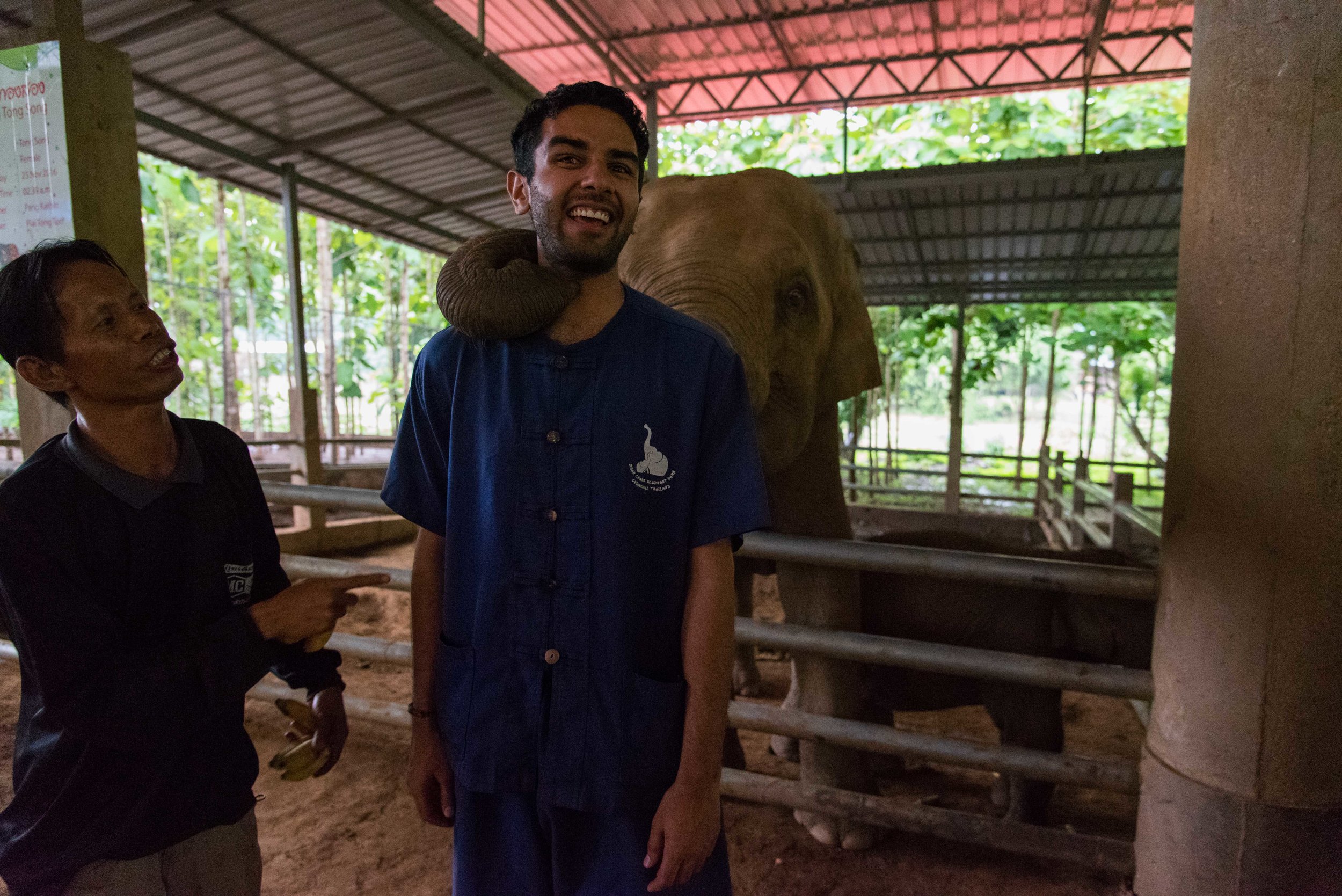
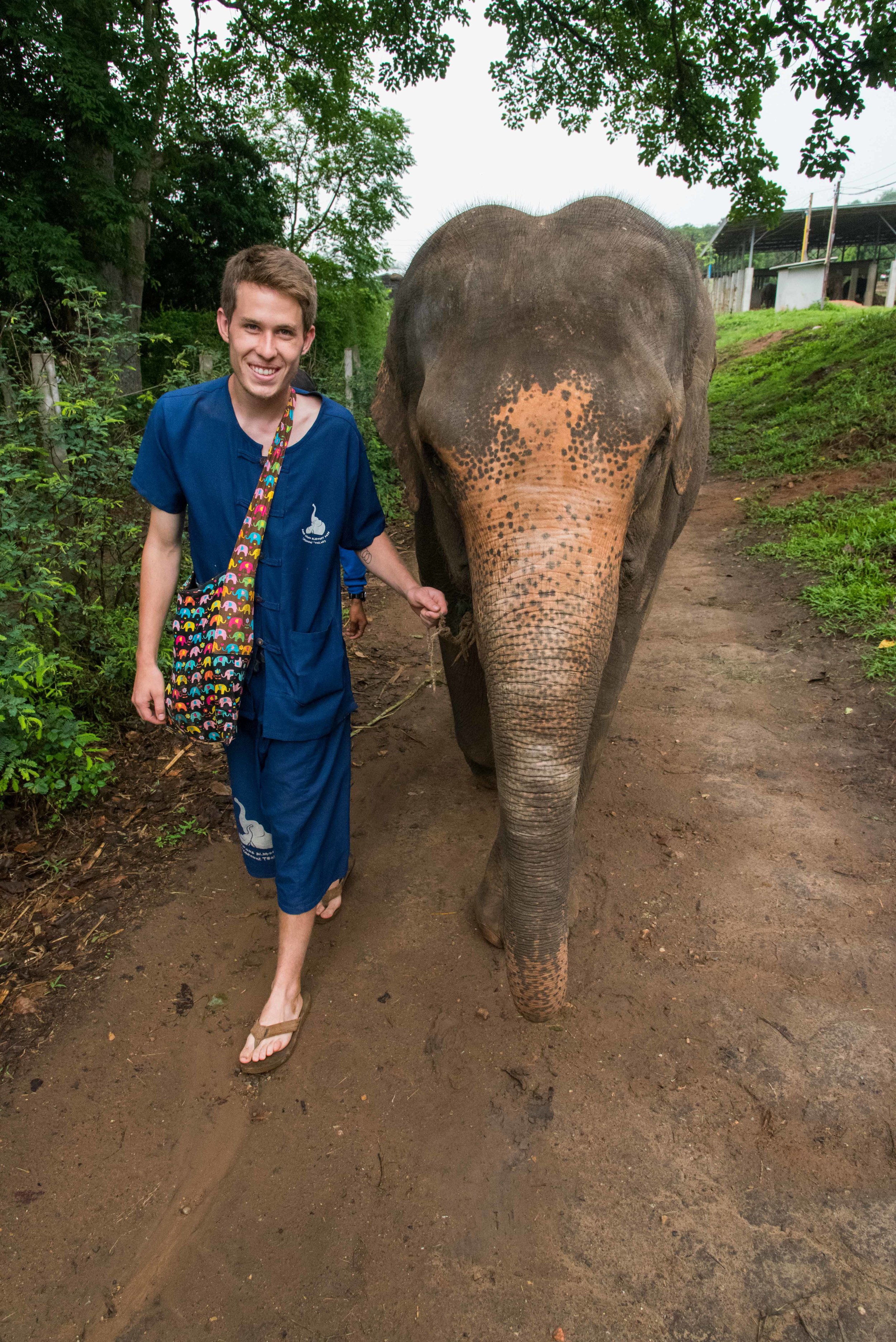
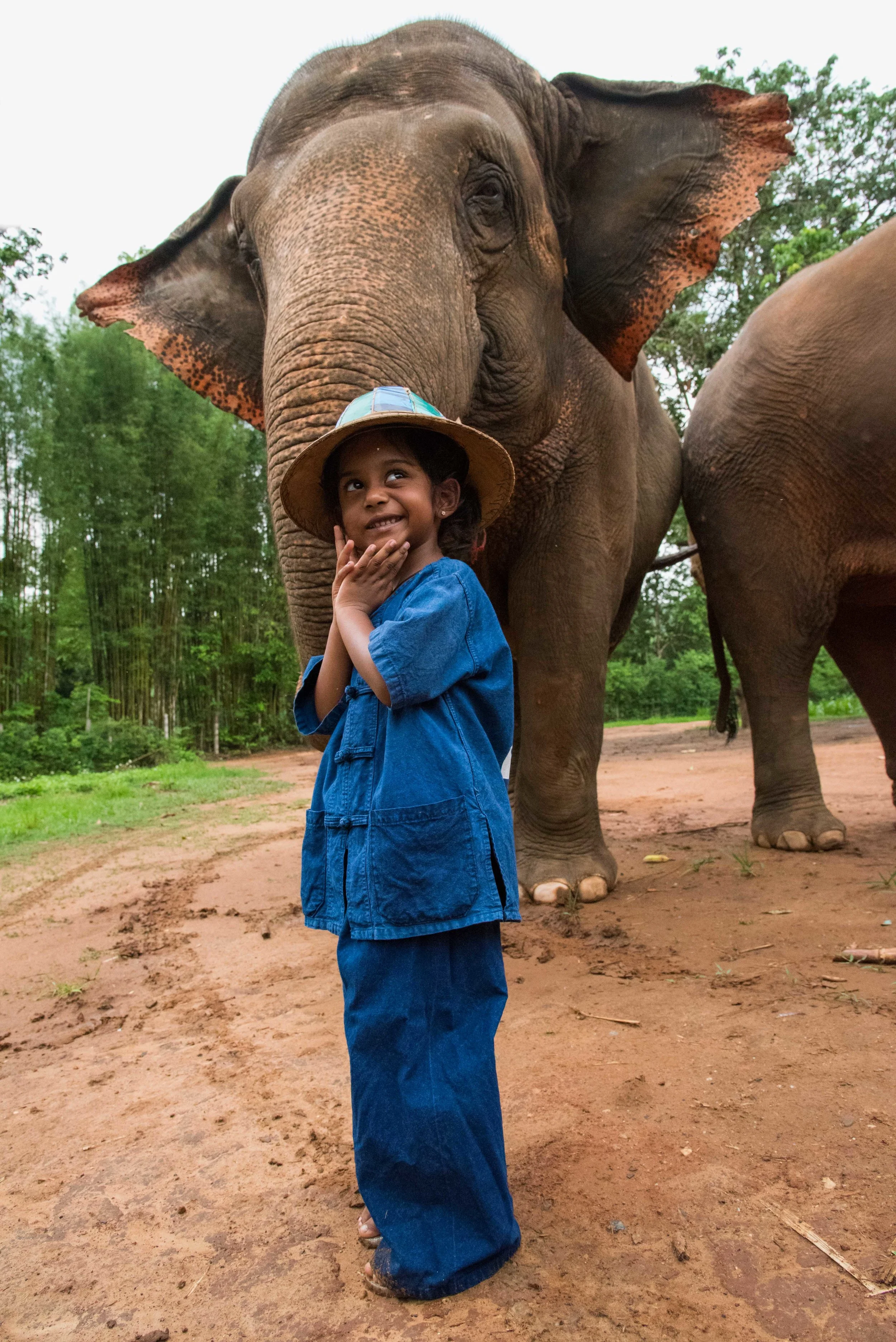
The real reason we were set on going to Chiang Mai wasn’t more scooters, but elephants. The city is nestled amongst the mountains in northwestern Thailand, in the heart of elephant territory. We’d heard of the inhumane conditions of many of Thailand’s elephant parks so after finding one that was known for it’s fair treatment of the animals we booked a tour.
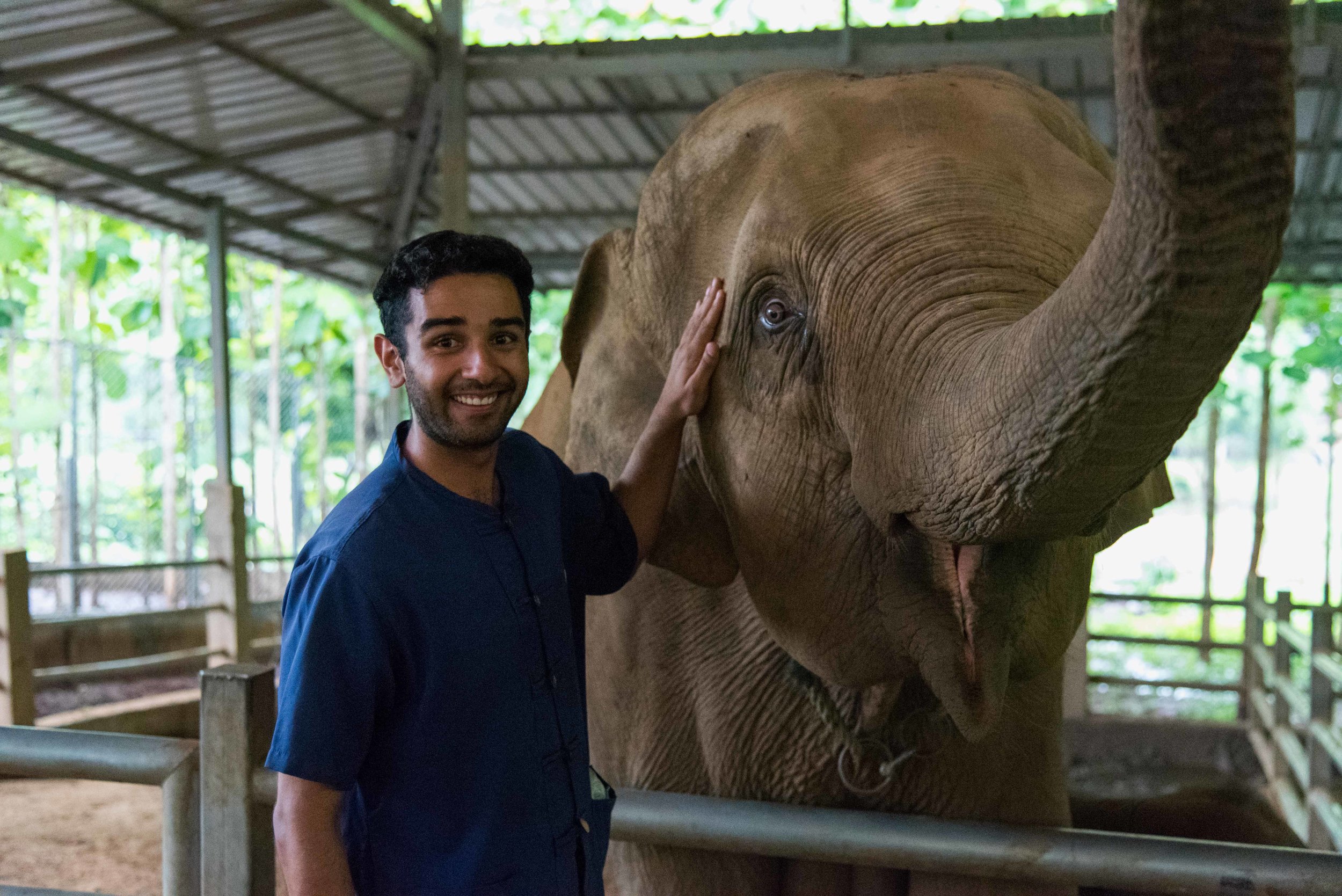
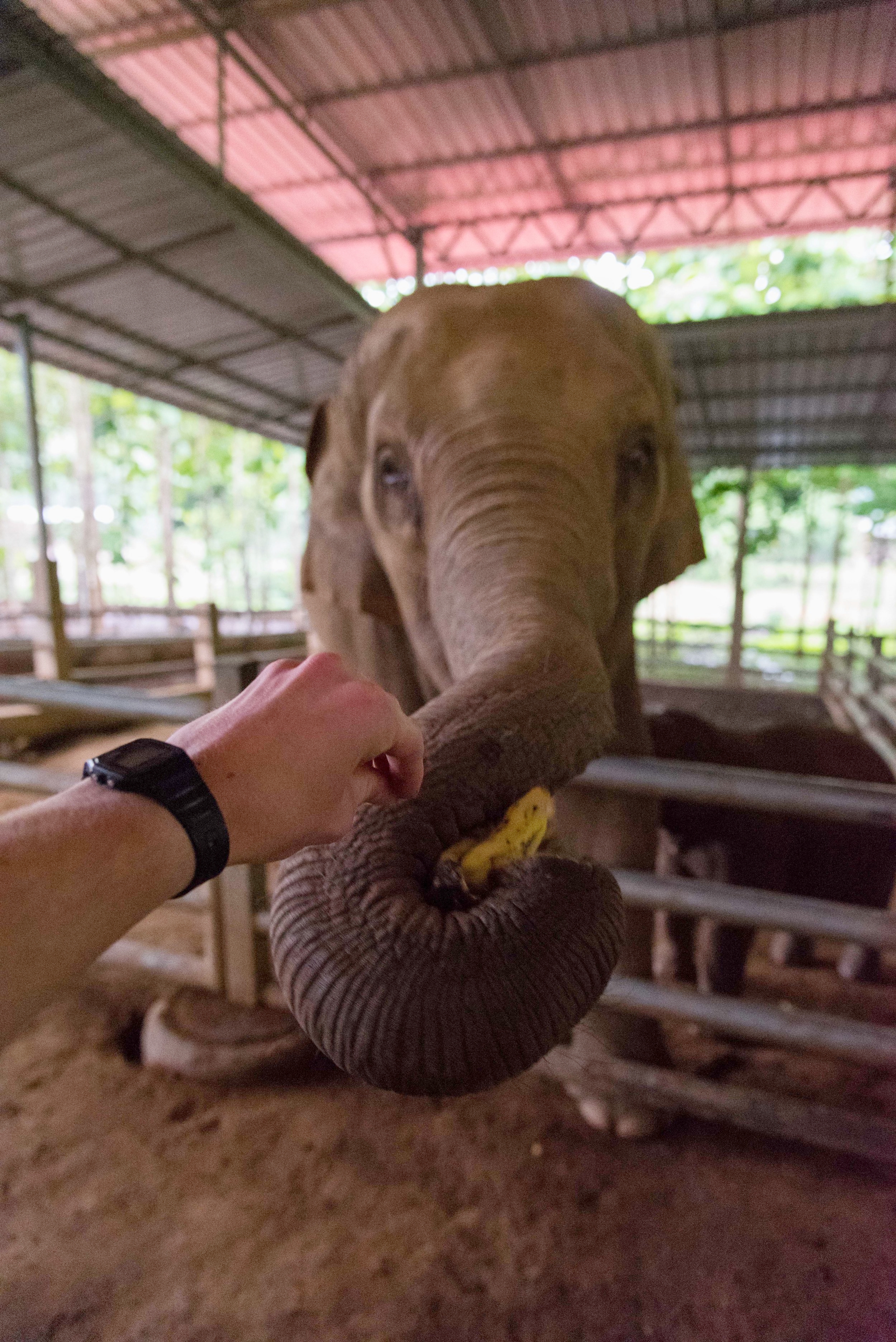
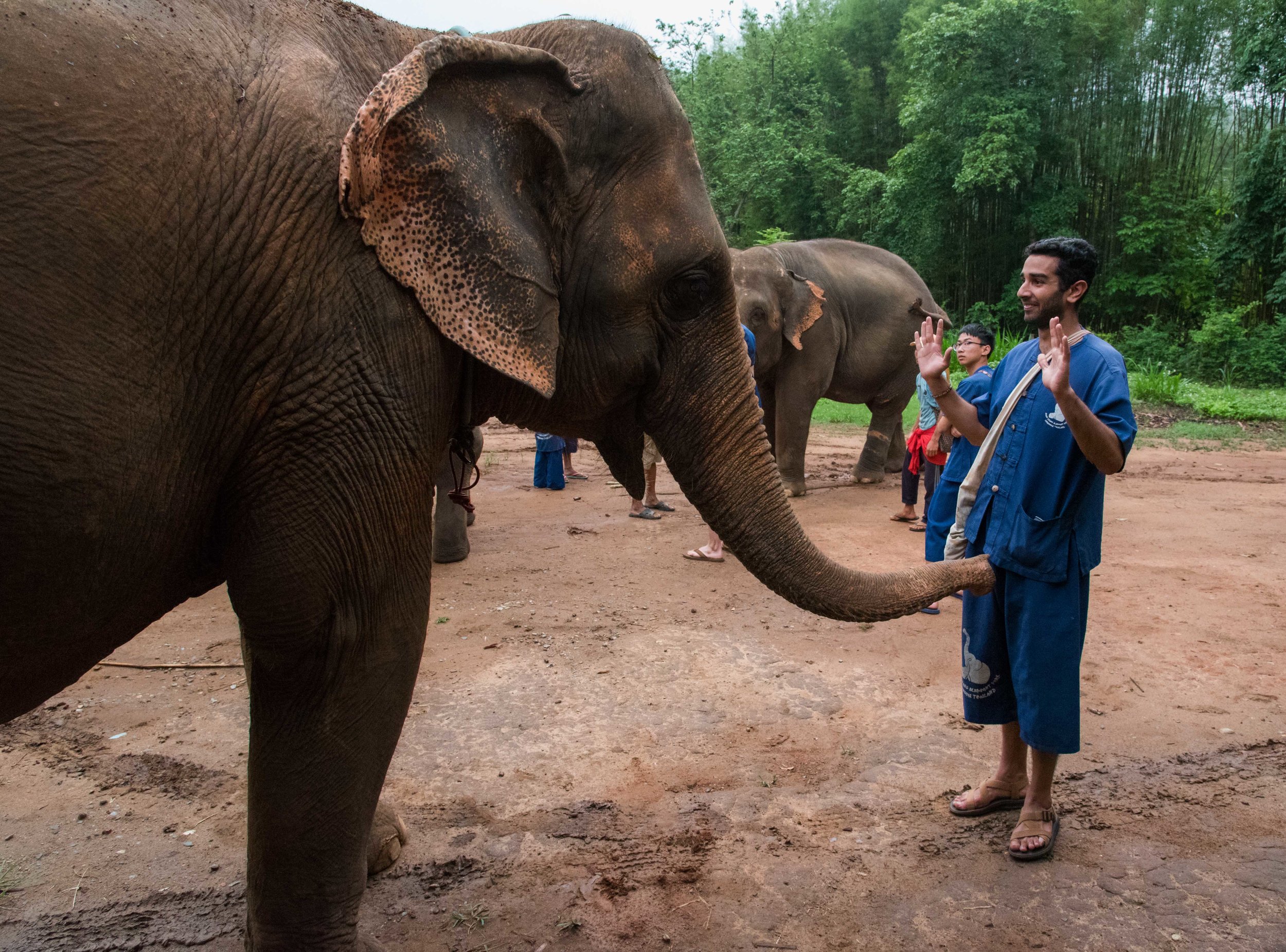
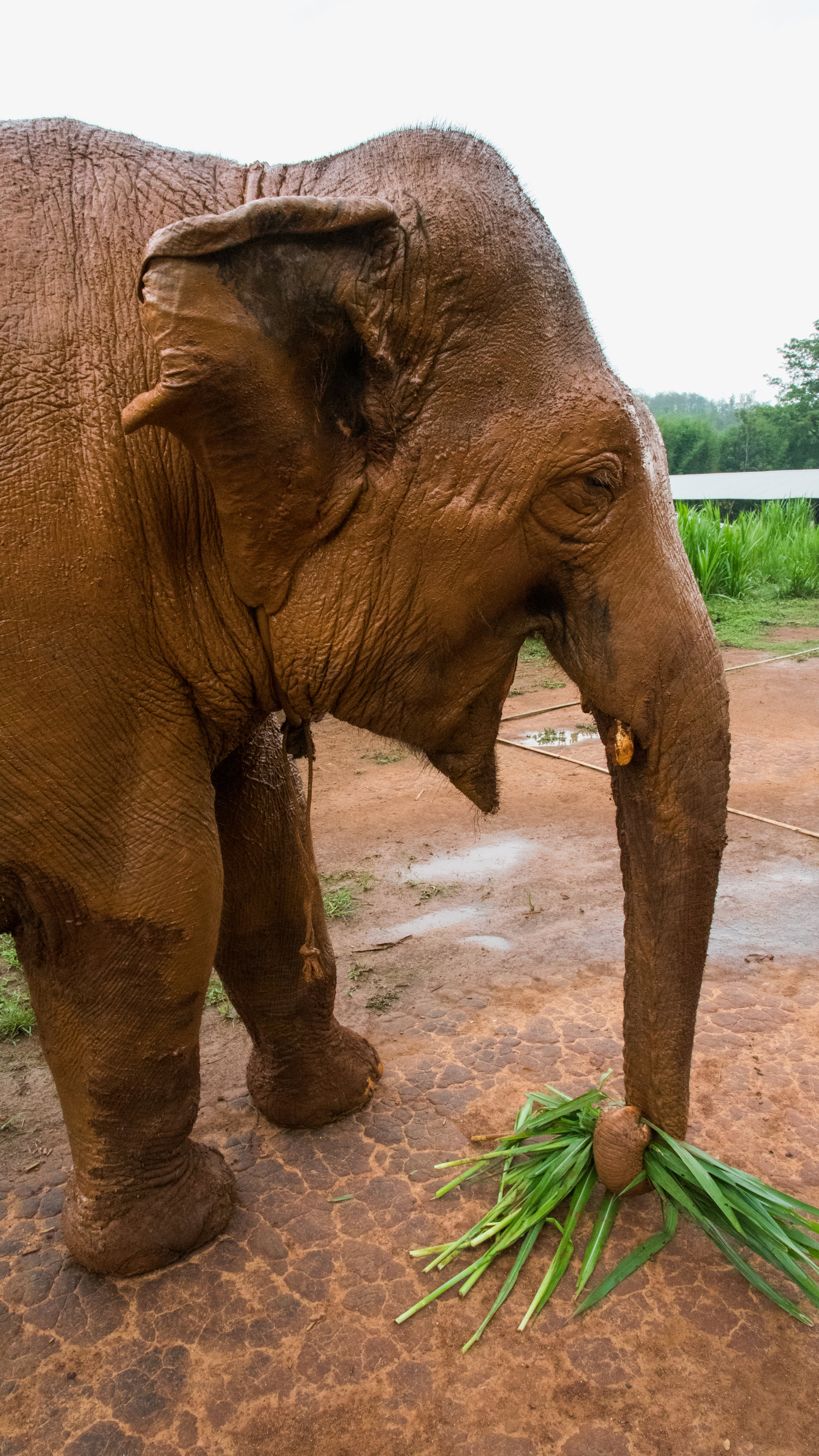
It’s hard to imagine the unique fear associated with standing next to an animal that could kill you by sitting down. But when we first stepped up to the elephants that thought was definitely in the back of my mind. We watched as our guide roughhoused with little babies and within minutes we were hugging their trunks and getting surprise hickeys; most of the fear of the animals replaced by joy.

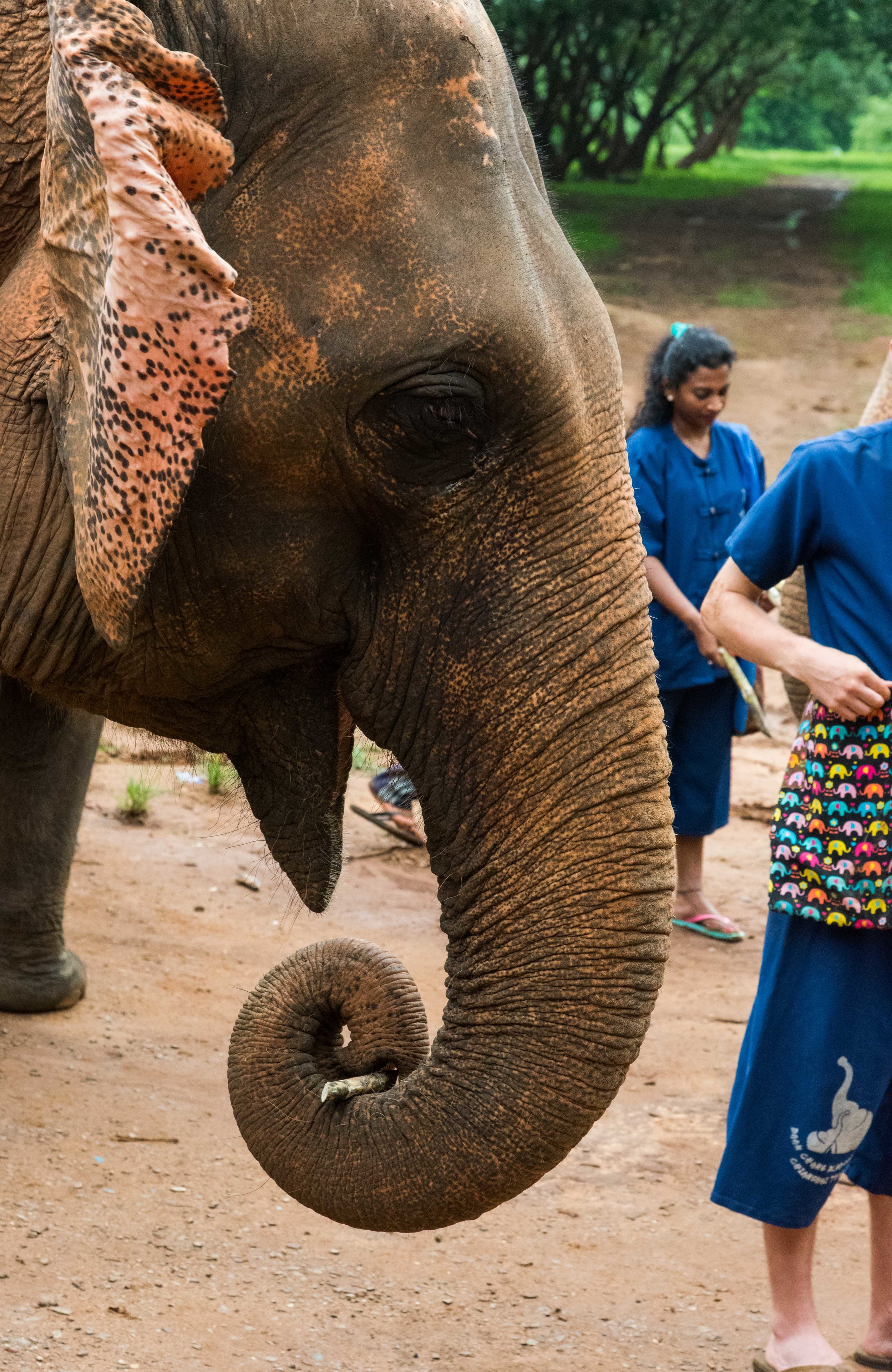
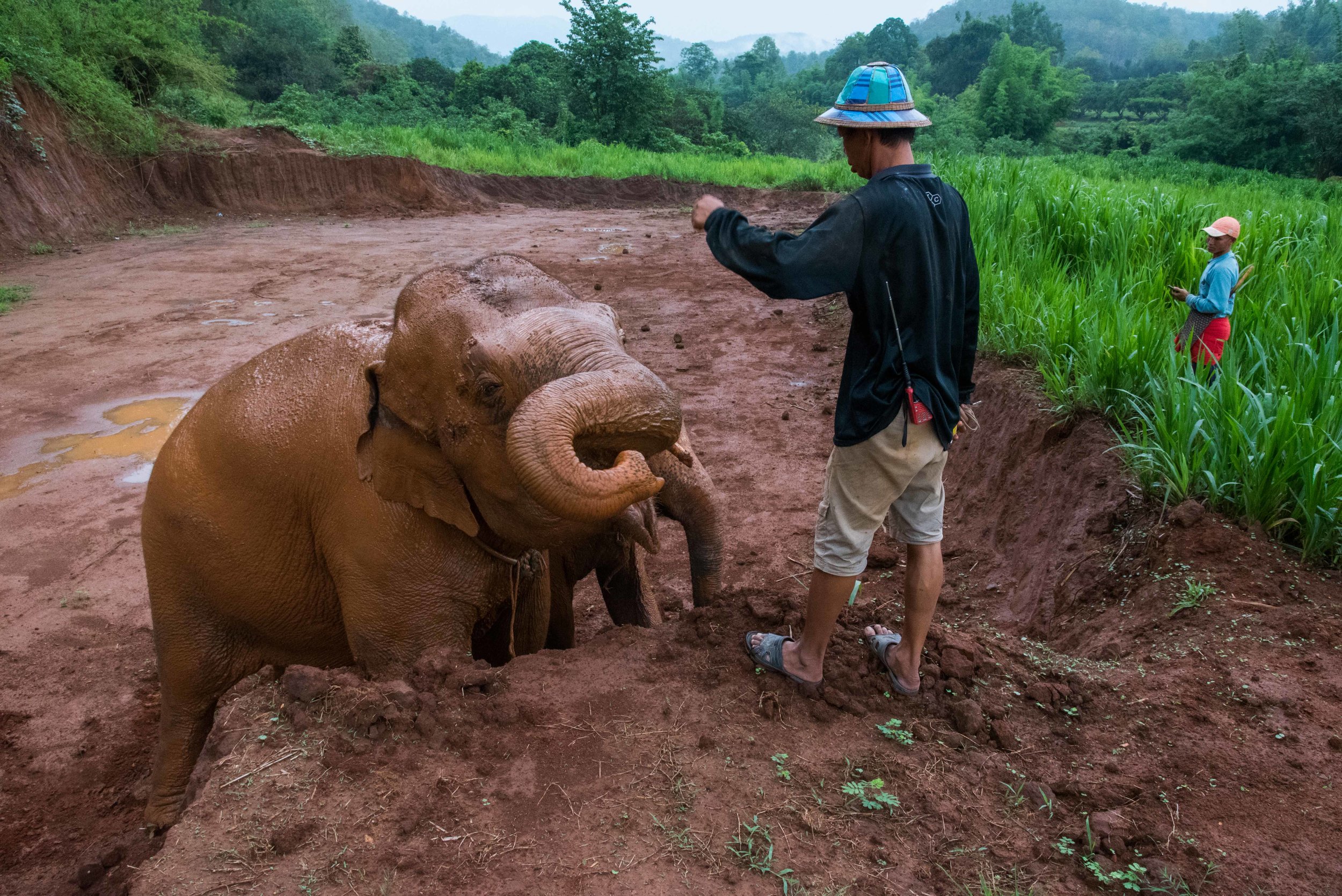
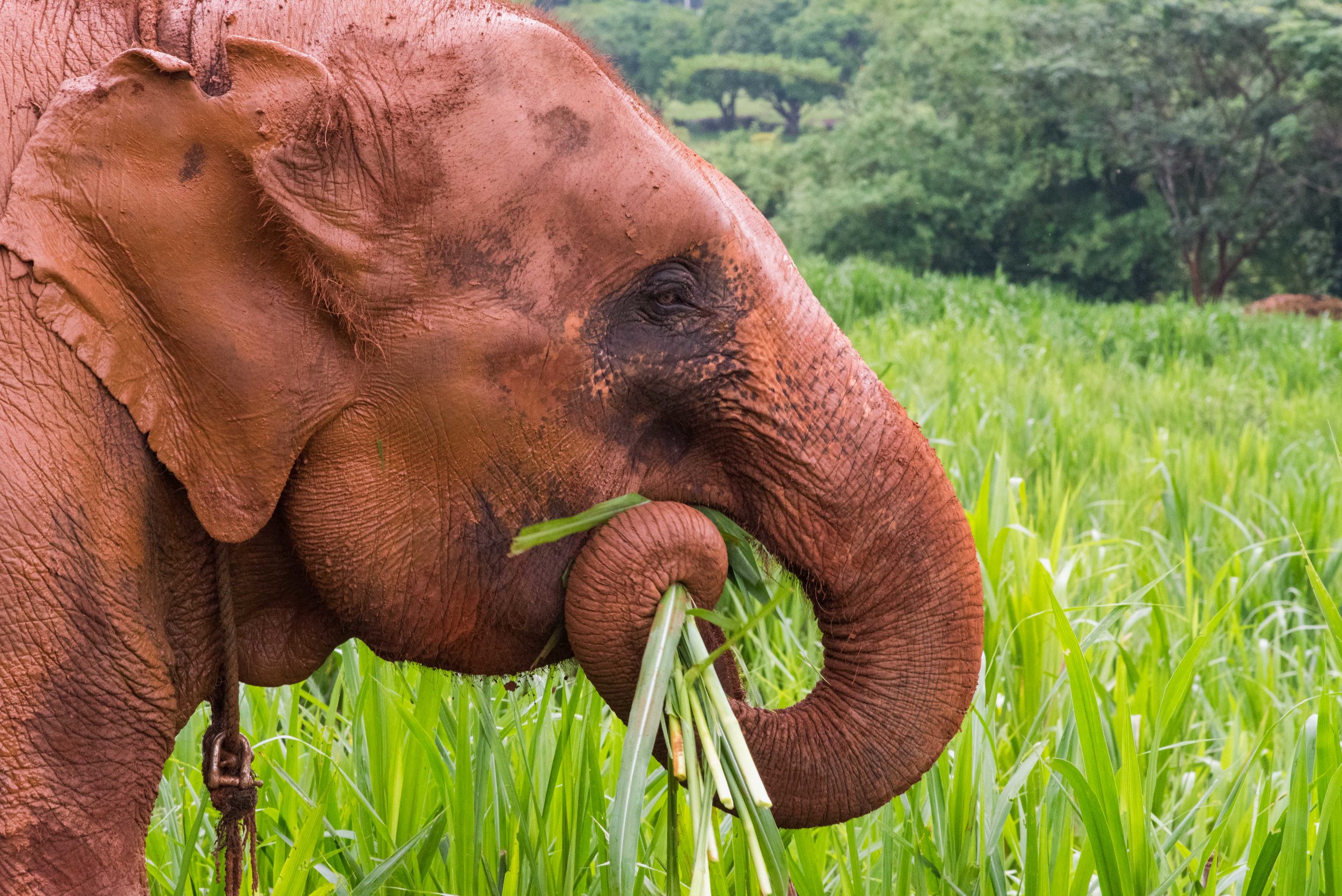
We spent the rest of the day helping out with the caretaker’s daily tasks. We fed them sugar cane snacks and helped them walk off the food after. Then we watched as they played in the mud and then jumped into the pond with them to scrub the dirt off of their backs.

It was surprisingly tiring work, especially when you have to wrestle one of the beasts in the right direction on the trail. After a thorough shower we climbed back on the bus and passed out after both a long day at the elephant park and an exhausting 17-day adventure around Southeast Asia.

ezgif.com-video-to-gif-2.gif

Bangkok, Thailand 2017 by William Bryan

This is the fourth post in a five-part series from a trip to Southeast Asia in May, 2017 with Sach and Goose. Check out the first three from Hong KongHanoi, and Ha Long Bay if you haven't already and hang tight, the next story is on the way!


We’d been in Thailand for maybe two hours before Goose pointed out a food stall filled with scorpions. Sach and I looked at each other with wary faces, I had no need to prove anything by eating a deadly bug on the street and Sach didn’t either. Goose, however, had a different idea. According to him we hadn’t really experienced Thailand until we got outside of our comfort zone, and the first way to do that was by eating a scorpion right then and there.
Goose eyeing his future.

Goose eyeing his future.

Sach and I hesitated for a second too long which gave Goose the only opening he needed to pull out some cash and grab a scorpion before we expressed any more misgivings. Once he had it in his hand, though, he hesitated. “How the hell am I supposed to eat this?” We all laughed—none of us had any clue. What was the best part, the claws, head, maybe the tail? After some deliberating Goose brought the insect to his mouth, lined up a claw, and crunched. We looked at him waiting for him to drop dead before he coughed and said “not bad.”

After we all tried it we agreed it was like chewing on a plastic toy: crunchy, flavorless, and hard to swallow because little bits got stuck in your throat. We tried to cough up scorpion crumbs as we walked up the market street in search of the next food stall.

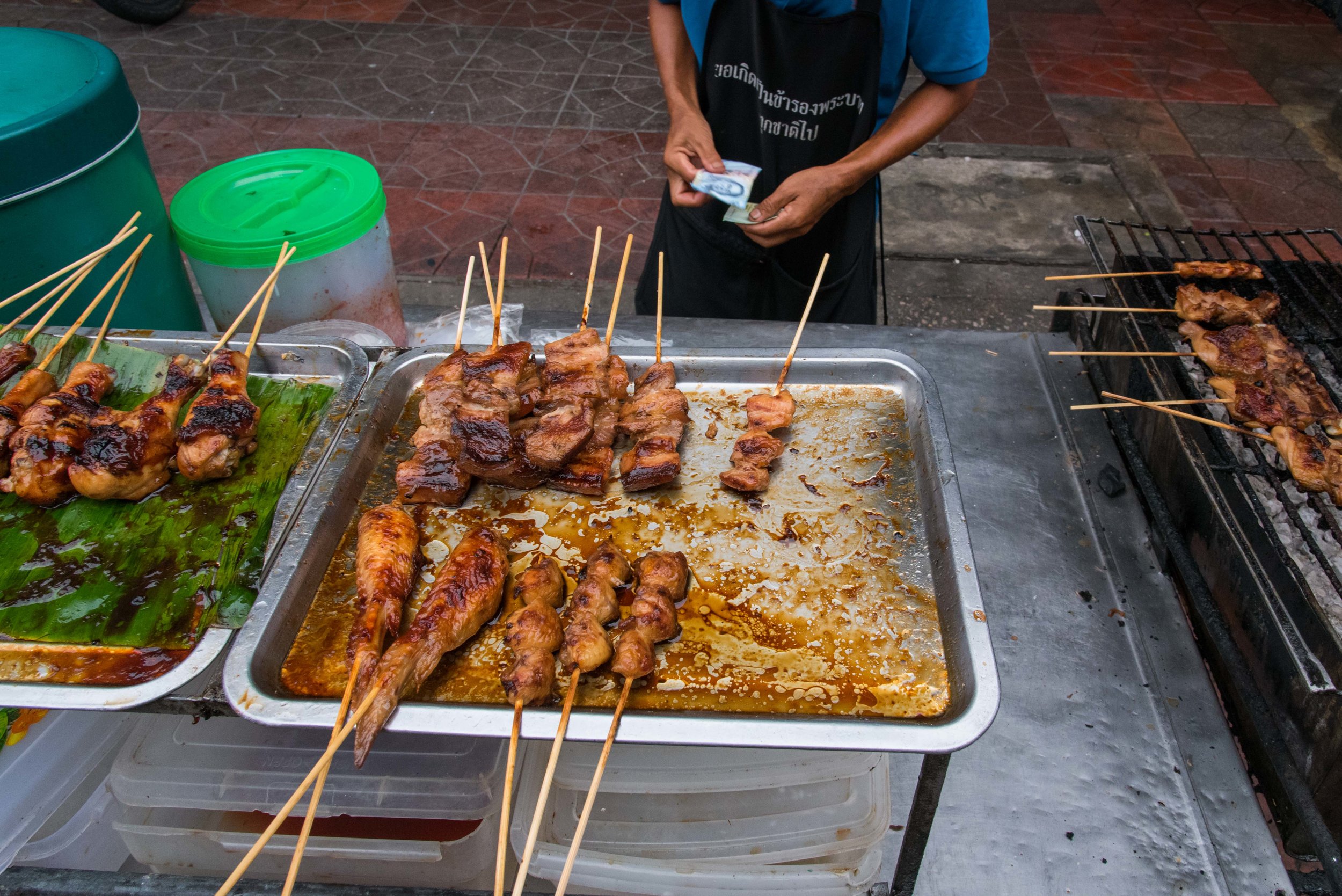
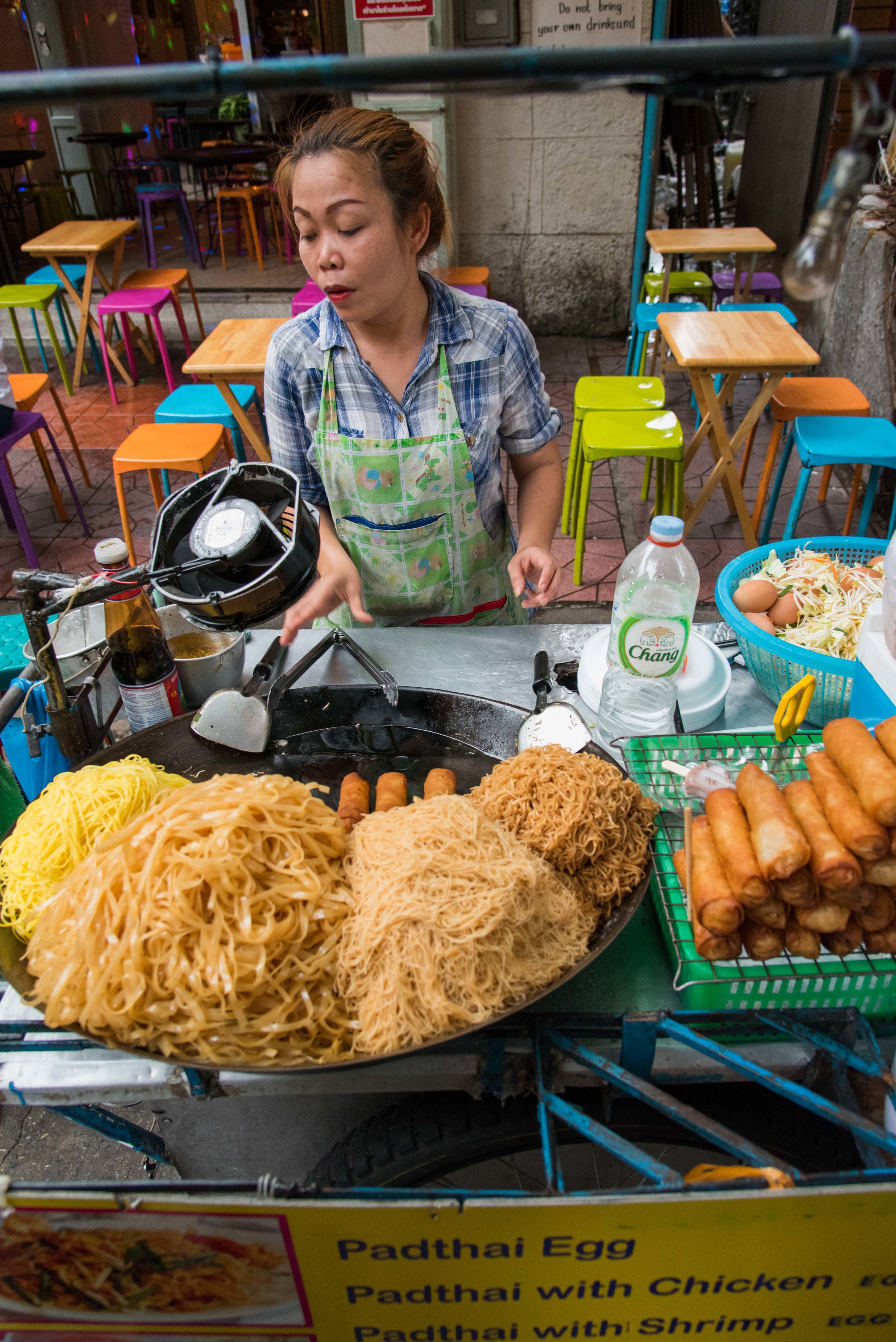
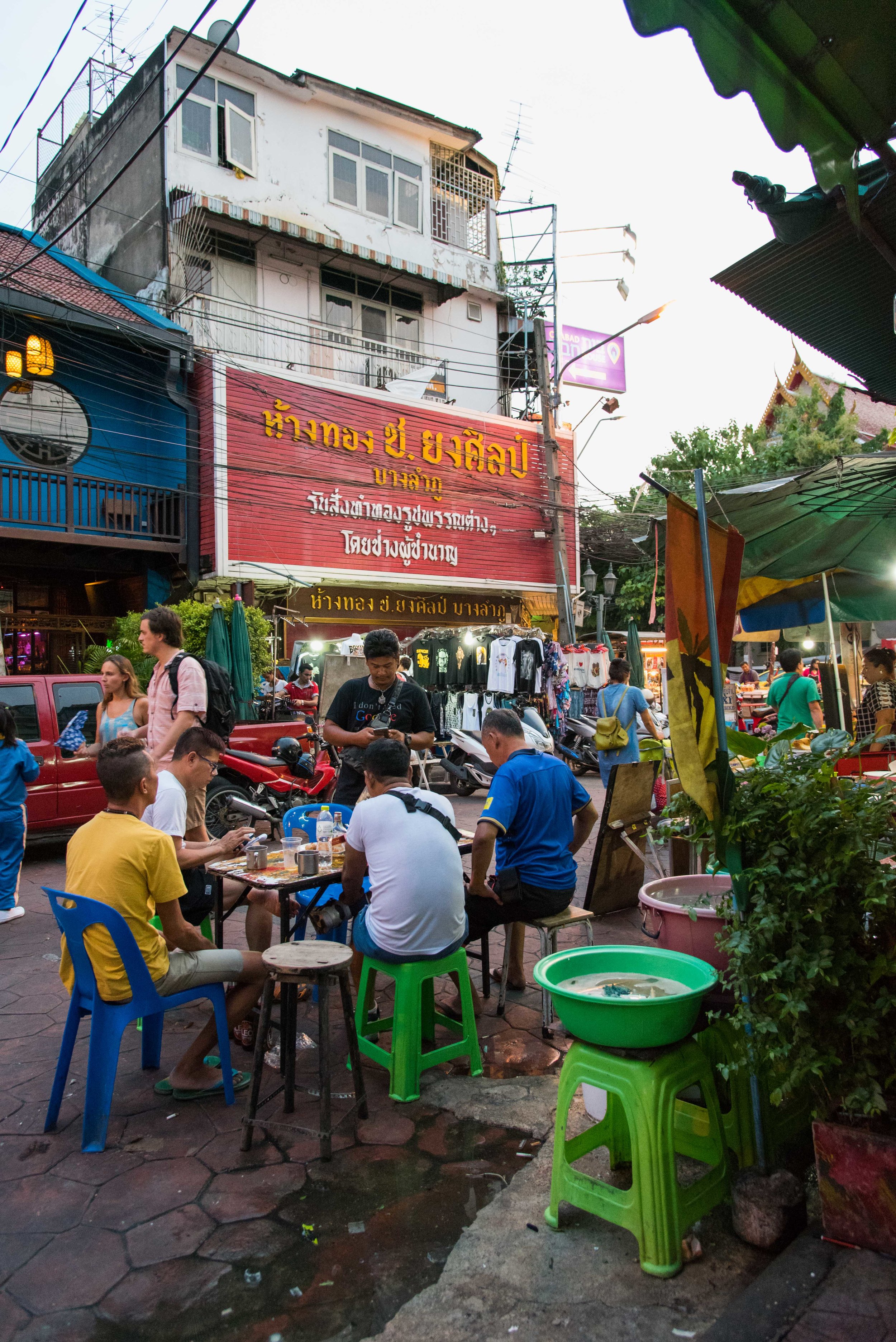
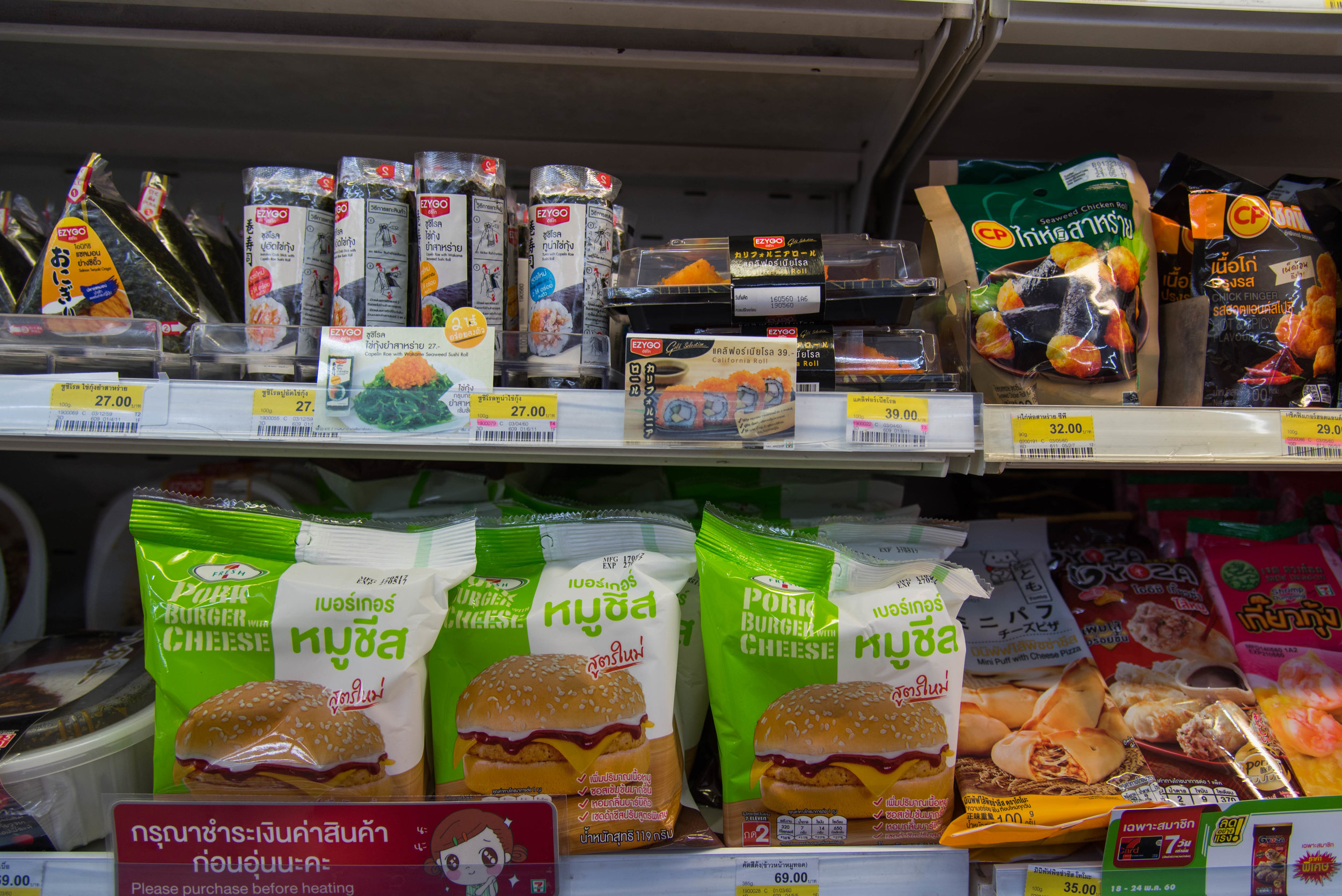
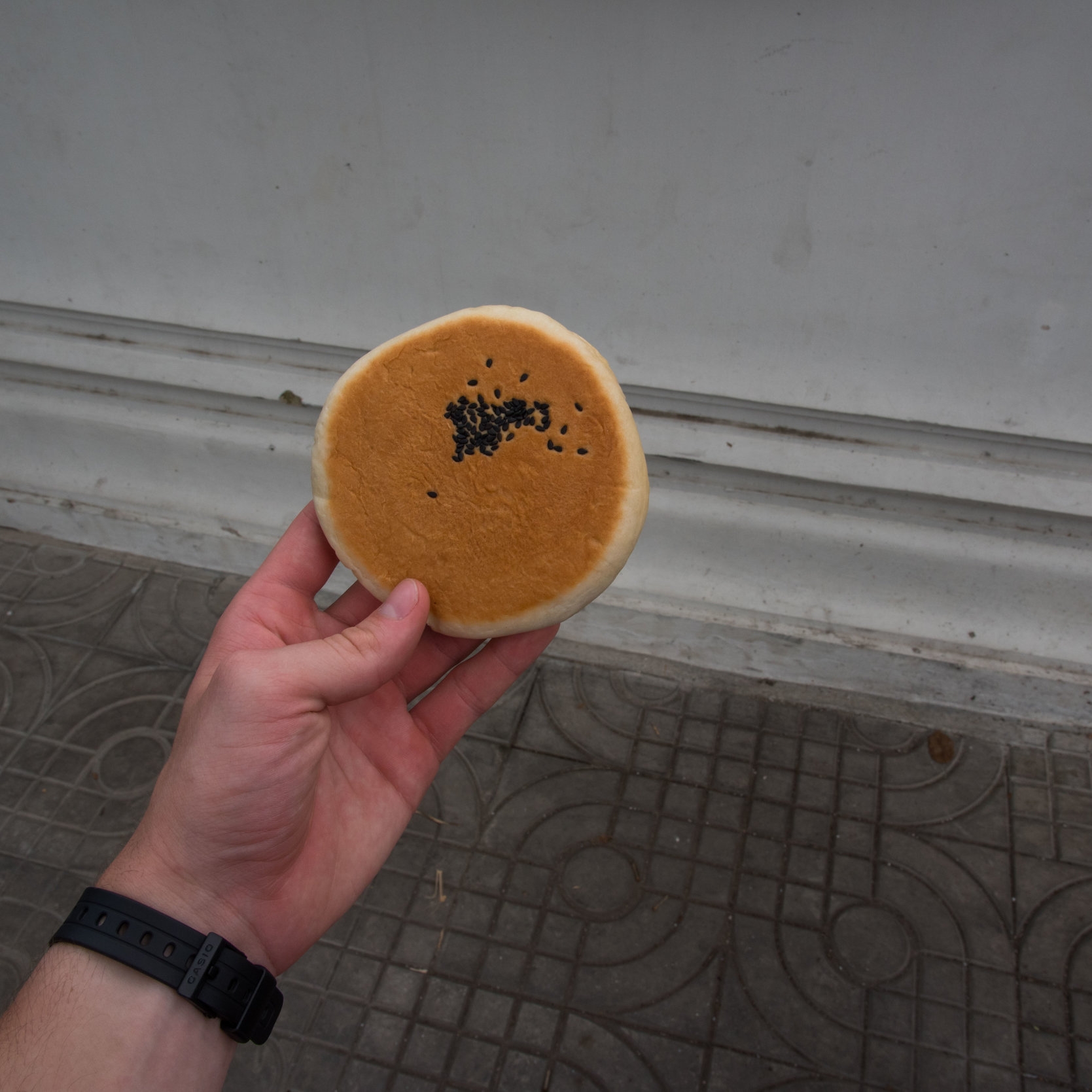
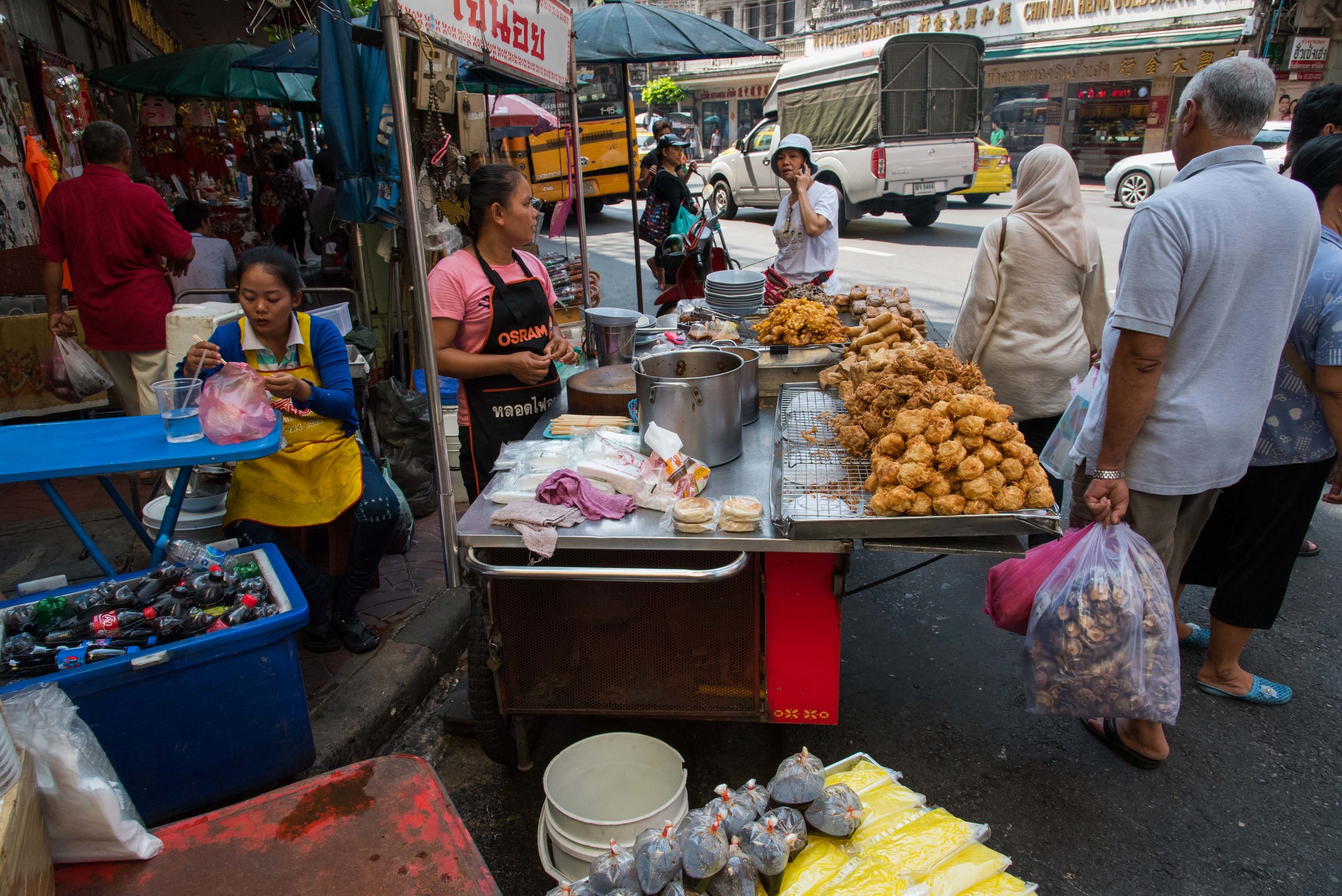
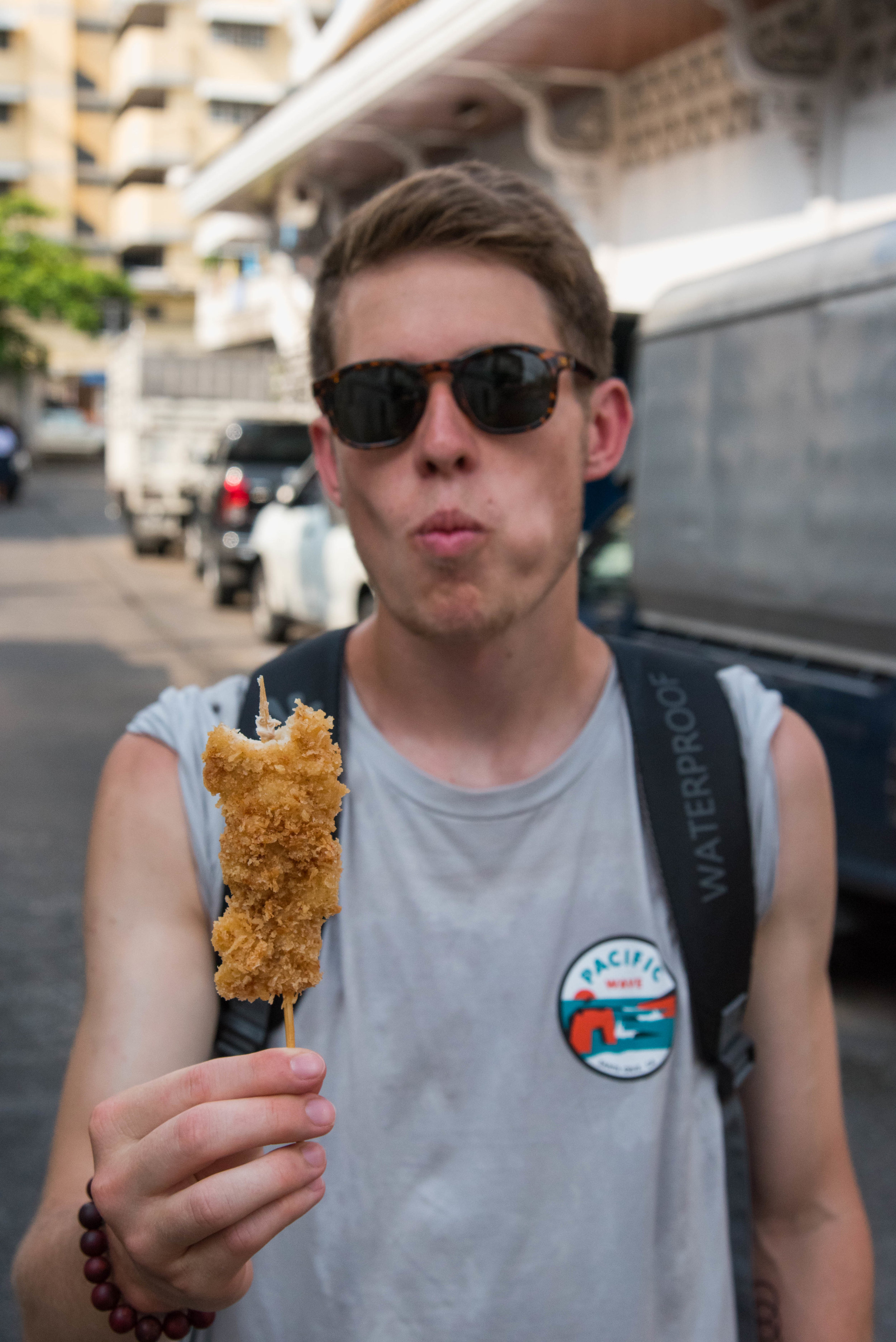
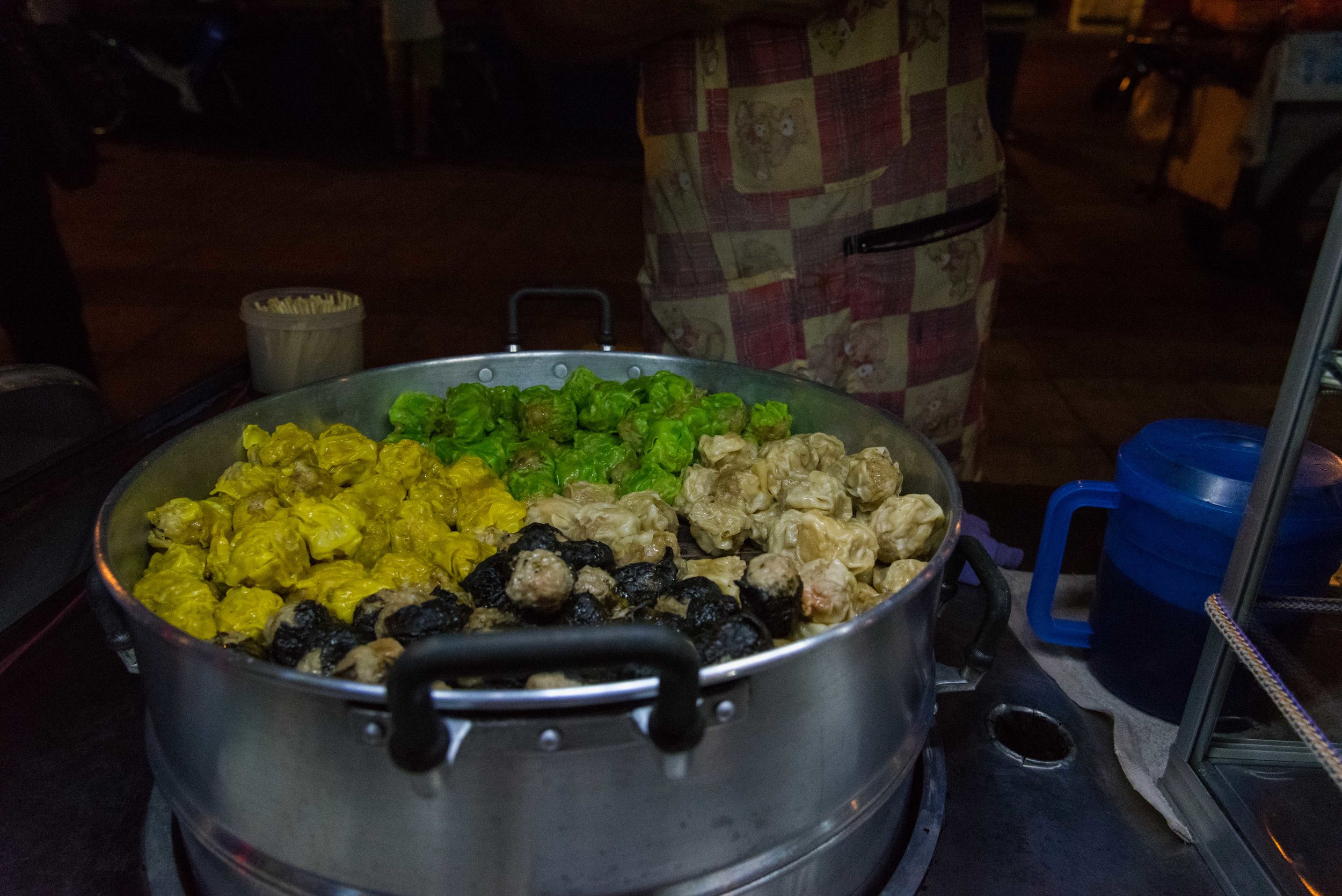
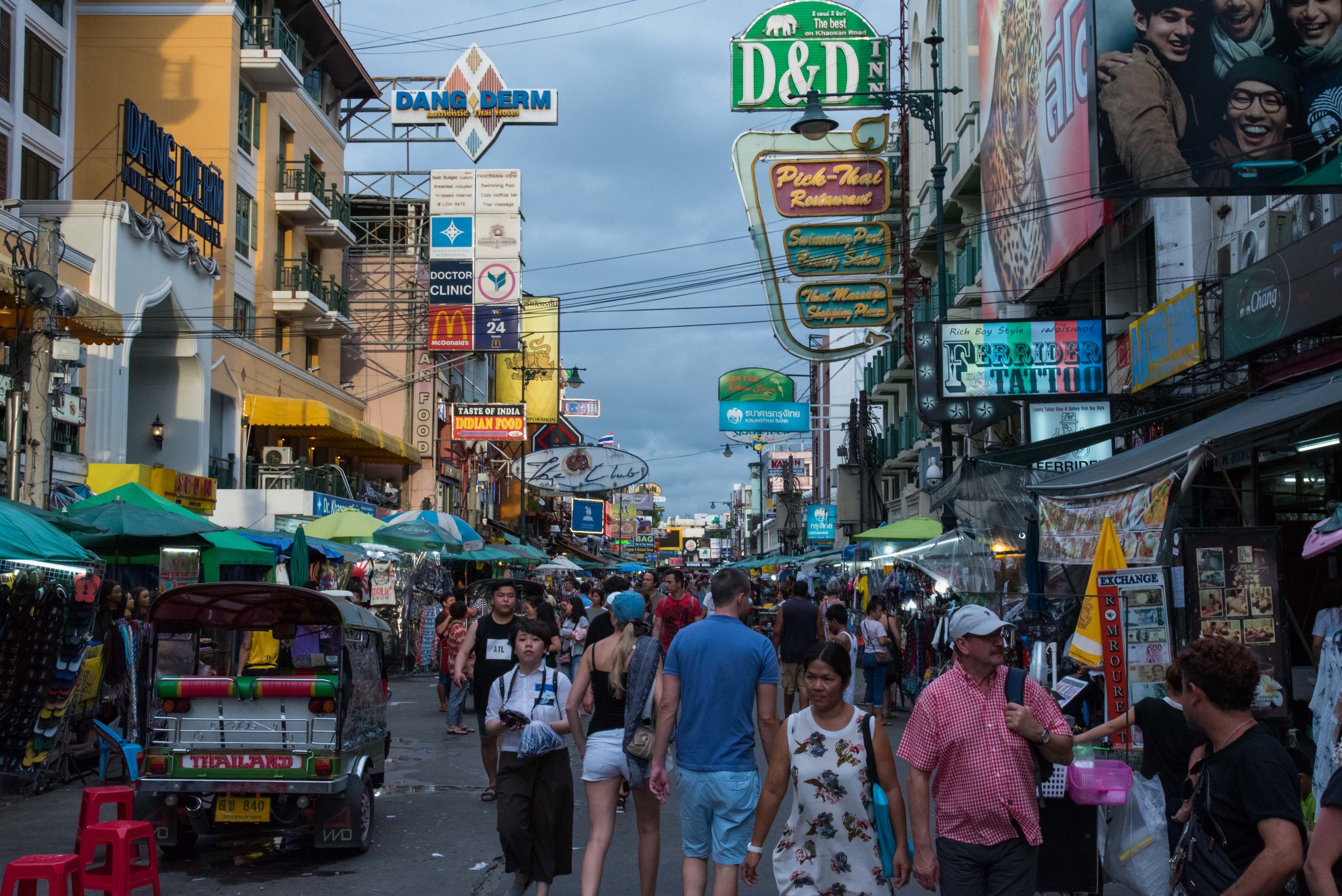
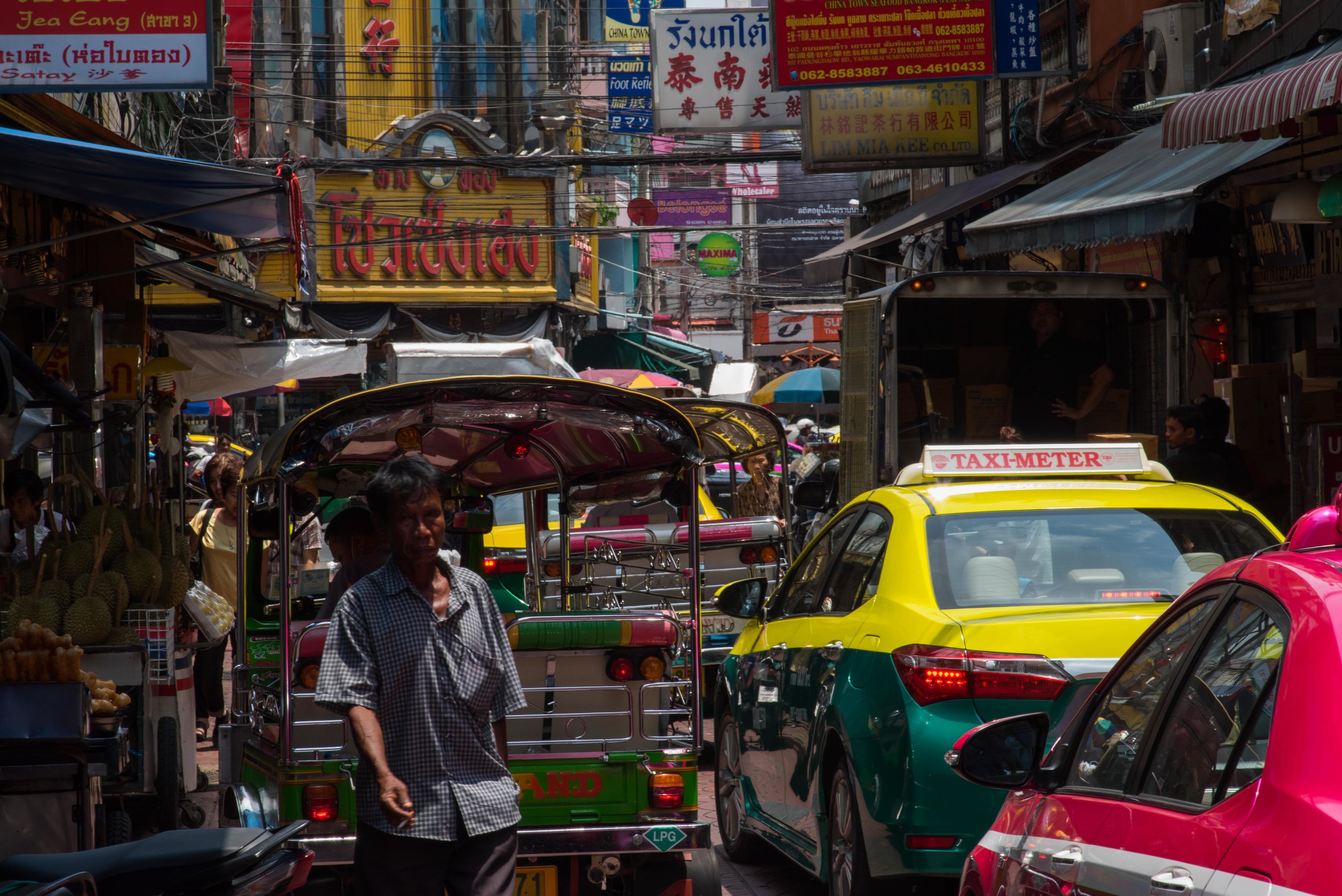
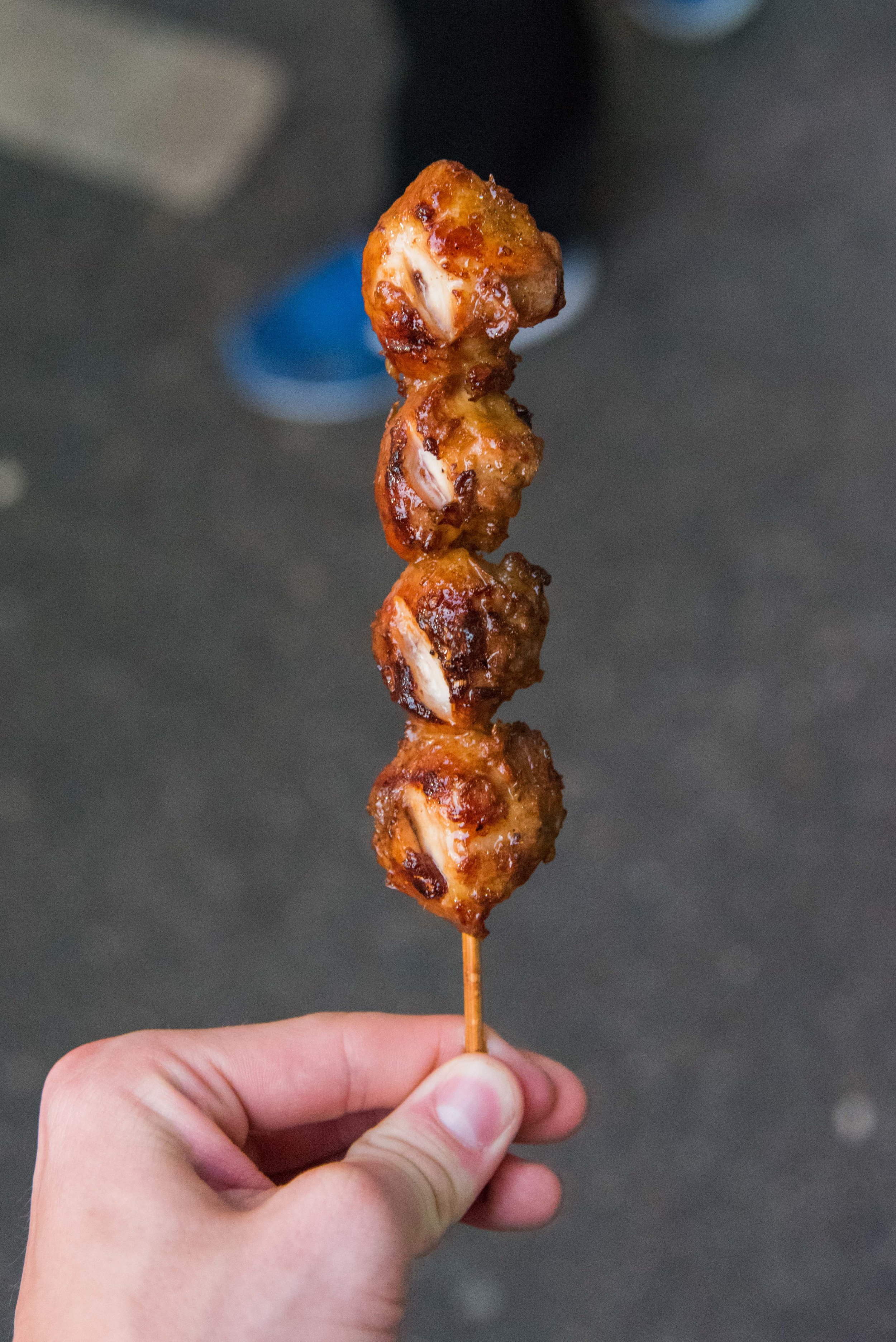
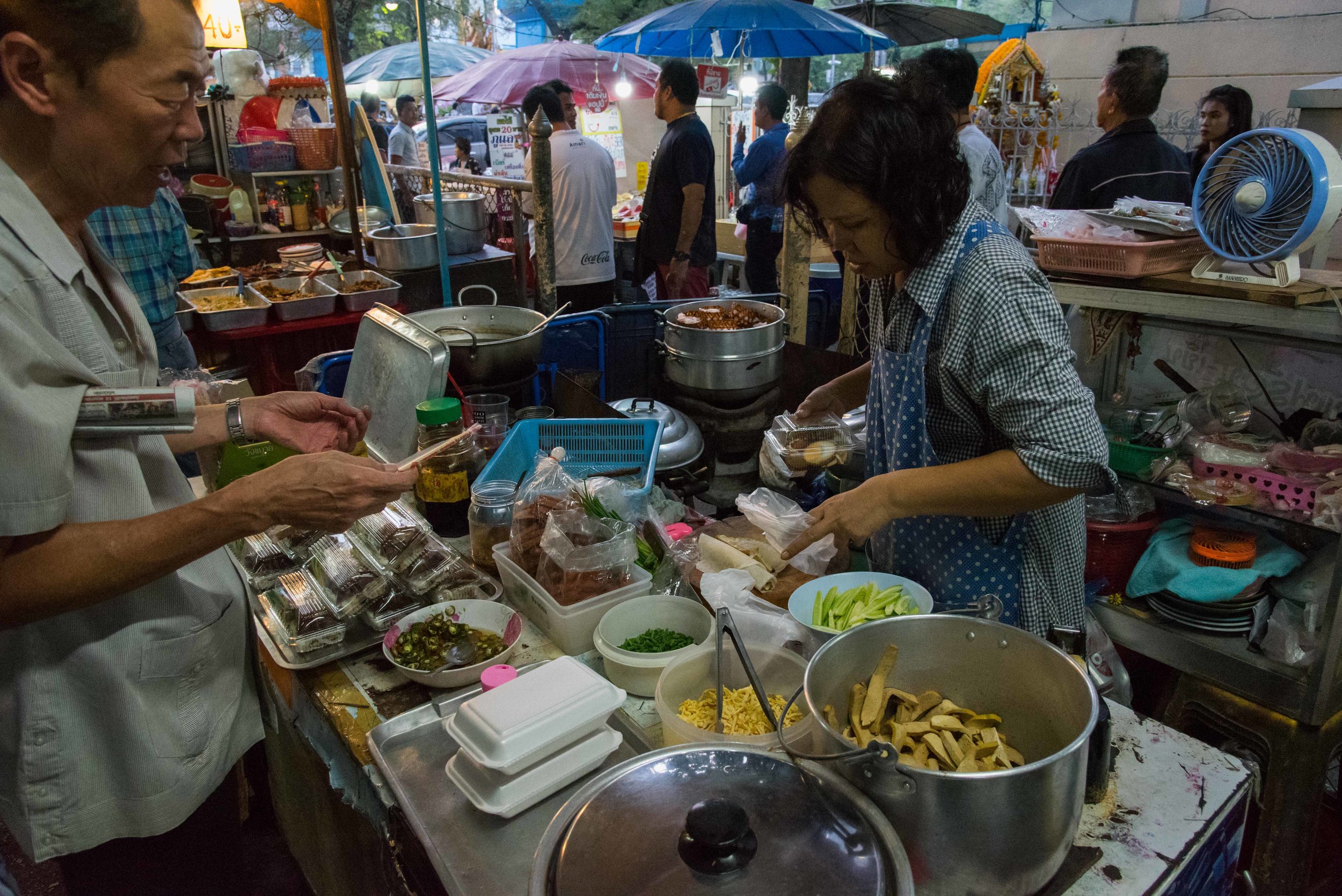
The street food was perhaps the best part of Bangkok. On every other corner we found chicken strips or pork meatballs, kebabs or pad thai, spring rolls or fried dough-balls, dumplings or a 7-Eleven with a world of snacks; and I can’t remember a single thing I didn’t love.

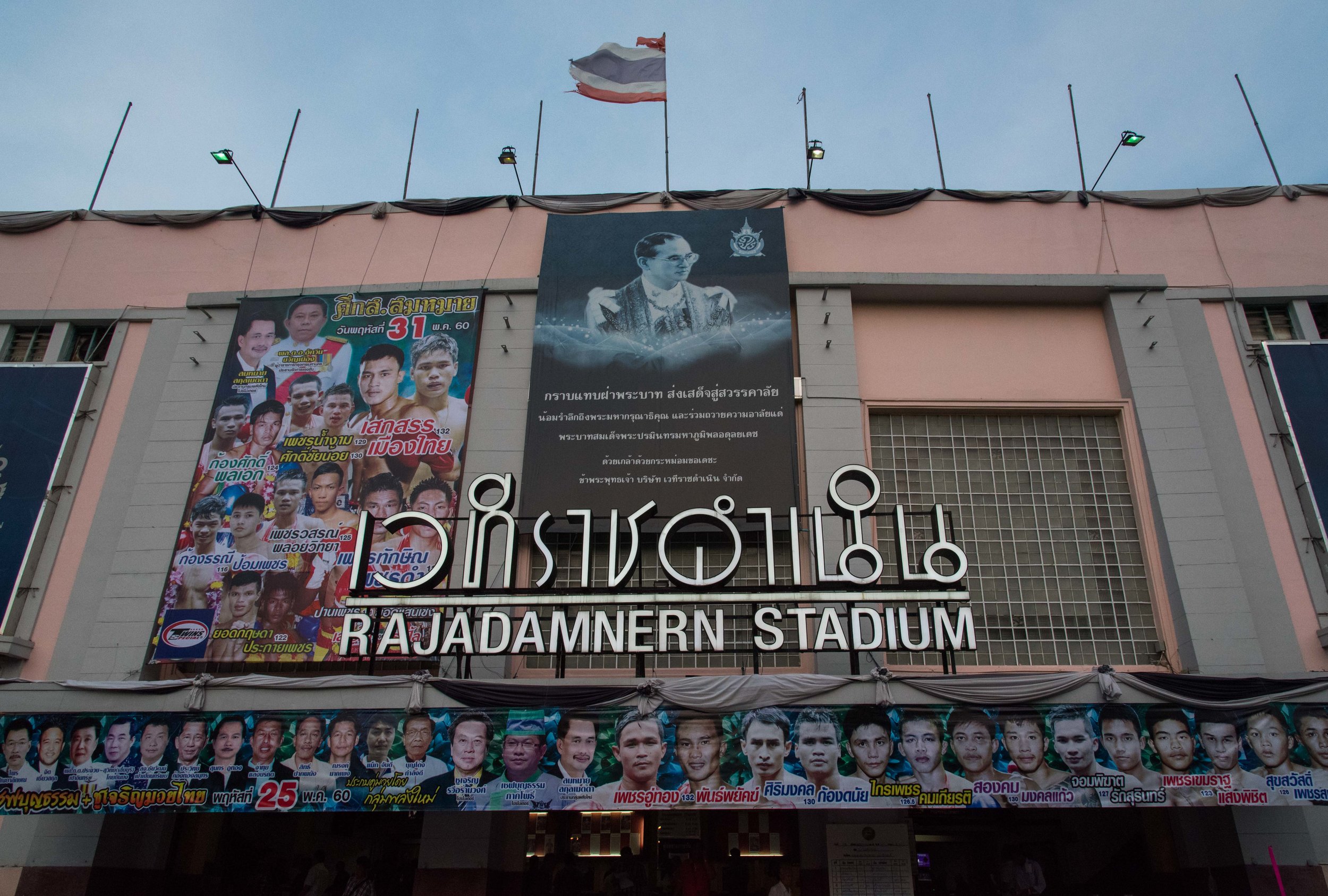
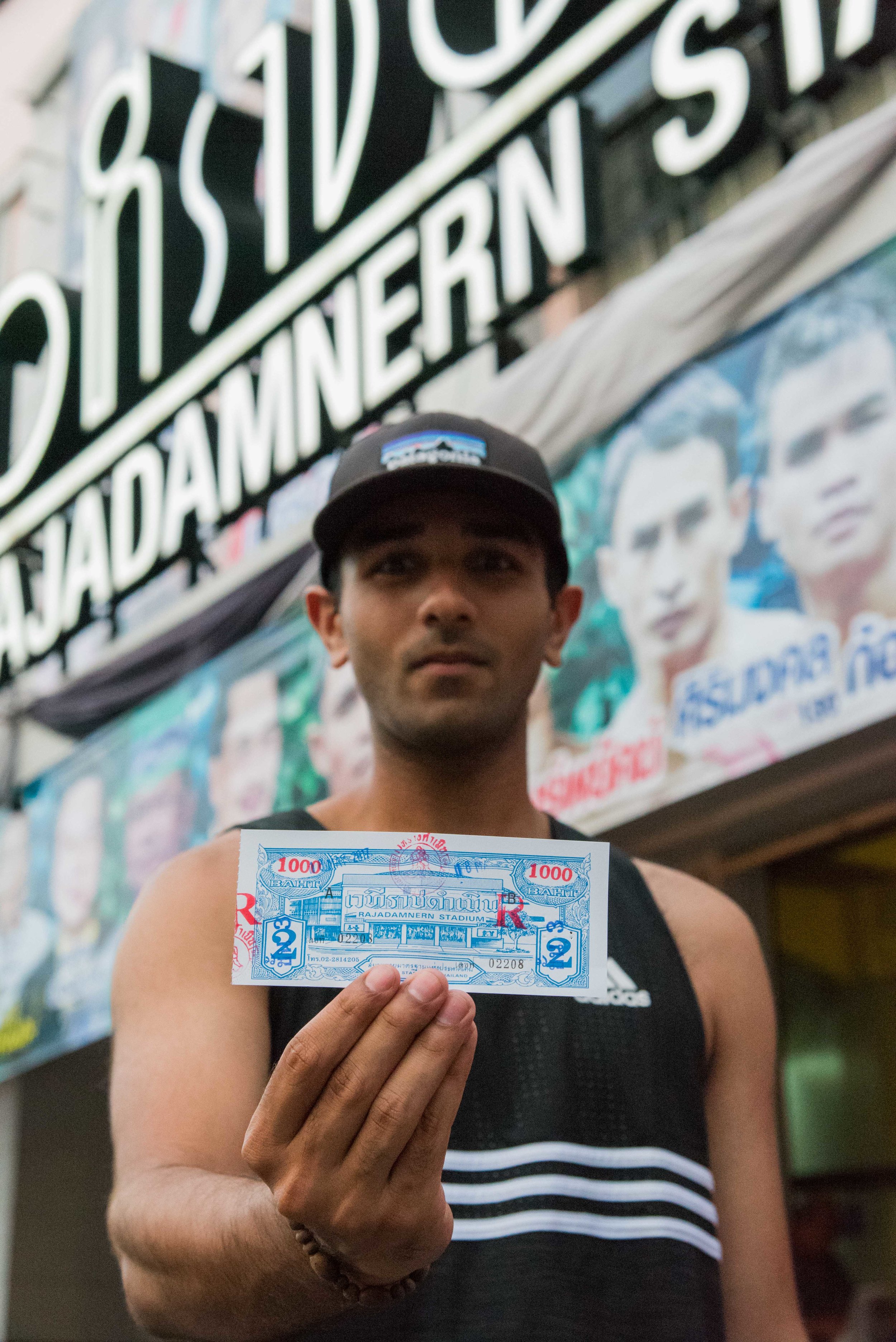
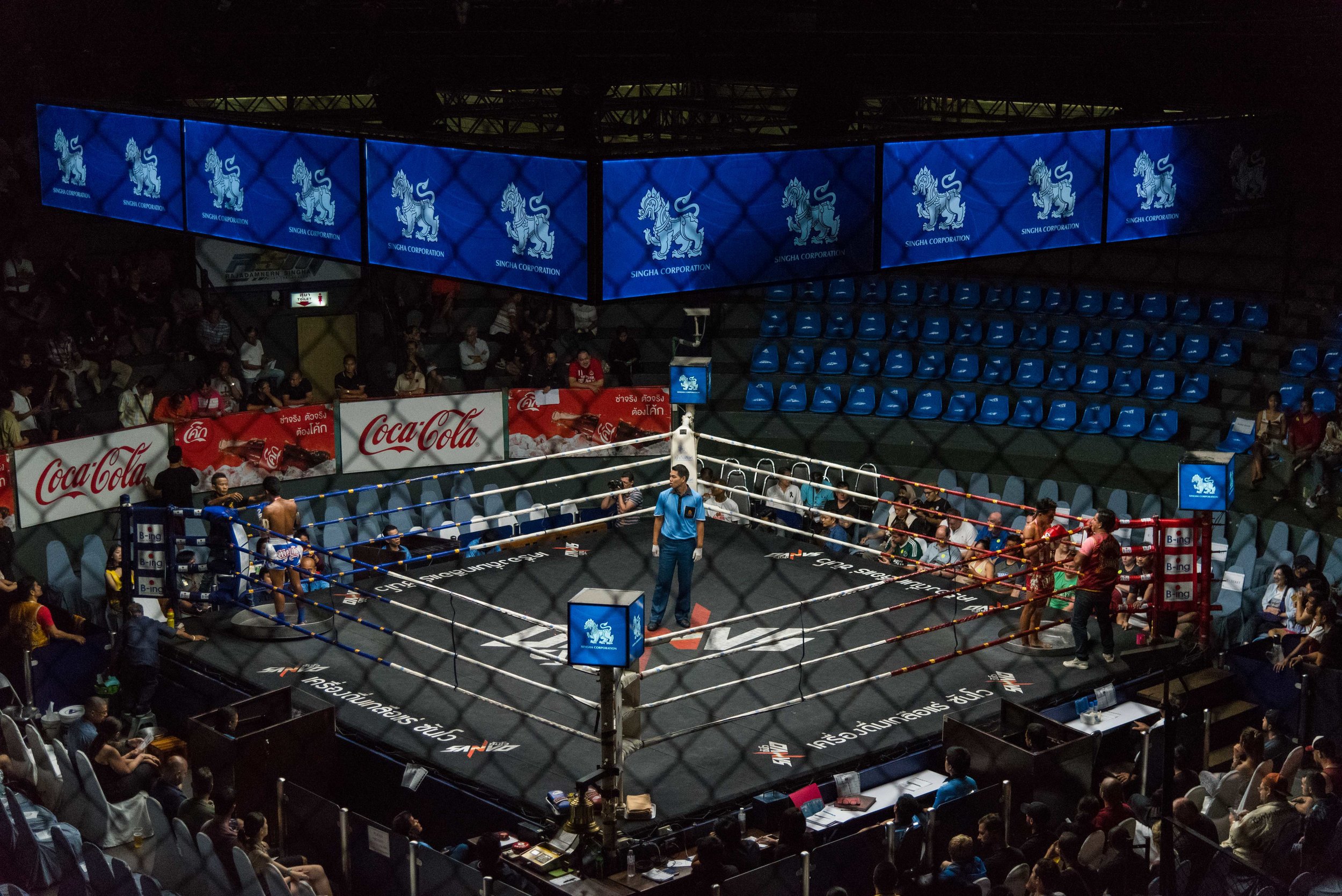
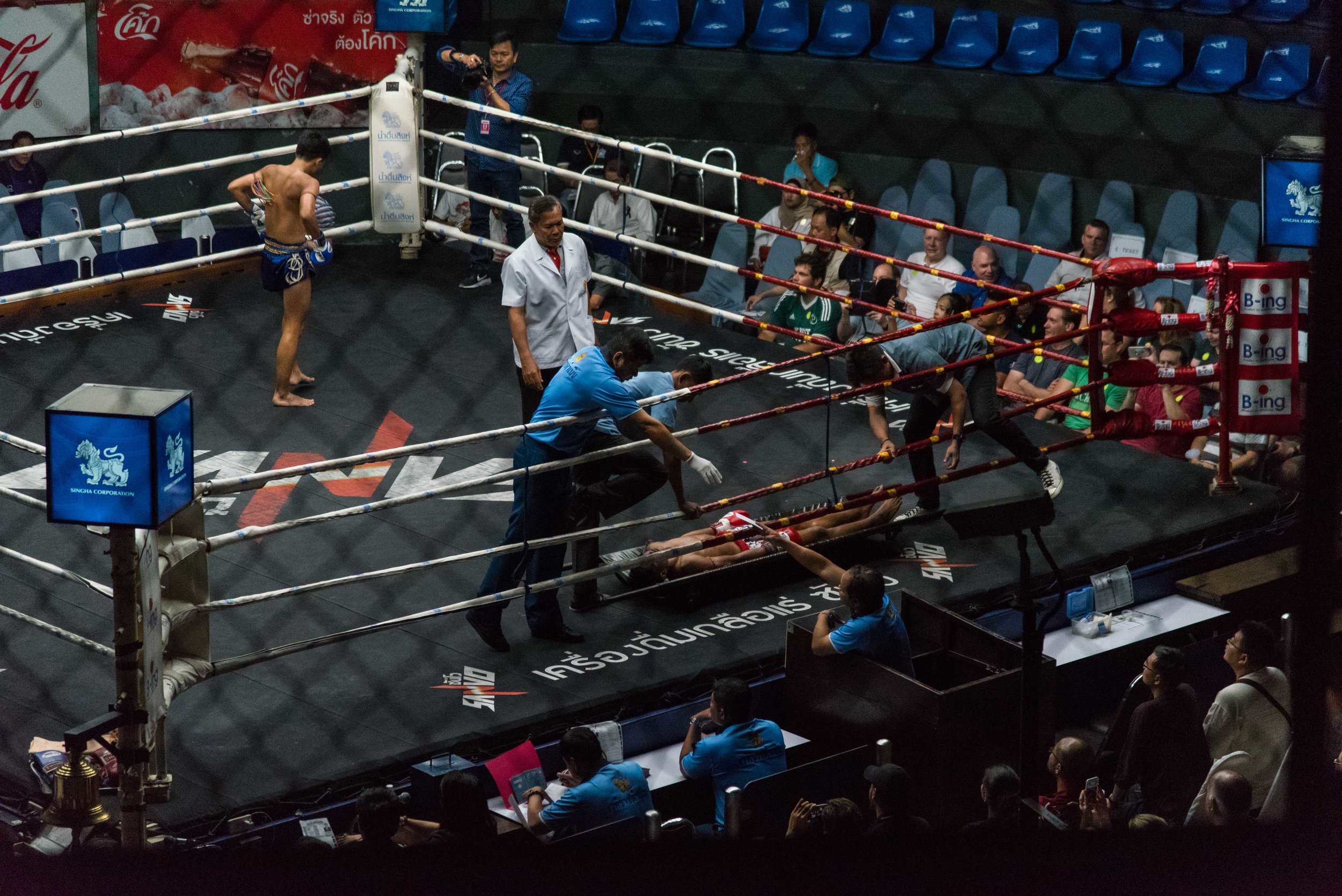
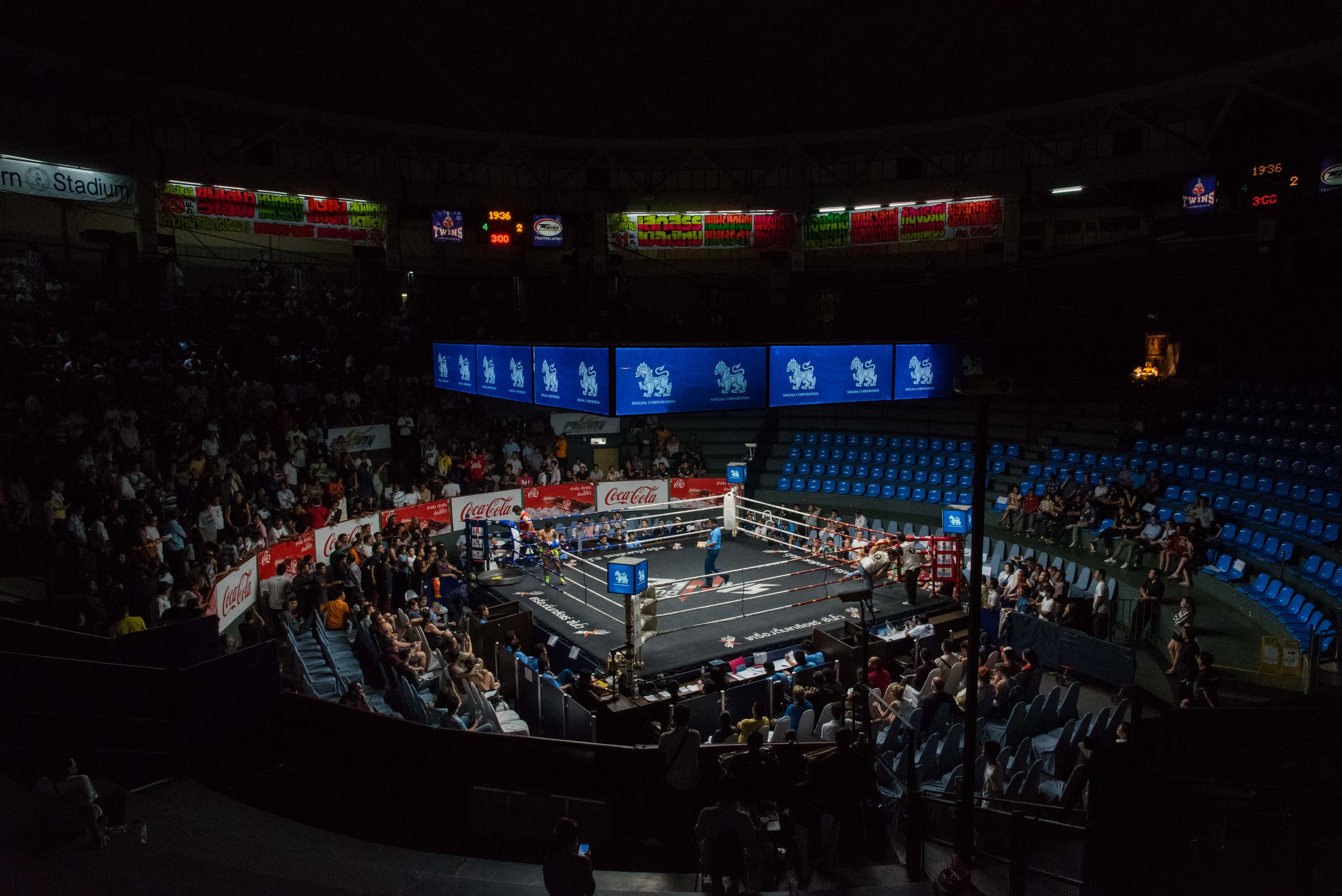
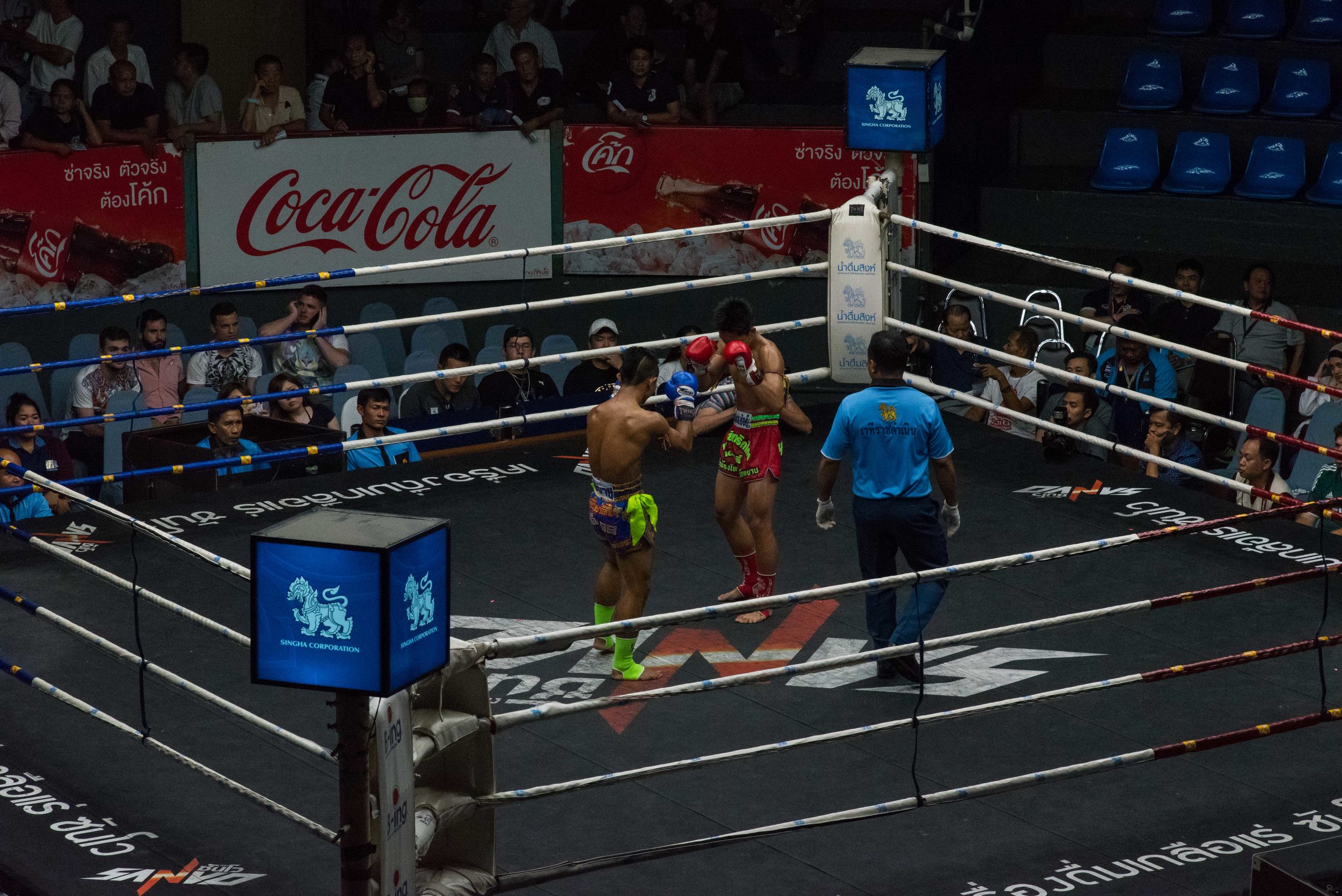
While in Bangkok we decided to experience another quintessential Thai pastime: Muay Thai. $30 tickets got us into the economy priced betting level of Thailand’s national Rajadamnern Stadium for three hours of brutal, bloody, super-featherweight competition.

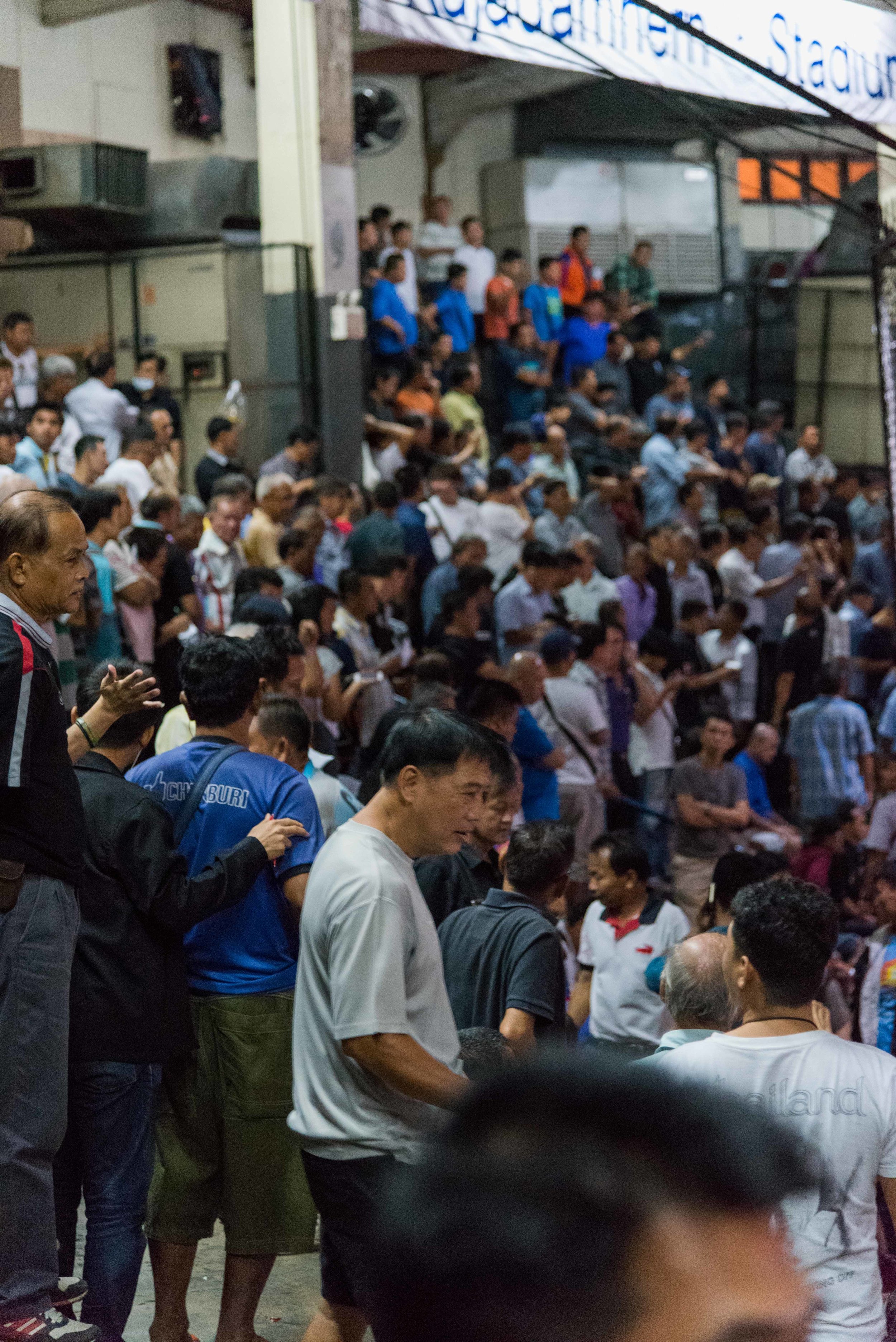
After stuffing ourselves with street food outside we made our way into the 65-year-old stadium, up a pee-filled concrete stairwell, through a humid hallway lined with cigarette-smoking Thai men and out into the stadium’s upper level. We were instantly engulfed in music, shouting, and waving arms, the end of which all held up a number of fingers that seemed to mean something to everyone but us. It became immediately clear that we were the only foreigners who hadn’t bothered to pay for courtside seats.

An attendant handed us each an English flyer with the night’s bouts and we found an empty stretch of concrete to sit down where we could take it all in. We spent the evening betting beers on which of the two scrawny looking teenagers would still be standing after seven rounds of savagely pounding on each other. I chose solely on who I thought had a cooler name and managed to win five out of the seven bets.

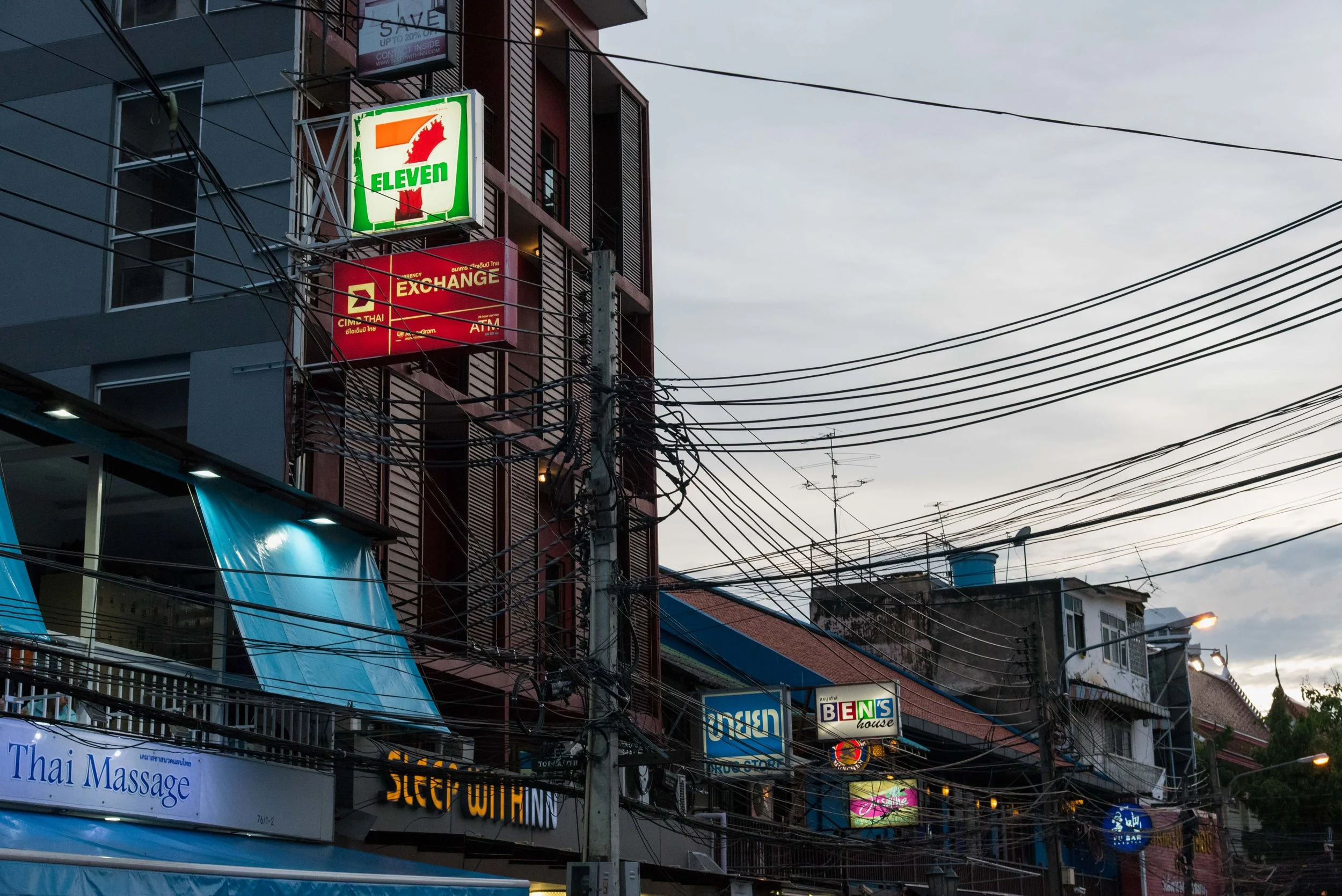
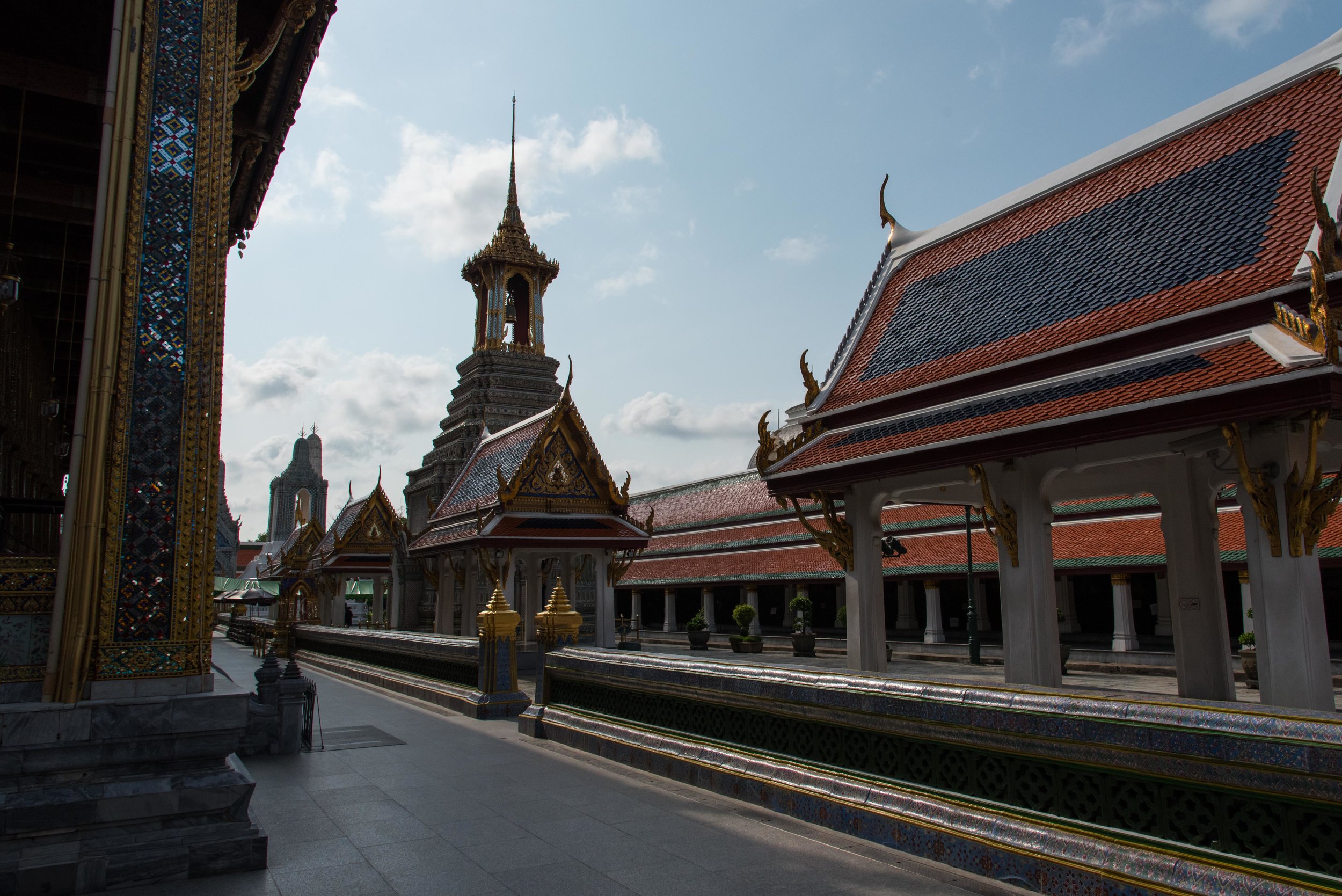
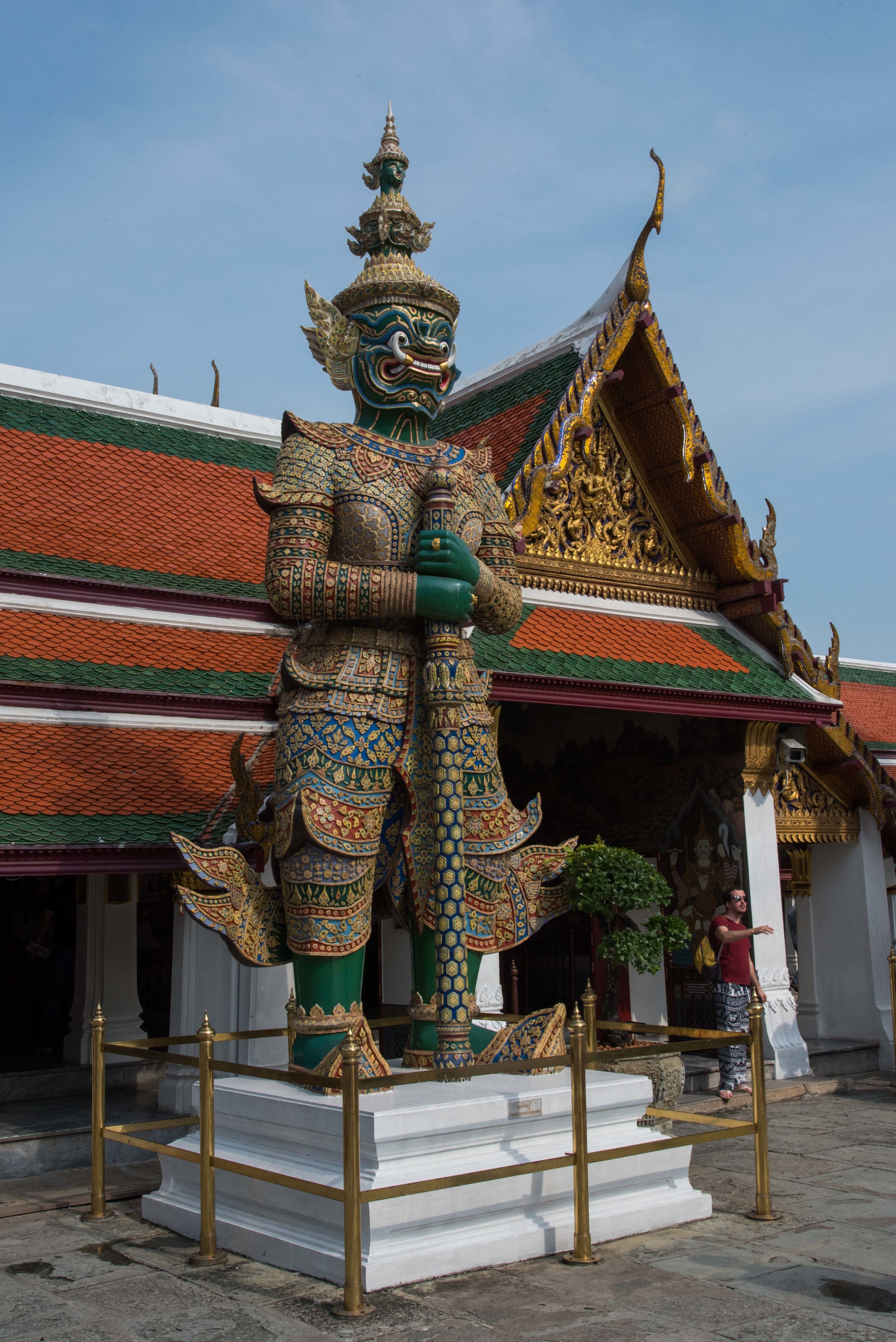
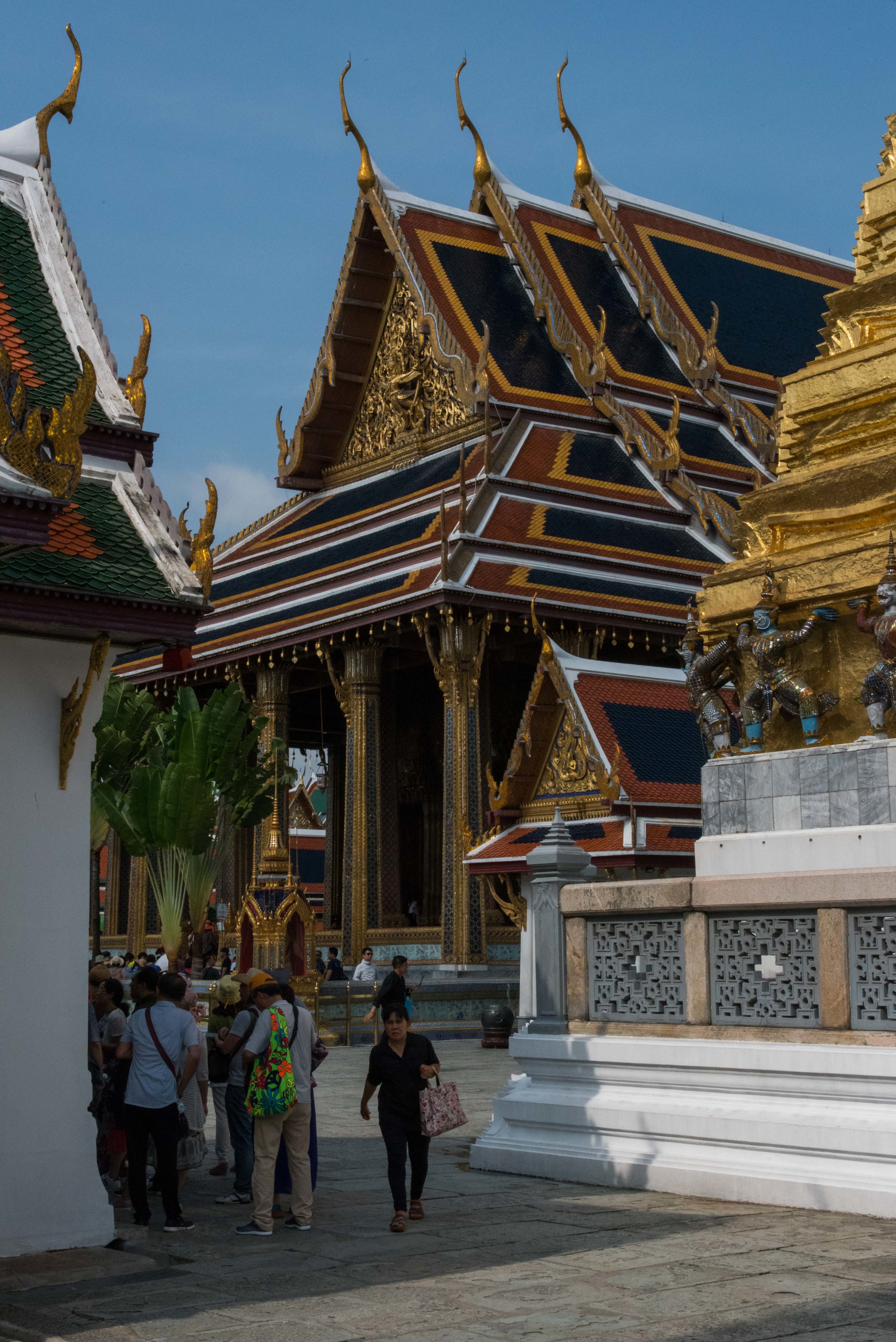
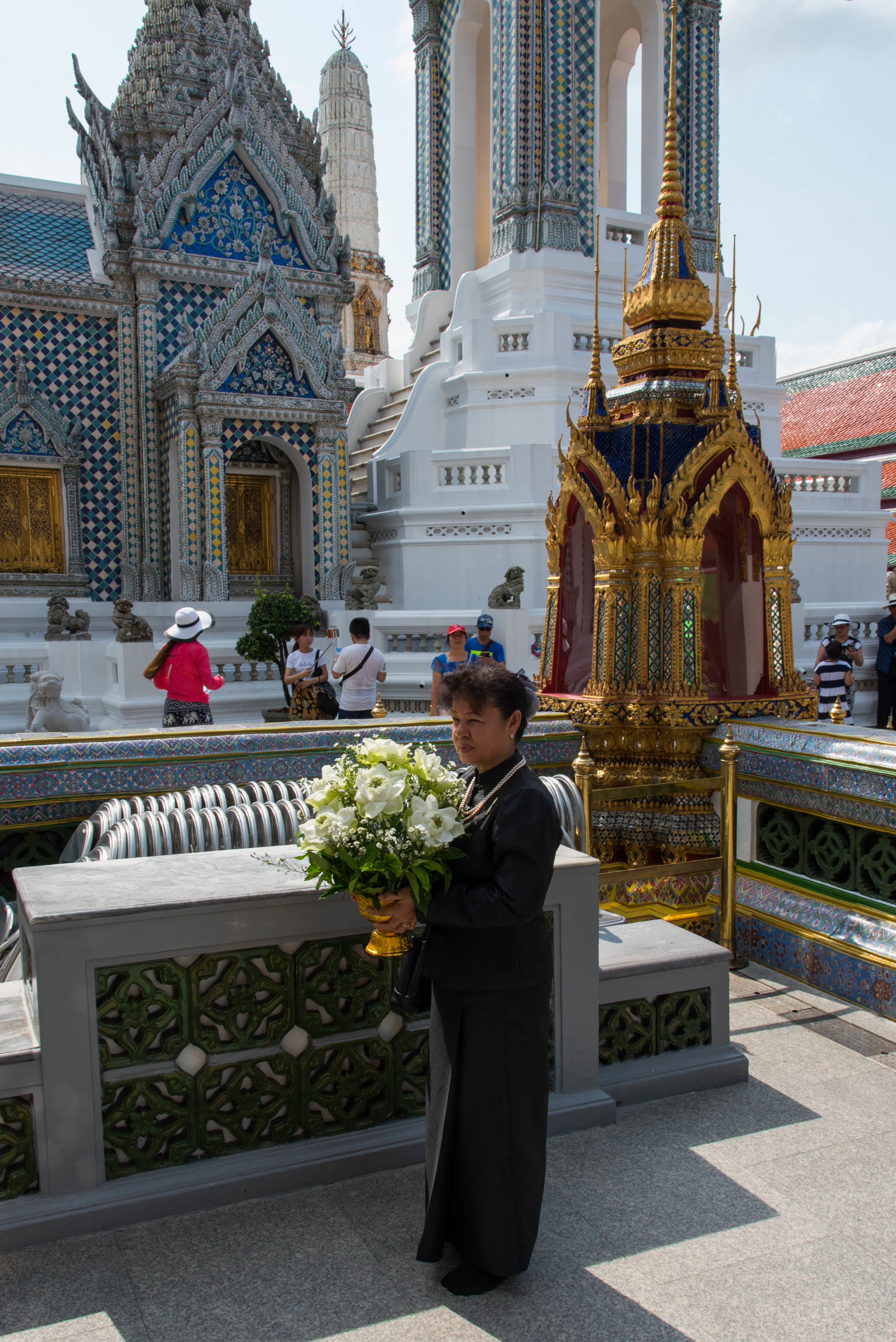
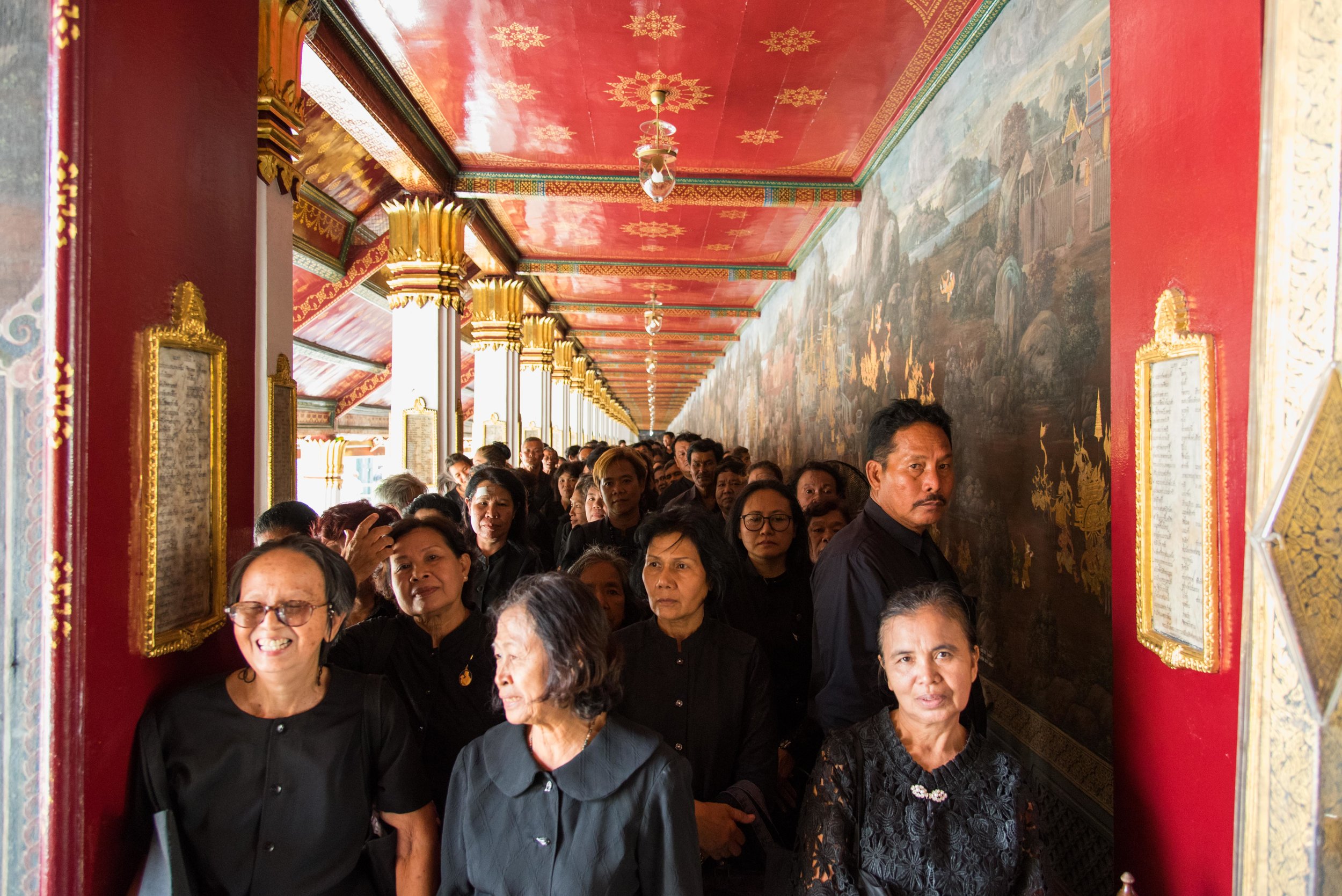
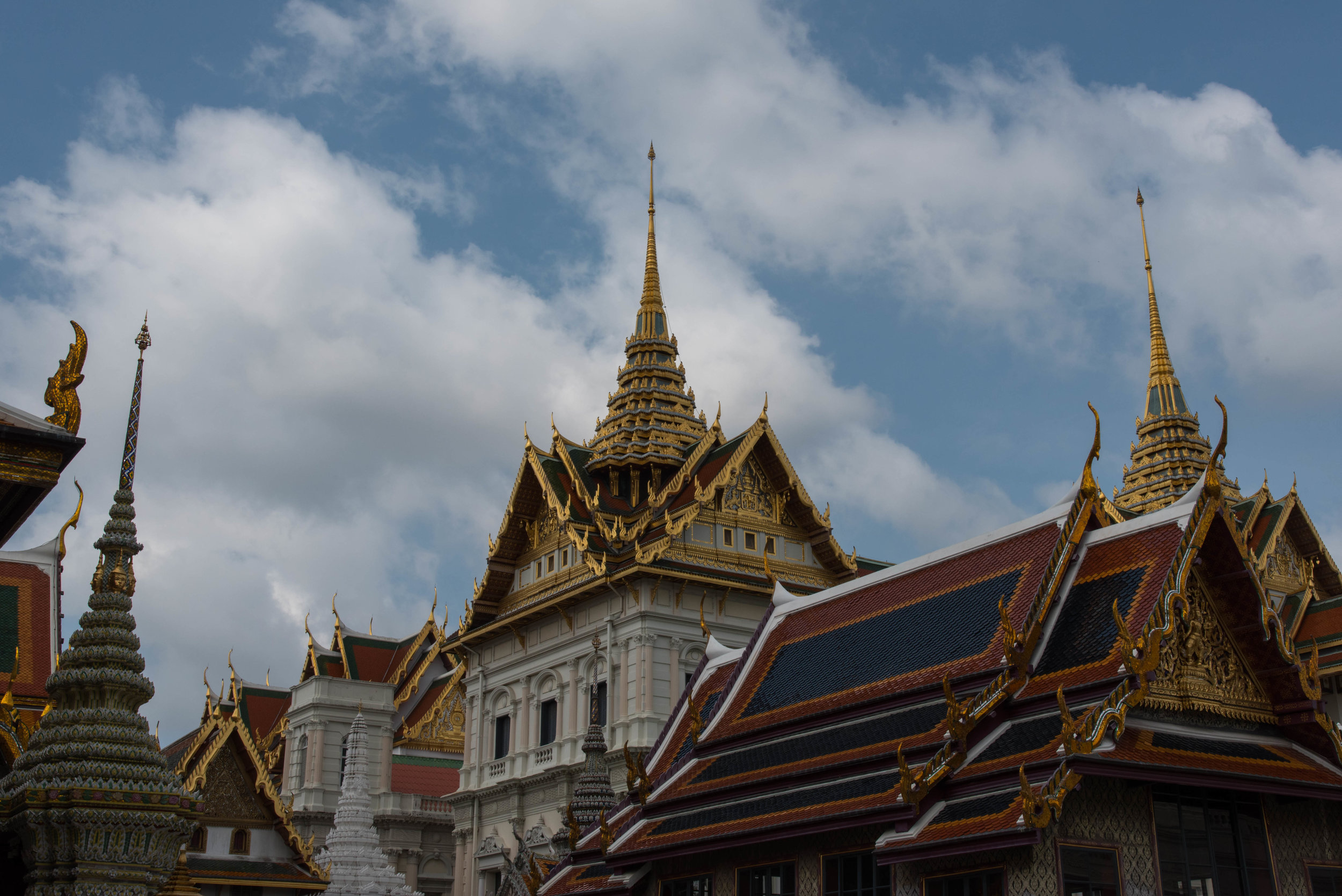
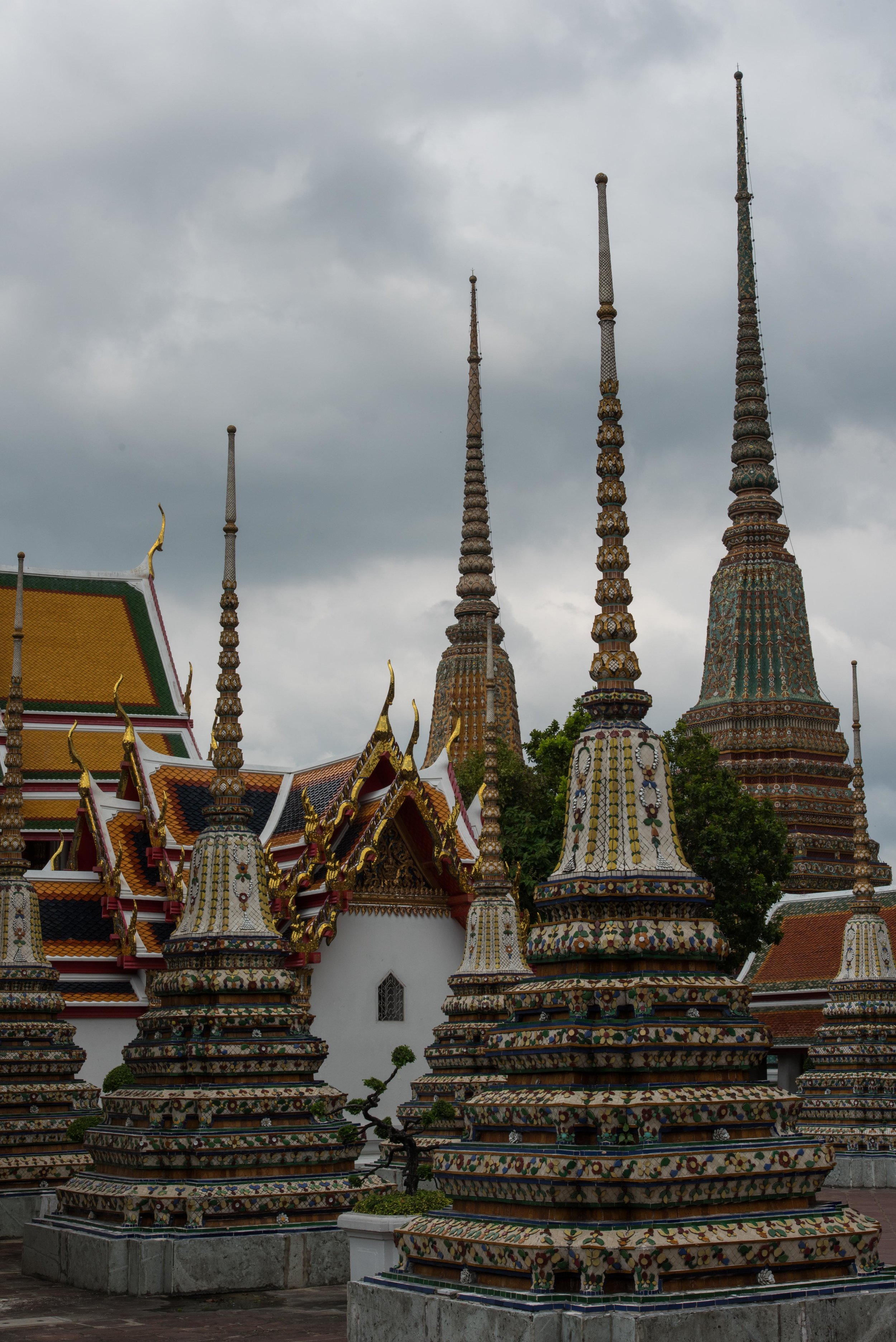
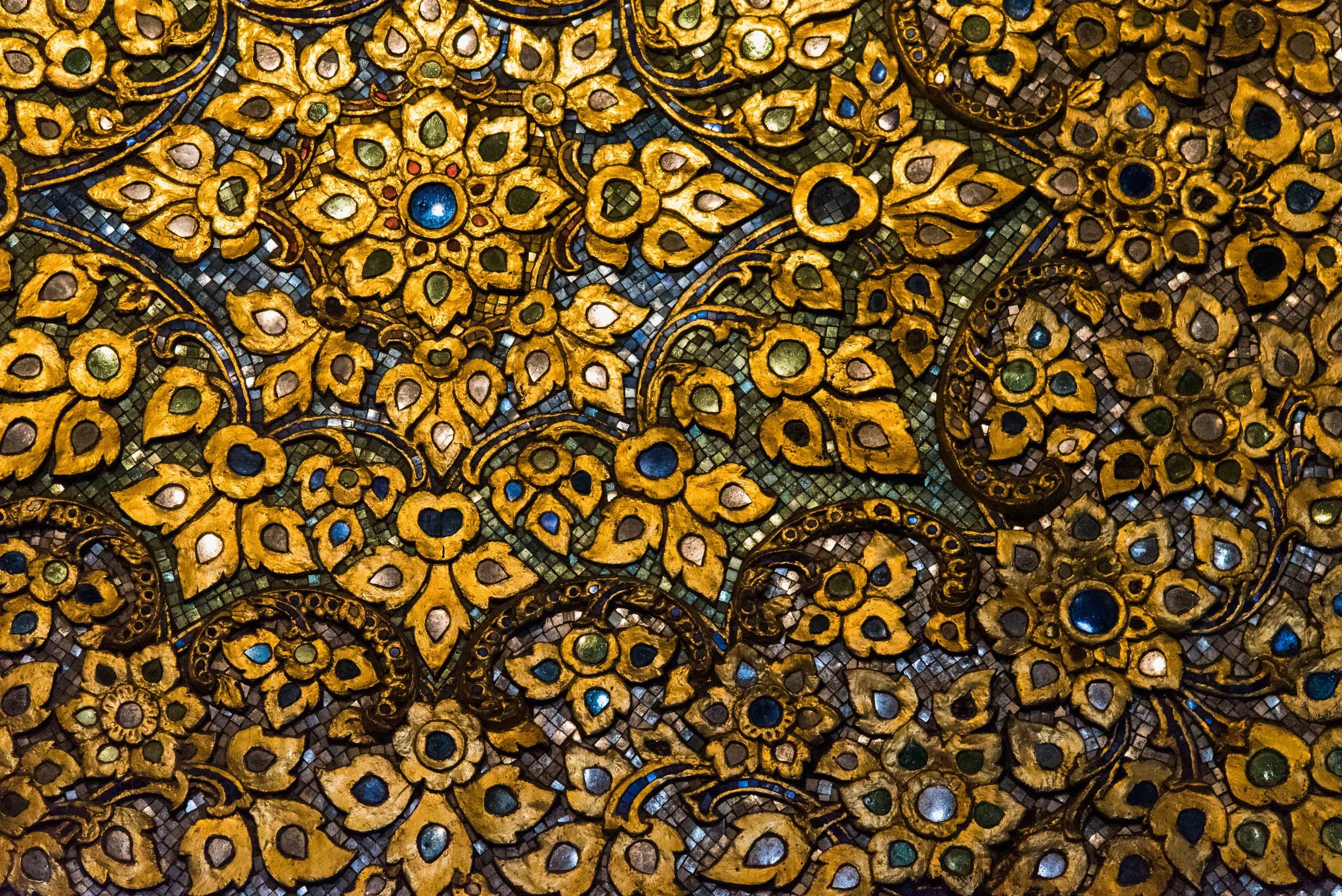
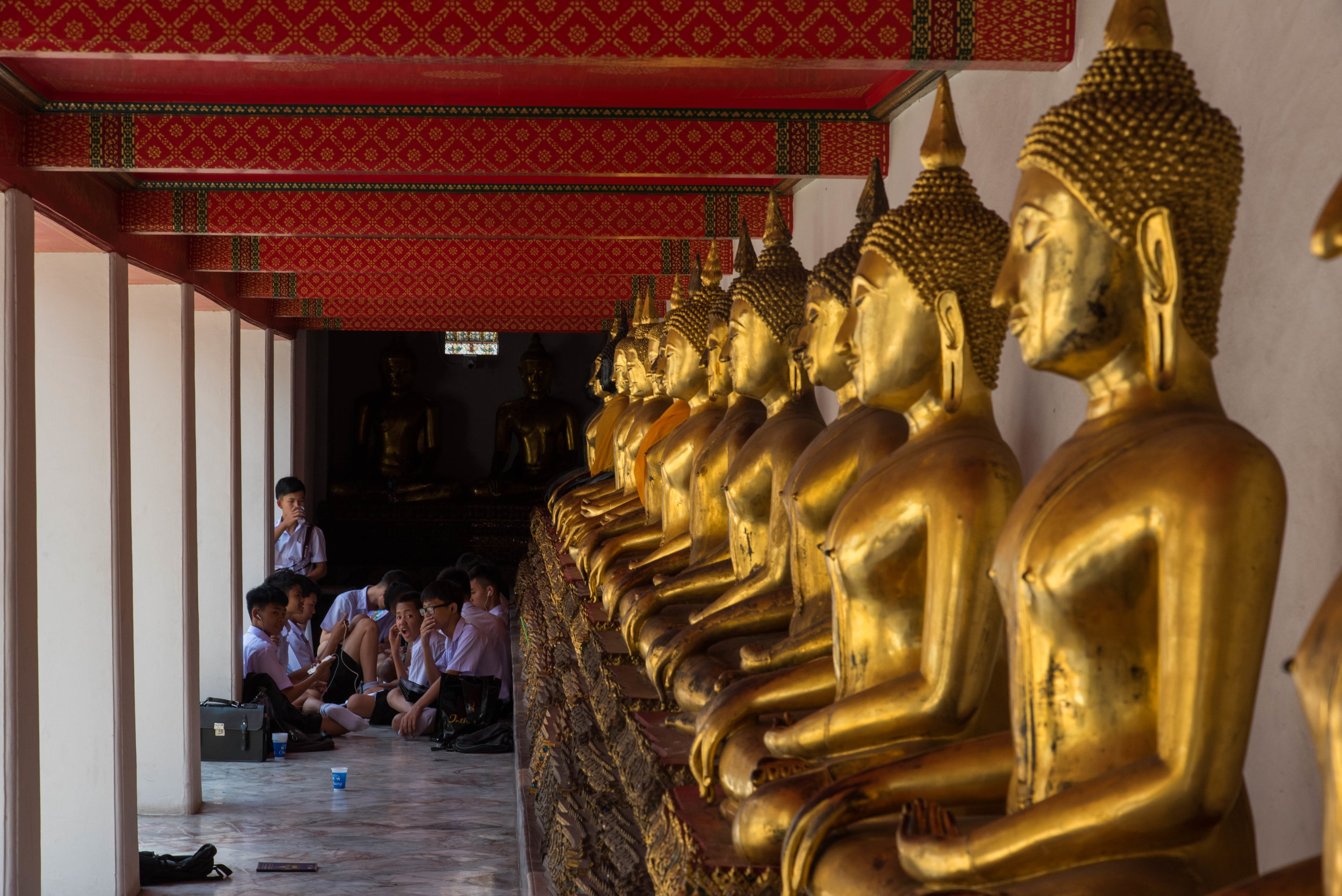
Pounding the pavement in search of something other than street food is rewarding, too. The city is an amazing mixture of lawlessness and beauty. The busy criss-crossed power lines make a good example of what the city as a whole feels like until you step into the grounds of one of it's many temples. They feature an amazing attention to detail and craftsmanship that is hard to fathom until you see it up close. Mural's reenact a Hindu epic, The Ramayana, and perfectly placed stones and tiles only get more beautiful the closer you inspect them. An authentic Thai massage at the Wat Pho Thai Massage school inside the temple walls definitely helps take away the fatigue that's inherent in a long day of exploring Bangkok's holy sites.

Getting a taxi in Thailand is always a negotiation, so for our flight out of Bangkok we decided to avoid the hassle and book a van from our hostel. When we paid in advance they asked us which airport we needed to go to: DMK or BKK. I paused for a second and confidently said “BKK, same one we flew into.” And didn’t give it a second thought.

We piled out of the van at BKK and went to the info-screens to figure out where we needed to check in for our Air Asia flight. That’s when I slowly started to doubt my decision from earlier—there wasn’t an Air Asia flight anywhere on the board, let alone our flight to Phuket. I looked at Sach and Goose as it dawned on me.

“Guys, we’re at the wrong airport,” I said.

They looked at me dumbfounded, they didn’t believe me, or didn’t want to.

“No seriously. Air Asia has no flights in or out of BKK. They must be with other budget airlines at the old airport.”

I pulled out my folder full of flight information and confirmed my suspicions. I looked at my watch.

“We’ve got two hours.”

We all grabbed our bags and ran back out to the curb that we’d just arrived at and looked for a taxi stand. I jogged up to the first taxi I saw and asked how much to get us to the other airport. The man laughed and looked at his friend who smiled back at him, this wasn’t the first time a tourist had been in this position and this taxi driver was ready to capitalize on it.

“2,000 baht,” he said.

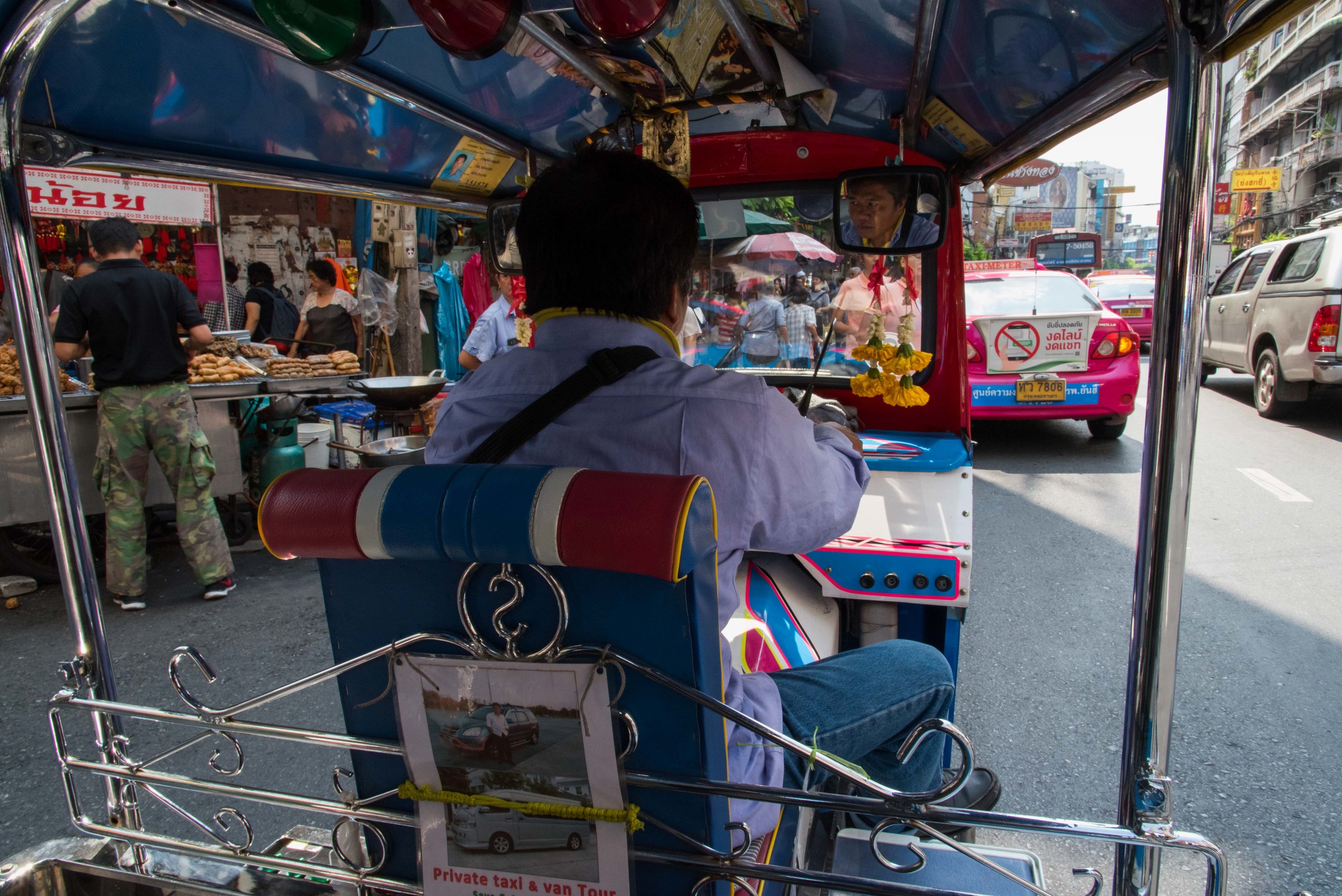
We’d dealt with this every time we ordered a taxi or tuk-tuk. They start the price ridiculously high and are typically willing to take you for half of their first offer. With this in mind the negotiations began.

“Ha! No way. 1,000,” I said, as confidently as I could manage knowing how little time we had to make it to the other airport.

“No, no, no. 2,000 baht, no less,” was his retort.

“Way too much! 1,000 at most!”

“No! I take you for 1,000 I lose money. Your flight is so soon I need to speed and I get ticket for more than you pay me,” he said in broken English.

I turned to the others and consulted with them in hushed tones. We looked at our watches and weighed the risks. We had no idea how far the other airport was, and besides, 1,000 baht was only about $20, definitely not worth missing a flight over. As we deliberated I noticed another taxi driver that had been watching the whole negotiation take place and thought it couldn’t hurt to ask how much he would charge.

“How much to DMK,” I asked as I walked towards him.

“1,000 baht,” he responded with a knowing smile; he’d just obliterated the competition’s offer.

This was our guy.

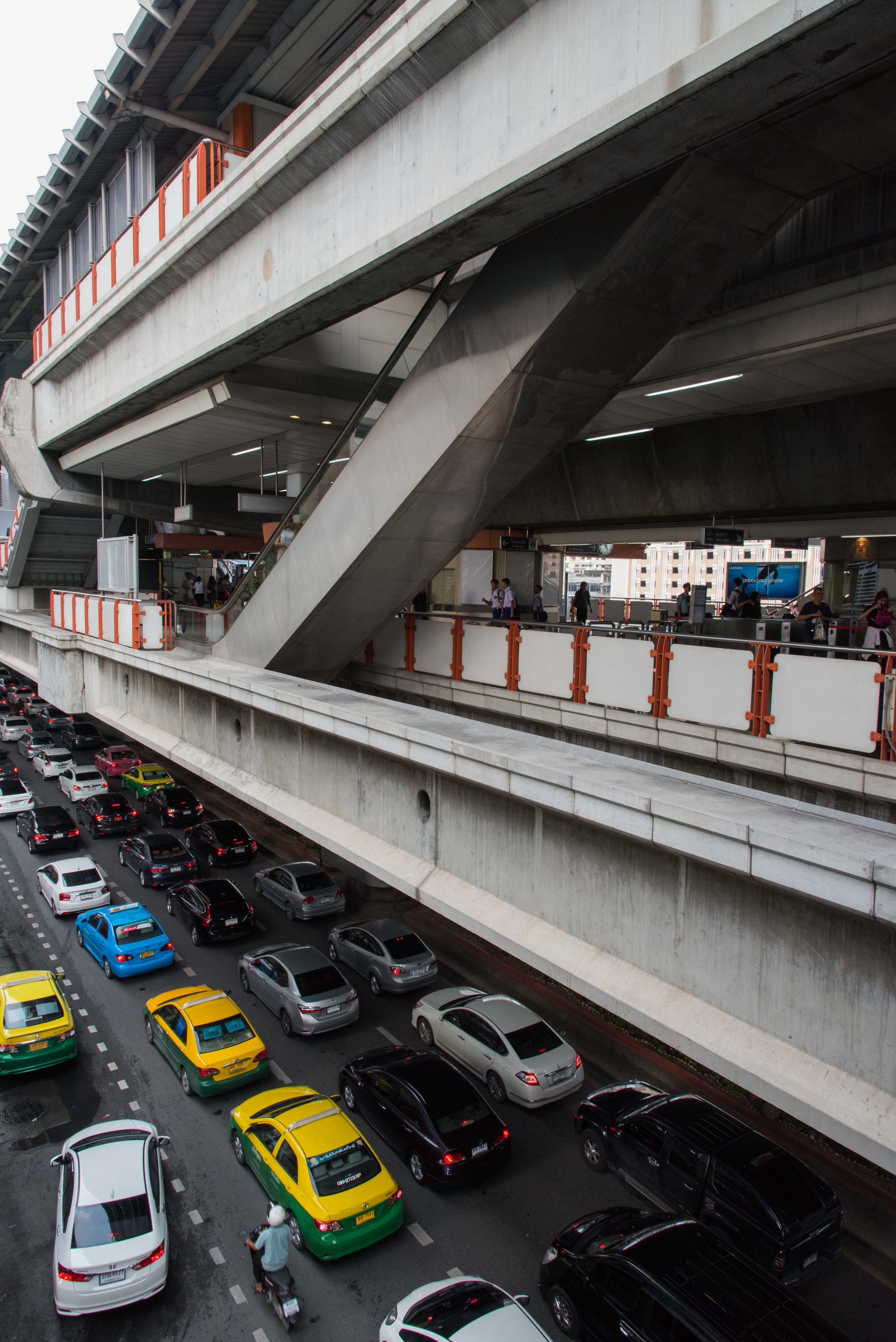
I called the others over and we all piled into his cab as the other driver turned away in a fuss. We laughed as we drove across Bangkok, commending ourselves for not being suckered into the expensive cab fair. We made it to Don Mueang Airport and got to our gate with 30 minutes to spare.


I'd rather not scar you with stories of a Thai "Ping Pong Show" in Phuket, so check out photos from that part of the trip below instead.

ezgif.com-video-to-gif.gif

Ha Long Bay, Vietnam 2017 by William Bryan

This is the third post in a five-part series from a trip to Southeast Asia in May, 2017 with Sach and Goose. Check out the first two from Hong Kong and Hanoi if you haven't already and hang tight, the next two stories are on their way!


Rain.

So much rain.

Rain forming huge pools in the street. Rain streaming down the sides of our bus. Rain everywhere. As we drove to Hạ Long Bay we didn’t think anything of it, we were just happy to be inside the bus where it was dry. At least not until our guide turned around in the passenger seat and yelled “70%” over the sound of the rain pounding on the bus’ roof.

“What?” we yelled back.

“70% chance we don’t go!”

We all looked at each other like he must be joking. We paid for a two-day-one-night boat cruise amongst Vietnam’s famous towering islands and we’d be damned if a little monsoon kept us from that. But our guide wasn’t being even the slightest bit funny. He explained that if the rain didn’t clear up quickly after we got to the harbor they planned on taking us to Hạ Long City for some tourist attractions and driving us back to Hanoi that same night which, needless to say, wasn’t something that we were looking forward to. As we pulled into the harbor the rain wasn’t showing any signs of abating. We started to realize that the cruise wasn’t going to happen as we sat under an awning and waited for the monsoon to pass.

Our bus must’ve been a good luck charm for all of the hundreds of sorry souls waiting out the rain with us; after about 20 minutes of sitting in humid, cigarette-smoke-filled air the downpour began to slow. No more than five minutes later the rain had stopped and we were on the boat making friends with the other guests as we motored out of the harbor.

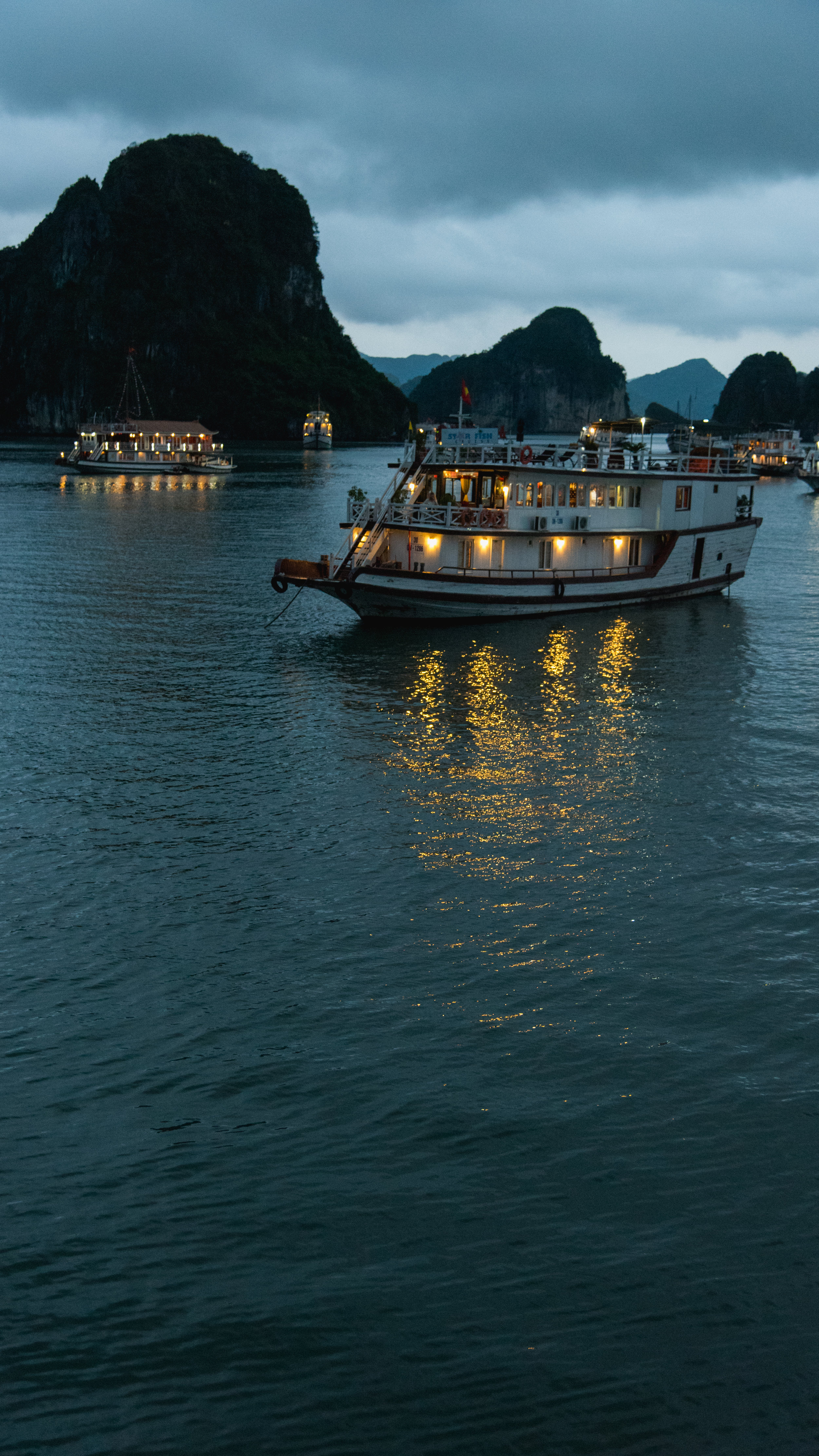
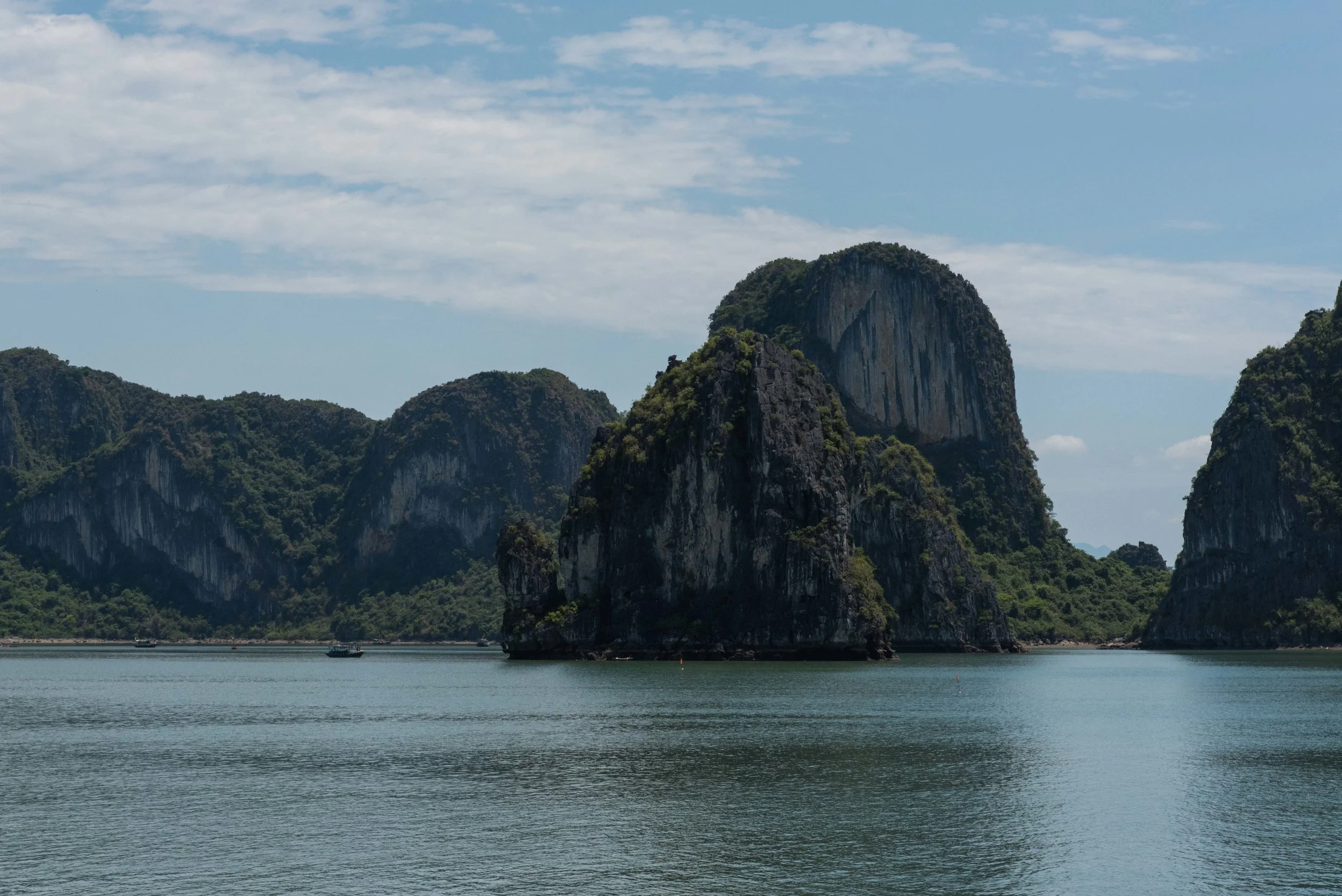
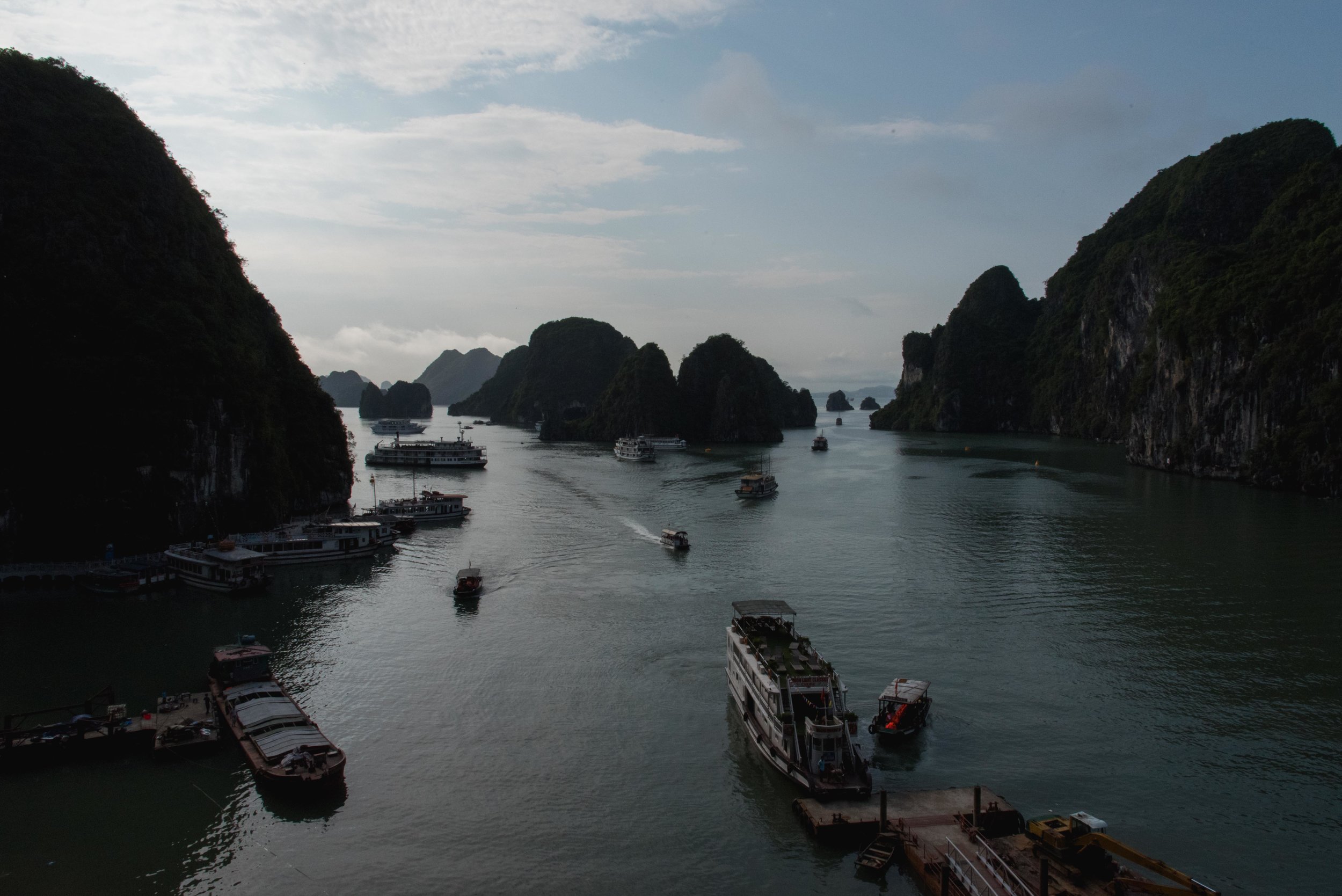
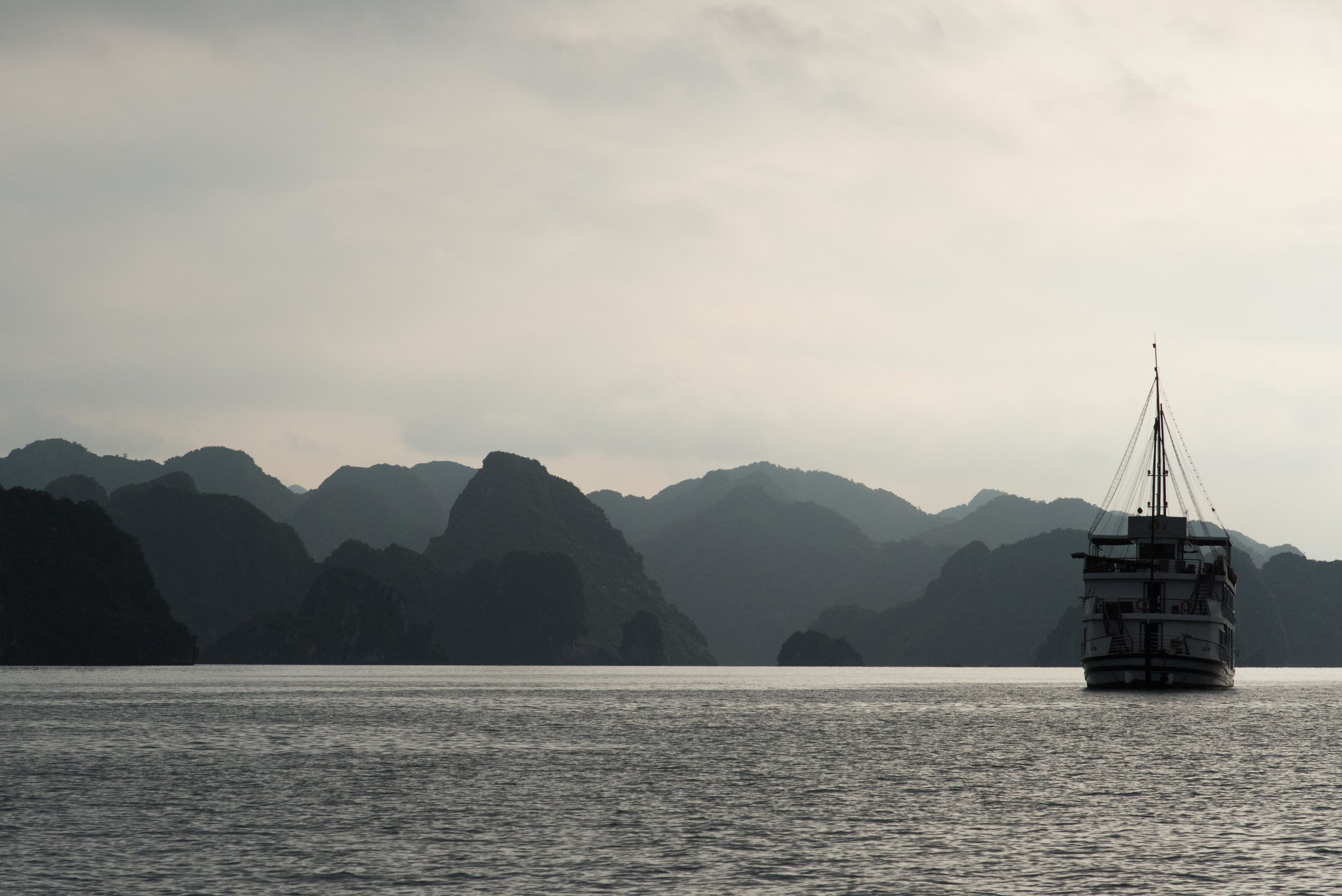
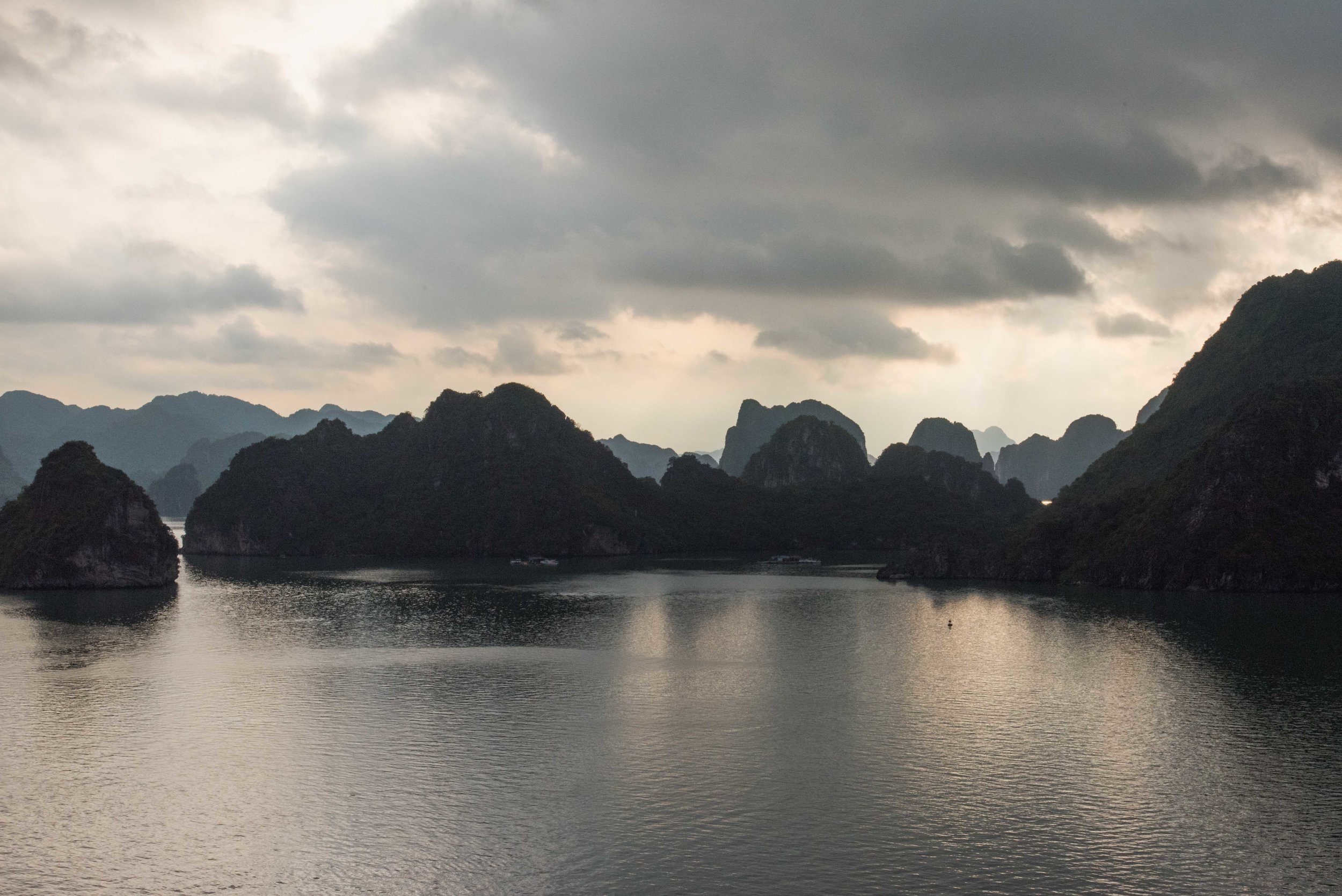
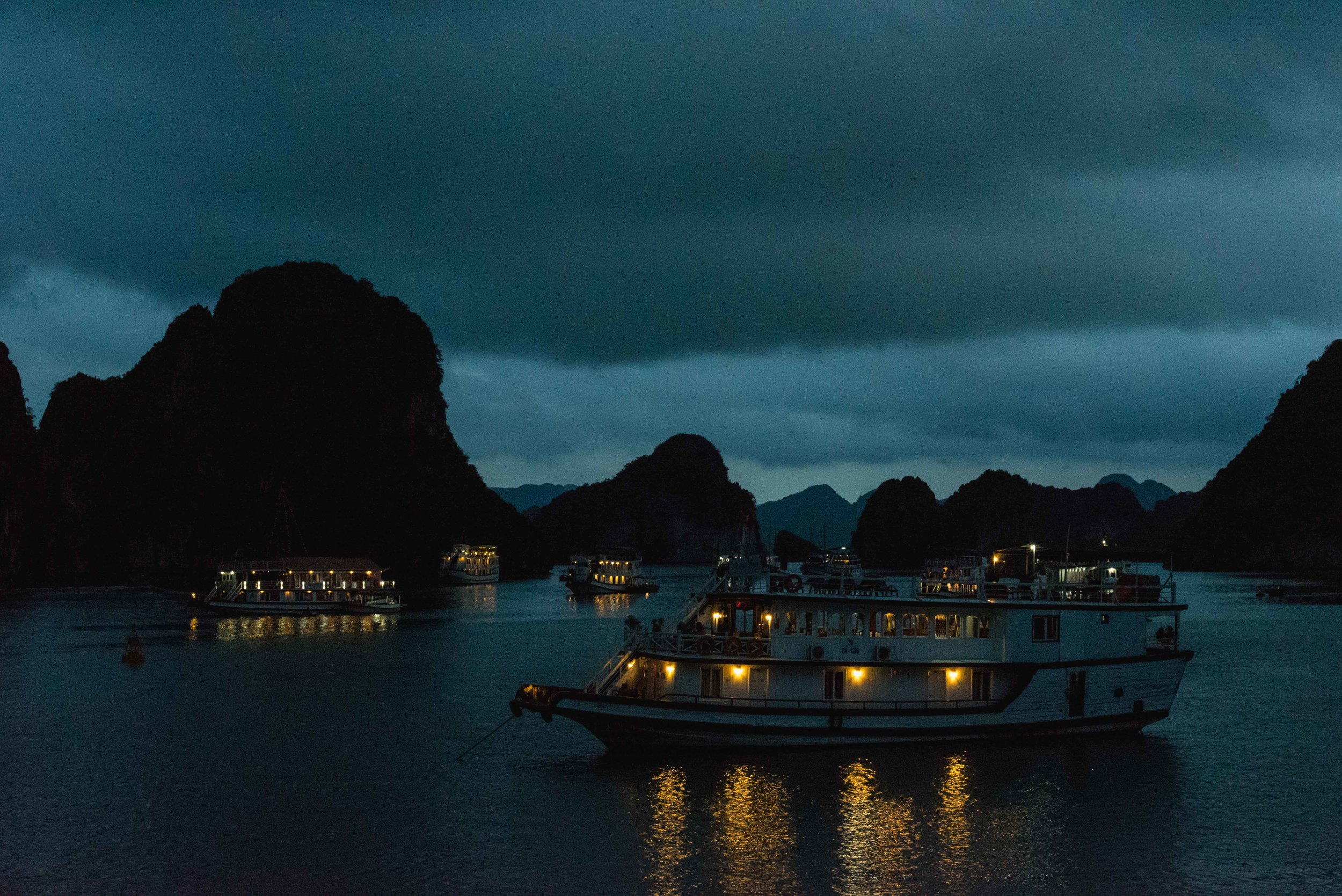
None of us could have guessed how sorry we would’ve been if the rain had actually stopped our cruise among the islands. Massive green monoliths rose out of the sea in every direction. Other cruise ships (there are hundreds on the water every night) disappeared through channels between the rocks only to reappear a few minutes later. At least that’s what seemed to be happening, the damn ships all looked the same.

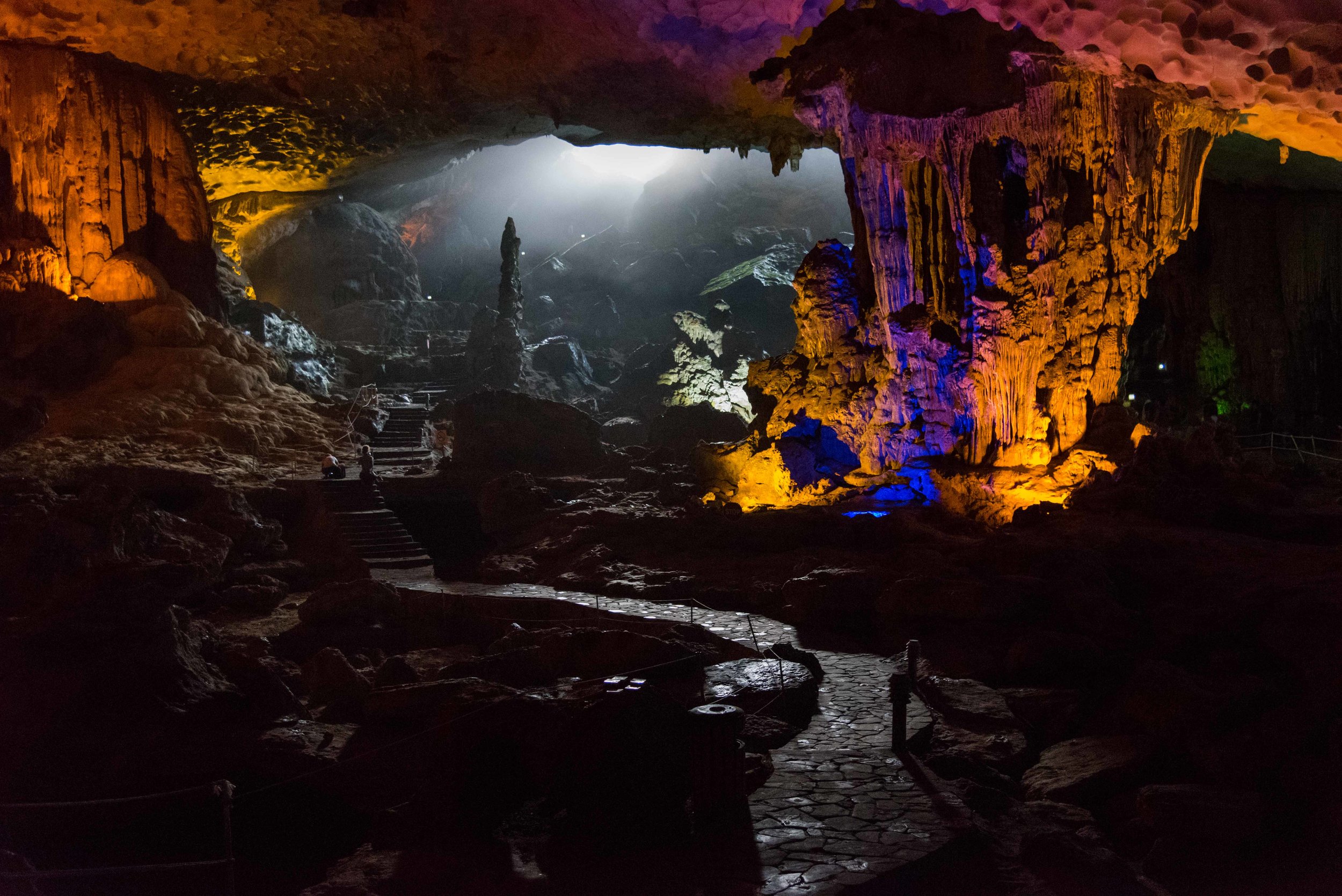
With the boat as home-base we explored in and around the islands by foot and kayak over the next day and a half. We checked out the Surprising Cave (we thought it was a joke at first too, it’s not), got sweatier than we’ve ever been summiting an island, and fished for squid off the back of the boat before motoring back to Hạ Long Harbor for our bus-ride home.

Stay informed on when the rest of the series comes out by following me on Instagram.


Hanoi, Vietnam 2017 by William Bryan

This is the second post in a five-part series from a trip to Southeast Asia in May, 2017 with Sach and Goose. Check out the first one from Hong Kong if you haven't already and hang tight, the other three stories are on their way!


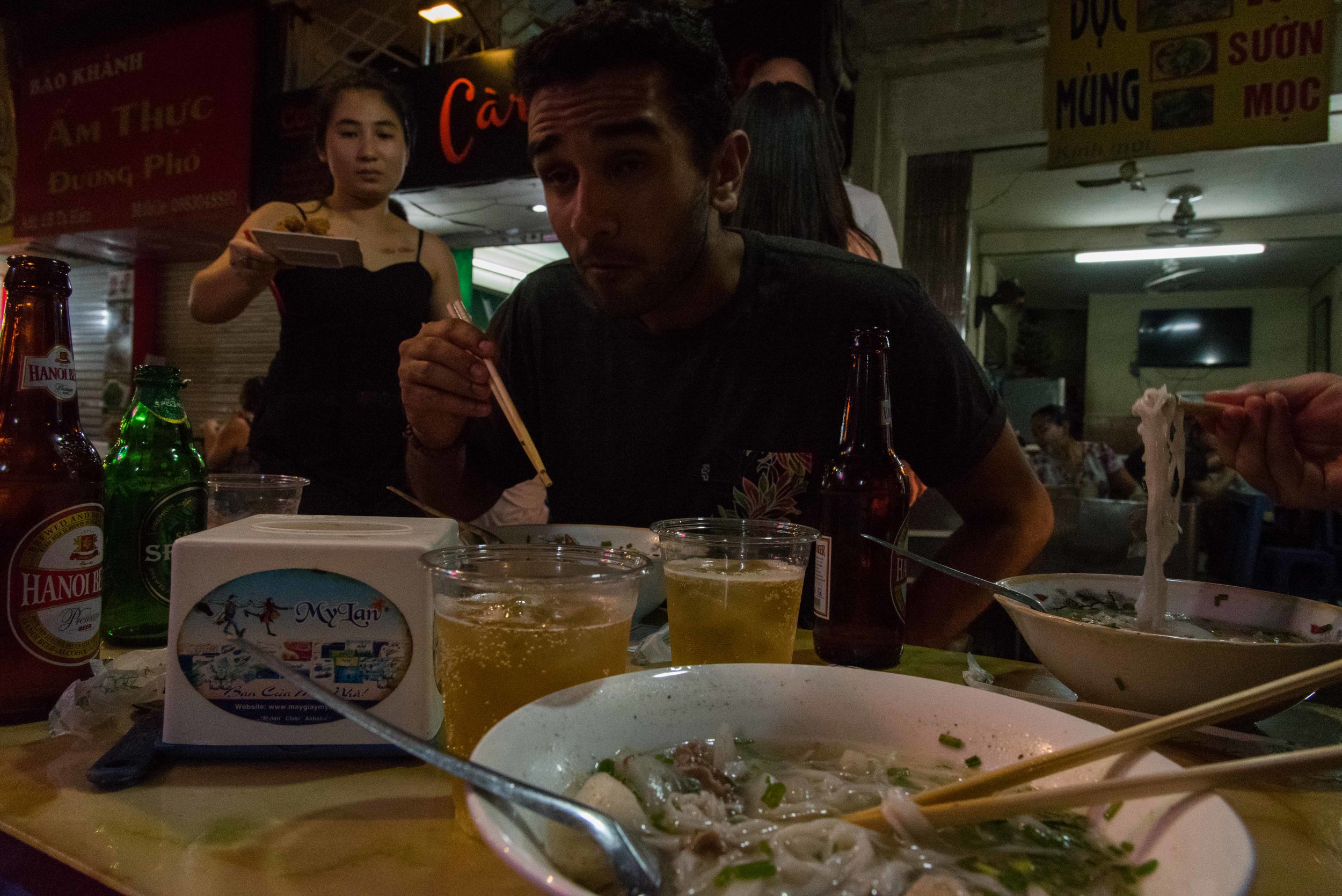
If there’s one takeaway that Sach, Goose, and I have from Vietnam it’s that the people are unnervingly nice, kind, and happy to help.

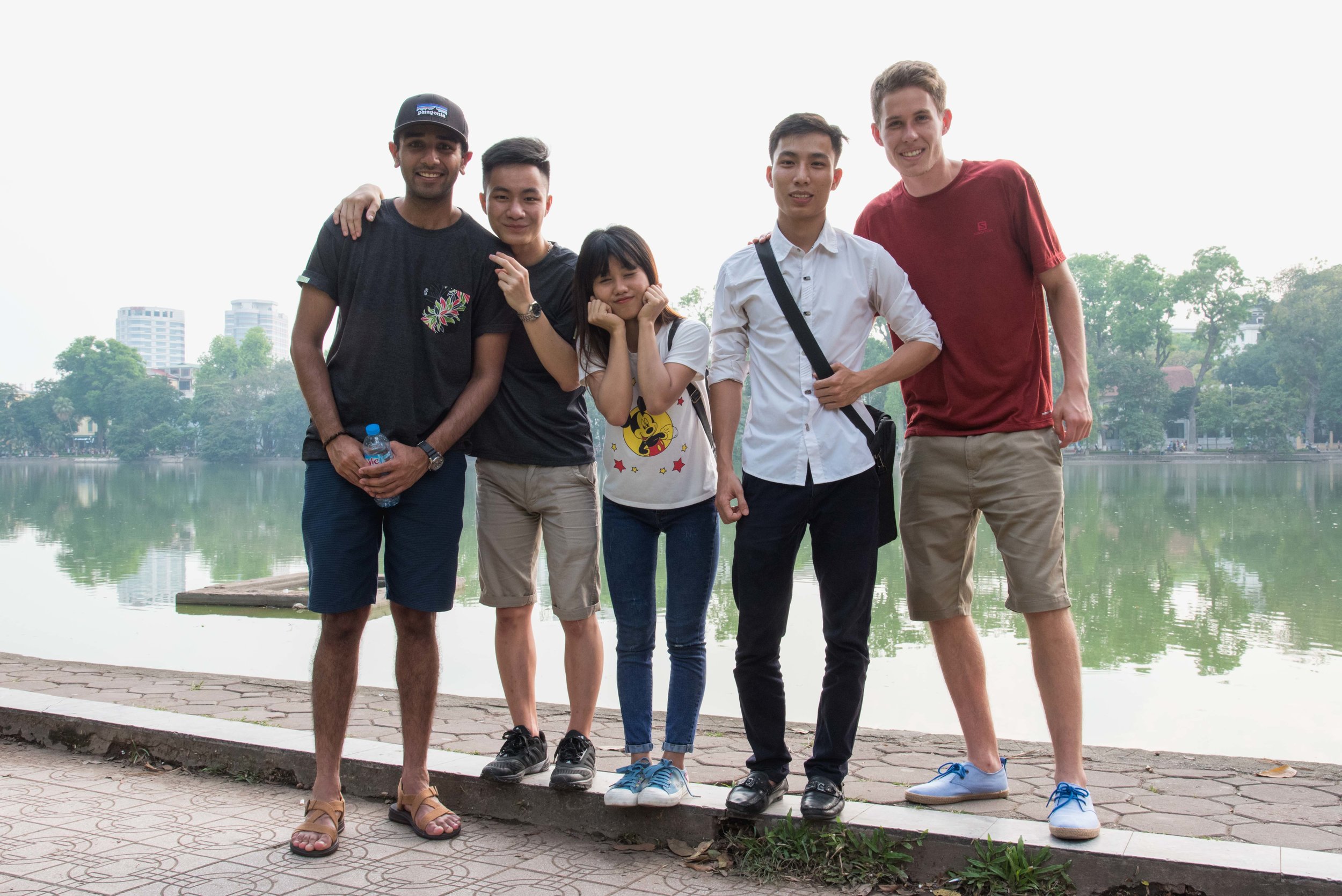
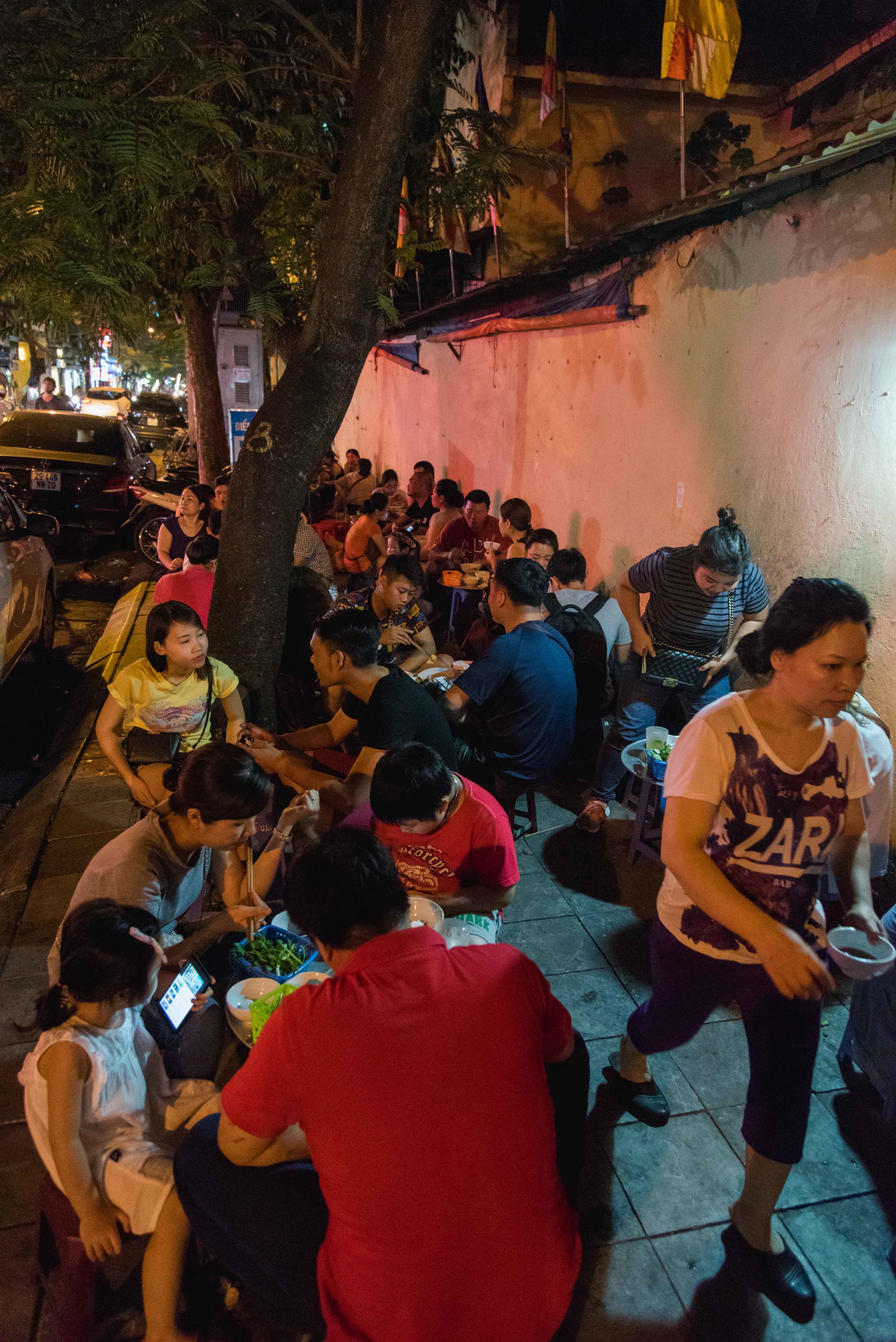
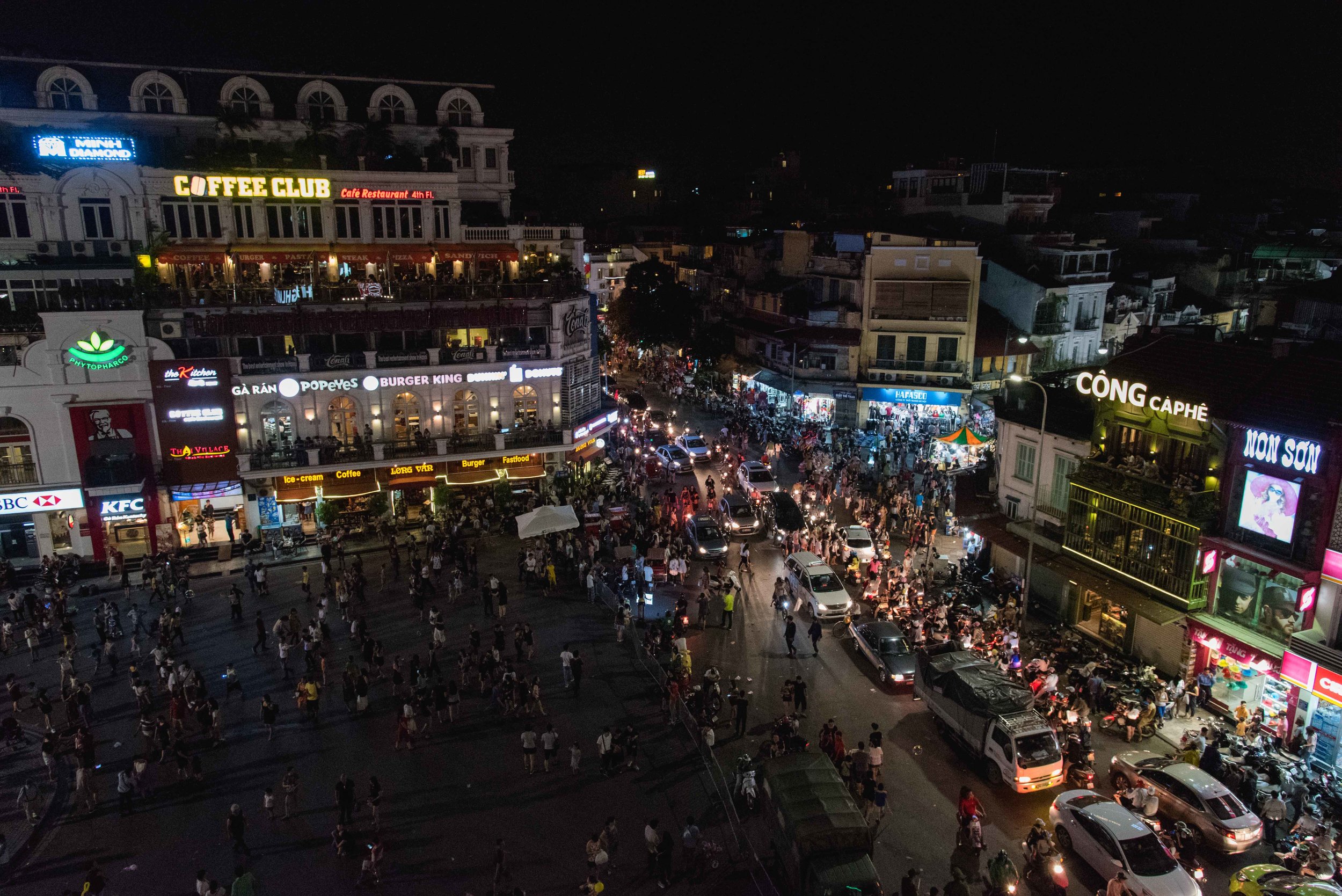
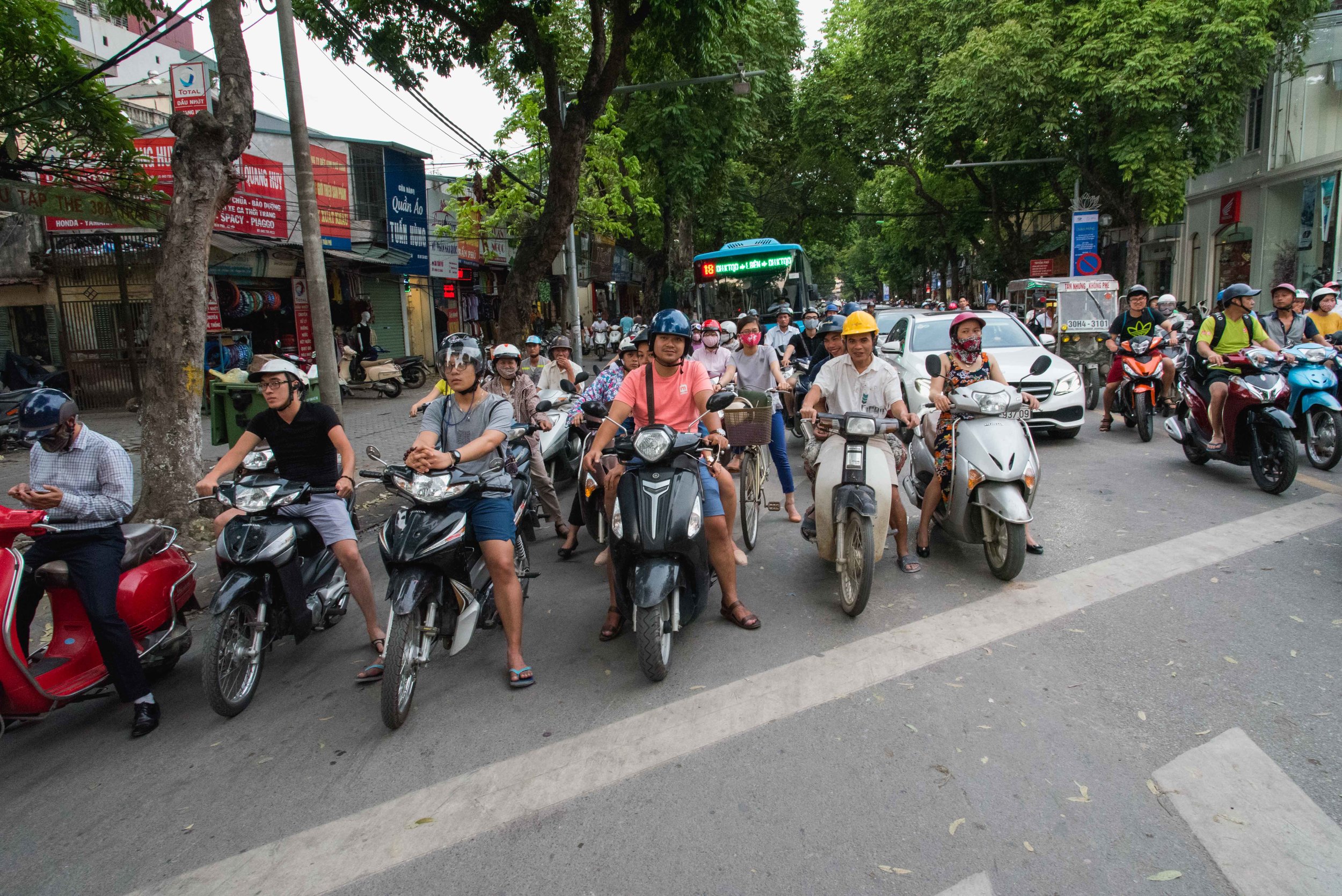
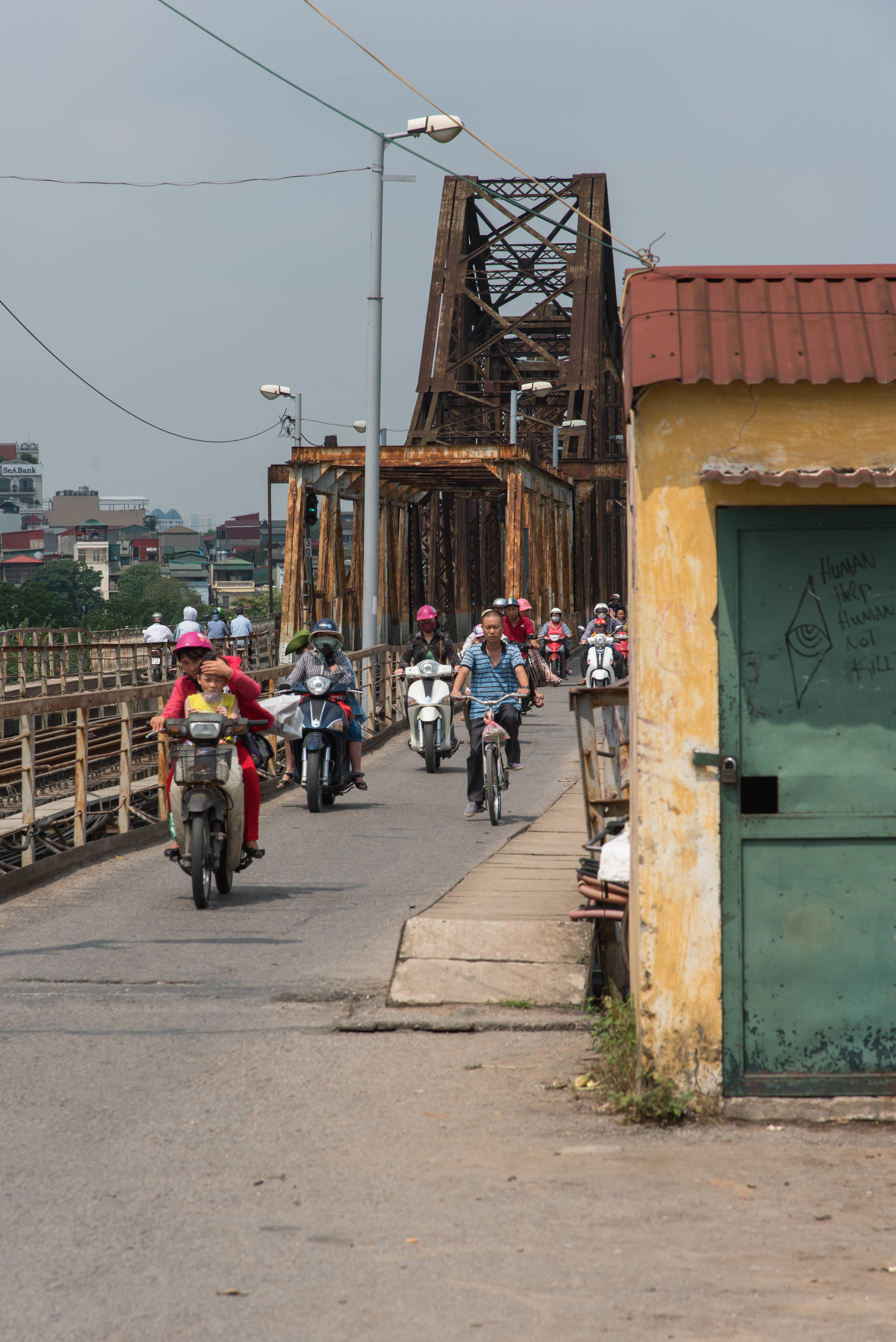
After checking into our hostel with the help of the strangely friendly staff we decided to explore the Old Town of Hanoi by foot, which, with the thousands of motorbikes zooming around can feel like a death wish. We made our way to Hoàn Kiếm Lake in the middle of town where three Vietnamese college students struck up a conversation with us. I’m ashamed to admit that my first thought was that it was some kind of scam so I immediately checked my pockets for my wallet and phone. It turned out they just wanted to practice their English, and this was the only way they knew how: striking up conversations with tourists in the big city (I wonder how they knew we were tourists…).

They likely would have been happy to talk for hours but we had a whole new city to discover so after snapping a photo of the group we continued our exploration of Hanoi. We haggled our way through the night market and ate mystery street food before enjoying some local beer overlooking the lake.

•••

We took advantage of the friendly guys at our hostel to book scooters for the next day. After forking over the whopping $8 USD per scooter they recommended we do a tourist-friendly 8-mile trip to a local ceramic village. When we said we planned to go to the Perfume Pagoda the guys didn’t even try to mask their laughter. “Too far” is all they said. They probably had a point, especially given that Sach and Goose had never ridden a scooter before.

So we made the obvious choice and went to both.

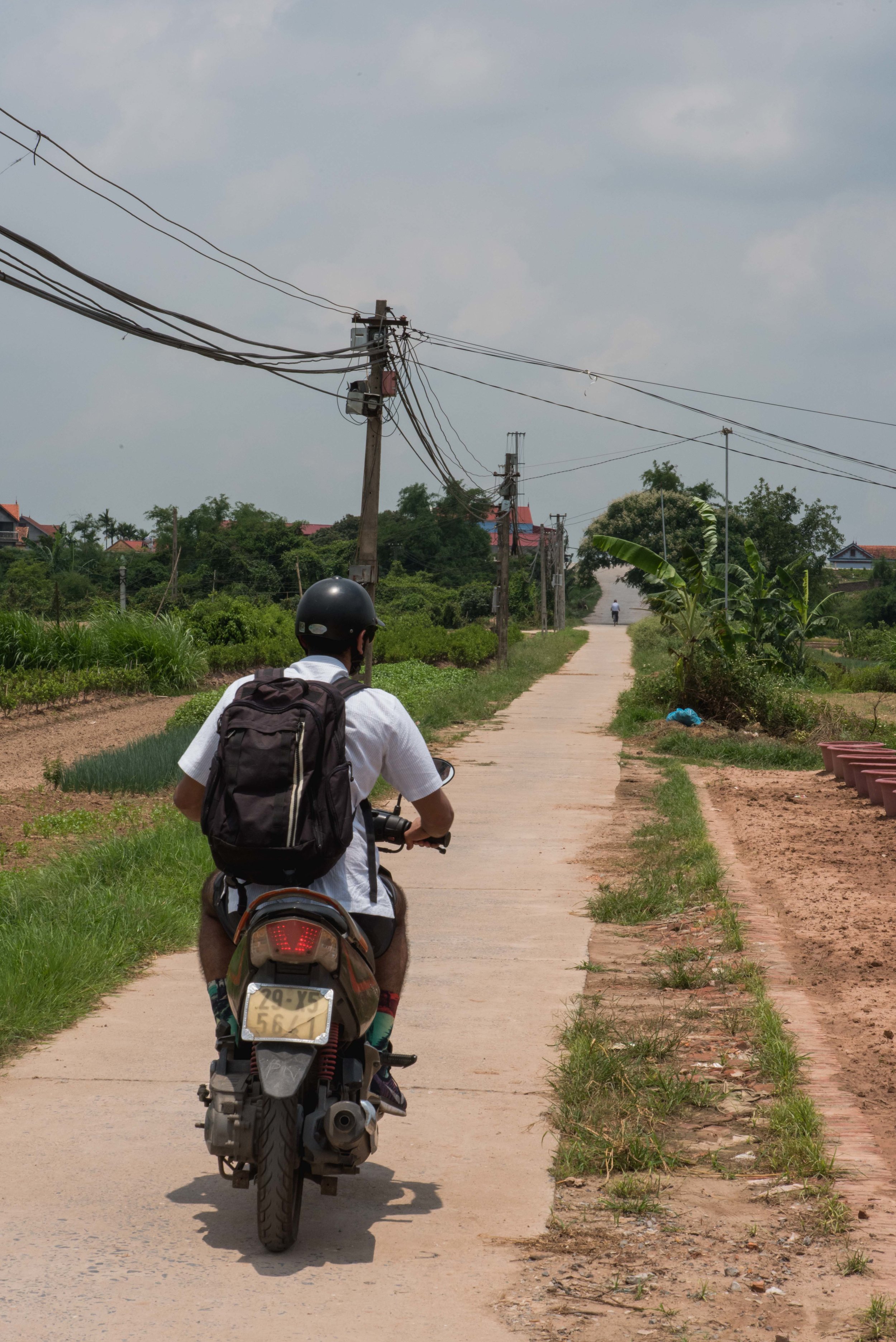
Relying on phones with no service to guide us we made our way to the Bát Tràng ceramic village while we got a feel for our scooters before we committed to the 50-mile haul to the Perfume Pagoda.
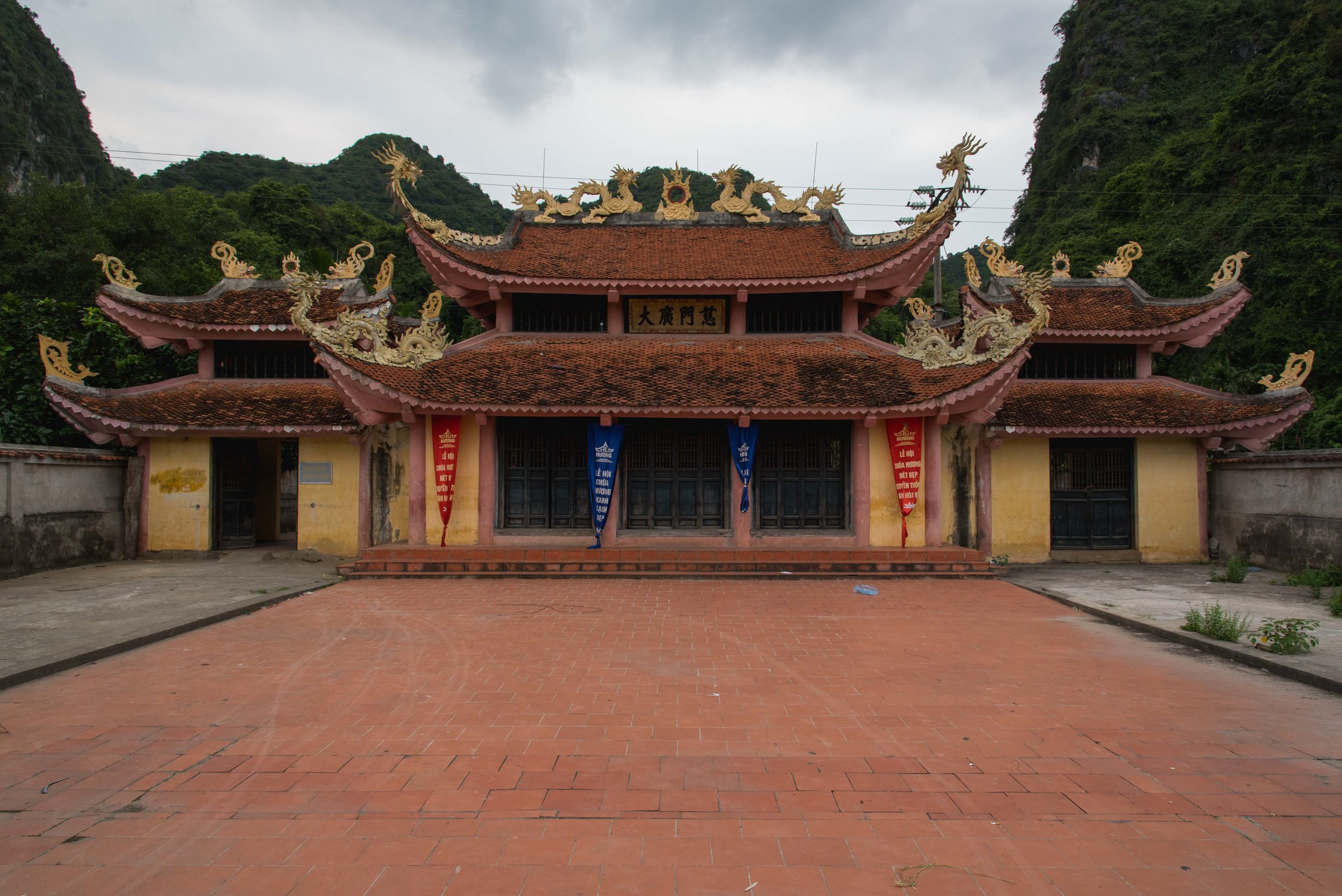
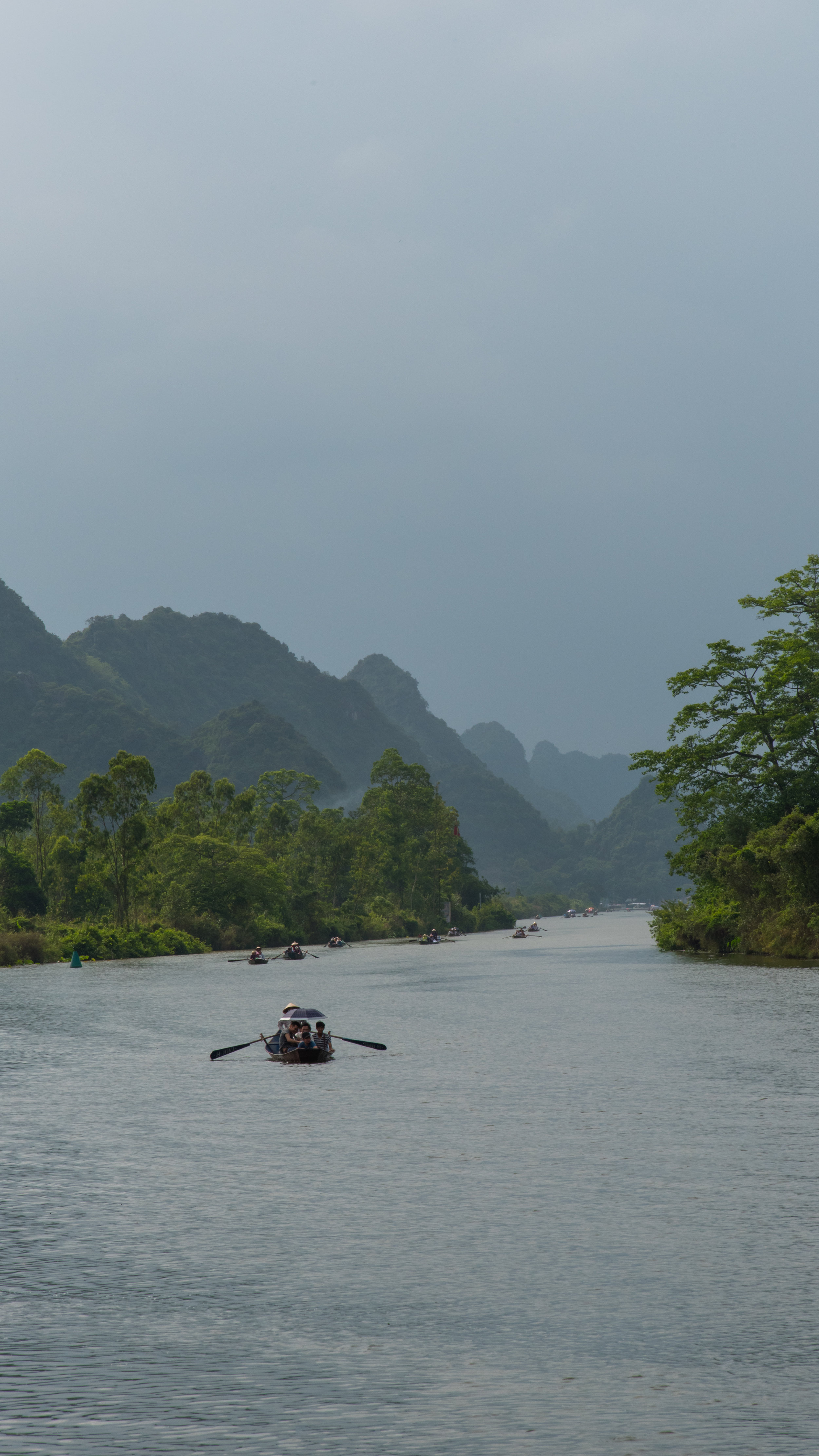
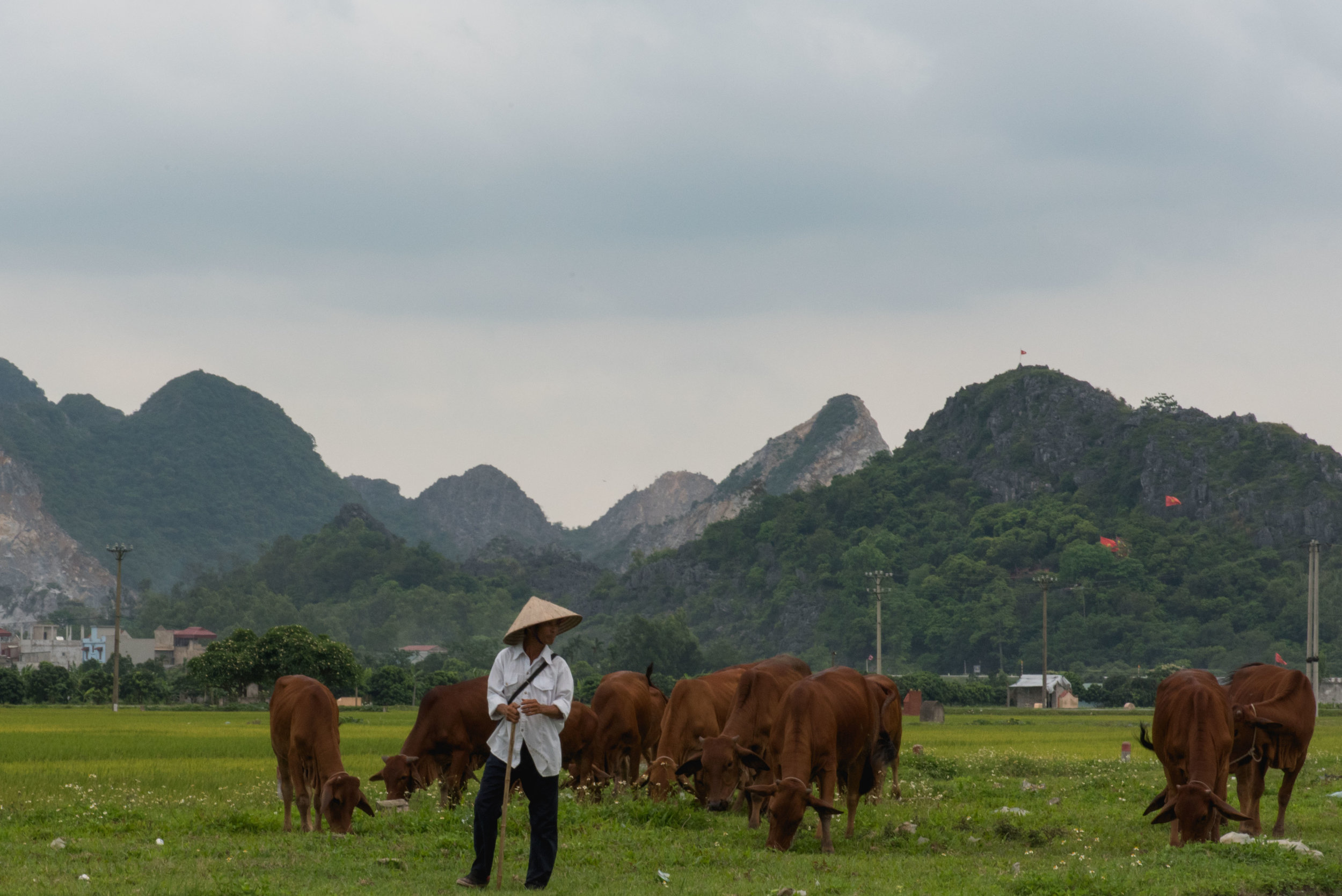
We quickly realized that 50 miles in a car on a US freeway is very different than 50 miles on a scooter that tops out at 45 mph with the wind buffeting your face and the sun beating down on your knees. But after a handful of wrong turns and plenty of locals looking at us like we were crazy we finally made it to Perfume Pagoda where we chartered a boat up the river.

After exploring only one of the dozens of temples along the river we decided we didn’t have enough time to see more if we wanted to ride back to Hanoi with the sun instead of the stars. We asked our boatman to take us back to our scooters and then one of us felt the first drop. Rain.

As soon as the boat hit the dock we rushed to our mopeds, turned the keys, and gunned it into the Vietnamese countryside. We all looked at each other and laughed as we realized that we most certainly didn’t look nearly as cool as we felt on the beat-up rental scooters putzing through intermittent rain drops.

After battling a light rain, Hanoi’s hectic evening traffic, and more than 100 miles on scooters we finally pulled up to the smiling guys at our hostel a little after dark.

“How far did you guys make it,” they asked in broken English.

“We went to Bát Tràng and the Perfume Pagoda.”

All they could do was laugh as we made our way upstairs to nurse our tired bodies back to health and enjoy a cold beer.

WEB_1404.jpg

Shellshocked

after 100+ miles on the scooter.

Rush-hour in Hanoi.

Rush-hour in Hanoi.

Stay informed on when the rest of the series comes out by following me on Instagram.


Hong Kong 2017 by William Bryan

This is the first post in a five-part series from a trip to Southeast Asia in May, 2017 with Sach and Goose. The other four stories are on their way!


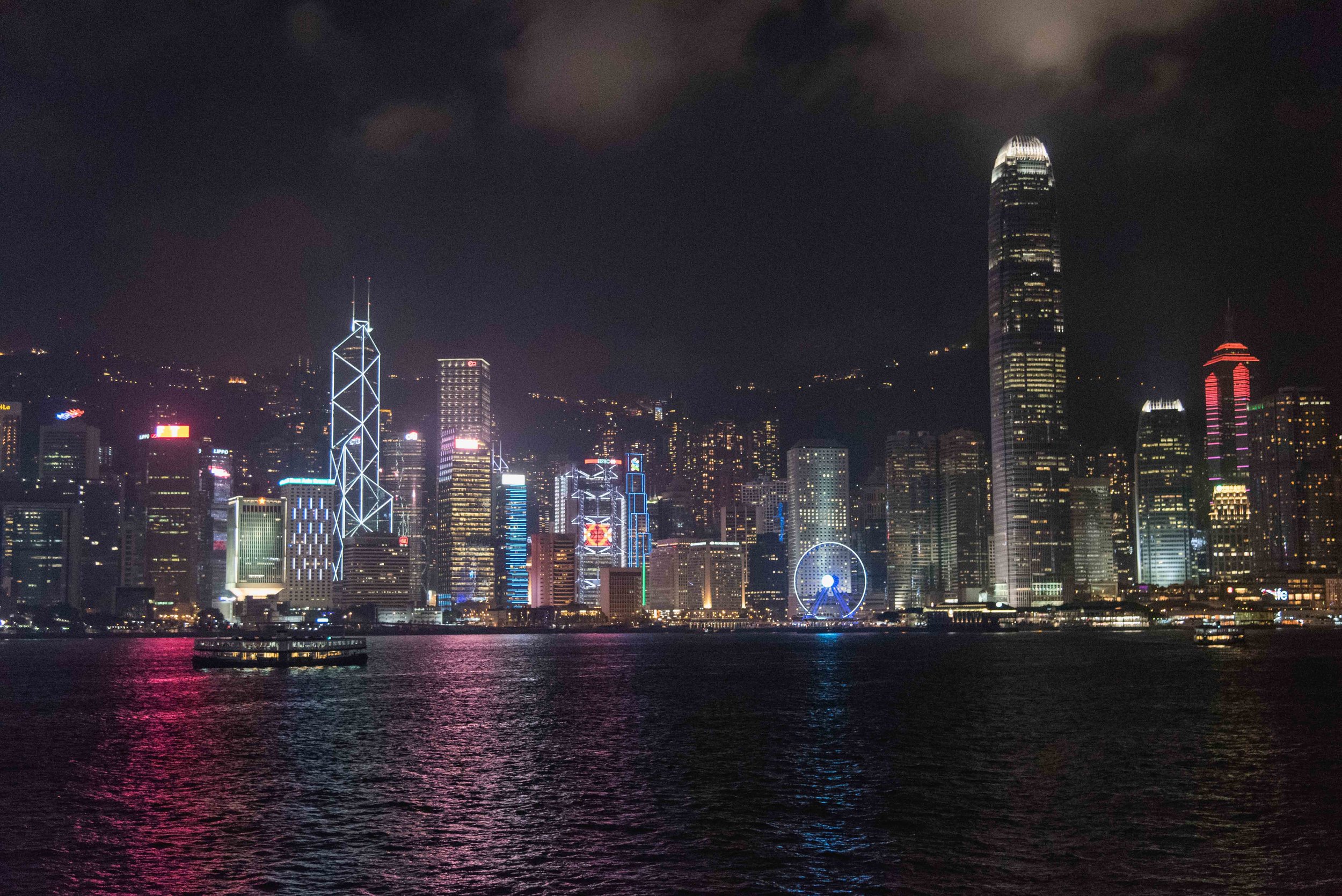
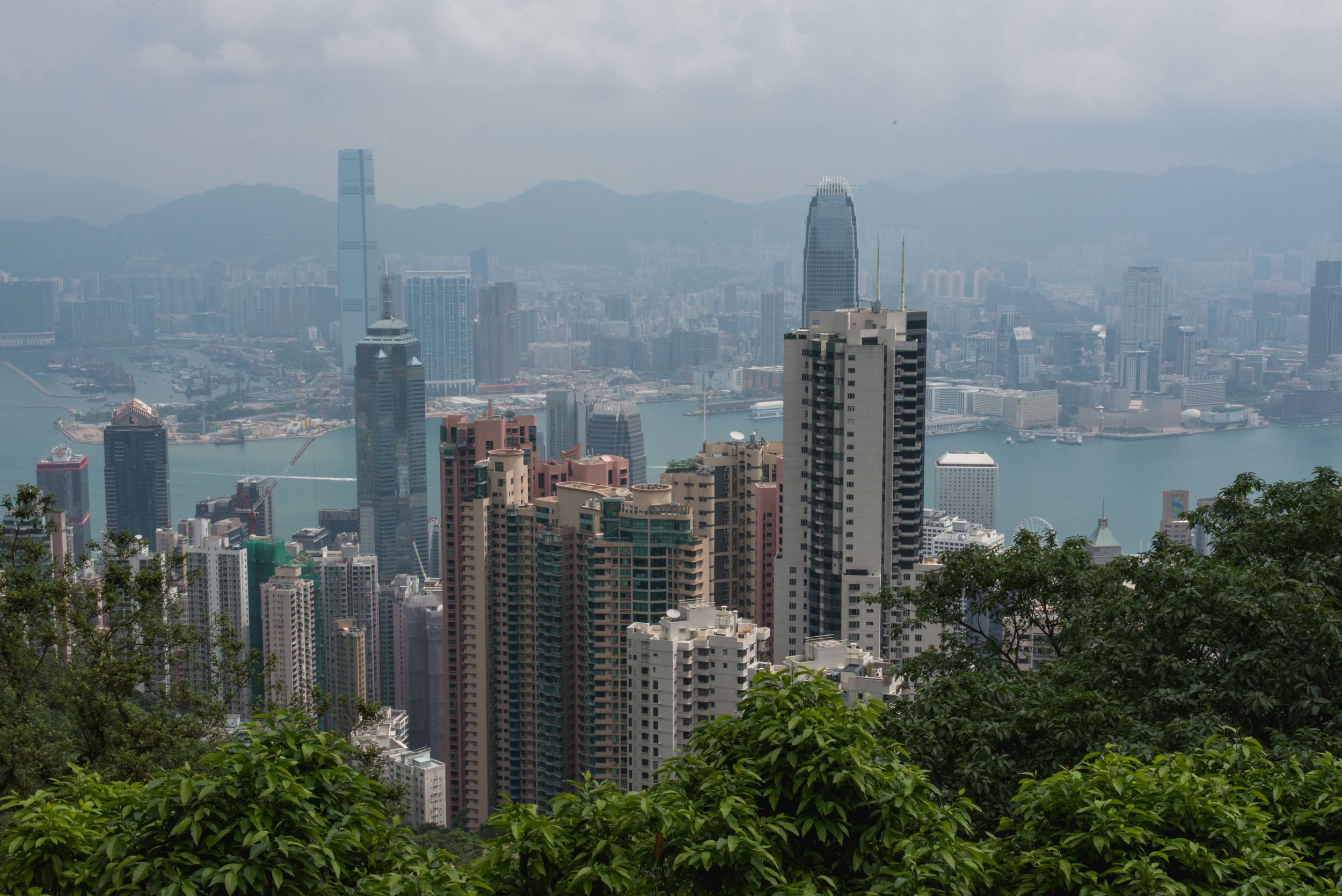
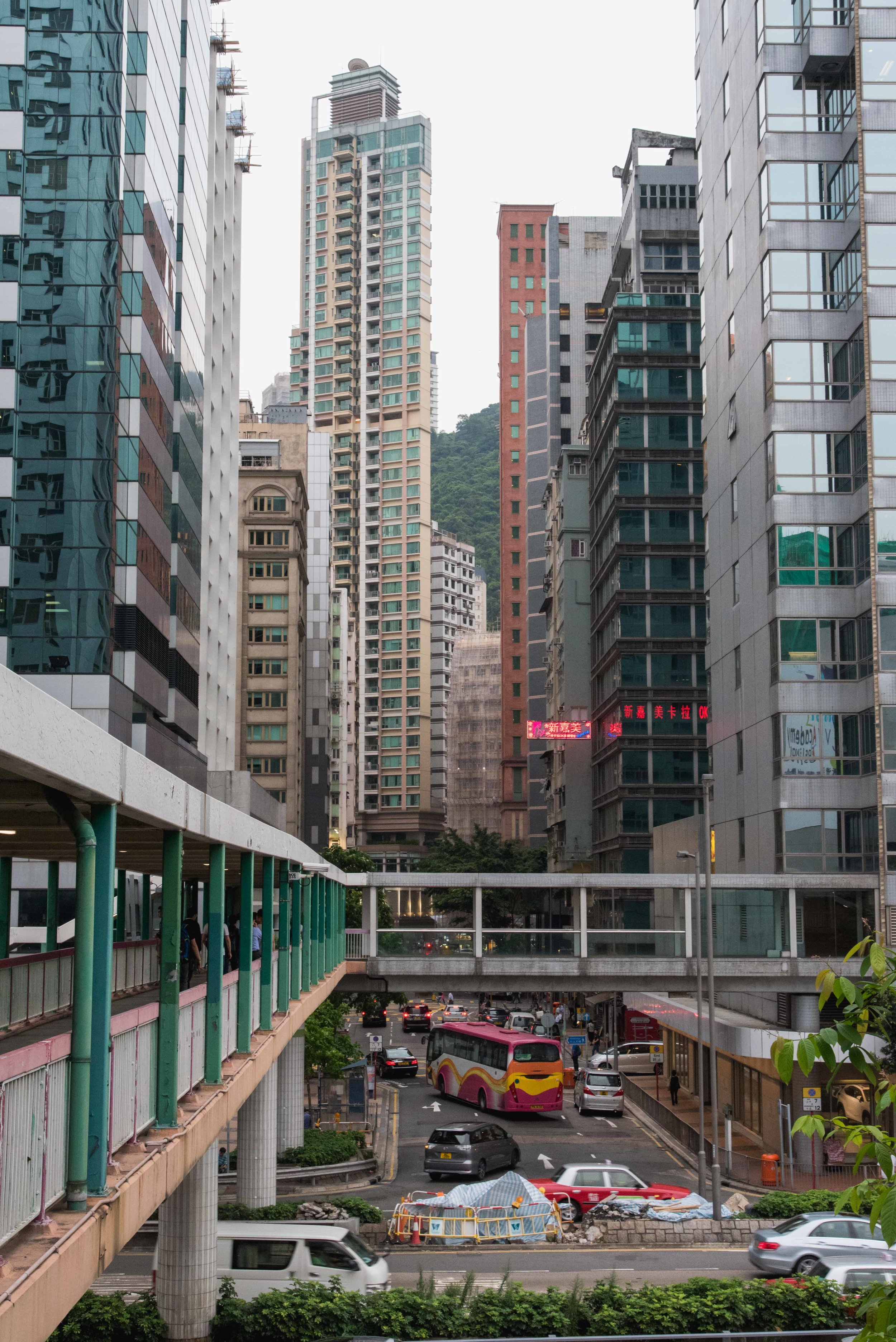
After fourteen hours in the air we were lucky enough to descend into Hong Kong right as the sun was setting over its myriad islands. The approach down to the airport gives you the impression that they take a certain route to avoid clipping the massive skyscrapers as you fly over the city—I've never seen so many concrete monoliths in my life.

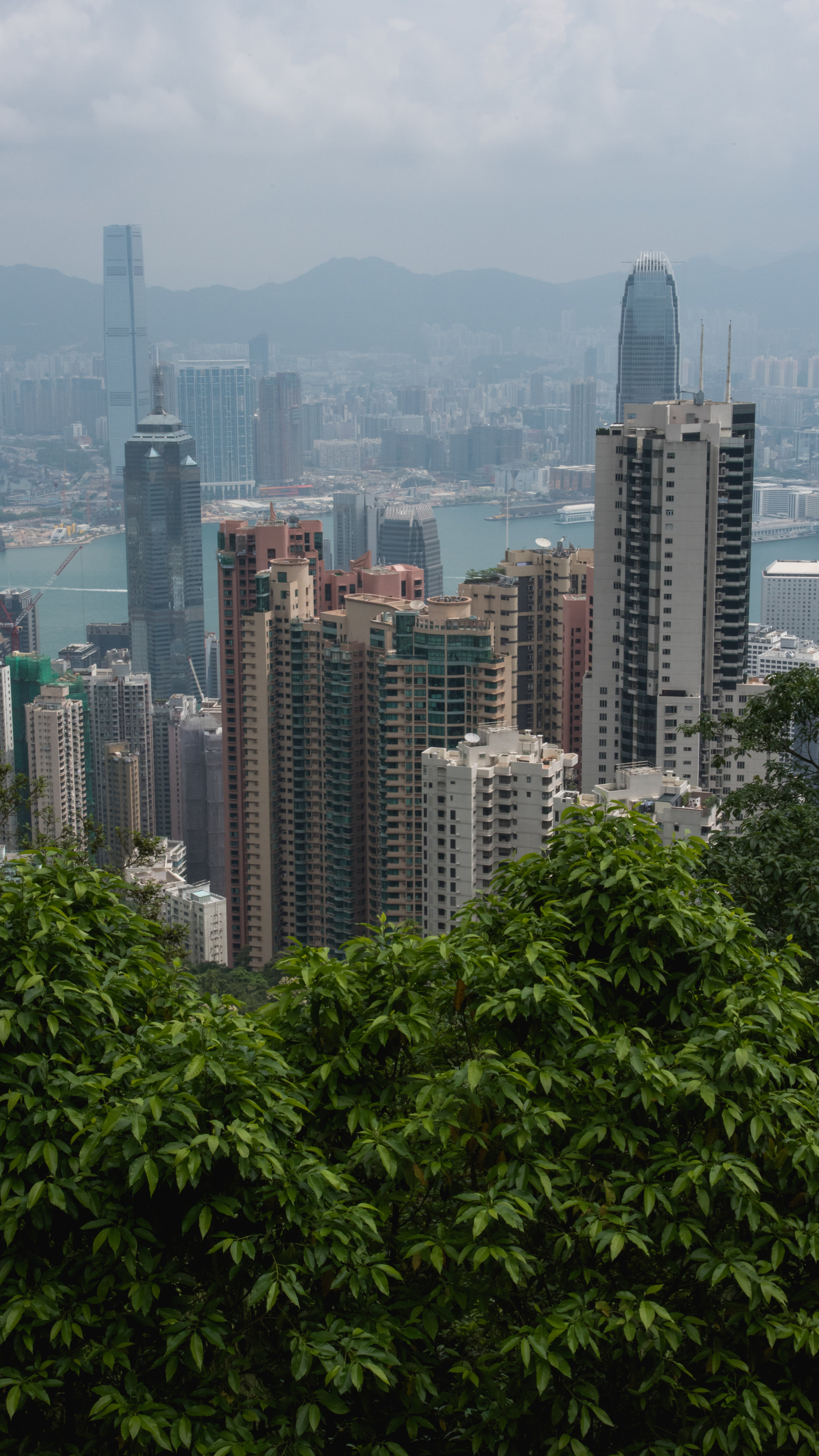
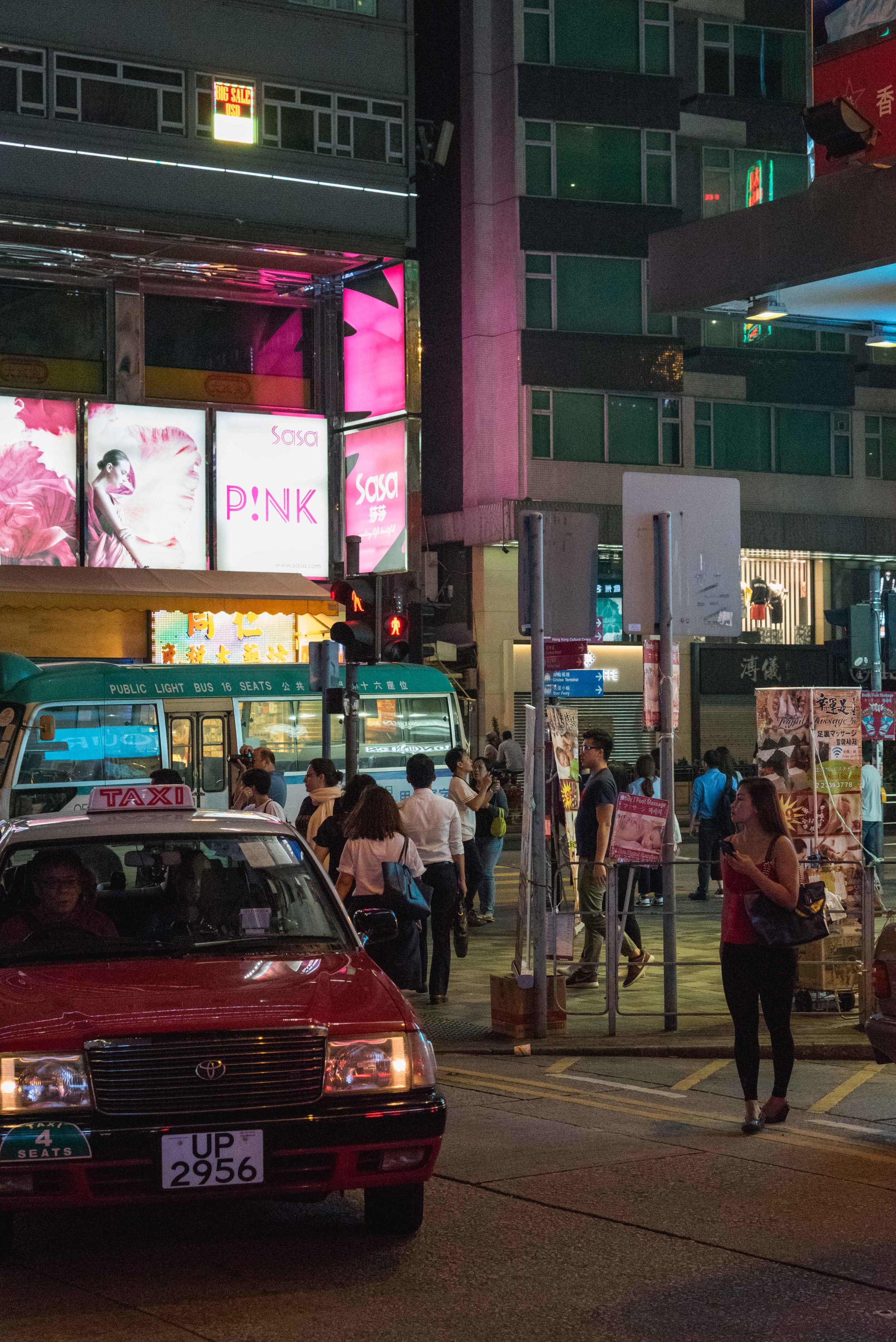
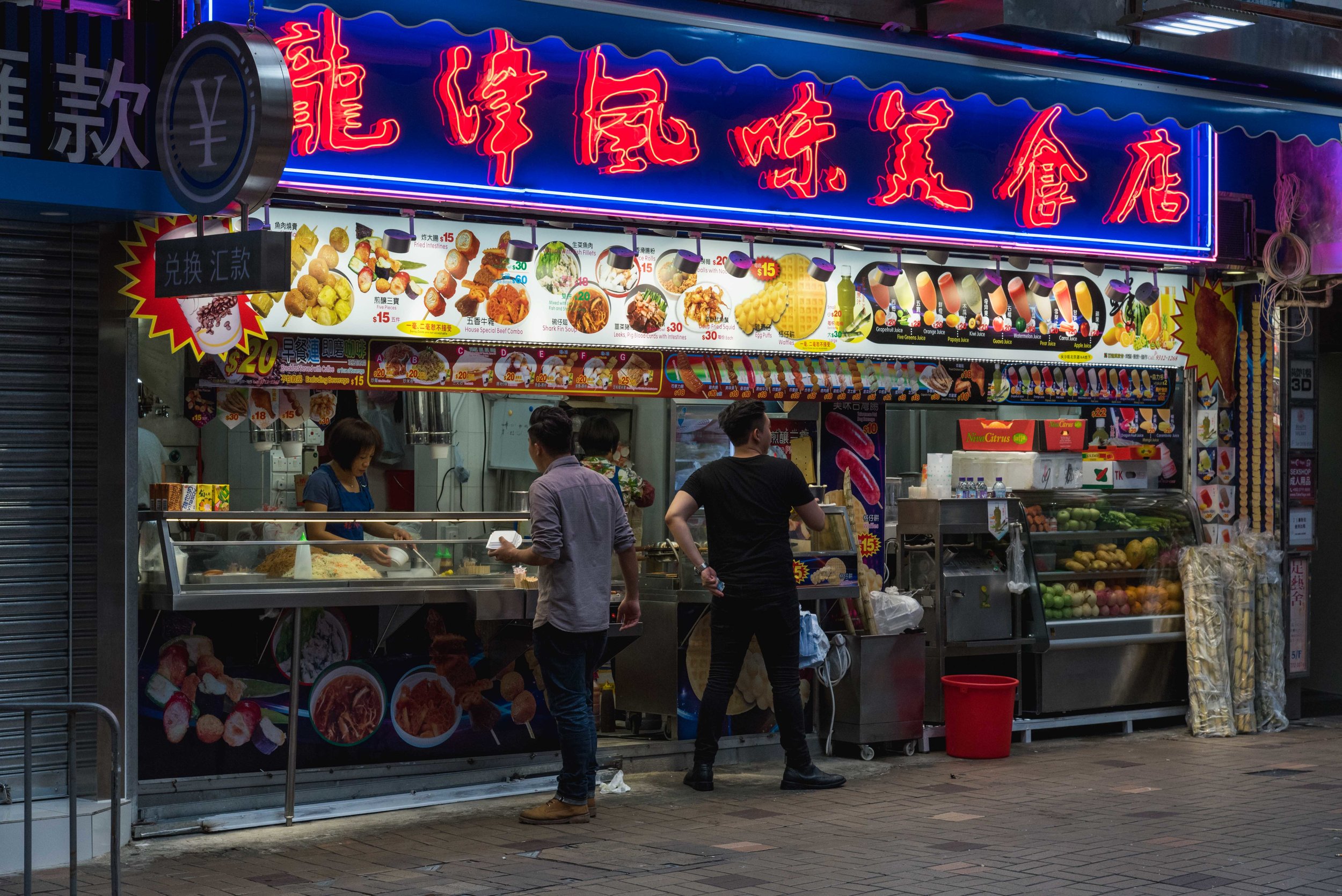
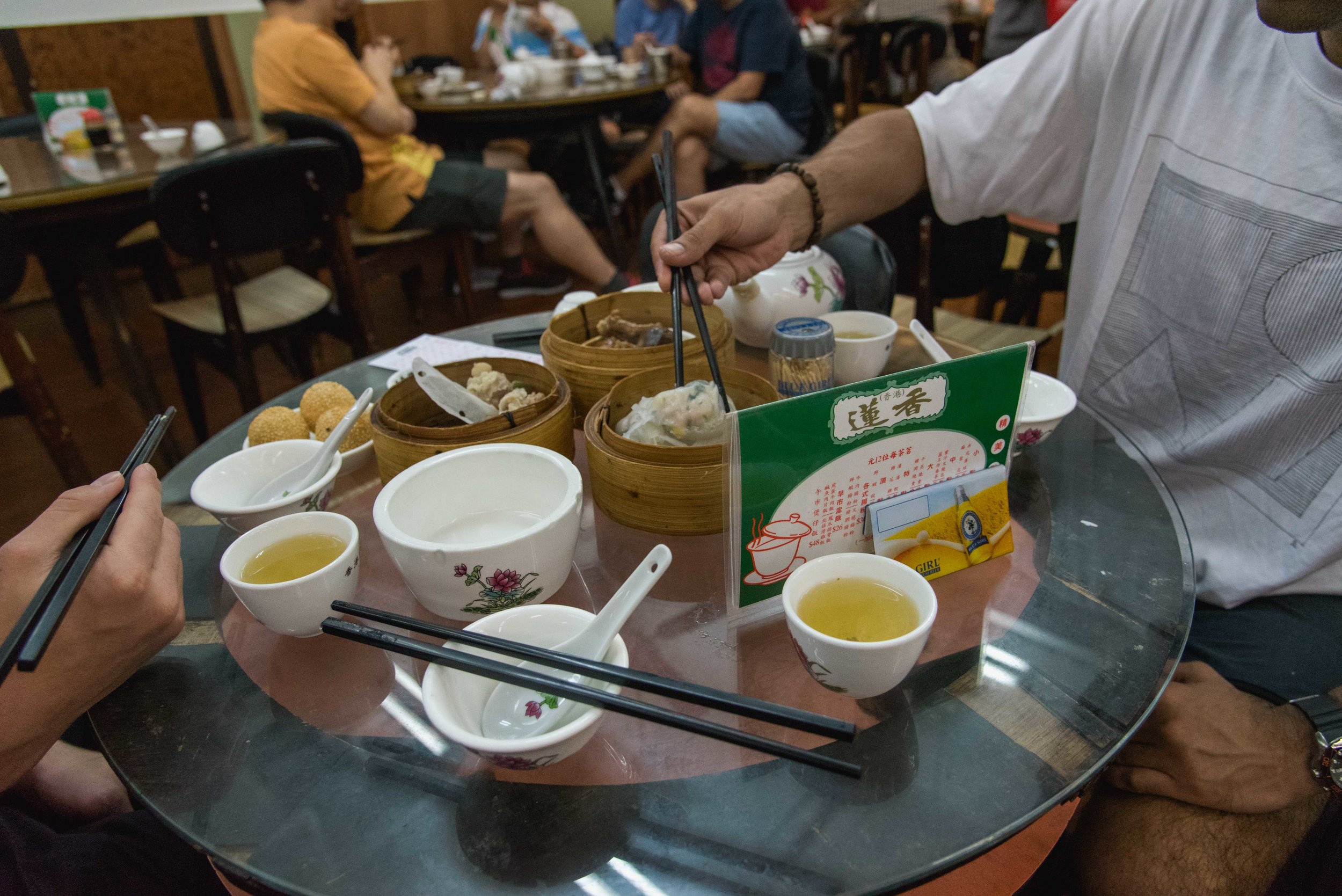
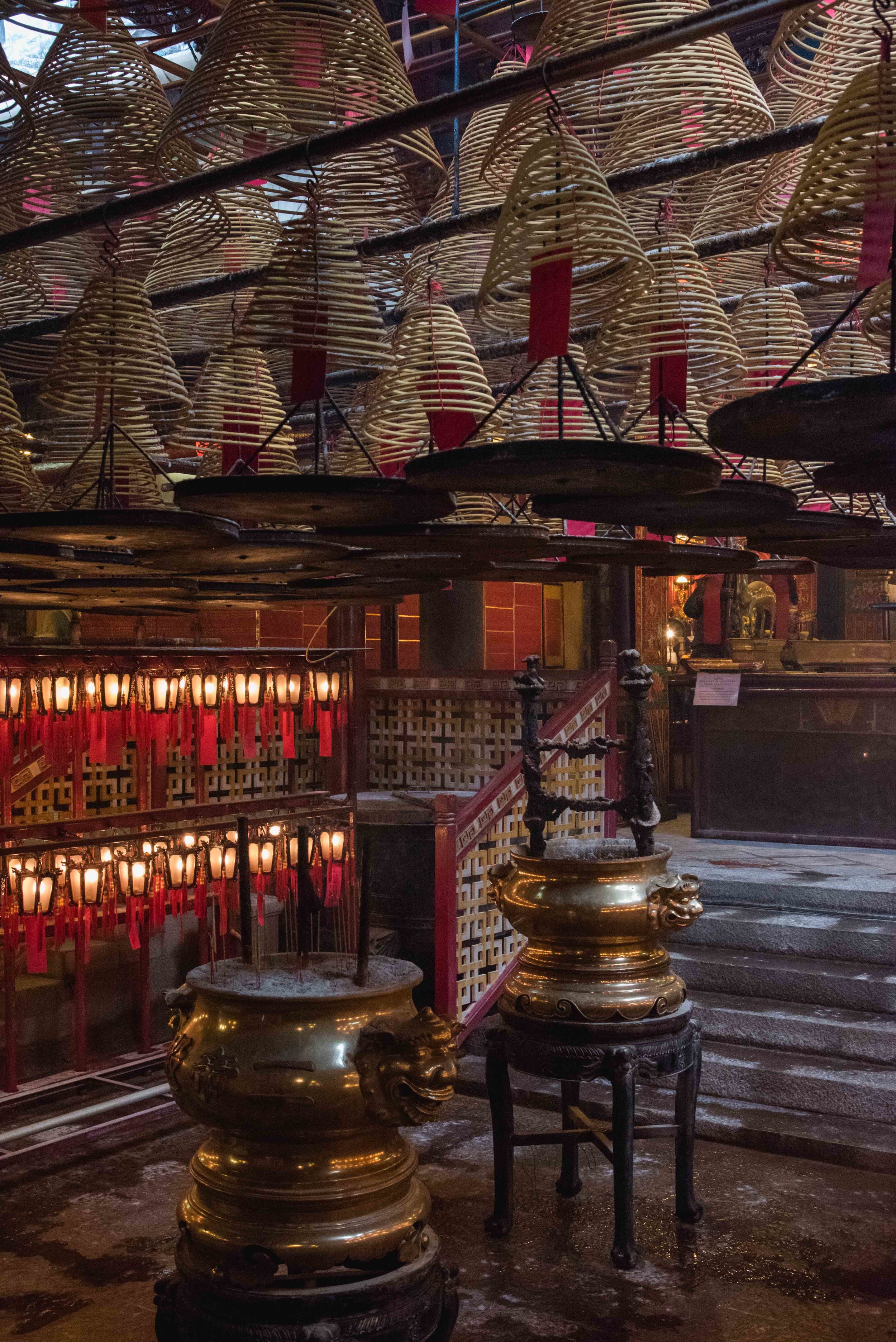
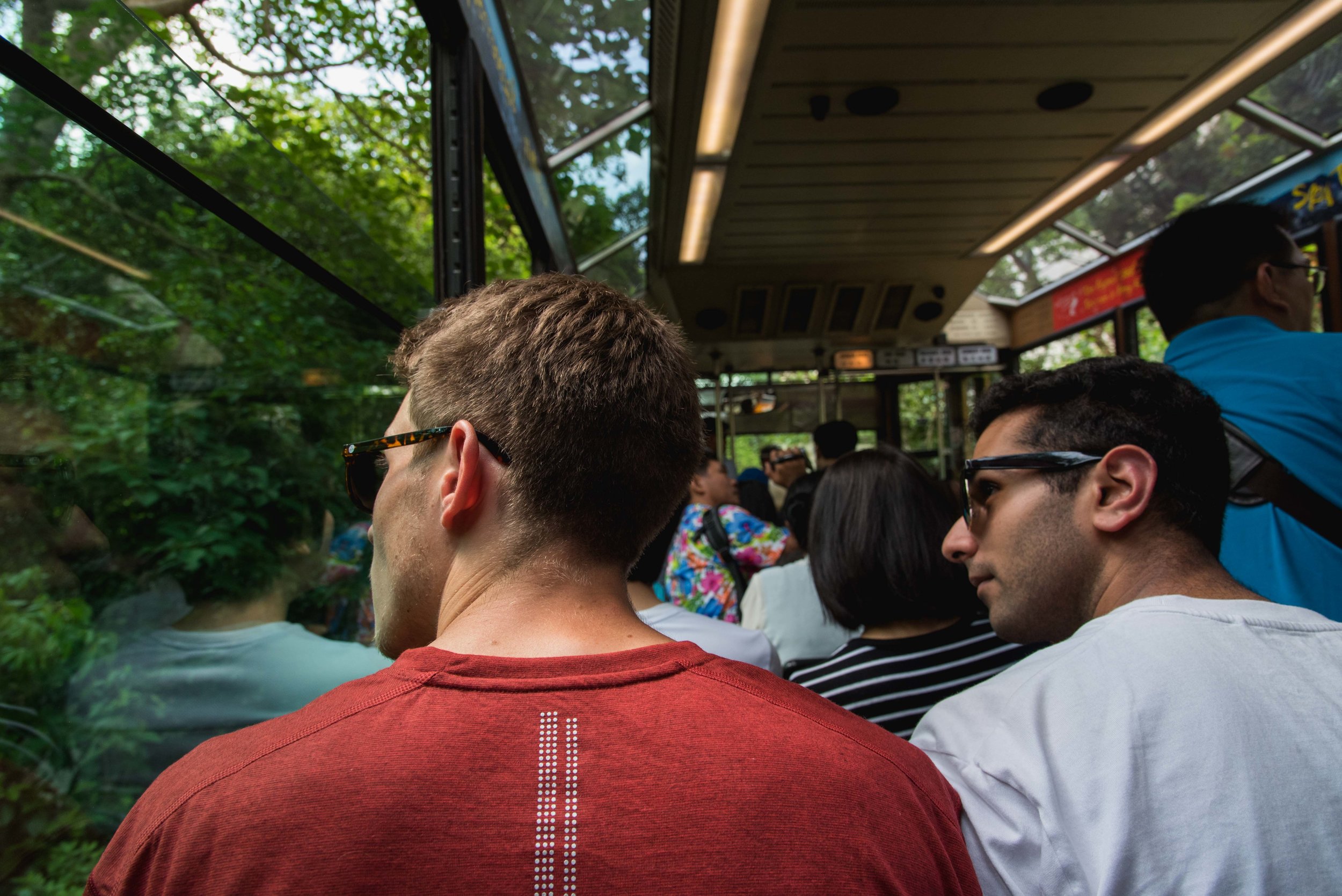
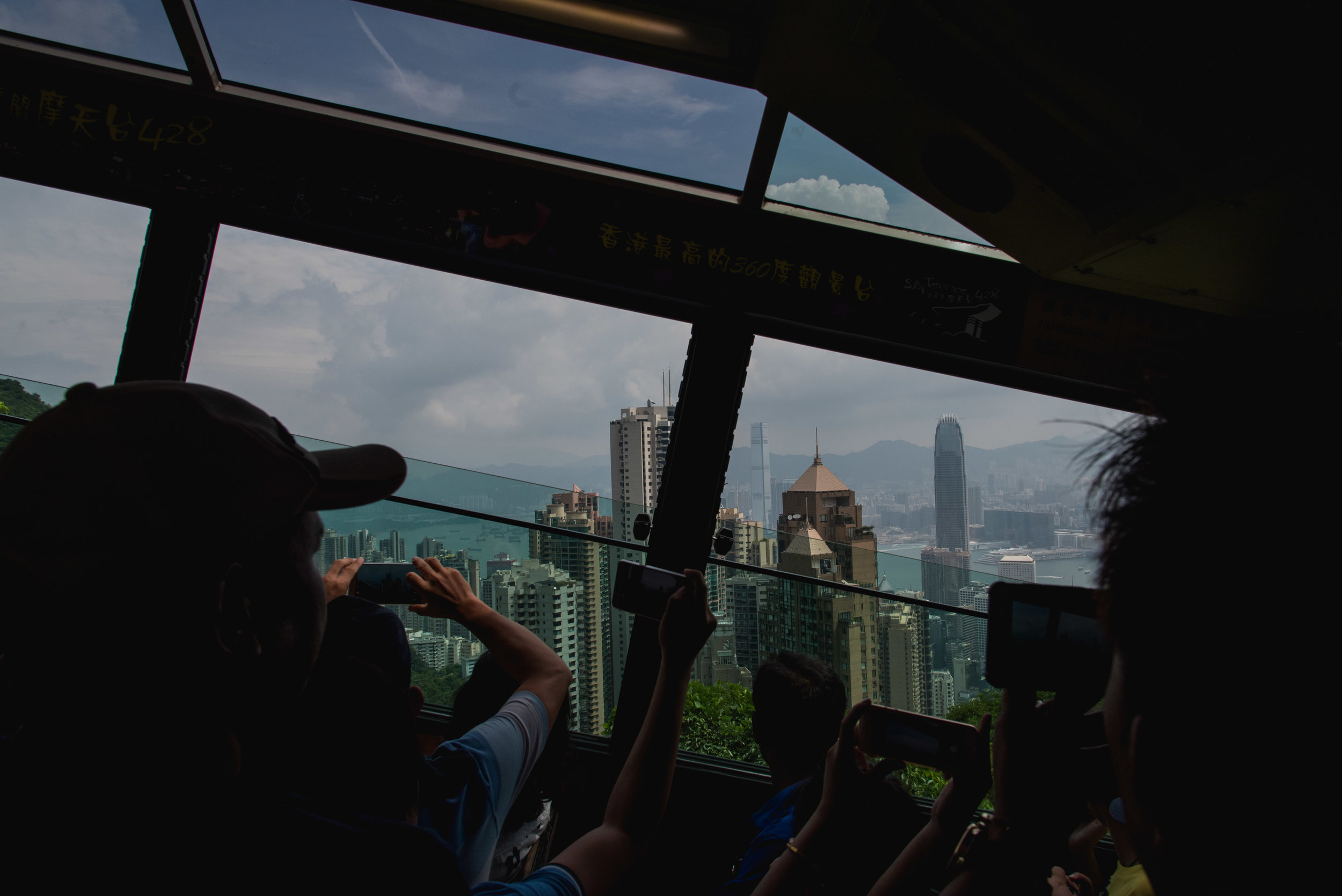
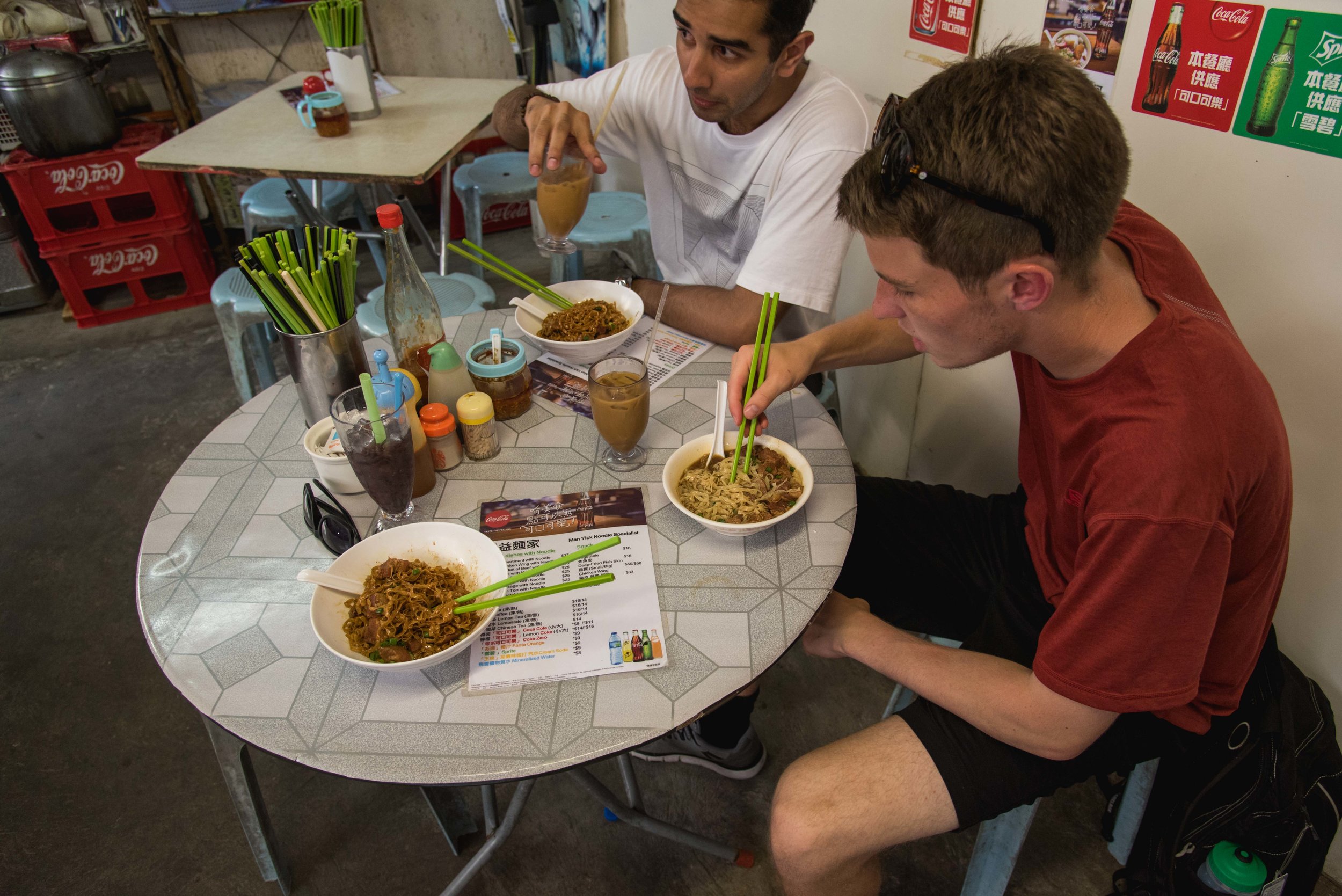
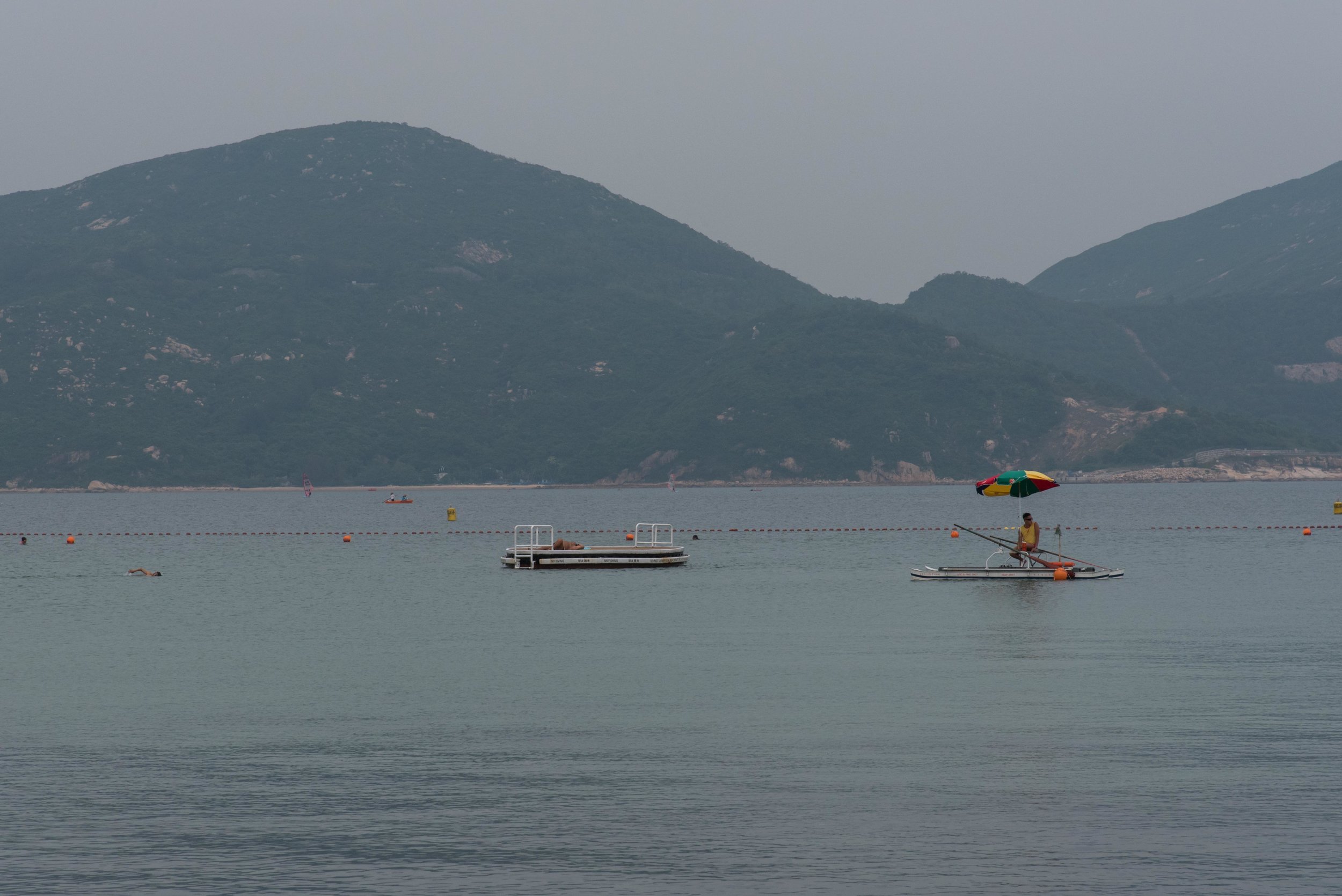
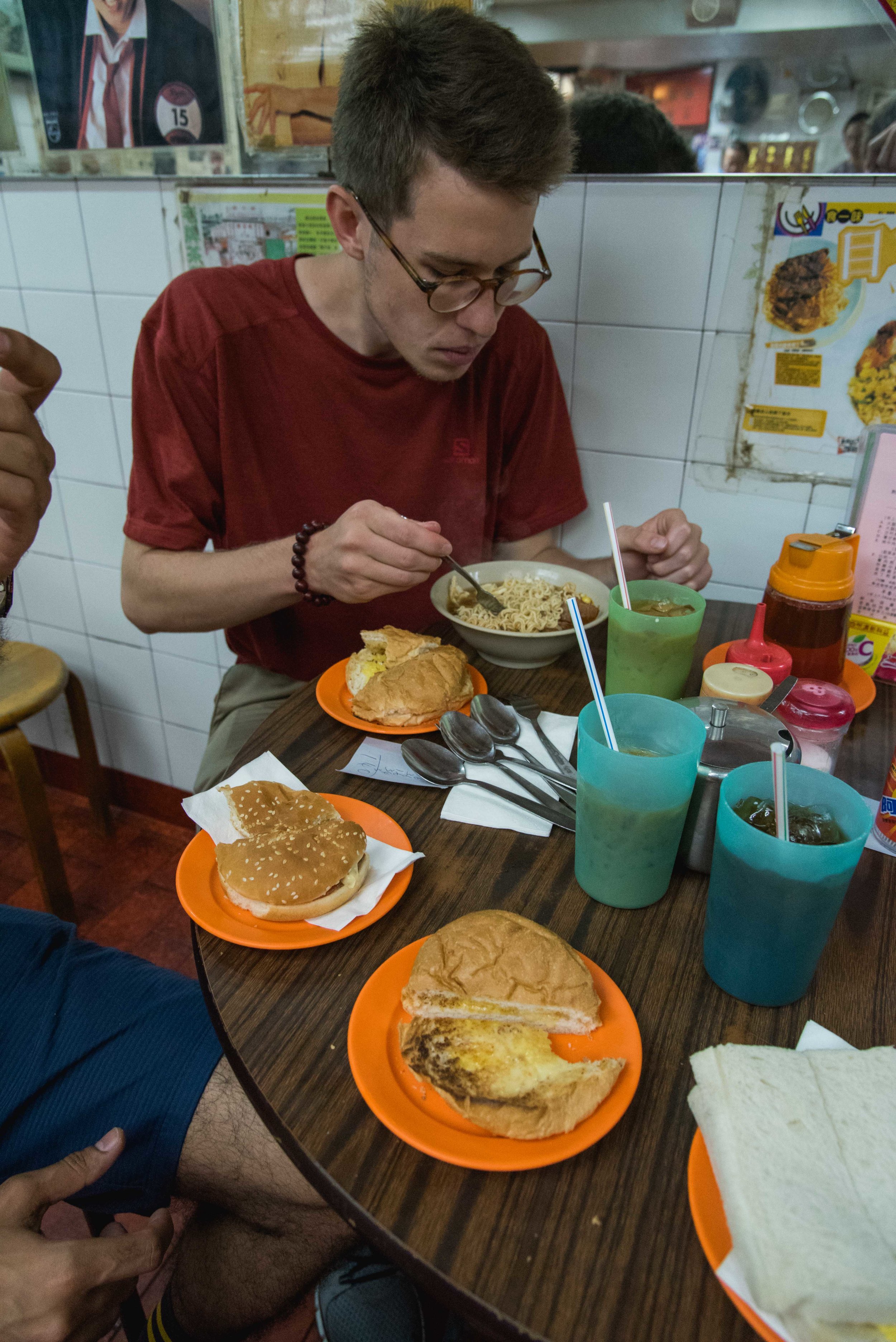
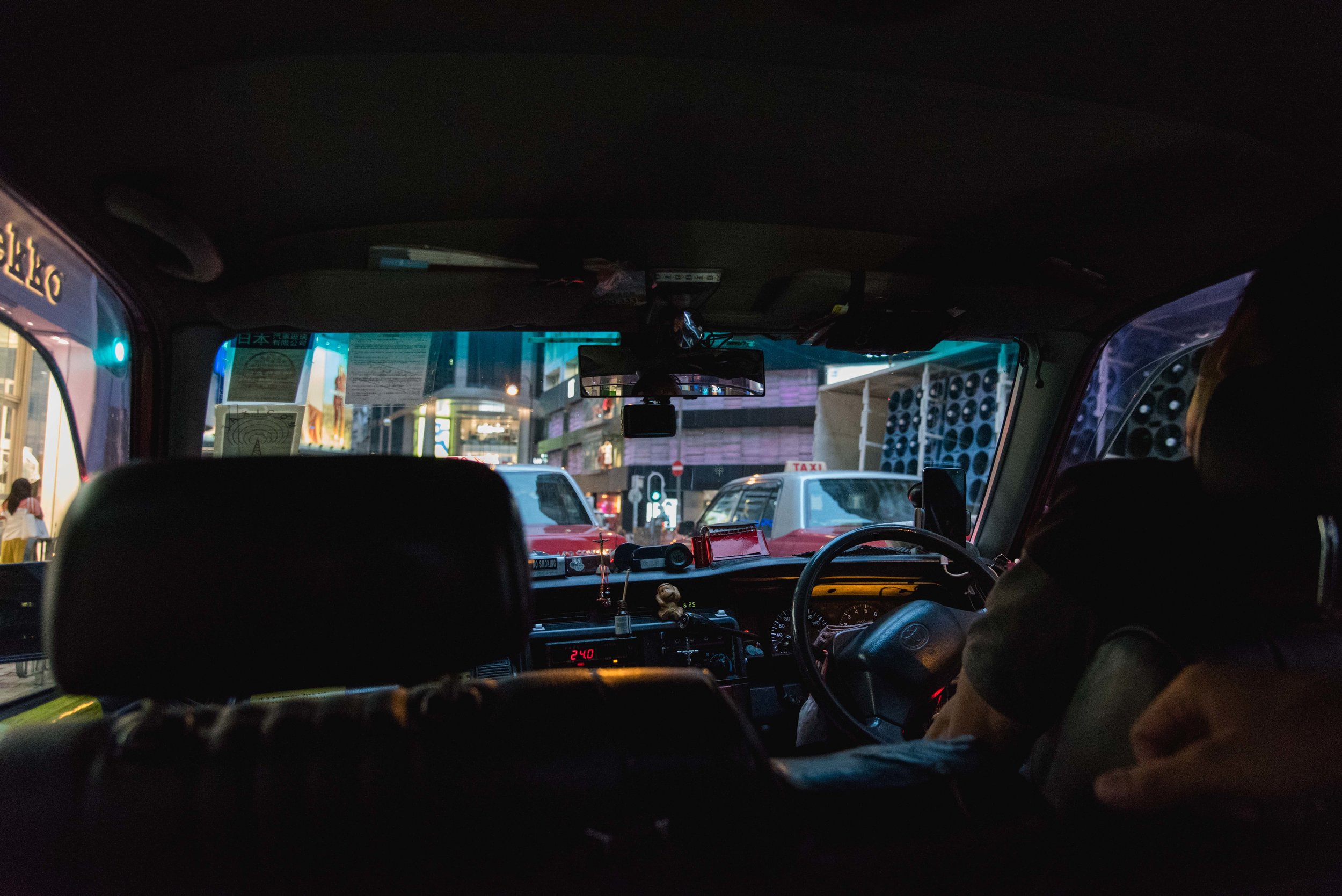
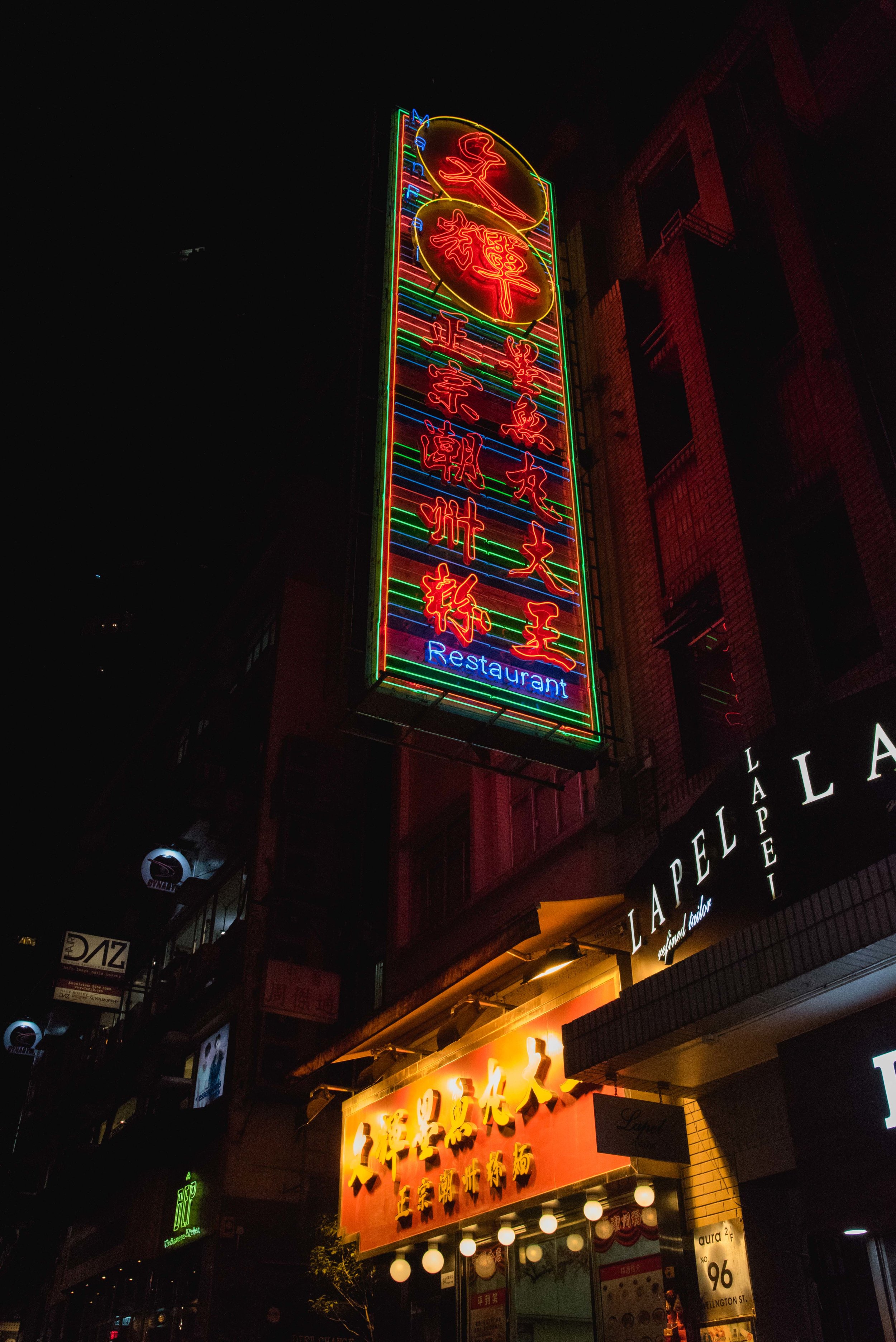
Hong Kong served as a kind of book-end for our trip to Southeast Asia, but with a total of 70 hours on the ground in the legendary city split between the beginning and end of our travels in Southeast Asia we were determined to make the most of our short time there. After waking up at 5:30 a.m. (thanks, jetlag) we wandered all over the city. We gorged ourselves on Dim Sum at a locals-only establishment, saw the city from above atop Victoria Peak, and enjoyed an impromptu beach day on the south side of the island. After 13 miles of walking we rested our tired feet and passed out in our miniature beds at 6 p.m. (thanks again, jetlag).

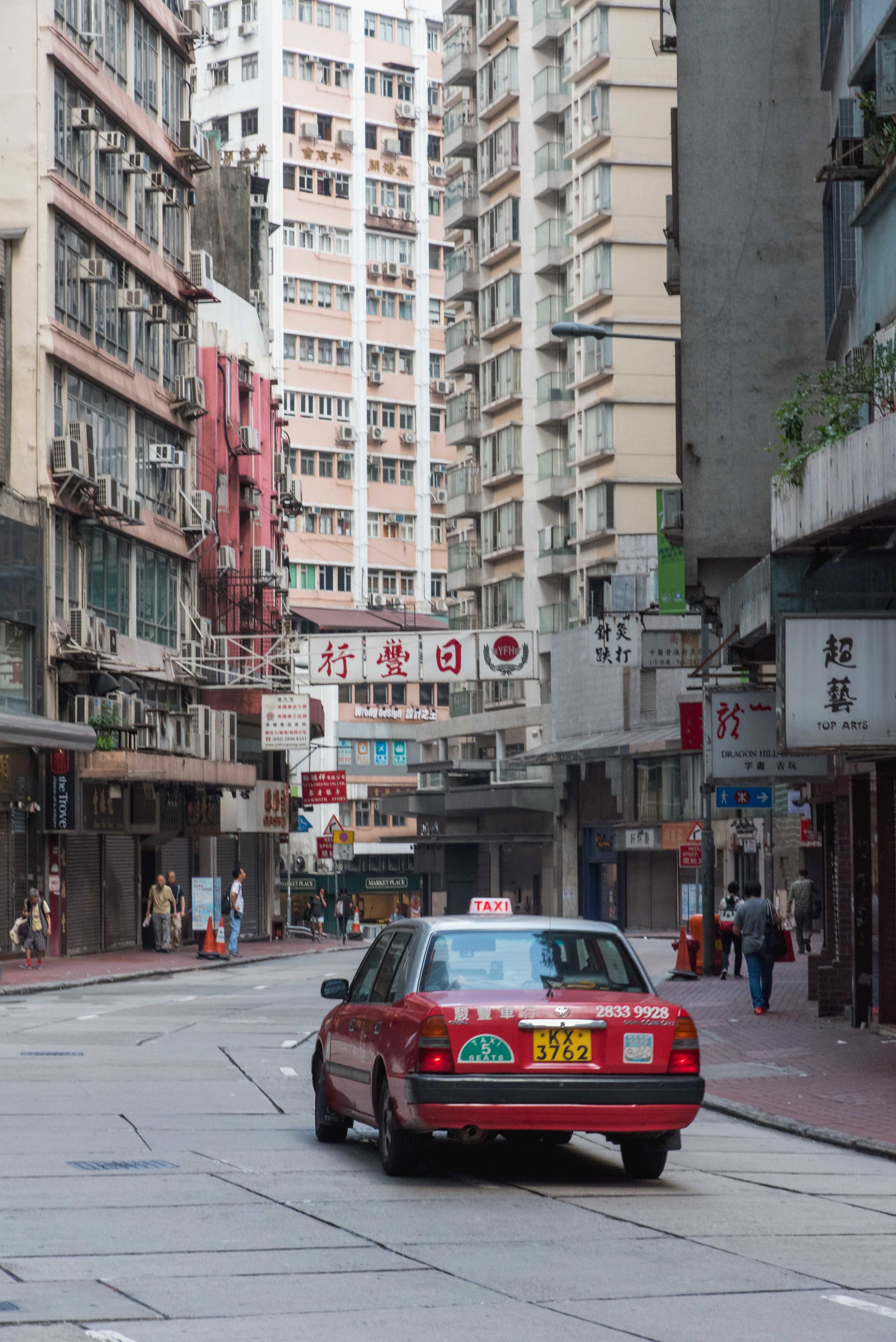
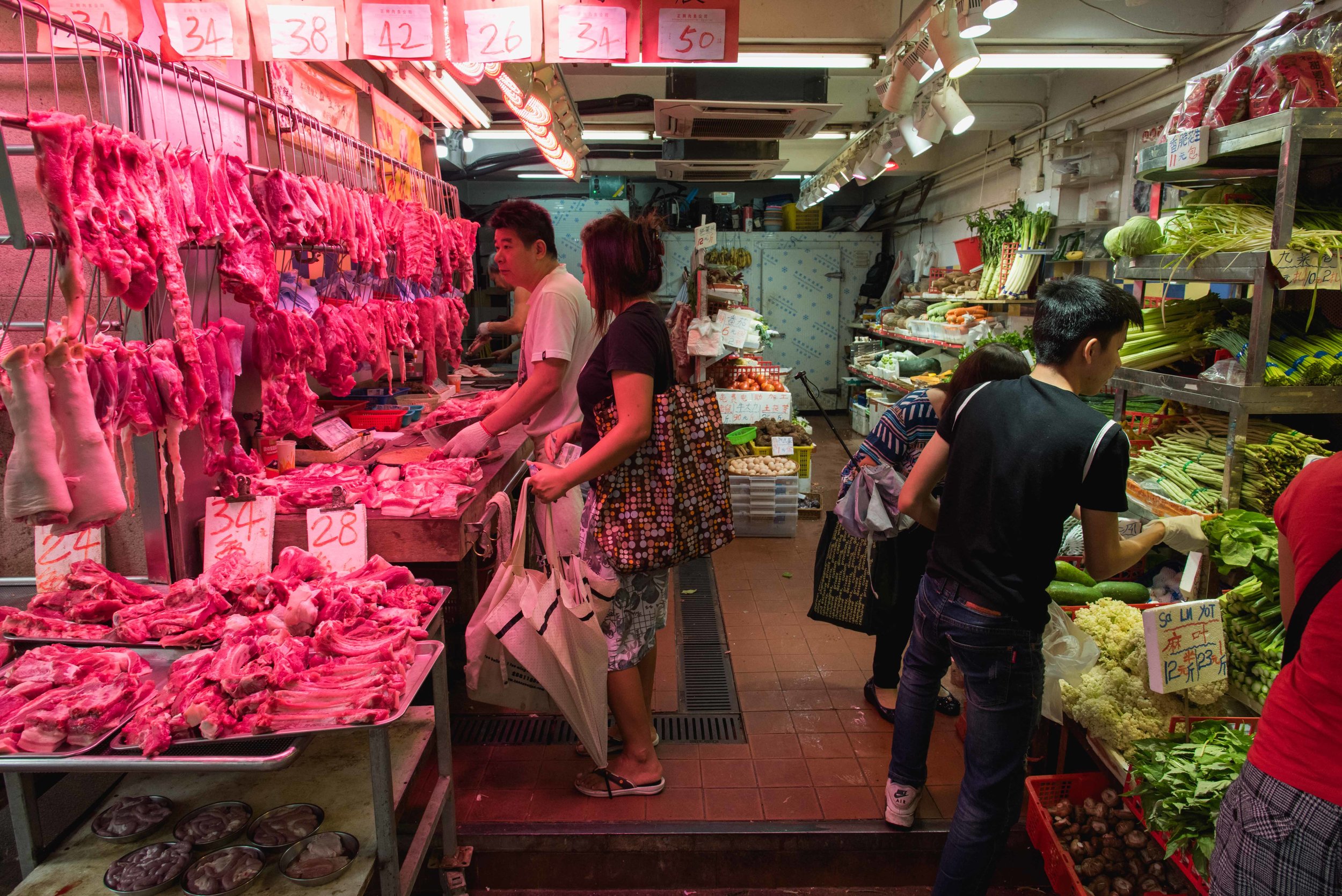
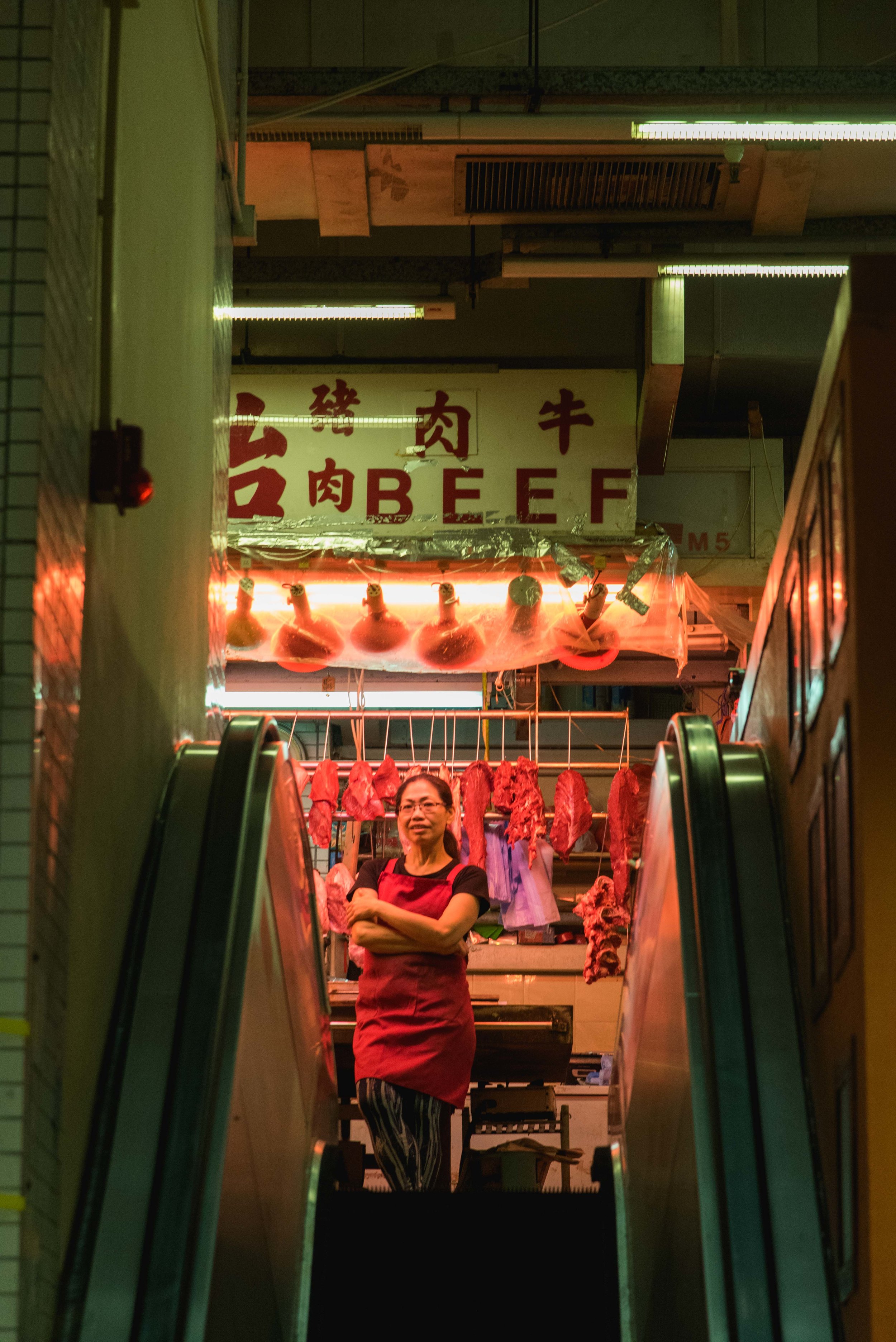
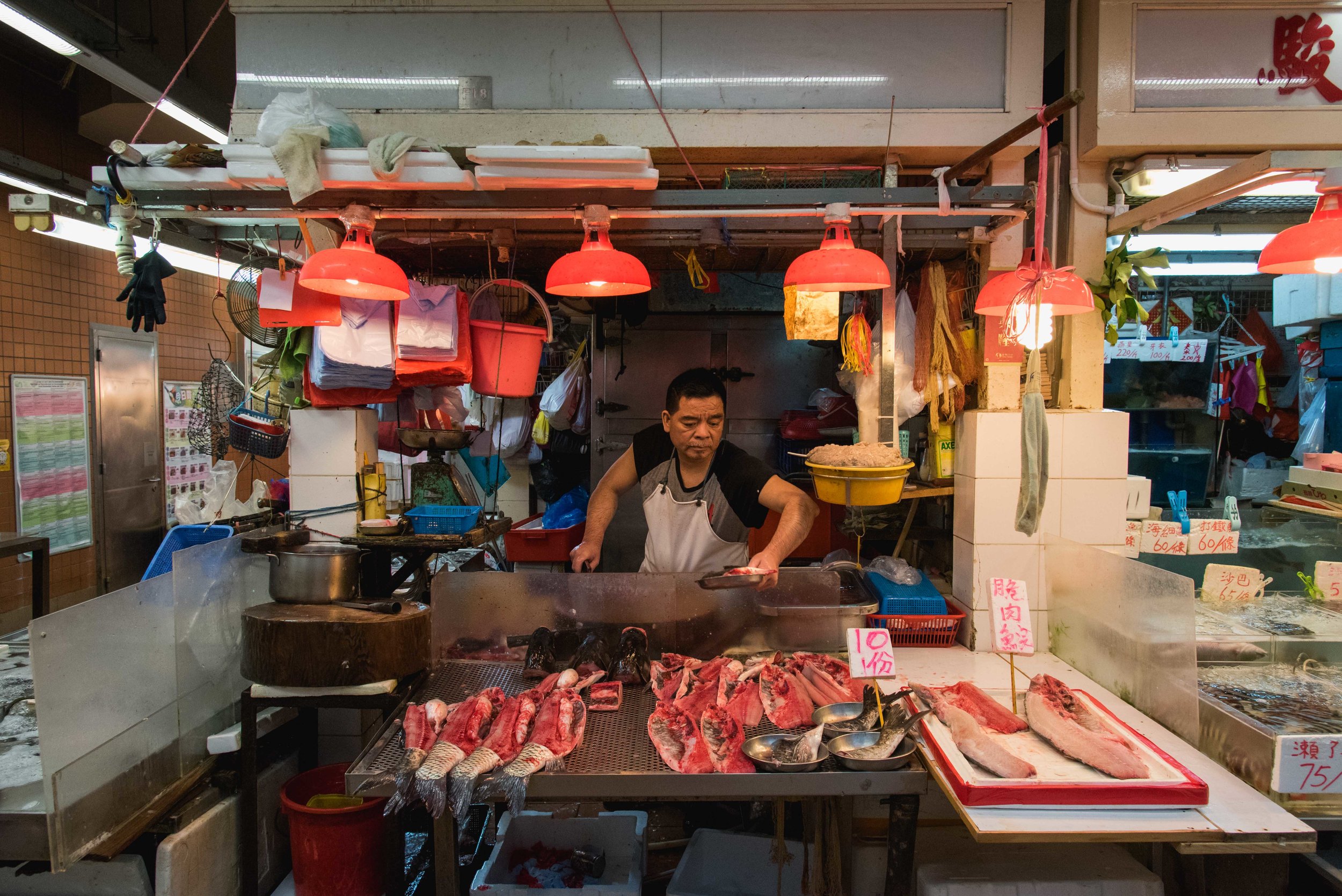
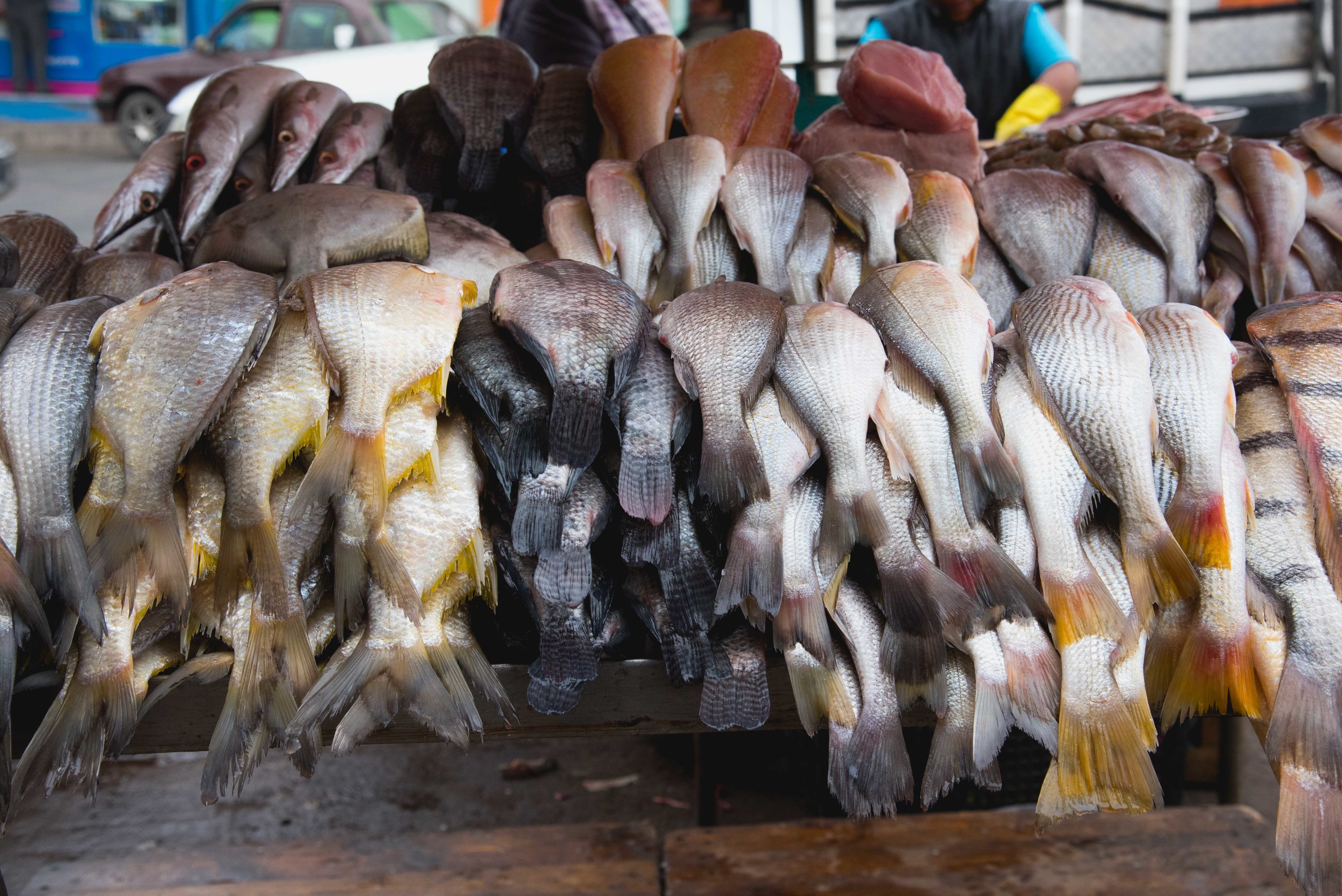
We had a few hours to kill before our flight to Vietnam the next morning so we wandered into a fish and produce market before making our way to the airport.

•••

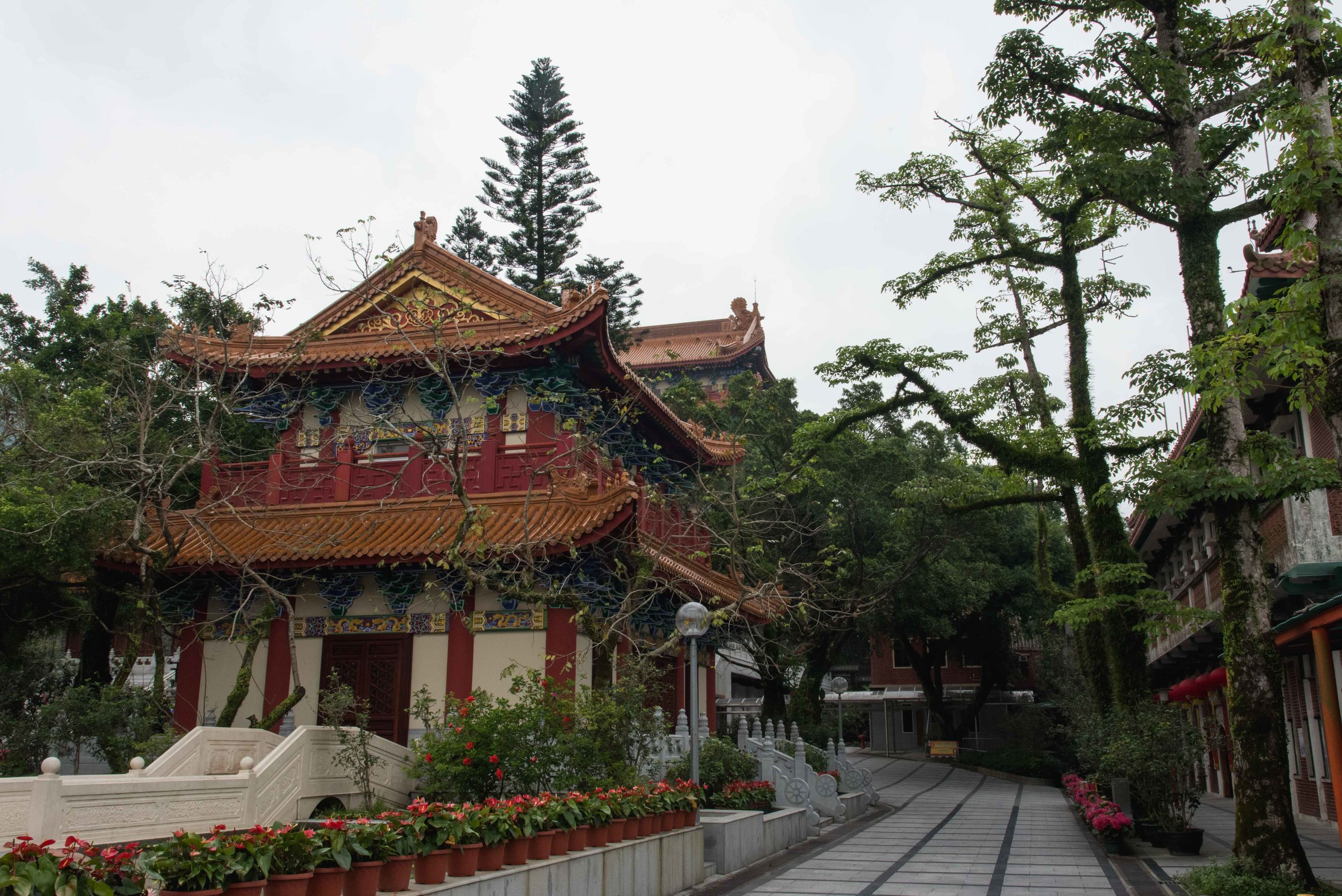
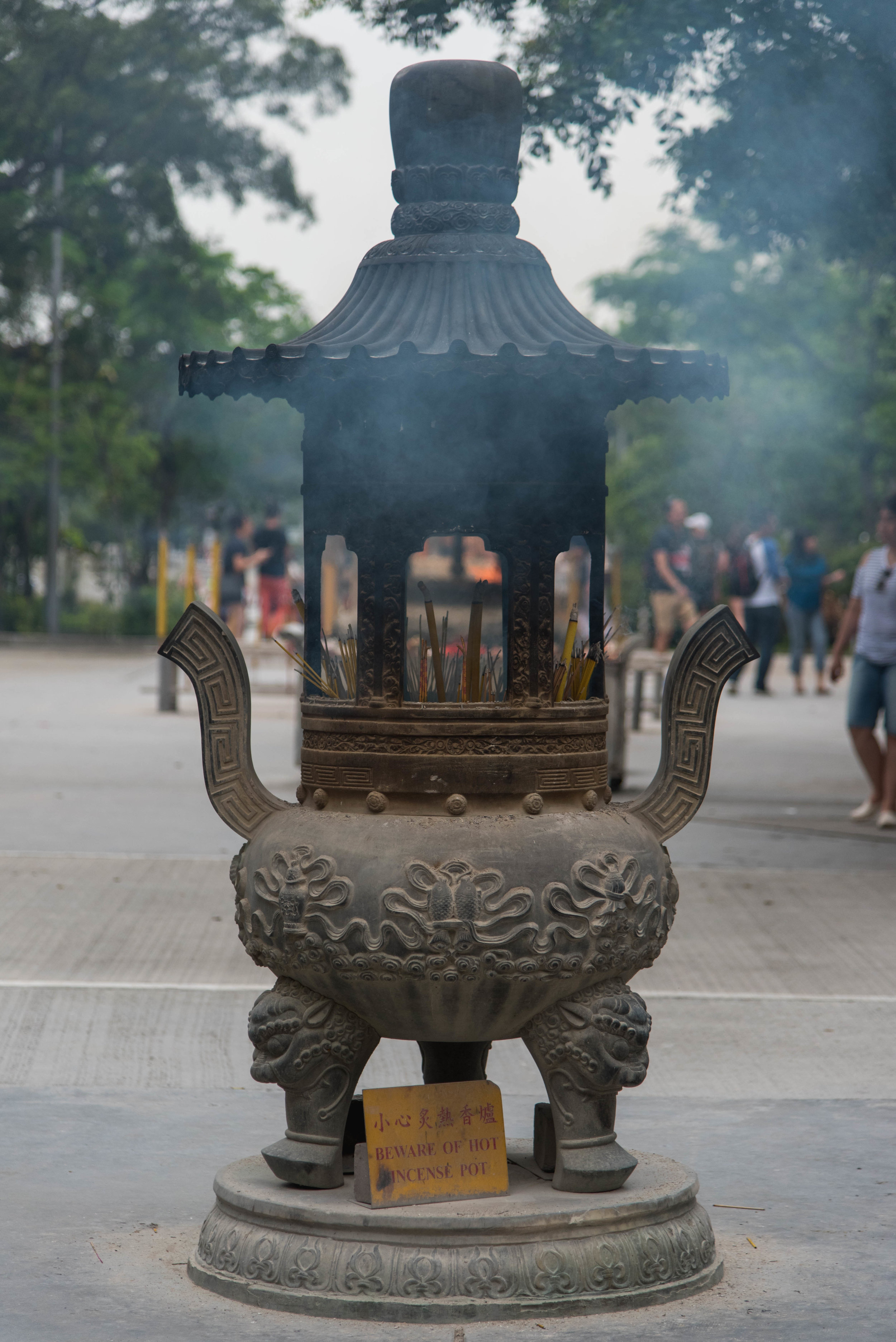
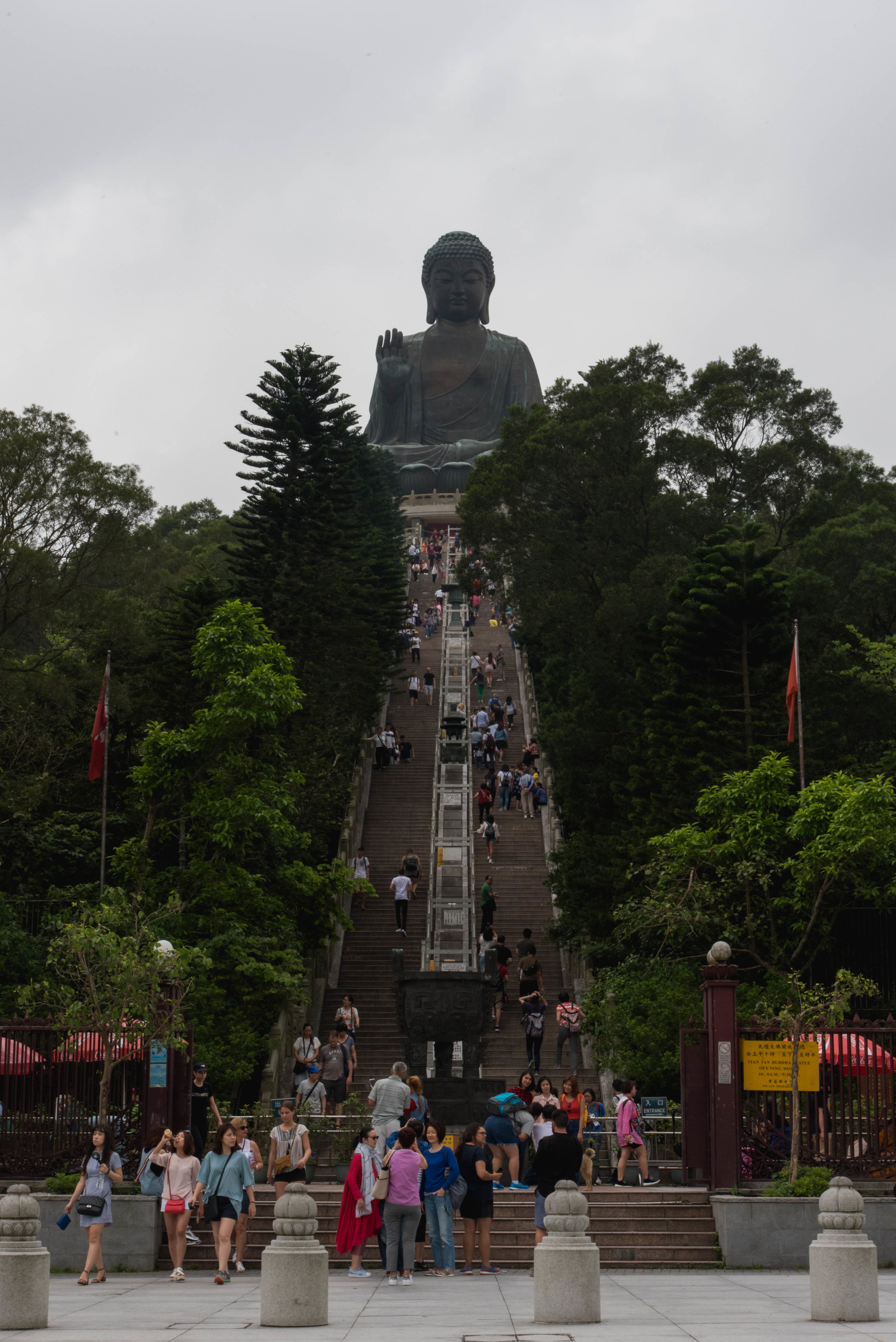
Fast-forward 15 days past adventures in Vietnam and Thailand to when we returned to Hong Kong: Not being the type to sit back and relax, even at the end of a trip, we hiked to the Tian Tan Buddha and enjoyed one last amazing dumpling meal before getting on our final plane home.

Stay informed on when the rest of the series comes out by following me on Instagram.

Baja California, Mexico 2017 by William Bryan

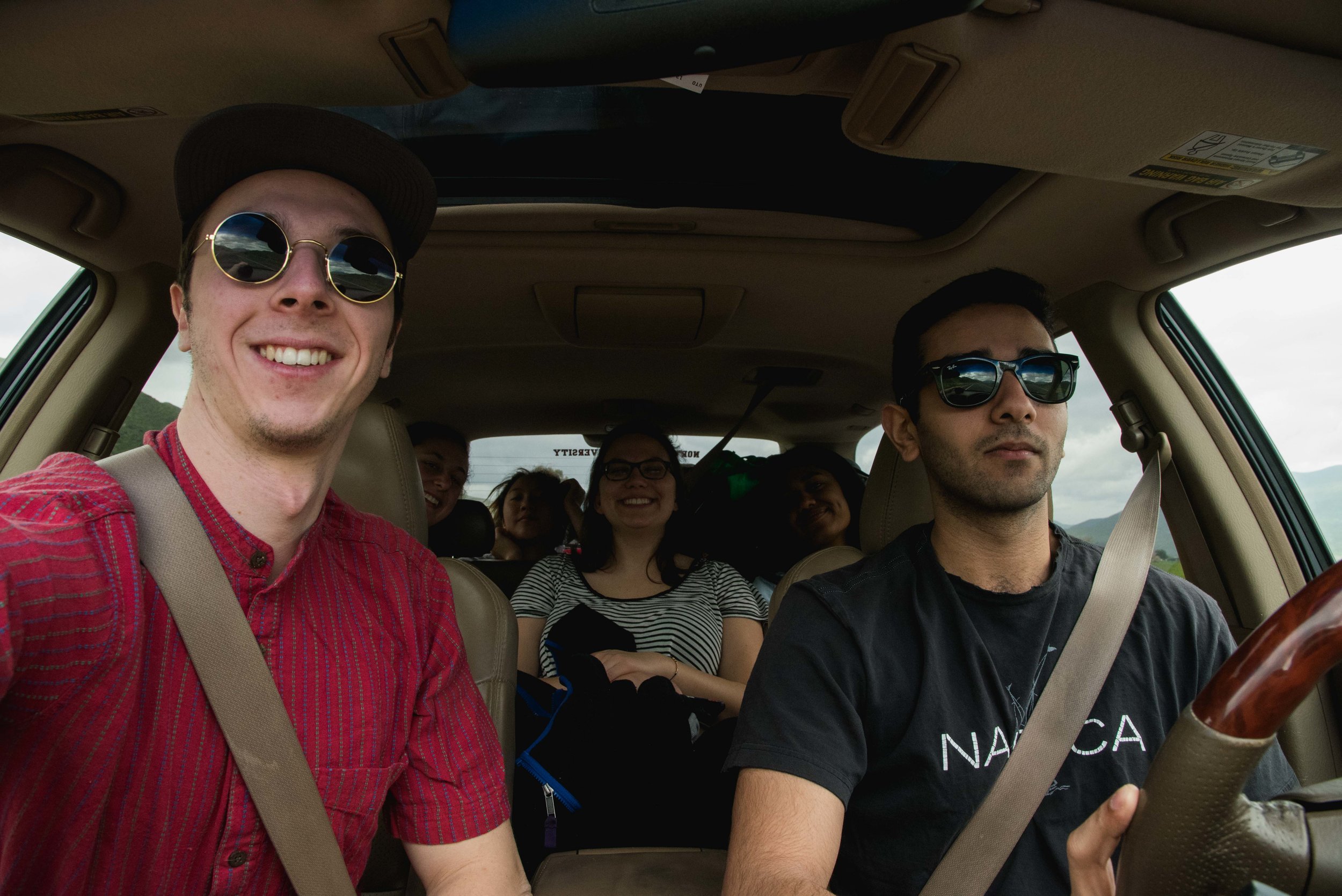
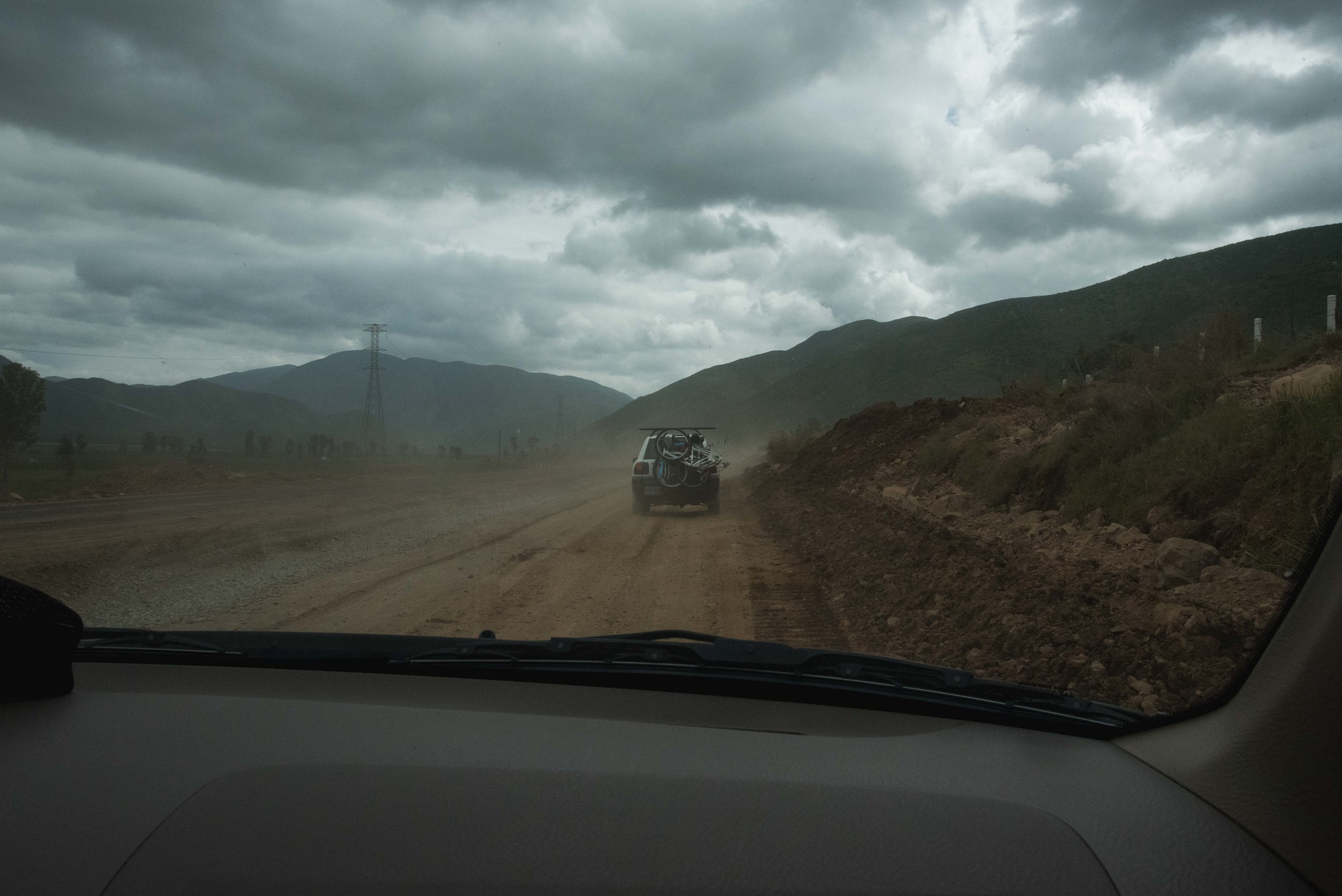
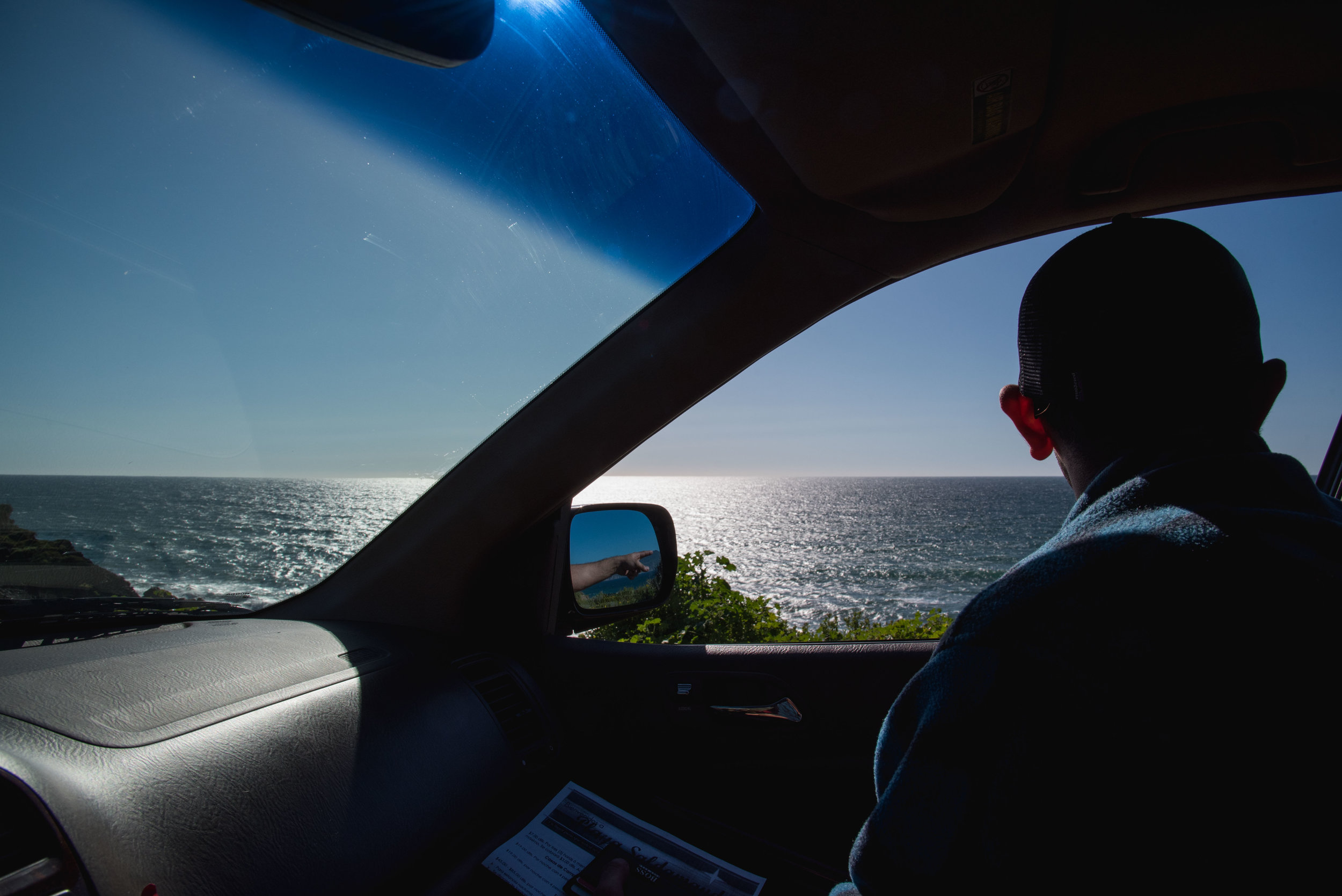
We loaded up the over-packed car and were on the road by 7:45 a.m. Morale was high at the start of the six-hour drive to Parque Nacional Sierra de San Pedro Mártir, which is where we planned on spending the first two nights of our Baja Adventure. The border crossing took all of five minutes with no passport checks or traffic. We zoomed down Highway 1 while swerving to avoid potholes and roadkill through Tijuana and Rosarito.

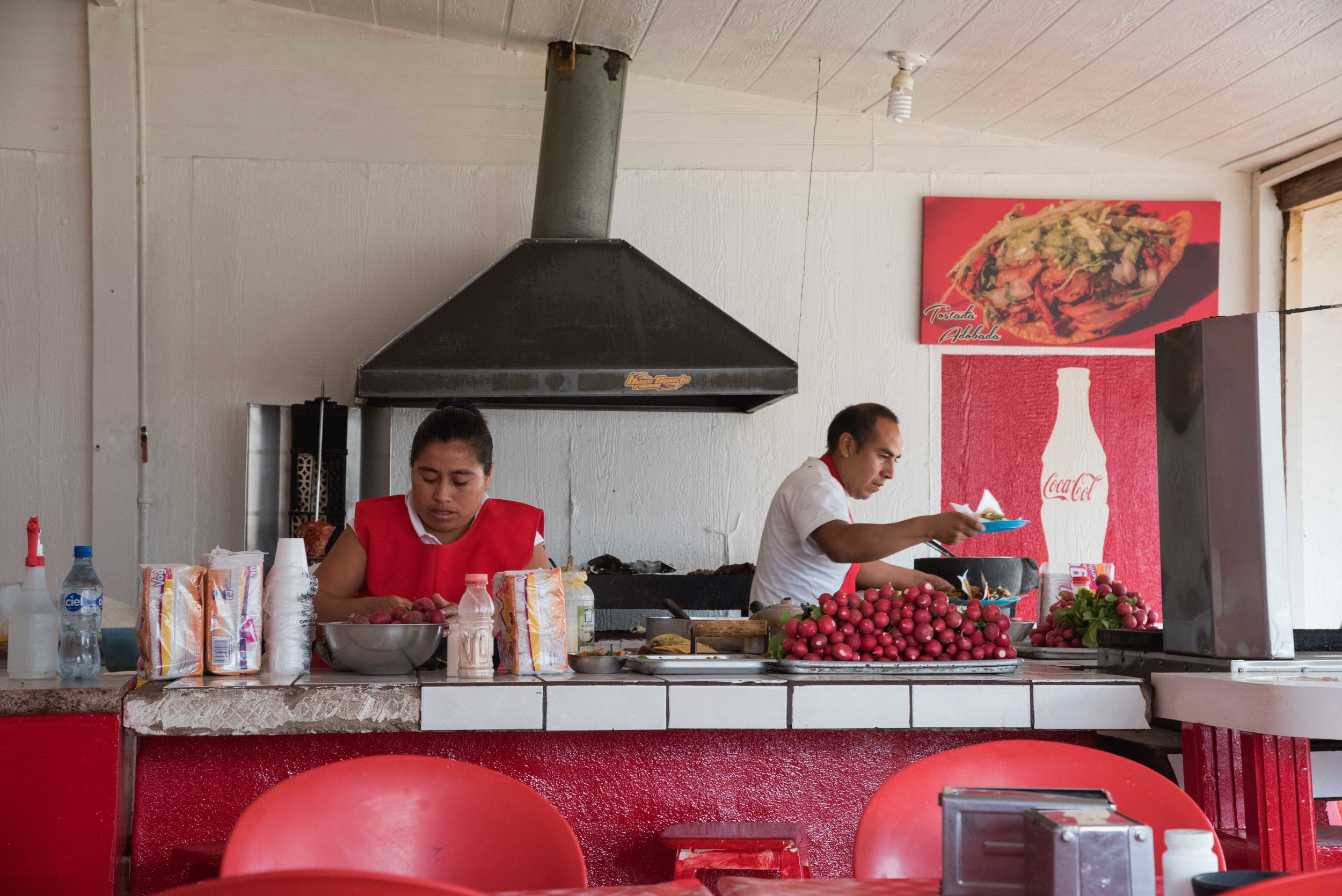
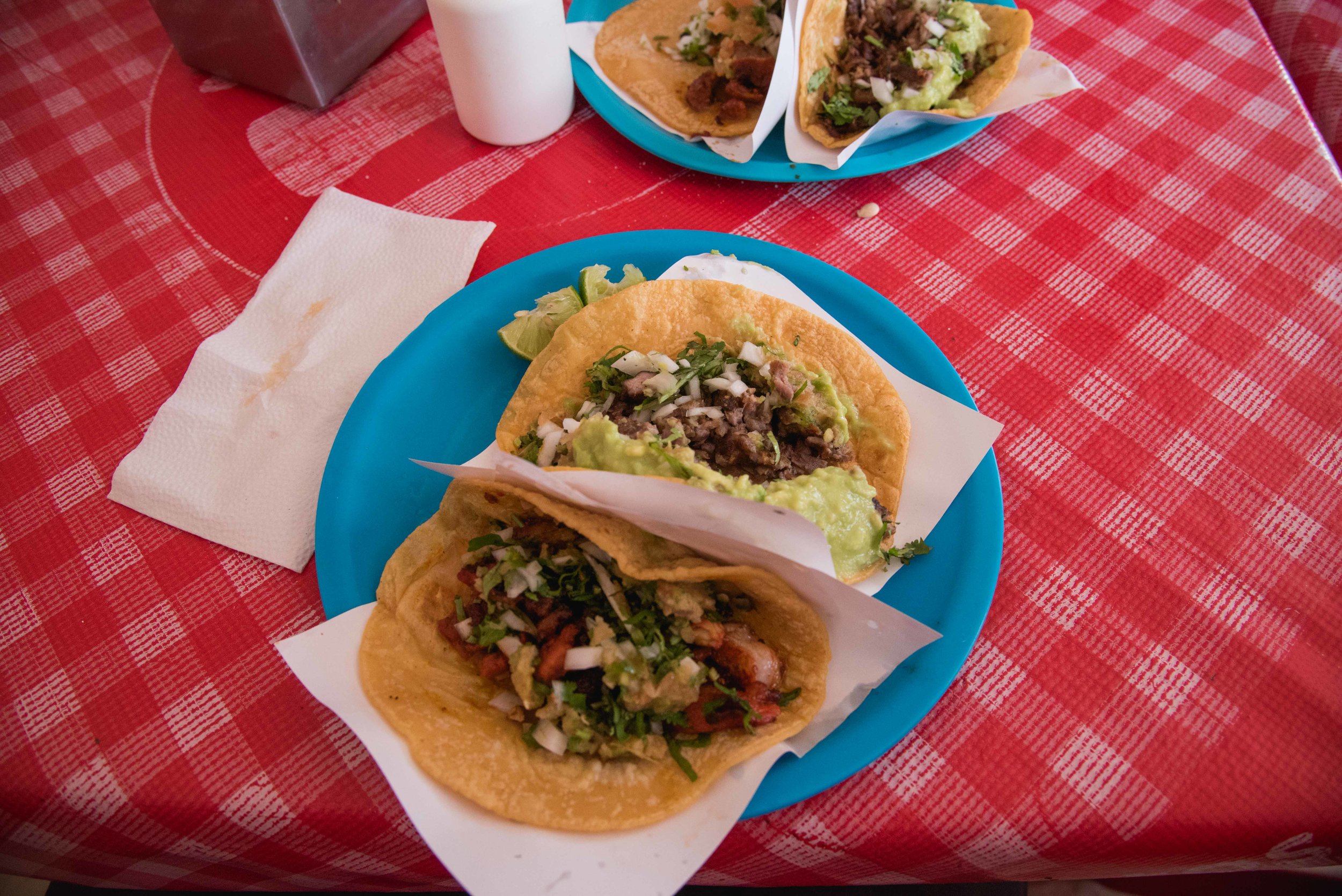
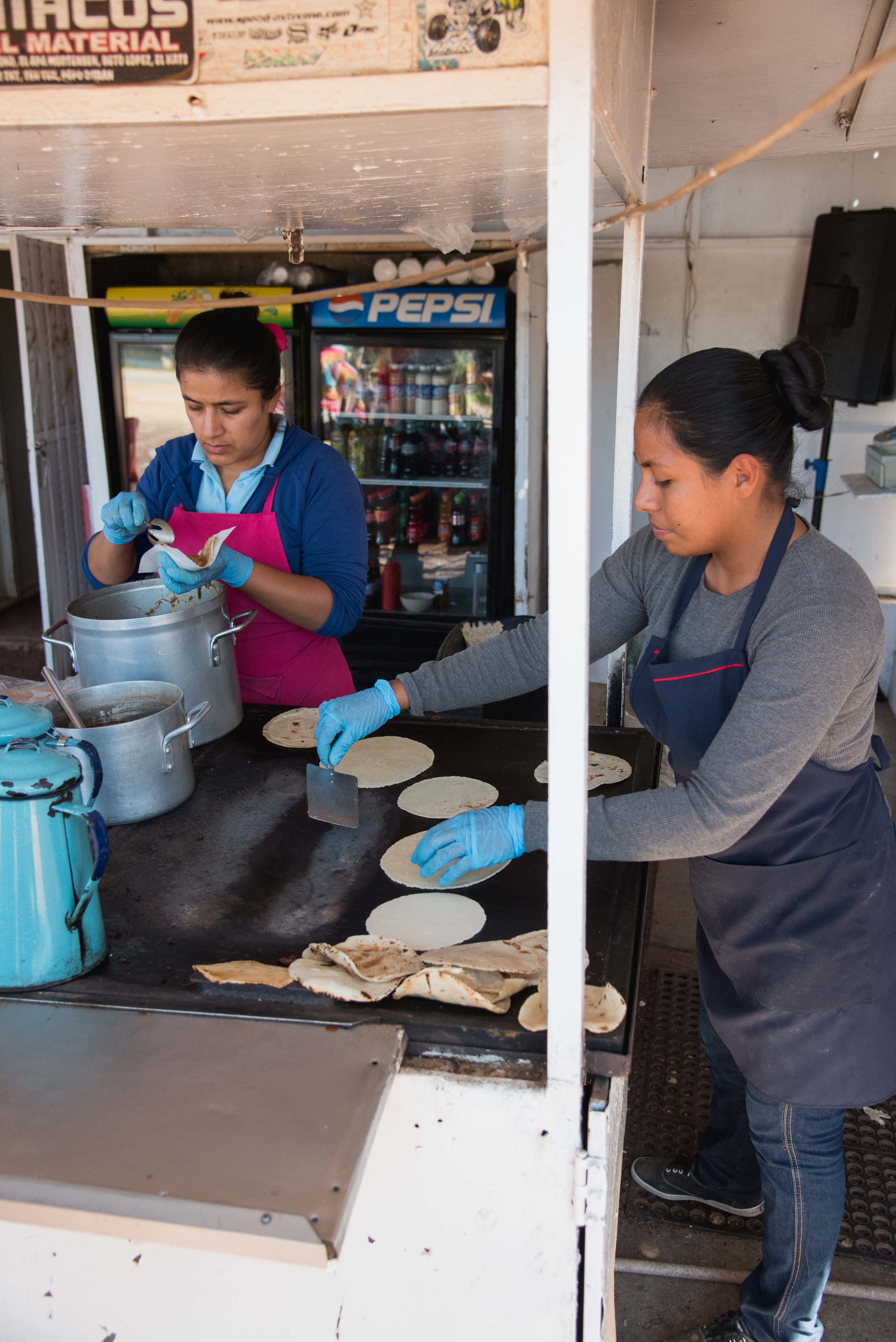
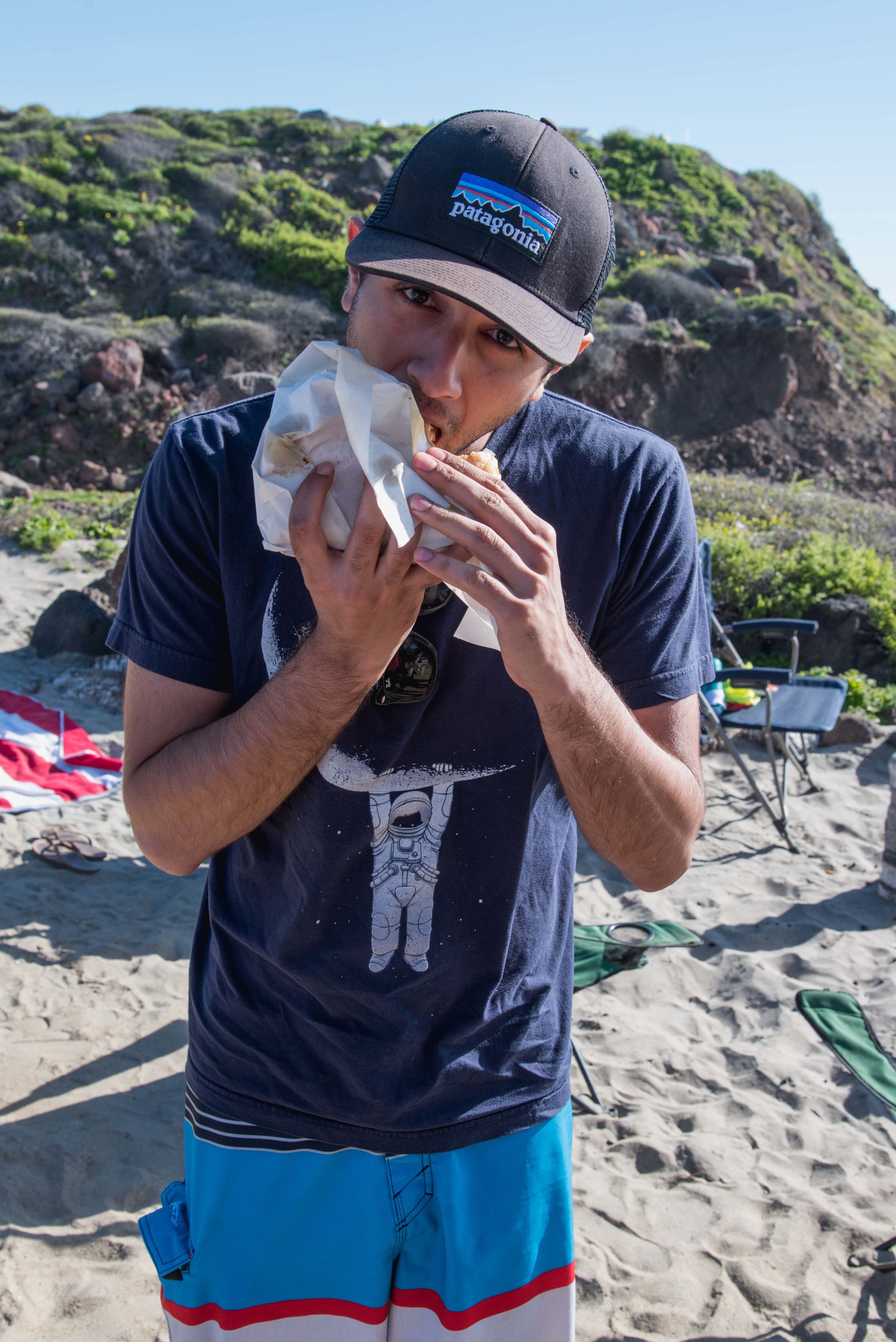
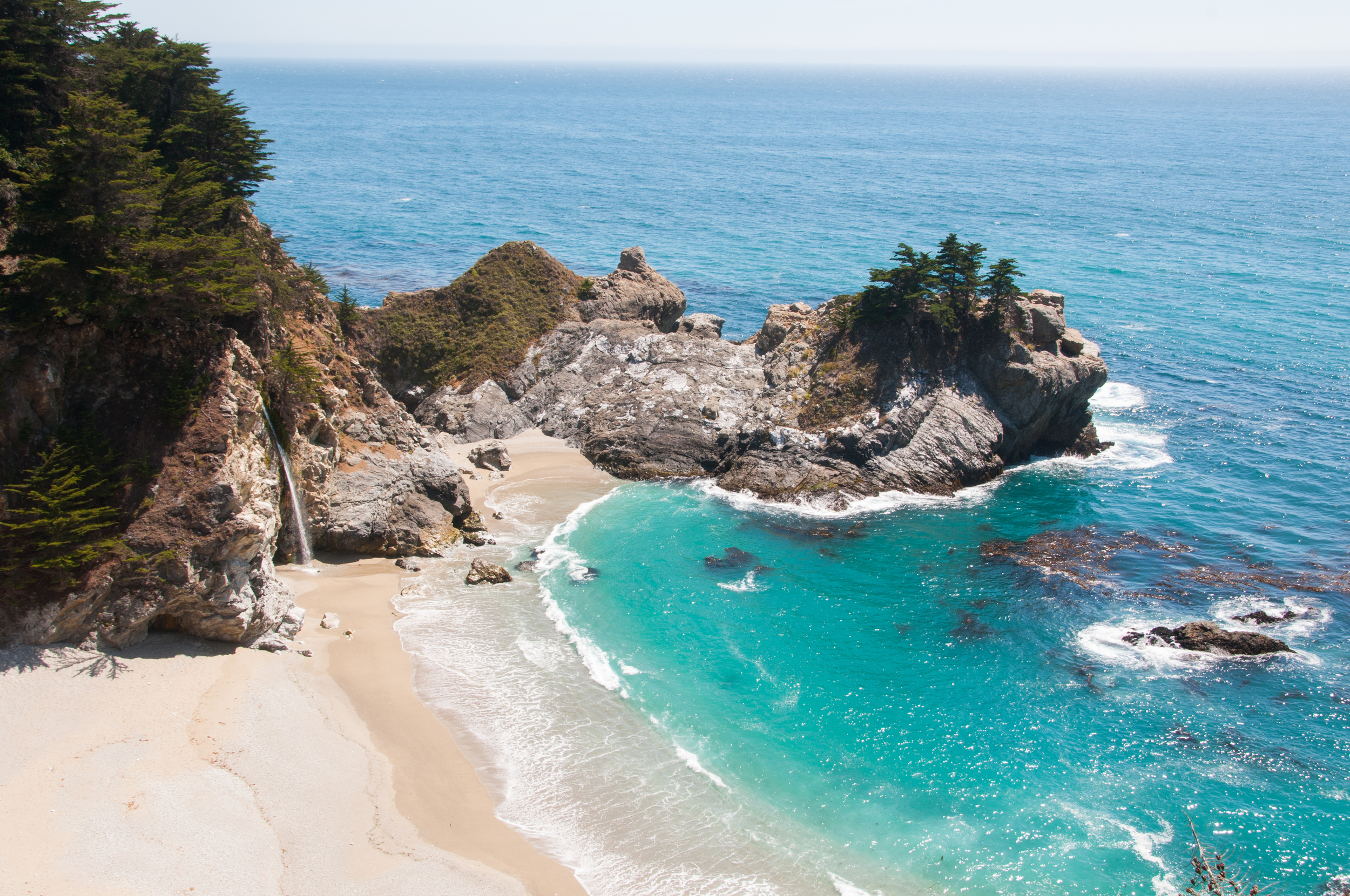
After a couple of hours of driving along the coast, which reminded me of Big Sur 500 miles to the north, we stopped for street tacos in Ensenada to appease our empty stomachs. After a group ordering effort, we feasted on mystery meat tacos on freshly pressed tortillas before getting back in the car for the longer stretch of the drive.

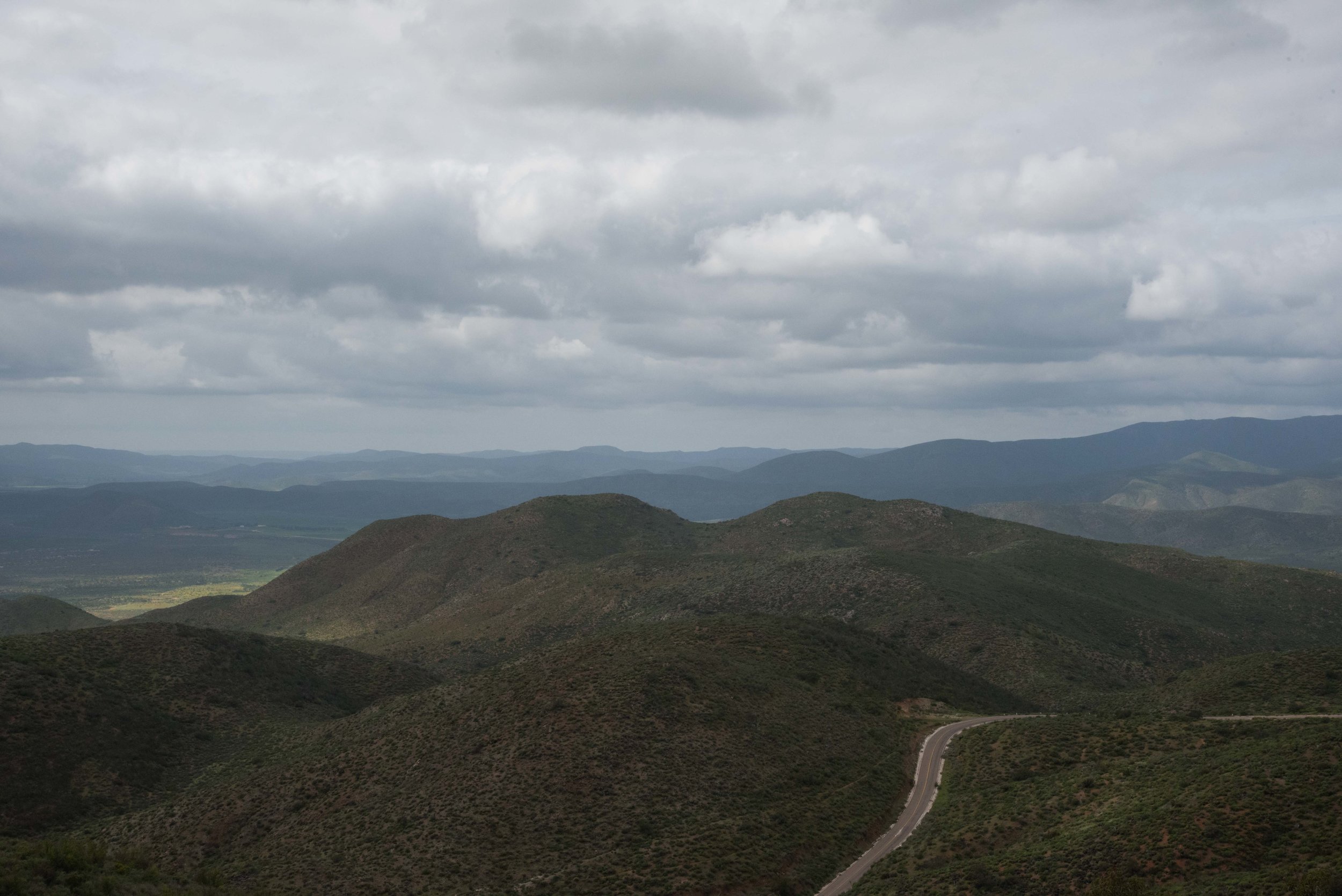
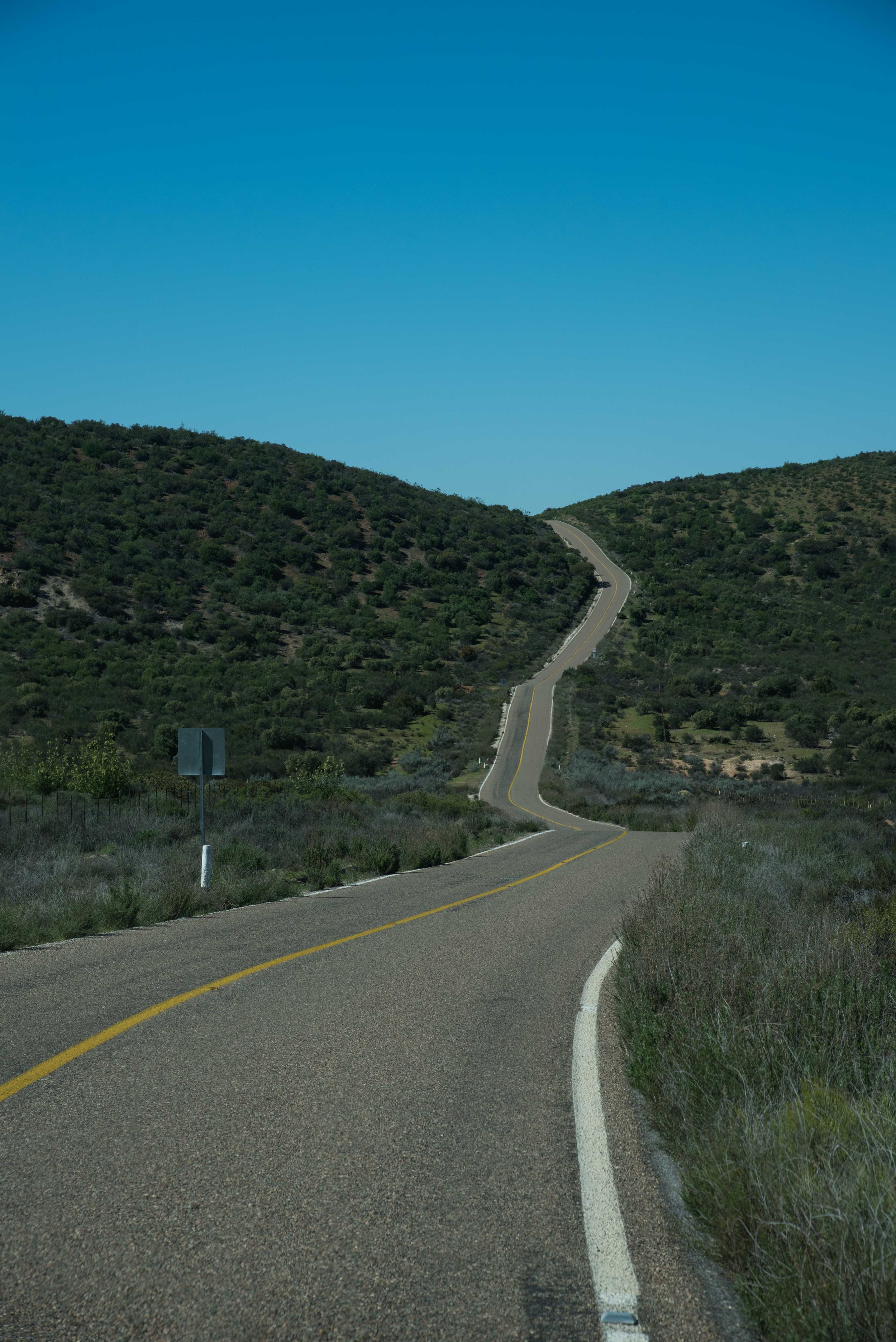
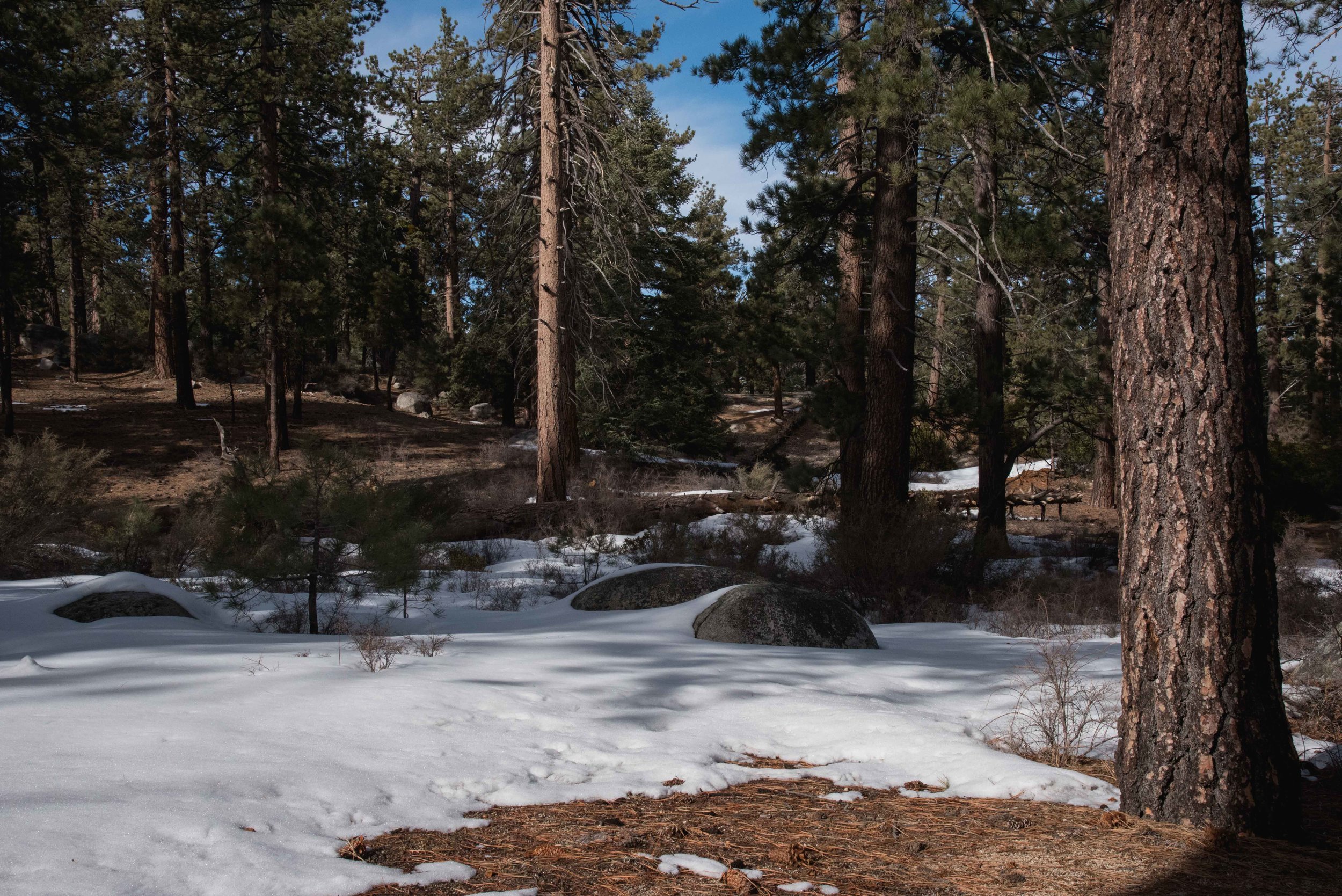
With full stomachs we continued down the coast and until we passed the kilometer 140 road marker, our only indicator that the turn towards the national park was near. We turned inland and as we climbed the green hills the temperature slowly fell until I spotted a patch of snow on the side of the road.

“It’s probably just a portion of the road that doesn’t get too much sun so it hasn’t melted yet,” Annie volunteered.

We all agreed enthusiastically — we all knew there was a possibility that the national park was cold, but we weren’t prepared for snow (this was Spring Break in Mexico, after all). The further into the mountains we drove the more frequent the snow patches got until we pulled up to the campsite office, which was snuggled in a crunchy white blanket, there was snow everywhere. We laughed nervously as we looked out the window and saw little Mexican children sledding down hills before pulling into our snow covered campsite that the ranger had suggested. We had been worried about how we would keep the beer cold, but when we stepped out of the car and into the cold afternoon air we realized the beer was the only thing we didn’t have to worry about.

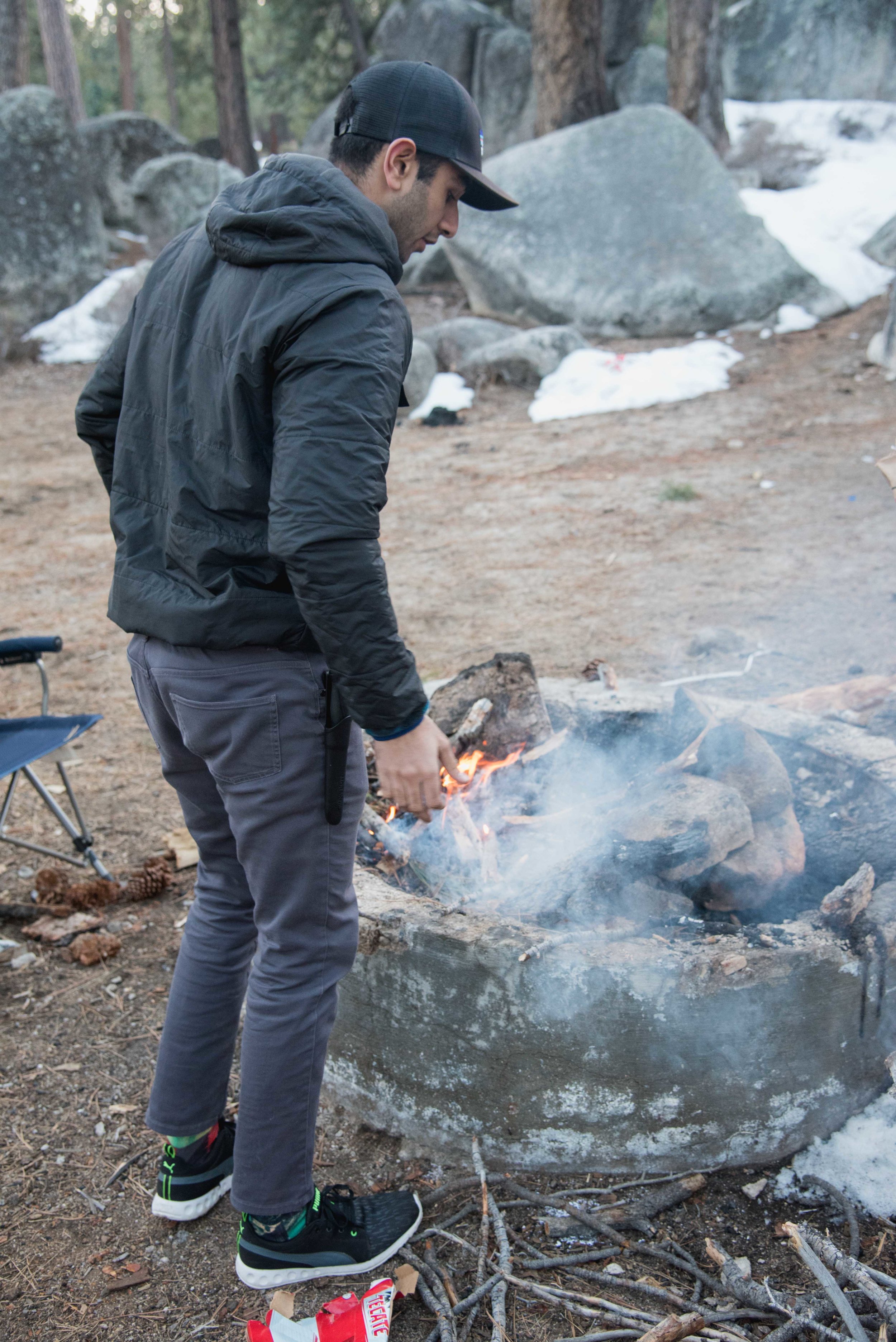
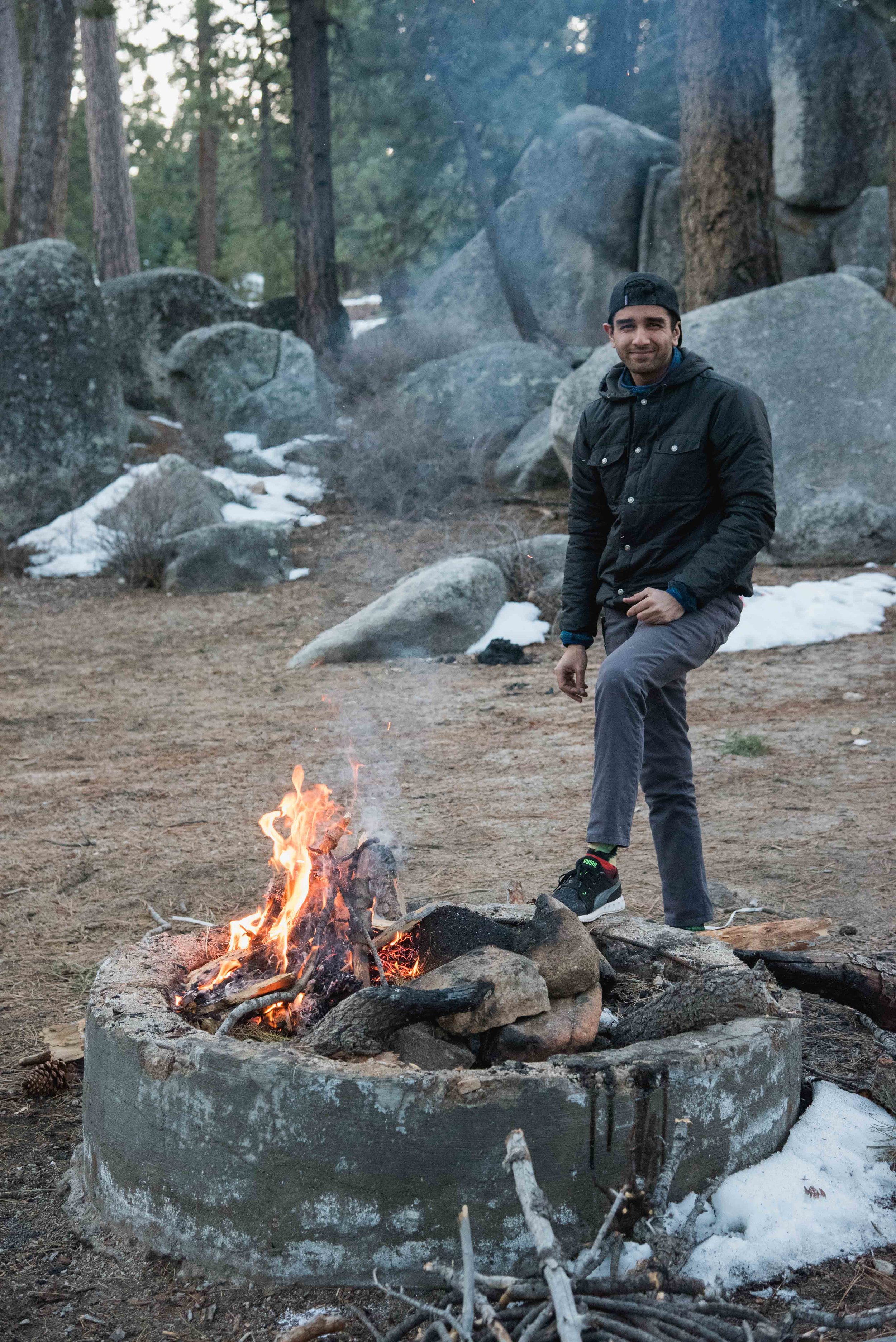
The second my shoes hit the snow I stripped down to my boxers and hurriedly rifled through my bag for every ounce of clothing I had brought: a tank top, t-shirt, long sleeve shirt, insulated jacket, rain jacket, PJs, pants, and a hat. I shivered as we unpacked the rest of the car, searched for firewood, and set up the tent. It took us 45 minutes to get a fire started, the wood was damp from the snow and even the pinecones, typically a surefire recipe for instant flames, refused to do anything but smolder and smoke. We finally got a flame by feeding a constant stream of pine needles onto whichever pinecone seemed most promising at the moment.

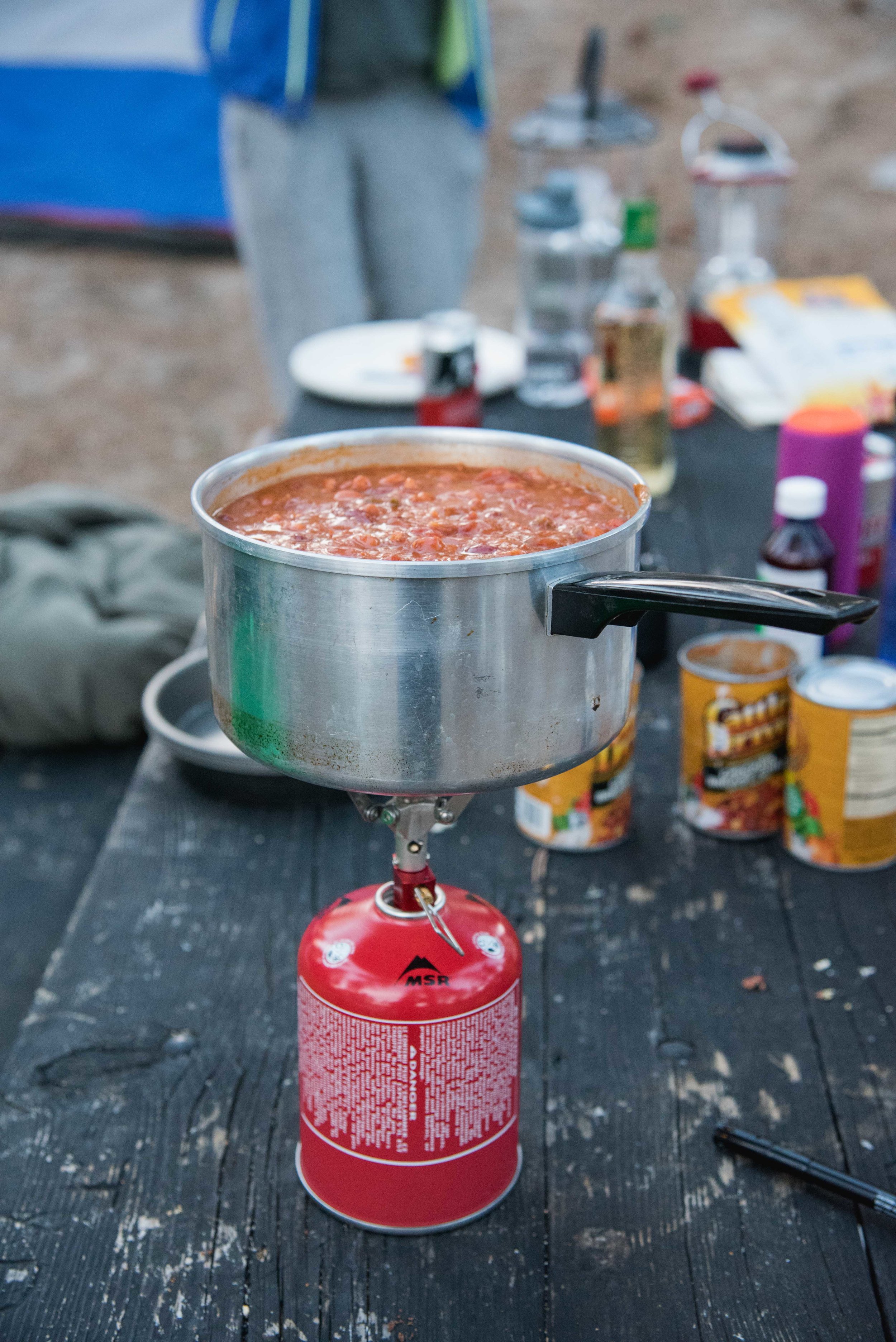
With our delicate fire crackling we heated up canned chili, cracked a beer, and anxiously watched as the sun set and the cold set in. When our firewood ran out we crawled into our sleeping bags and shivered ourselves to sleep. At around 2 a.m. we all awoke to the barks and cries of a pack of dogs that was running through a nearby campsite. Once I realized that everyone was awake as well I said:

“You know how we were going to spend another night here? Let’s not do that.”

Everyone exhaled the breath they were holding in and excitedly agreed. The moment the first sign of light could be seen through the tent we shimmied out of our sleeping bags and started to pack up our camp while gnawing on frozen granola bars. As soon as we had everything back in the car we jumped in and headed back to the coast in search of sun and waves.

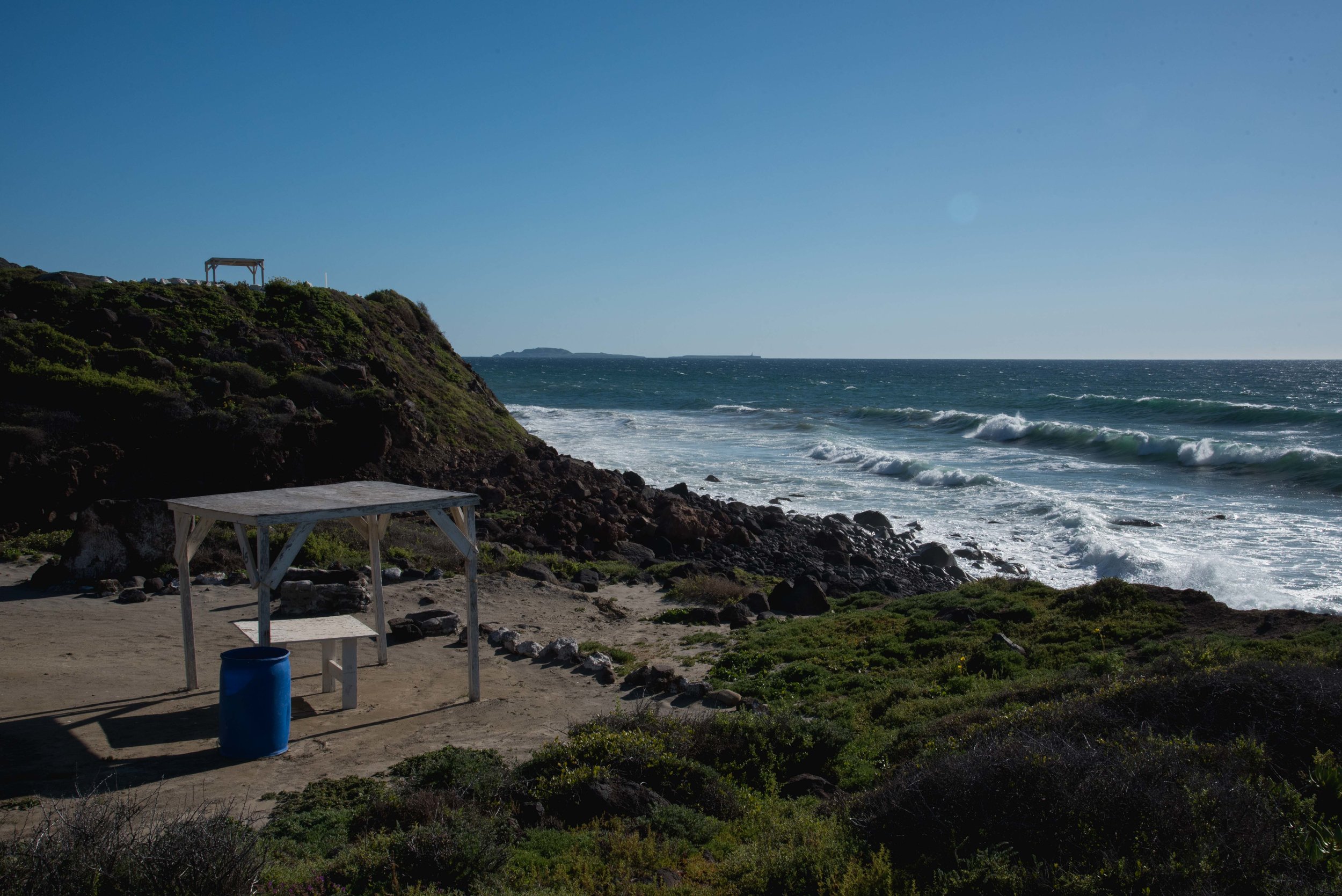
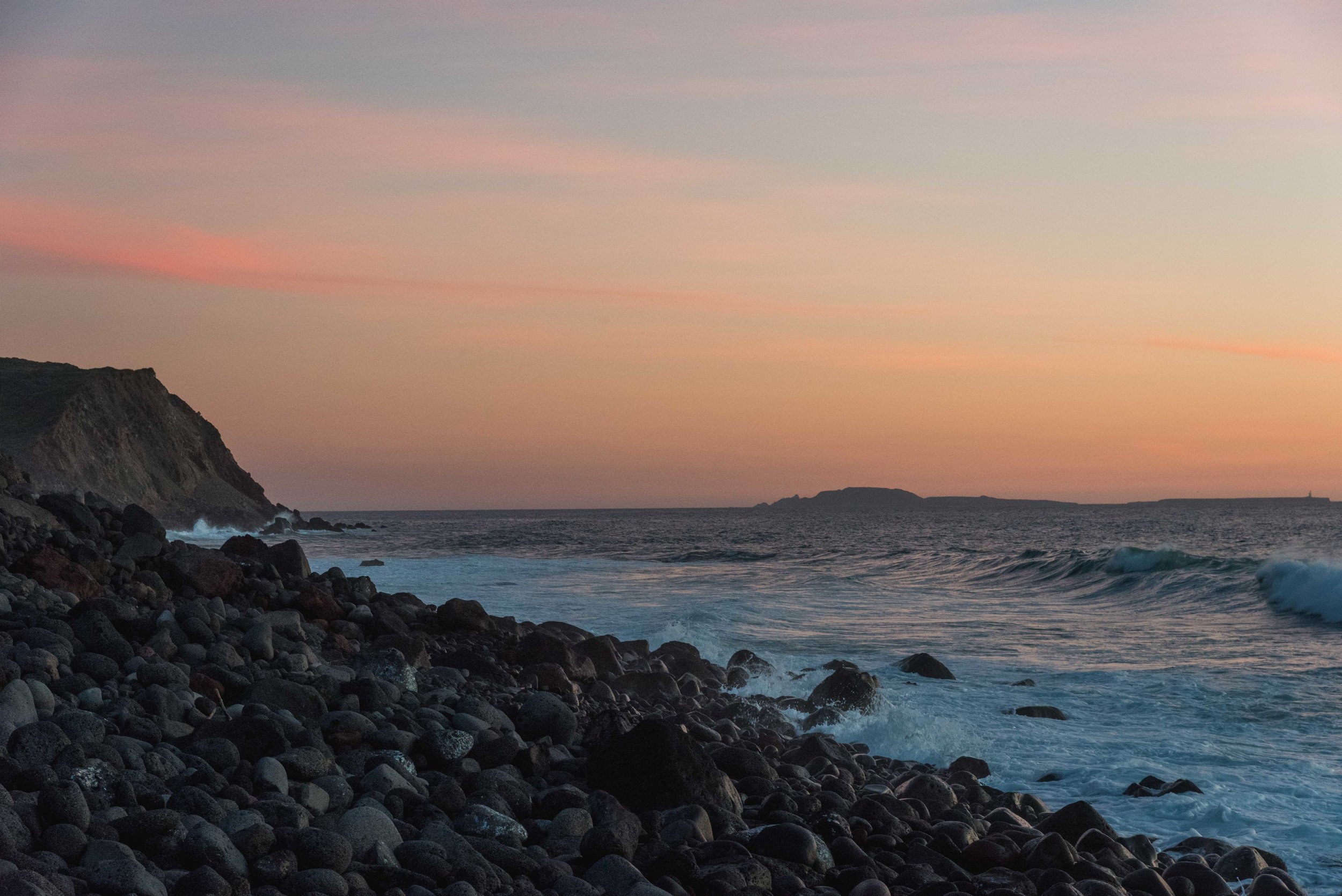
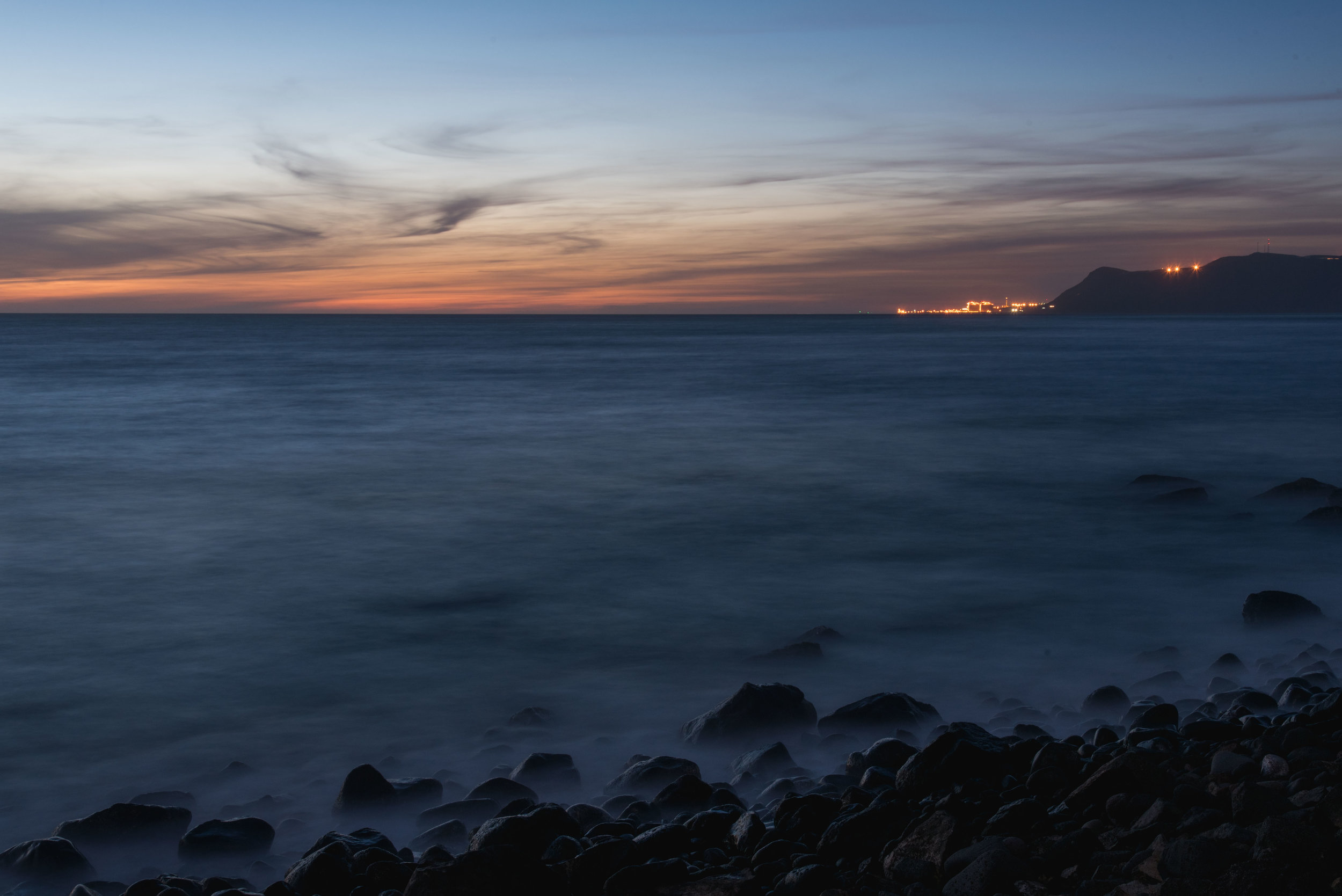
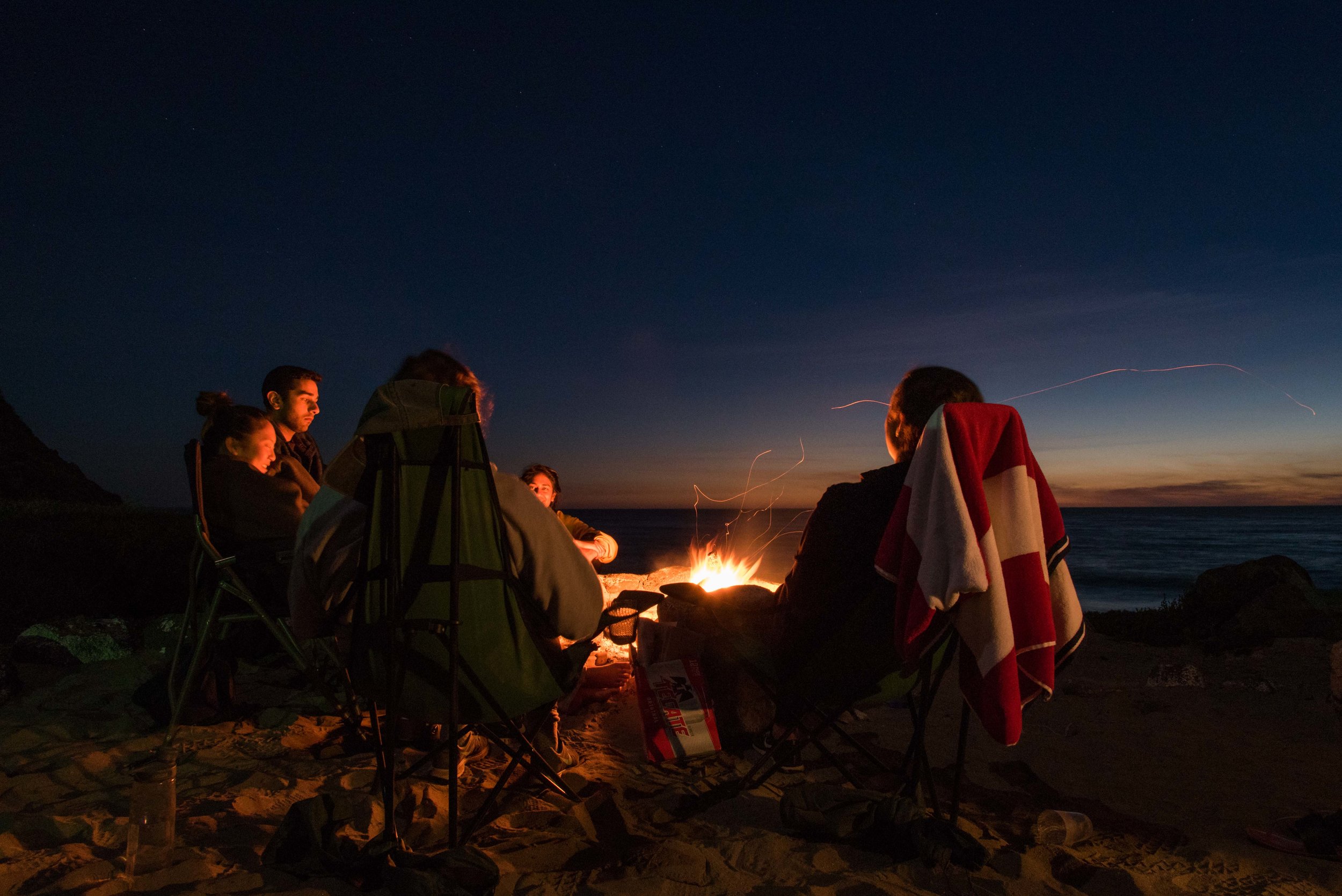
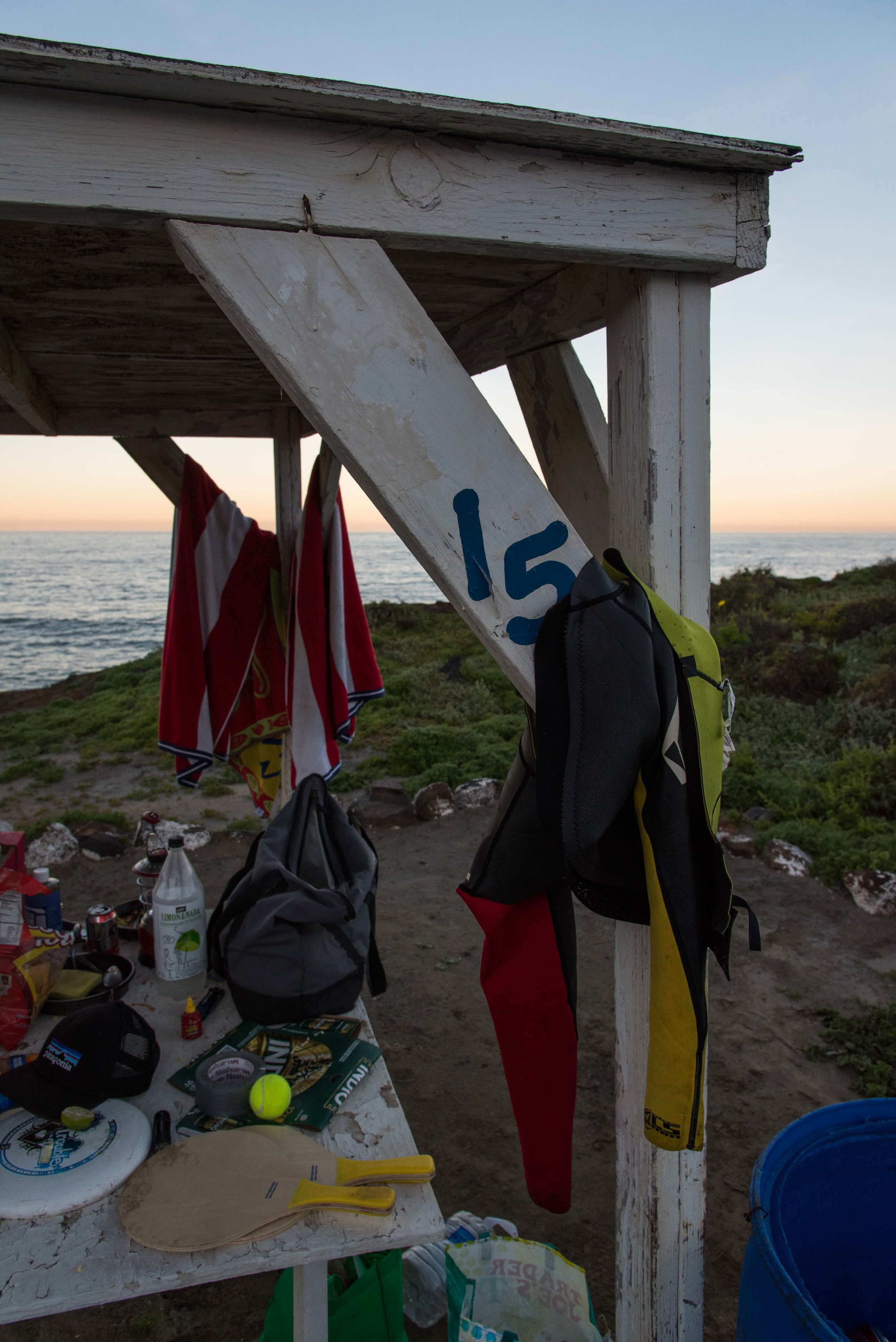
Over the next three nights we stuffed ourselves on tacos and tortas, soaked in the sun, sliced open our hands and feet in the rocky shore break next to our campsite, and laughed at ourselves for finding the only patch of snow in Mexico for our Spring Break before heading back north to San Diego.

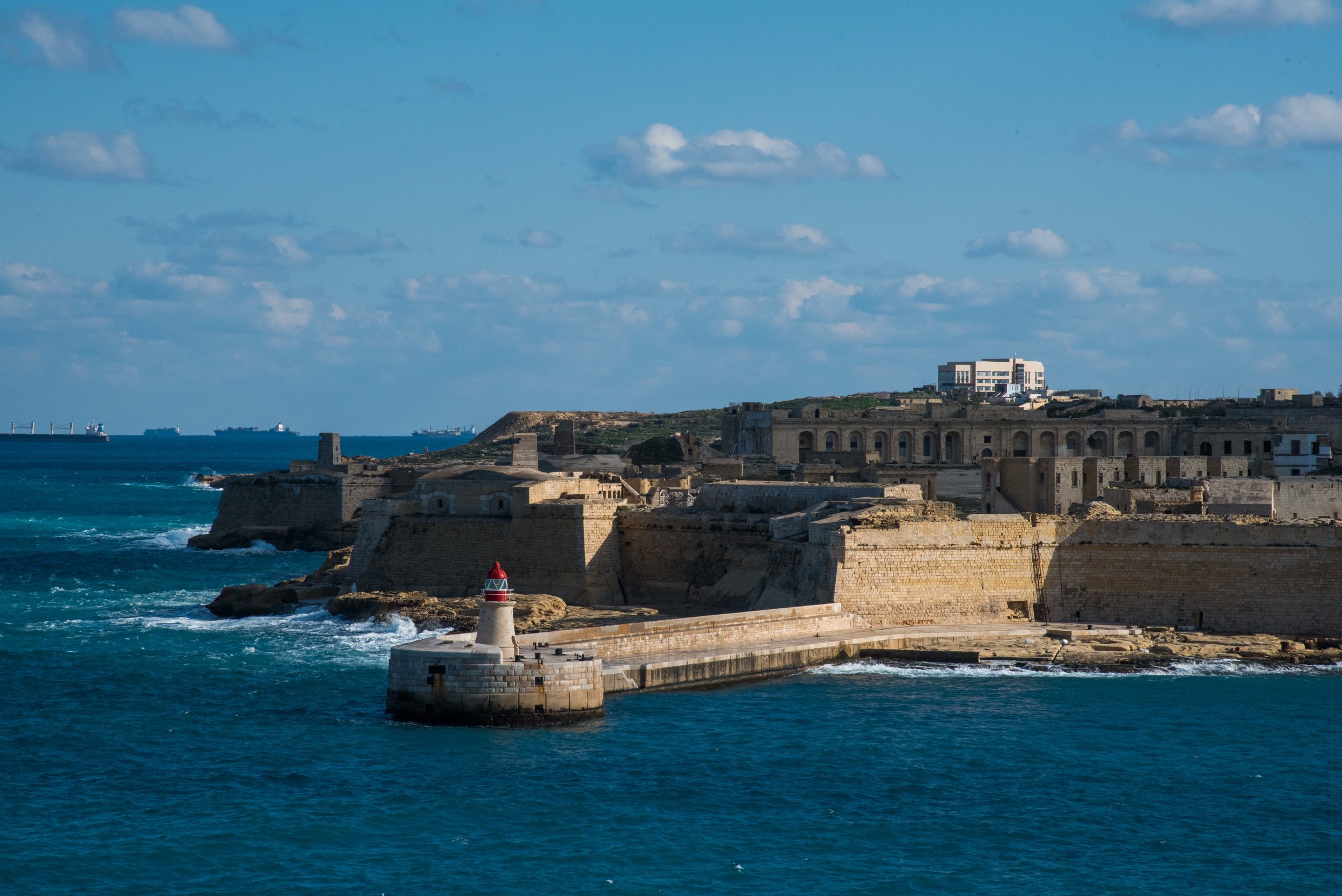
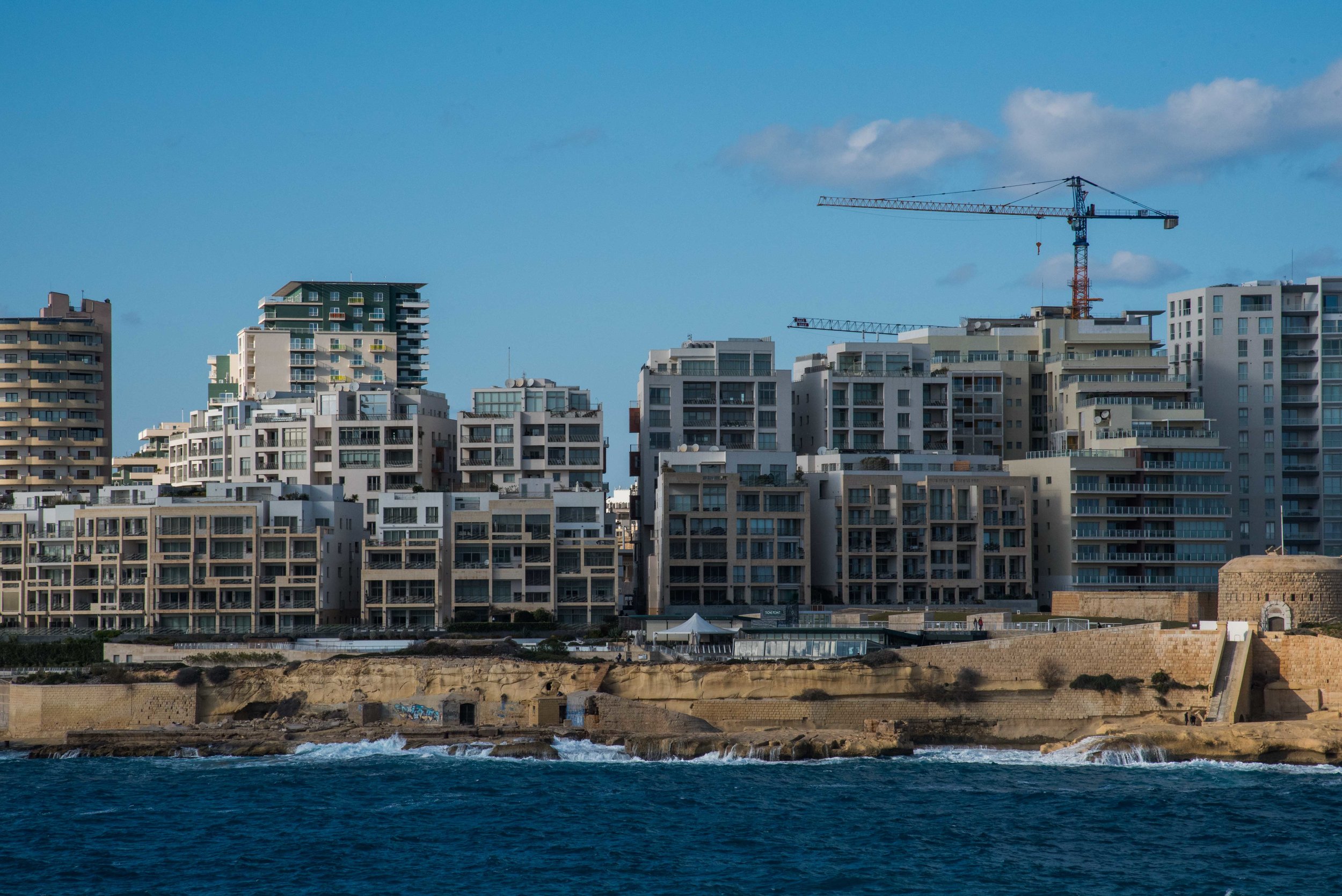
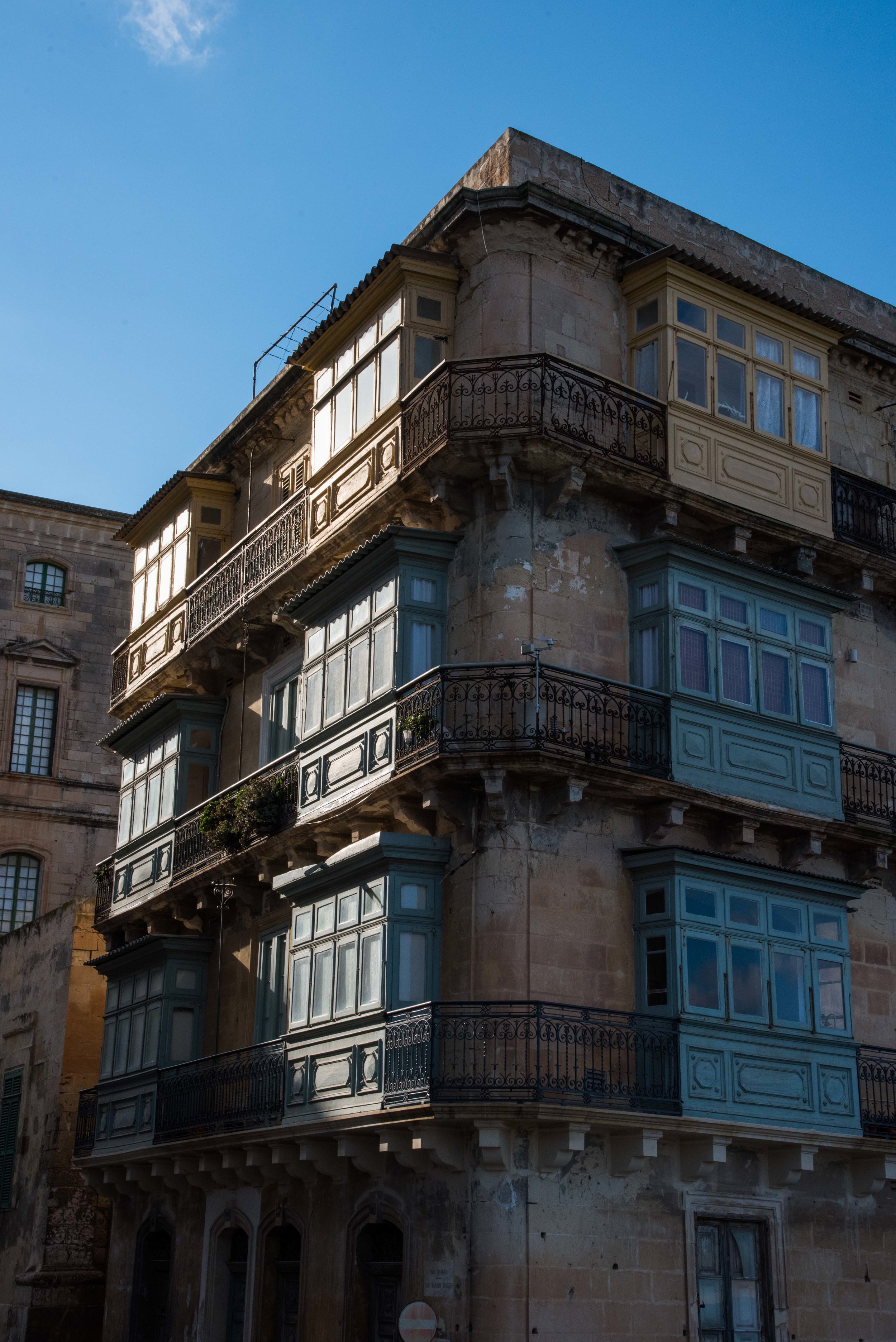
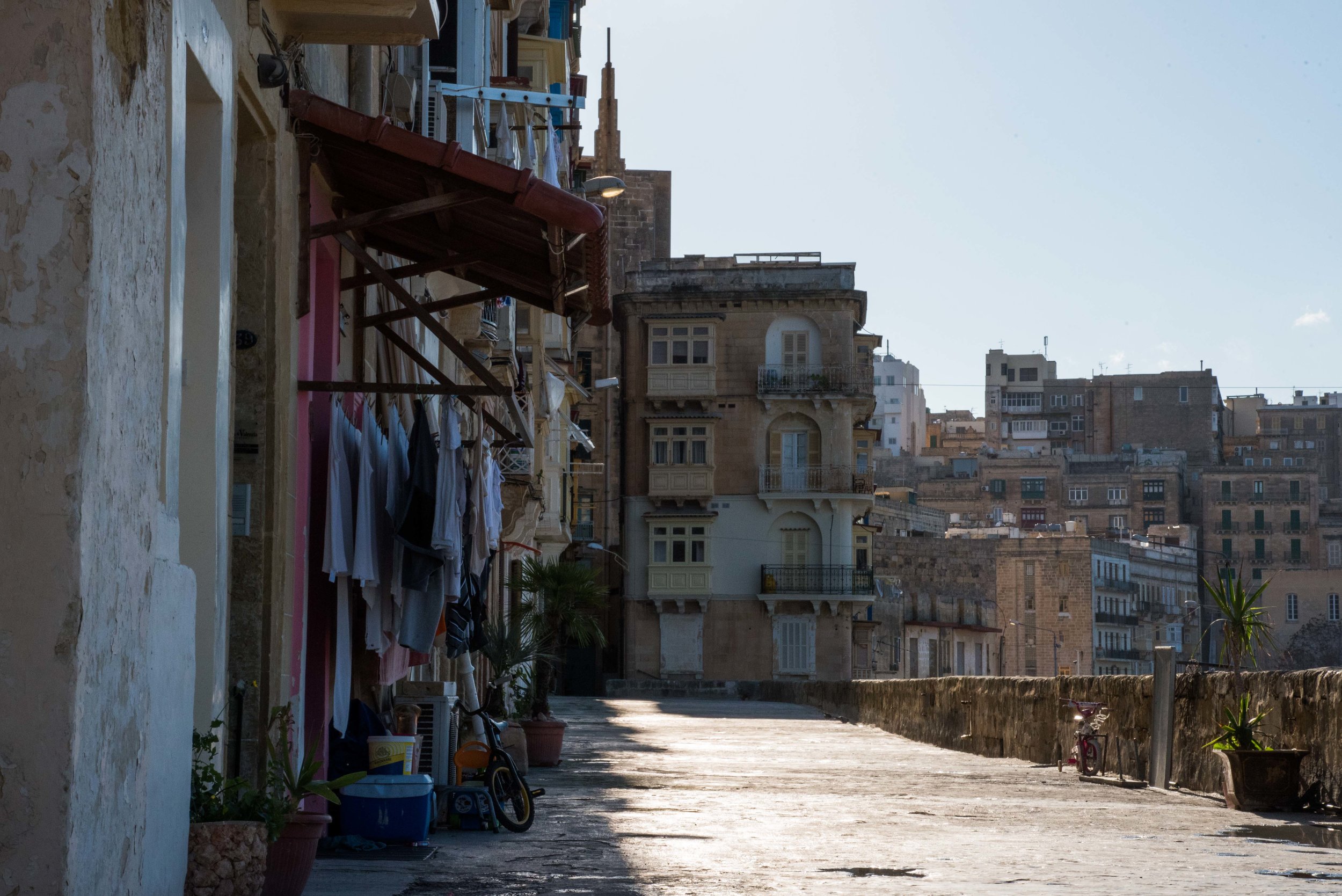
Malta 2017 by William Bryan

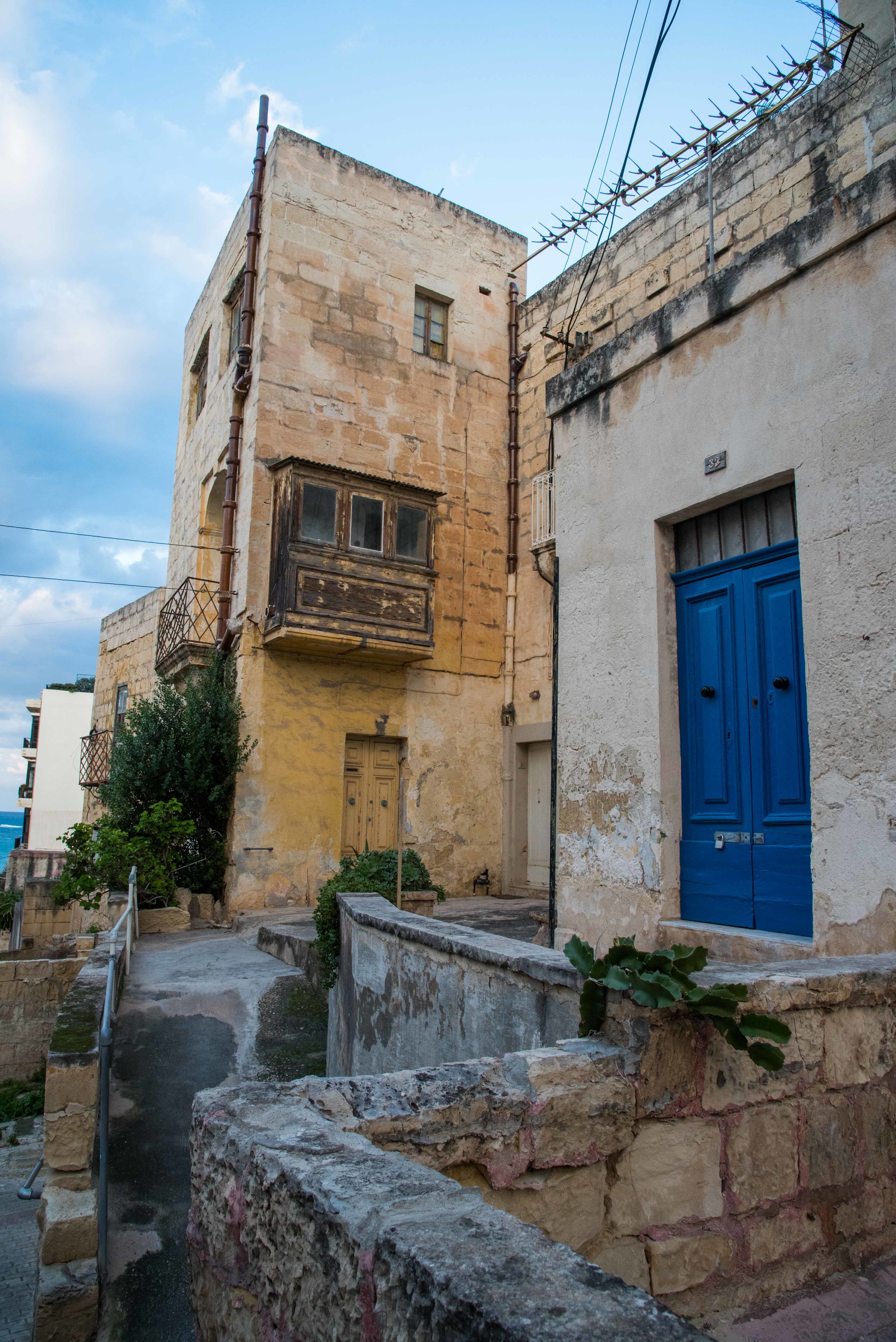
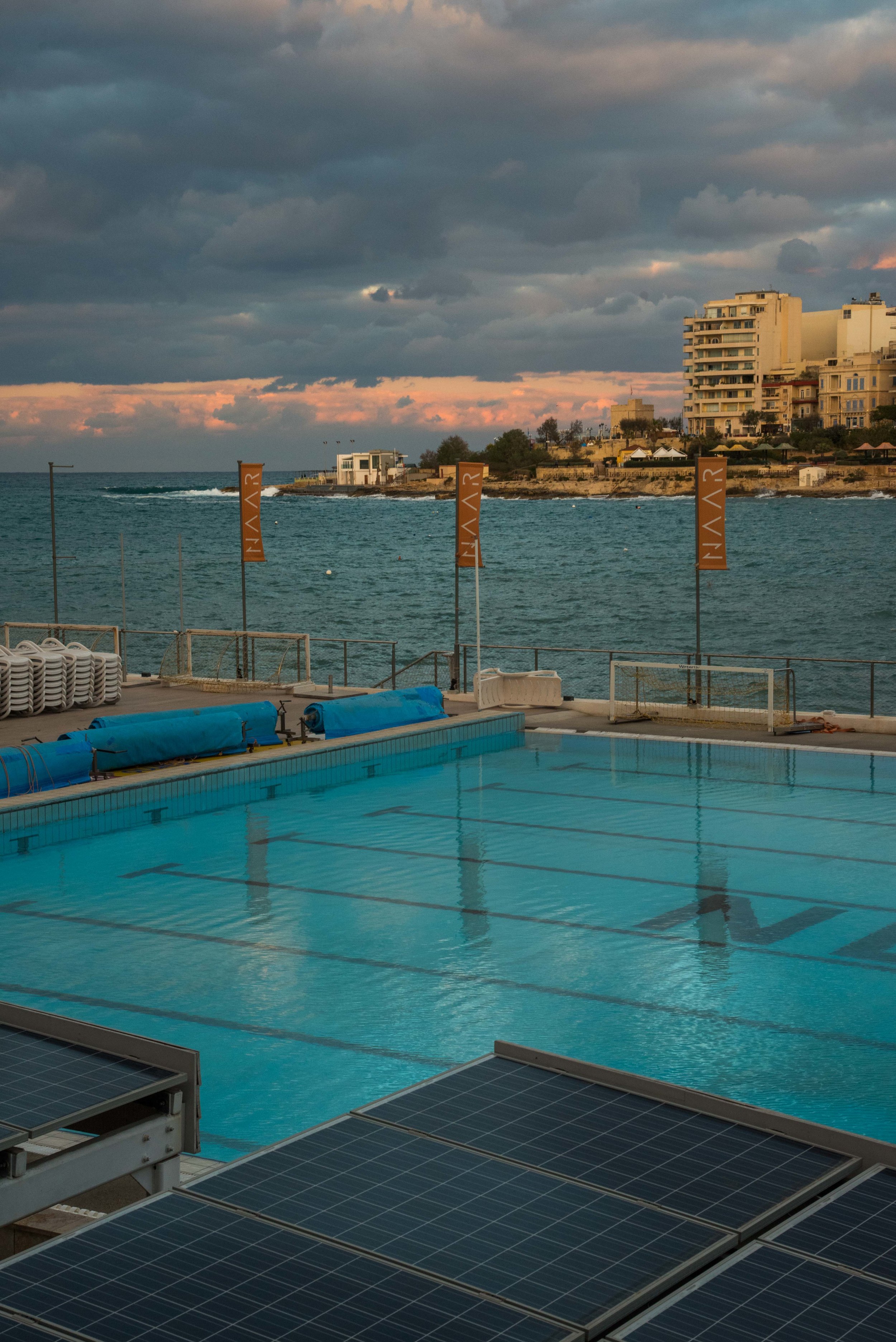
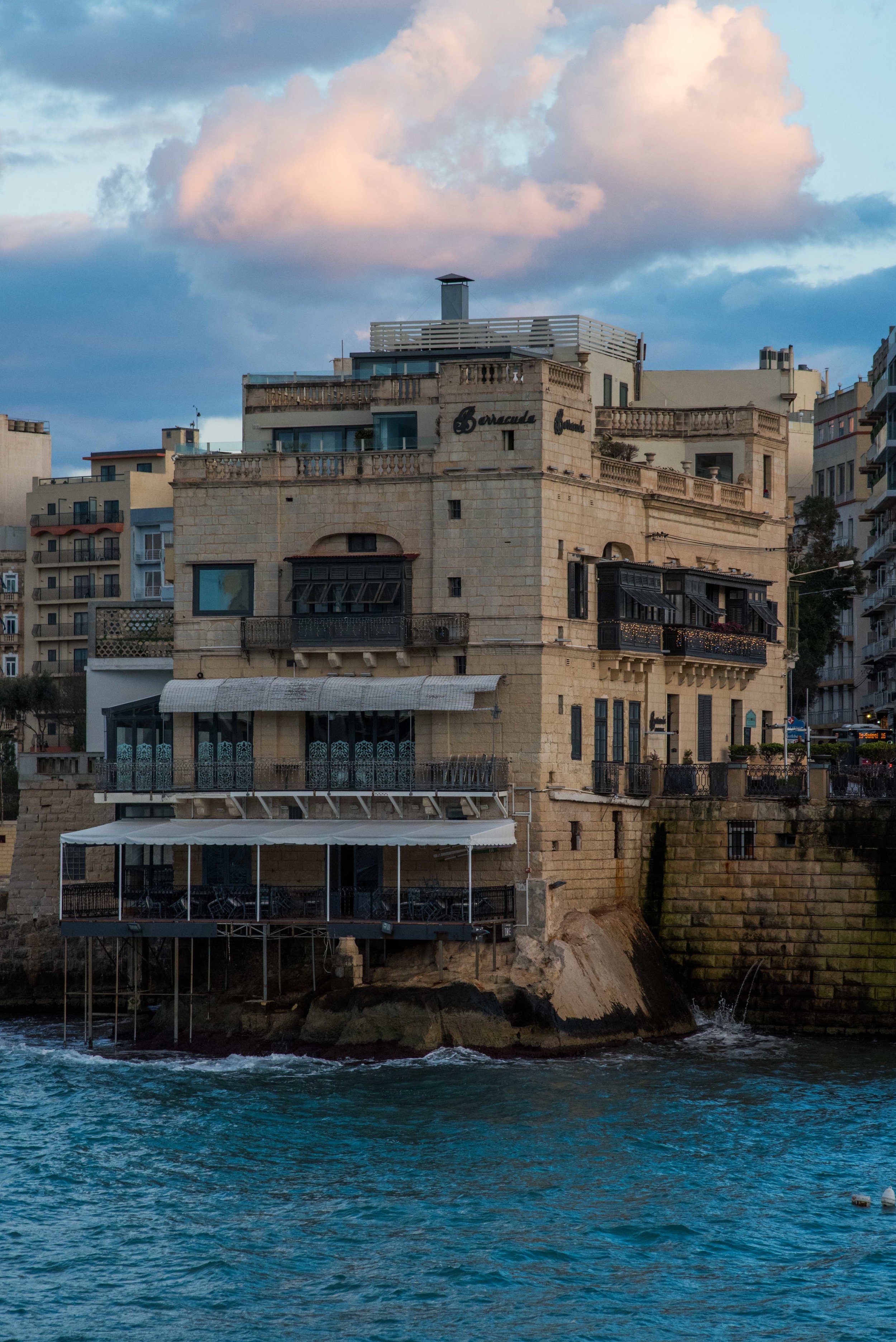
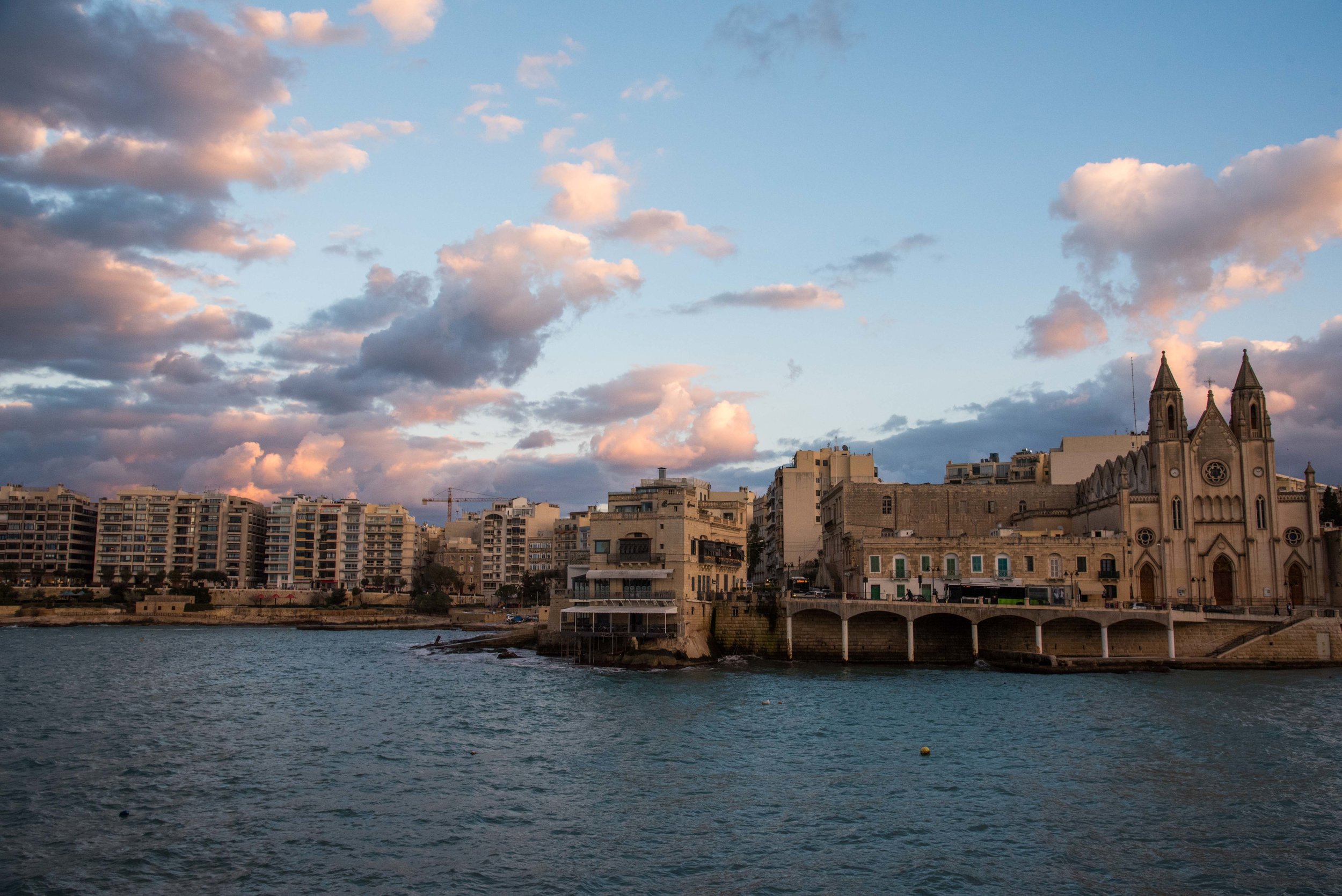
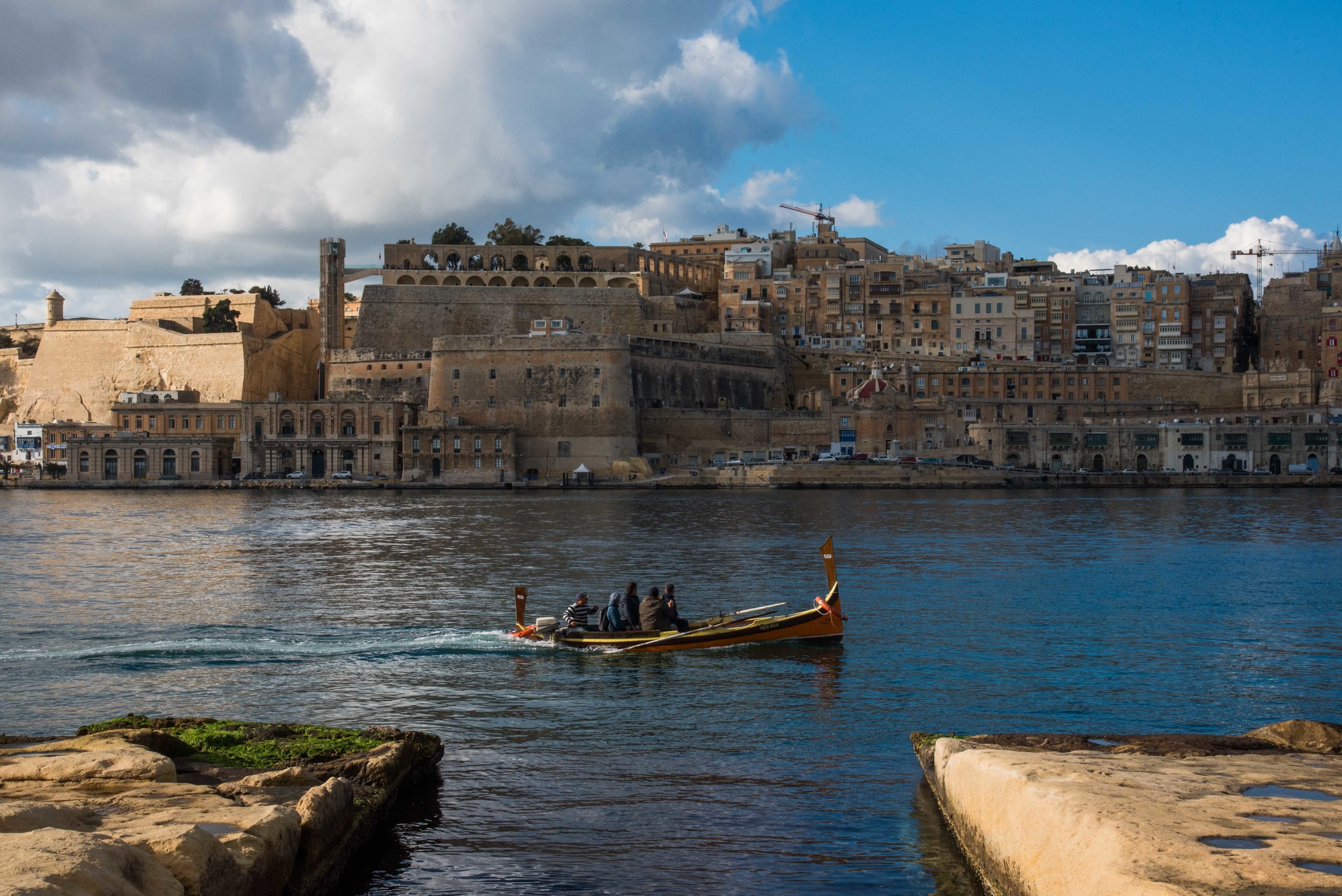
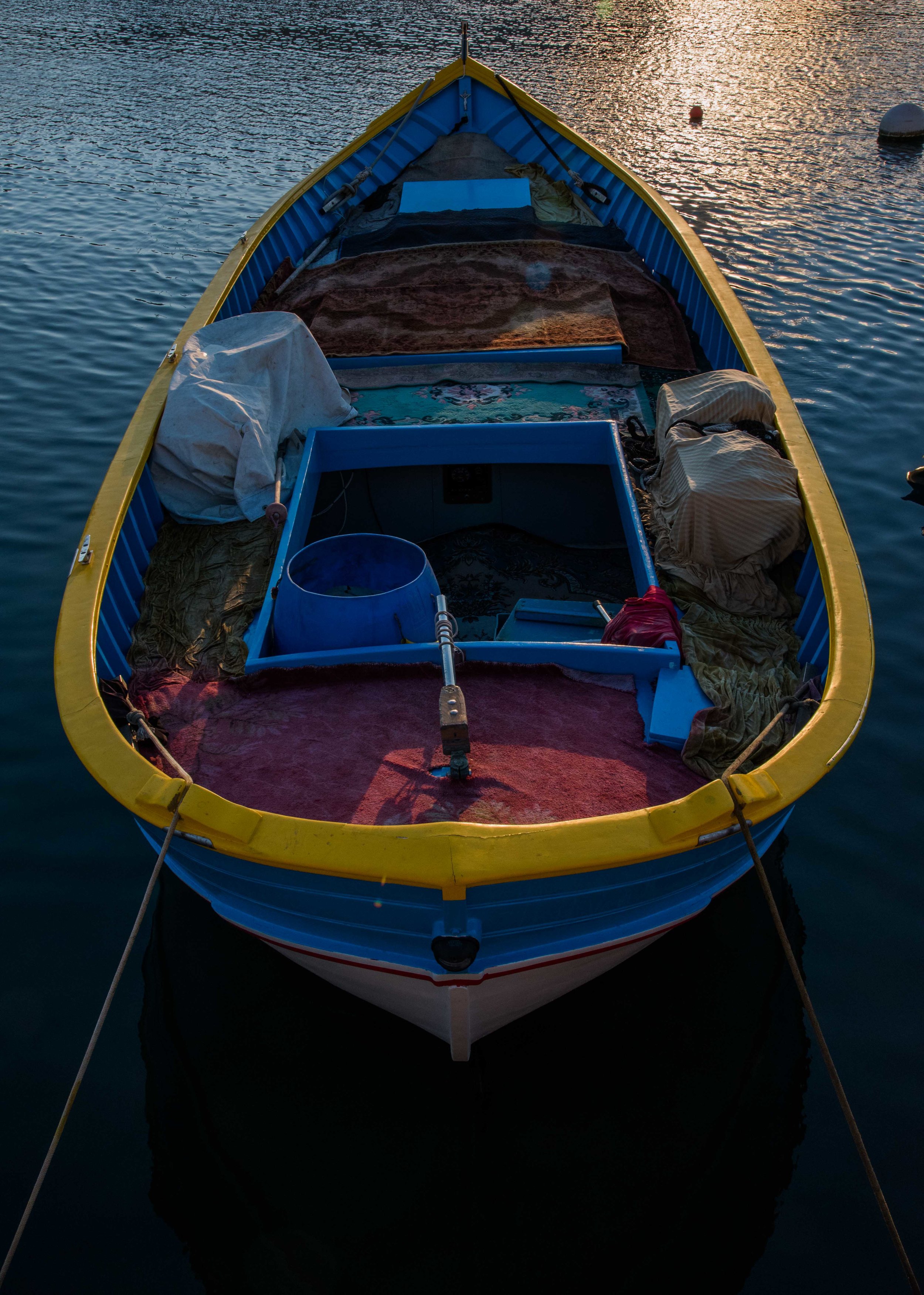
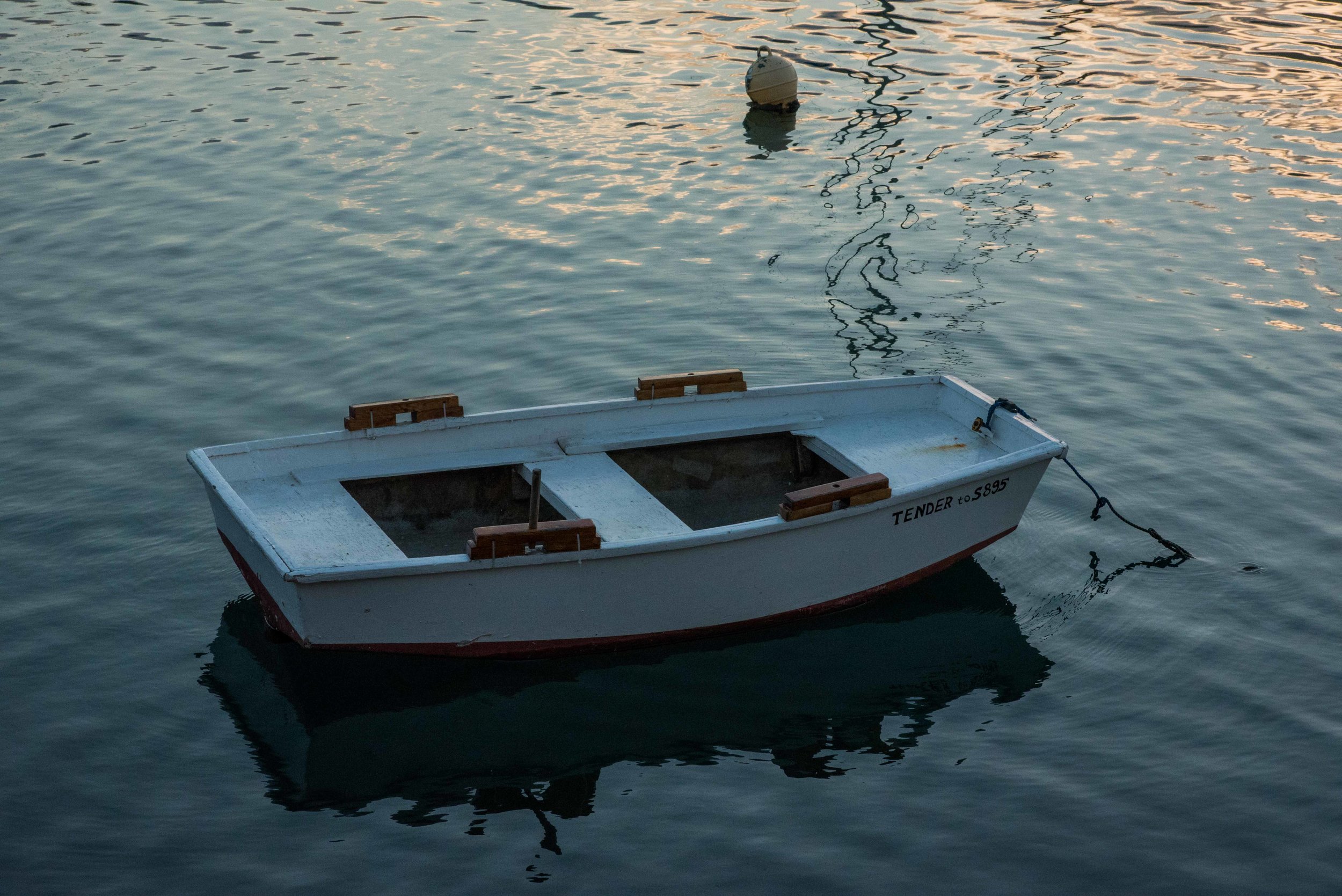
If you aren't sure where Malta is, like I was six months ago, I've included a map at the end of this post.

Before leaving for Malta I researched the possibility of renting a motorcycle to explore parts of the island that I wouldn’t be able to reach on foot. I came across a TripAdvisor post where someone said:

“I would not recommend hiring a scooter or motorbike unless you have a death wish. It is not your experience you need to worry about it is the roads and especially the Maltese drivers most of whom have not mastered what the indicators are for! As for who has right of way is anyone’s guess.
The Maltese have a quaint way of driving in the shade, which could be on the wrong side of the road.”

Needless to say we decided against the motorcycle idea and opted for a car instead.

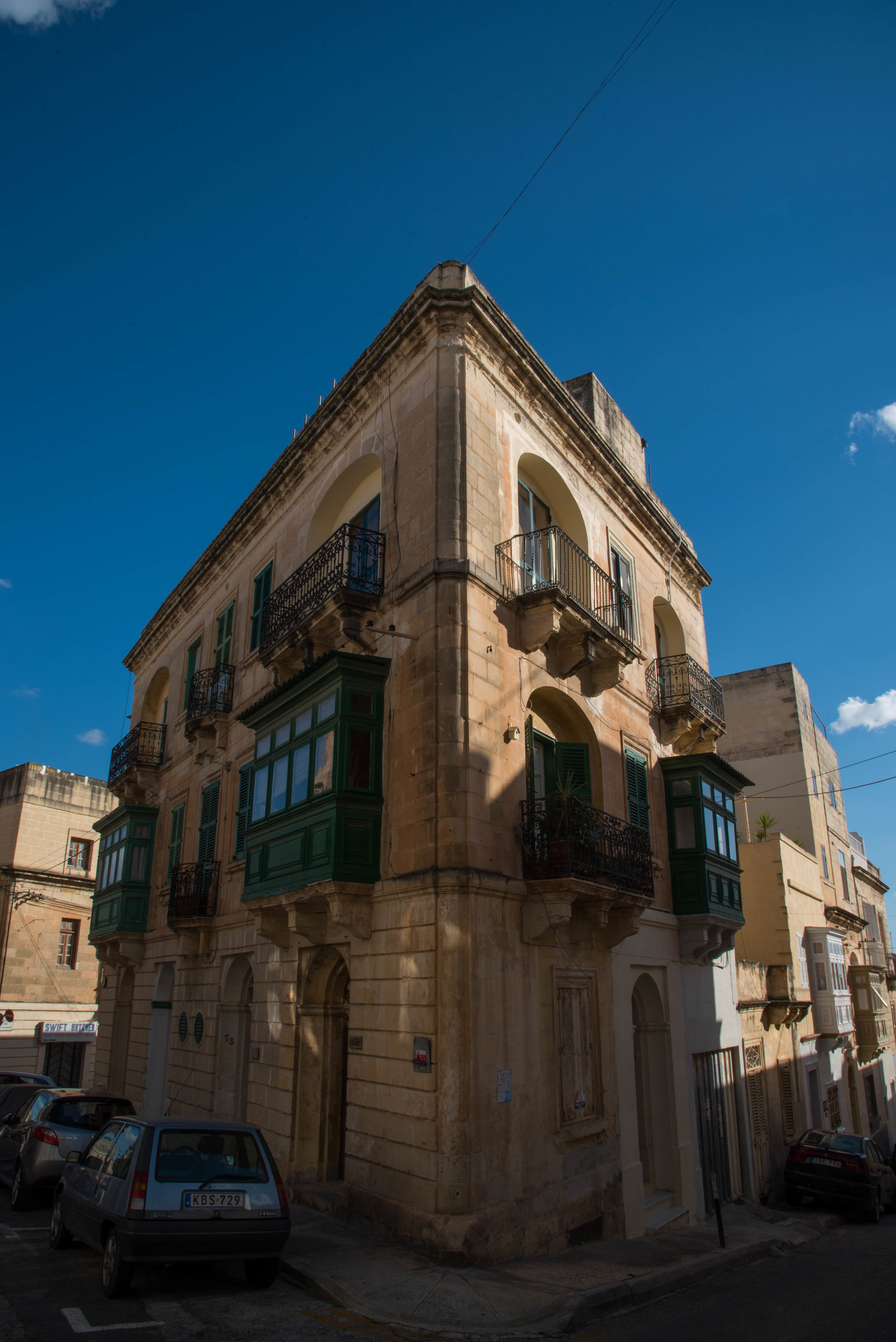
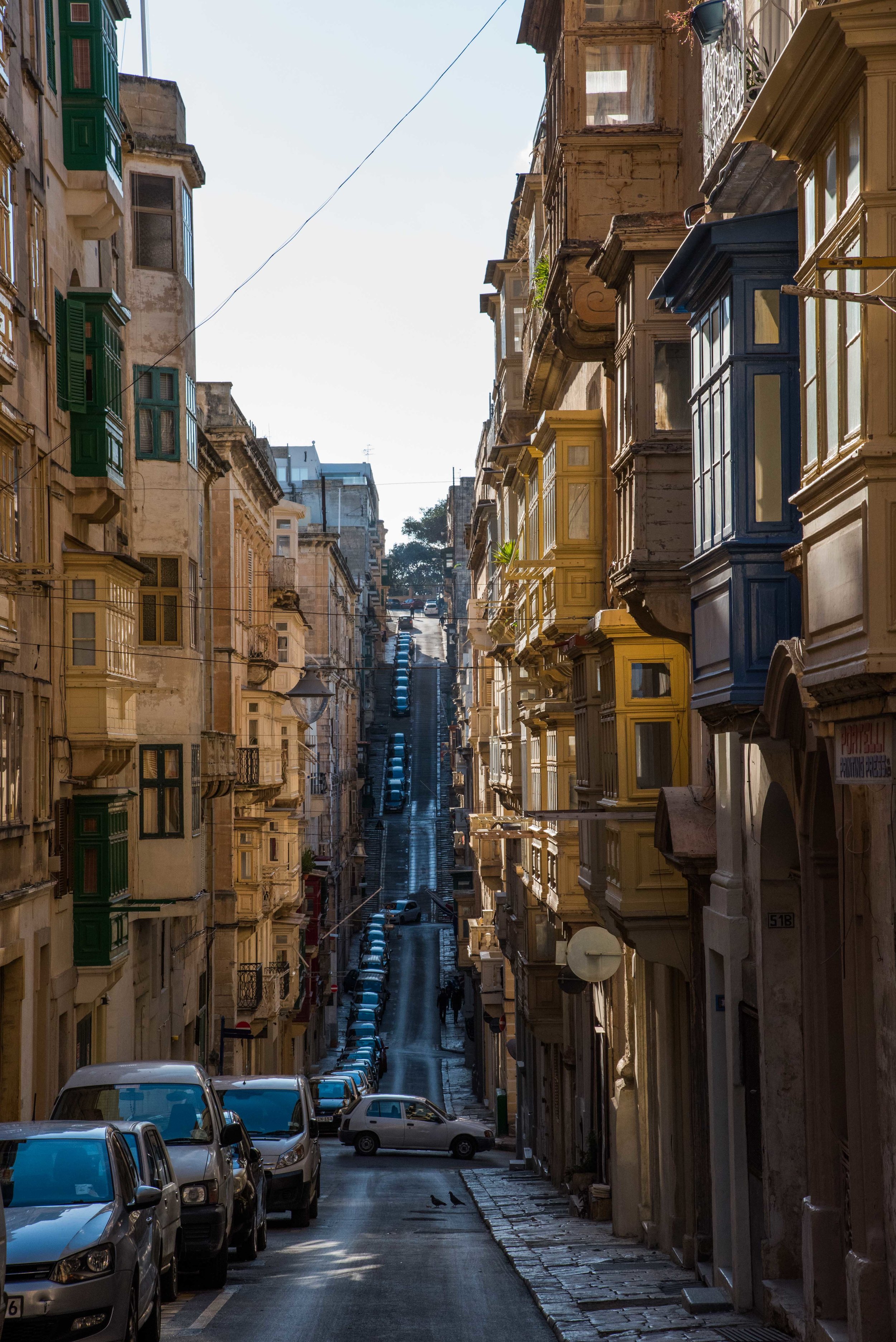
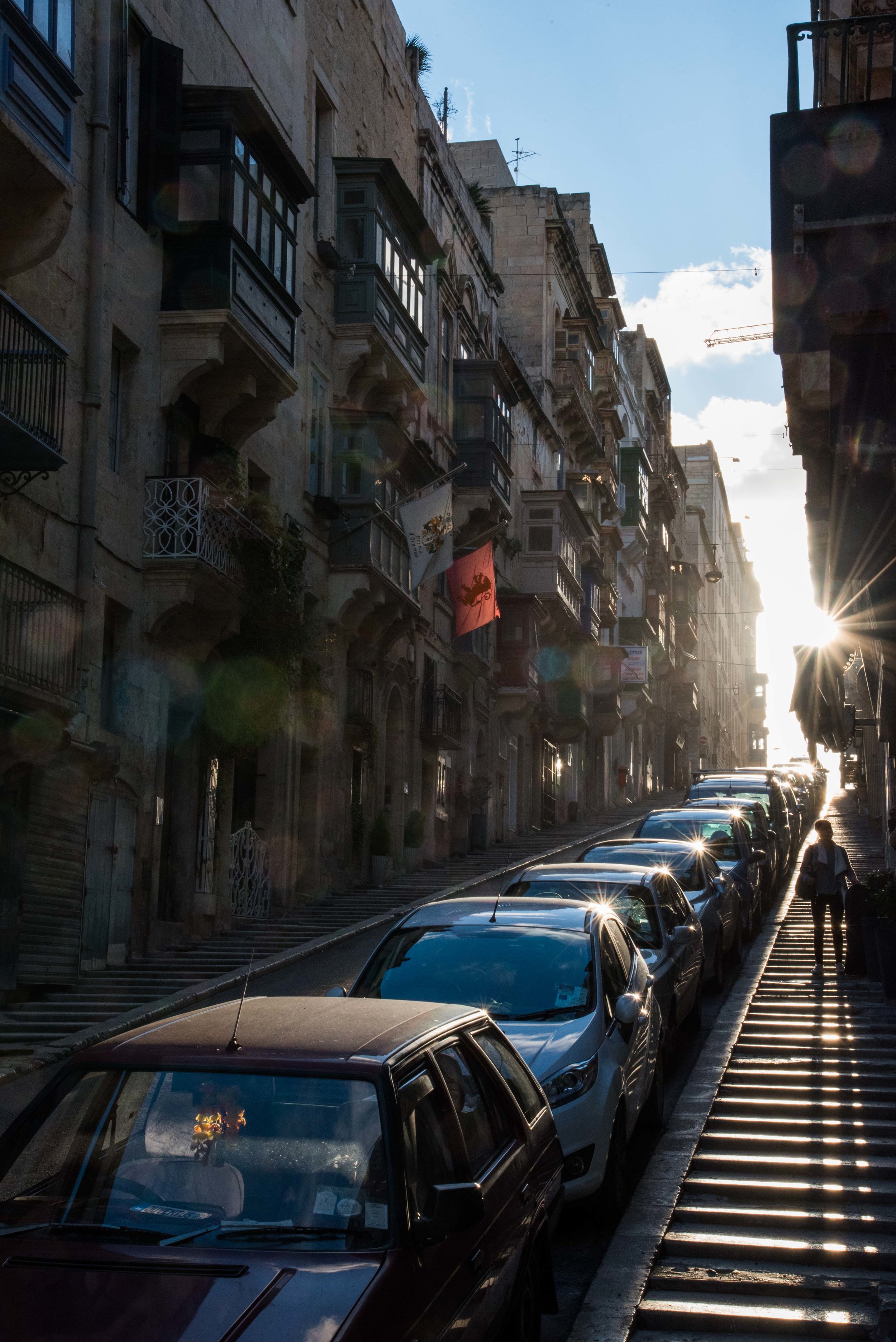
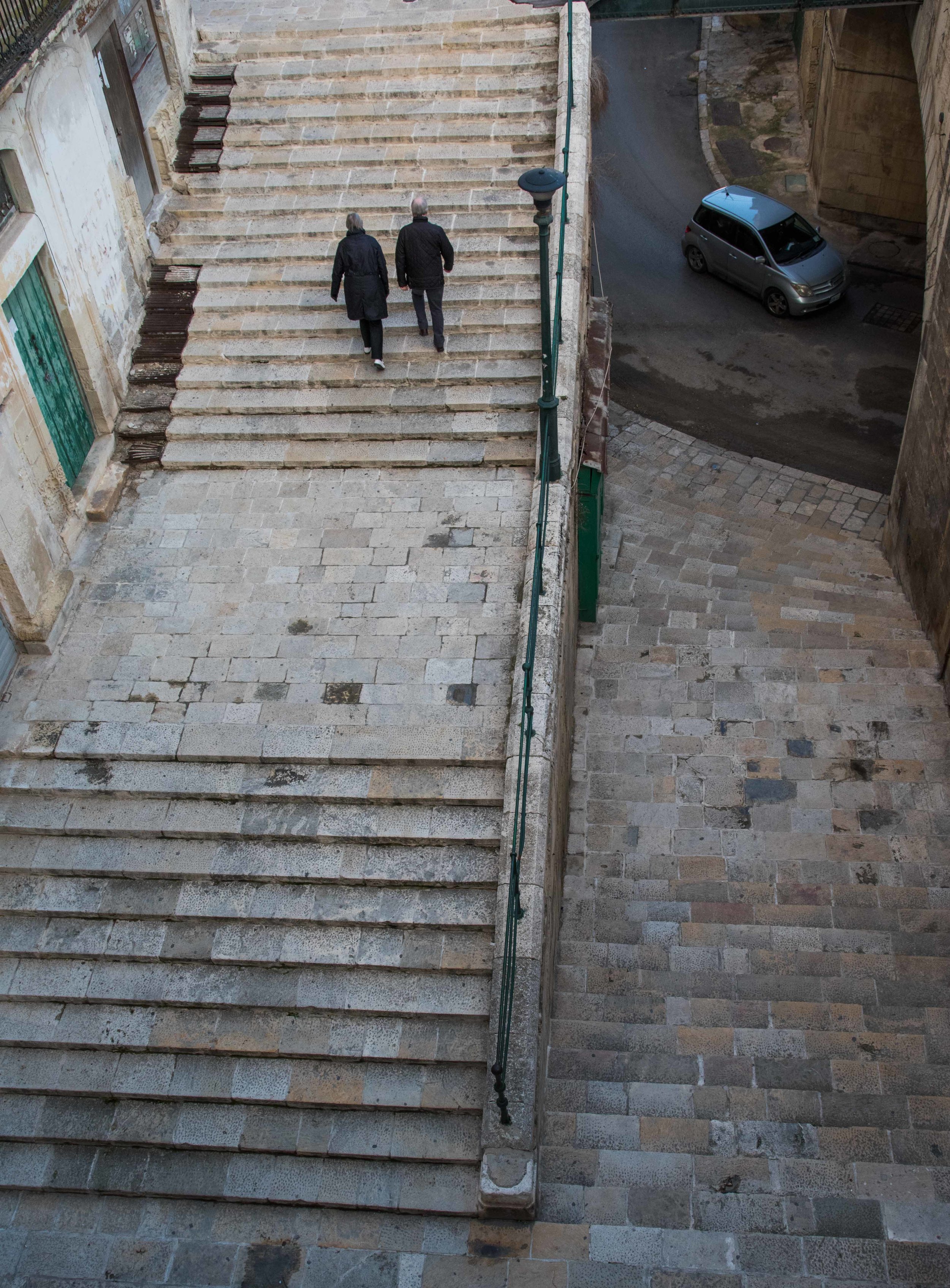
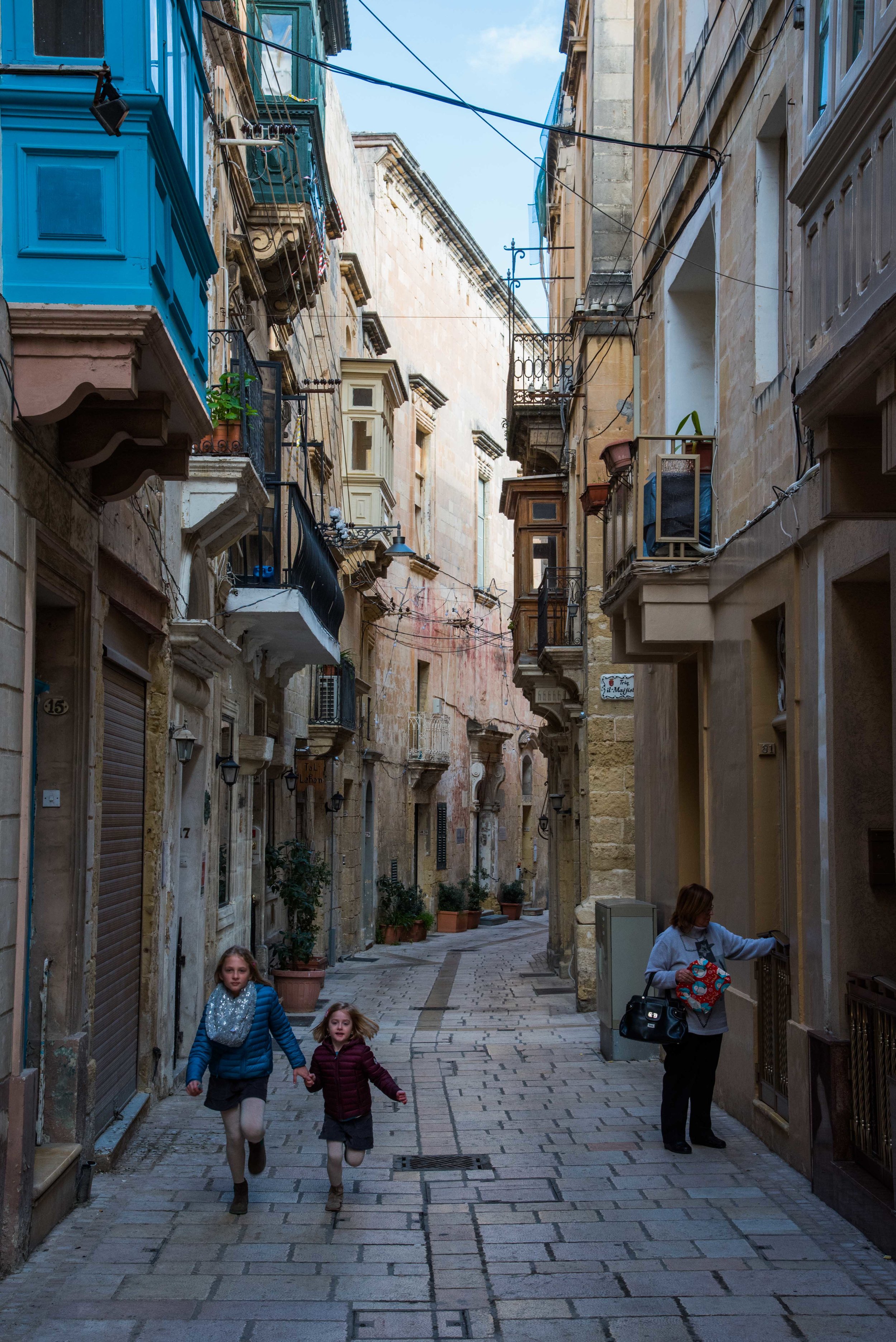
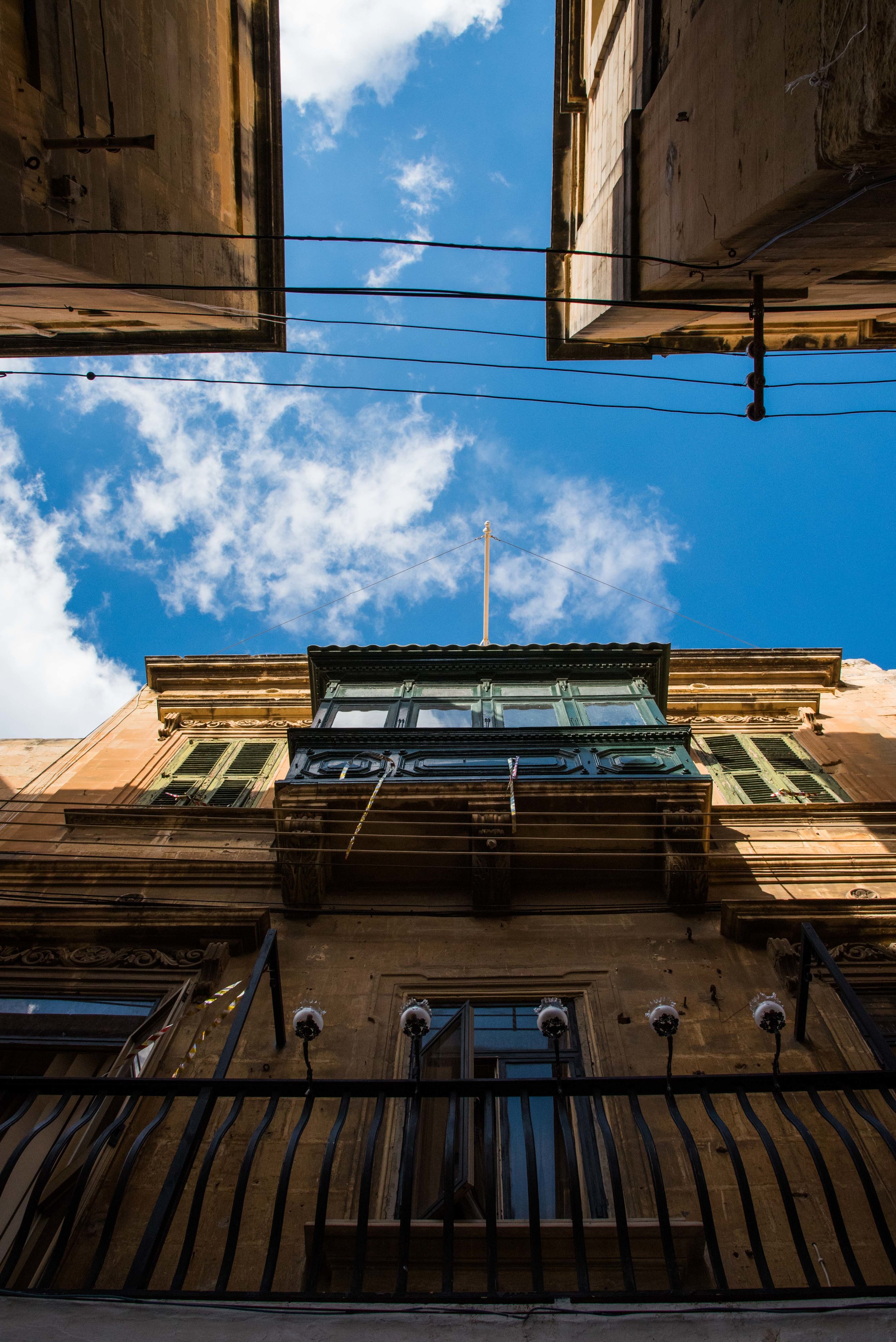
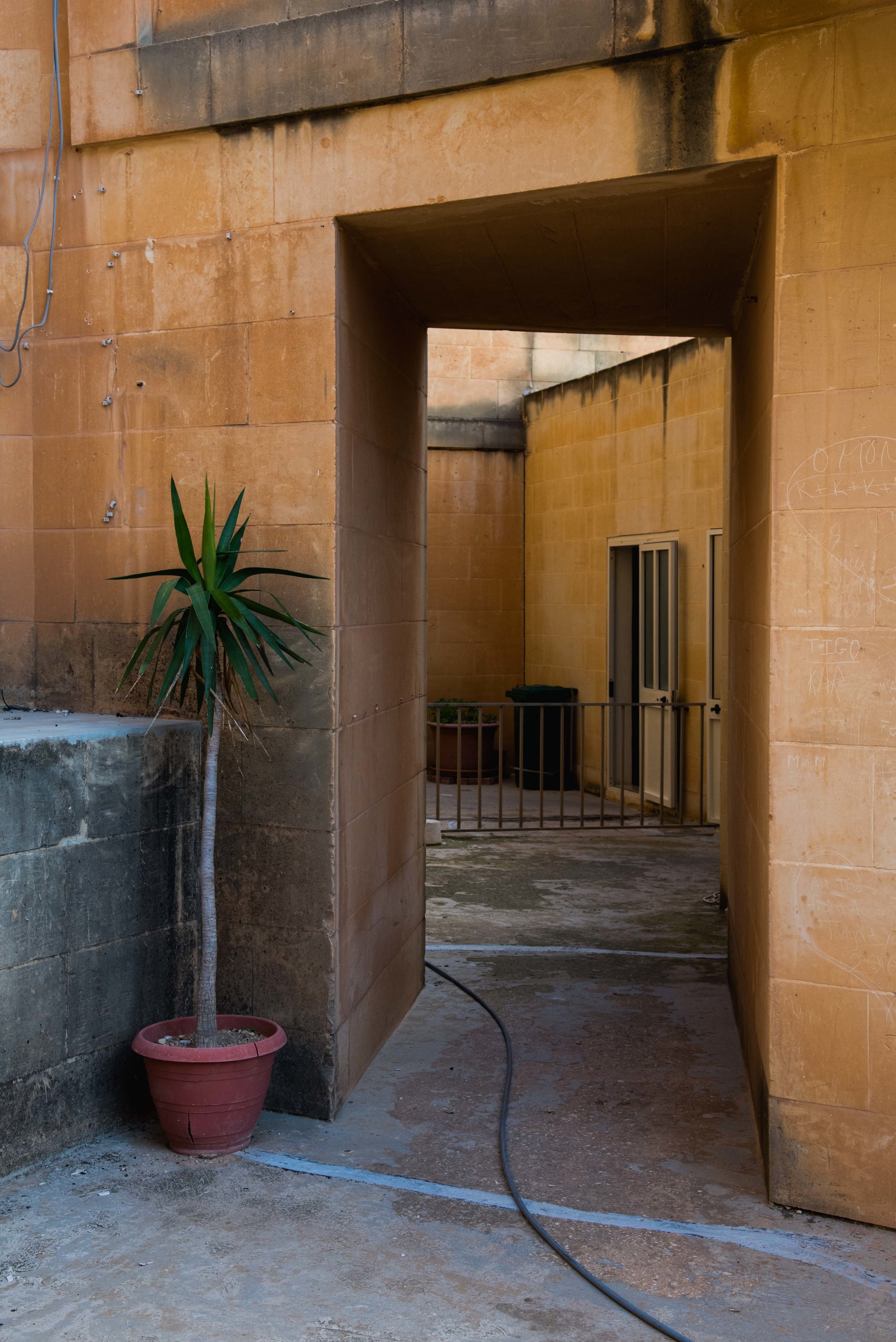
The car, however, proved to be barely more manageable (or safe) than a motorcycle. Malta is an endless supply of one-way streets with no street signs where the sidewalk and the street are one and the same. If we’d rented a car any larger than the tiny Opel Corsa we wouldn’t have made it down half of the streets we turned onto. Google Maps is hopelessly out of date and the tiny map that the rental company handed us at the counter in the airport only showed Malta’s largest roads (two-lane boulevards). To top it all off you drive on the left side of the road because it’s a former British colony. But with enough patience and low expectations we managed to get where we wanted to go for the most part.

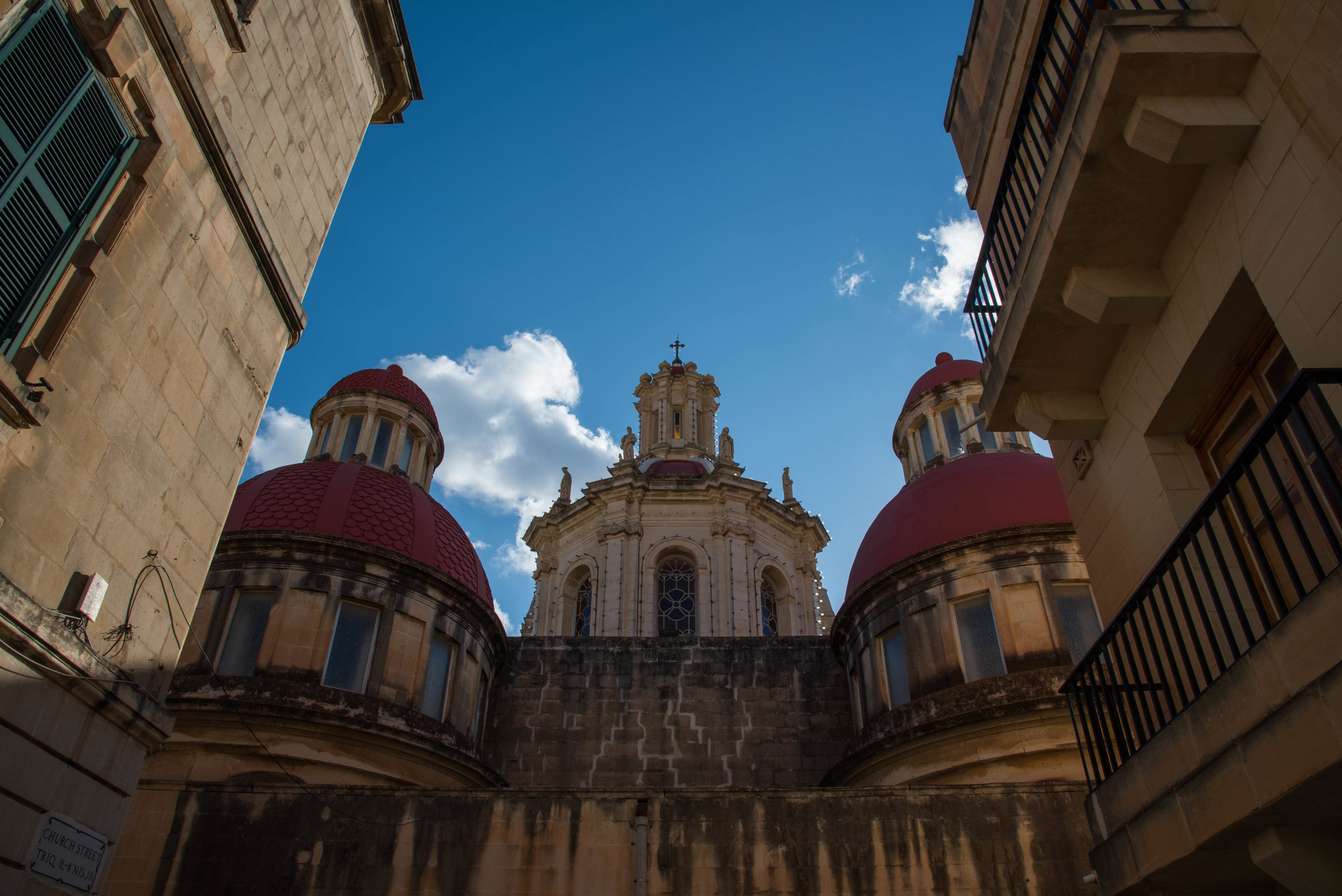
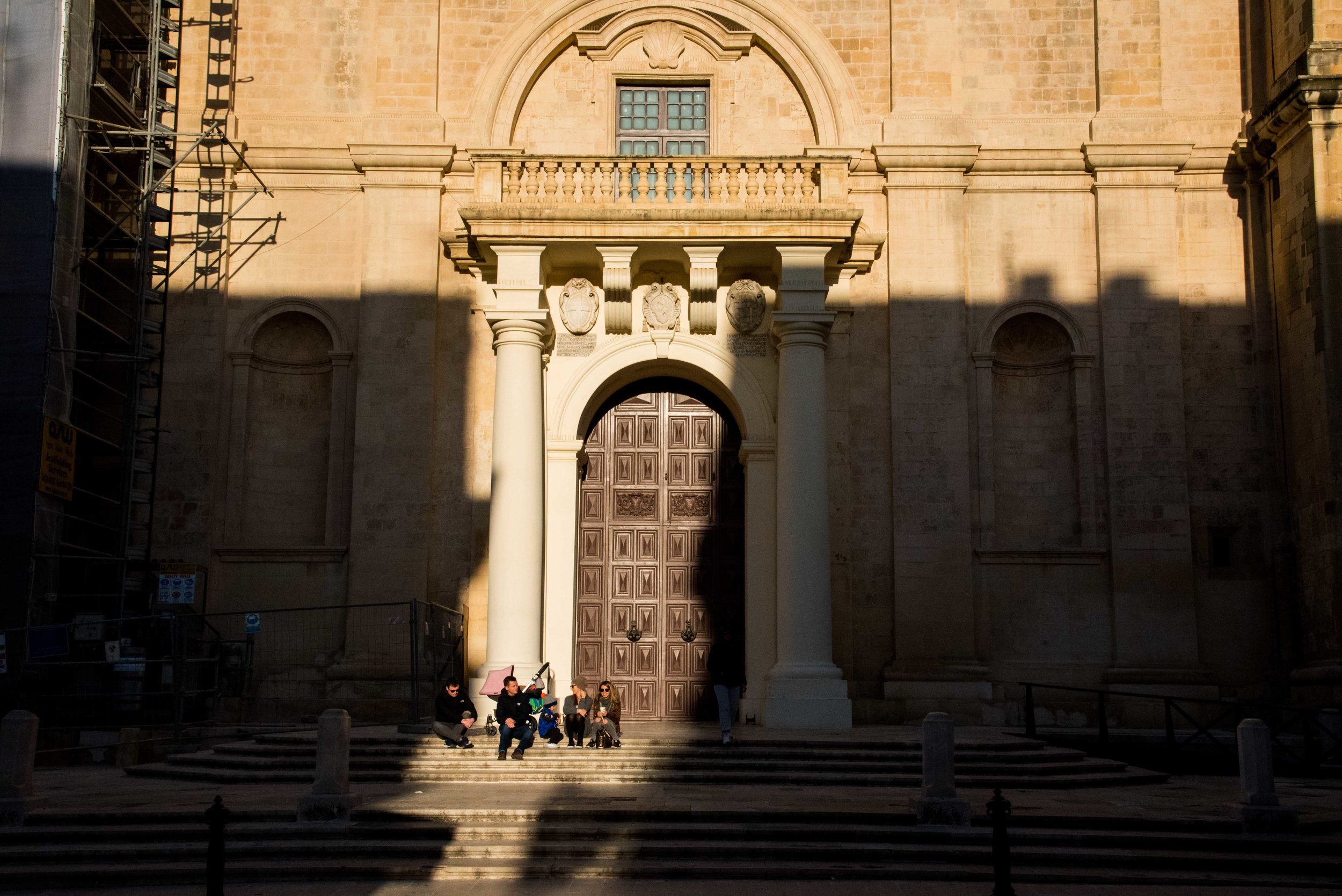
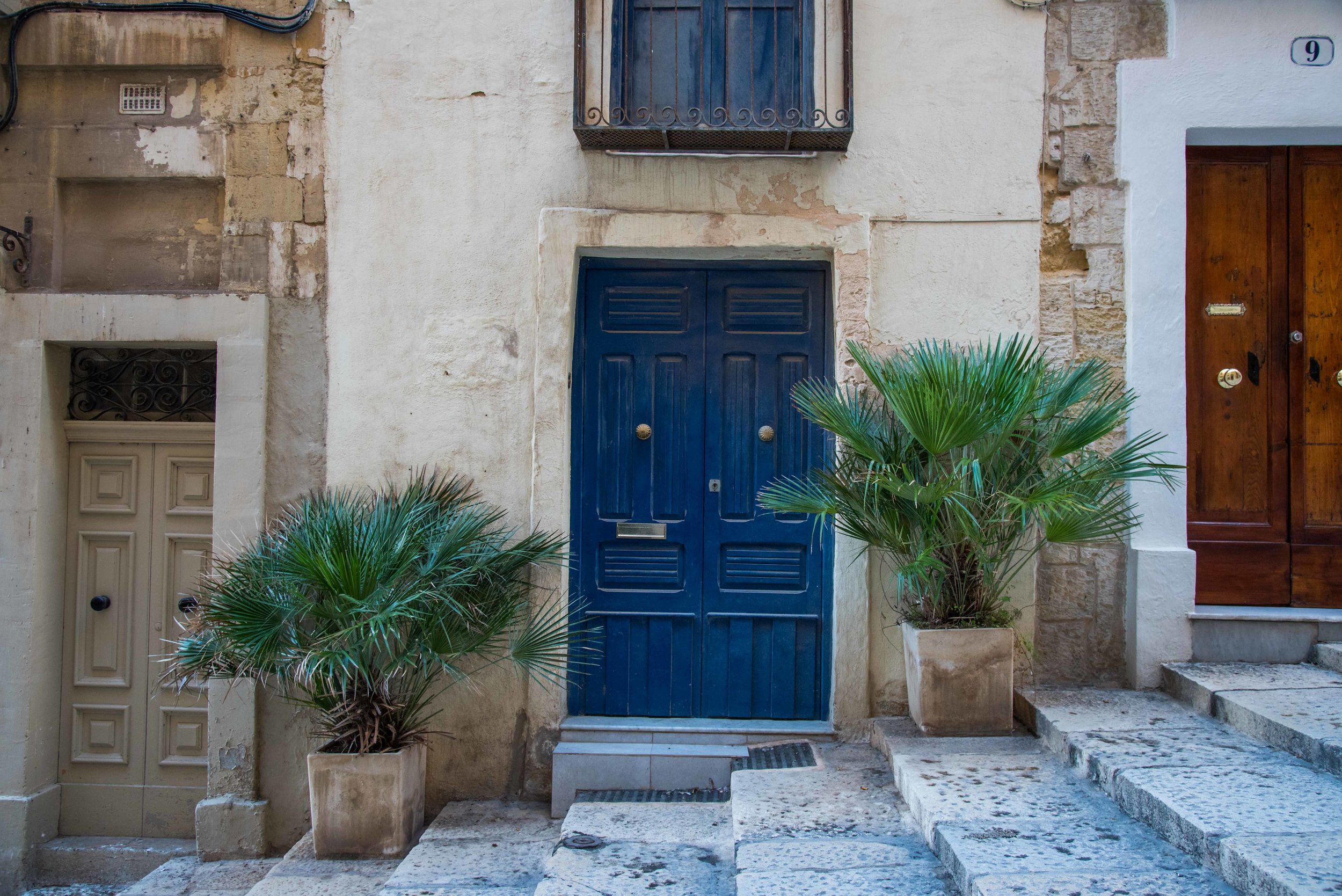
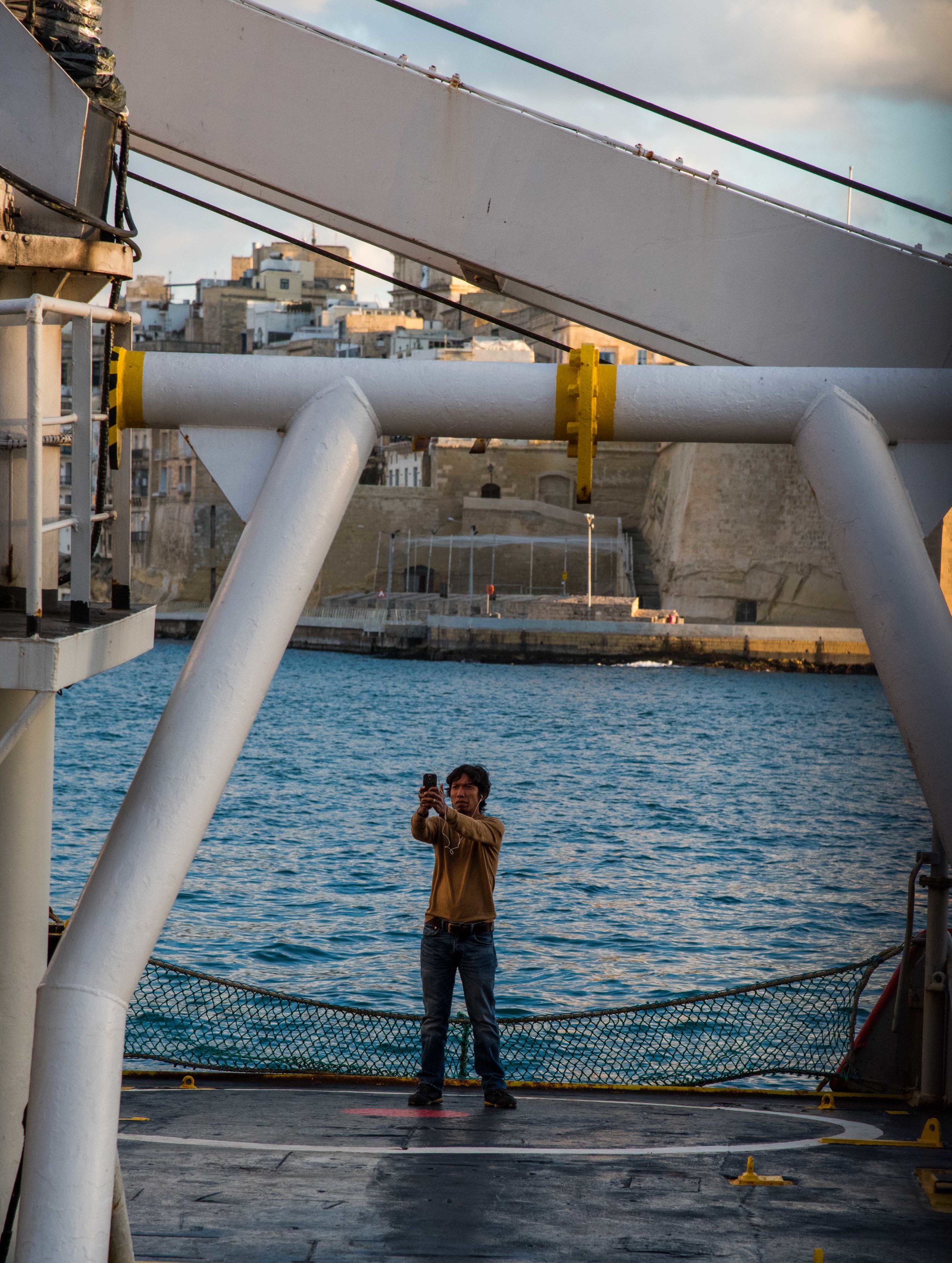
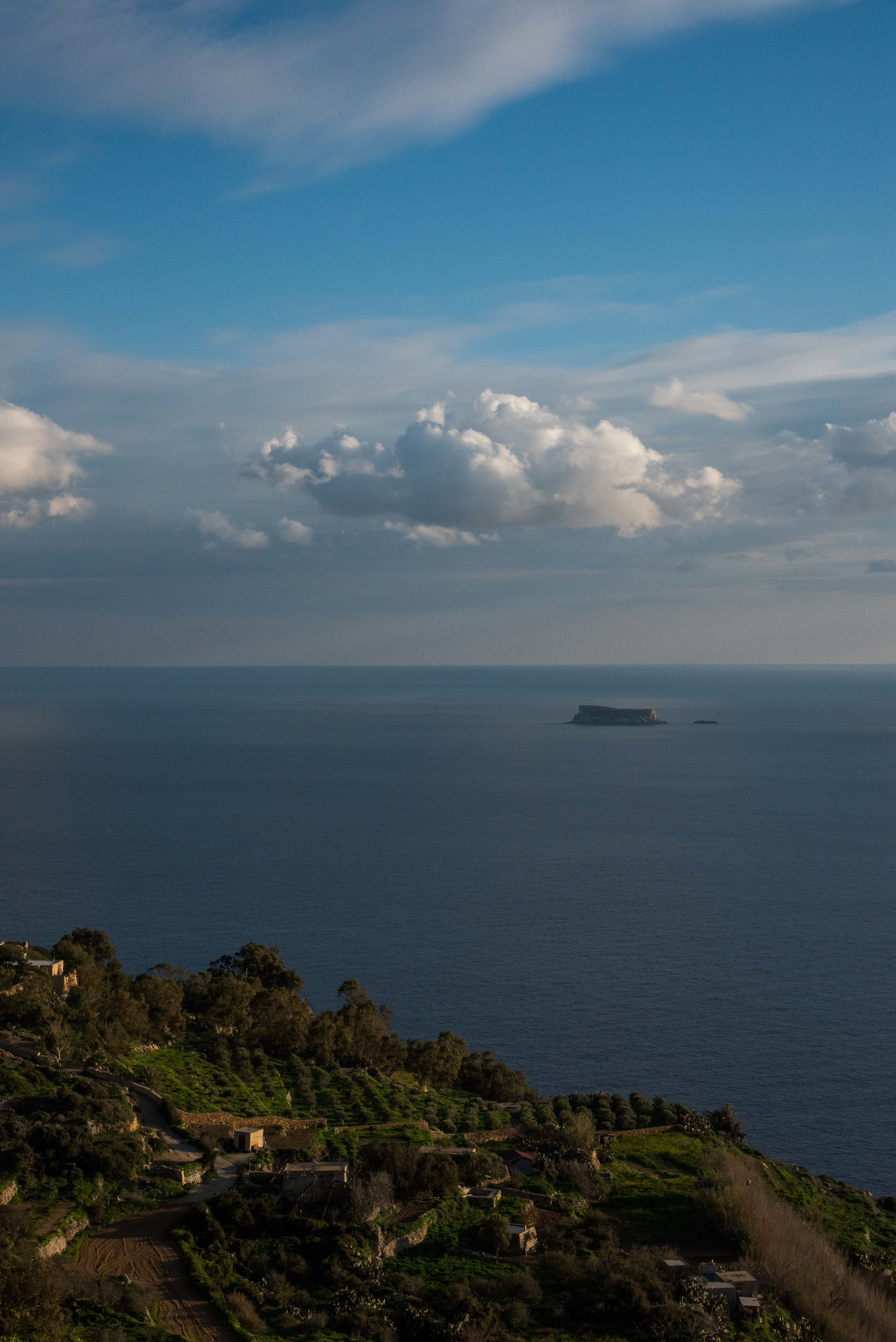
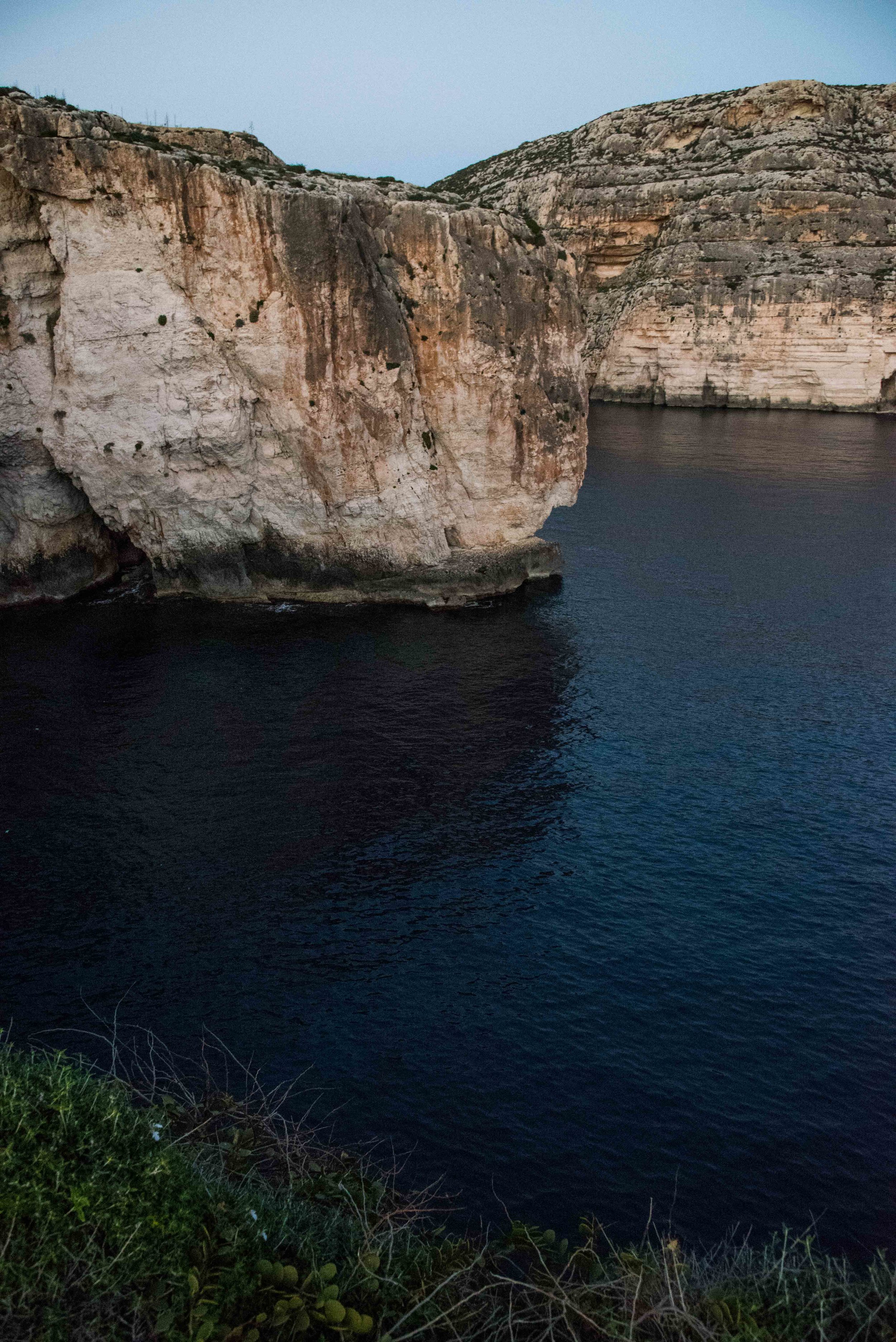
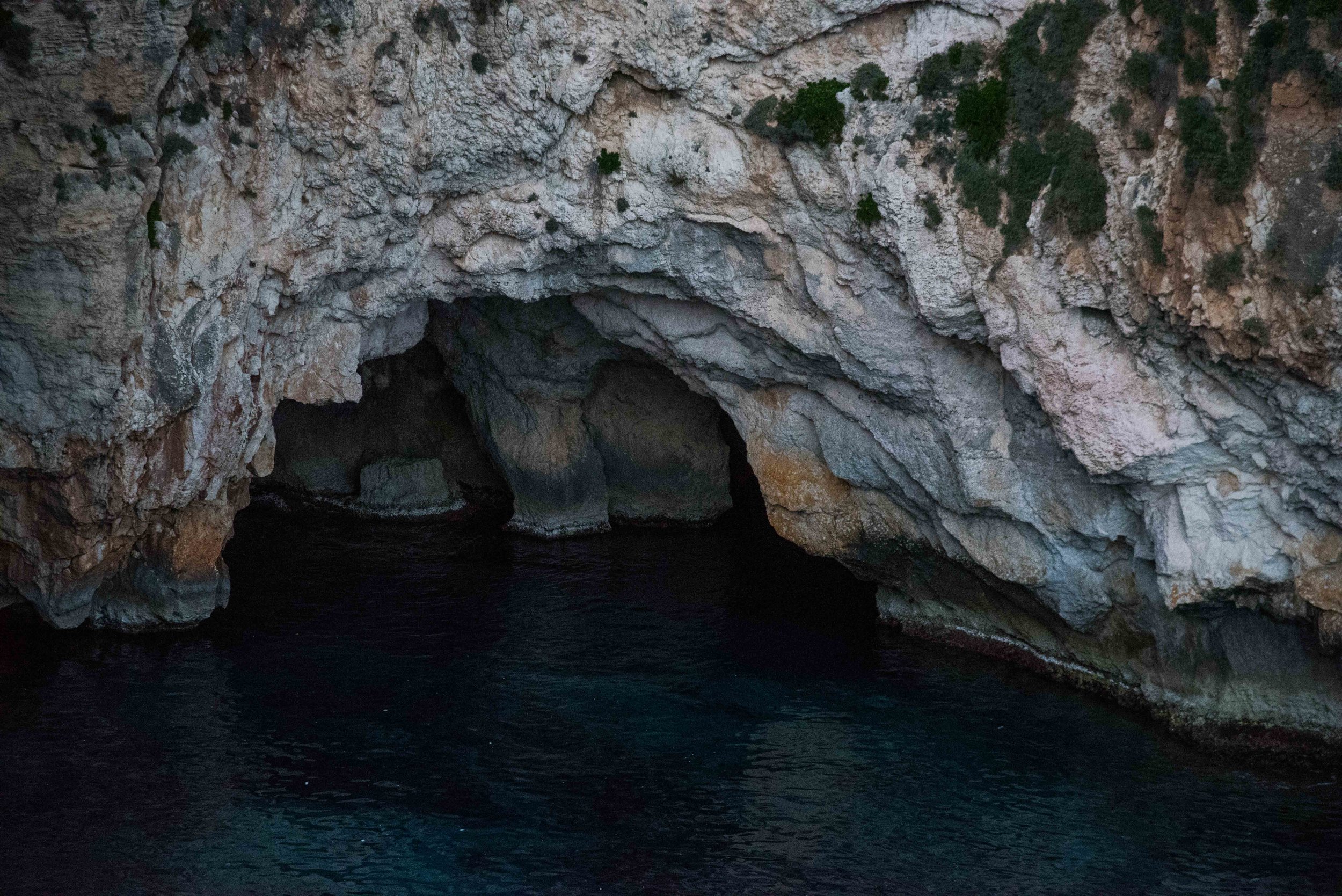
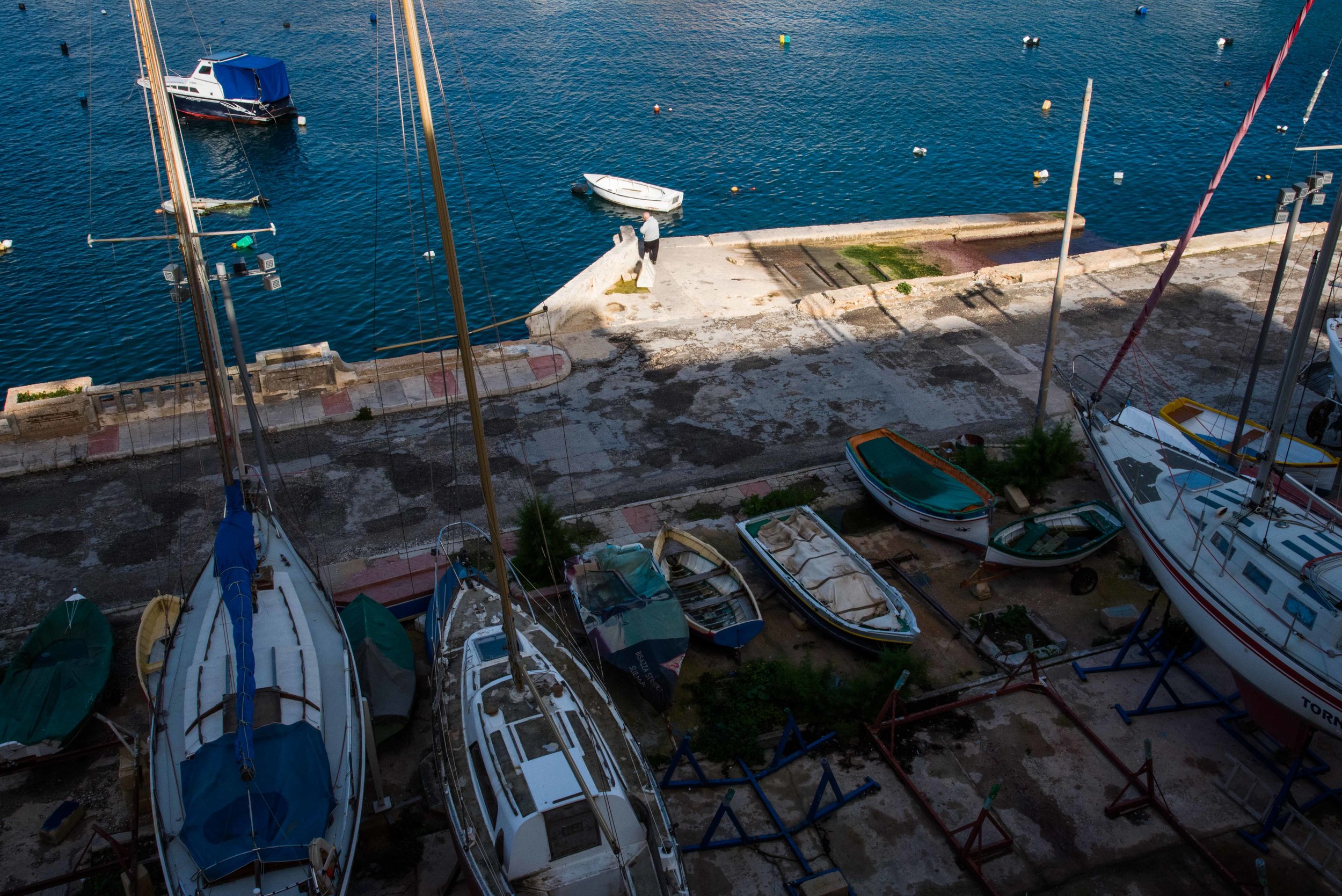
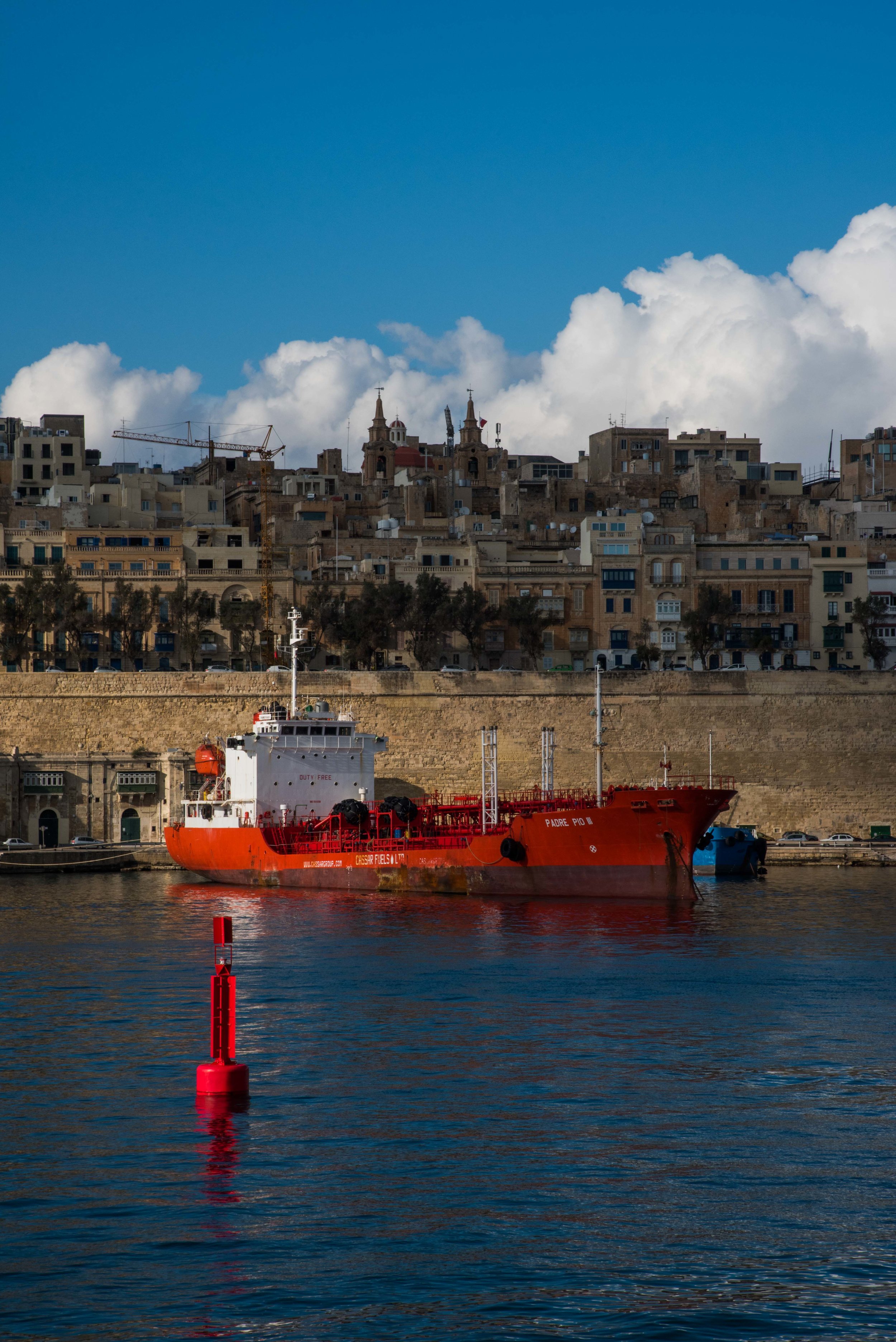
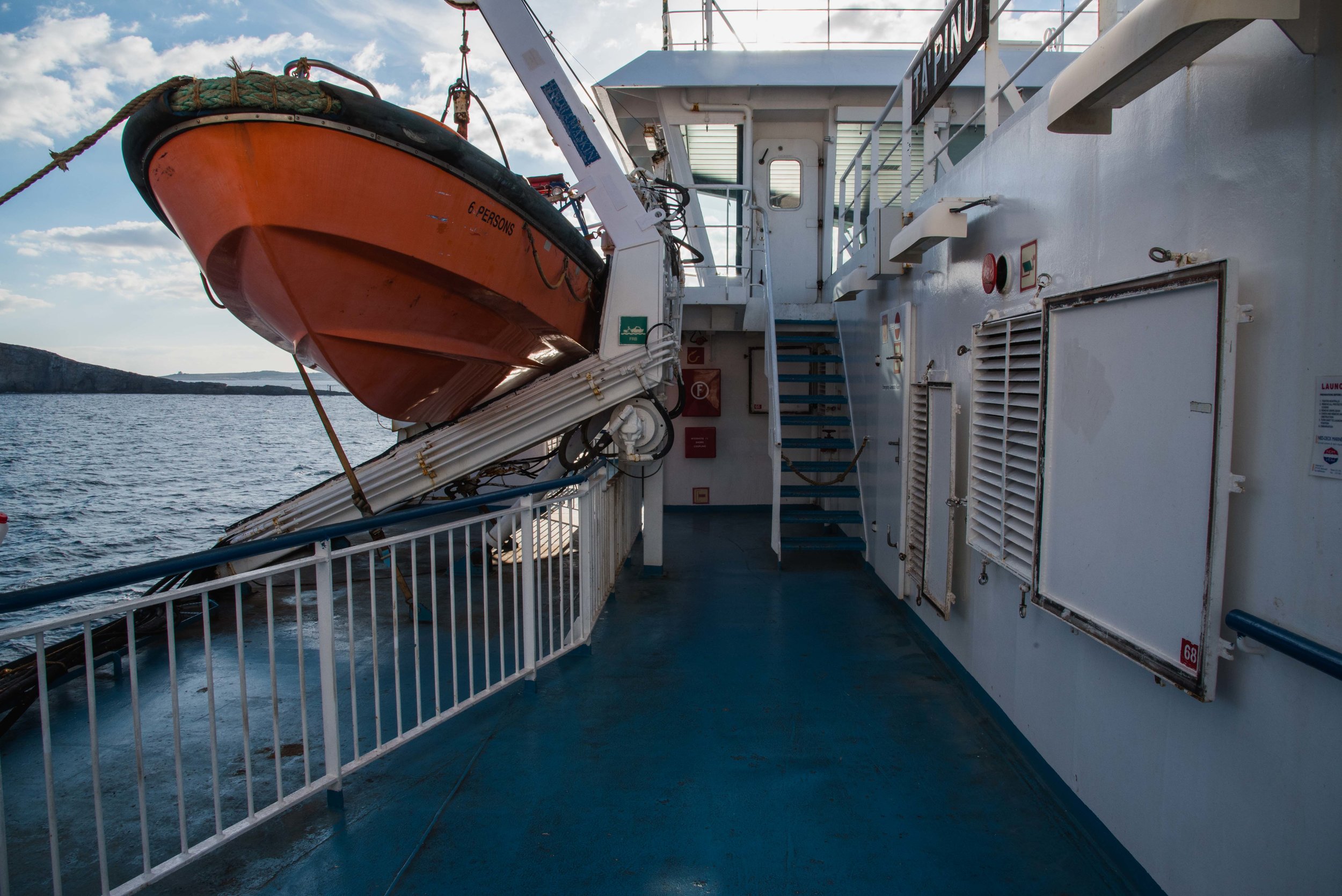
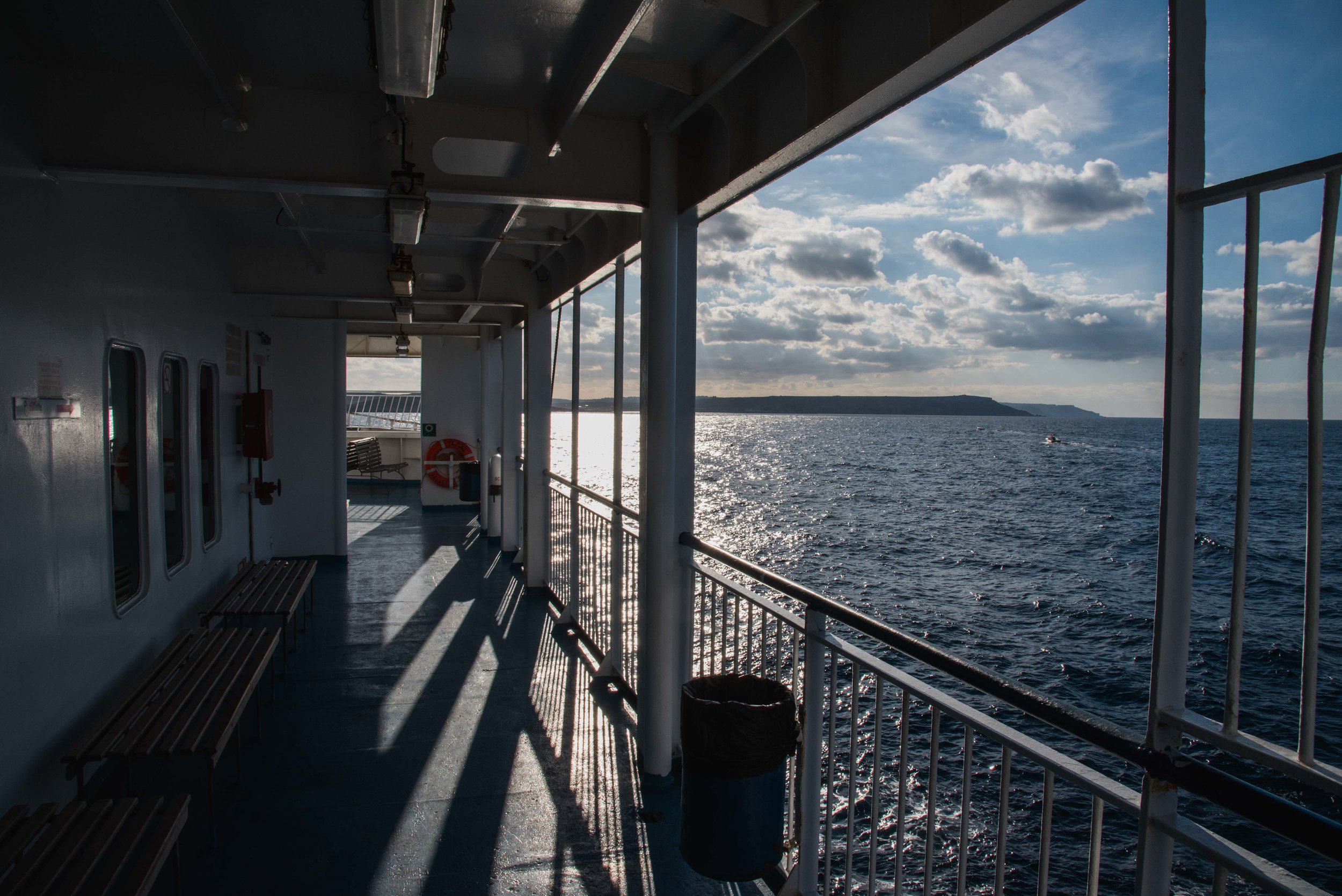
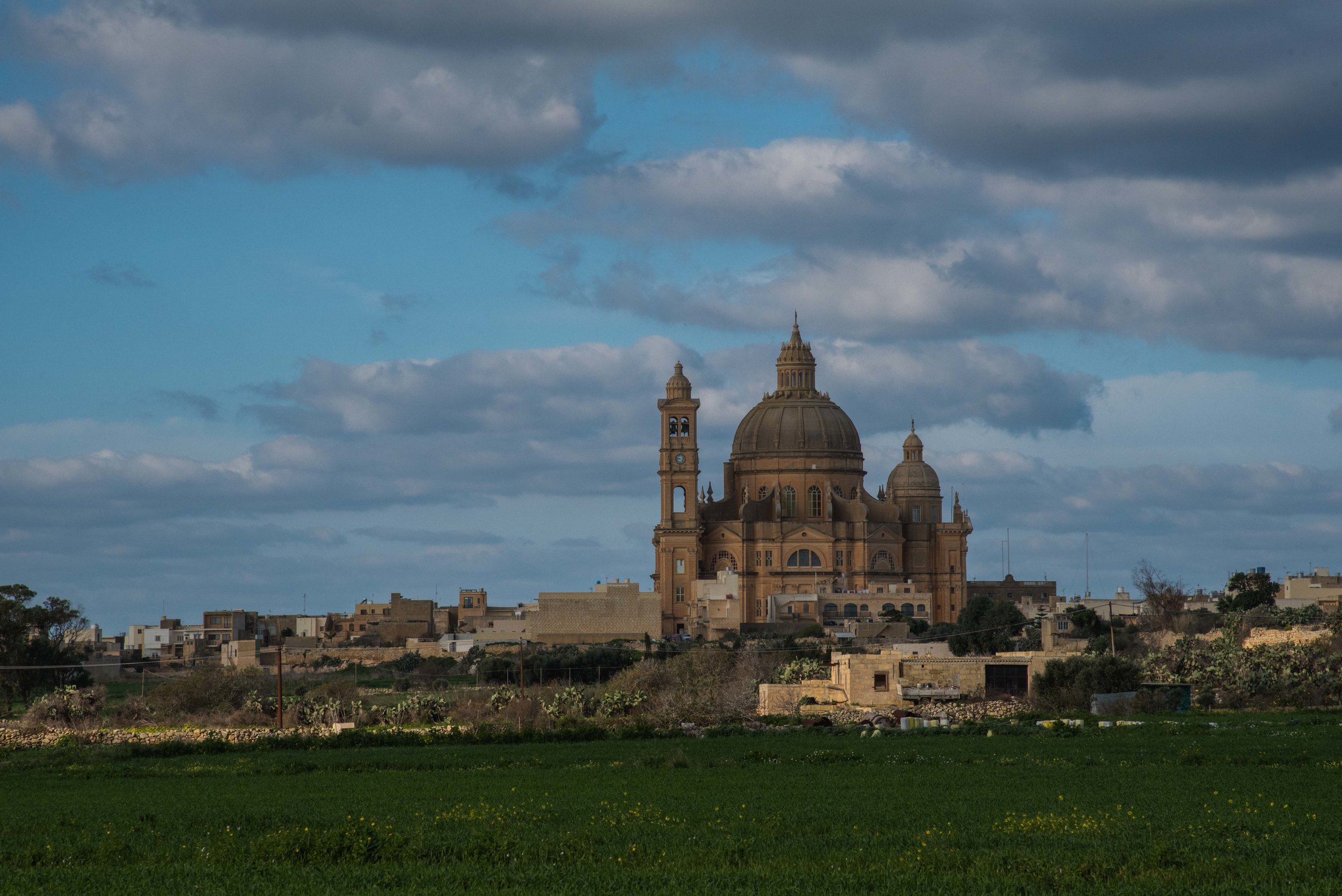
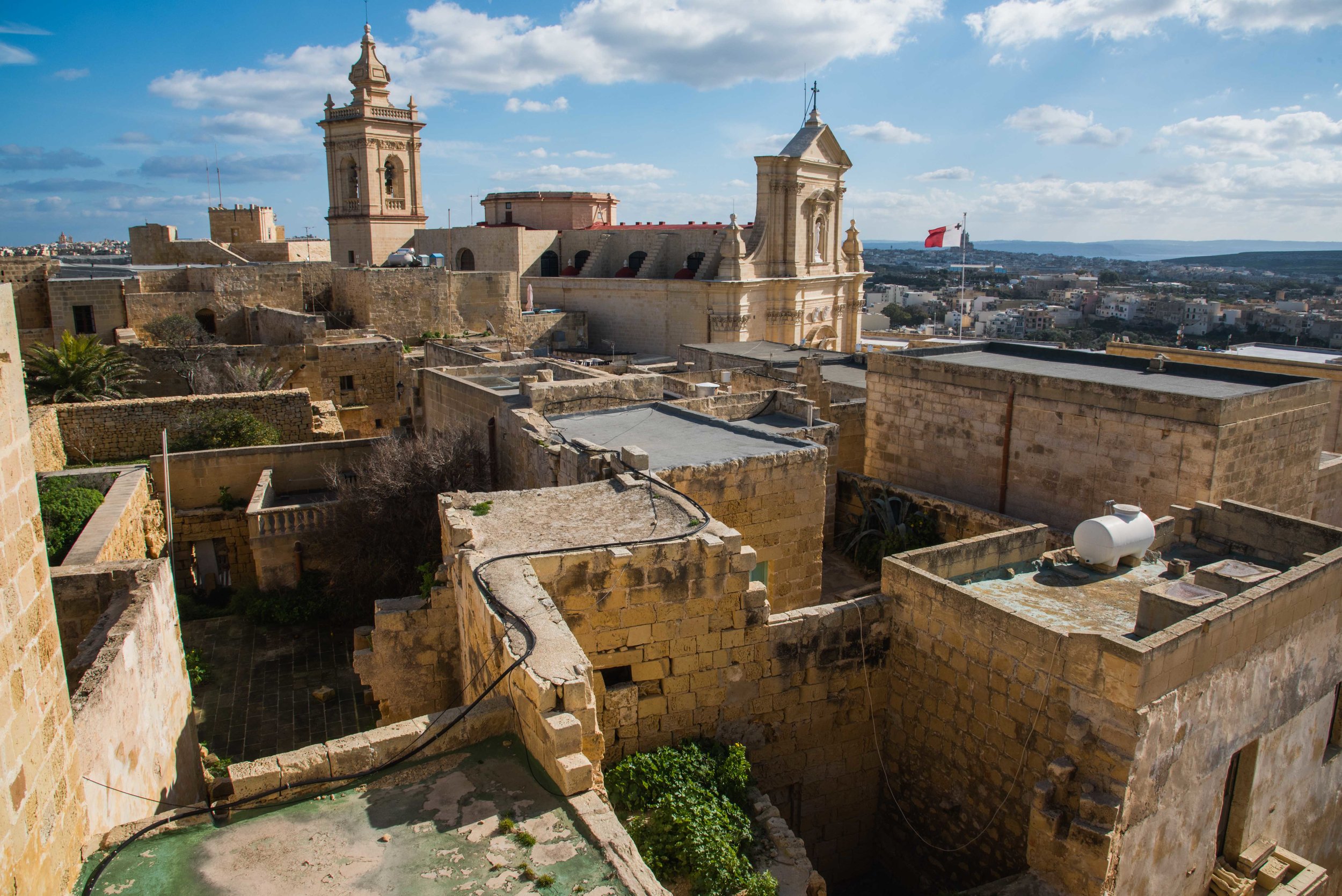
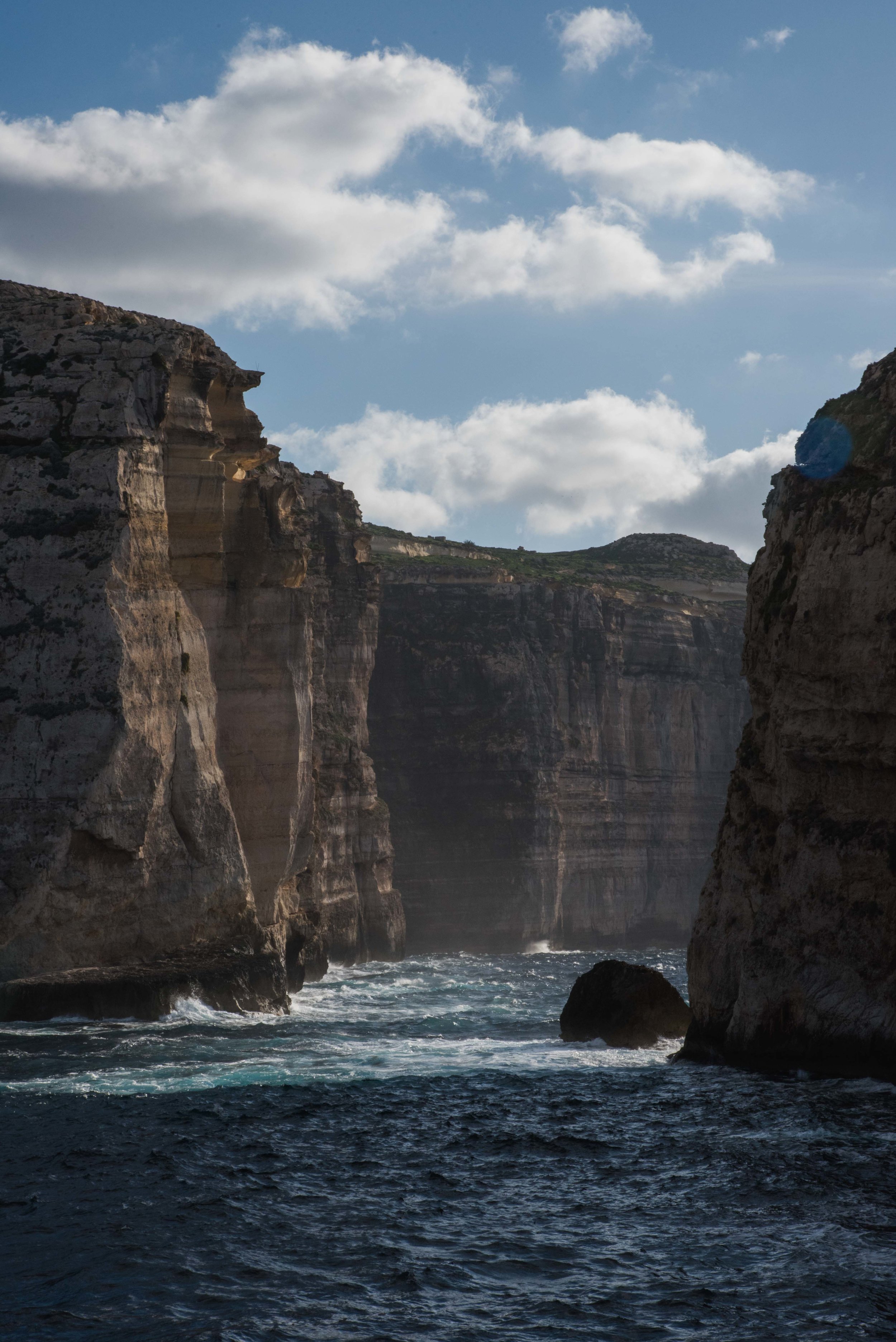
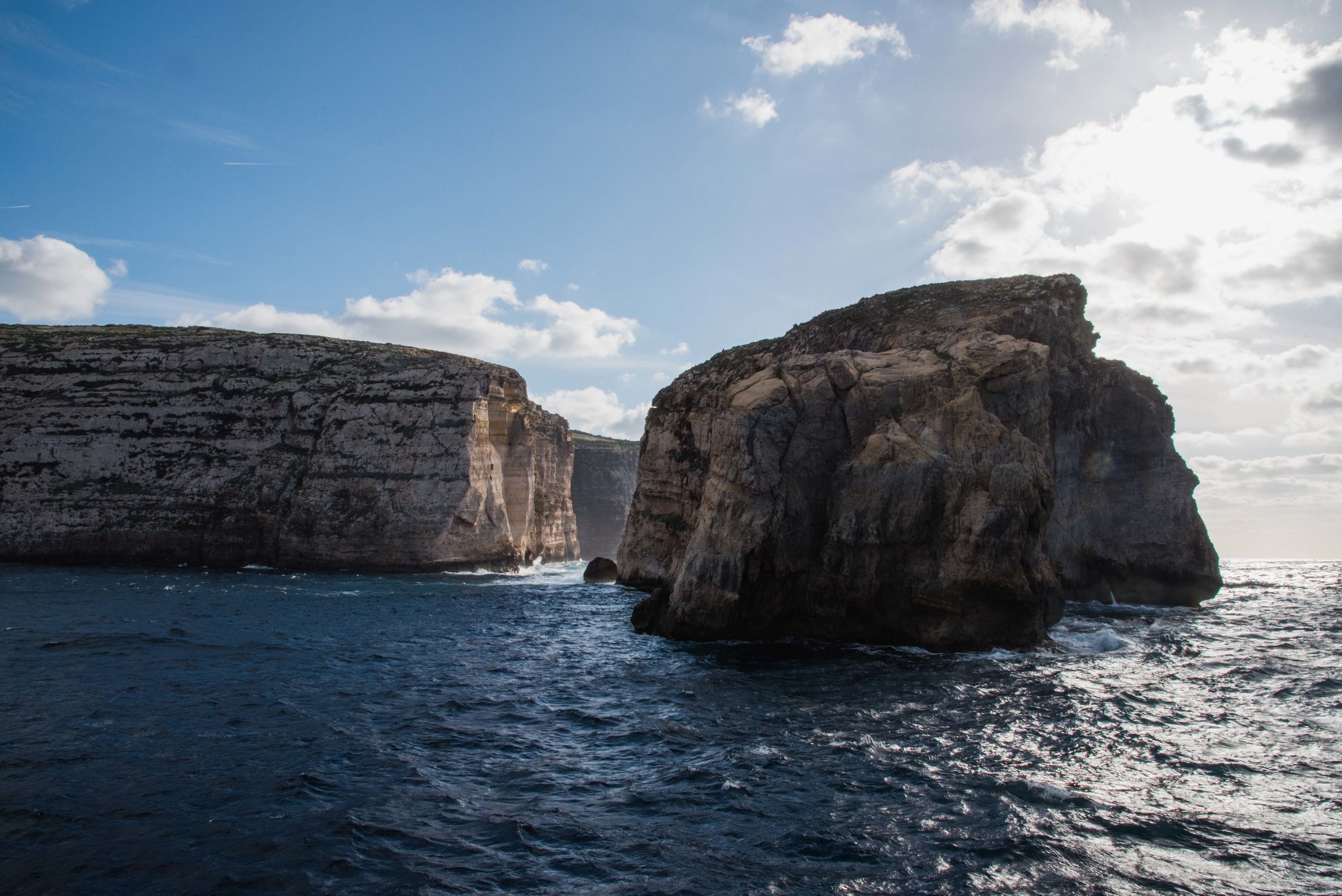
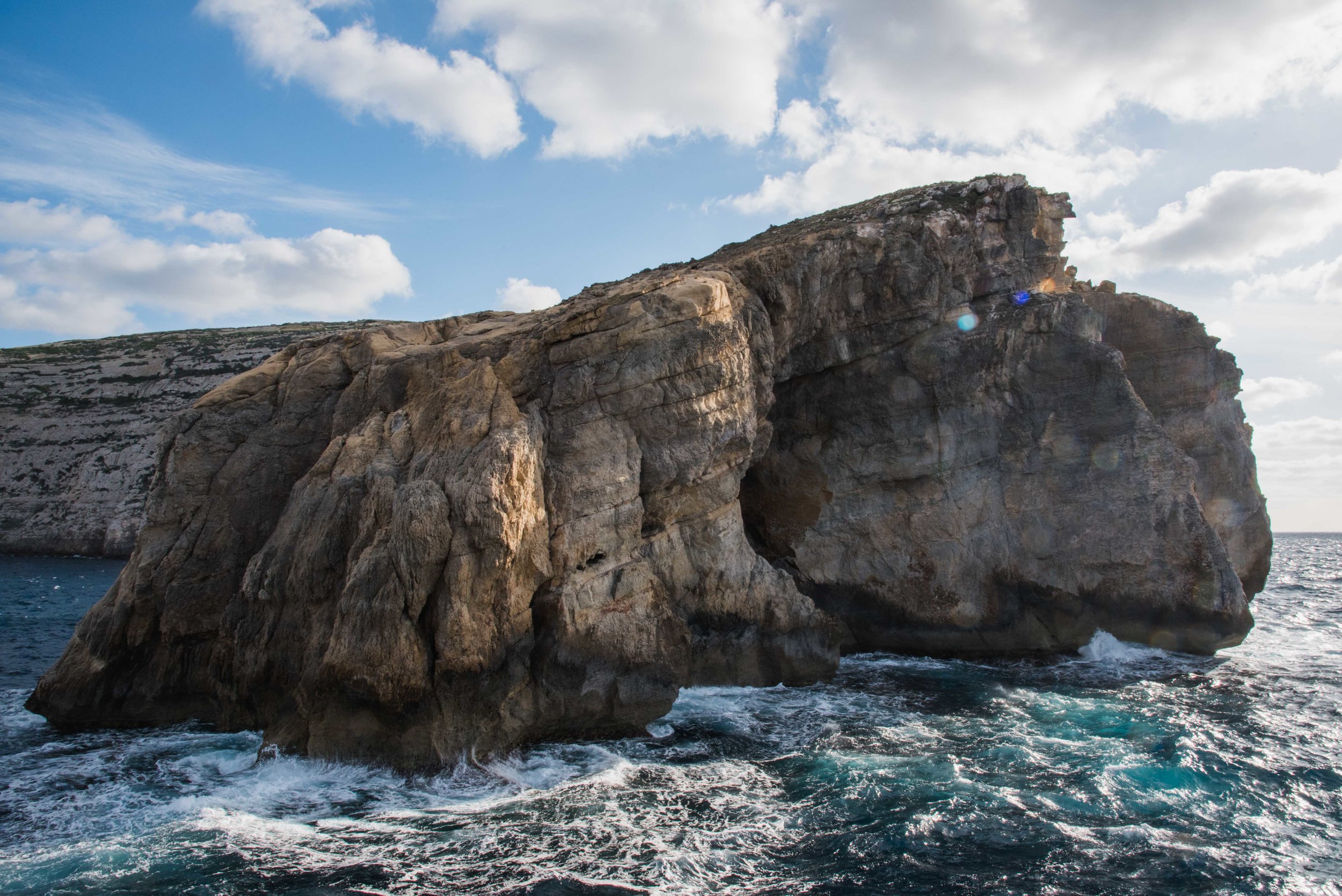
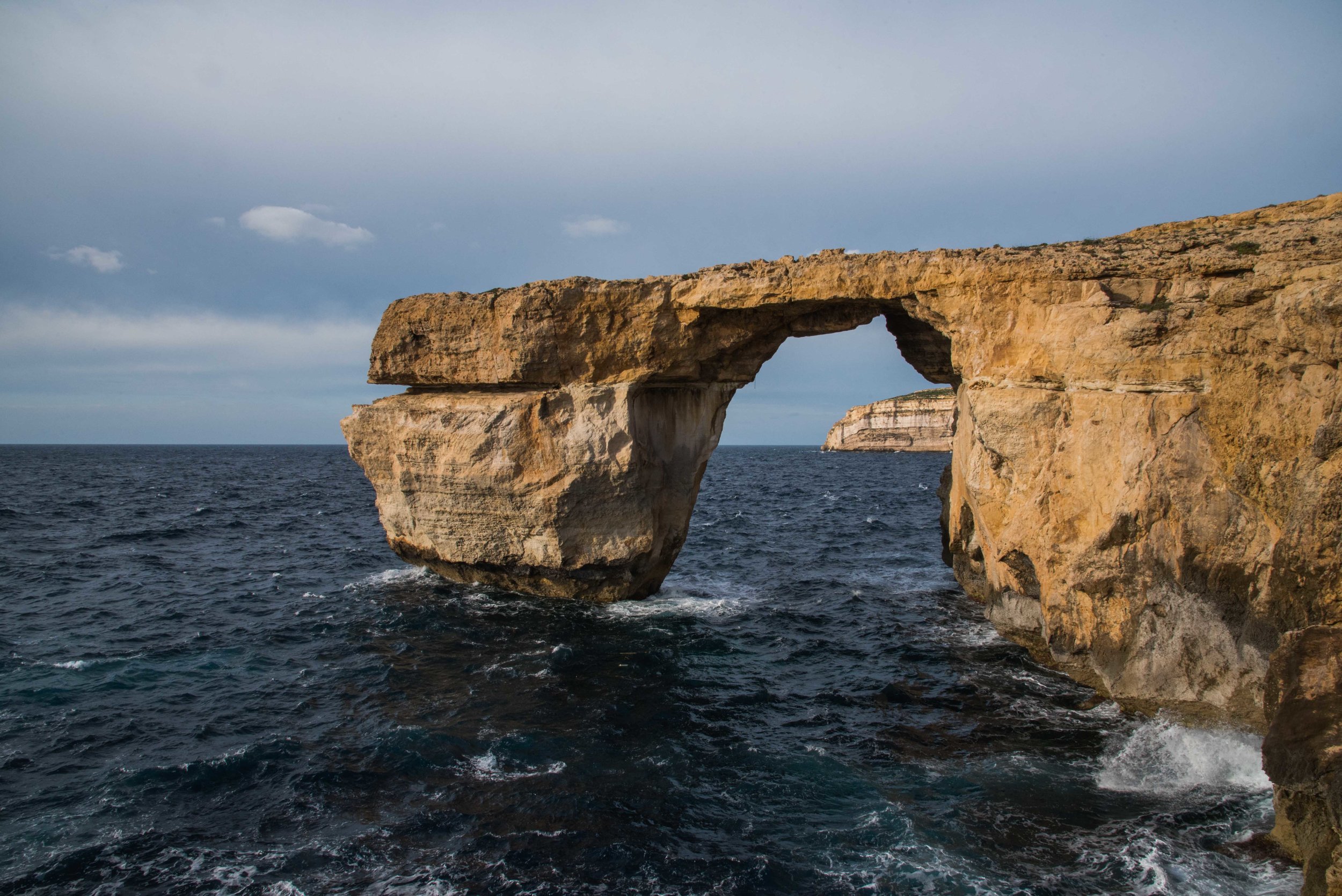
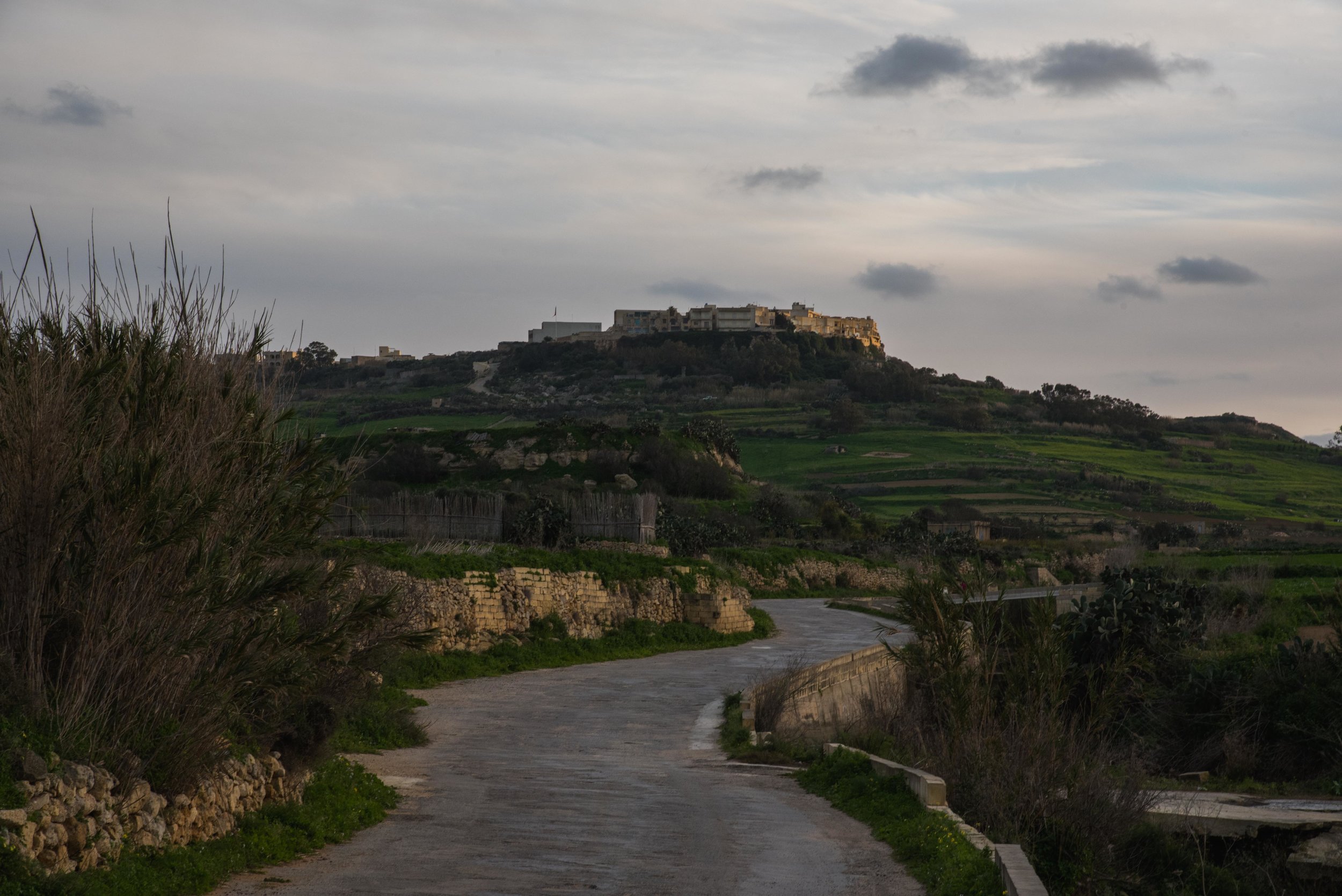
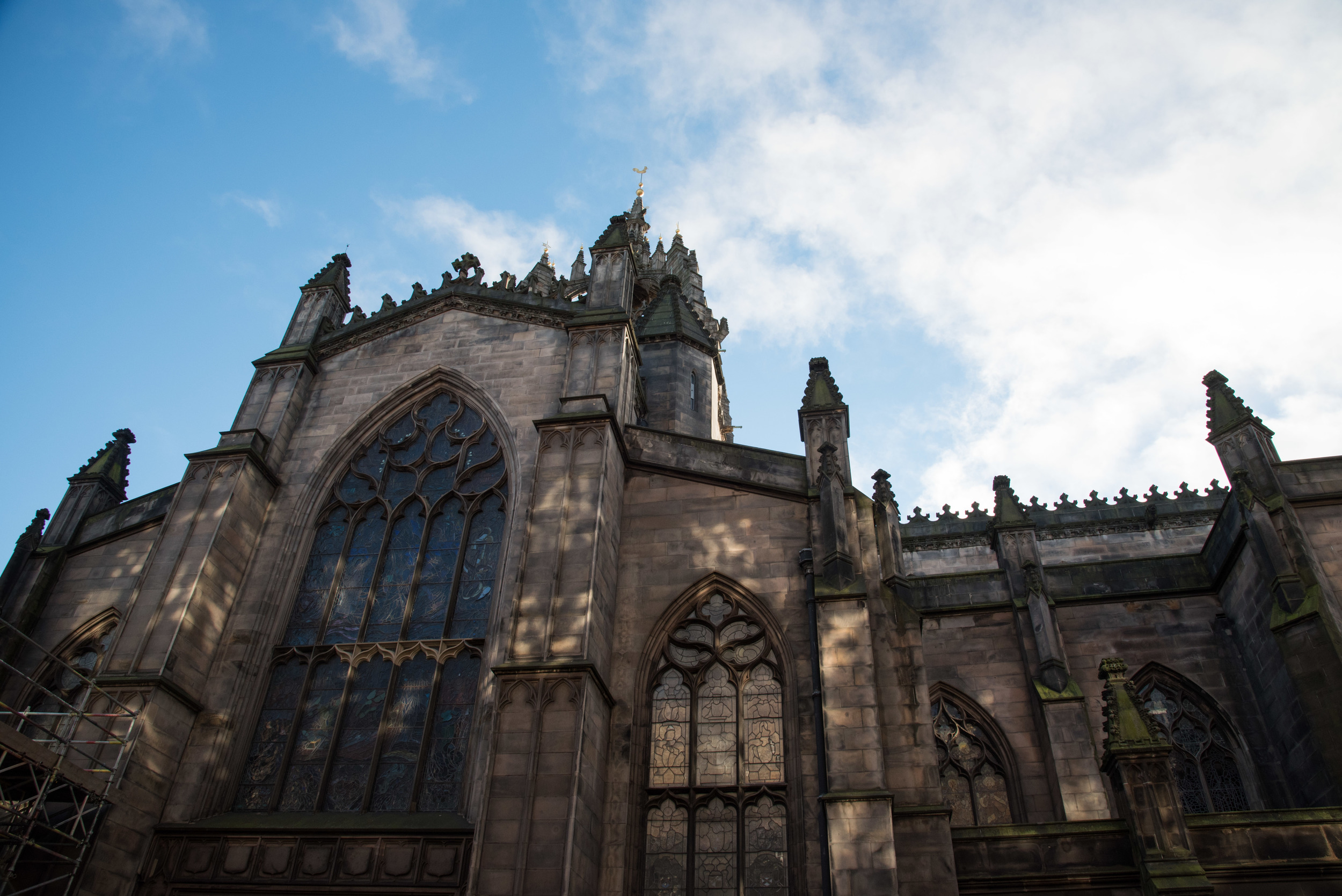
In Valletta, Malta’s Capital, we spent all day looking for St. Johns Cathedral, a popular sight-seeing destination, only to realize it was the very first thing that we saw earlier that day. After Valletta we explored the next few largest cities on Malta for a few days on foot before making our way across the island to a ferry that took us to Gozo, one of the three Maltese islands. On Gozo we nearly got the rental car stuck between two rock walls on one of the narrowest roads I’ve ever driven on, walked along a beautiful sandy beach, and picnicked looking over 800 foot cliffs all in the span of a few hours.

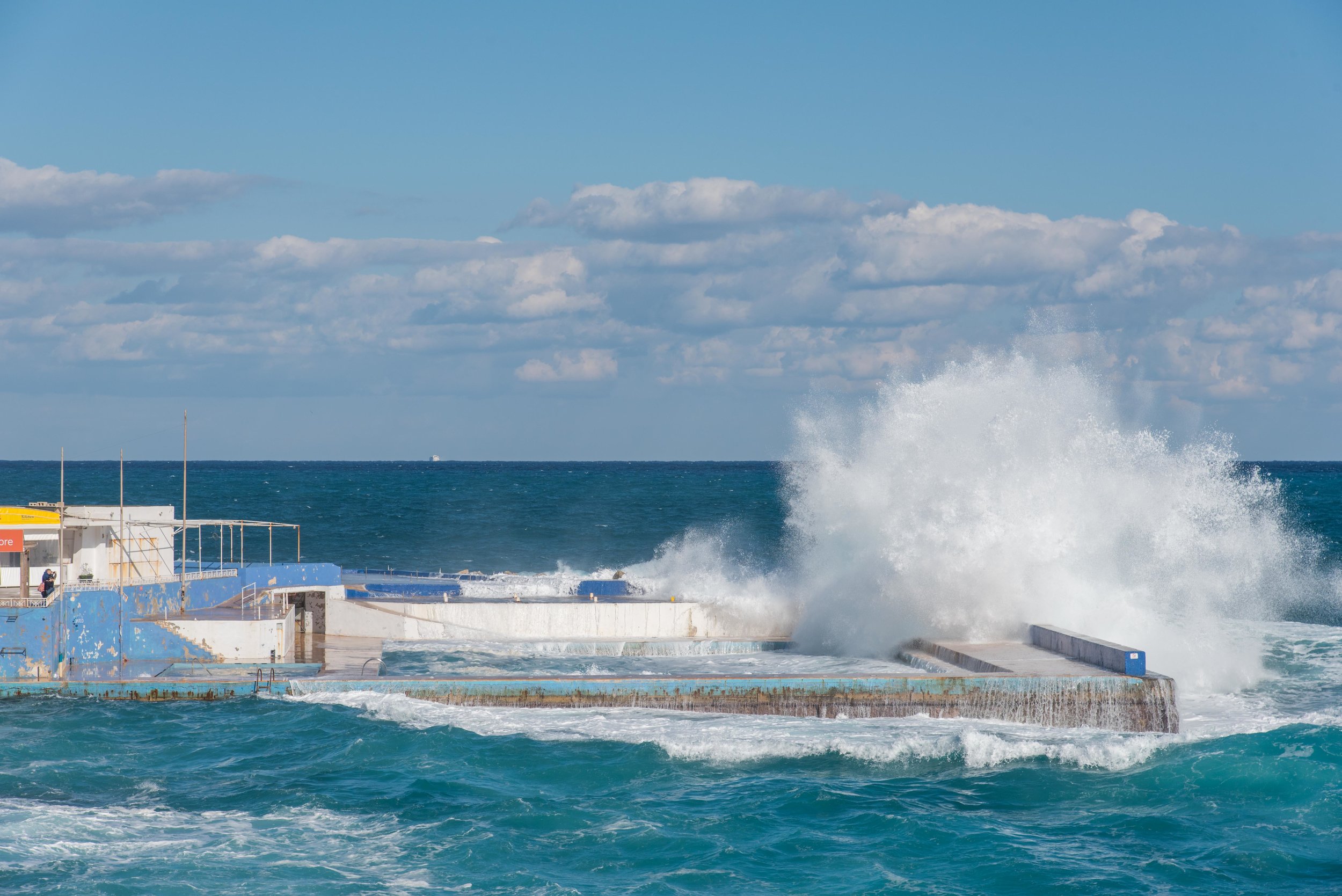
Winter swell not messing around in the Mediterranean.

Winter swell not messing around in the Mediterranean.


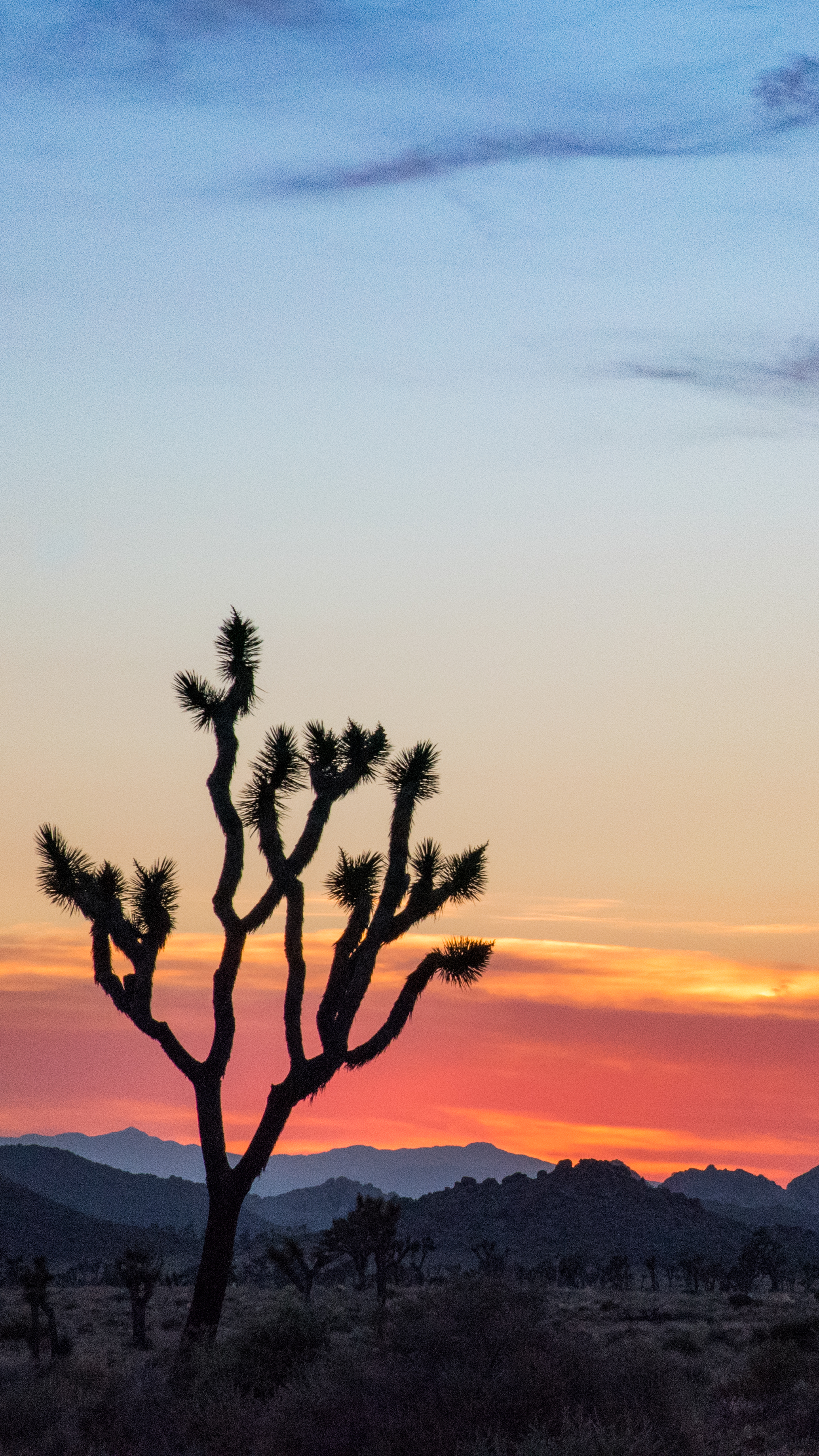
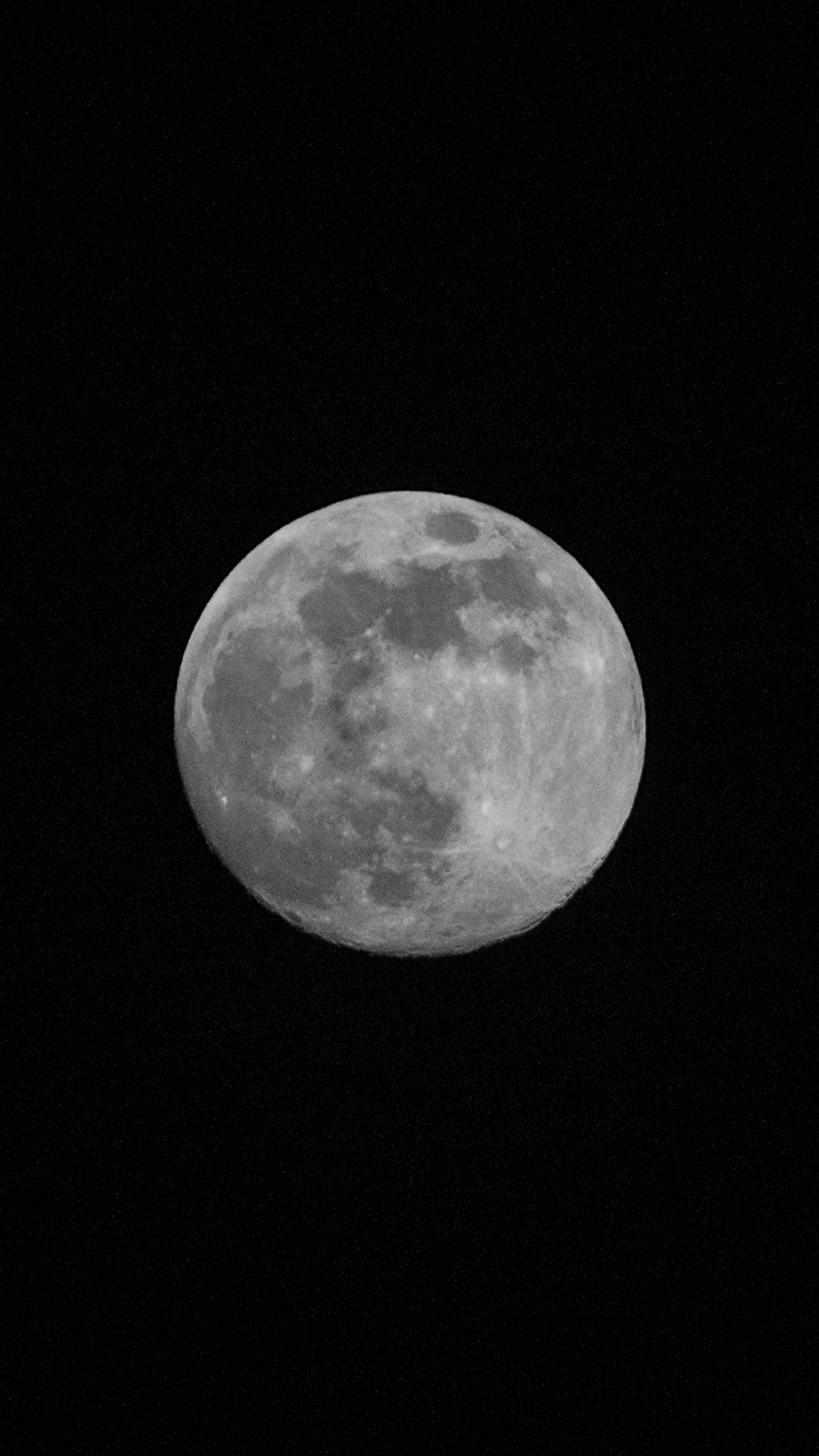
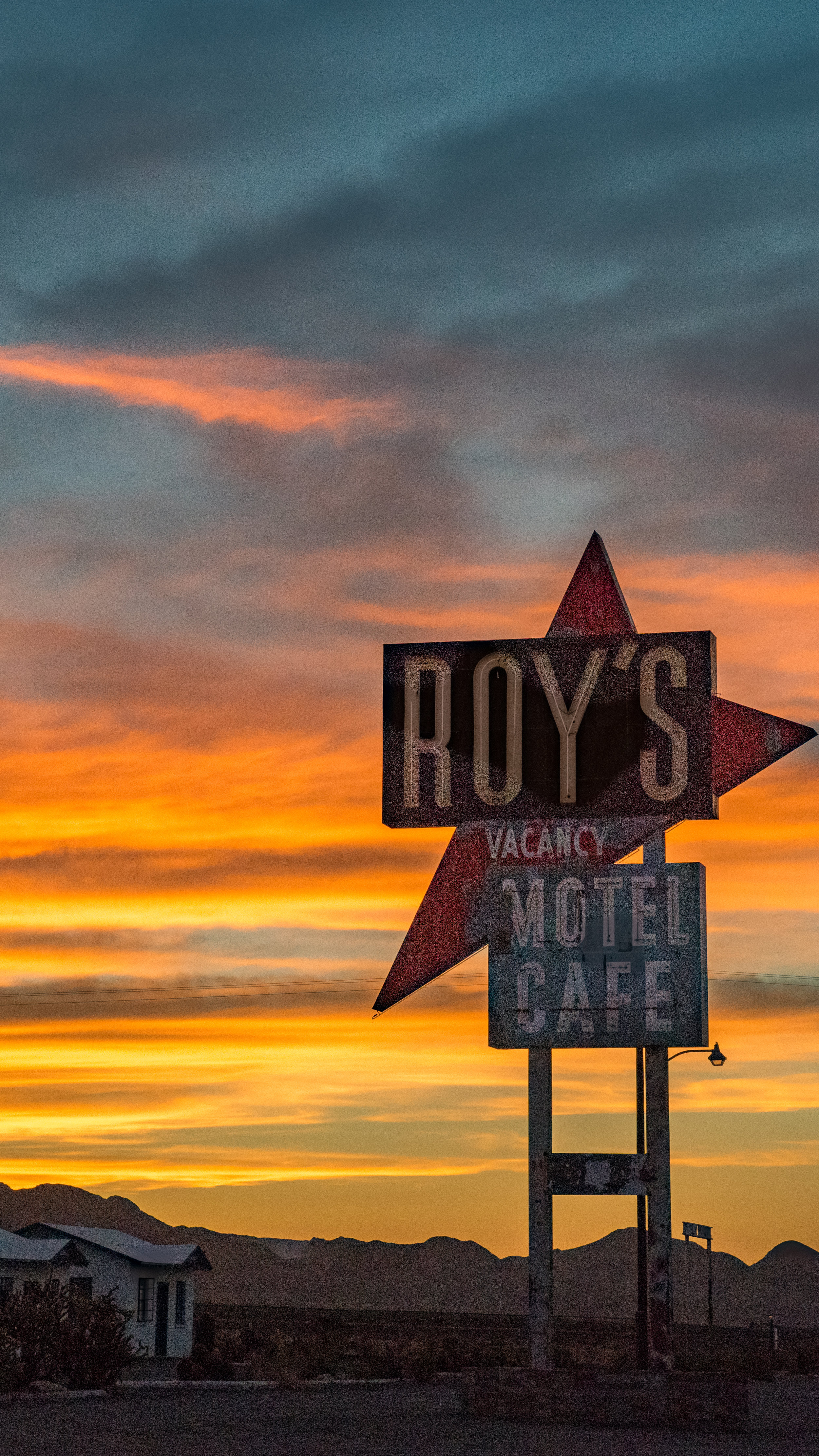
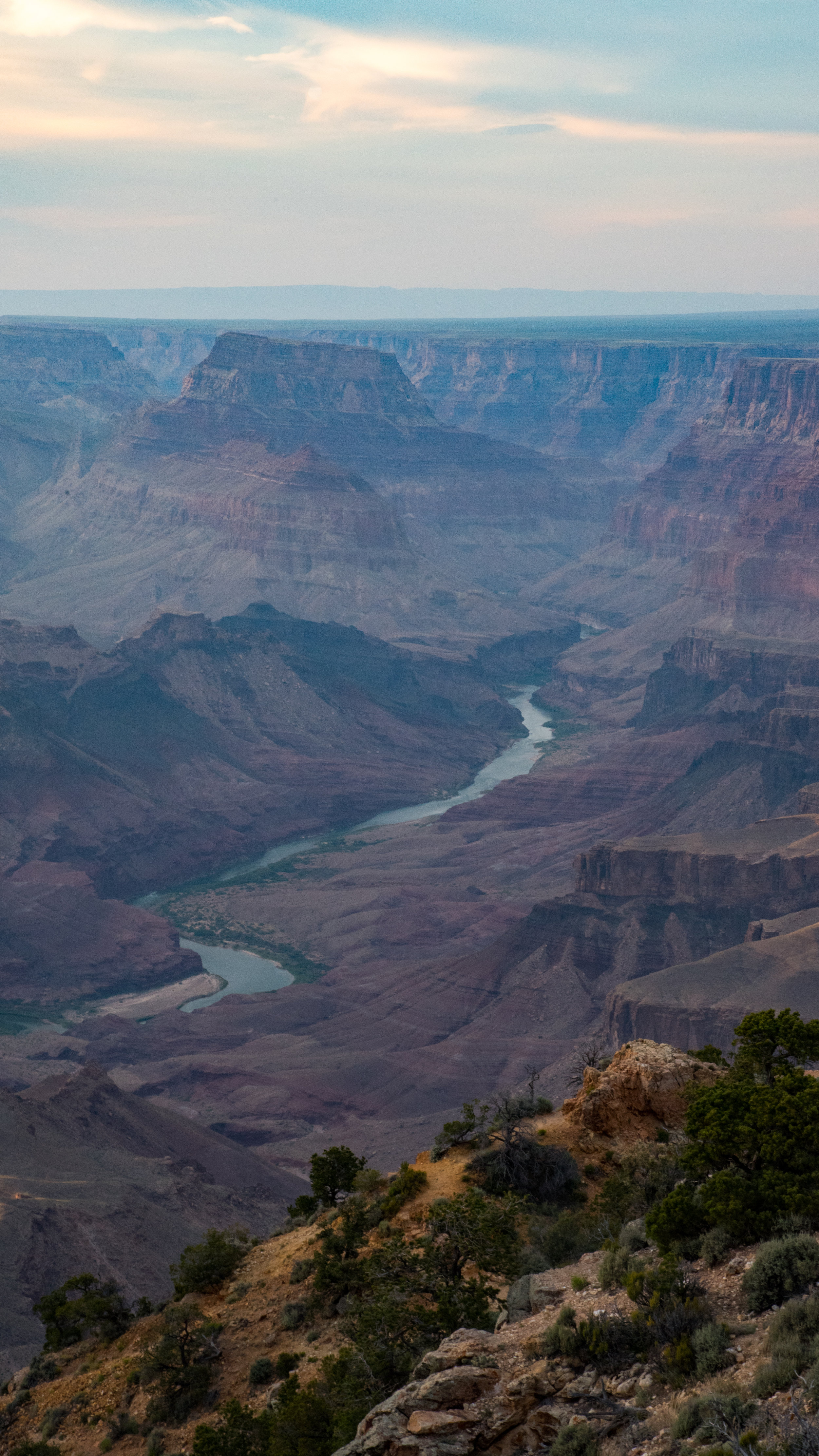
21 Phone Backgrounds by William Bryan

Browse the photos below and feel free to download one for your iPhone or Android background.

Tap and hold on any photo and open it in a new web browser page, then tap and hold again to download it to your photos app.

Mokelumne Wilderness, California 2016 by William Bryan

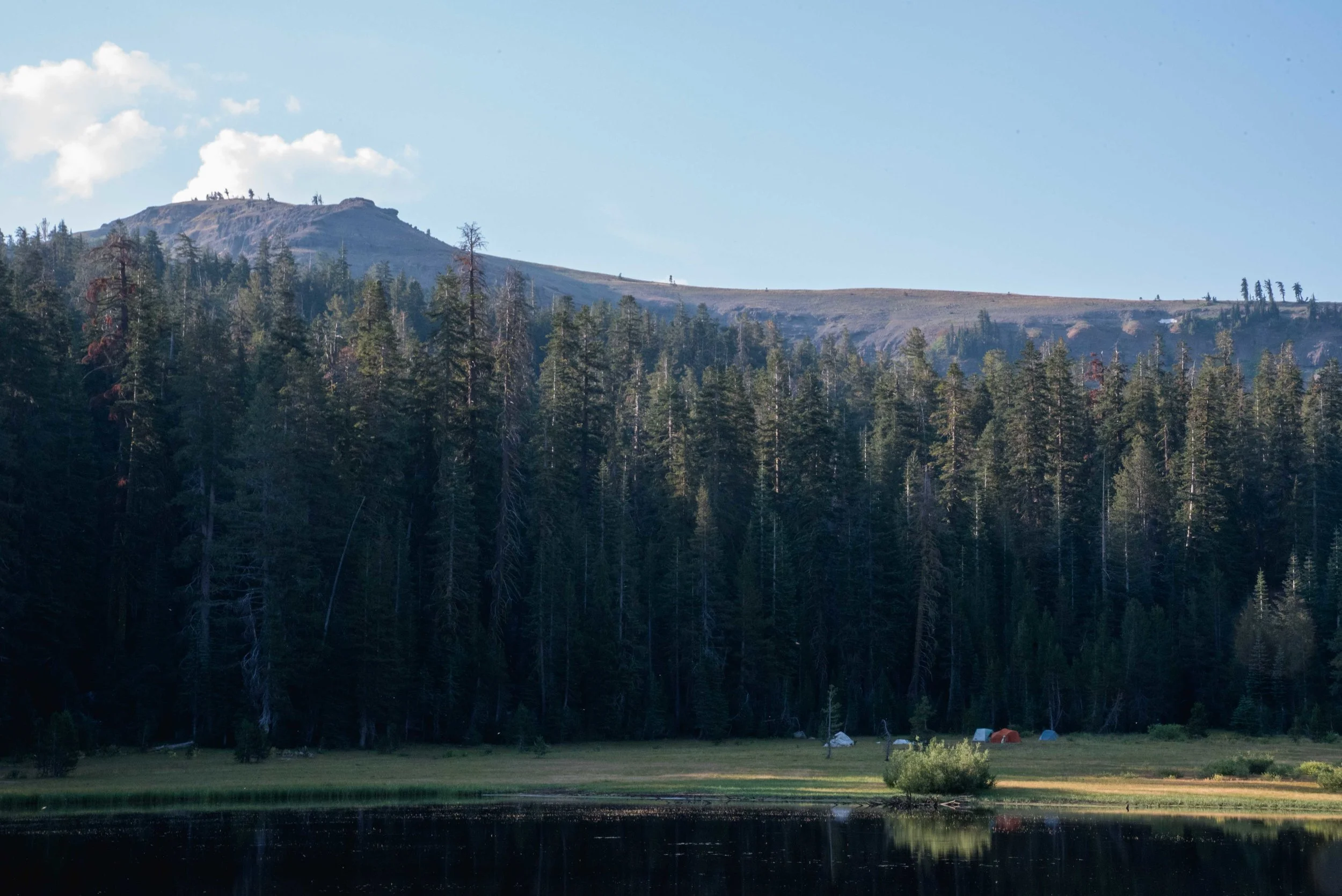
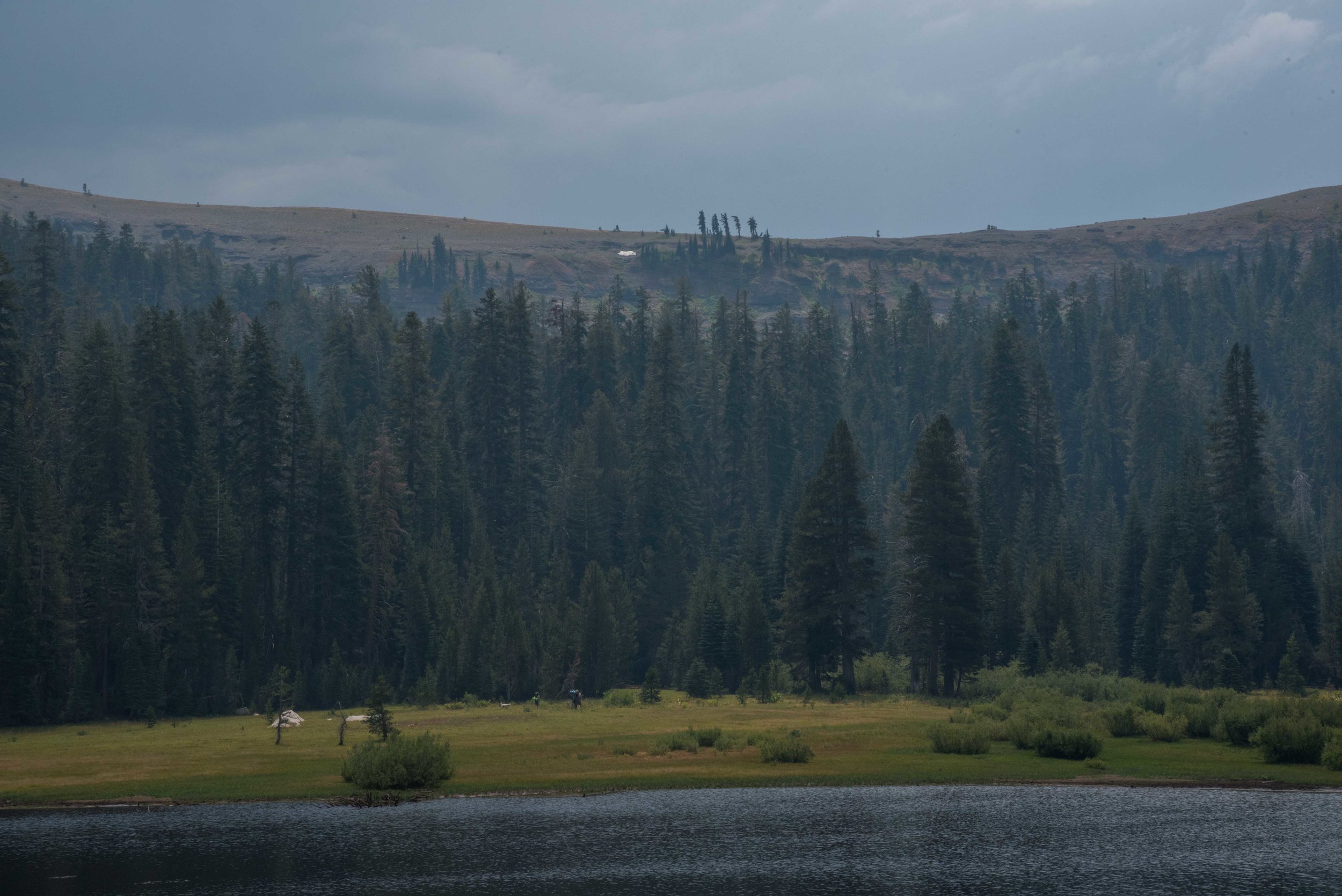
We were sitting around the fire pit, passing around a sack full of snacks for lunch when we heard the first crack of thunder echo around the crater just in time for a second 'boom' to echo through the forest. We looked up and saw dark clouds spreading slowly across the sky as drops fell intermittently around us. There was a 50% chance of rain that day so none of us were too surprised, most of us had already thrown our tarps over our sleeping bags and other gear when we woke up that morning. We continued looking in the snack bag while discussing our options concerning the rain when another problem arose — smoke.

We stood up in unison and walked over to the lake to get a view of the sky that was free of trees and try and figure out where the forest fire might be. What we saw didn't look good. The clouds were dark and heavy with moisture, and the air was hazy and grey. The smoke seemed to be coming from the same direction as the thunder.

"Could a lightning strike have caused the burn?"

"No, the thunder only started 10 minutes ago, not enough time build up that much smoke, right?"

None of us were really sure what the answer to that was. Intuition told us that, no, it couldn't spread that fast; but it was the dry season and there were hundreds of other forest fires raging around California at the time. So maybe it was from the lightning?

Either way we had a decision to make: stay and risk rain, lightning, and potentially a forest fire; or call our trip a day early.

“Hey, at least if we get surrounded by fire we can just jump into the lake…”

No one liked the idea.

We decided to play it safe and hike out a day early, so we packed up our gear and made our way around the lake and up out of the ancient volcano crater while rain drops fell around us.

East and West Berlin: Plattenbau by William Bryan

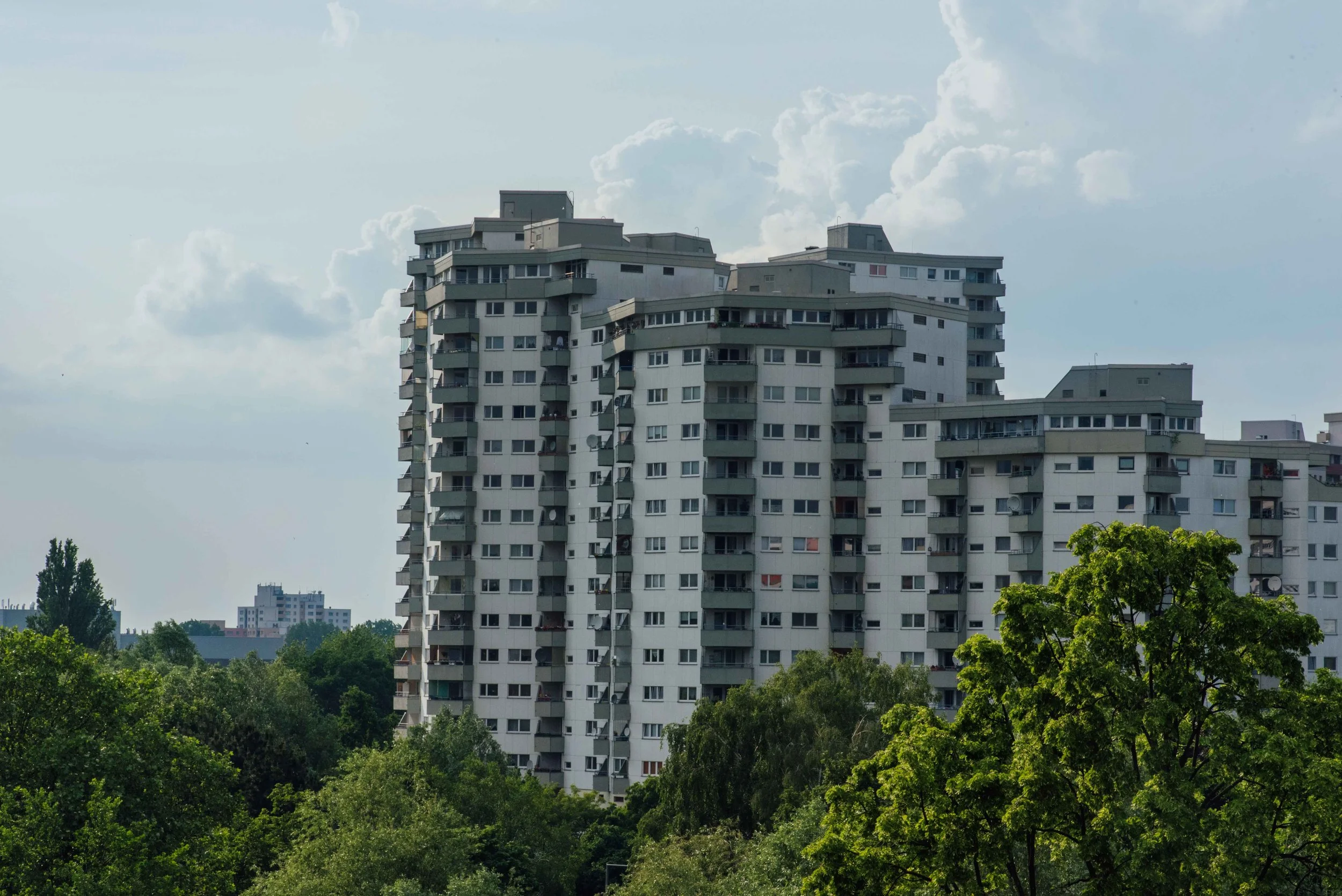
The first time I traveled to Berlin five years ago there was something unique about the city that caught my eye. After the war both East and West Germany needed to rebuild their respective portions of Berlin — which had been flattened by bombing and fighting near the end of the war — and they needed to do it quickly. They turned to prefabricated buildings called Plattenbau to house the city’s recovering population. When I first noticed these buildings it was in the former East near the city center,where the most influential members of the communist community lived. However, despite these being the nicer buildings in the East I noticed them because they were so plain and honestly, ugly. So when I returned to Berlin this summer for a month to photograph I thought of the Plattenbau immediately.

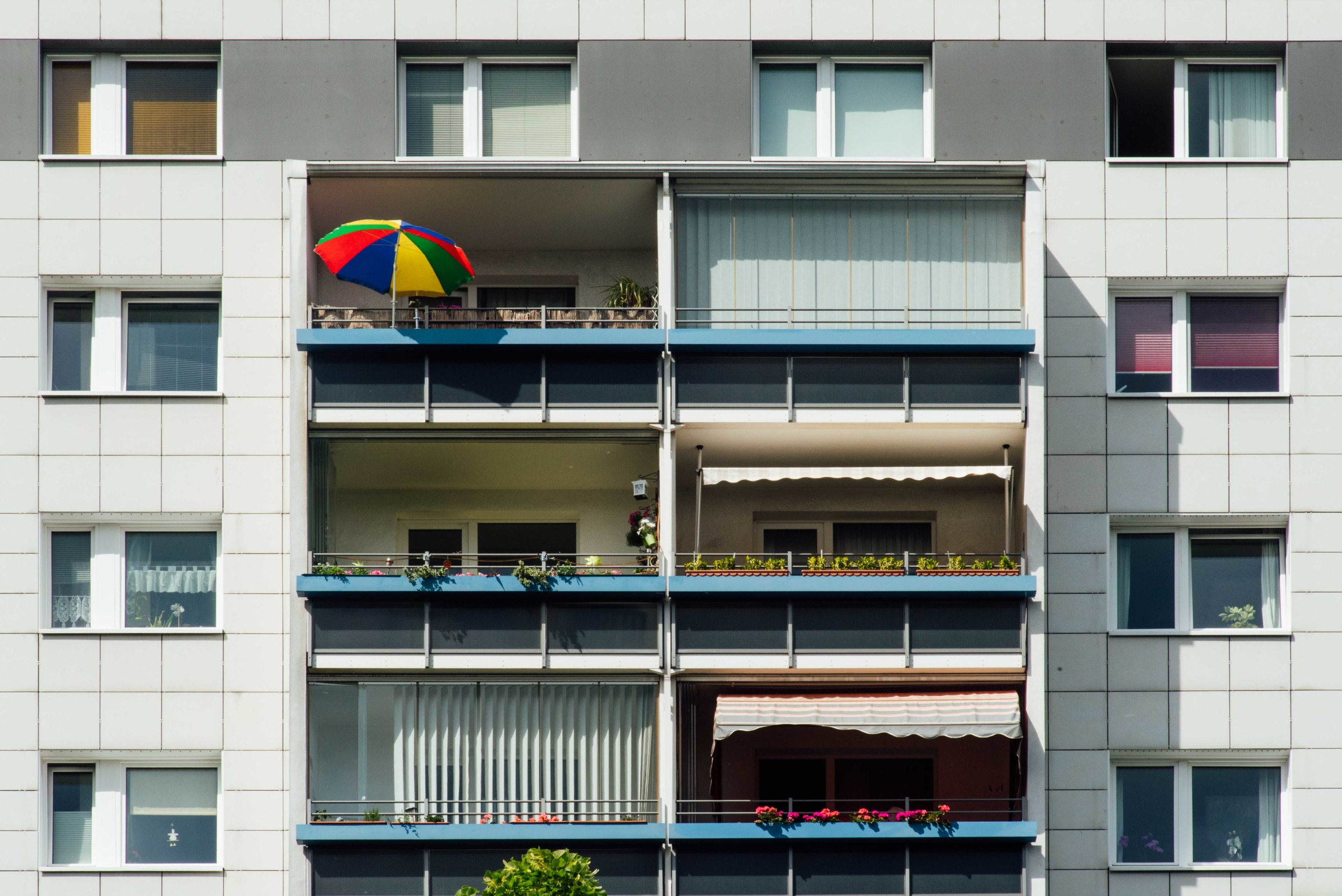
Before I started the project I planned on showing the immense contrast between the architecture of East and West Berlin during the Cold War period when Berlin was split in two. But I quickly learned that the differences I expected to find didn’t exist, or at least weren’t as bold as I had anticipated. This took the project in another direction: finding the similarities in the buildings, specifically apartment buildings, built by two political and economic systems that were trying their hardest to be drastically different, and better, than the other. Although, despite their similarities, Berliners have found unique ways to make these cookie-cutter apartments their own in different ways; a colorful umbrella or a balcony covered in plants, you can see for yourself in the photos below.

It isn’t every day that you get the opportunity to spend a month in a foreign city, exploring and photographing. I was fortunate to pick a subject that took me all over the city and gave me a unique look into Berlin in a way that most visitors don’t get to experience. After two weeks my feet were covered in blisters and I had already walked five marathons all in the pursuit of this project, but the end result was worth the work and demolished feet.

Isabela Island, Galapagos 2016 by William Bryan

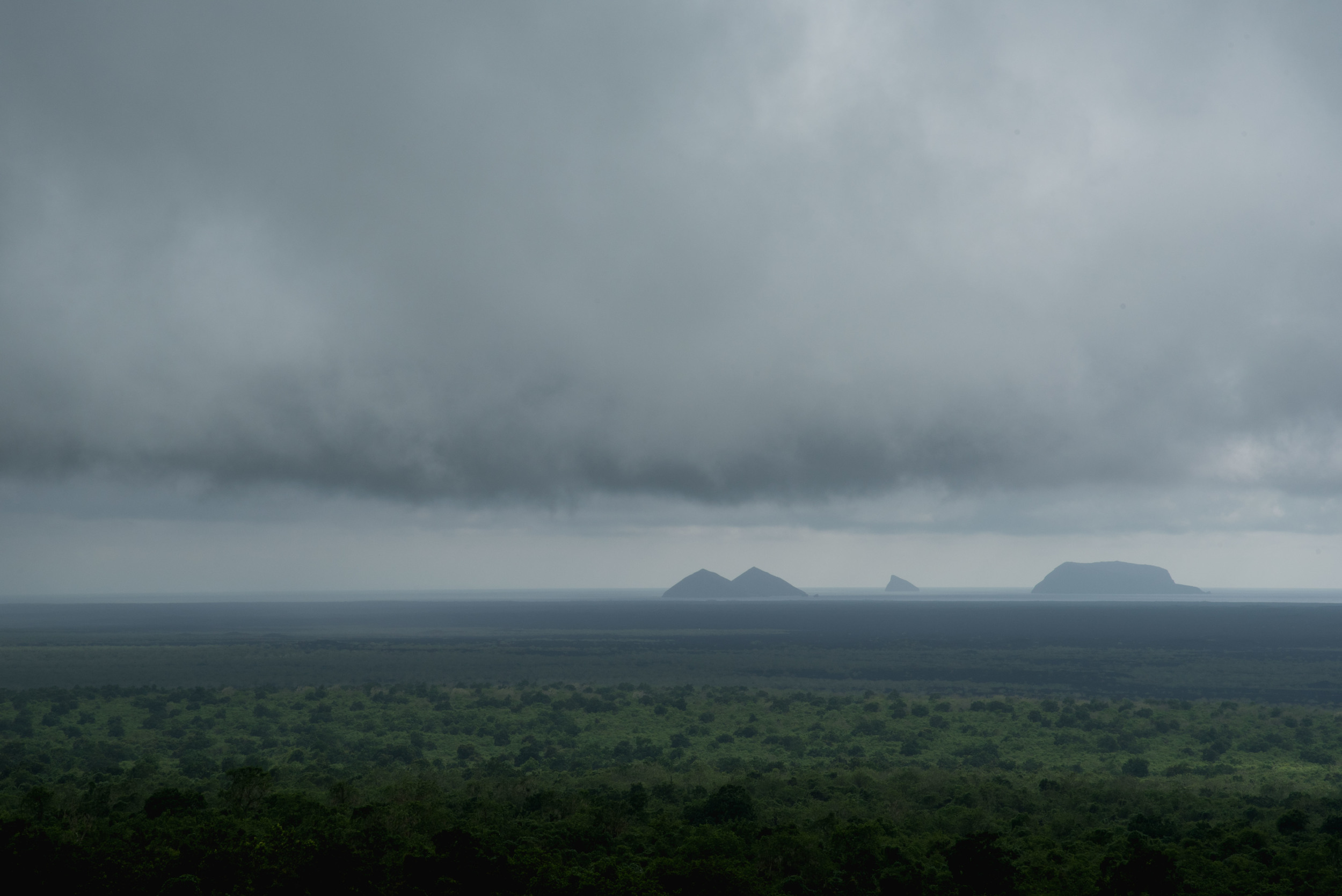
“Hey guys, so I have some bad news,” our guide said after stepping out of the shelter of the 4x4 Mazda truck that was parked in front of our hotel and into the pouring rain.

We looked at each other inquisitively through tired eyes before telling him to continue.

“The plan today is to go for a hike in the highlands, but as you can see it’s pouring rain… So, we can either stick around town and walk to the beach to snorkel more, or brave the rain. Up to you!” He said the last part enthusiastically.

We all looked at each other, thinking.

“We’re only going to be here once, lets do it,” one of us said.

“OK,” he replied. “Just know that the rain gets worse the higher up we hike!”

The trucks flew up the mountainside, our drivers completely indifferent to the rain, cows, and locals on motorcycles on the road. My sister grabbed my leg as we rounded a tight gravel-covered turn in the road and looked at me in surprise as we made it to the other side without the truck flipping into a ditch.

As the cars slowed to a halt at the base of the Sierra Negra volcano we started to understand just how wet of a hike it was going to be. I stepped out of the truck and dodged streams of water that rushed down the hillside. We started hiking, optimistically attempting to avoid the 20-foot long puddles of muddy water before our guide gave us a tip.

“Don’t bother, there’s no way you make it up the mountain with dry, clean shoes, just wash them off when we get back to the bottom.” He chuckled before trudging straight into the foot-deep pool of water that stretched across the trail for the next 12 feet.

I shrugged and followed suit, feeling like a kid stomping in the muddy puddles.

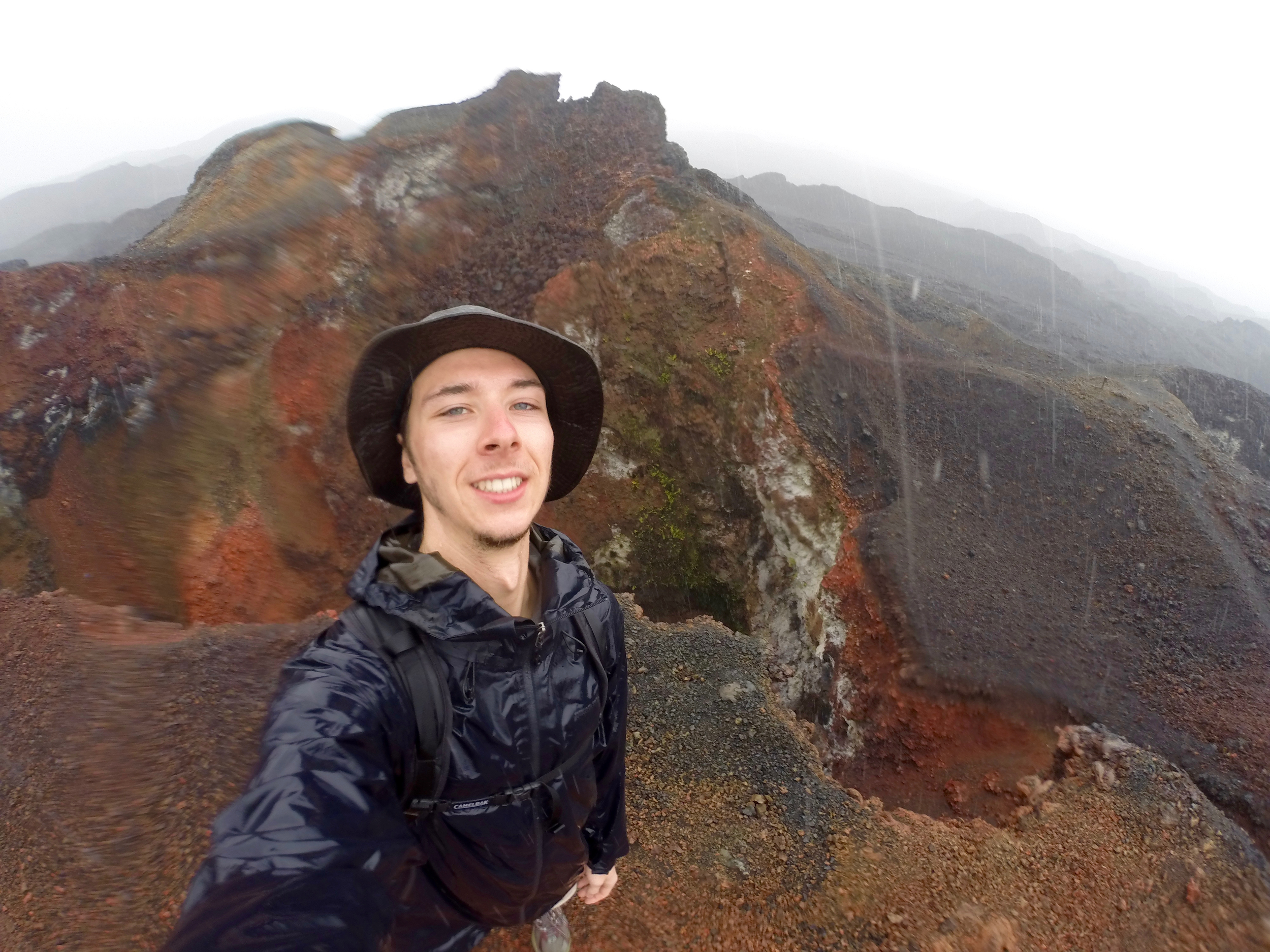
At the top of the mountain we marveled at the barren volcanic landscape and hollow lava tunnels while the rain continued to soak our clothes through and fill up our backpacks. I worried about my camera even though it was in a water-tight dry bag as a wiped water from the lens of my GoPro frantically before quickly snapping a photo. Every photo features plenty of water drops on the lens anyway.

After sloshing our way back down the mountain through puddles (and in shoes that felt like we were standing in puddles even when we weren't) we stopped next to a small waterfall that had sprung up with the heavy rain and tried to scrub the dirt out of the soles of our shoes to no avail. We huddled for warmth in the backseat of the pickup truck, trying to look out its fogged windows, as we made our way back towards town and warm showers.

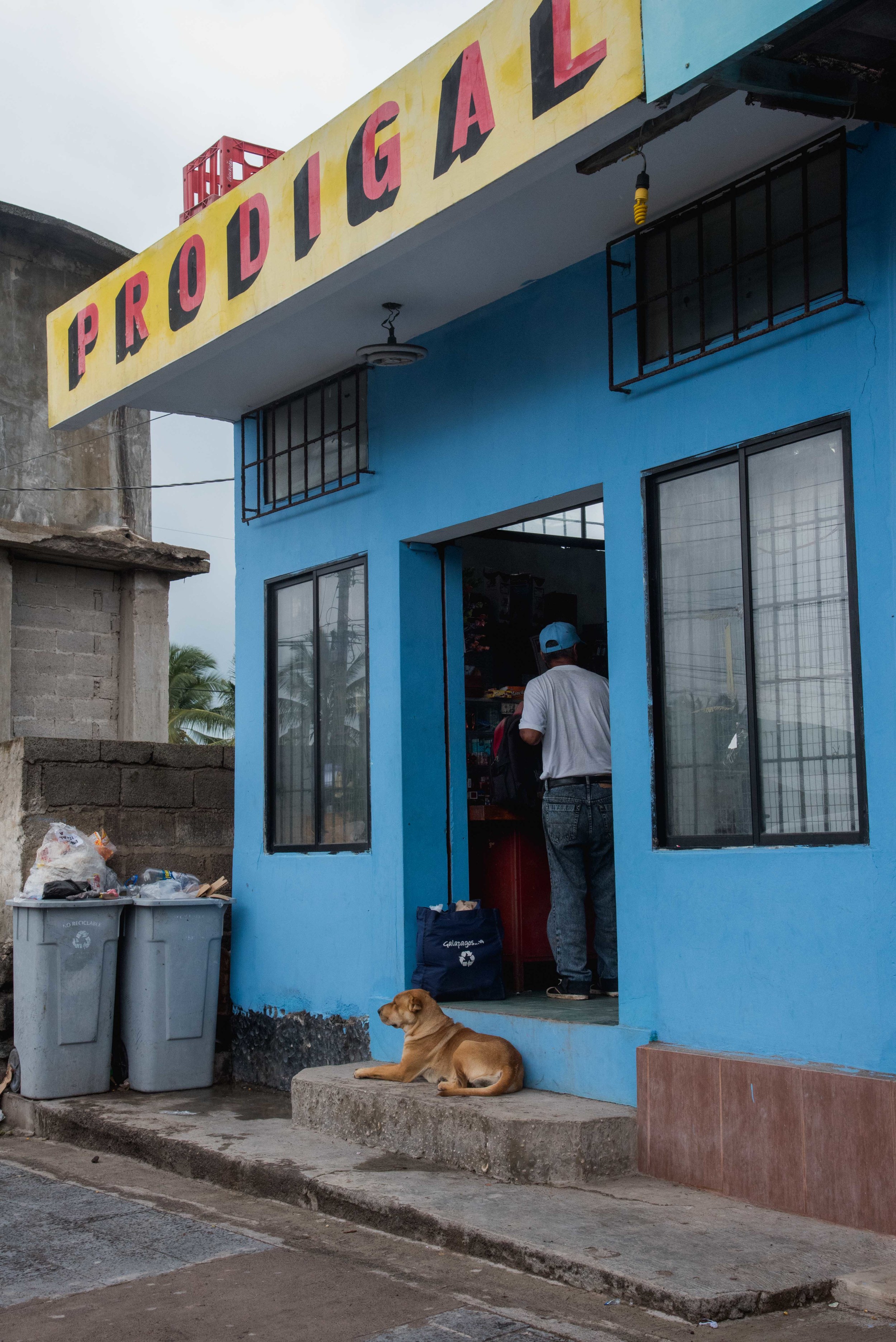
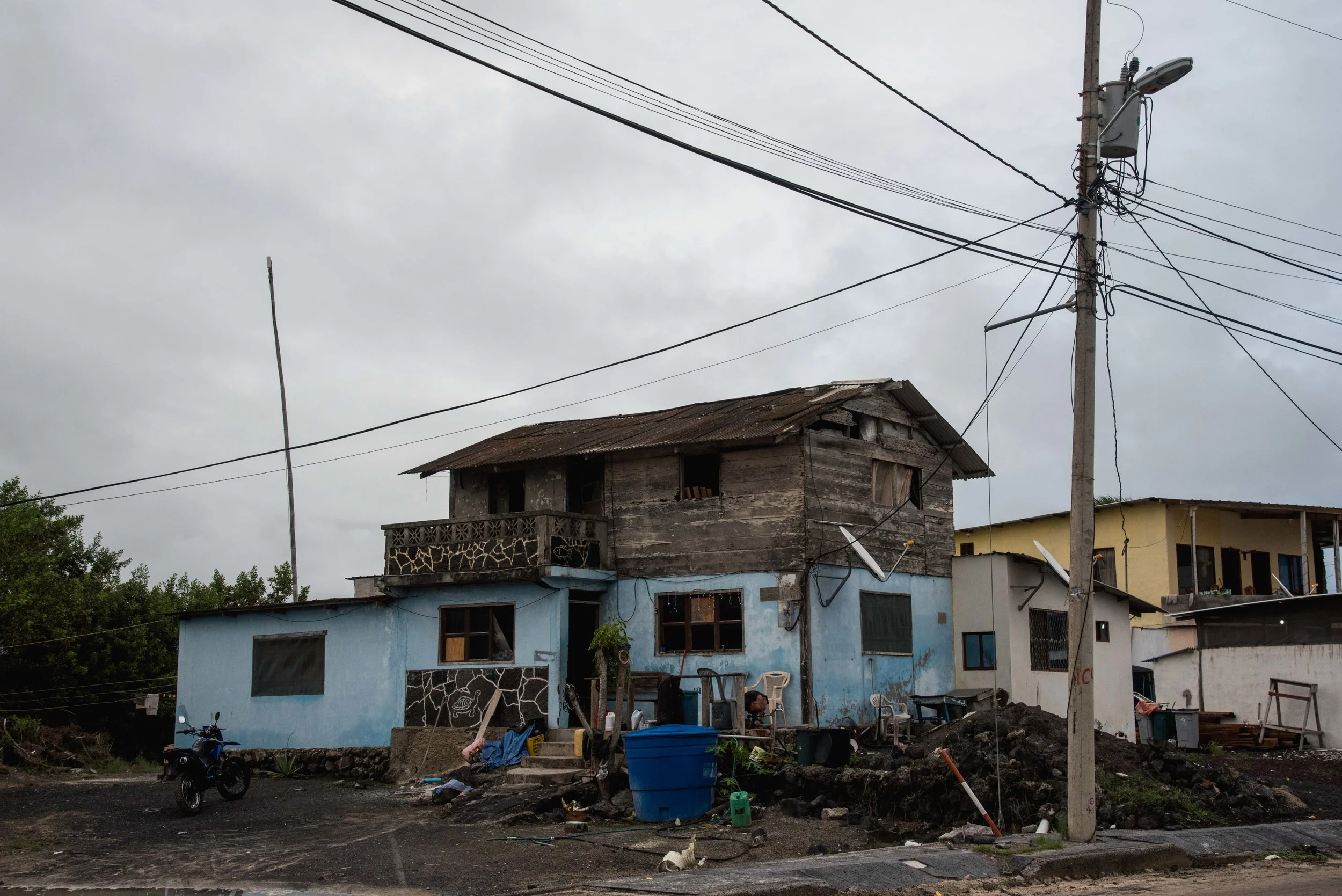
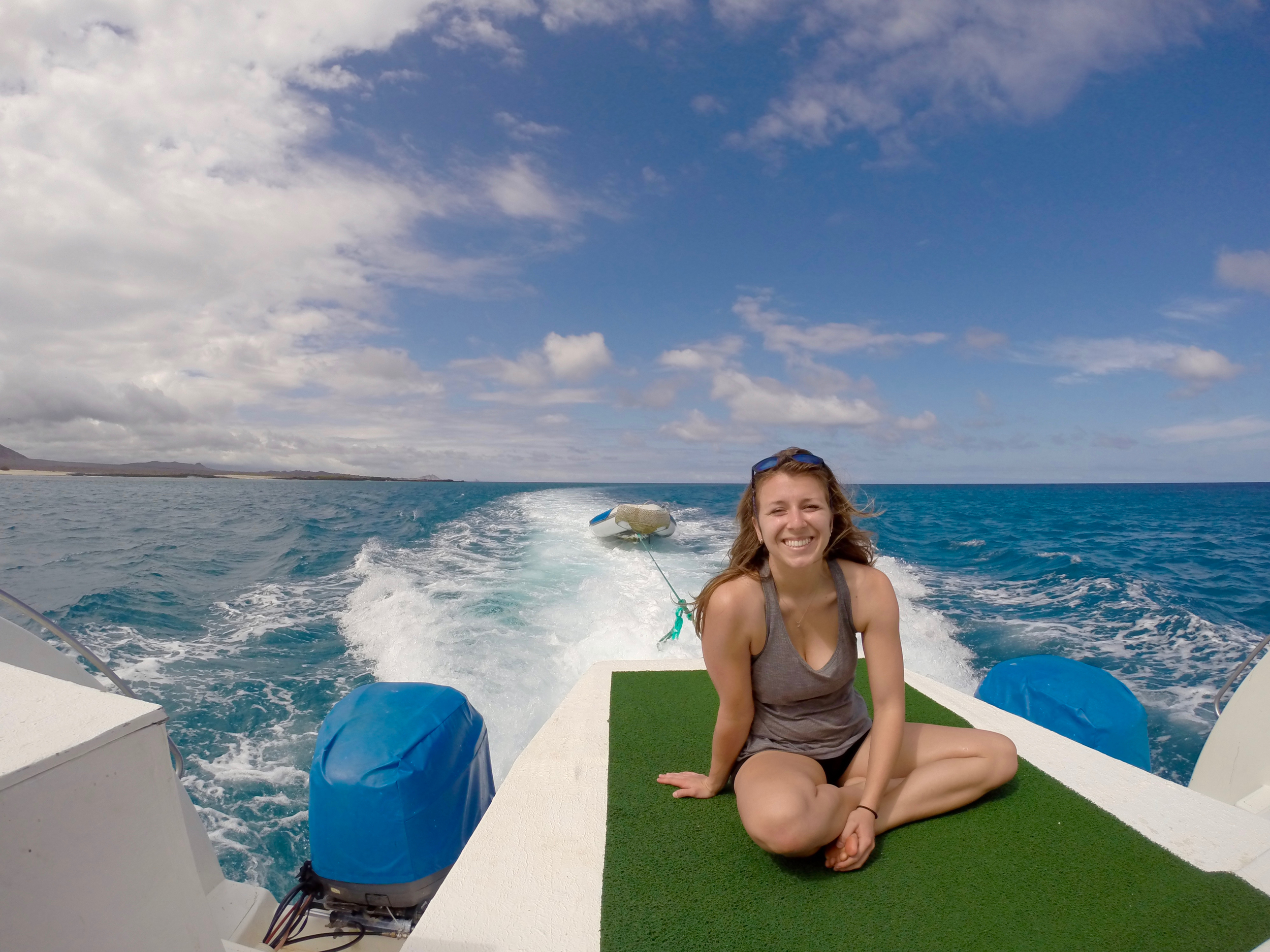
Besides the rainy hike, we filled up our few days on Isabela Island, the third most populated island in the Galapagos, exploring the town's dirt roads and coconut stands; it was the most rugged and seemingly “tropical” of the islands we visited. While on Isabela we biked, hiked, and snorkeled before heading back to Santa Cruz Island (on another sickening speed boat) to fly back to the mainland.

This was the third and final post in the Galapagos Island series of stories, click these links if you're interested in reading part One or Two.

Santa Cruz Island, Galapagos 2016 by William Bryan

After scrambling off the boat from San Cristóbal and sitting in our hotel for 30 minutes, staring at the wall and waiting for it to stop moving up and down like the ocean, we climbed into a car and drove up into the highlands to a Giant Tortoise reserve. As we made out way inland we ran into a problem: a rope was strung across the narrow roadway with odd looking women holding it up on either side — a Galapagos roadblock.

As the car slowed to a halt in front of the rope we realized what was odd about the ladies in question – they were men. (At this point I should mention that this was December 31st on the Galapagos Islands, not everyone’s first thought for the most exciting New Year’s Eve parties.) Our guide explained as he handed a “woman” a few dollars out the window: every year on New Year’s Eve the local guys dress up as women (oranges for breasts, ratty, knotted black wigs, their mom’s nightgowns, and their little sister’s slippers) and hold up the tourists driving around the island for a few dollars here and there. “It’s to support my family,” they scream in comically desperate voices, but it’s really for beers on New Year’s Eve.

After supporting the beer beggars we wound up the dirt road and arrived at the Tortoise reserve. We climbed out of the car, donned tall rain boots, and struggled through the mud for a few minutes before out guide stopped and, in a hushed tone, said “I see three Tortoises, can you guys spot them?”

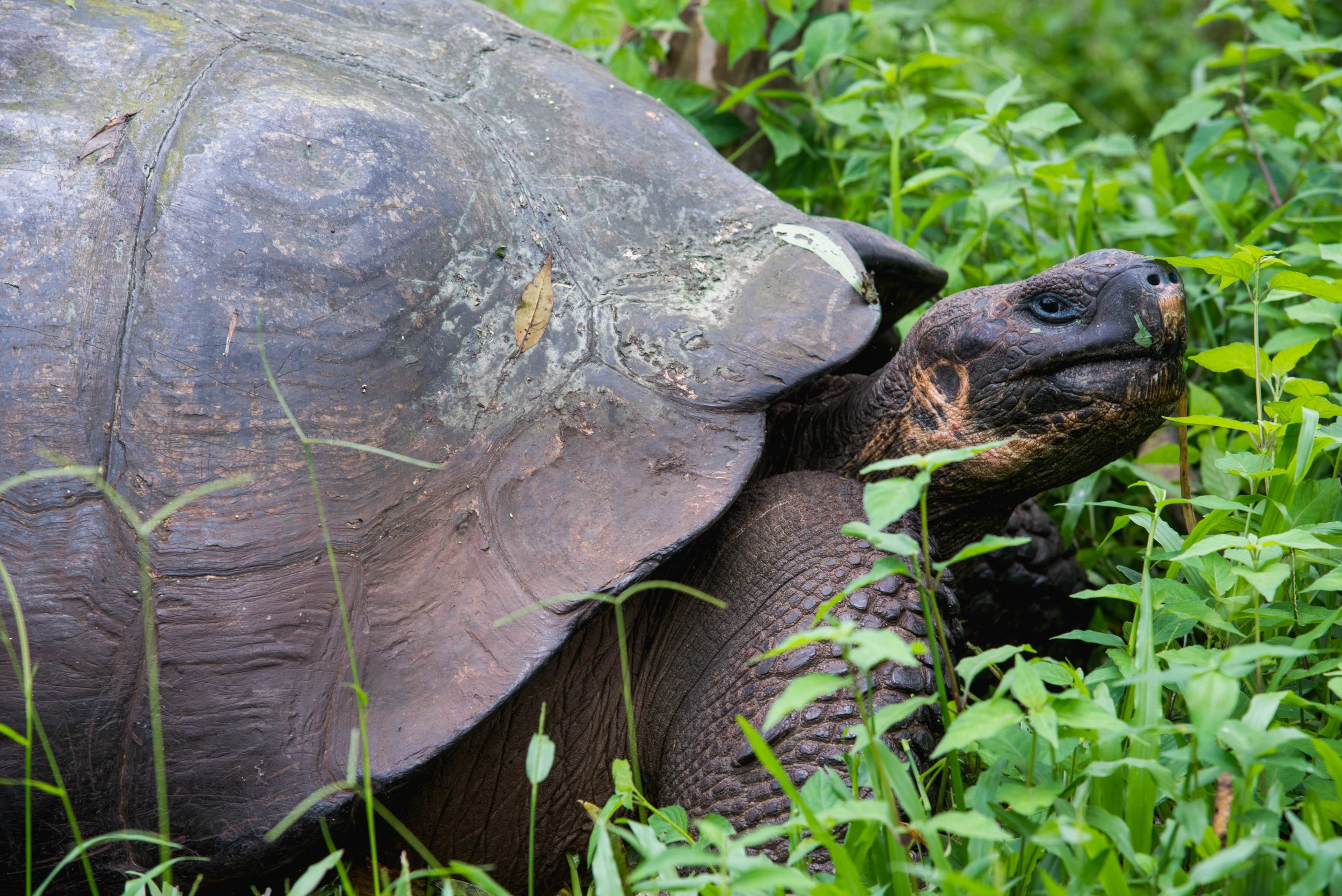
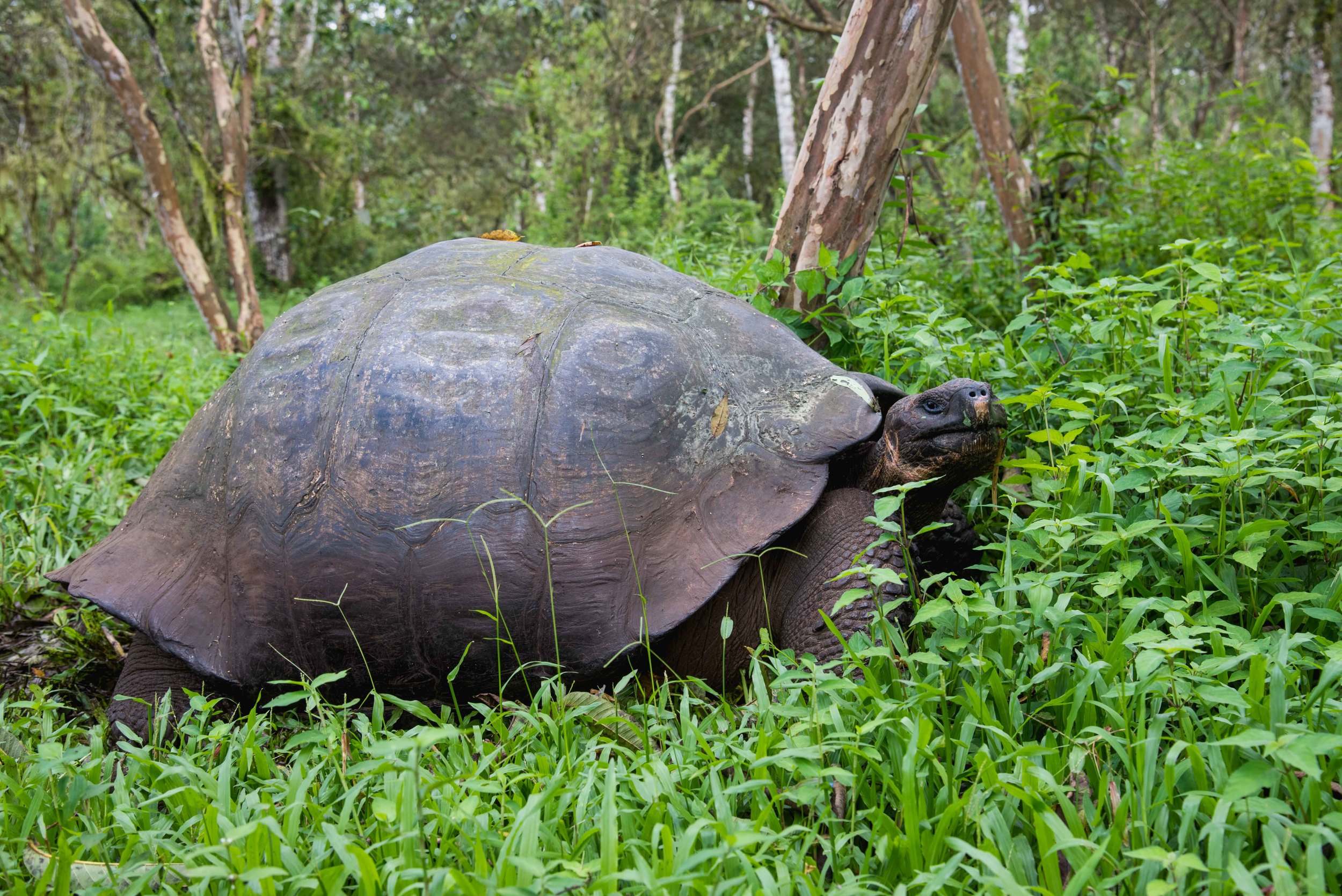
I looked around eagerly and saw a lot of tall grass, trees, a lake, plenty of mud to go around, and a few boulders. It took me a second to realize that every boulder that I saw had a wide path of flattened grass leading up to it. Then the boulder nearest us picked up it’s head and started eating.

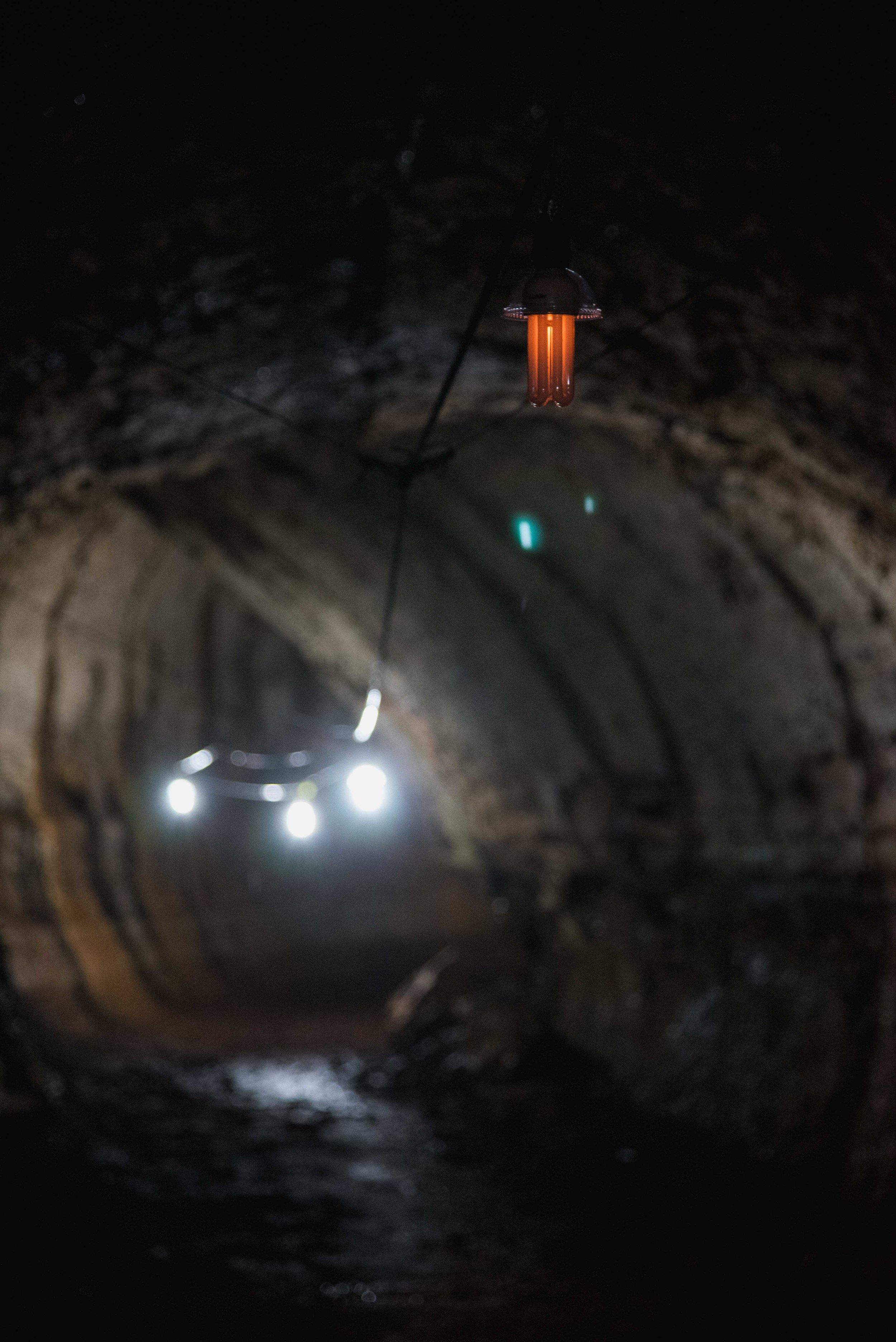
I’d love to say that Giant Tortoises are fascinating creatures, but they don’t do much other than eat. What’s most interesting is that the prehistoric creatures are still around, very slowly eating their way through their 100+ year lifespans. After finishing up our time with the tortoises we explored a lava cave and then made our way back into town for Santa Cruz Island’s version of New Years.

A local band played rough covers of popular Spanish and U.S. pop songs while a crowd of tourists drank $2 beers and bobbed their heads. After a beer or two I realized how tired I was from the day’s — and week’s — activities so we made our way to back to our hotel and fell asleep at 10 p.m.

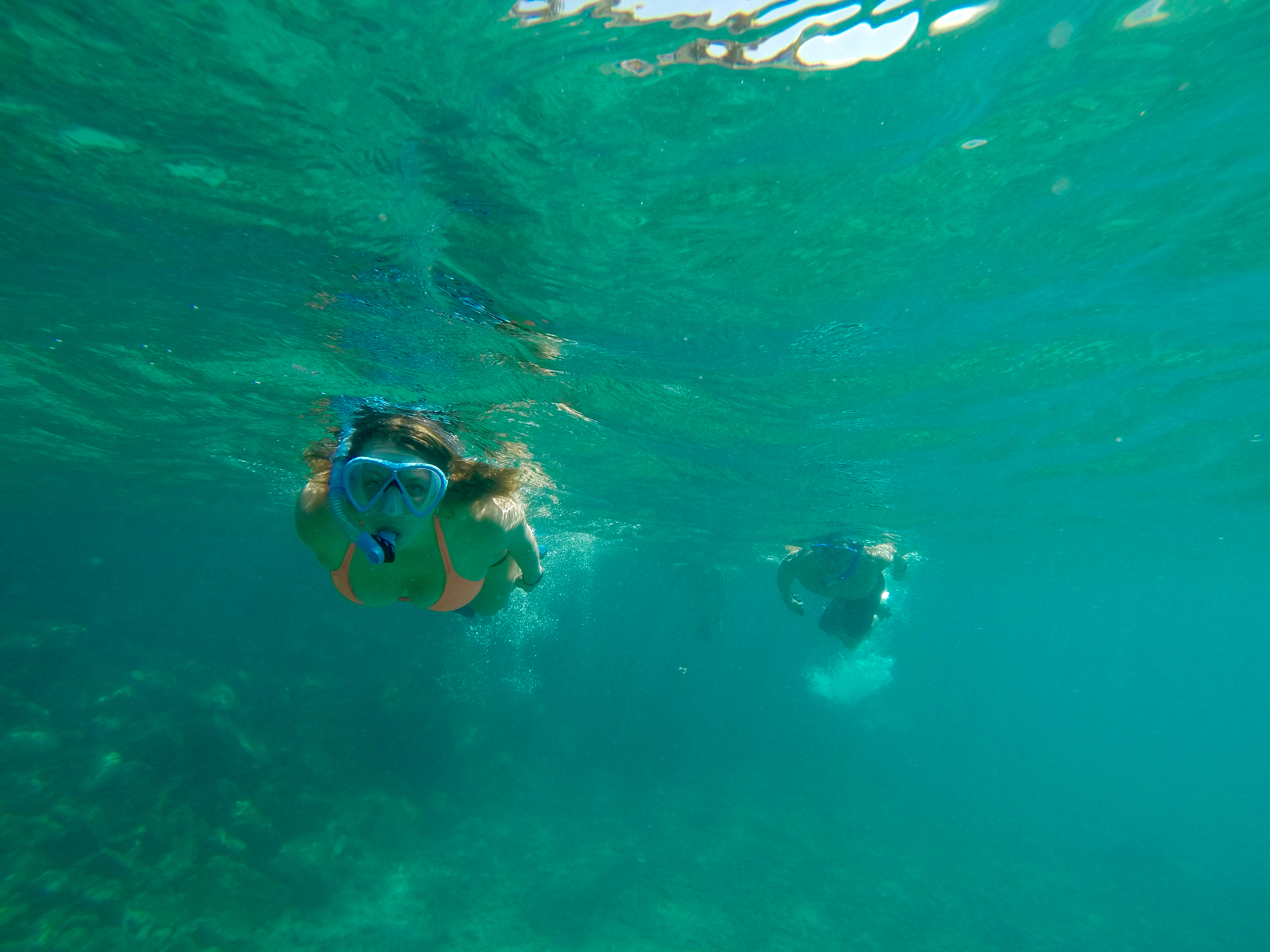
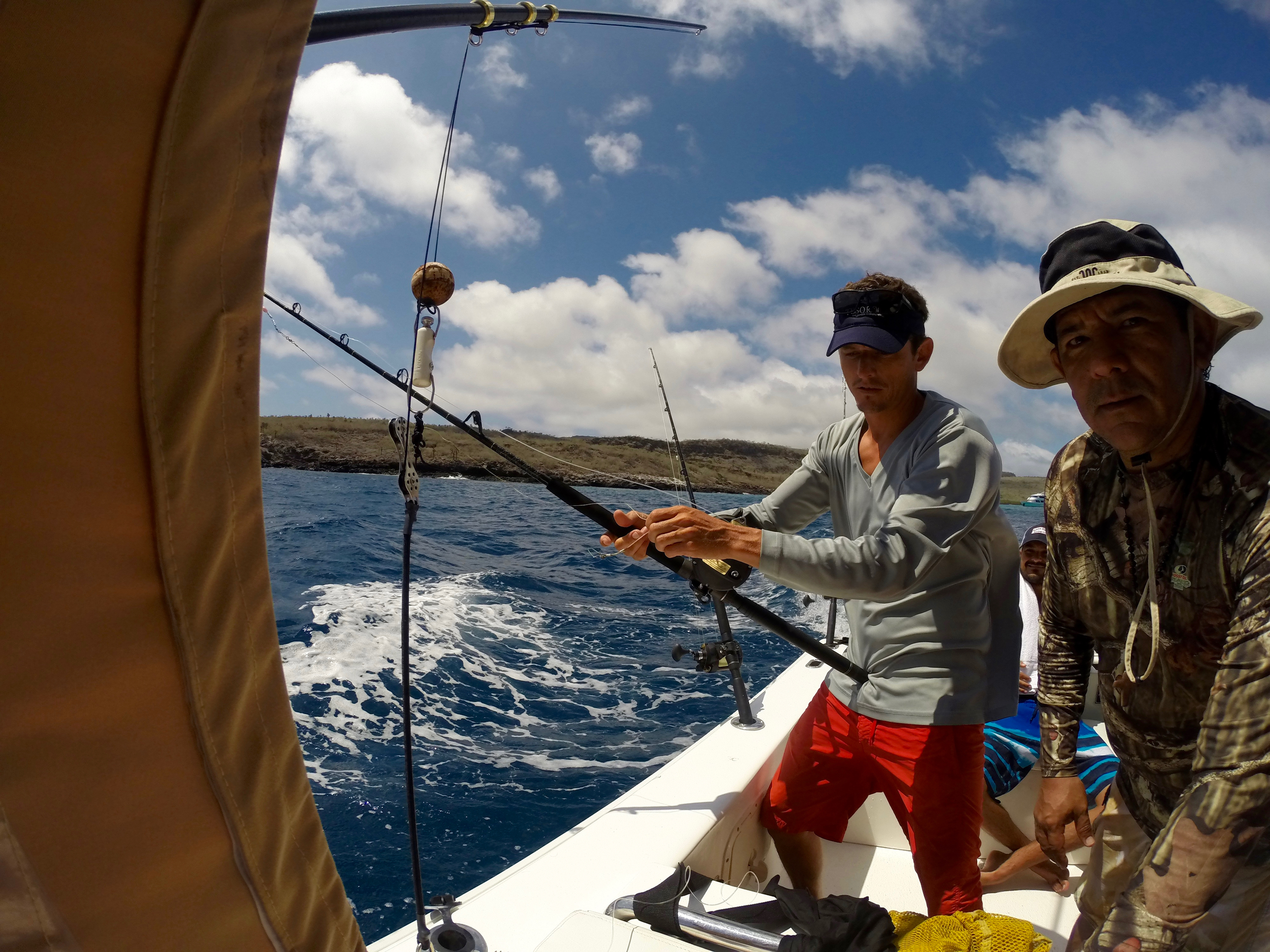
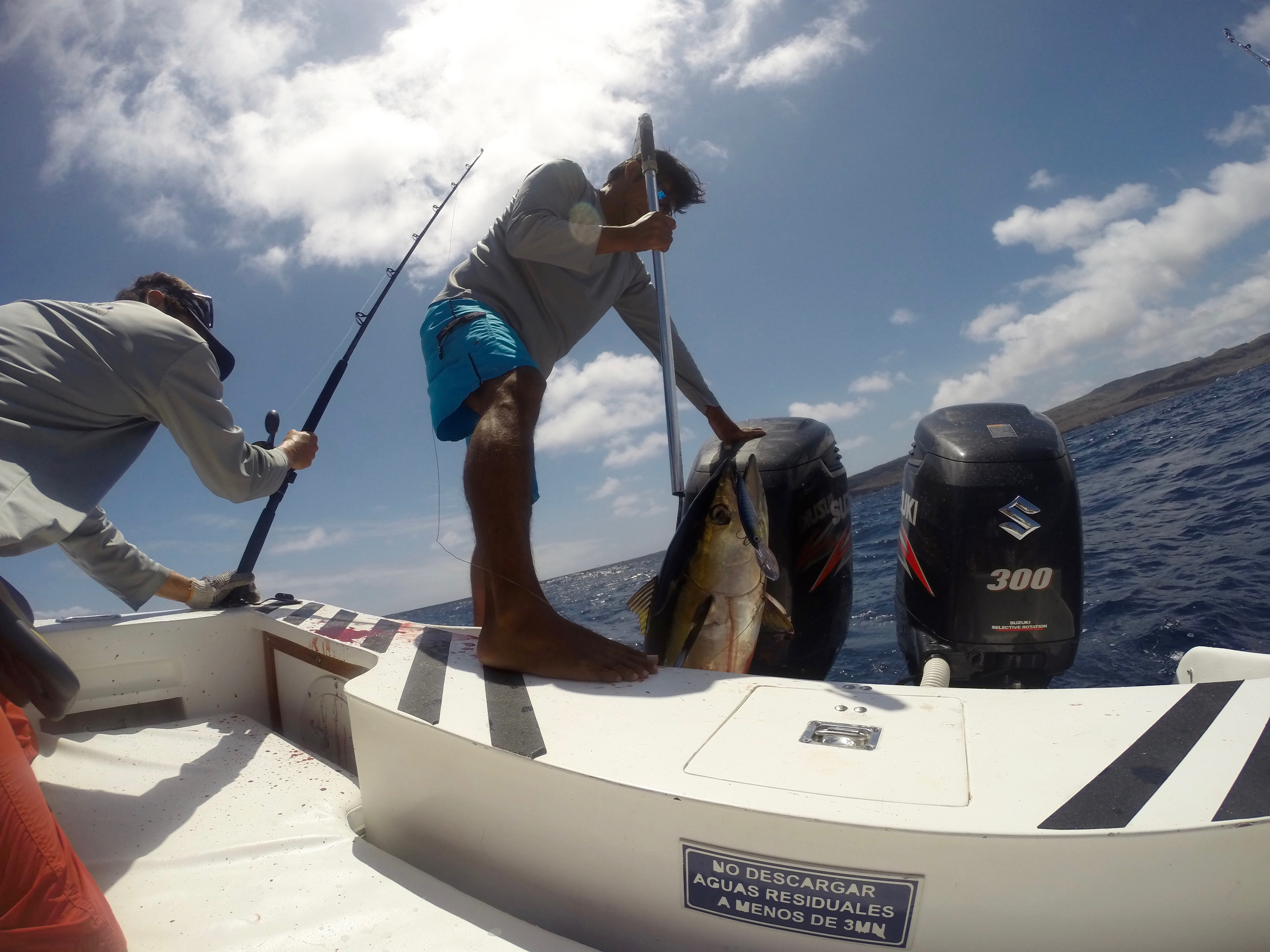
Two days later we found ourselves on another sickening boat ride, but this time it wasn’t to get us from island to island, this was a fishing trip (yes, it’s legal to fish in the Galapagos, surprisingly). We trolled around in the deep Pacific waters off the coast of Santa Cruz Island for no more than 20 minutes before the fishing pole nearest me jumped and the familiar ticking of the reel letting out line clacked over the sound of the boat’s engine.

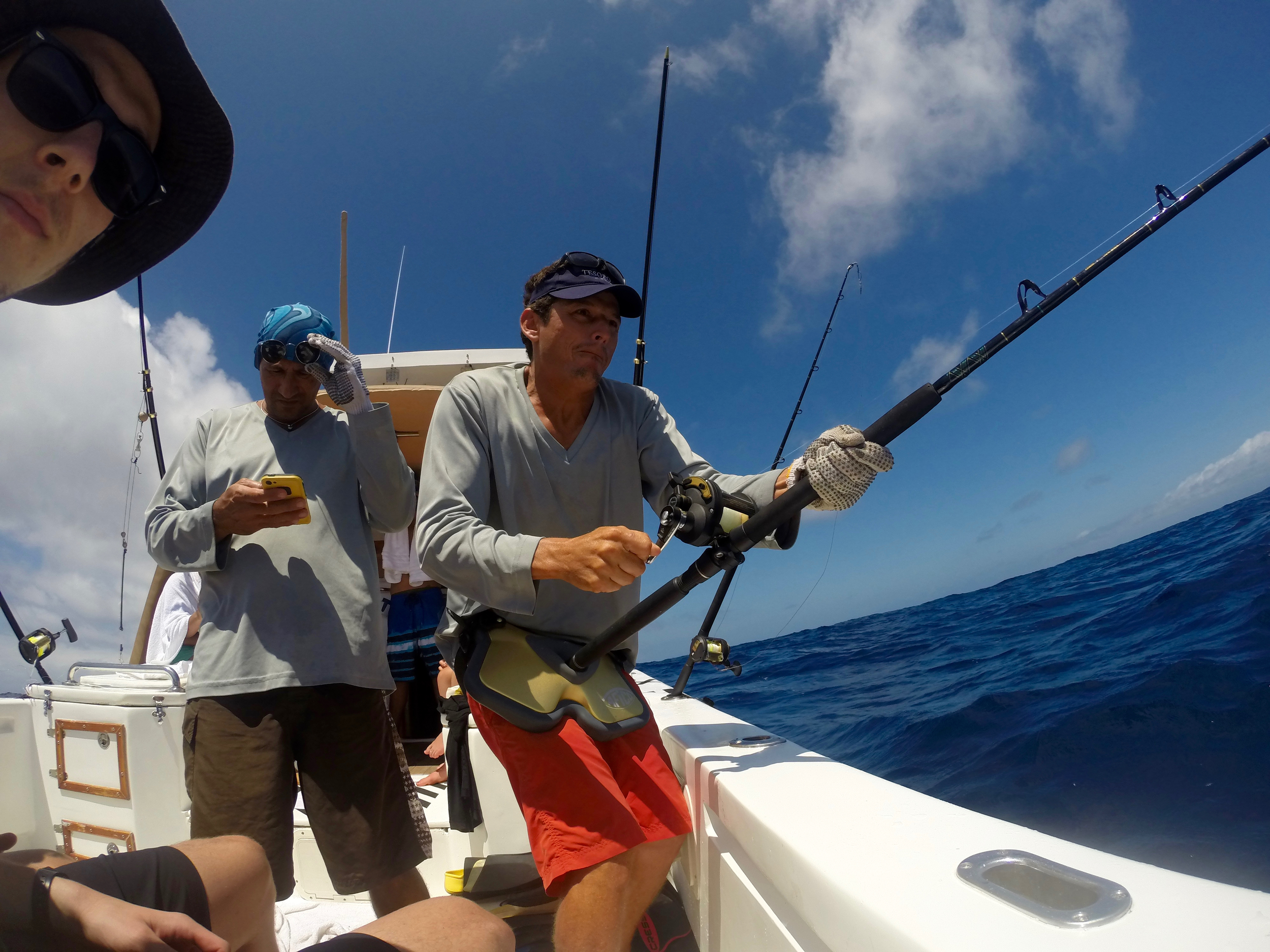
Not knowing what to do I looked around at the crew, waiting for them to take up the pole and start cranking. They all looked back at me and said “Go!” I jumped out of my seat and awkwardly grabbed the pole and struggled to crank, repeating the motion of pulling back on the pole and then cranking as fast as I could while I let the pole’s tip dip back towards the ocean’s surface, before heaving up on it again.

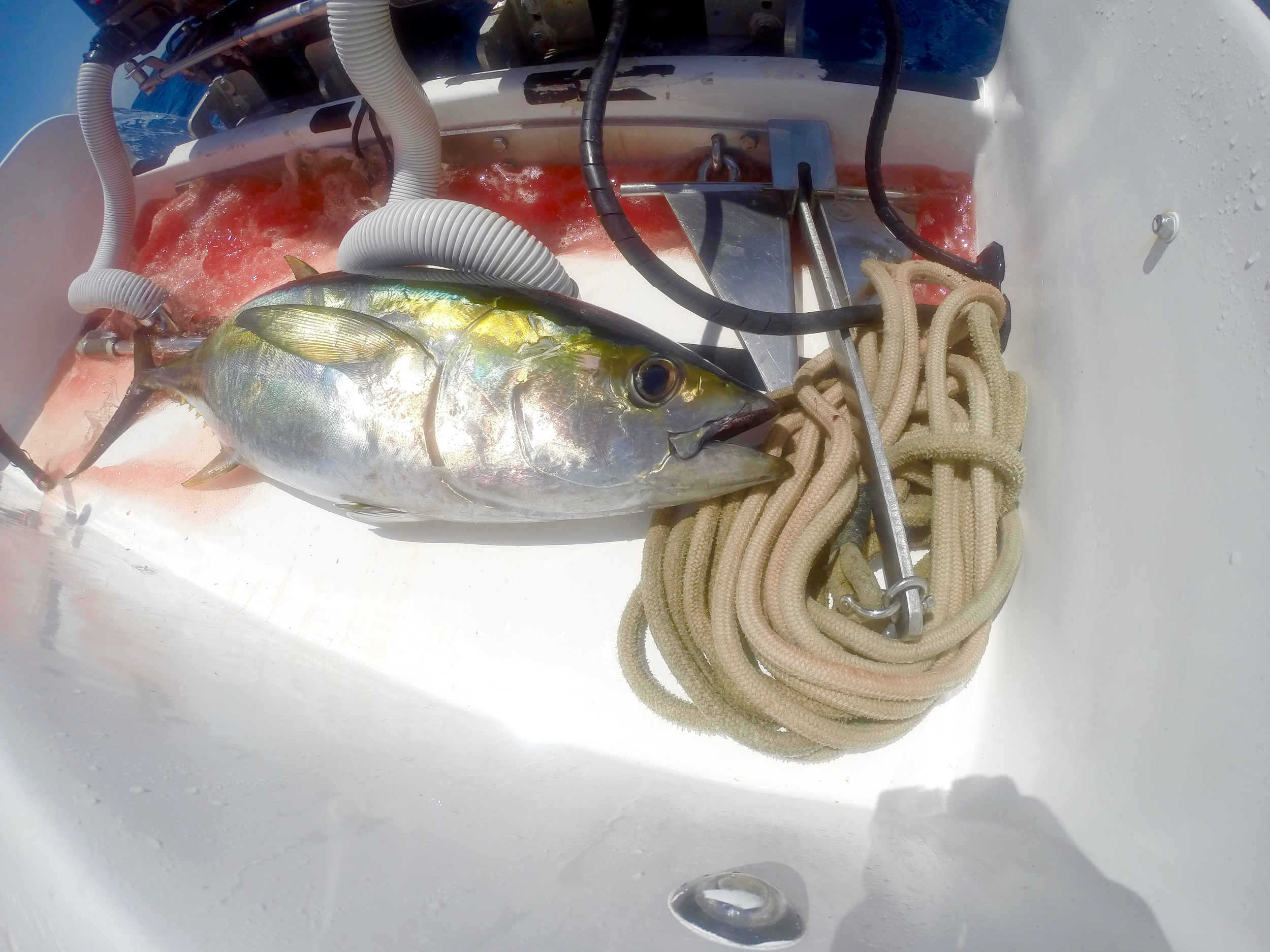
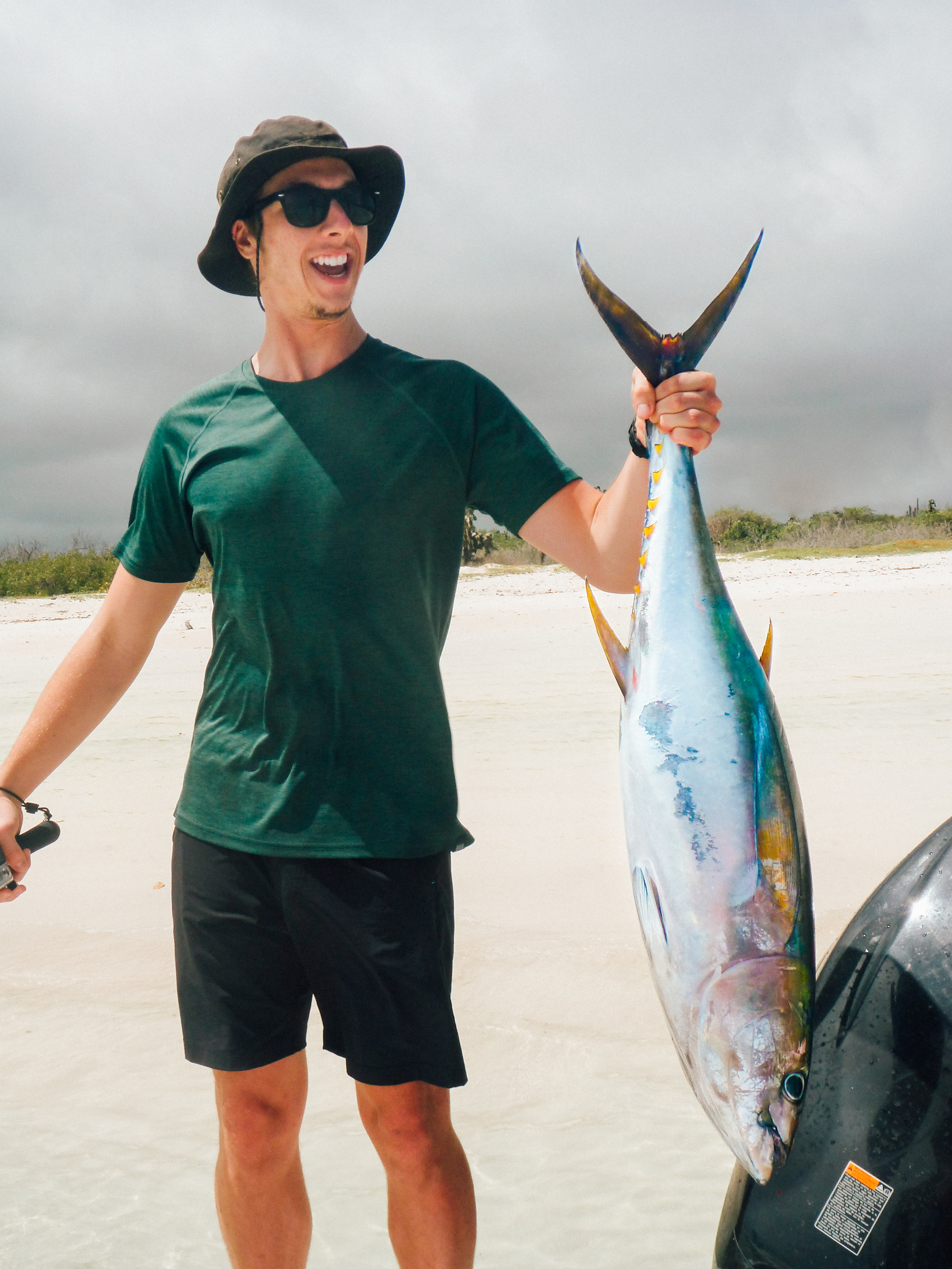
After about five minutes of my struggling a crew member realized that whatever fish we had hooked was much too big for my amateur fishing skills, so he grabbed the pole from my hands and continued the task of trying to tire out the fish. After another 10 minutes we finally had the 50-pound Yellowtail Tuna hooked and in the boat. Best Sashimi I’ve ever tasted.

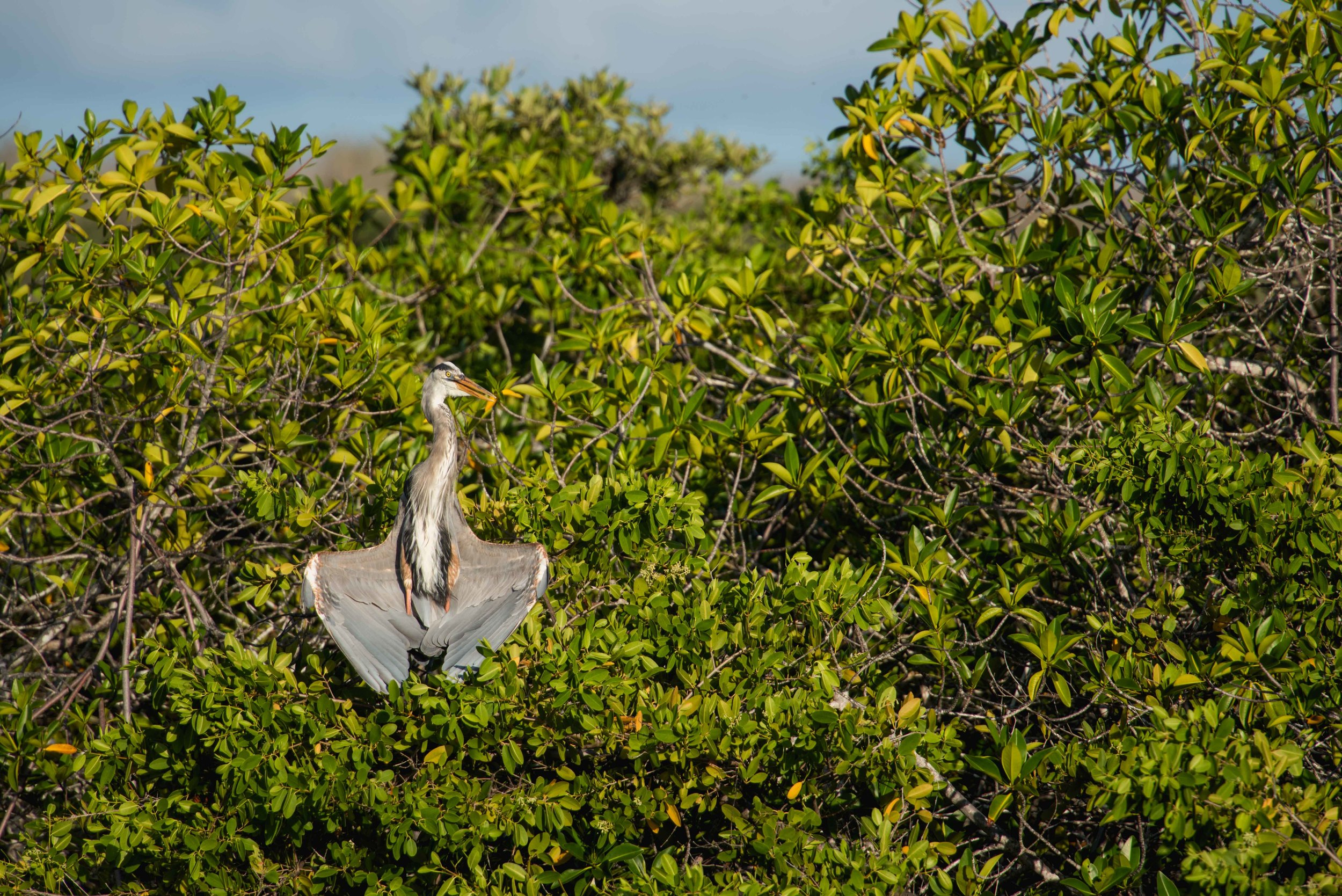
San Cristóbal Island, Galapagos 2015 by William Bryan

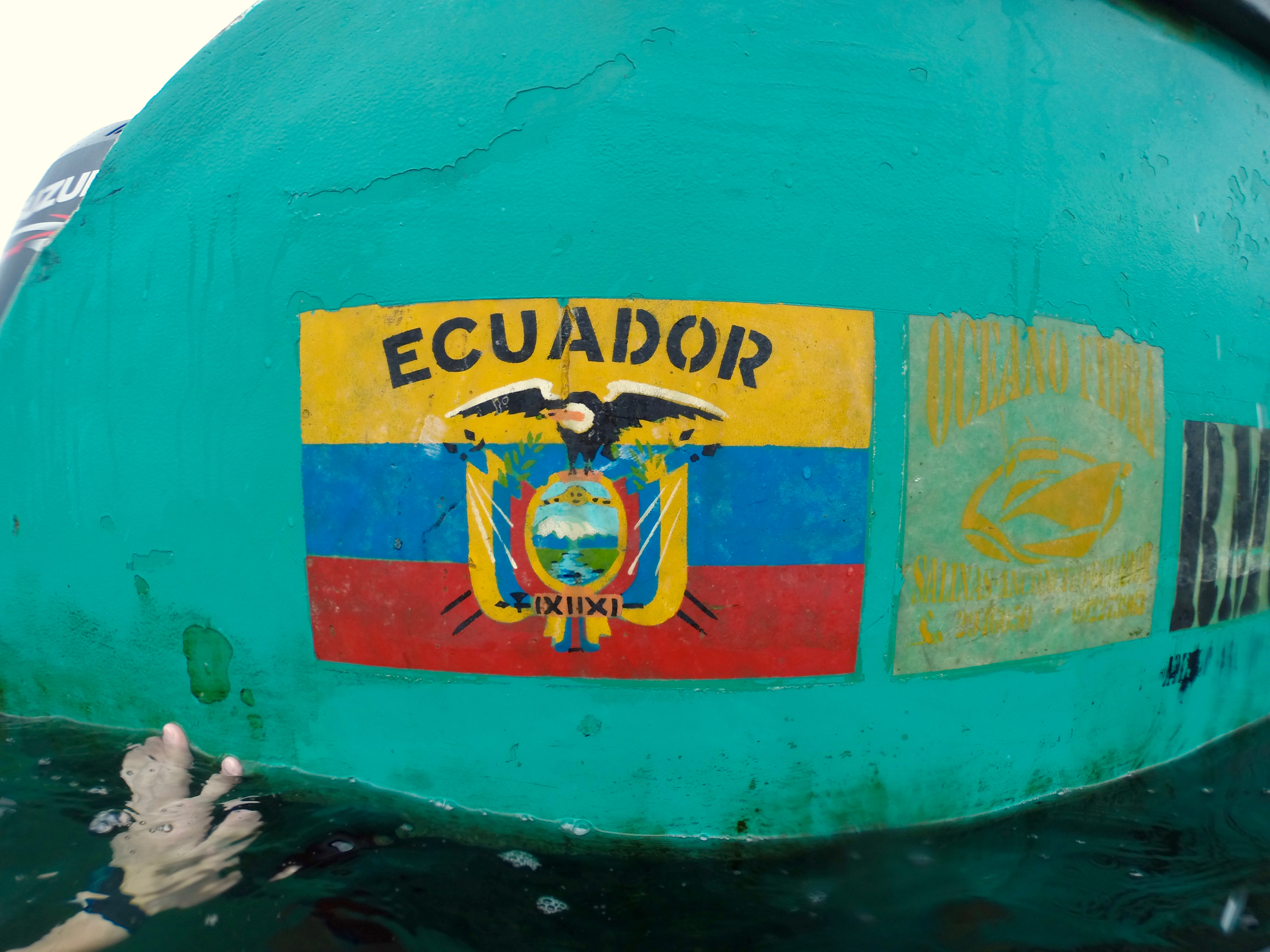
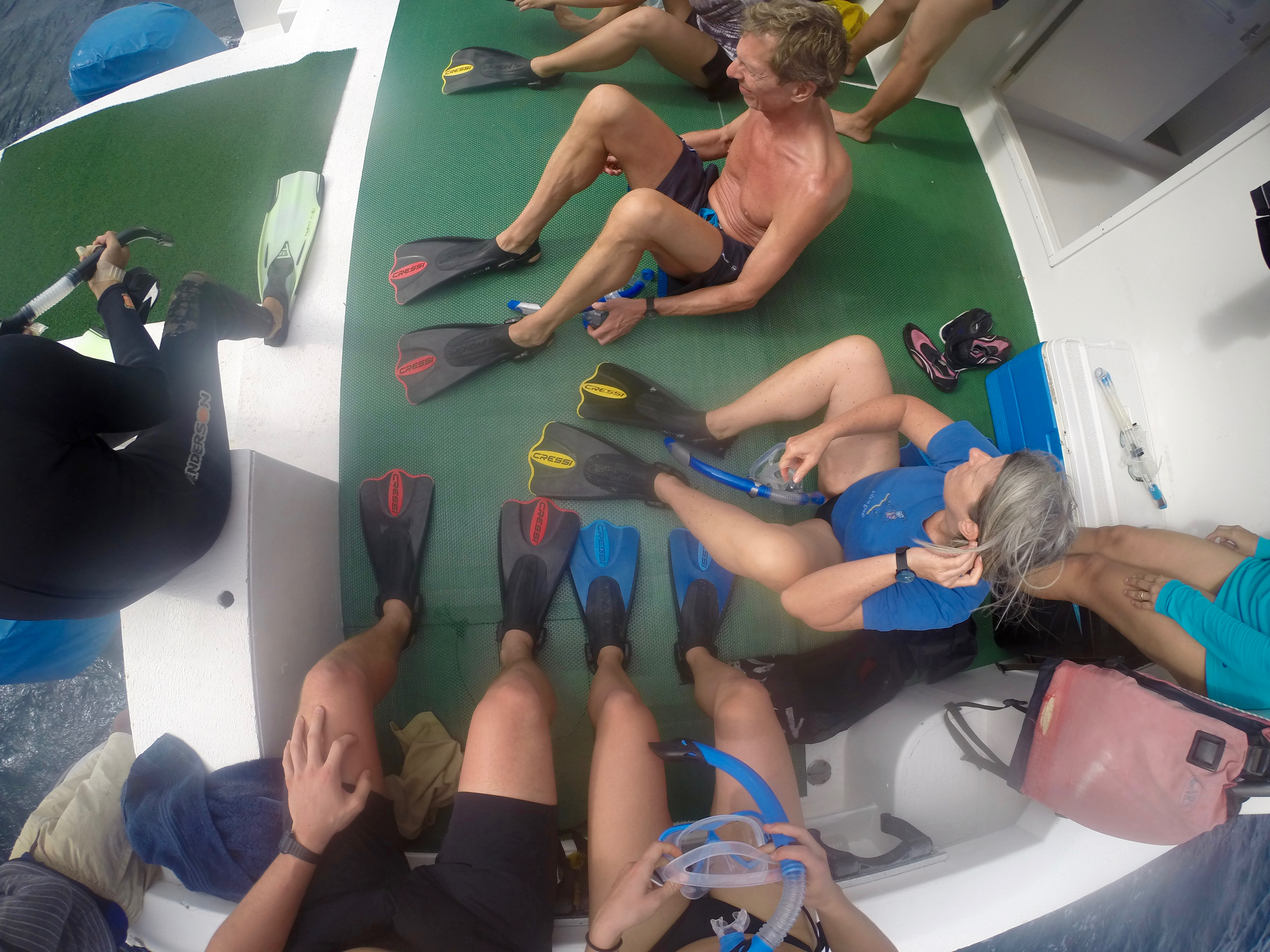
I looked across the speedboat at the other passengers, lurching every which way. Up, down, left, right, as my body followed theirs, bouncing around the front of the boat. We were told that the boat ride shouldn’t be more than two hours, but 15 minutes in, with no fresh air, I was surrounded by people who looked like they were on the edge of puking. Five minutes later three people next to me were throwing up into little plastic bags that the crew had handed out — so many people puke on these boats that the crew hands out barf bags to everyone. For an island-based tour of the Galapagos like ours the only way to get from island to island was by “speedboat,” and this was only our first crossing; traveling from San Cristóbal, the oldest island, to Santa Cruz Island, the most populated.

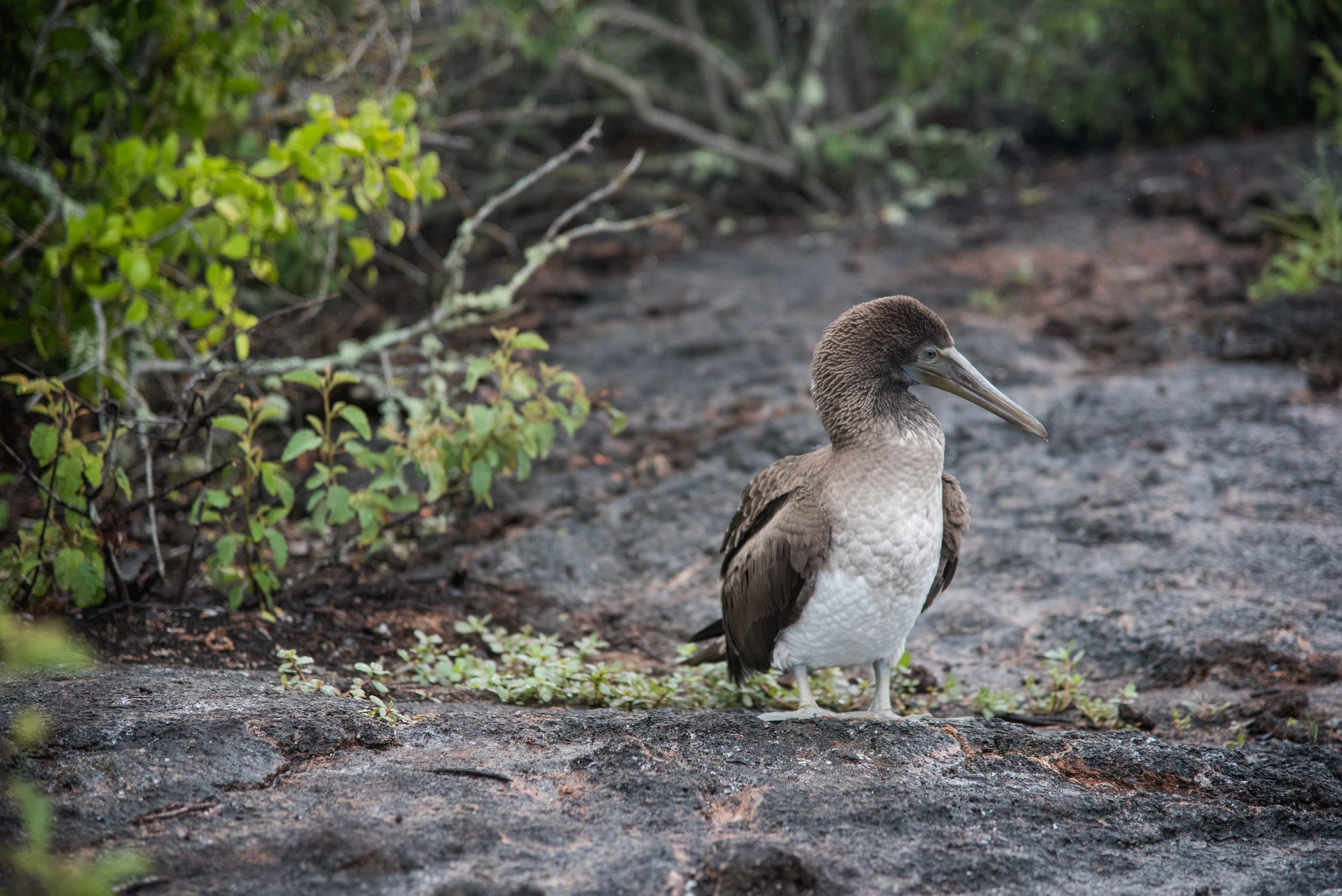
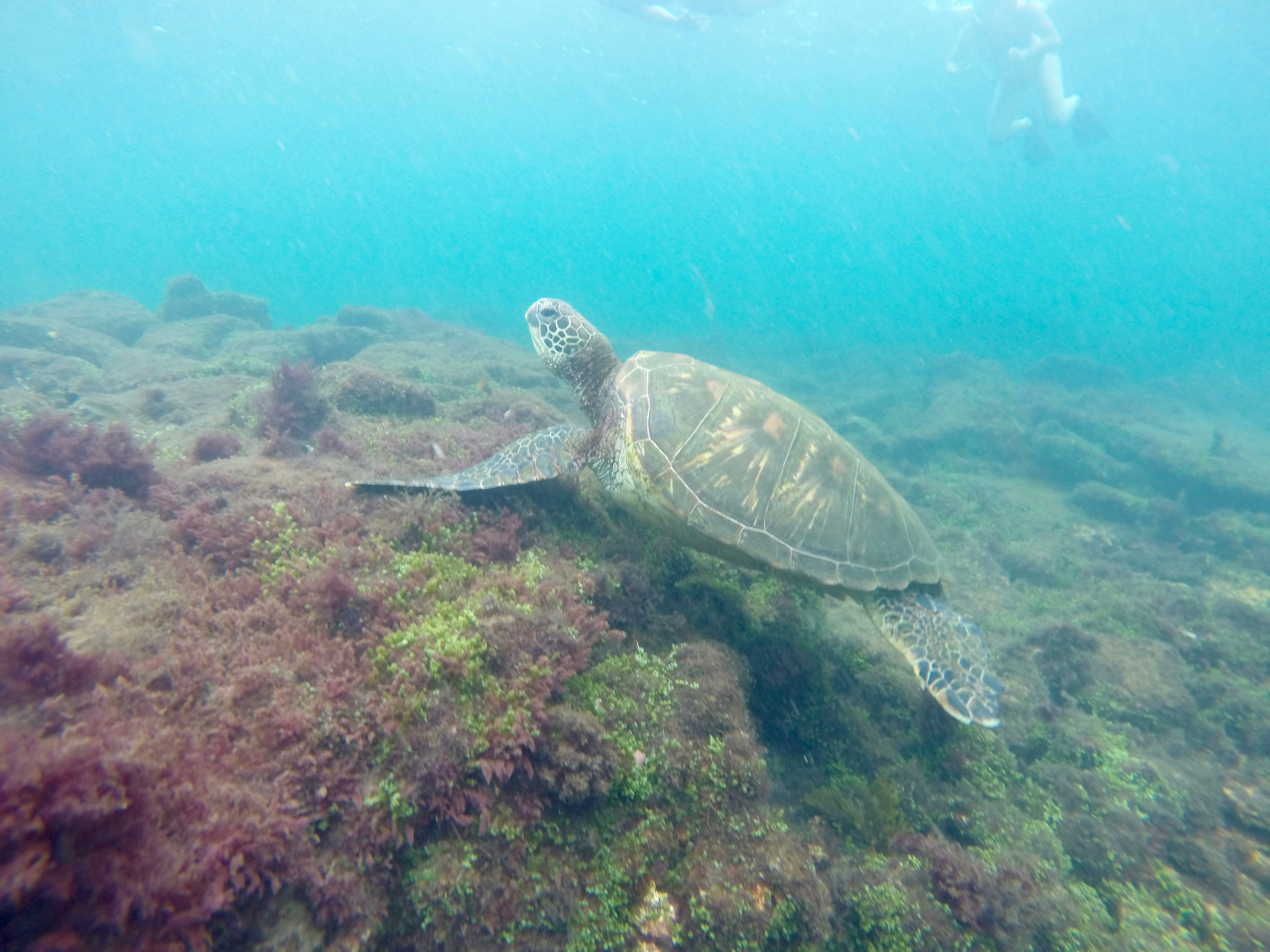
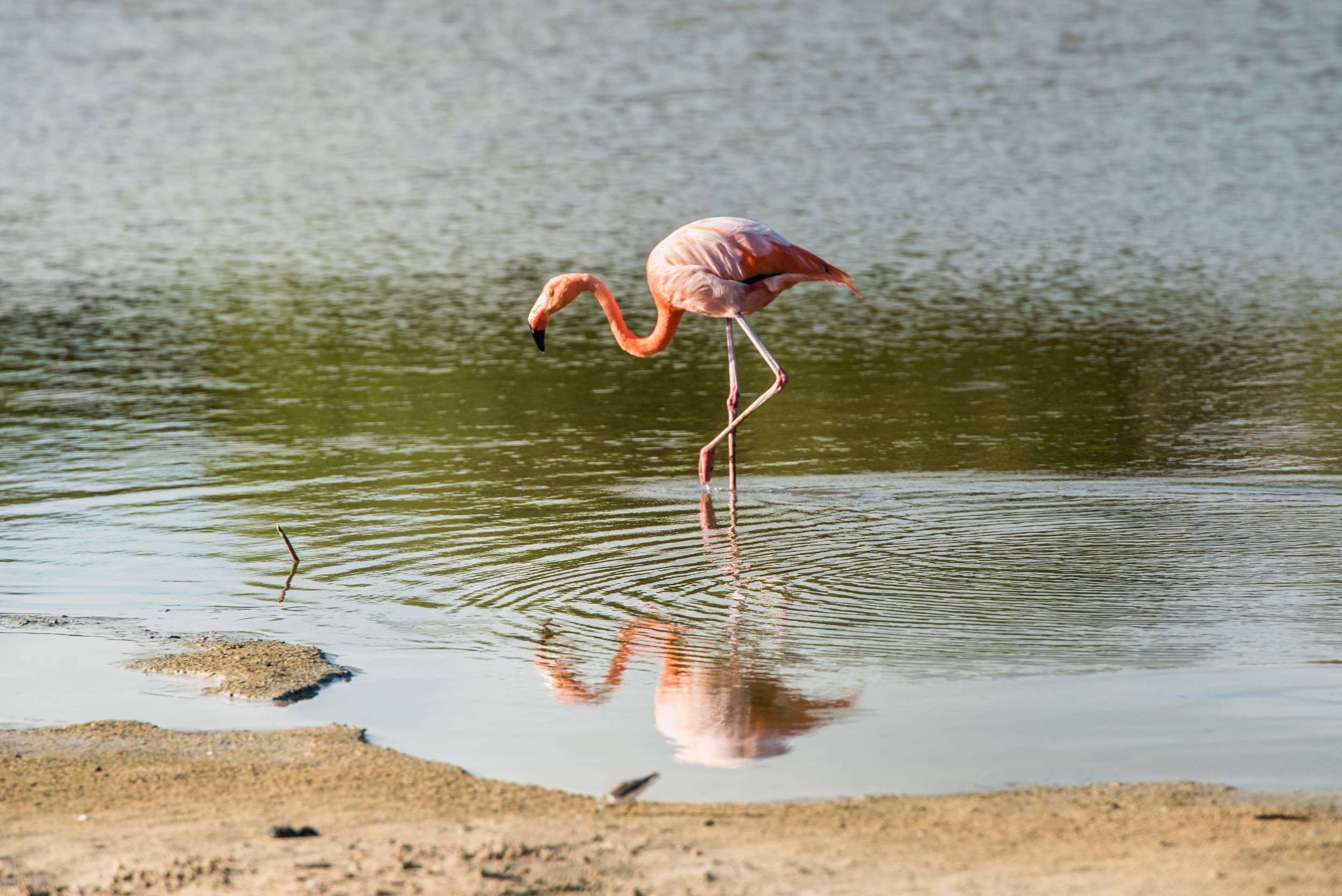
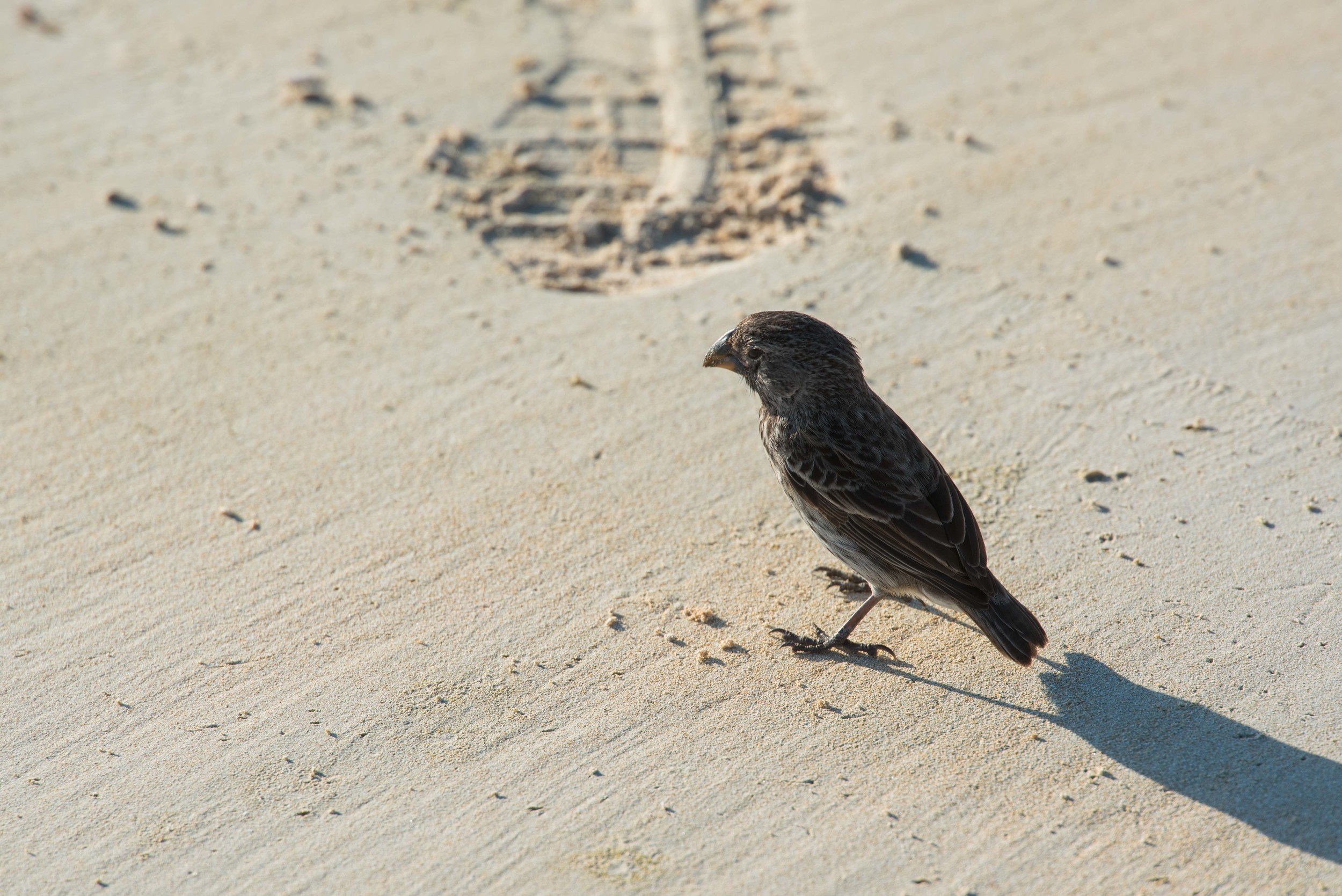
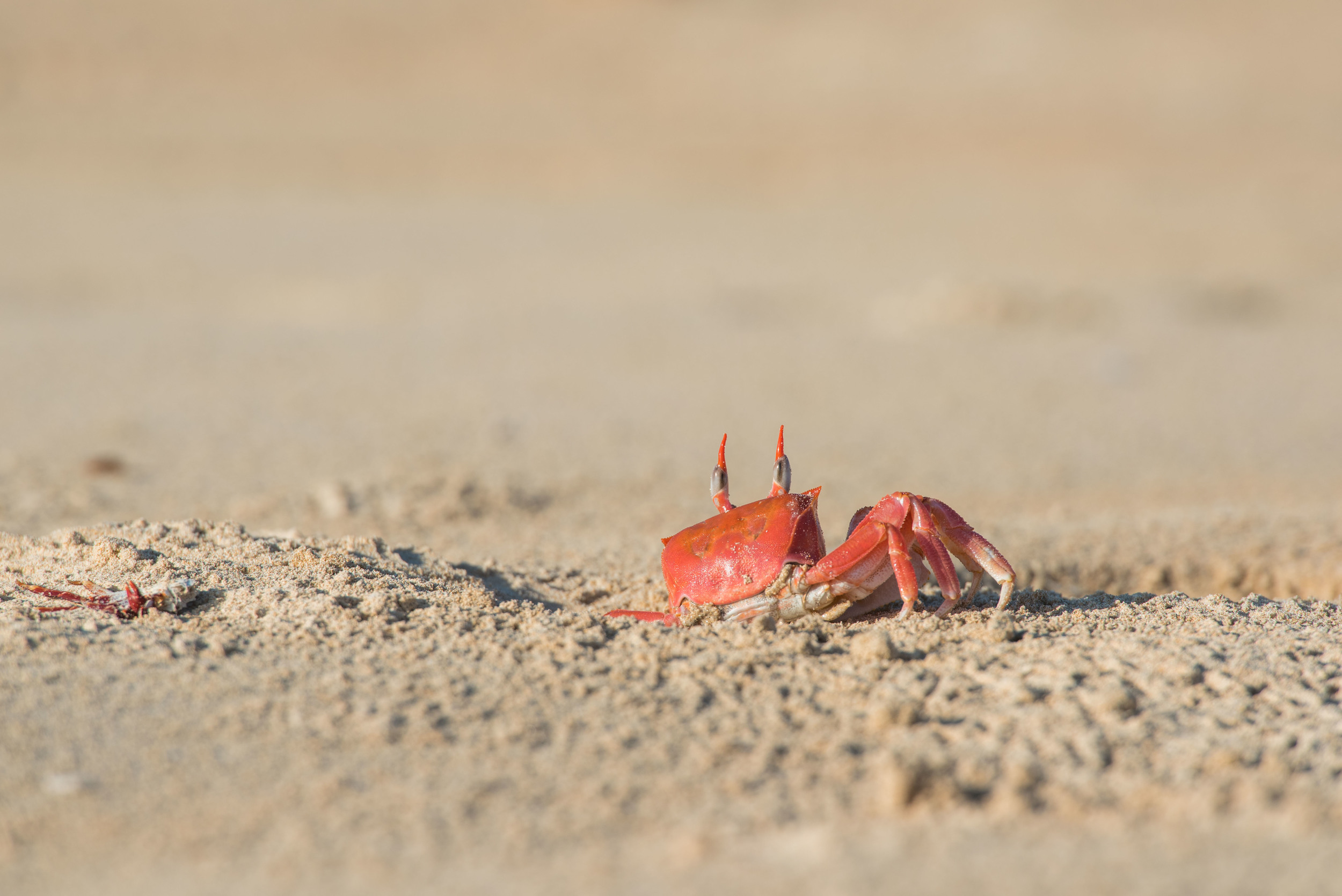
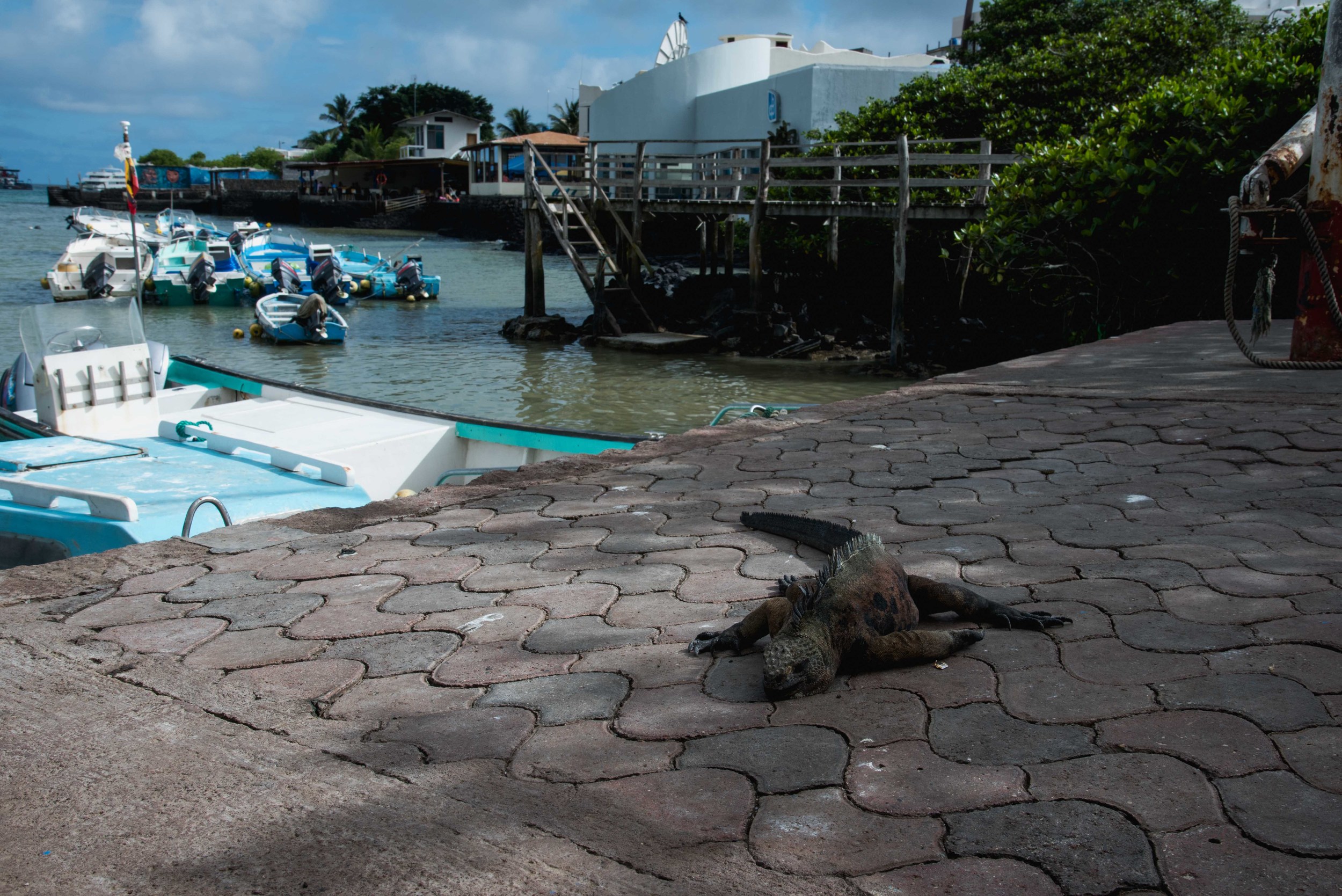
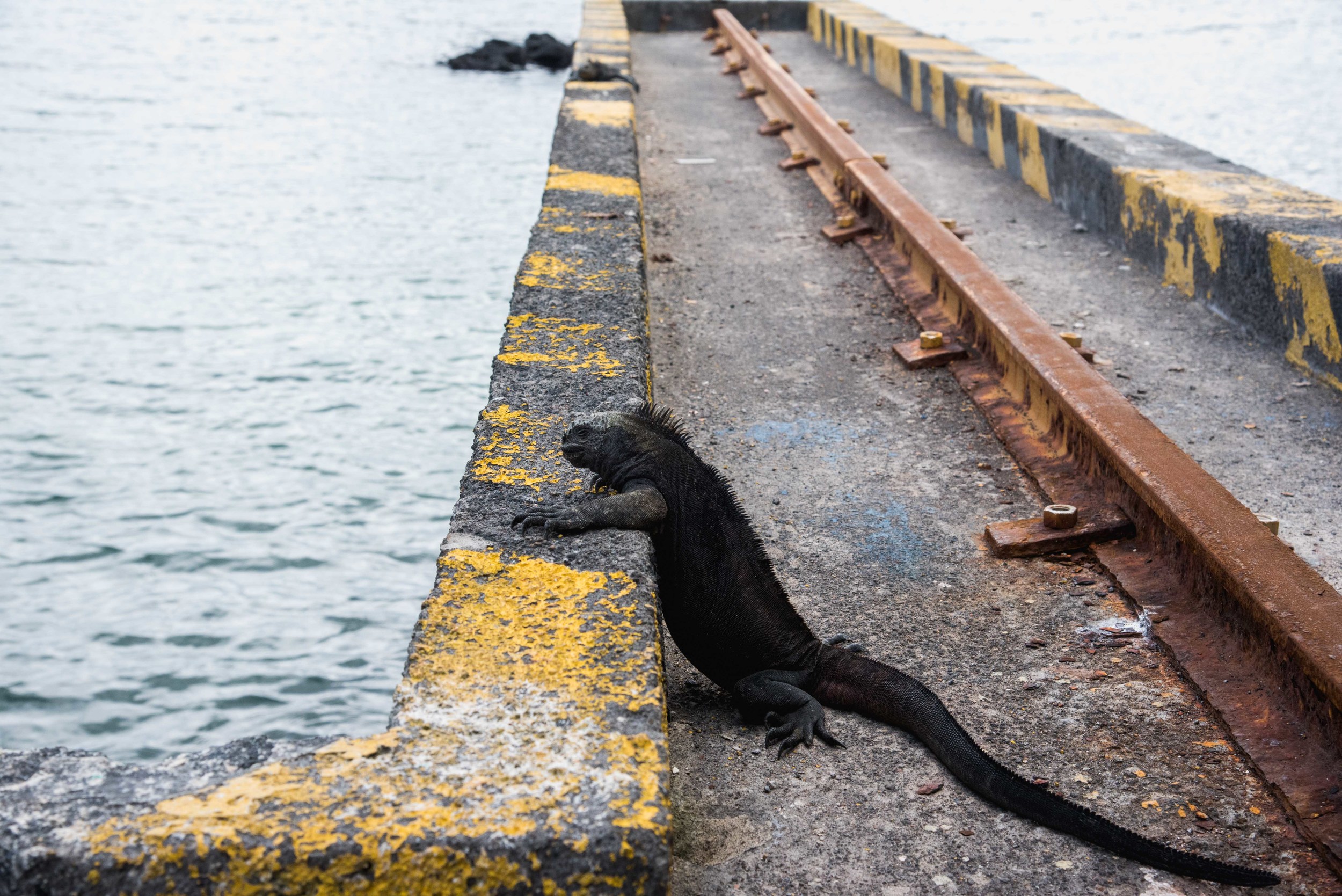
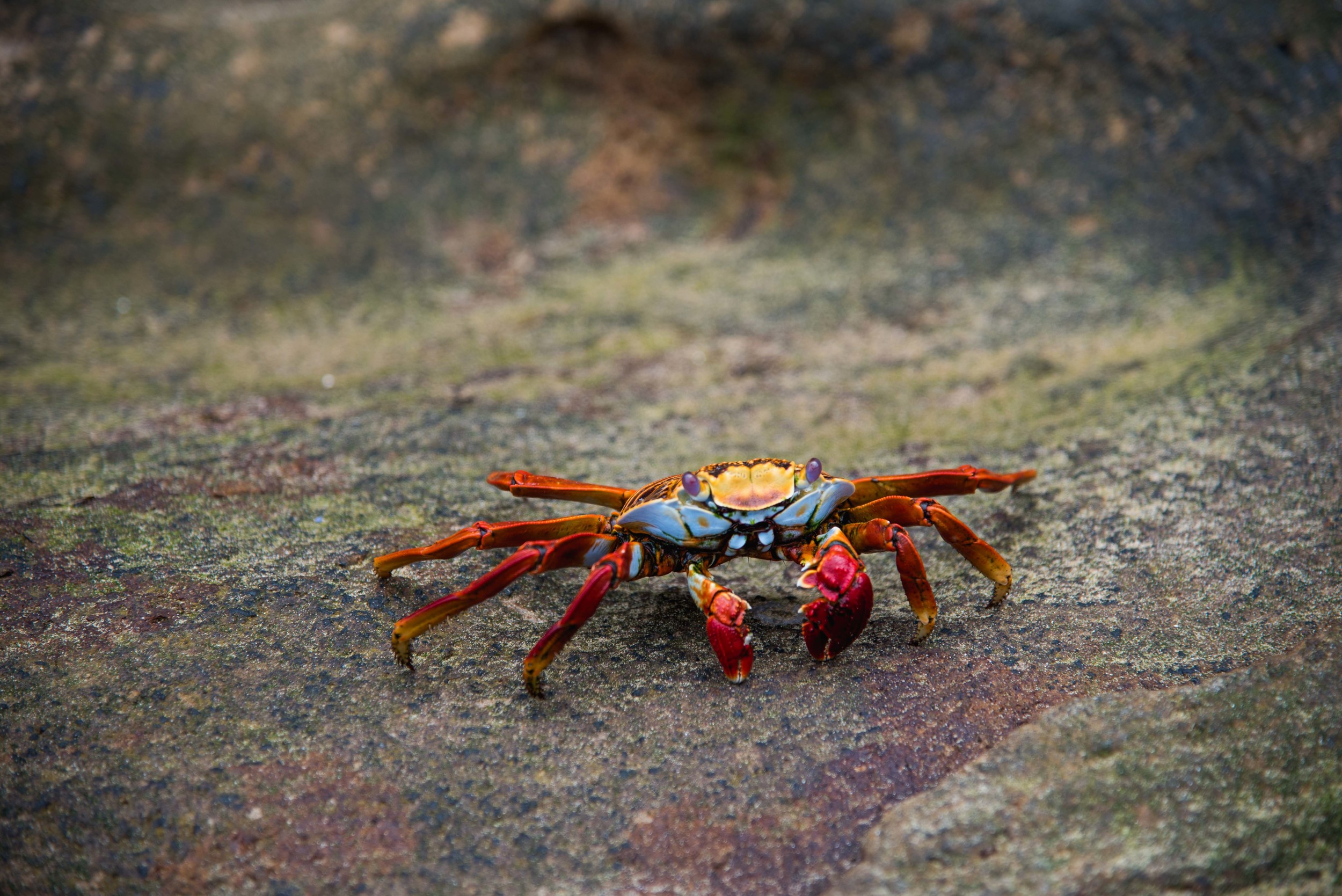
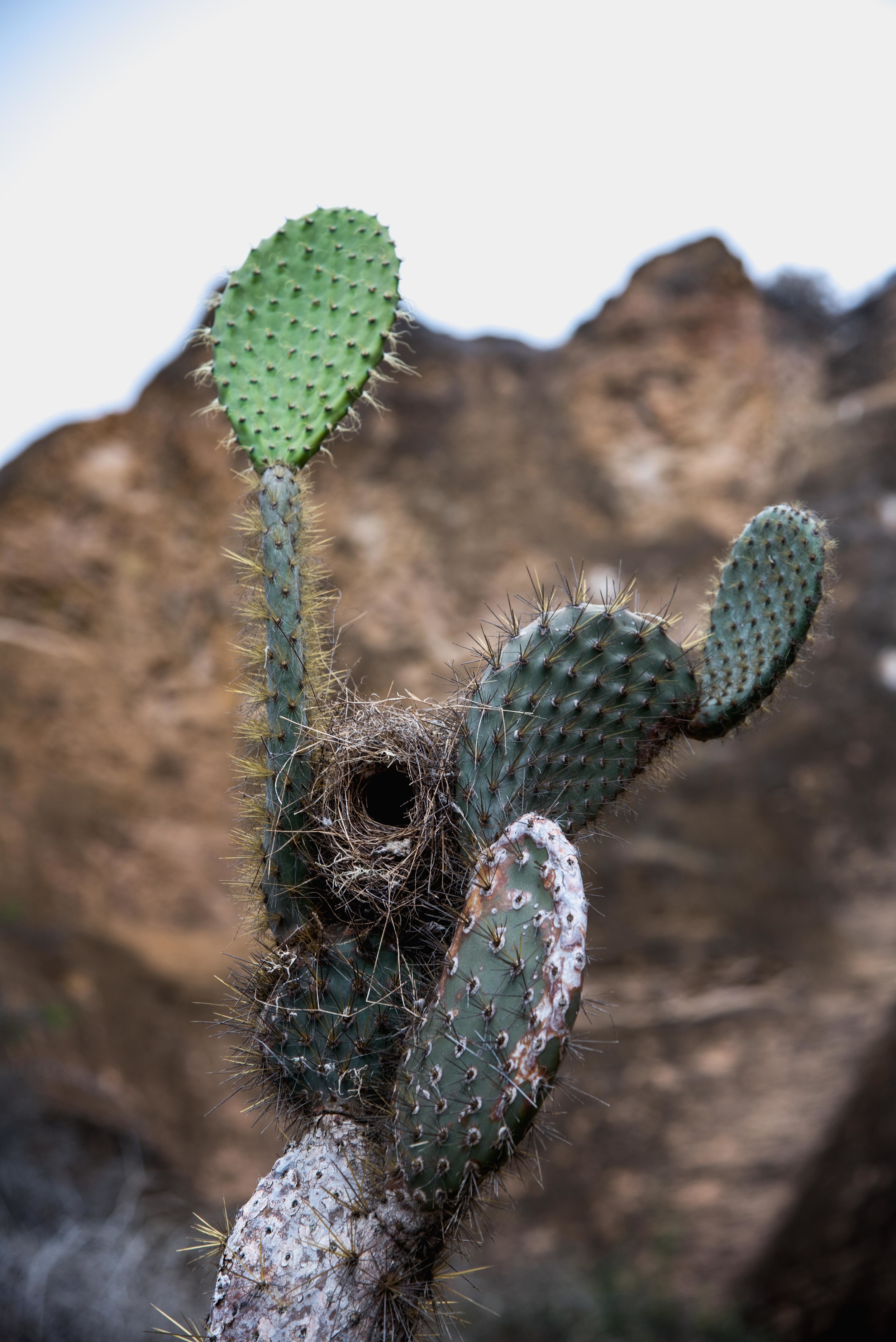
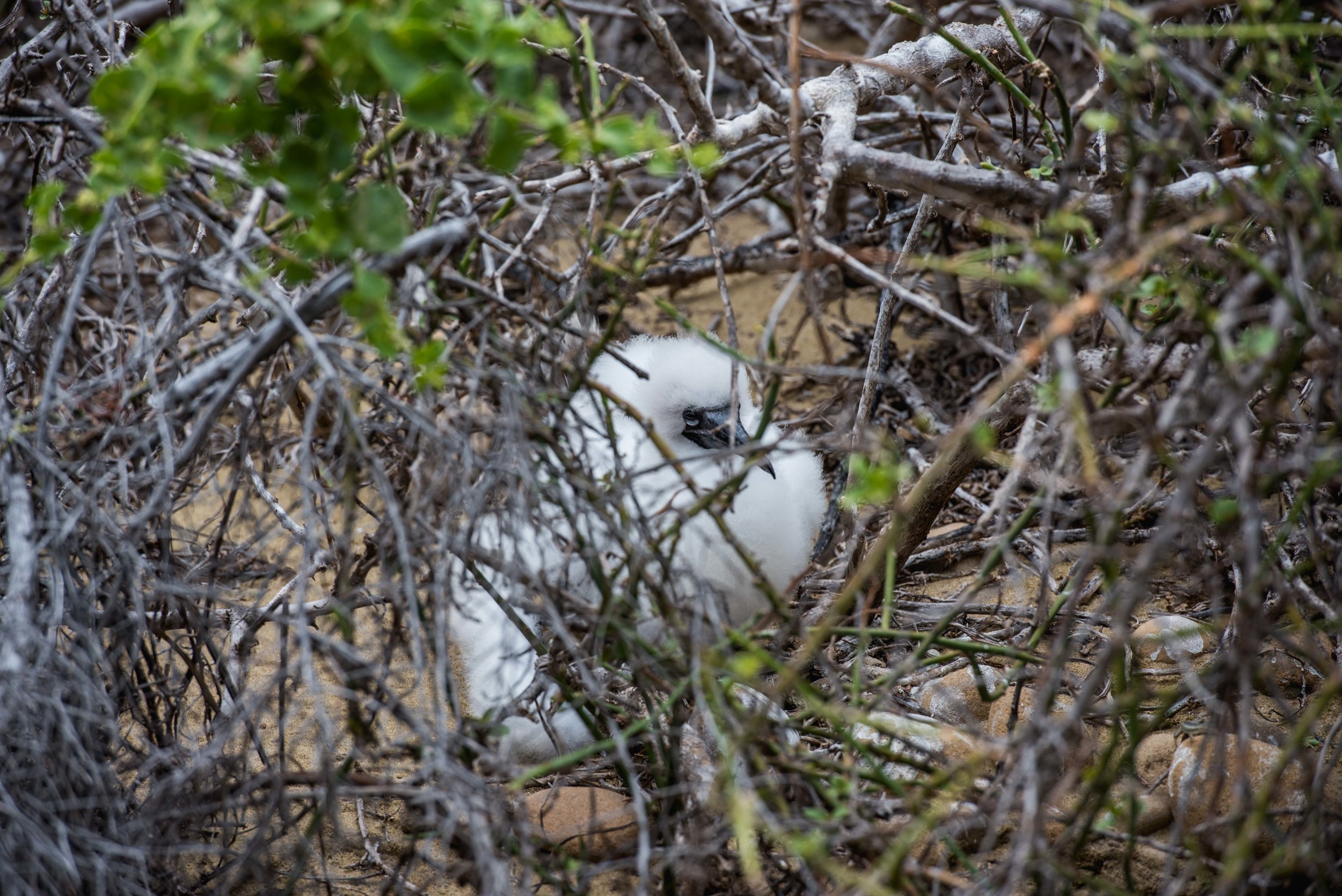
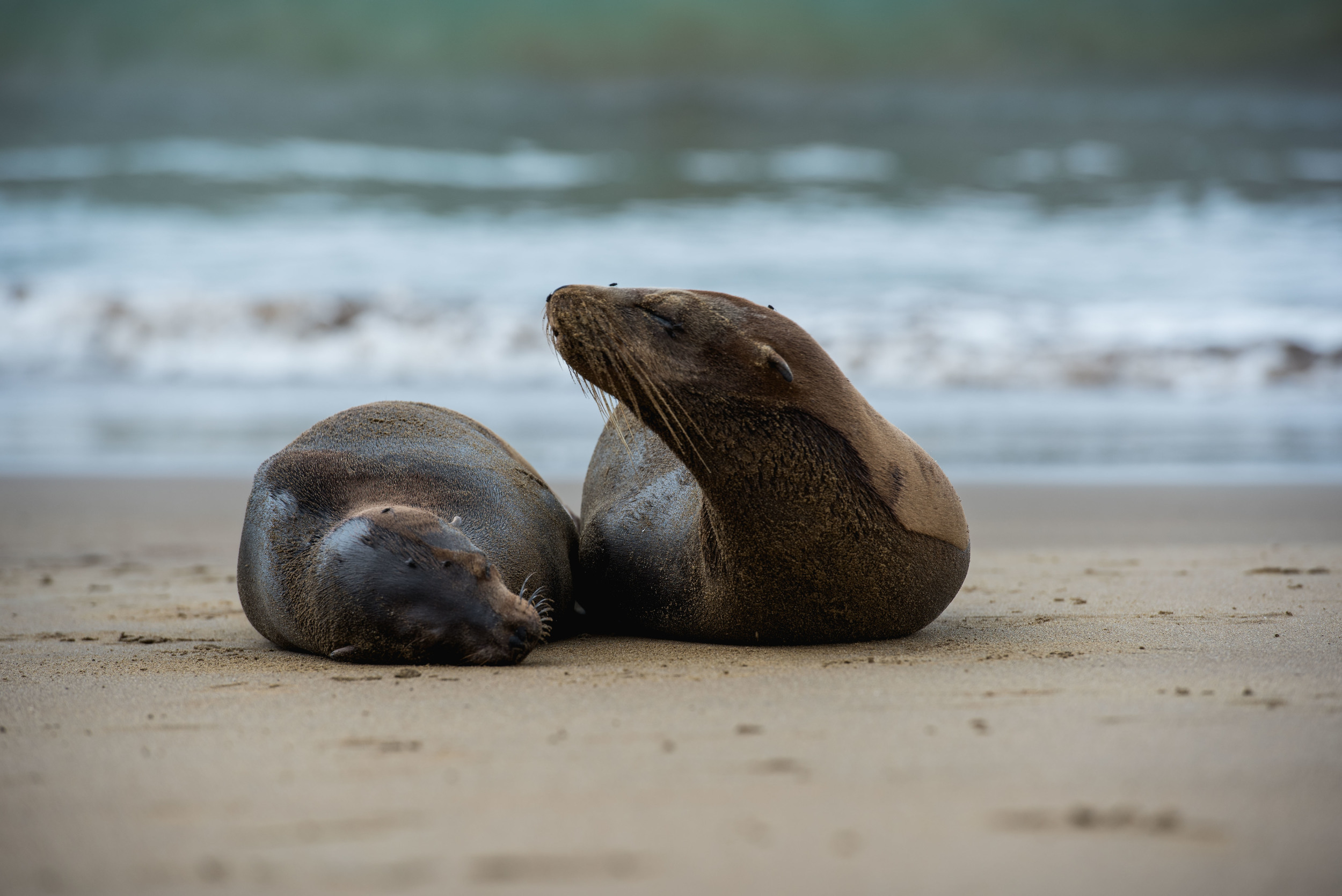
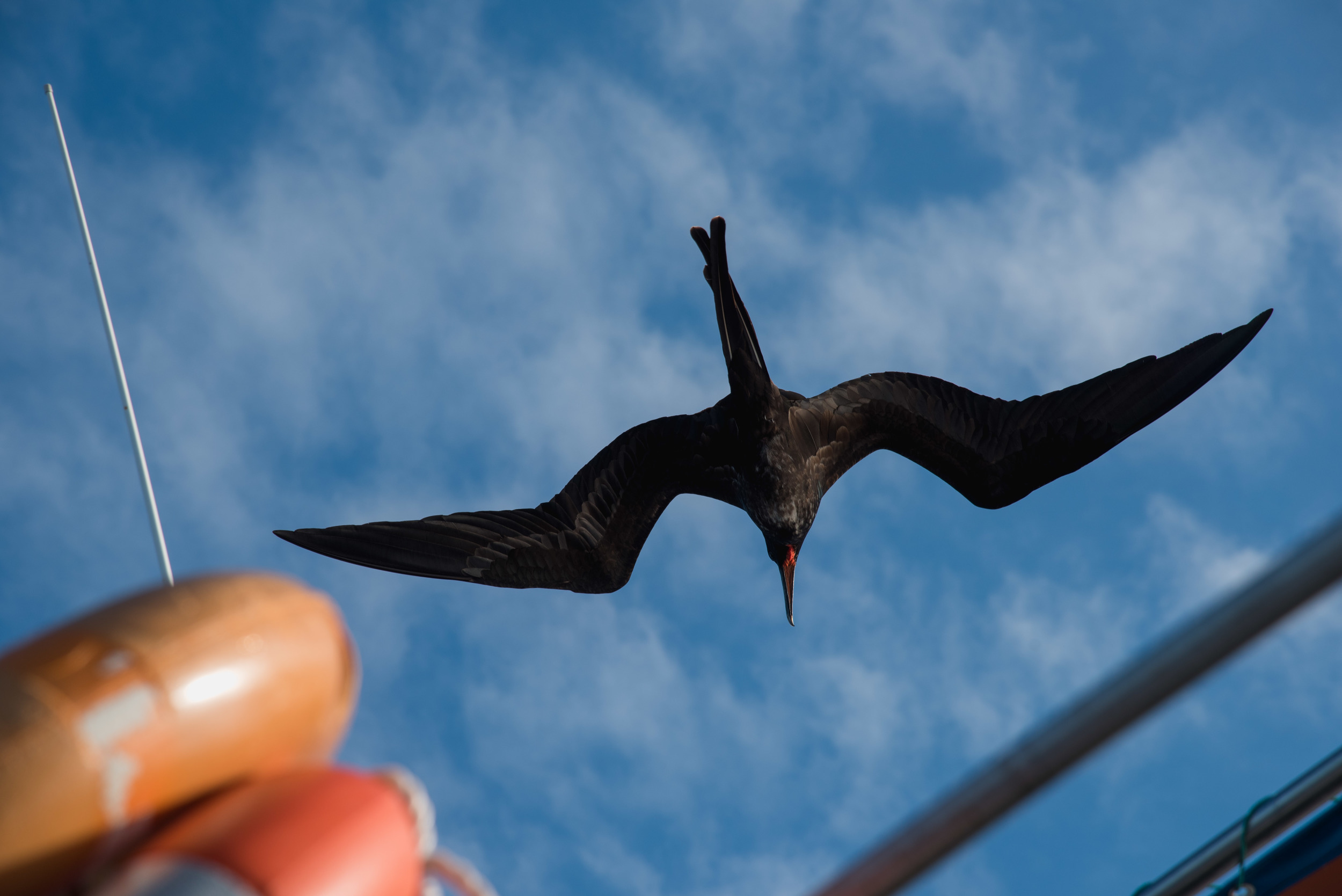
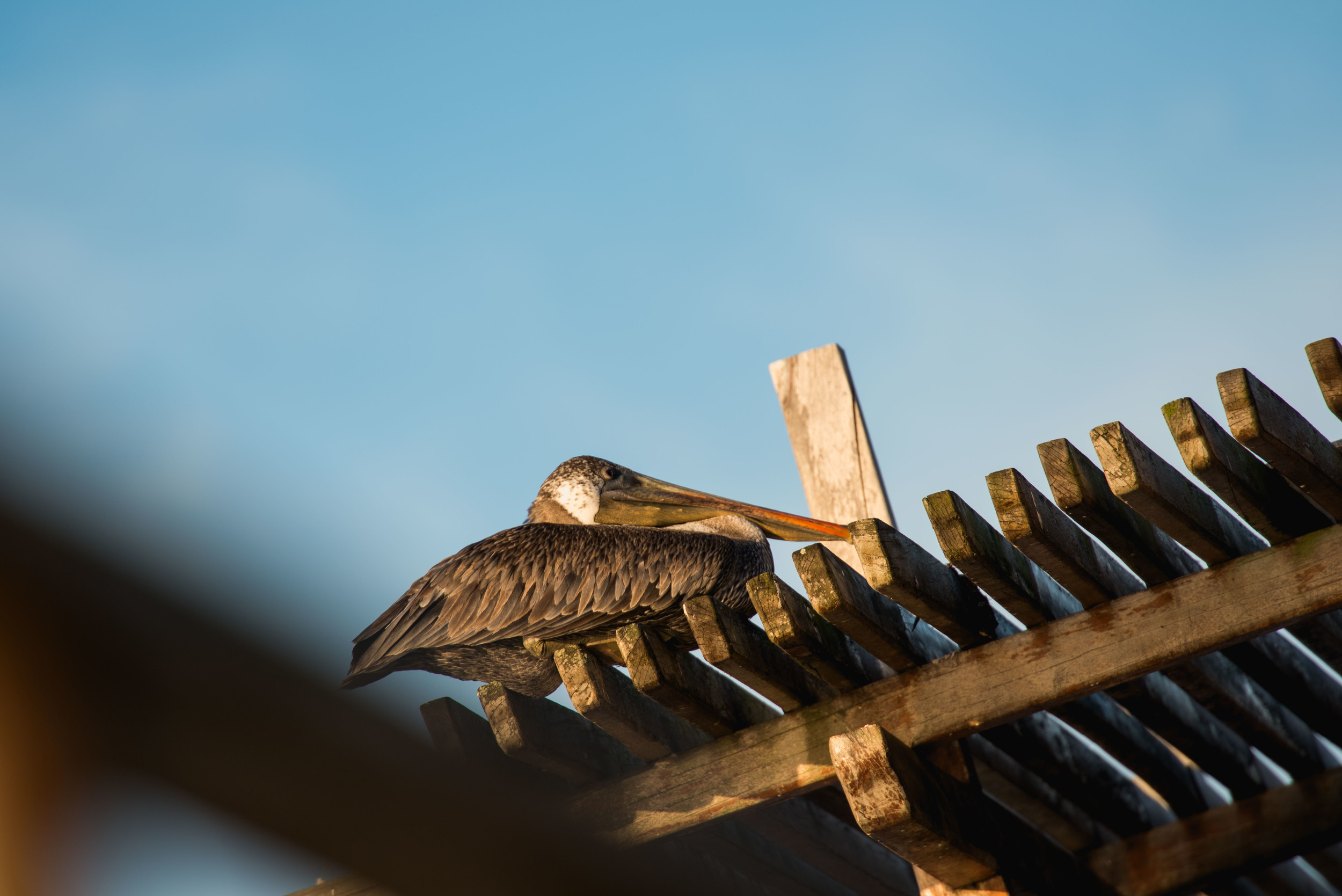
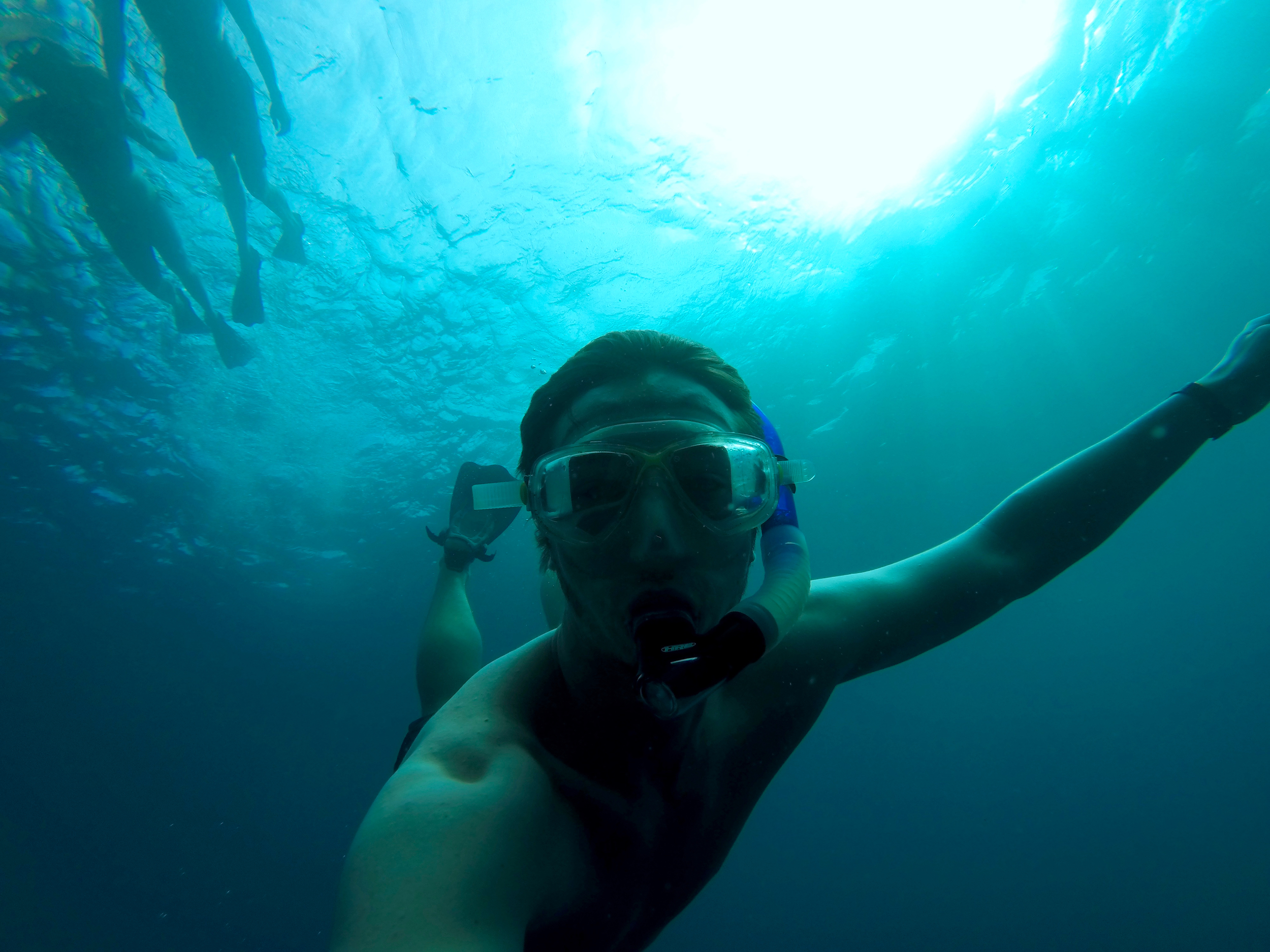
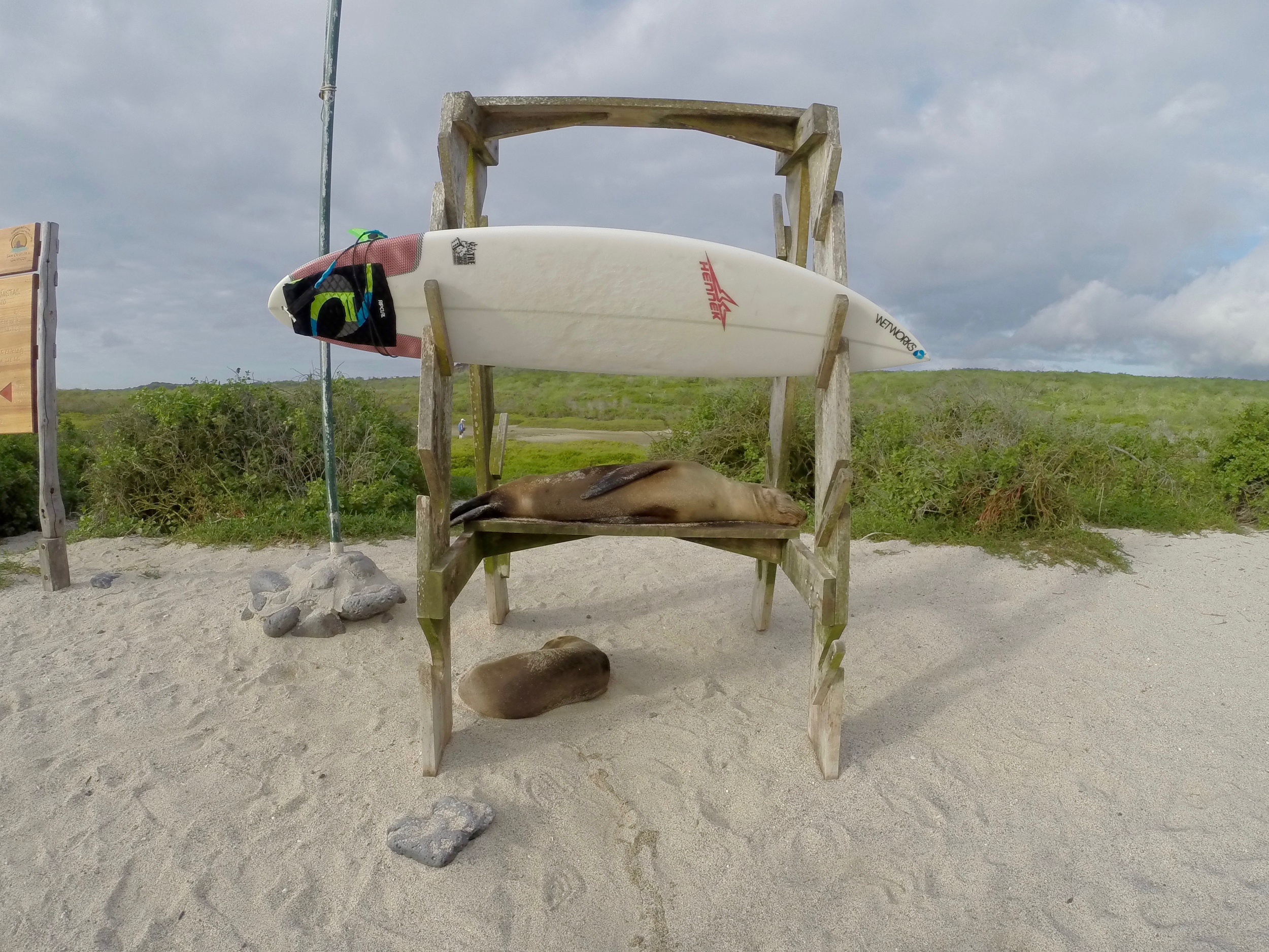
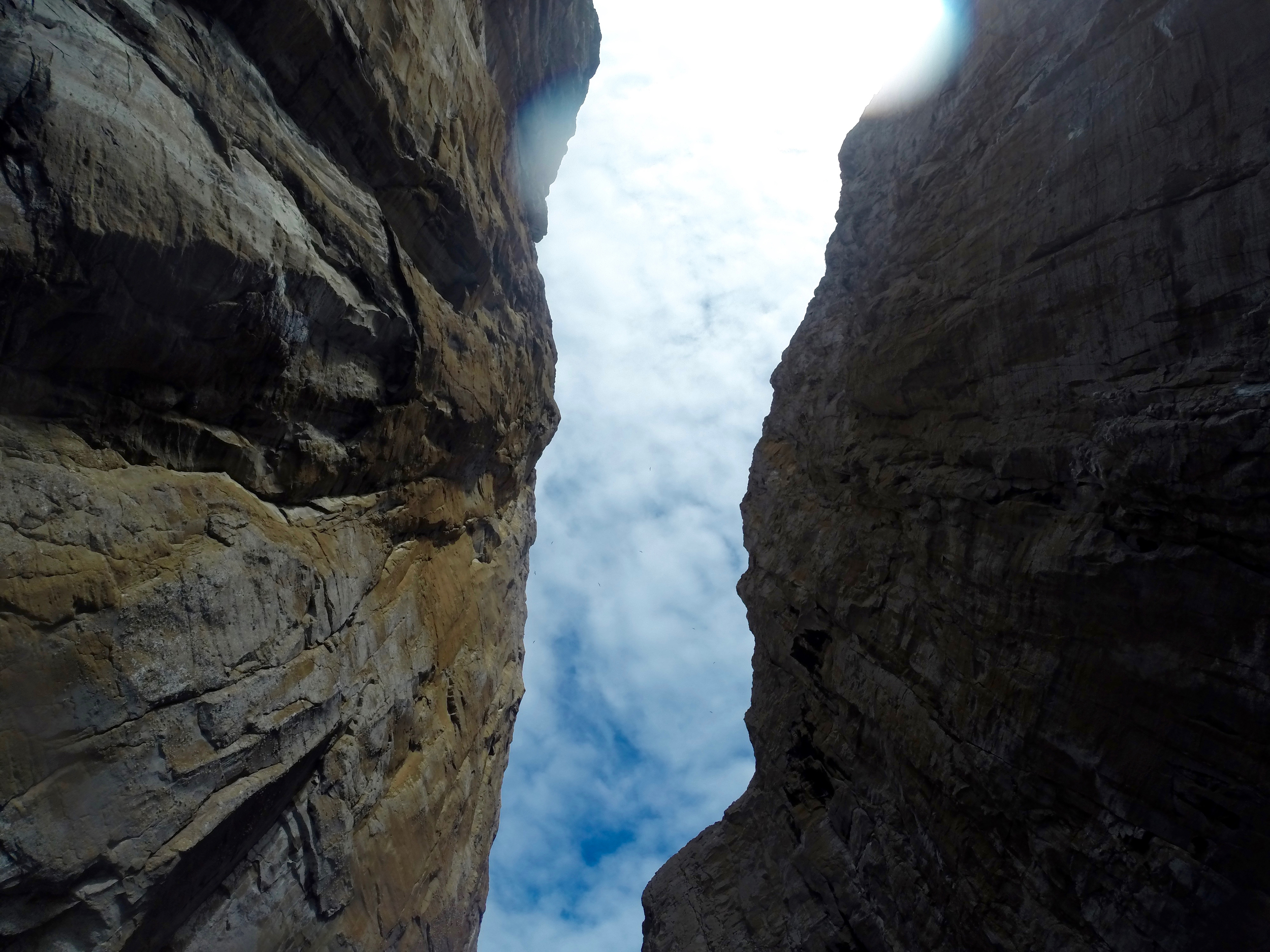
We spent the first three days on San Cristóbal Island where we spotted Red-Footed Boobies (I had no idea that Boobies come in four different varieties: Blue, Red, Masked, and Nazca), bright red crabs, Frigate birds with inflatable red gullets, Finches (both Darwin’s and others), Sea Turtles, and more Sea Lions than it’s possible for anyone to count. In order to see all of the wildlife we biked with no breaks in the pouring rain, took another boat ride (that wasn’t nearly as sickening as the others), and snorkeled in dark waters up to 130 feet deep.

Back at the capital town of the Galapagos, Puerto Moreno, we watched as local teenagers held dance practice along the waterfront with unassuming Sea Lions napping by the boom-box. We joined the rest of the tourists, which seem to far outnumber the locals, exploring the small town before waking up early the next morning to help replant native species of the Galapagos (good old fashioned voluntourism) while being attacked by bugs, I counted 87 bug bites in all. The delicious lunch that the farmers fed us definitely cost more to make than the price of our labor that day.

This is part one of three of my Galapagos Island posts, keep an eye out for two more coming soon!

Ecuador 2015 by William Bryan

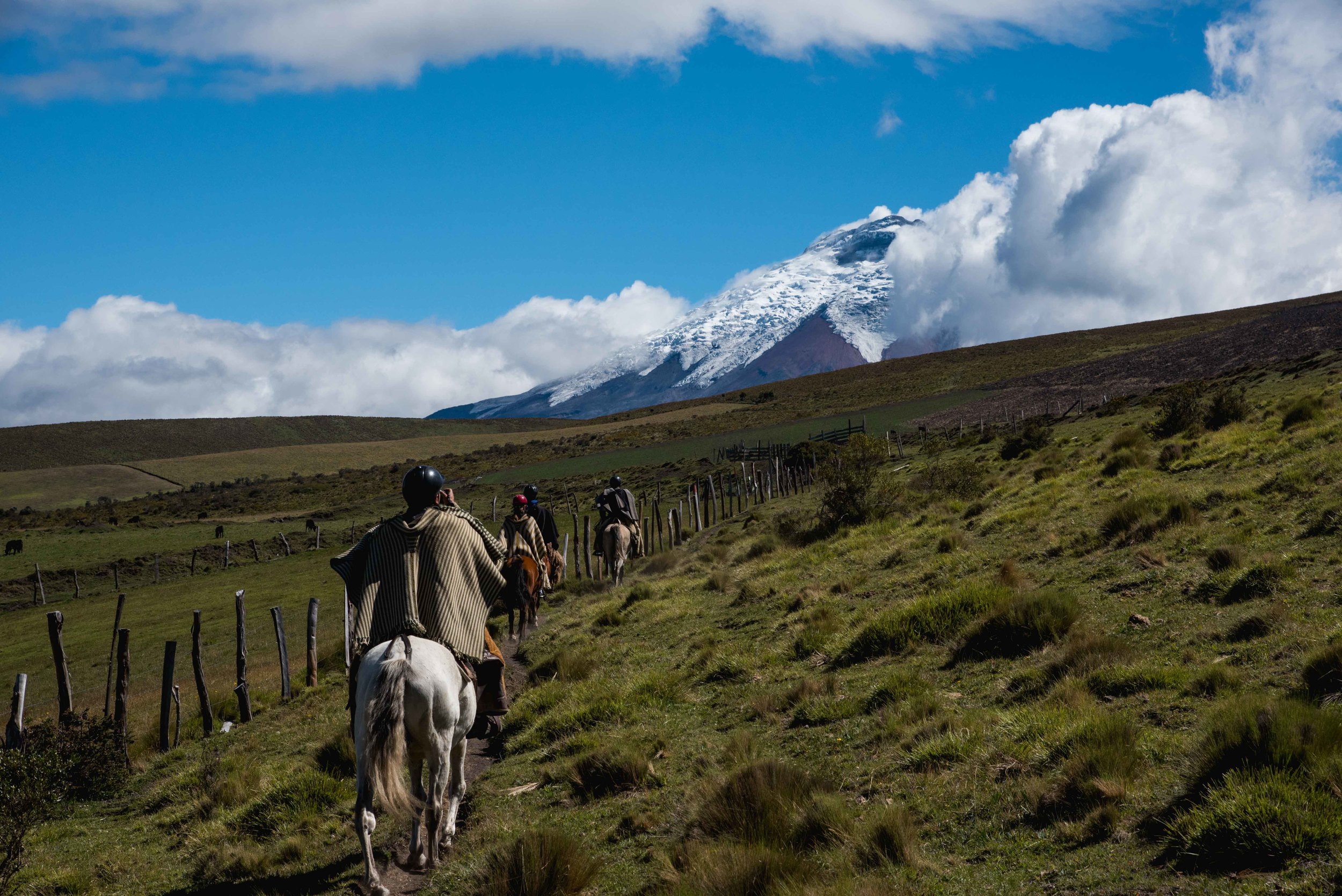
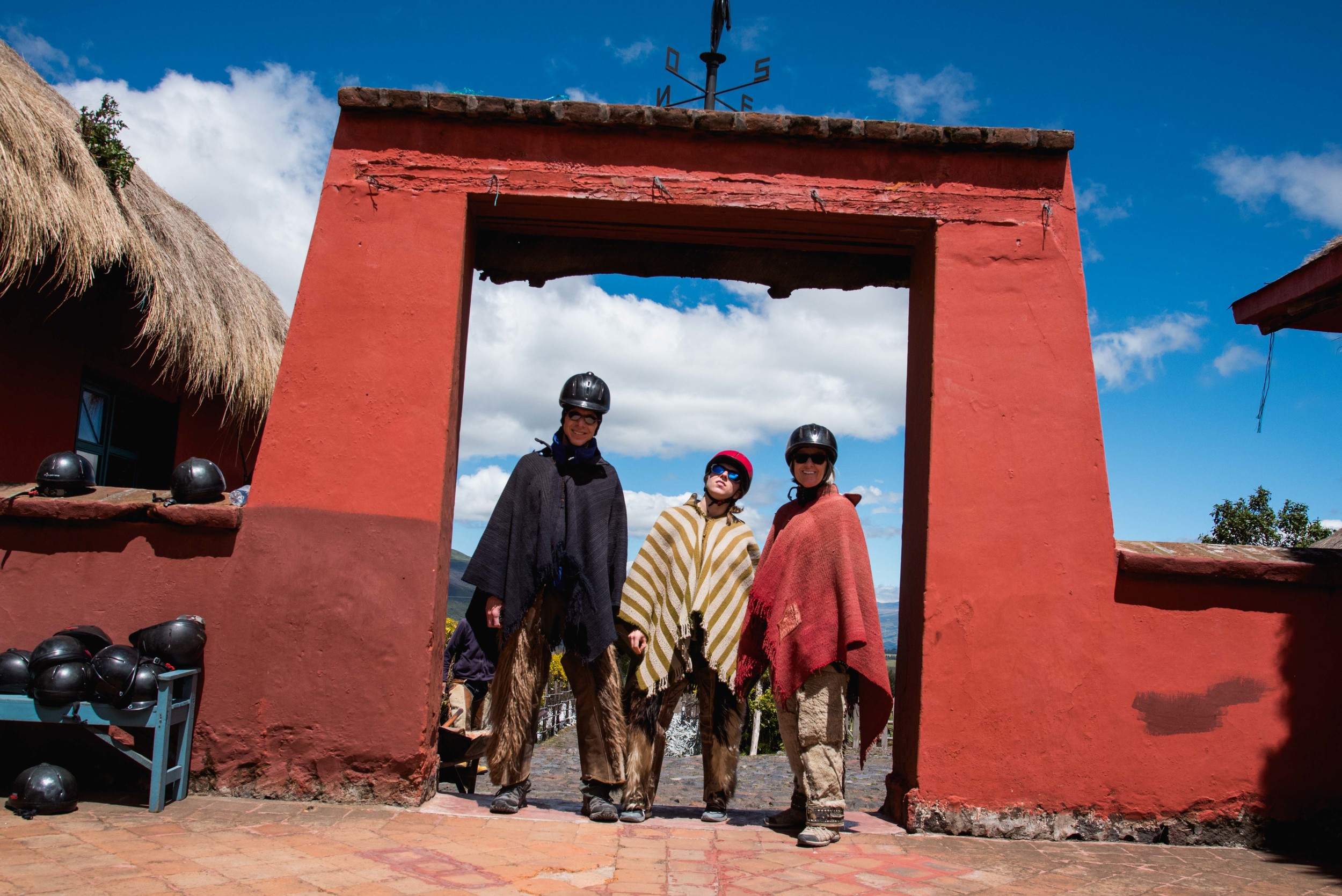
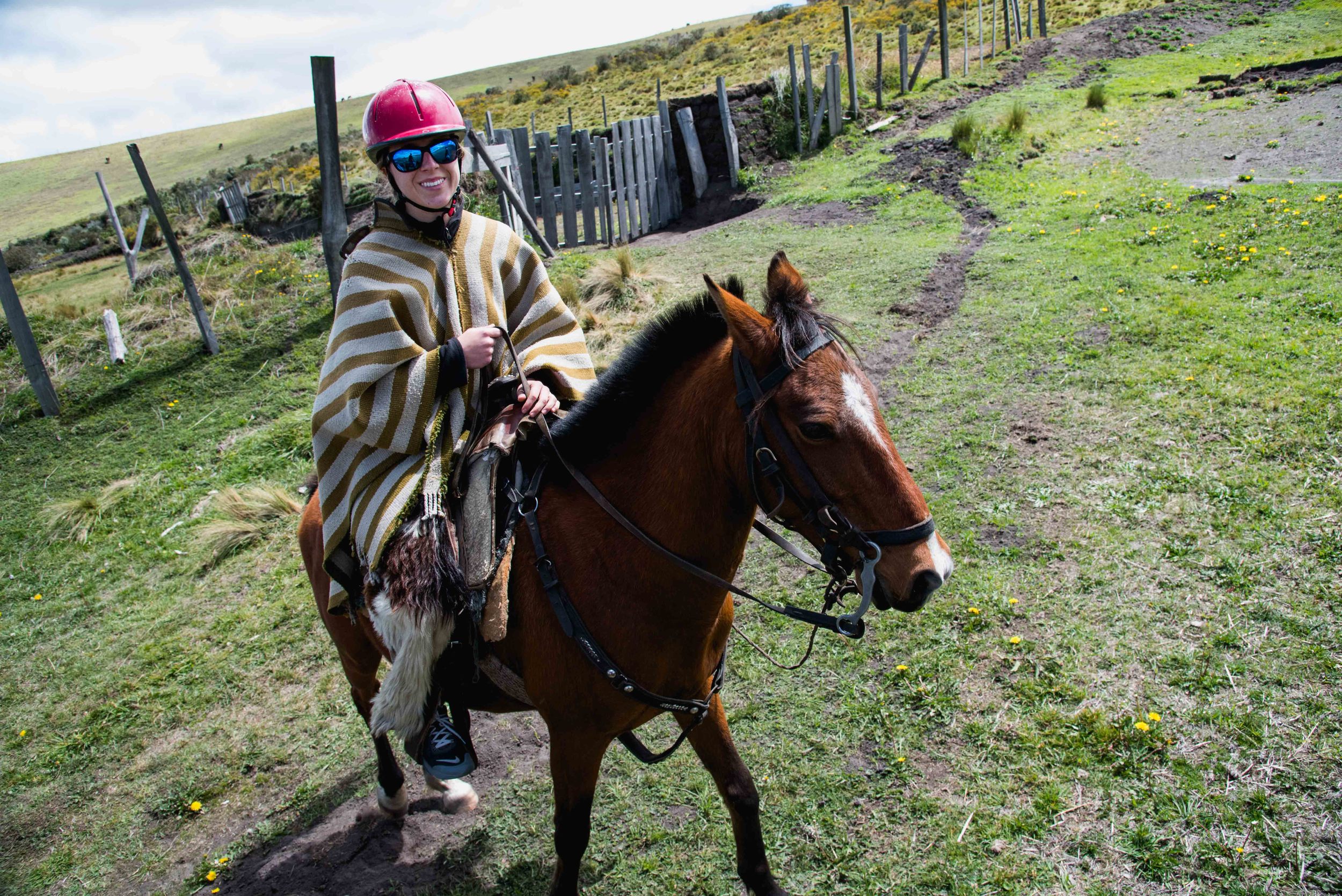
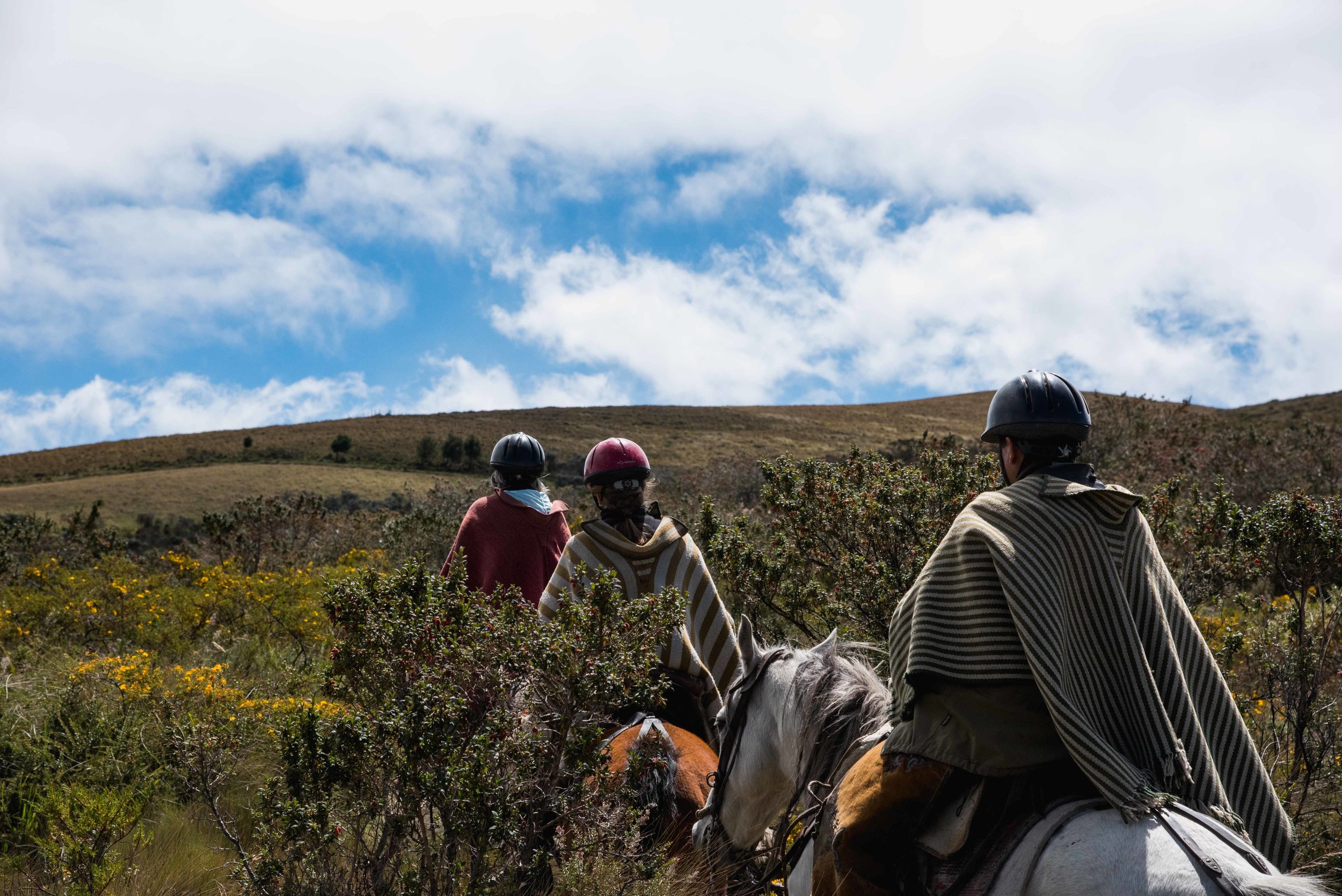
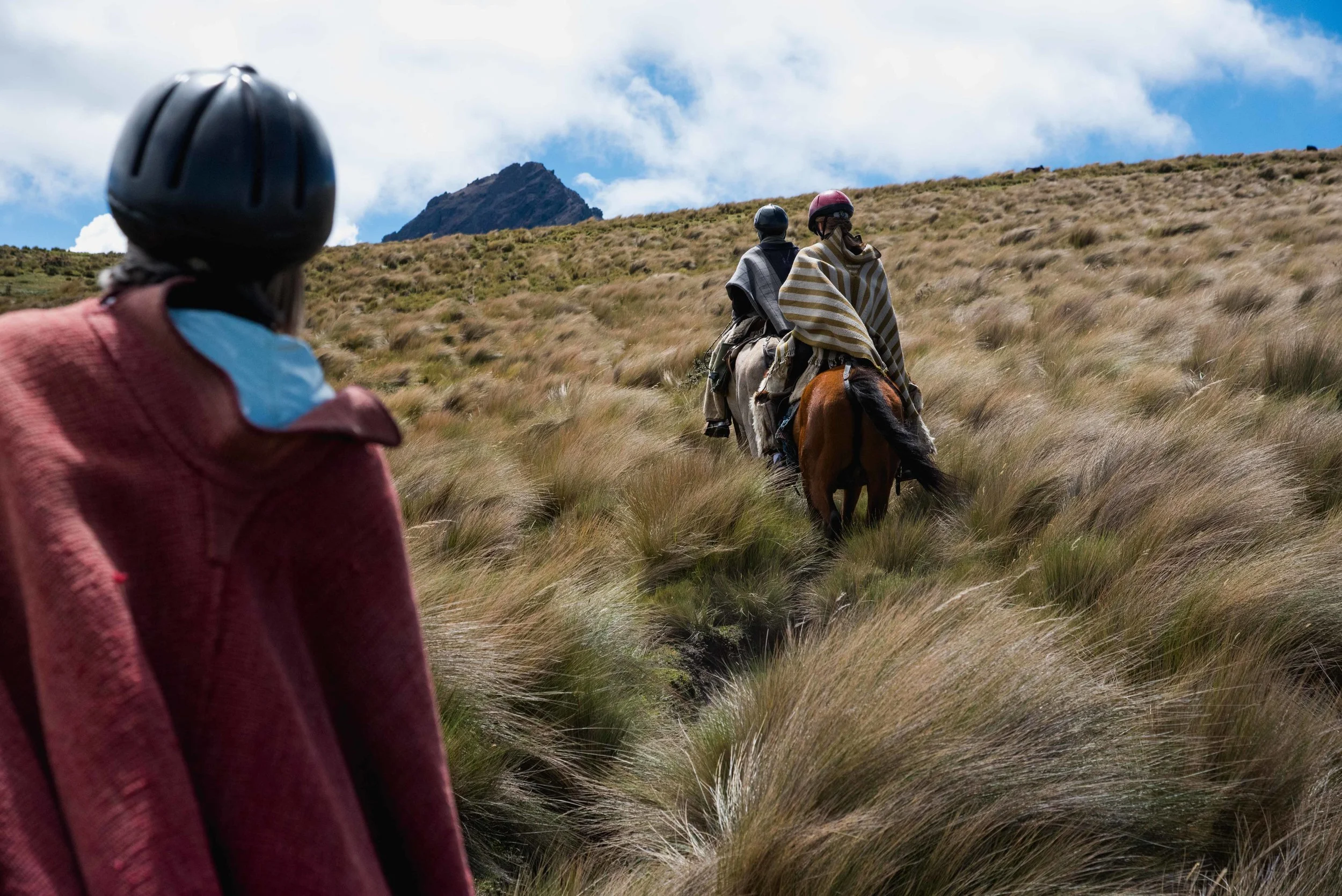
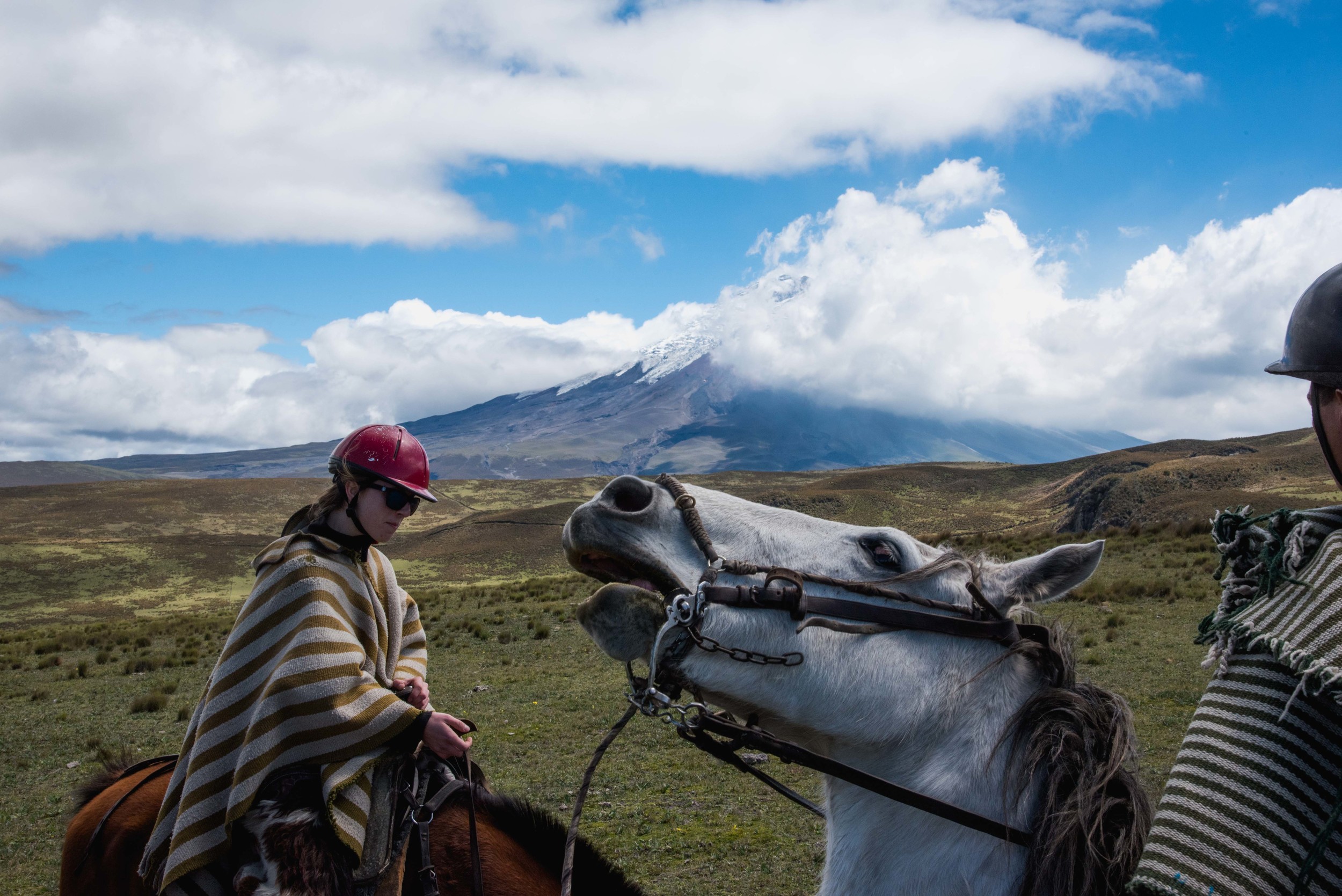
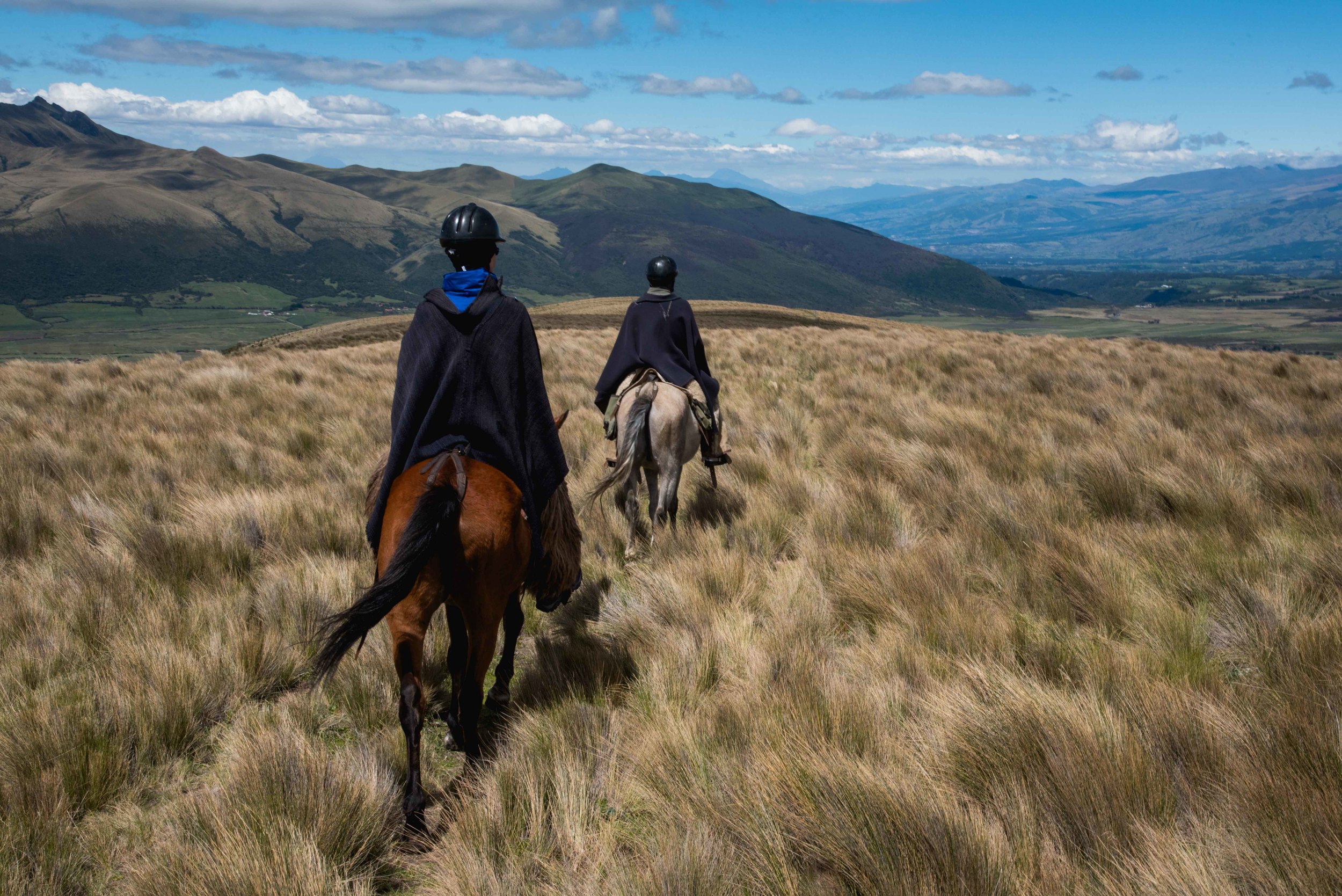
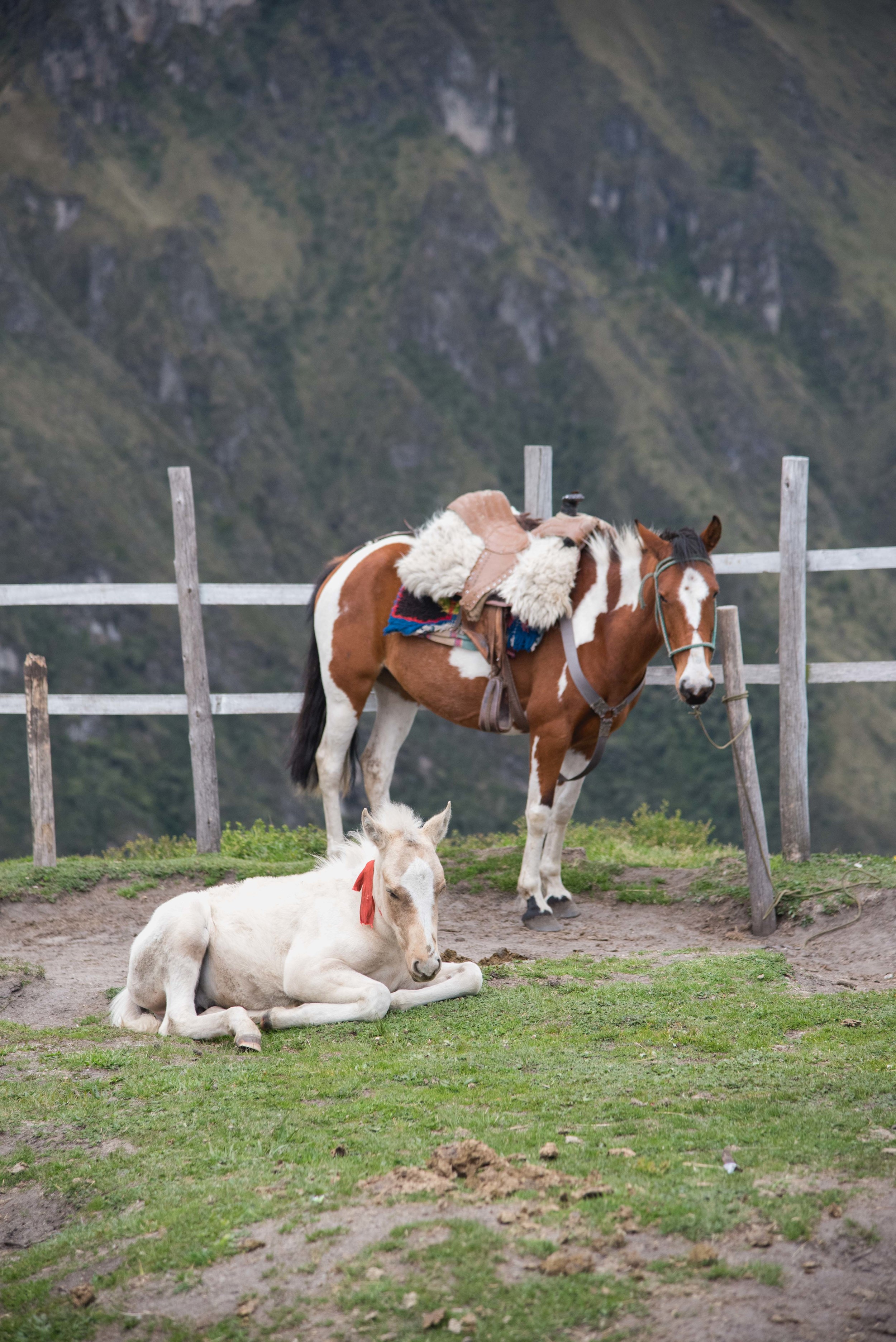
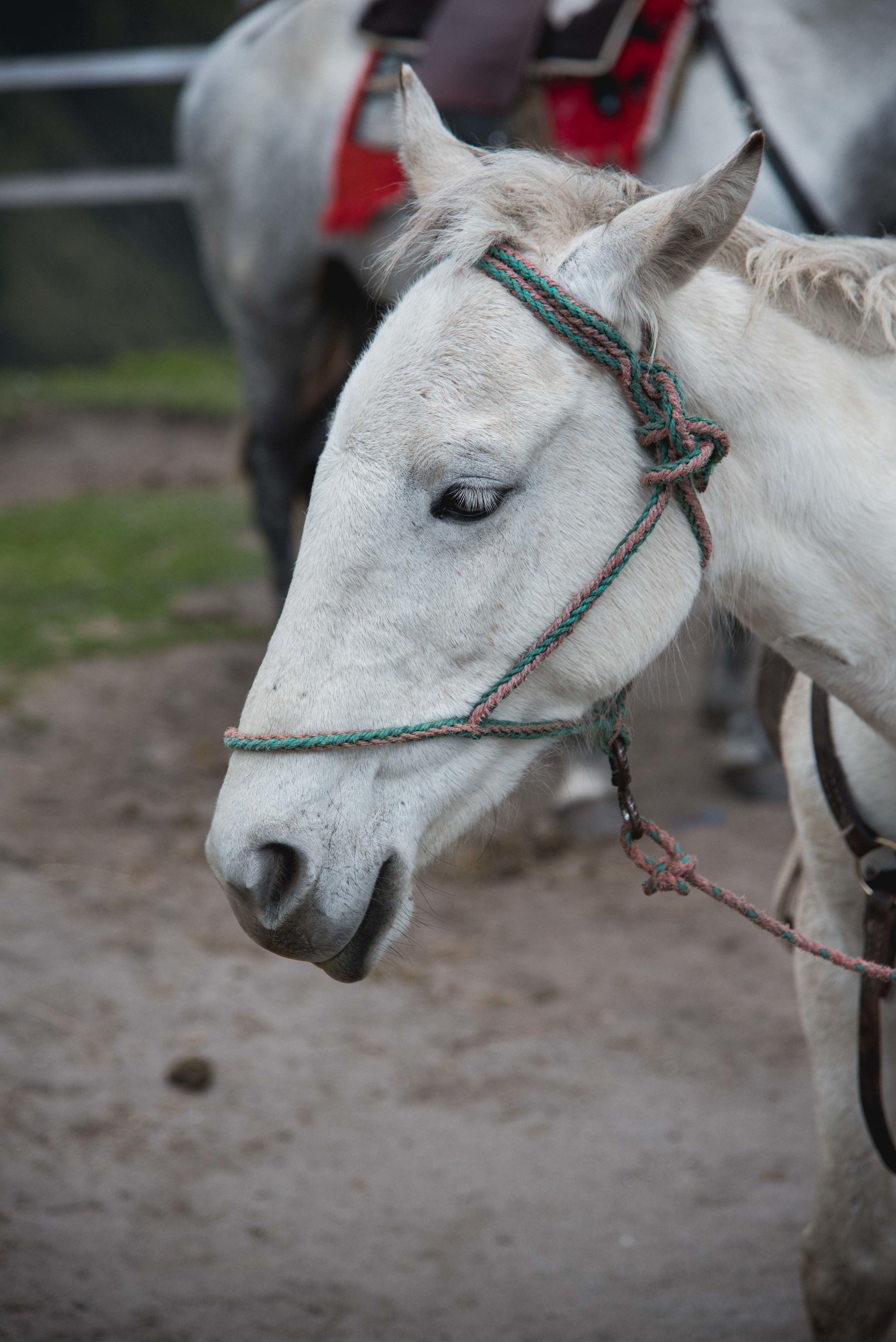
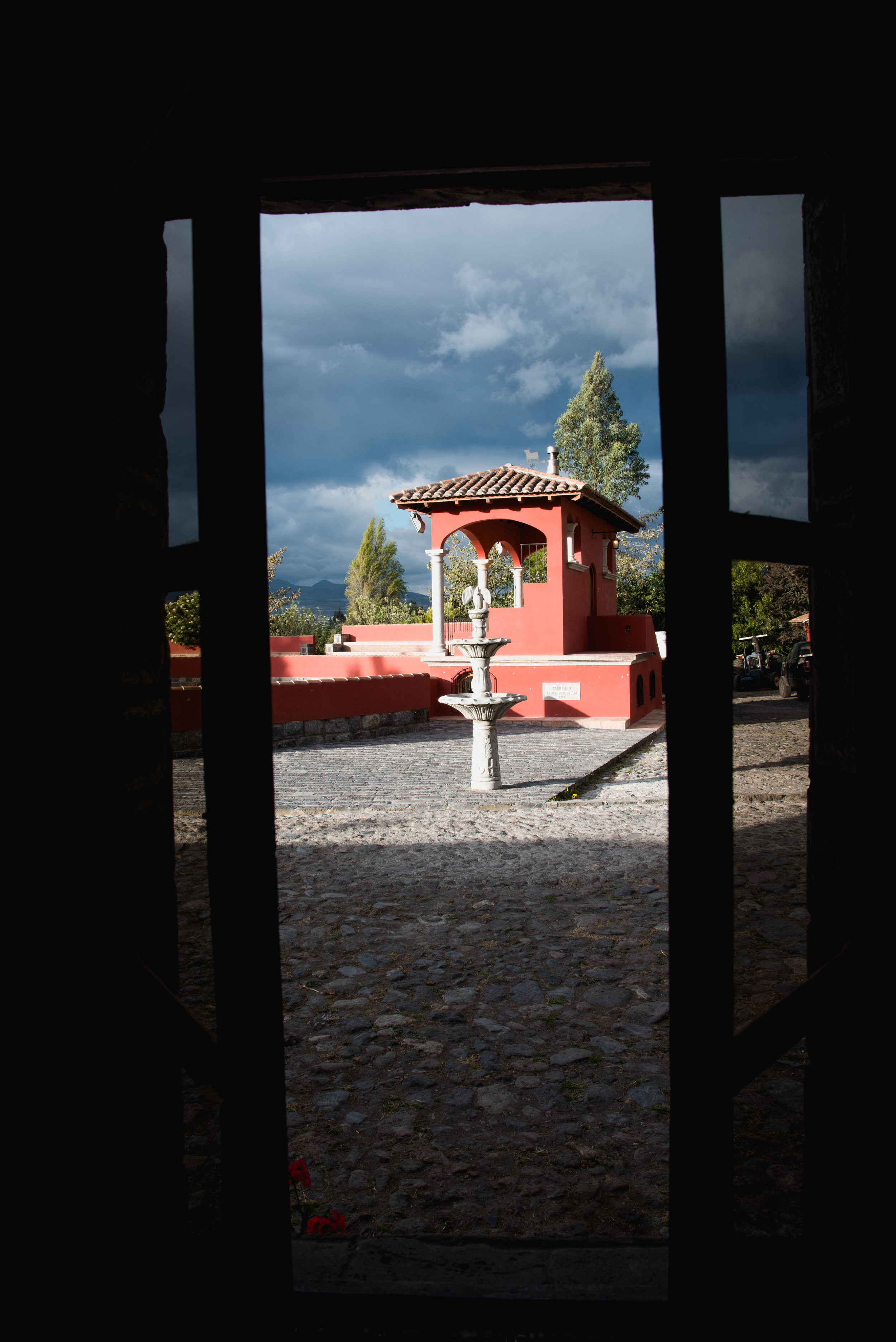
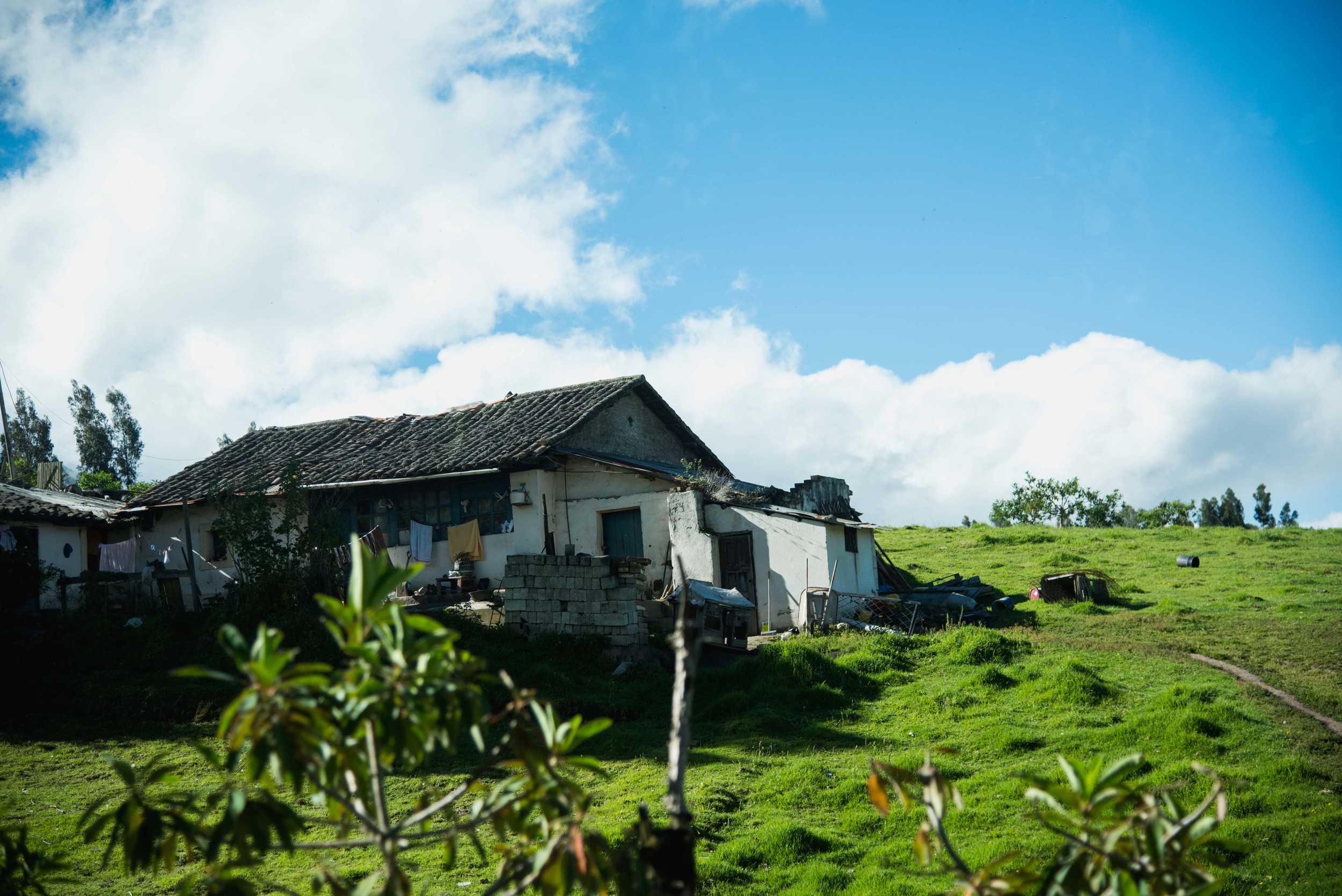
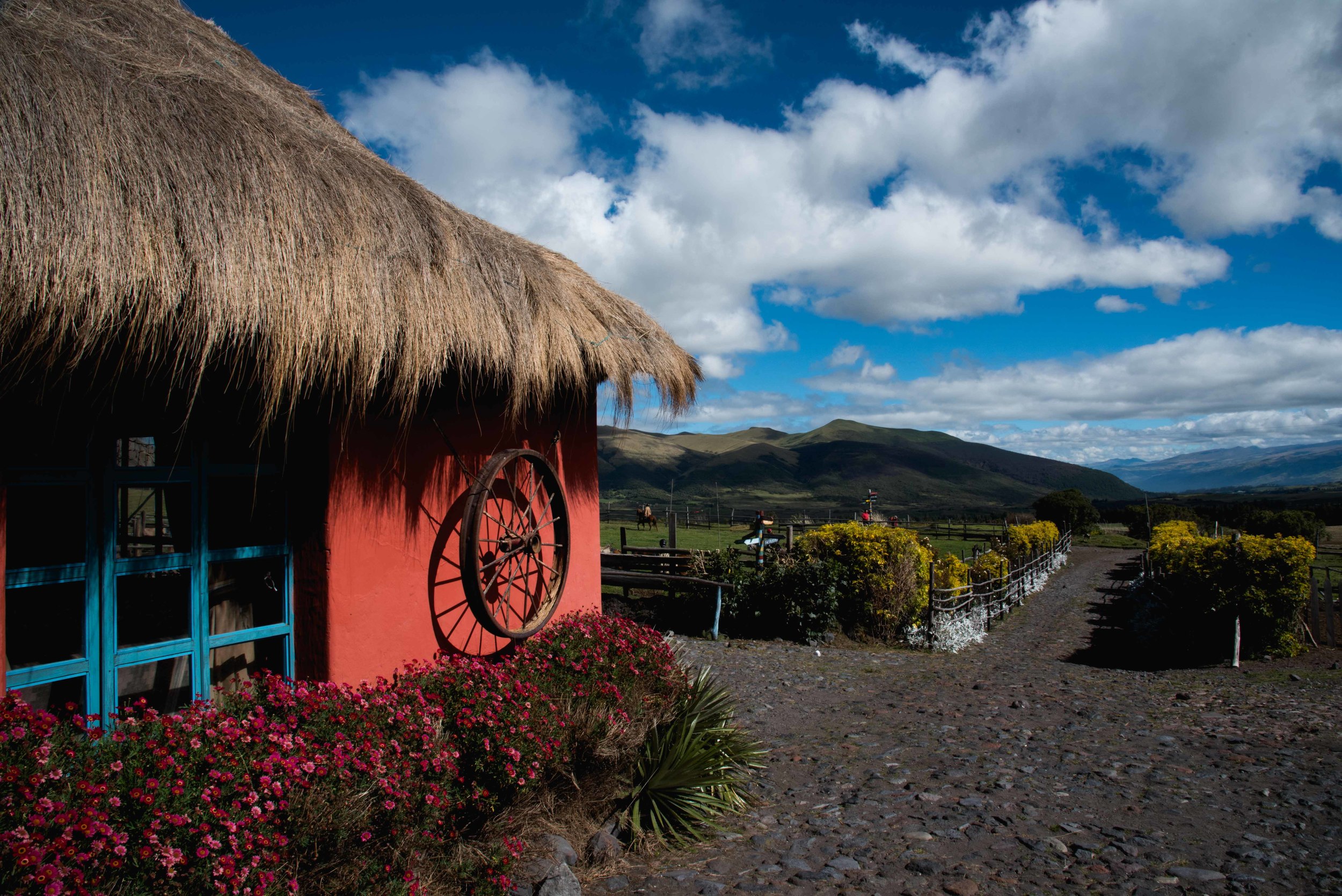
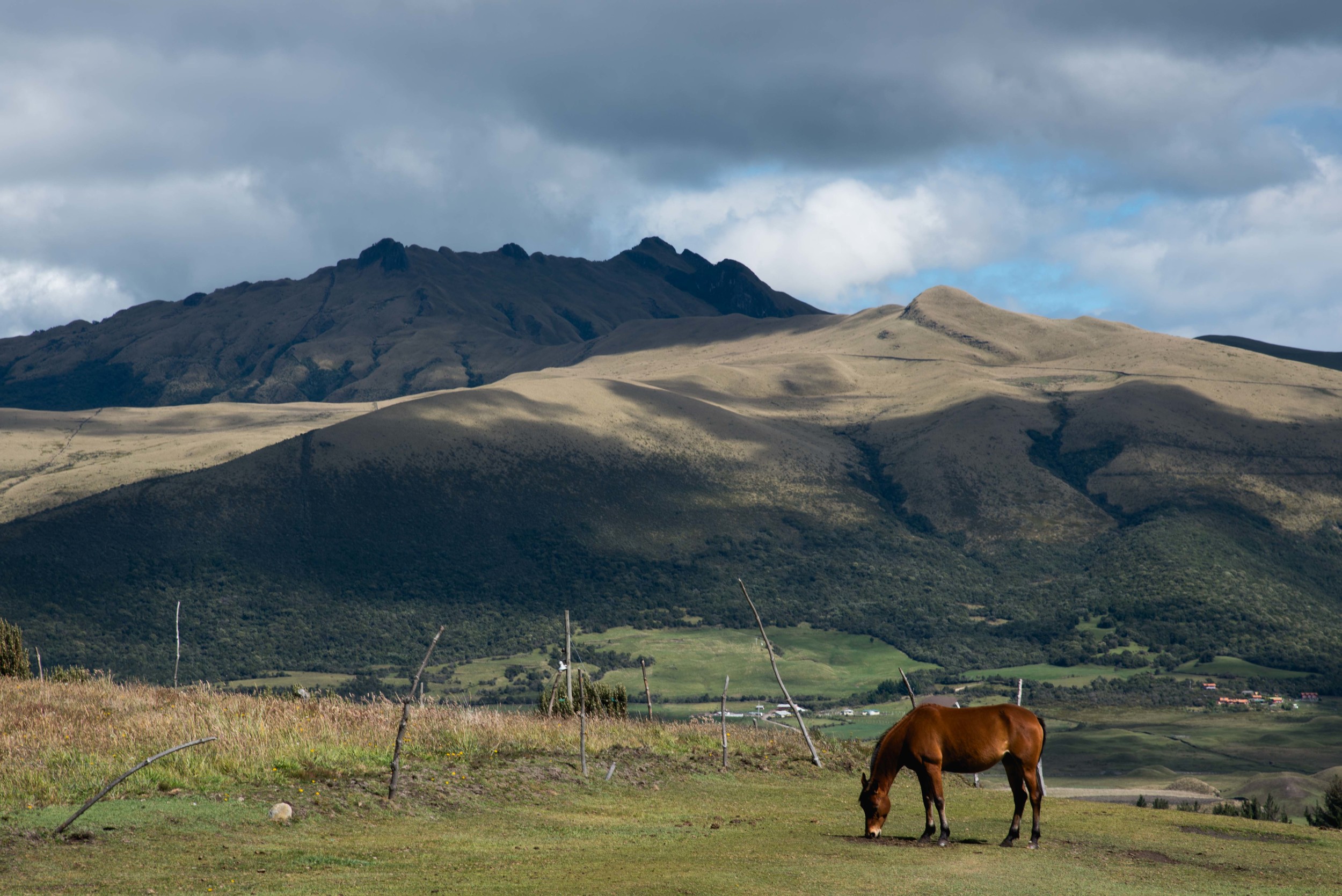
After 45 minutes on the horse I was done, my whole body hurt, but we still had another two hours to go. We were riding through the surrounding foothills of the Cotopaxi Volcano, encircled by the peaks of long extinct volcanoes. I tried to focus on the expansive views and not the “noble steed” that had decided early on not to follow any of my directions. Two hours later I nearly collapsed as I got off the horse and instantly thought of the Ecuadorian moonshine that we drank before the ride, that would definitely help ease my sore muscles.

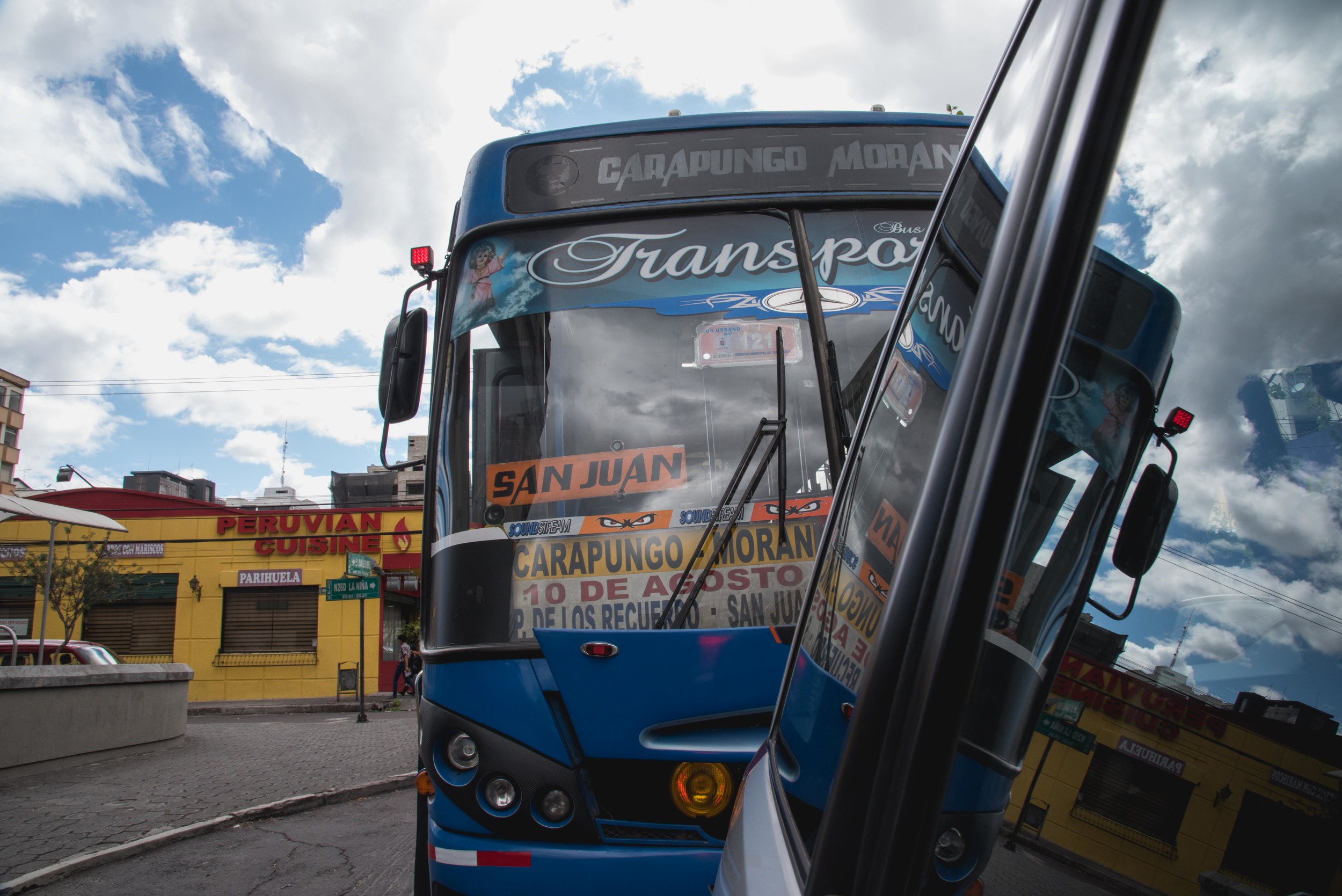
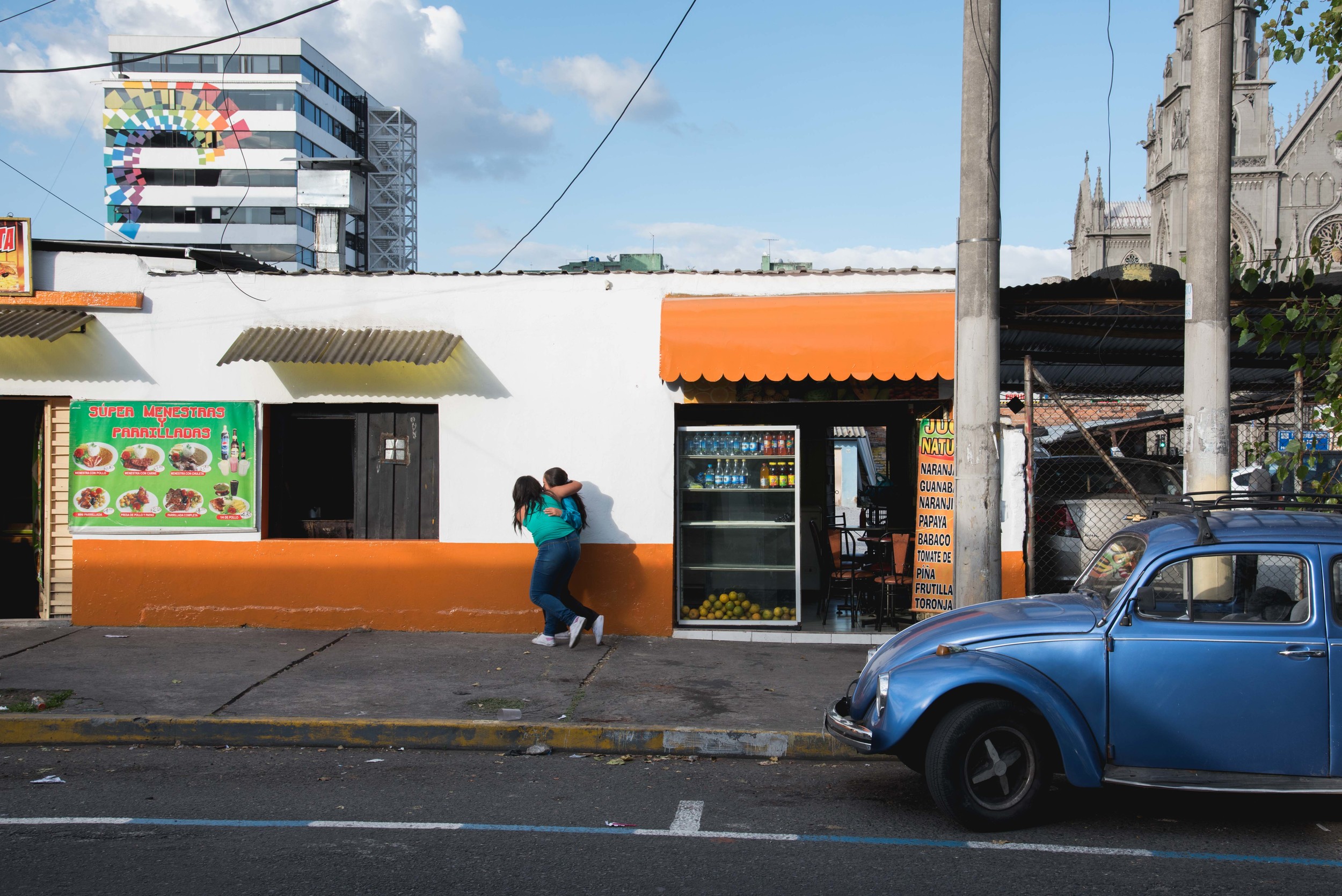
Horseback riding filled the last of our five days in mainland Ecuador before we made our way to the Galapagos, each day before it was just as exciting, and exhausting, as the last. Before horseback riding we drove through the graffiti-lined streets of the capital and wound through the highways of the Andes as we explored Quito and the surrounding volcanoes. The time on the mainland was meant as a stopover before our time in the Galapagos but it turned out to be just as action packed as Darwin’s islands.

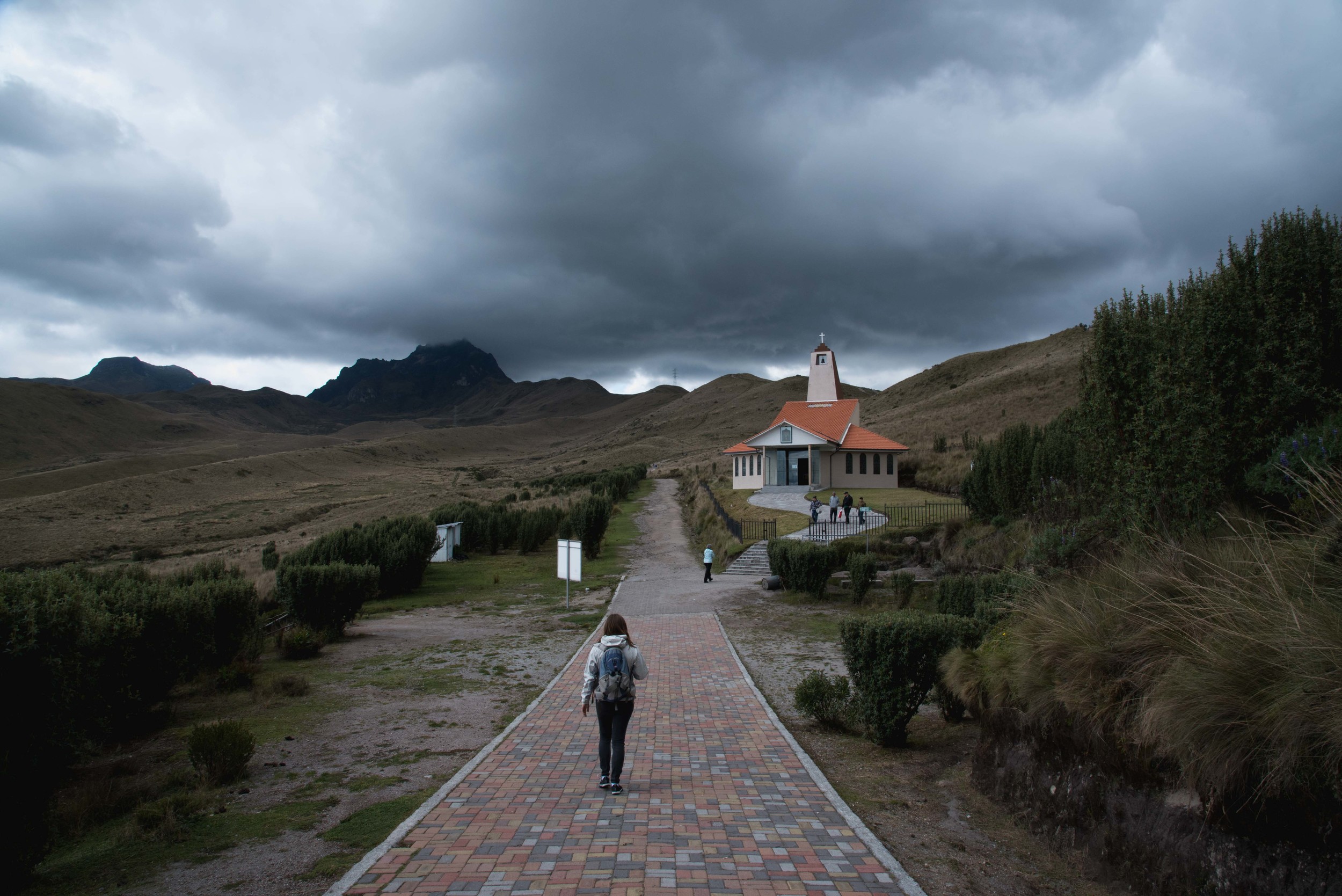
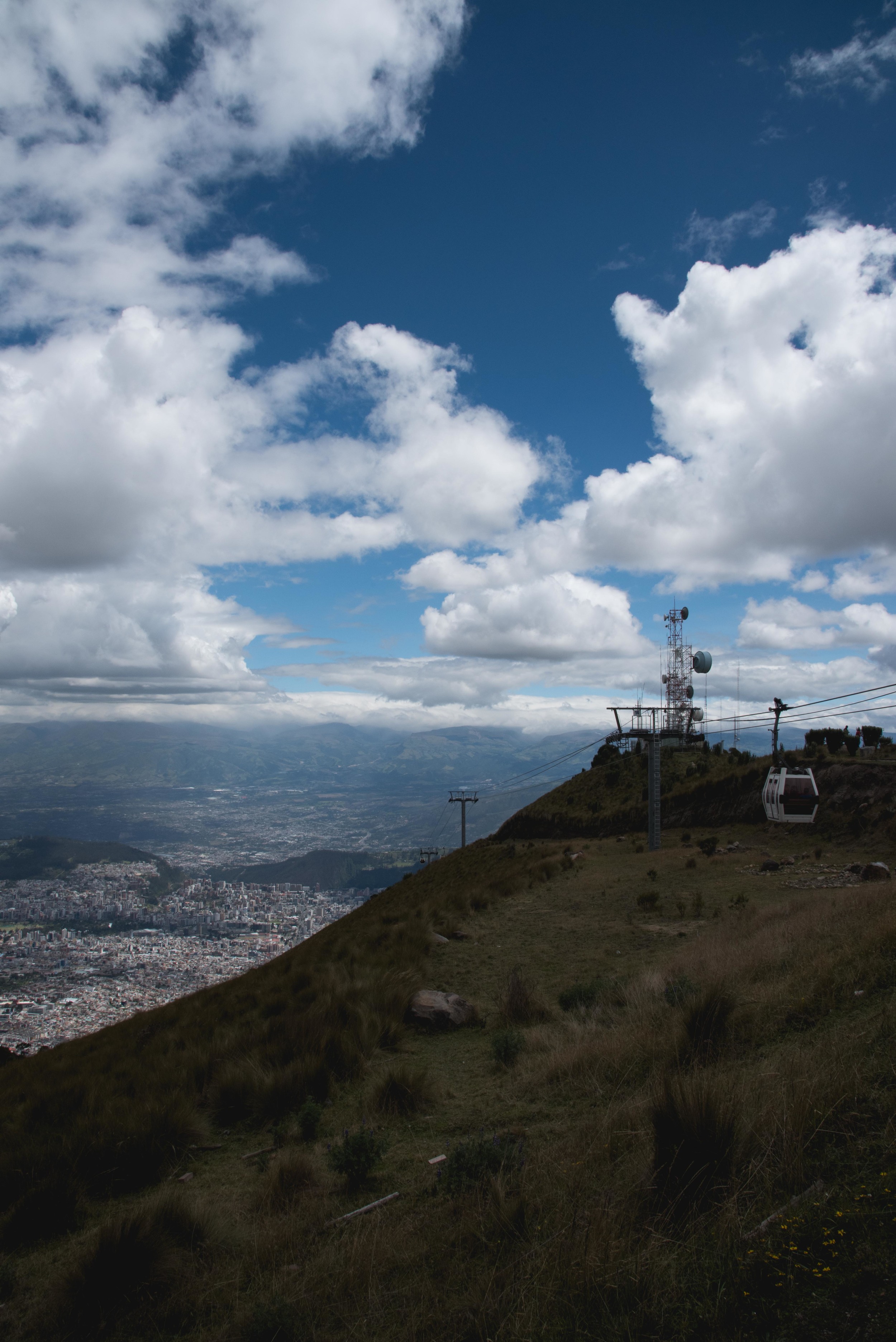
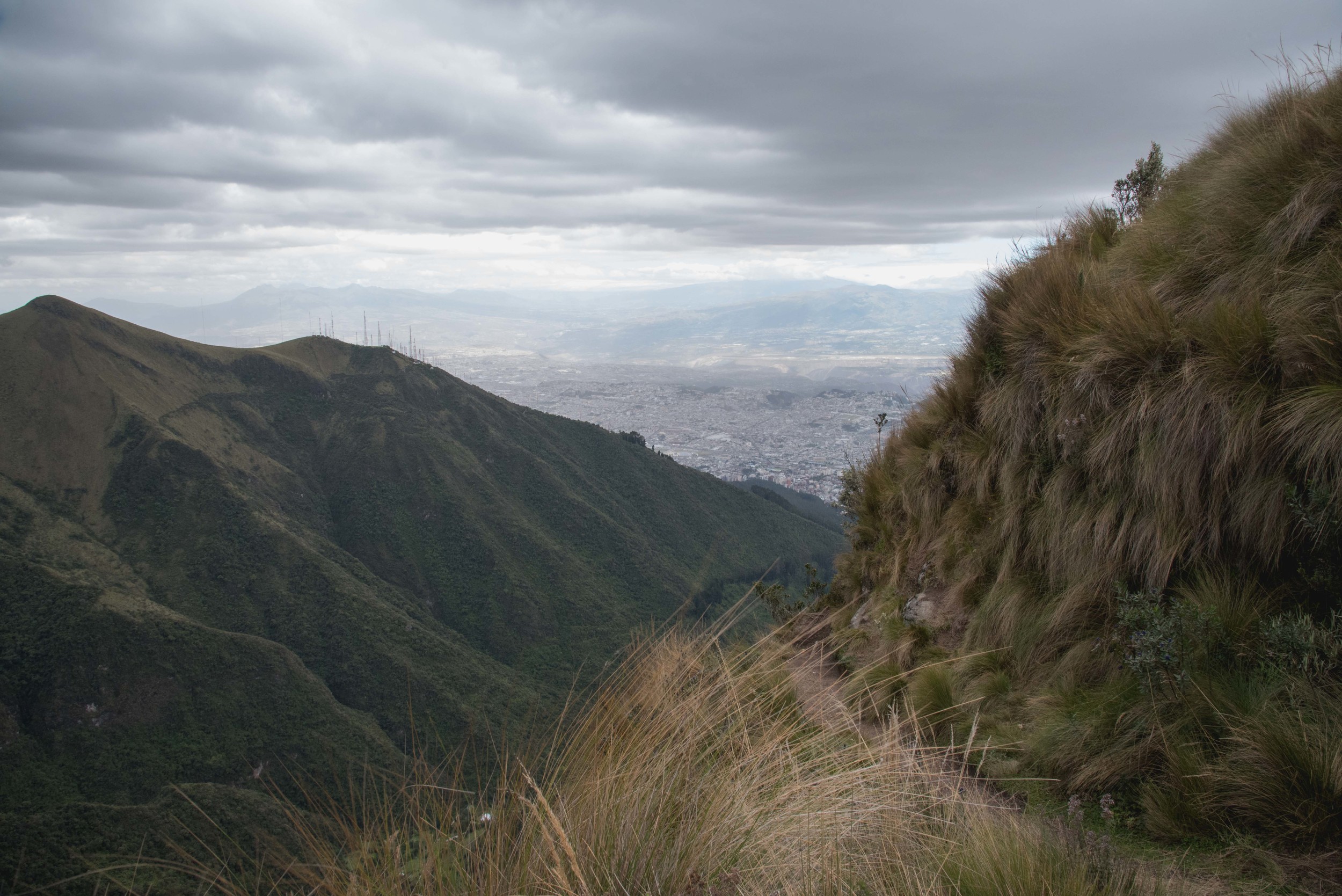
On our first day we rode a gondola from Quito (9,350 ft) to the summit of the Pichincha Volcano (13,300 ft) and after walking for an hour quickly discovered what 13,000 feet really means for your lungs.

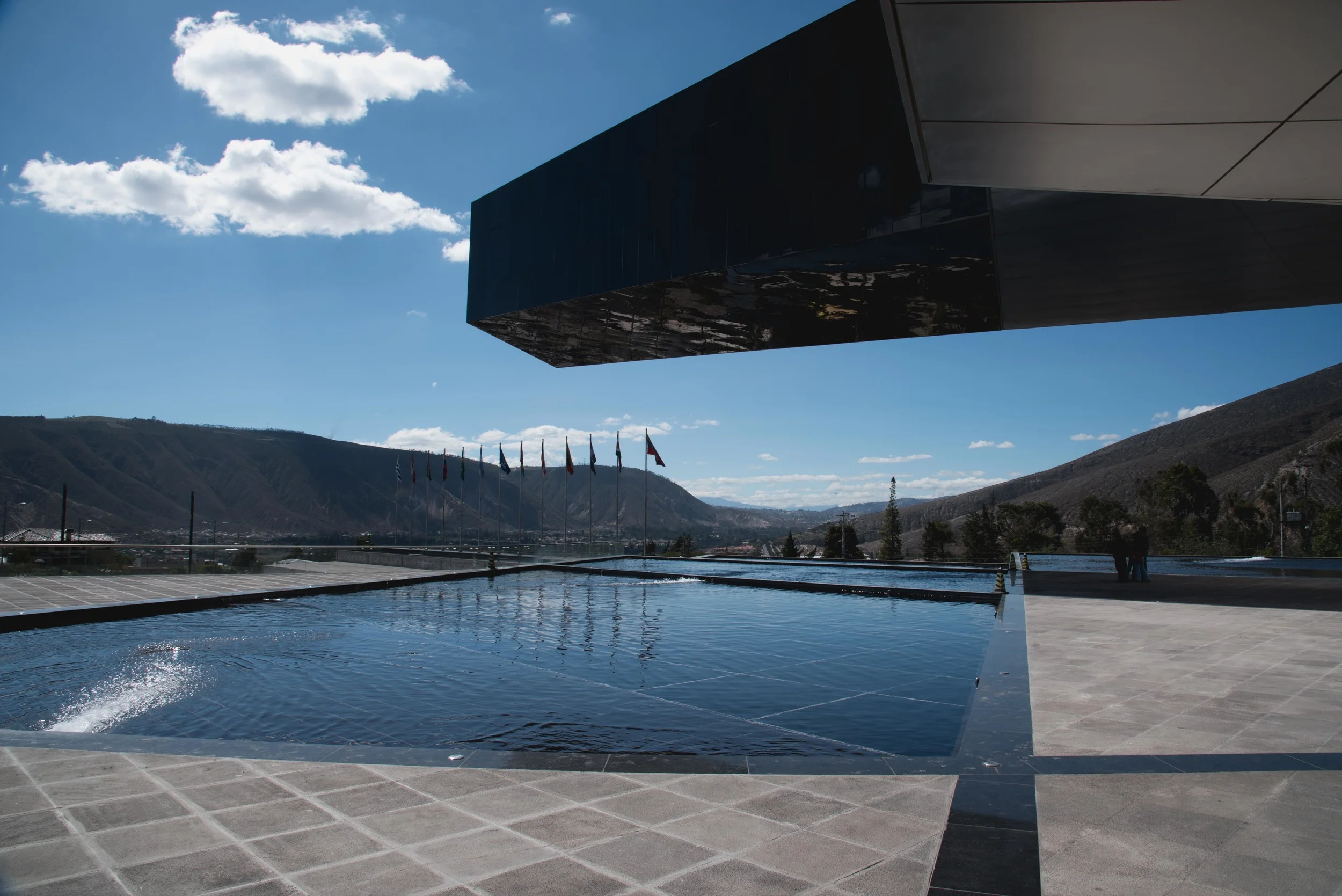
Our second day was filled with what we first thought was tacky tourist crap but ended up being fascinating and mind-boggling. It started with the impressive headquarters of the Union of South American Nations (UNASUR), which sits on the equator line several miles south of Quito. We then made our way to the Intiñan Solar Museum, which started out as corny as ever but quickly became fascinating. We watched as our tour guide performed an experiment: north of the equator the Coriolis Effect causes water going down a drain to rotate clockwise, while south of the equator water flows counter-clockwise down the drain. What I didn’t know was that directly on the equator it doesn’t rotate at all, it simply flows straight down. Amazingly enough the Coriolis Effect happens even if you’re standing only ten feet from the middle of the earth. (For those of you that don’t believe me, I have video to prove it.)

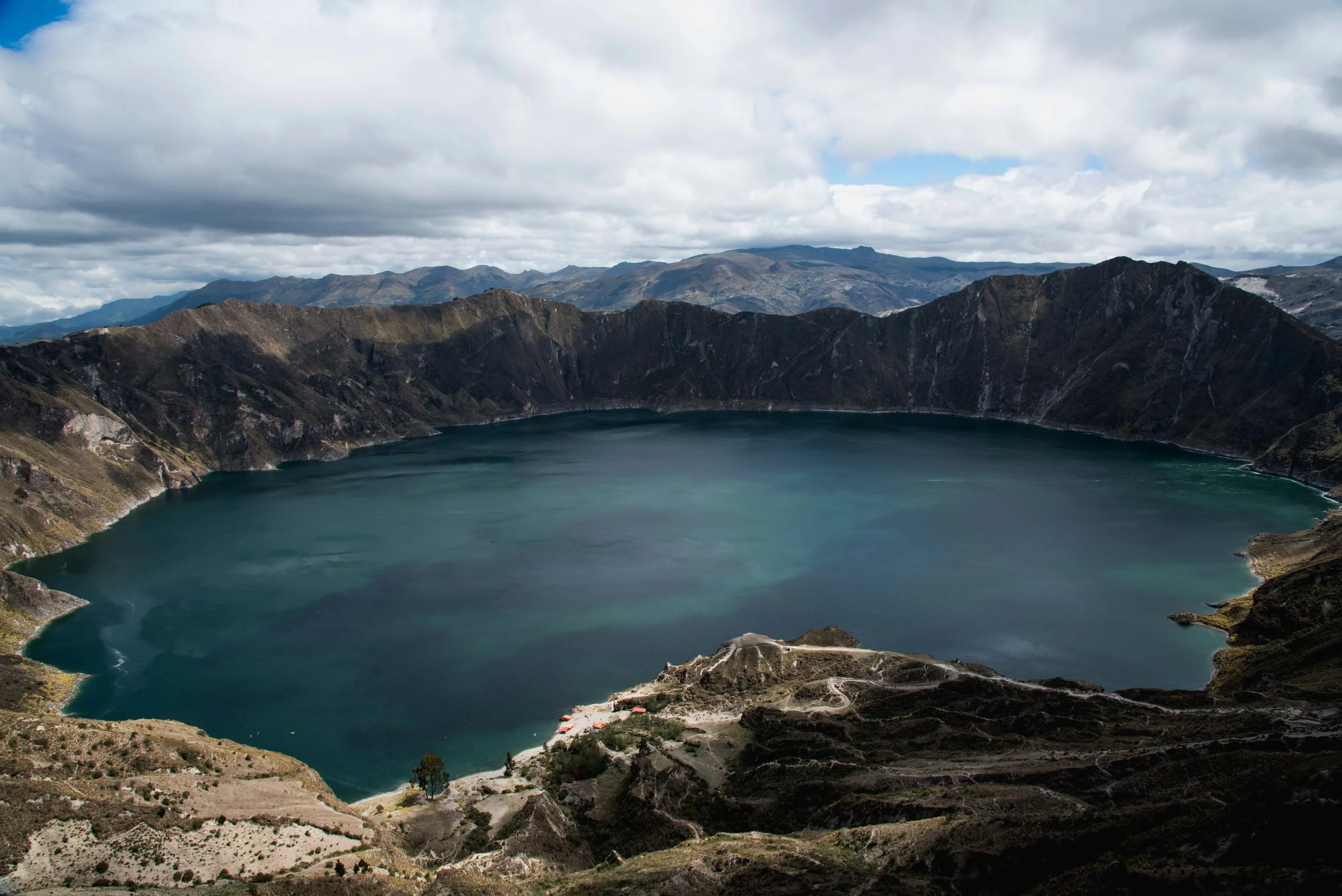
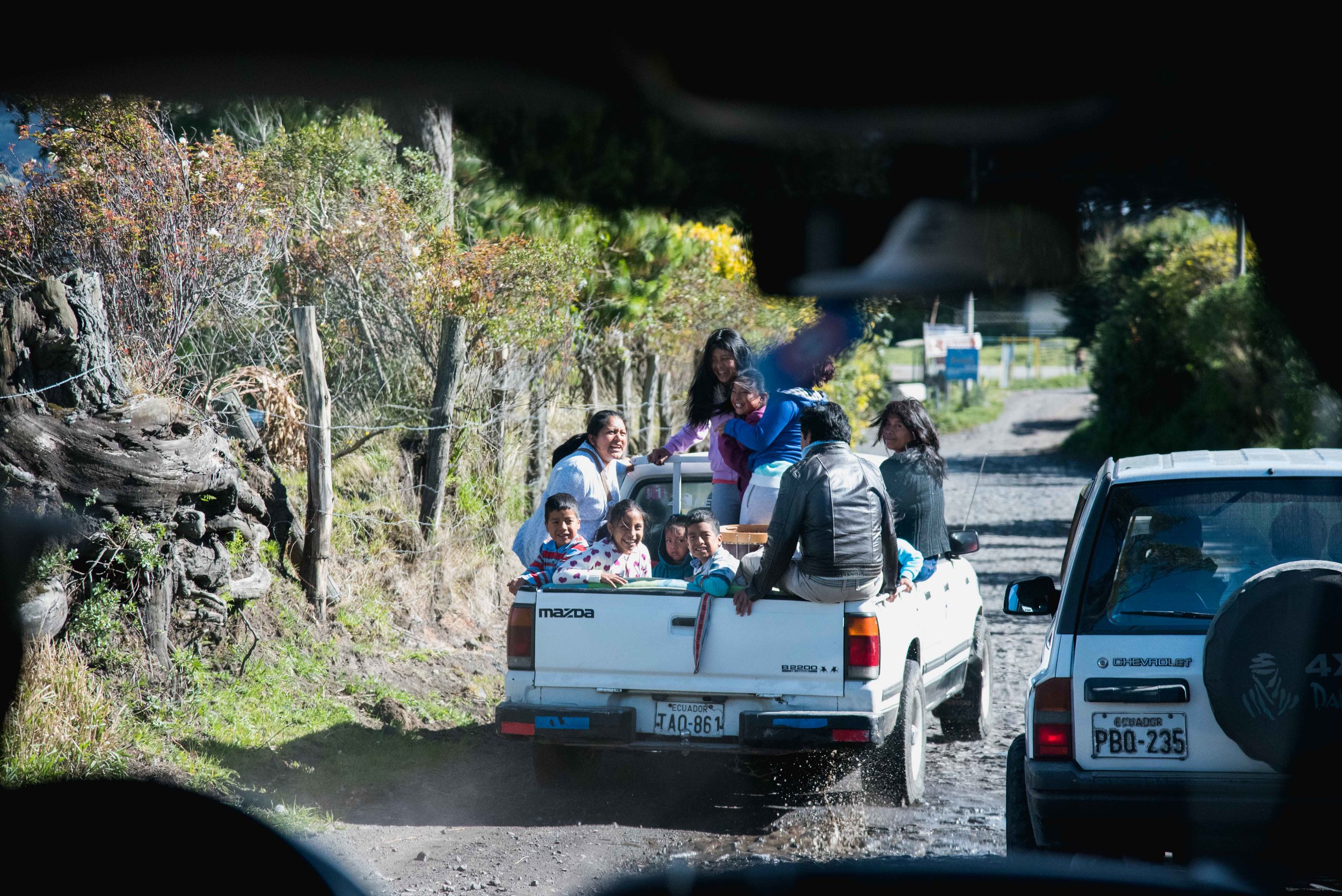
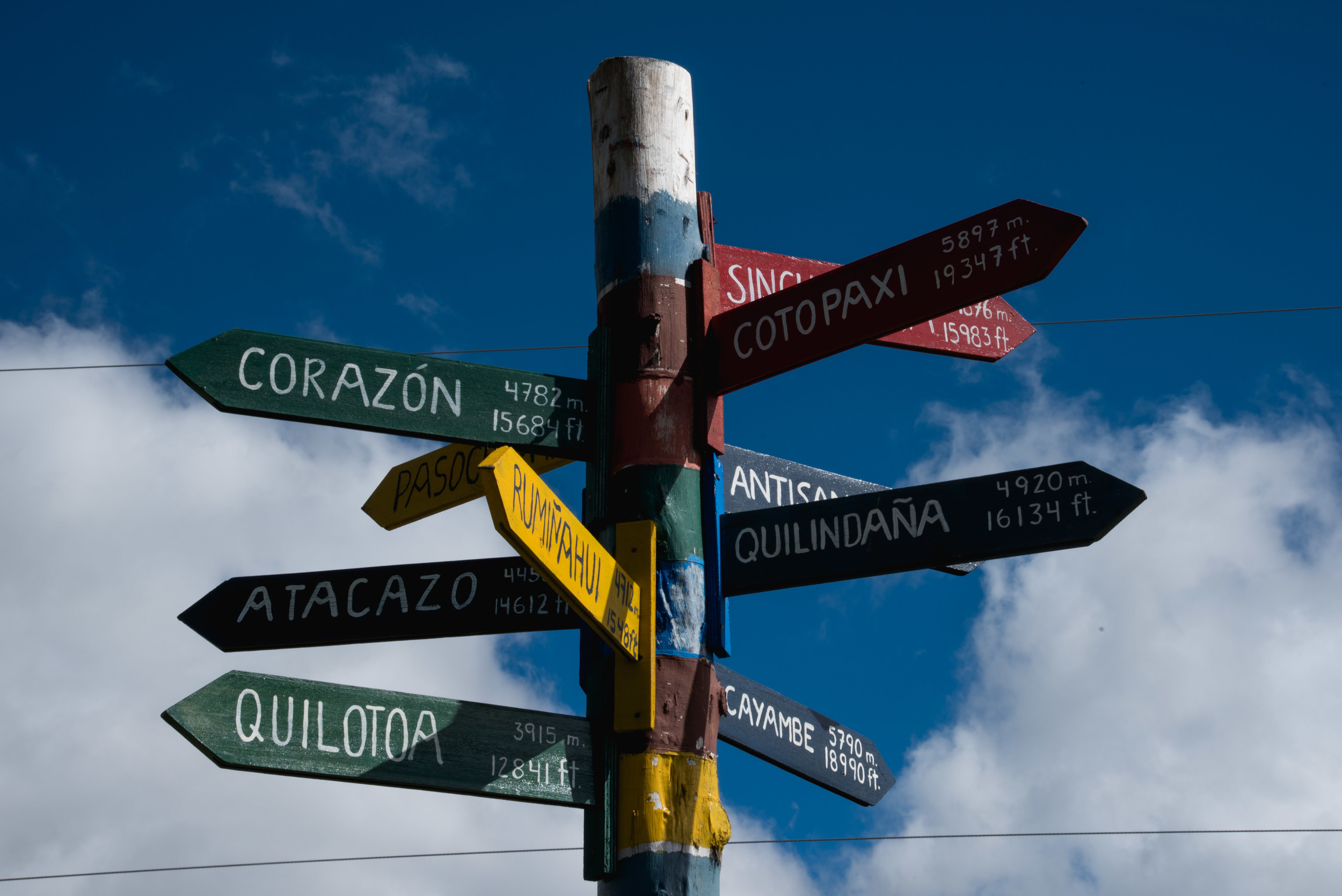
Next we hiked 1,000 feet down to the crater lake of Quilatoa (12,800 ft), and struggled our way back up. We stopped every 30 seconds or so to catch our breath again as local children ran circles around us while guiding mules that carried less motivated travelers back up to the volcano’s summit.

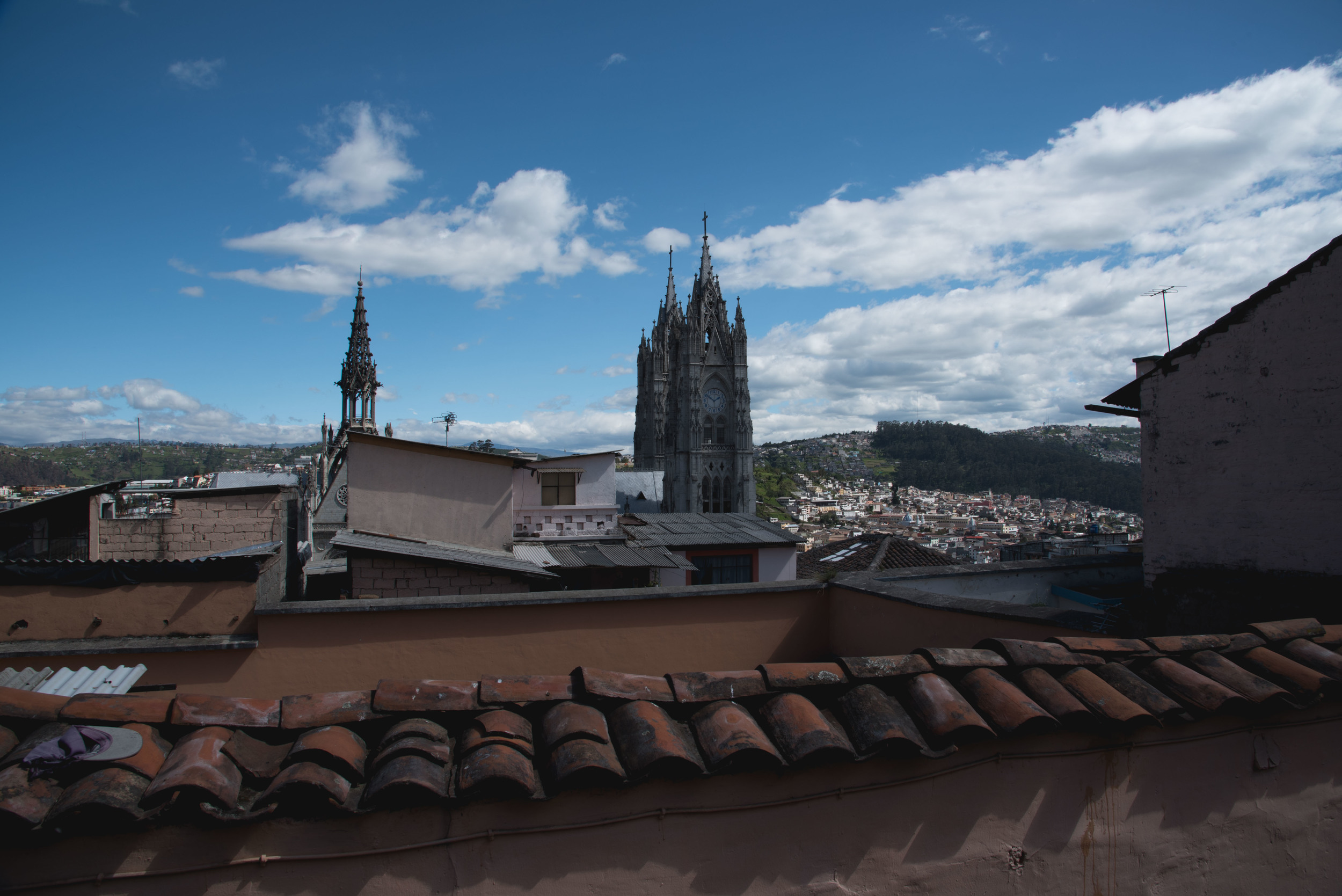
Our second to last day we spent exploring the crowded streets of Quito’s Old Town, getting a taste for what the city looked like during the Spanish colonial days.

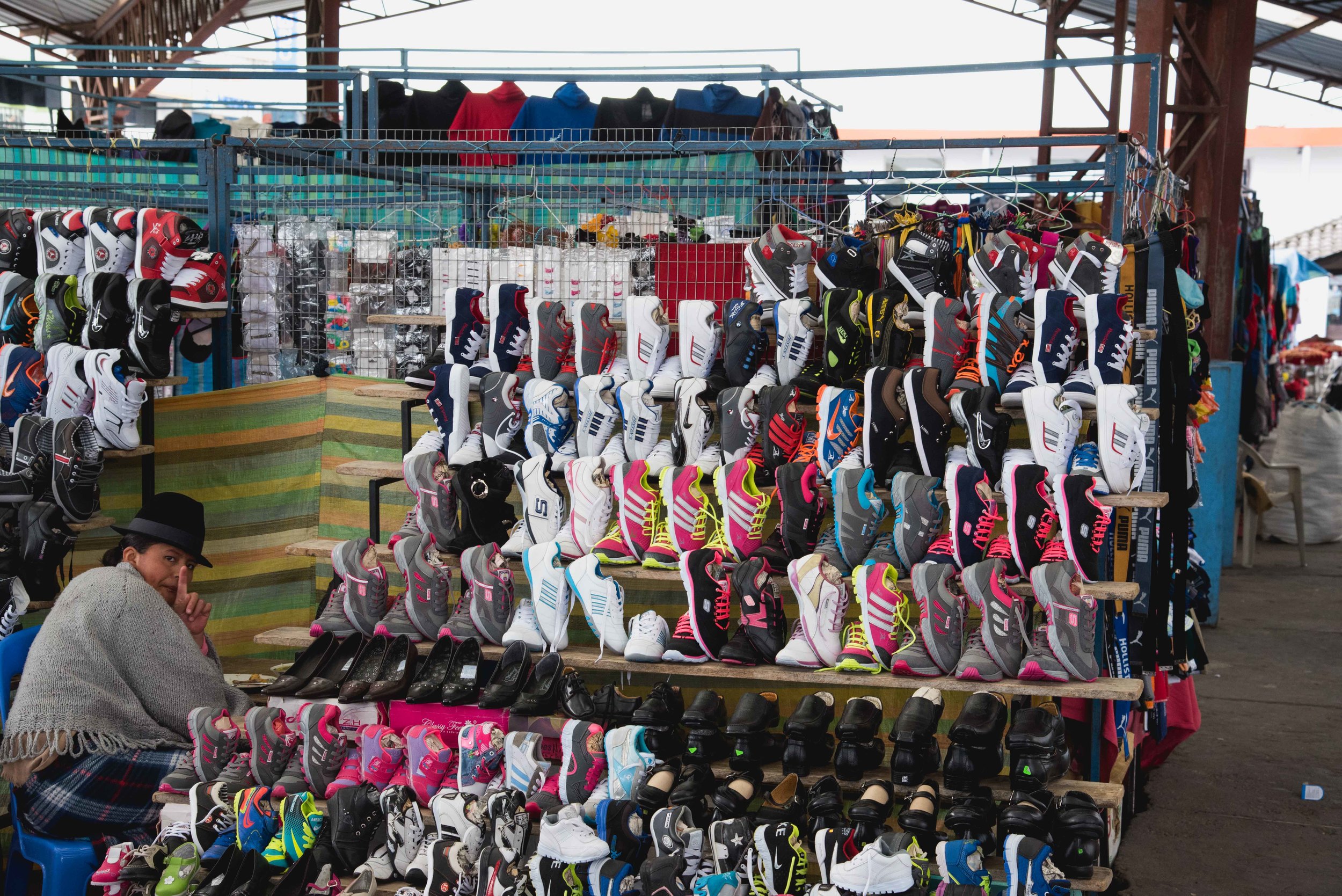
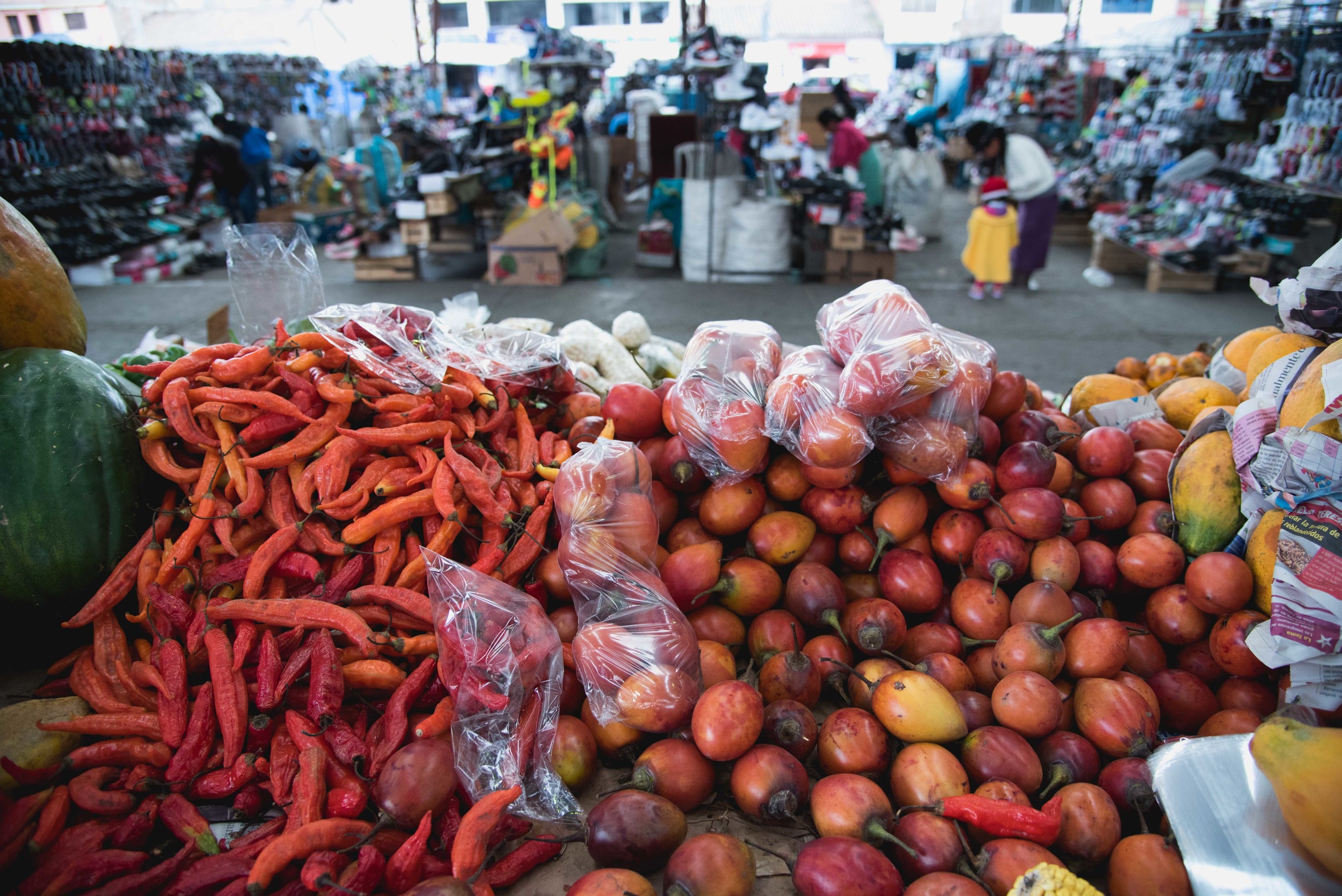
Before roughing out the horseback riding on the final day we made our way through local markets selling local produce and knockoff shoes (Yans, not Vans; Adibas, not Adidas).

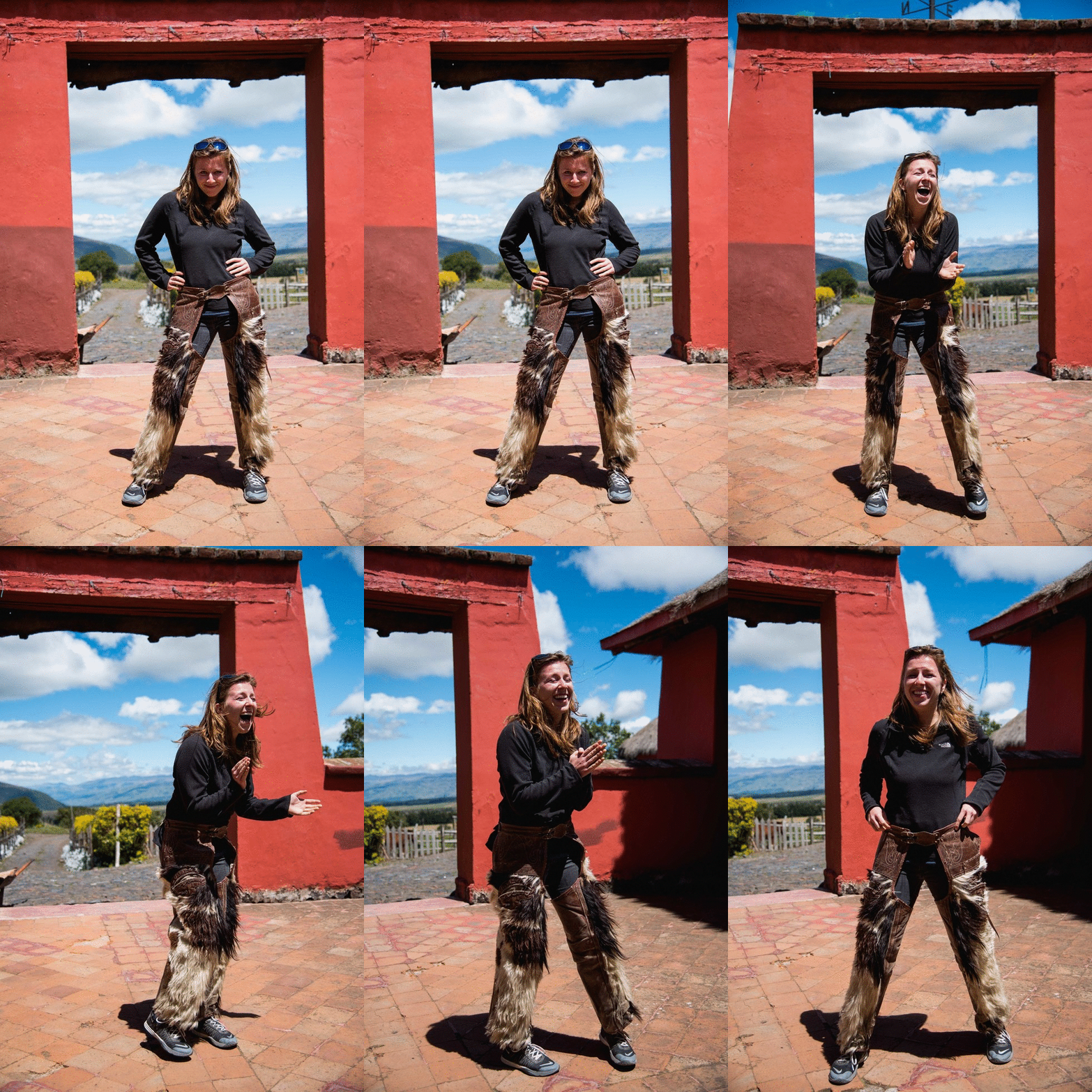
My sister is about to break out into the ass-less chap industry...


We made our way back to Quito on bumpy, cobblestone roads while we talked about the eleven days in the Galapagos that were two short plane rides away the next morning.

Scotland 2015 by William Bryan

We rushed out of the Disclosure concert holding on to each other like a train linked together to avoid getting lost — me at the head to find/force our way through the crowd — there were 13,000 other people that needed to pick up their bags from the bag-check, and we had a bus to catch.

We left mid-way through the last song and still had a line of 200 people in front of us at the coat-check station, it was 11 pm and our bus left at 11:30, we were cutting it close. After anxiously making our way to the front of the line and grabbing our bags we rushed outside to find a taxi.

11:10 pm.

Finding a taxi outside of a massive venue, after one of the most popular artists in the U.K. just played, while competing with the 4,000 people who had made it outside for a taxi is a bit of an up-hill battle. So after losing in the frantic fight for a taxi four or five times we were starting to realize that we weren't going to make it.

11:15 pm.

We'd walked a few blocks from the venue and were now standing on the corner and waving down any car that would give us a second glance. Finally one stopped. I wasn't part of the negotiations, best to leave the new kid on the block out of that, but we ended up paying £20 to a random person (not a taxi driver) to get us to the bus station. Google Maps says the trip takes 17 minutes, somehow, we arrived with two minutes to spare. The doors closed and the bus pulled out as we caught our breath after running through the station.

11:30 pm.

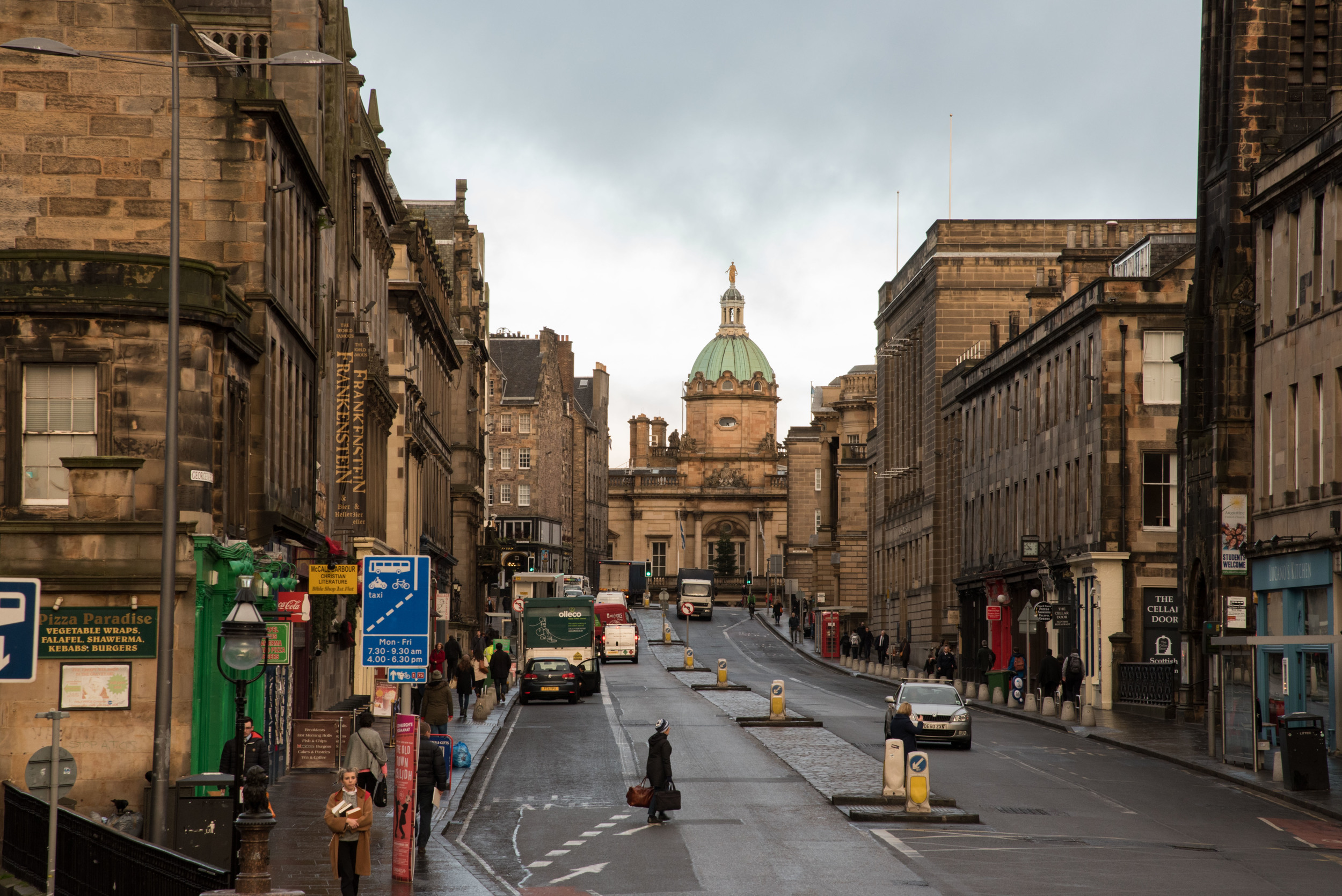
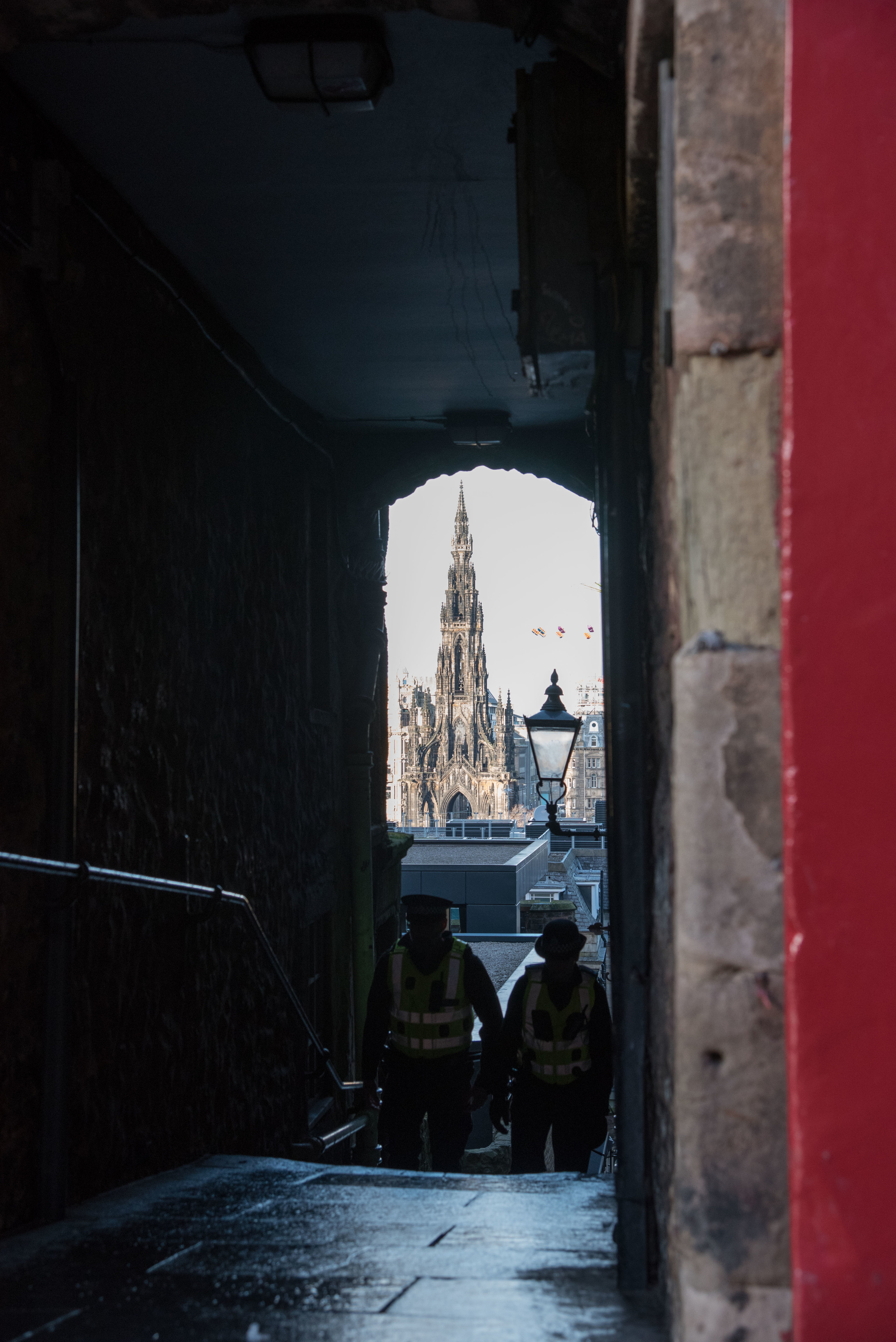
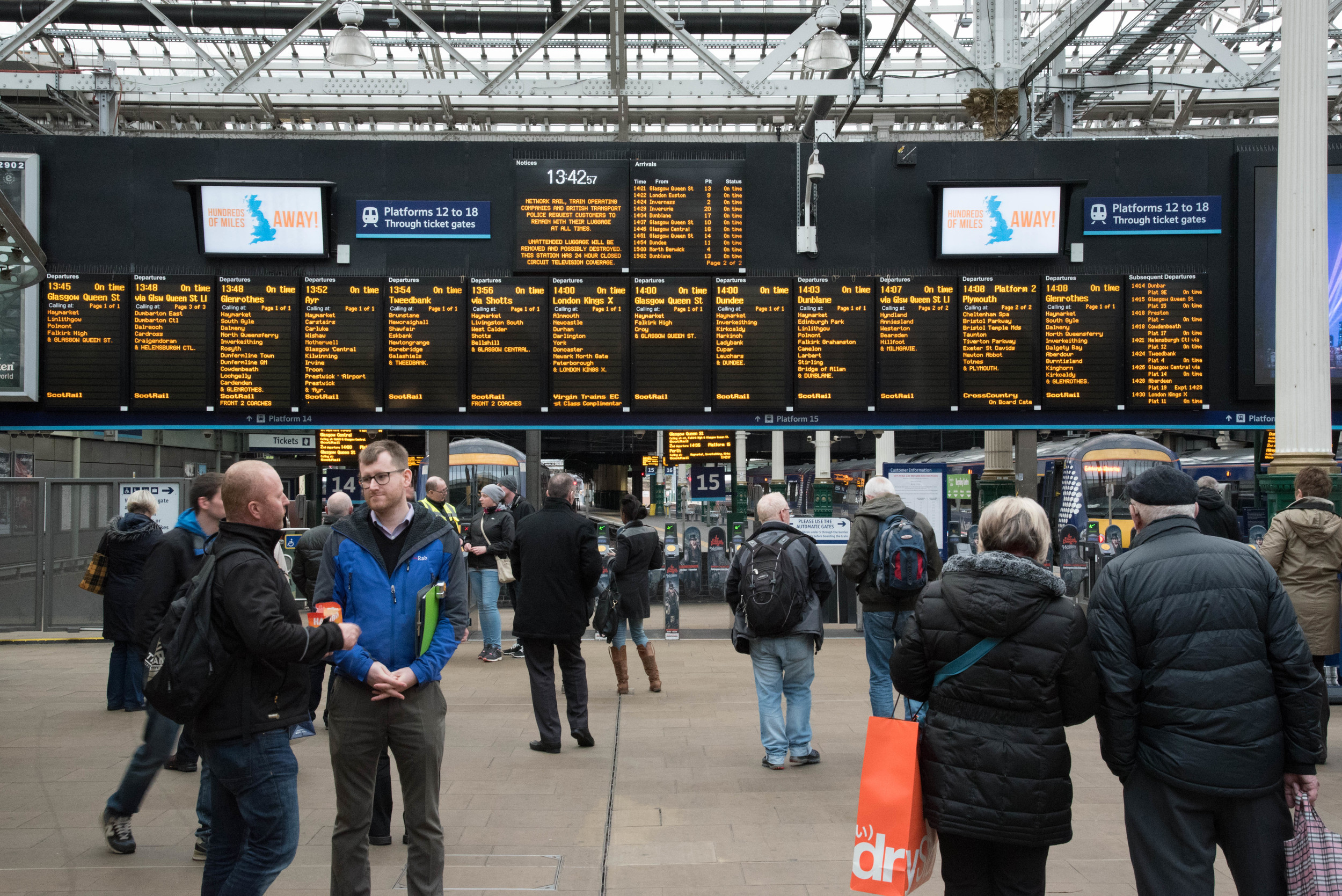
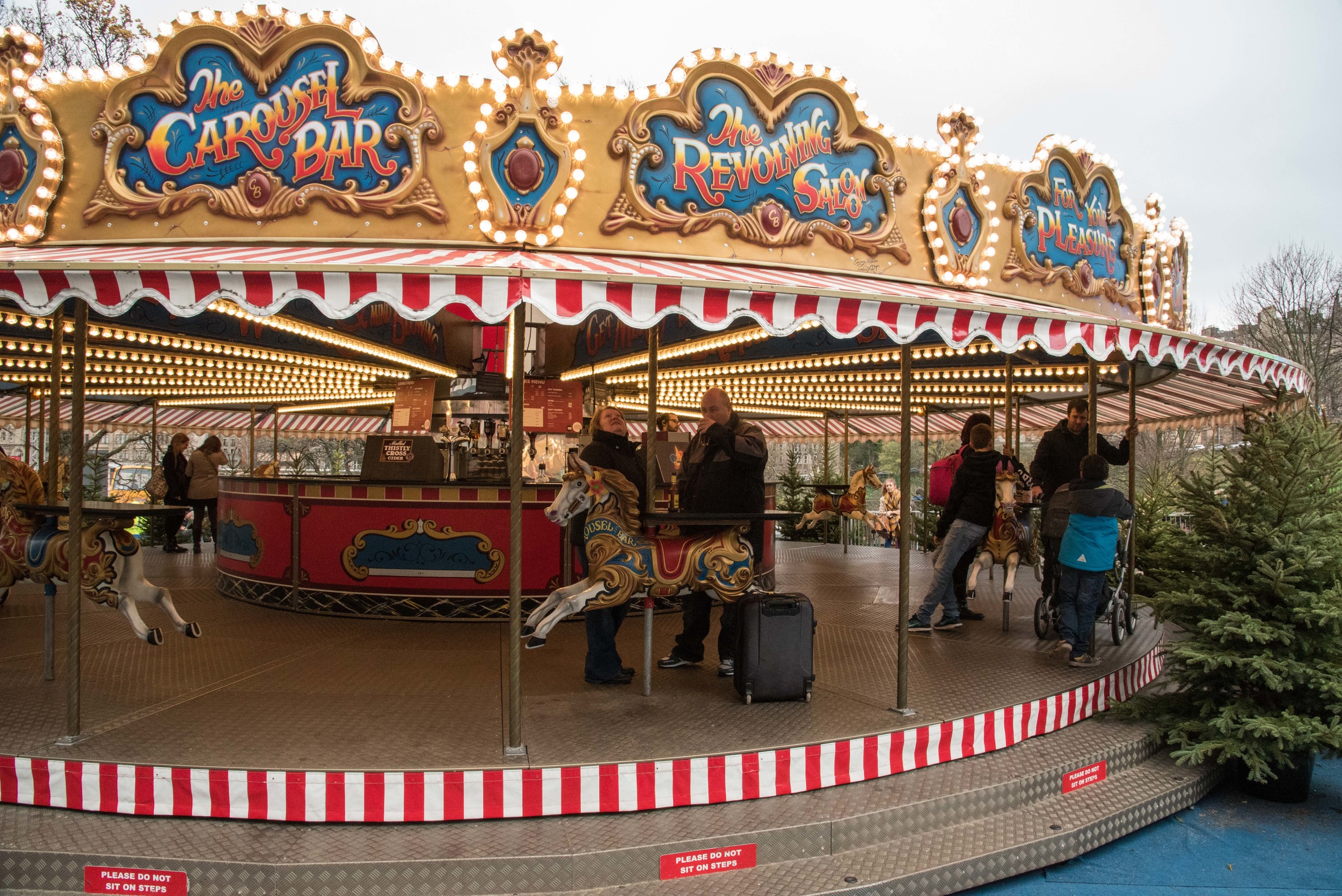
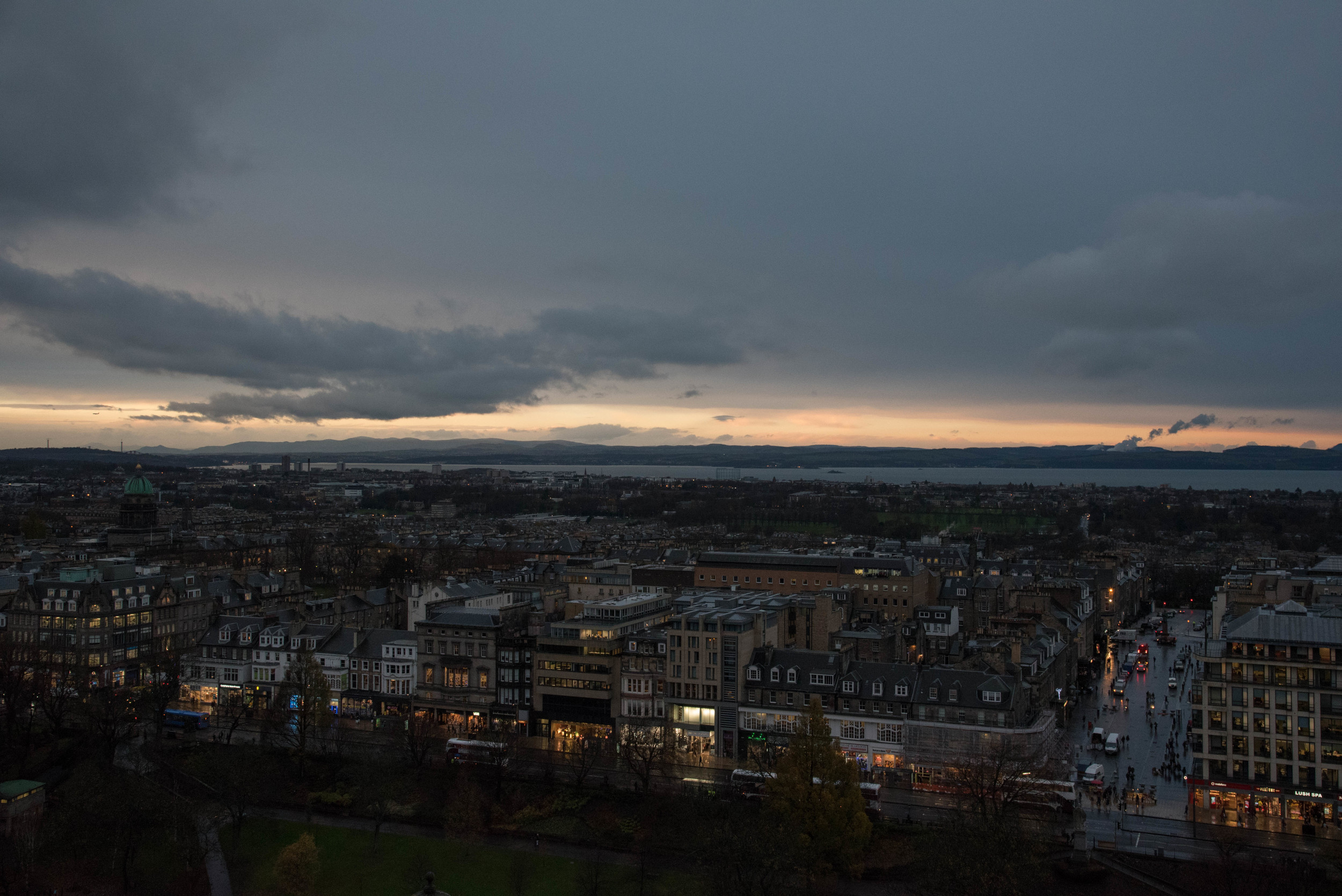
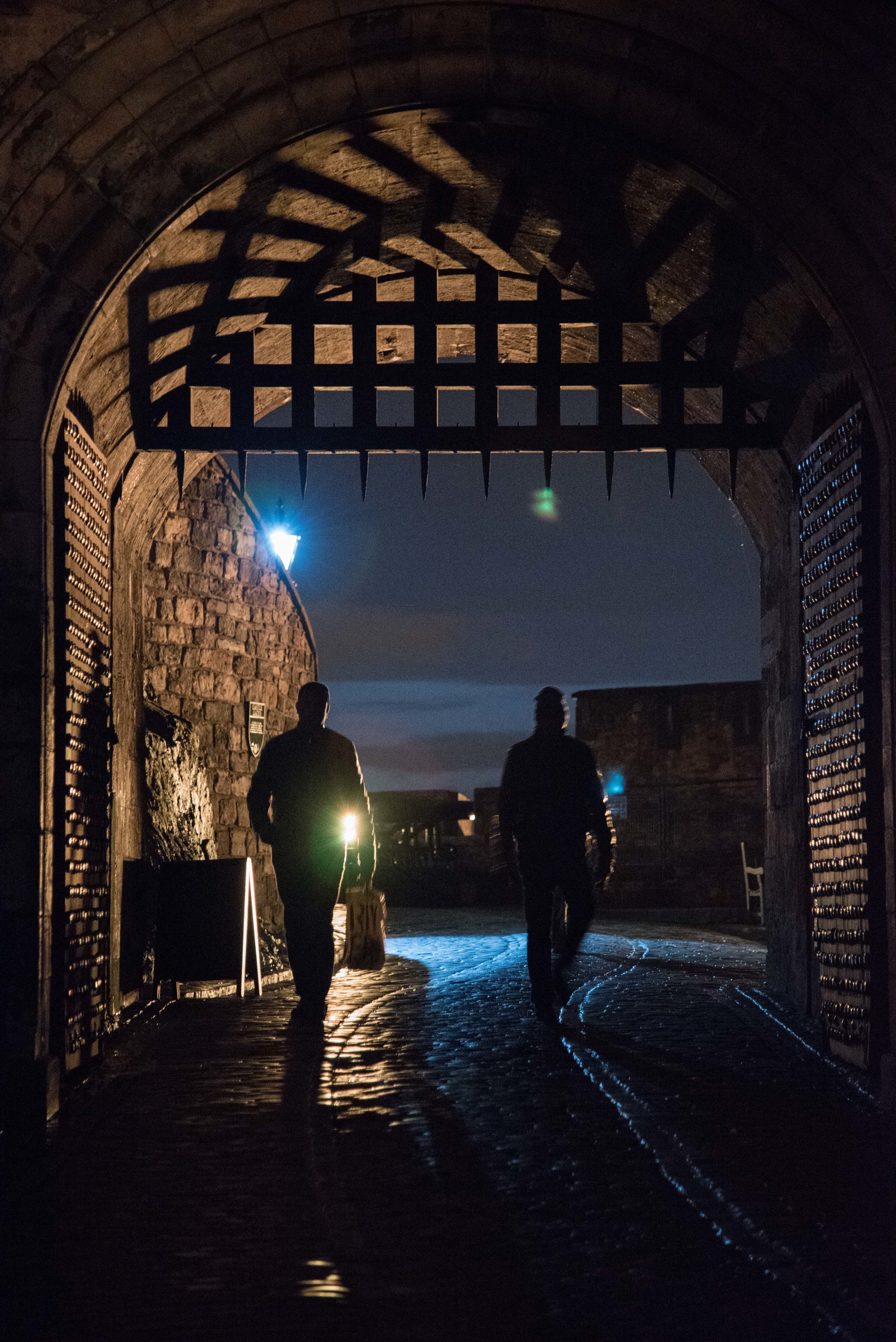
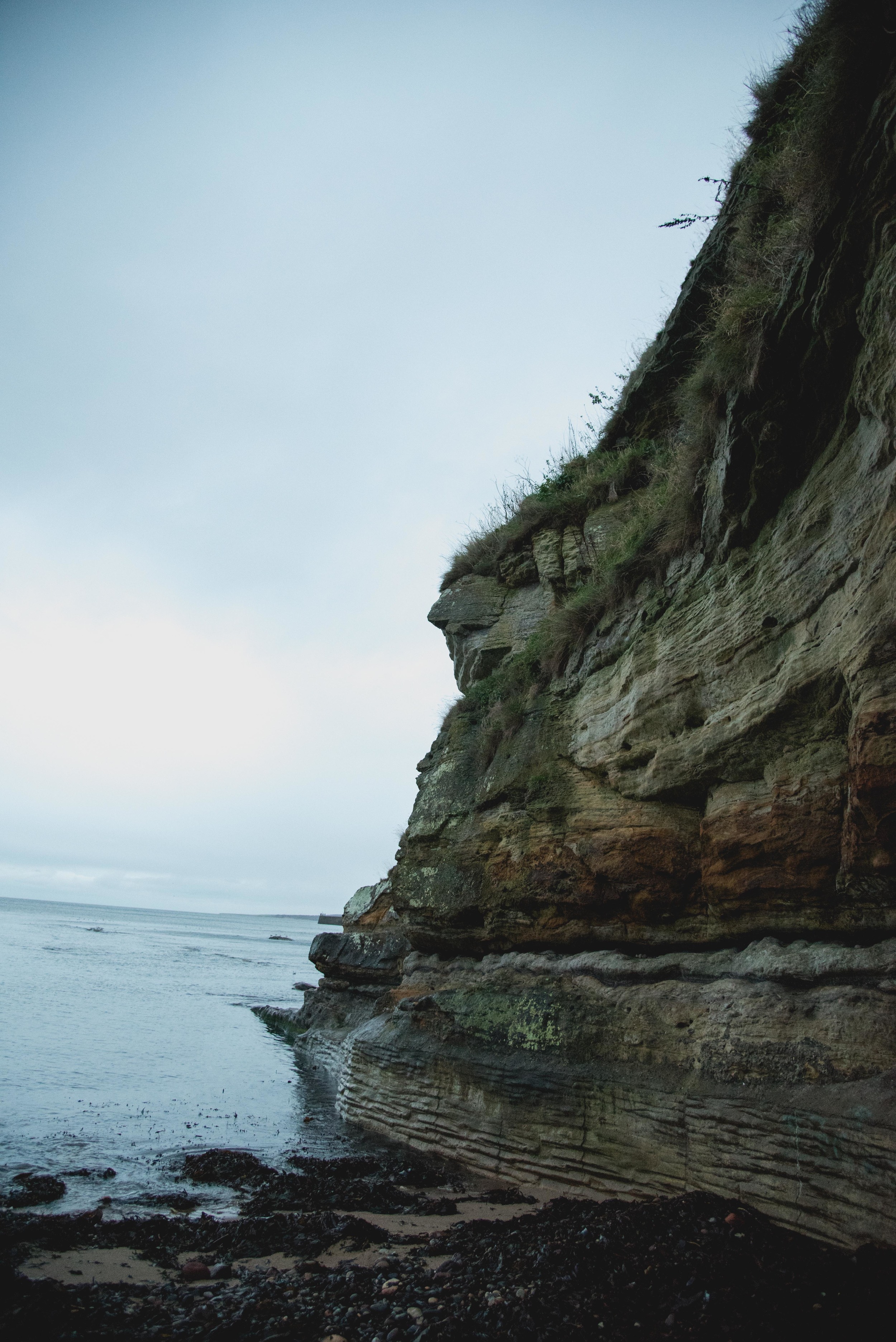
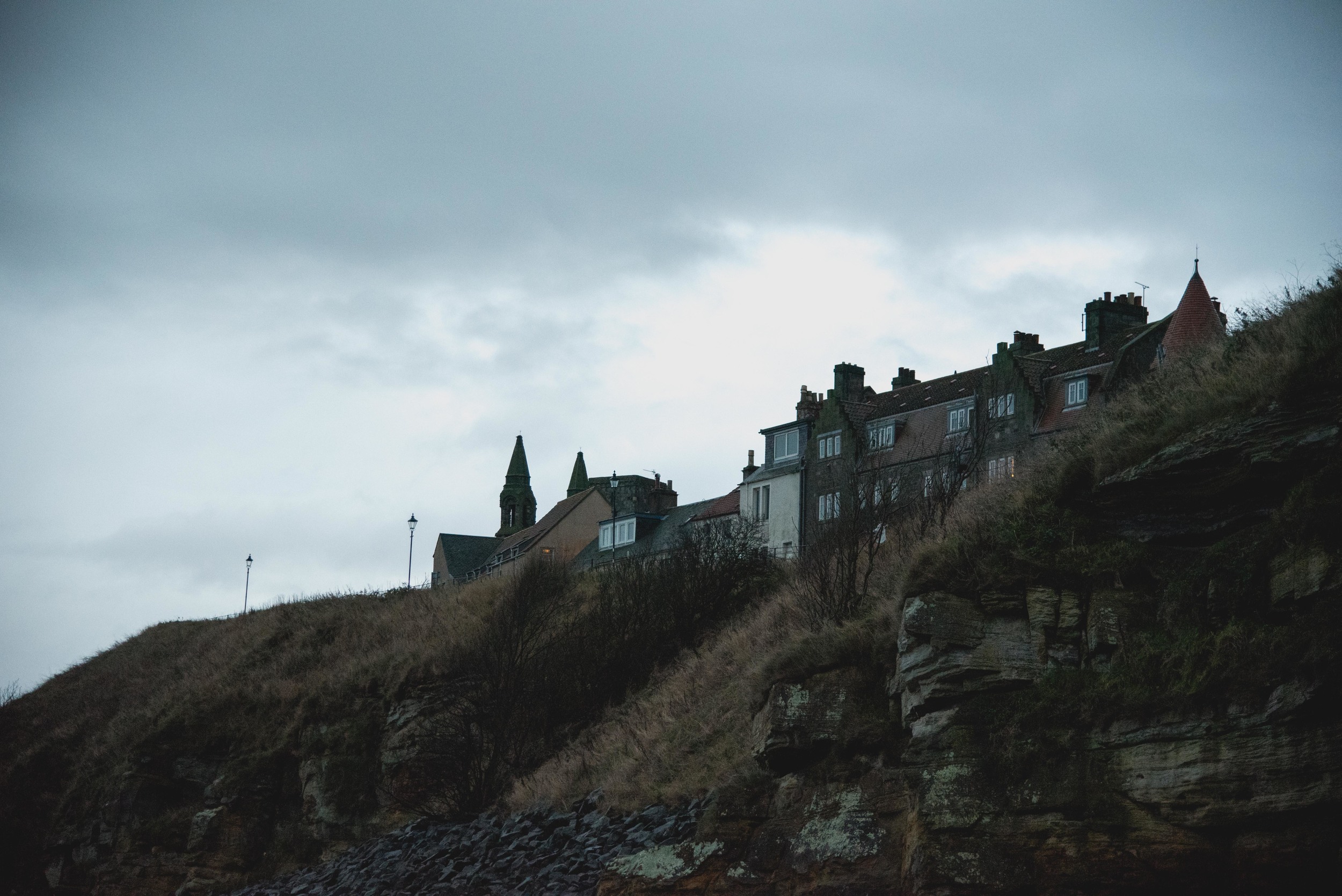
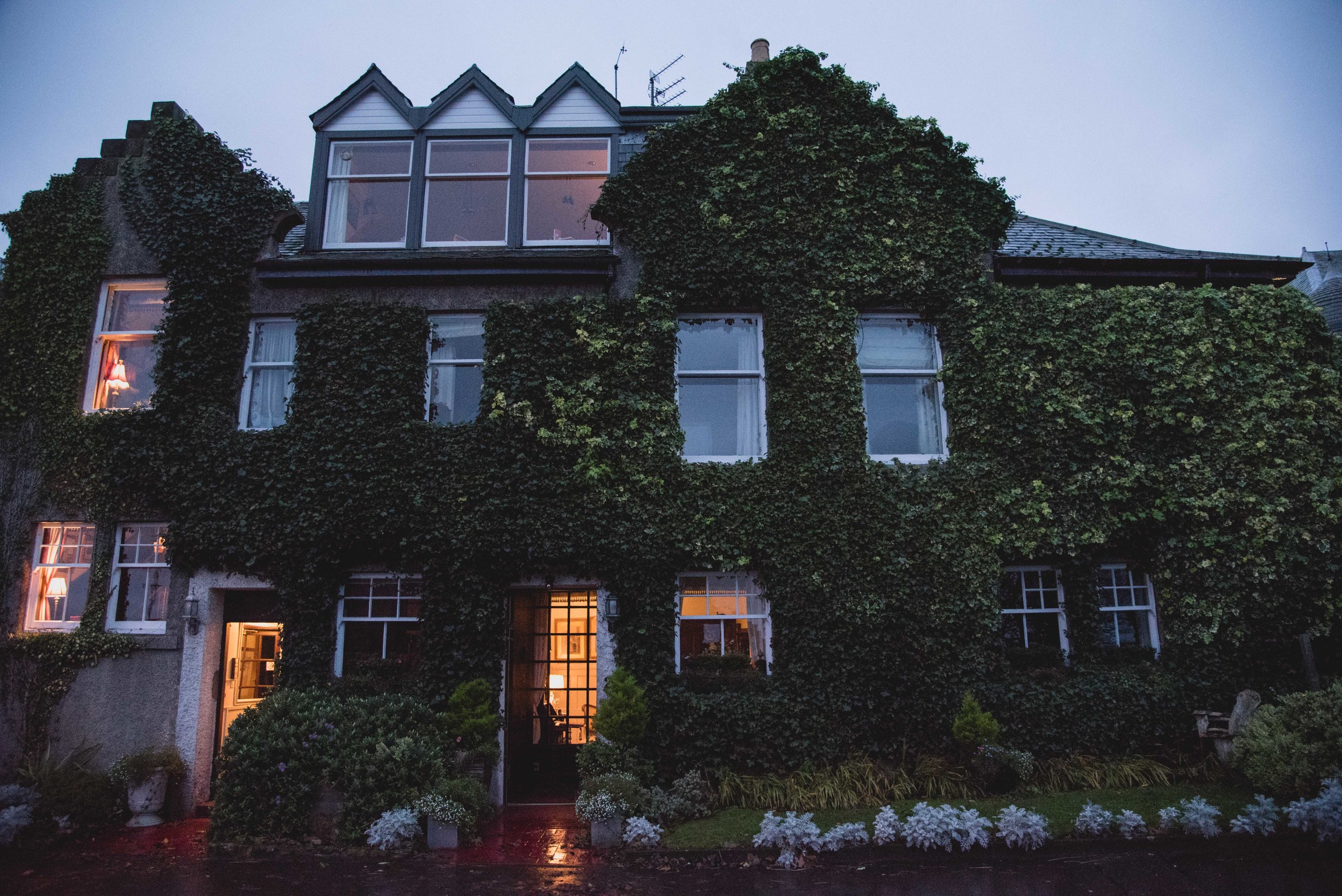
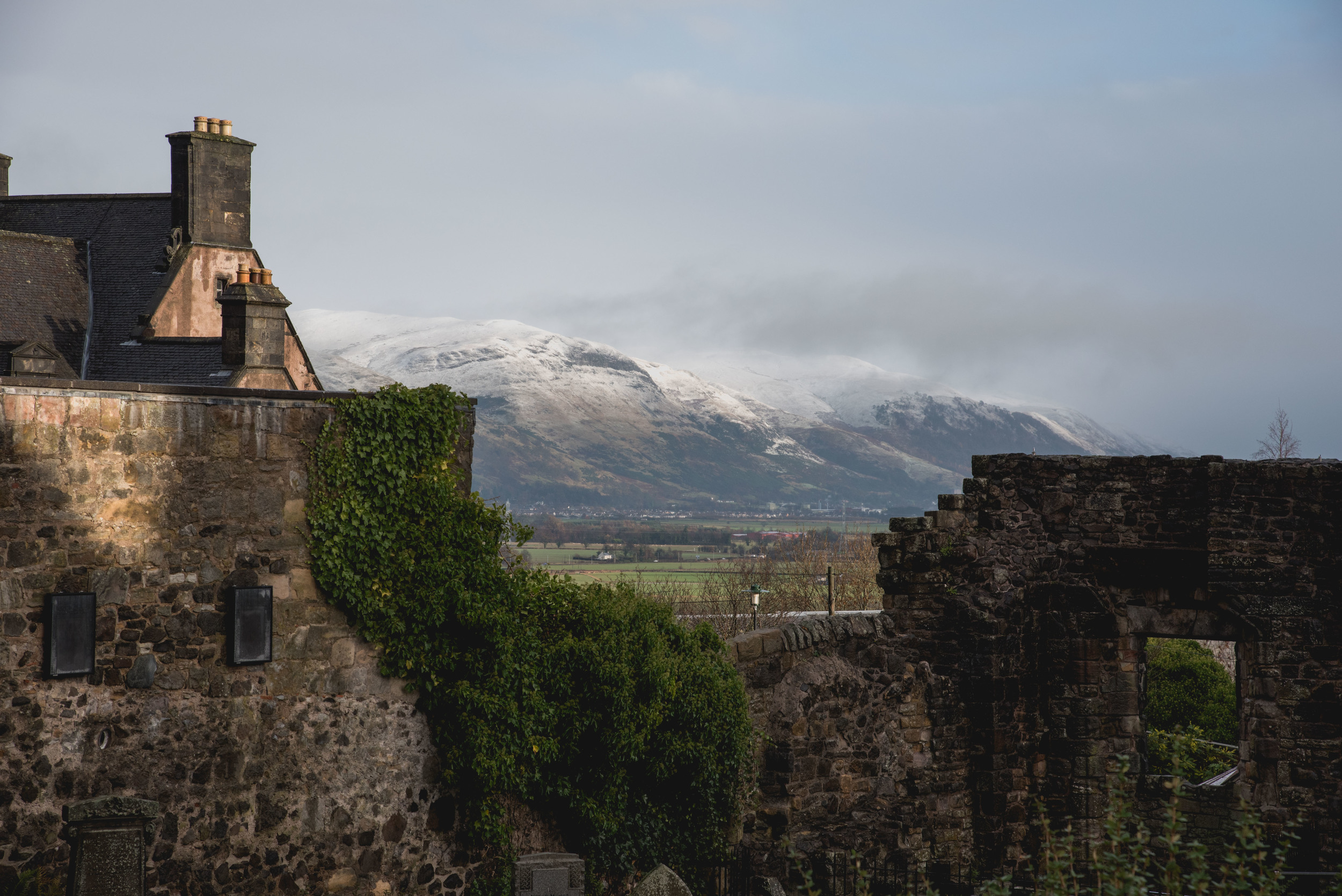
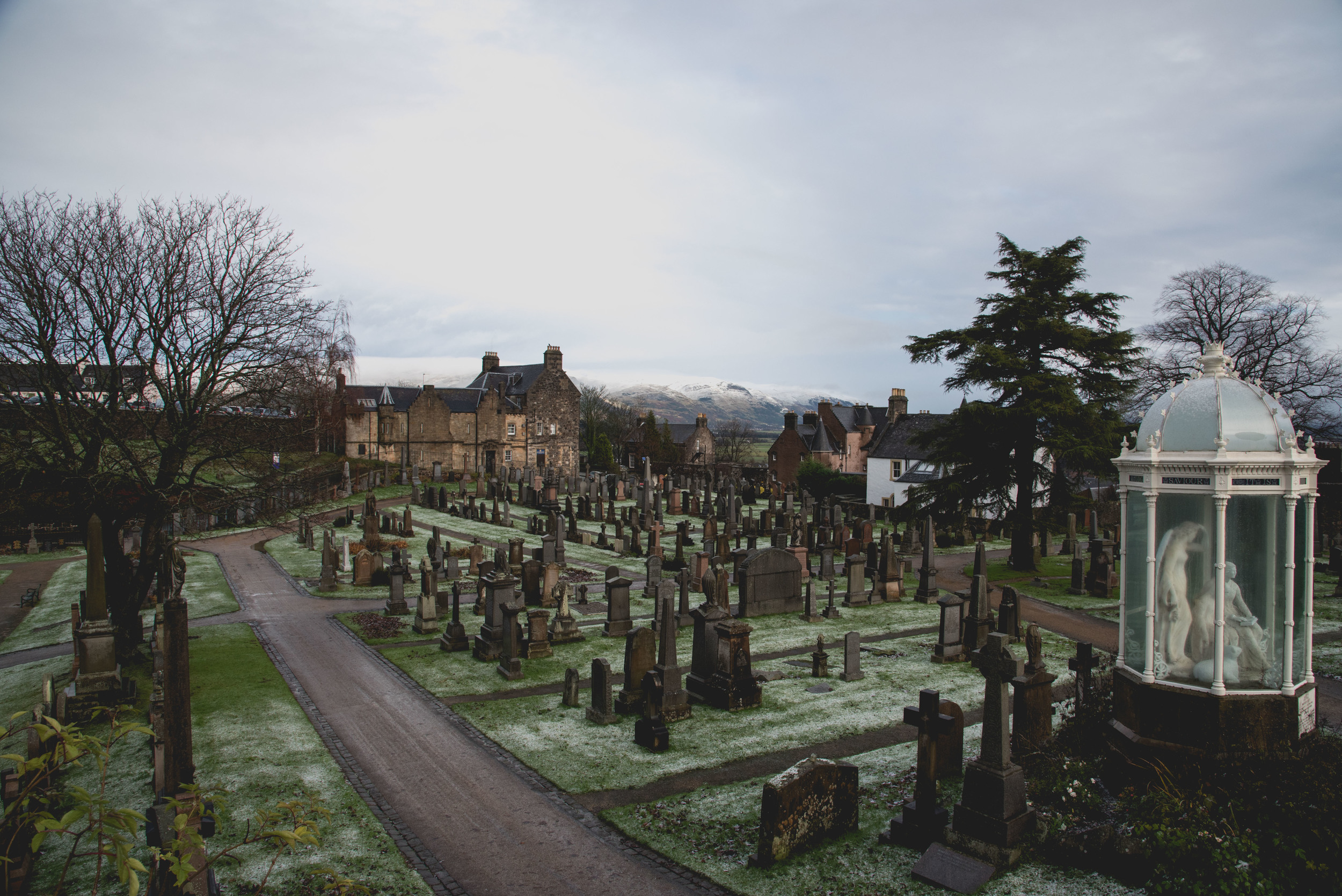
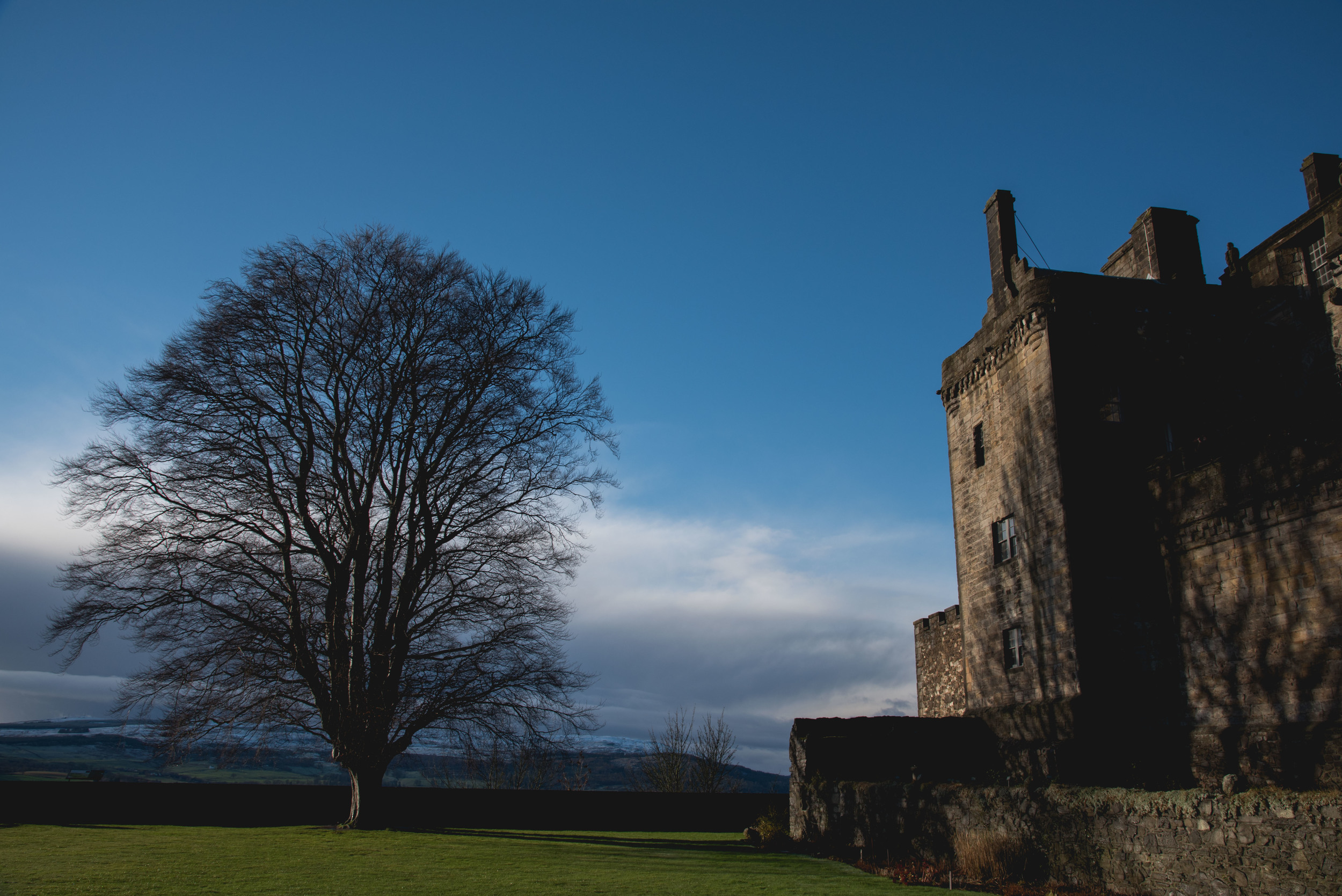
Over the course of our time in Scotland, we explored Edinburgh, Edinburgh Castle, St. Andrews, Stirling Castle, and even managed to make it north into the Highlands. Days filled with rain made it hard to take photos, but I managed nonetheless. The five days on the ground instantly made me reminisce about my four months in Dublin two years ago. I'll have to find a way to come back for a longer period of time.

Below are a series of galleries from different parts of the trip (and country).

Edinburgh

Edinburgh Castle

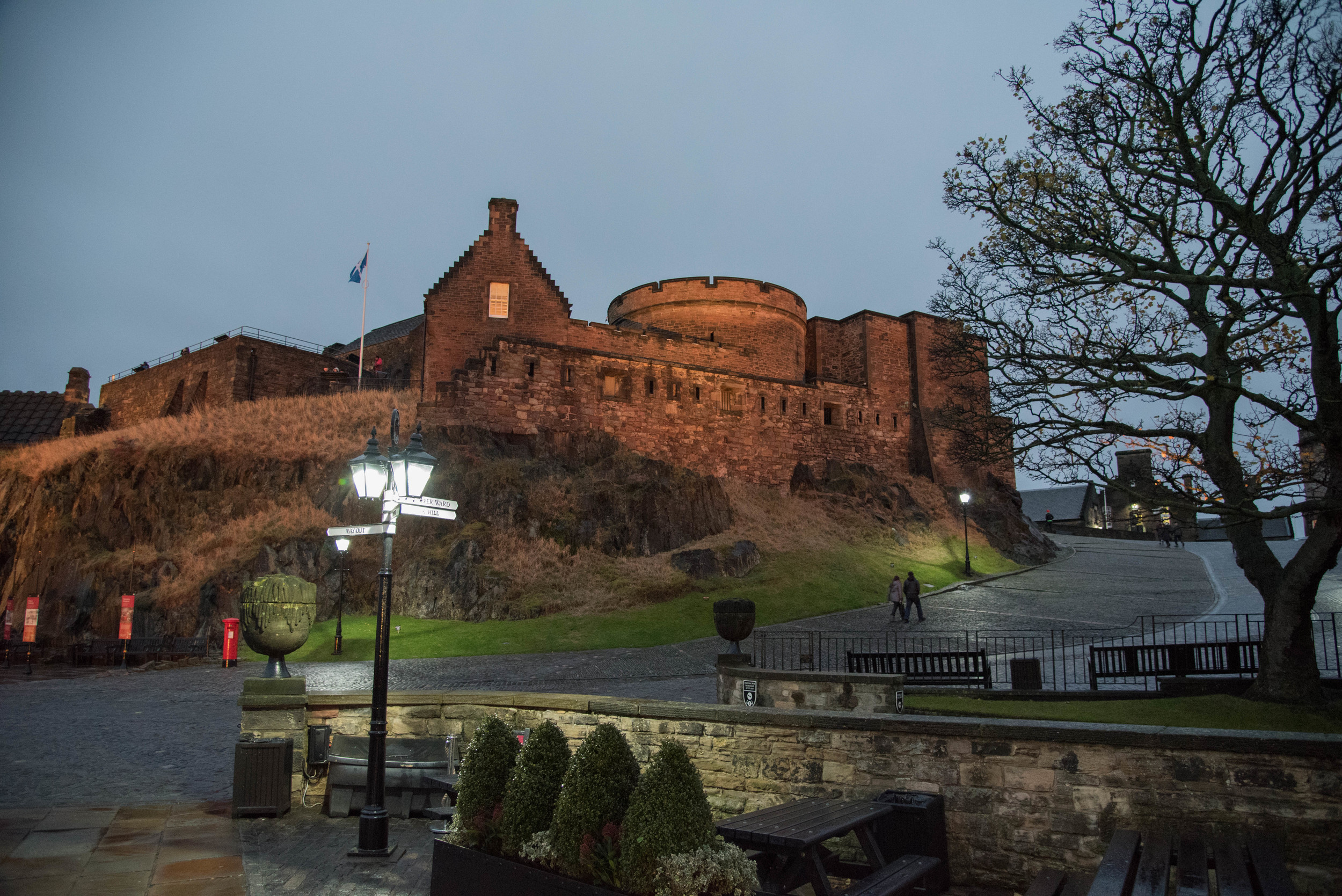
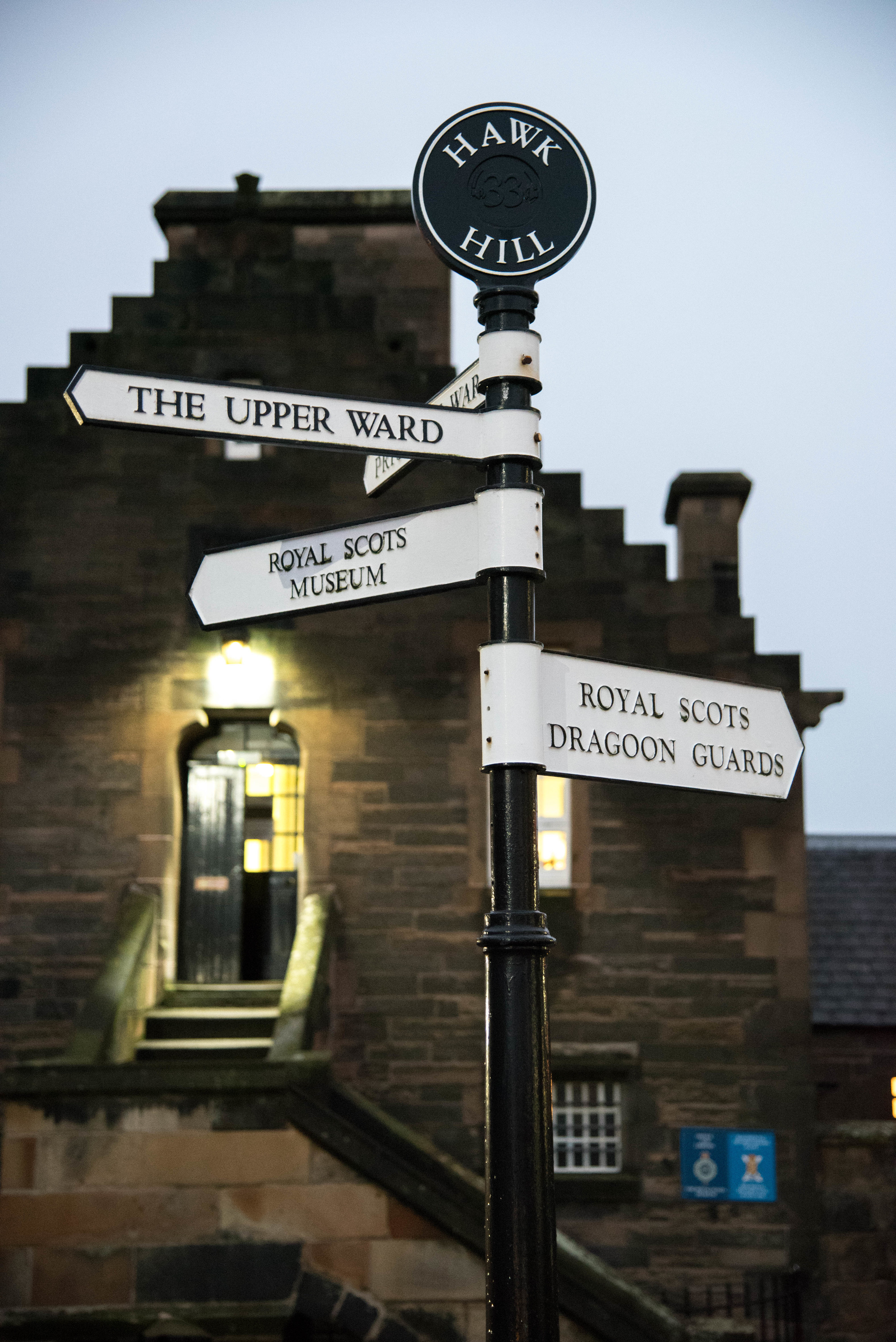
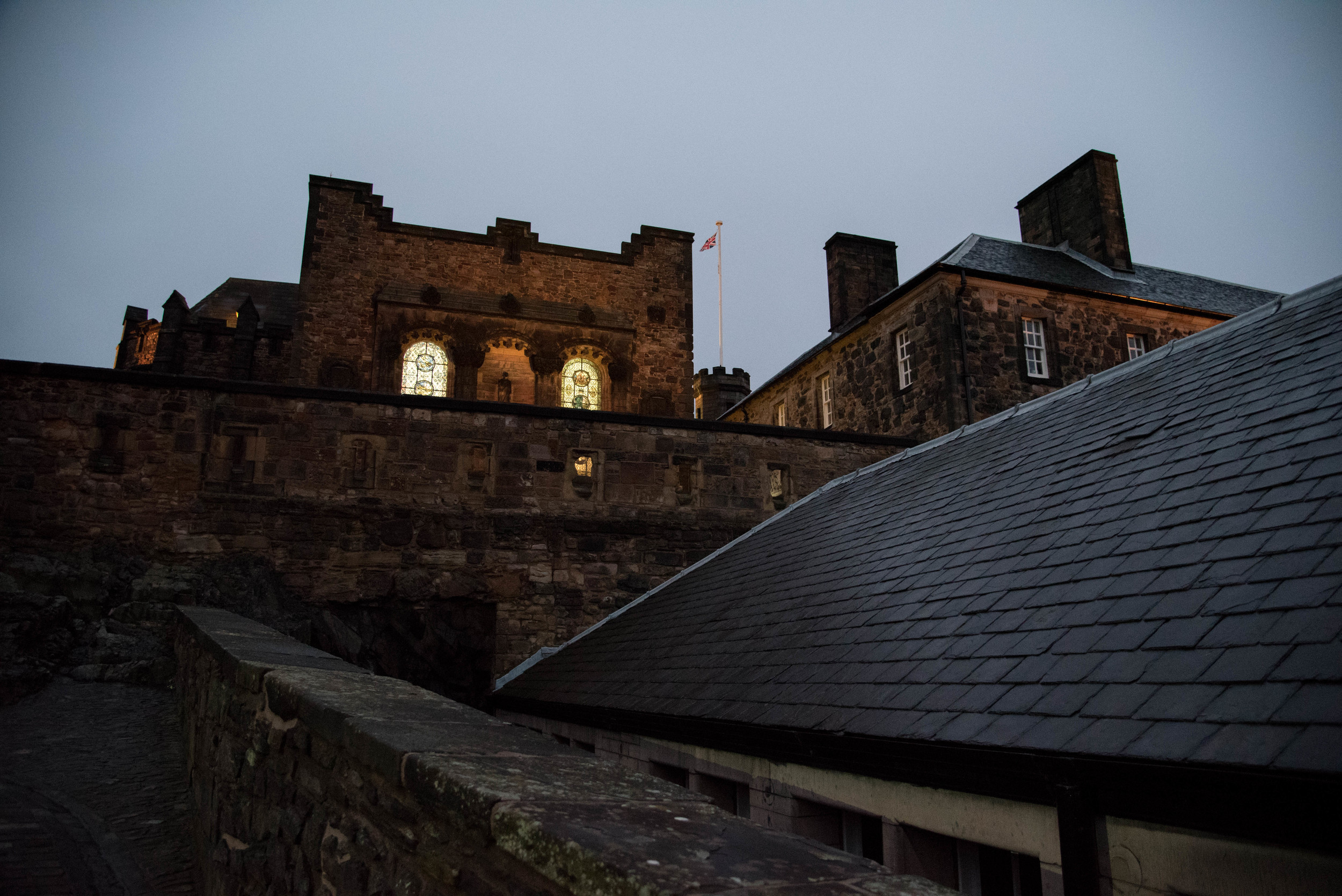
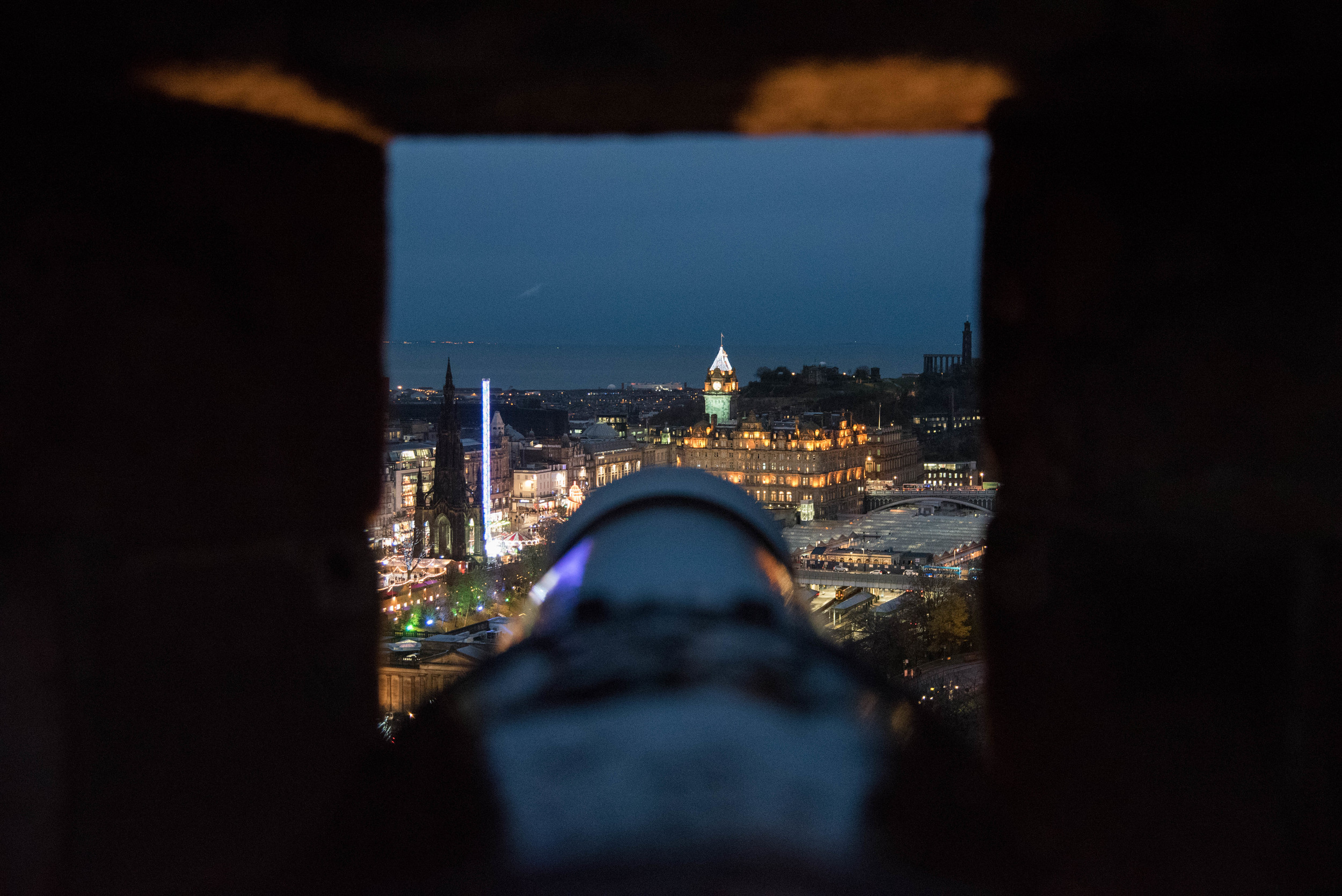
Both guidebooks and several articles online said that visitors should spend about an hour at Edinburgh Castle. We spent at least four — exploring the ramparts of the castle, checking out the Crown Jewels, and snaking our way through the National War Museum of Scotland. 

St. Andrews

It was hard to see as much as we would have liked with the sun going down around 3:45 every night and waking up late because of jet-lag, but we made the best of it. 

Stirling

Highlands

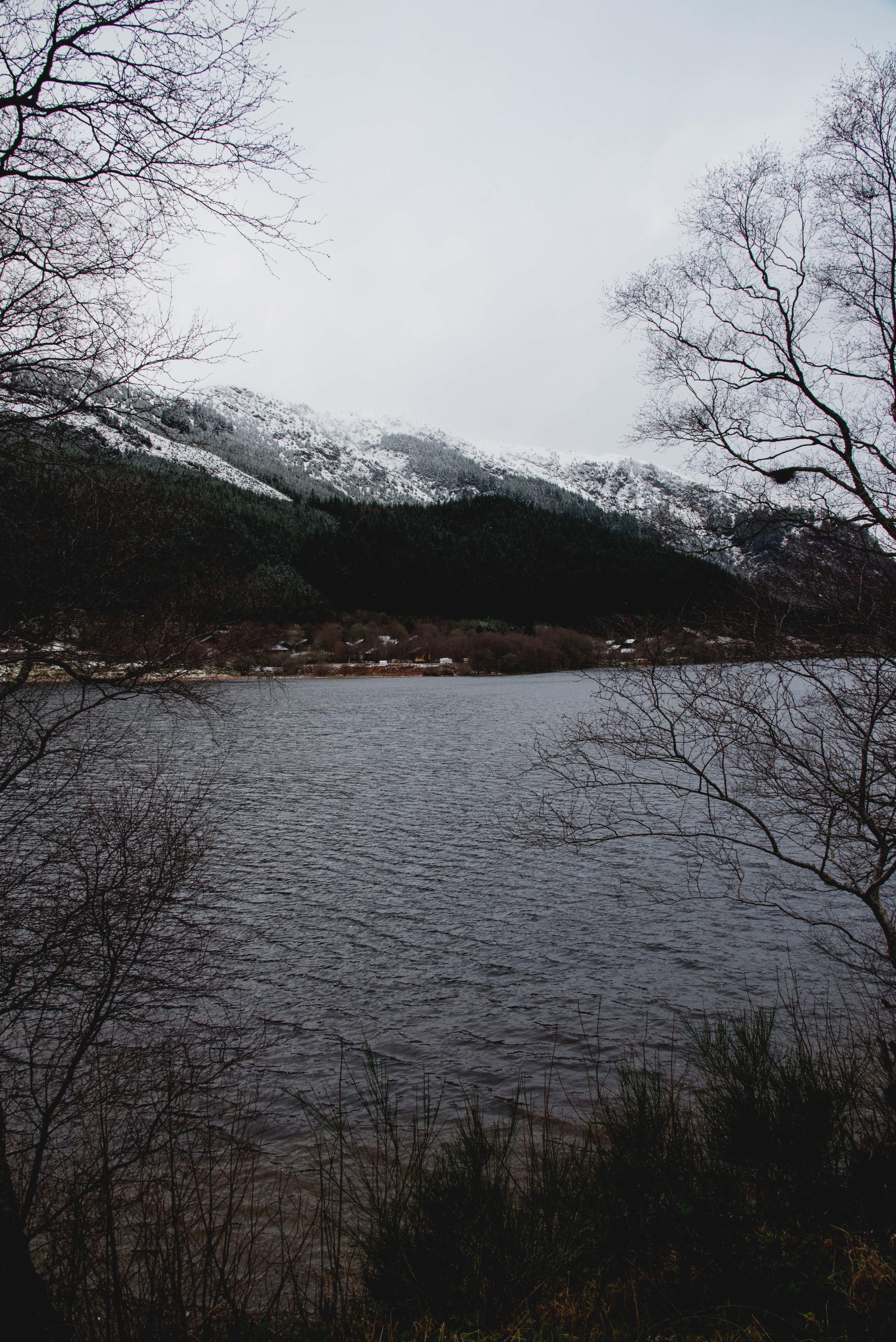
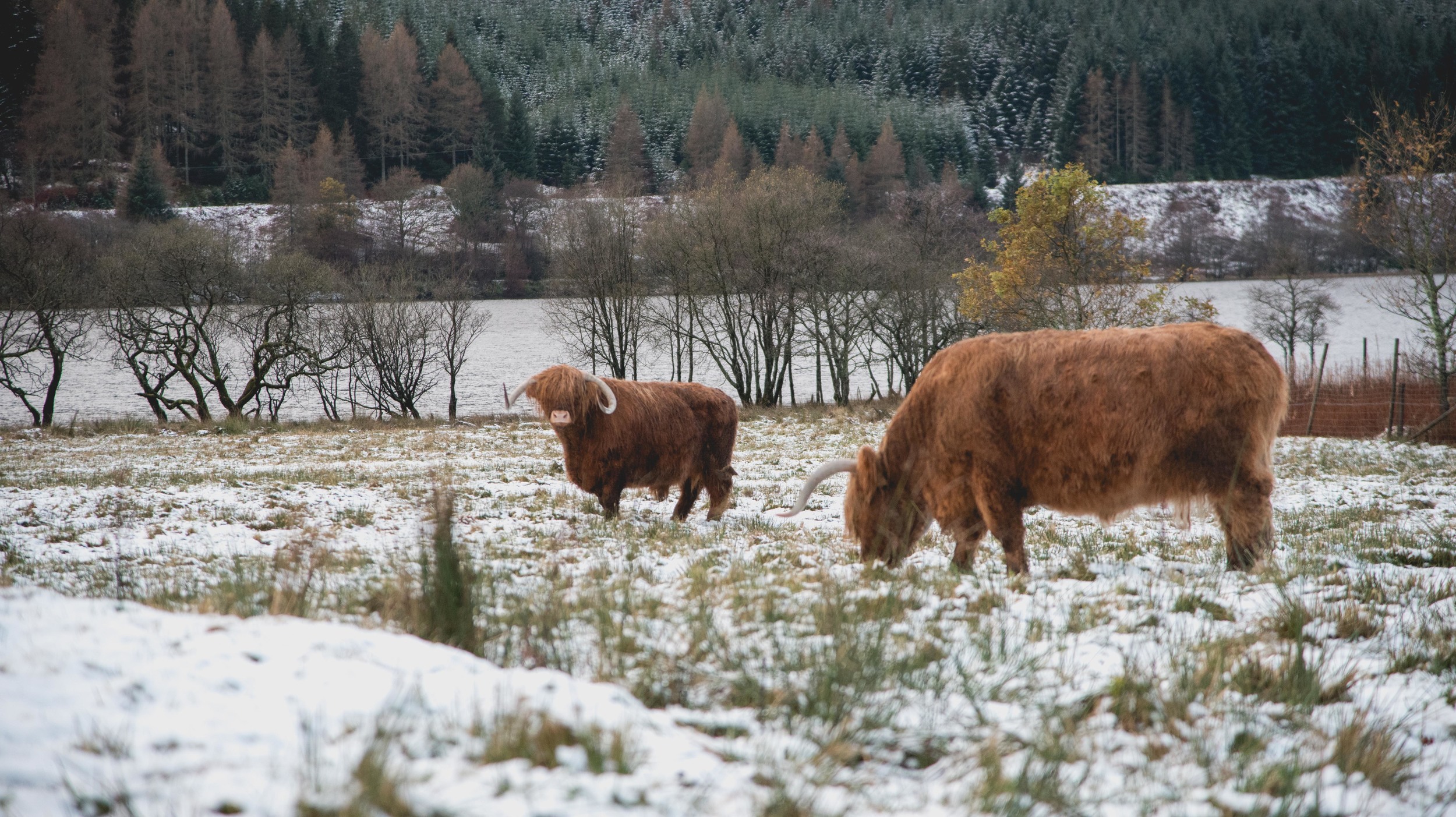
The wonderfully nice Scots at our hotel managed to find us a rental car on terribly short notice, so we made our way north of Edinburgh in search of Skyfall-esque views of the Scotish Highlands.

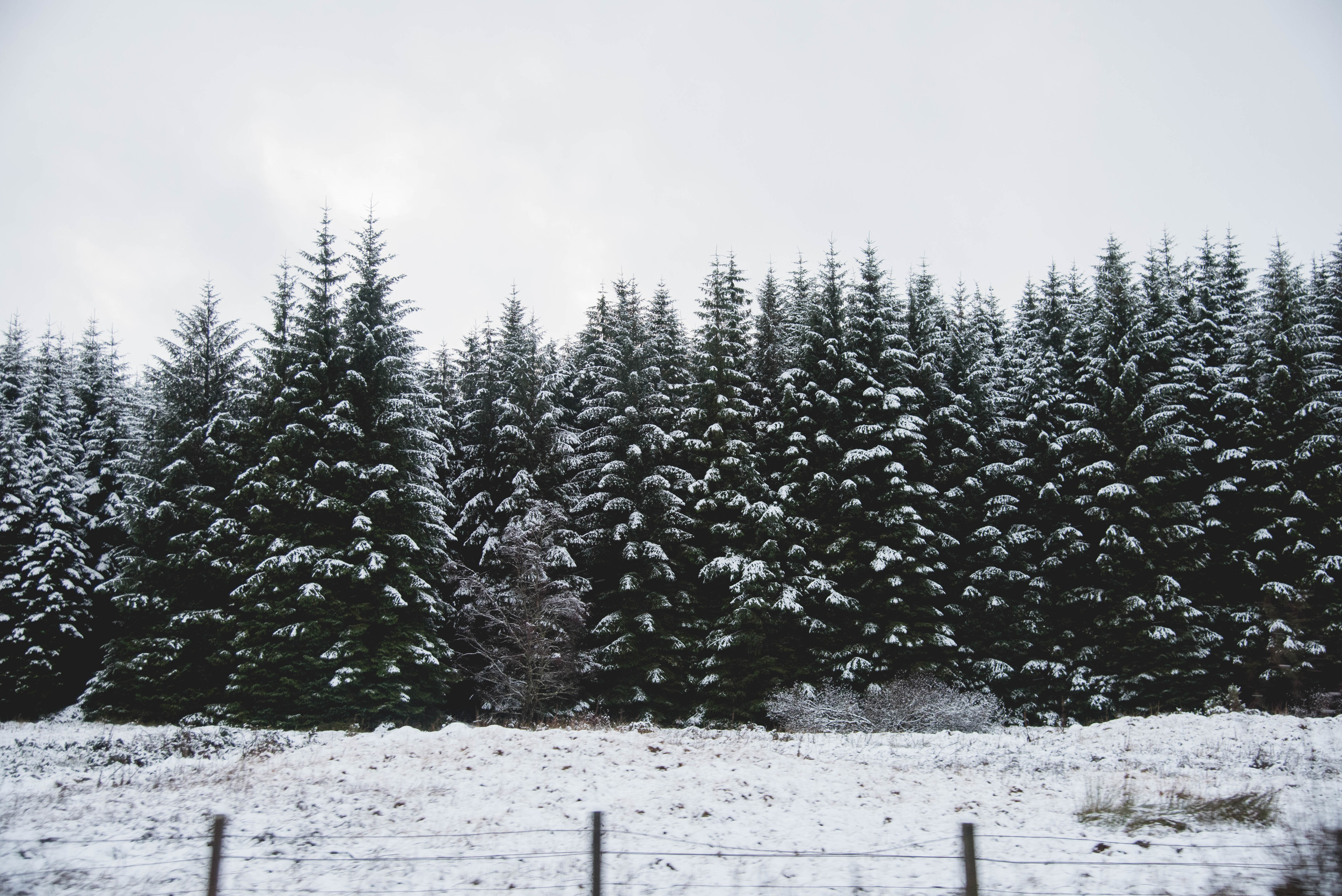
As we drove we watched the thermometer on the dashboard go from 3 degrees, down to 2, then 1, and finally it hit a steady 0. I looked up at the dark sky and wondered if it would snow. We'd packed for rain, we were visiting Scotland after all, but snow?!

A few minutes later the rain that battered the windshield grew quiet as it slowly changed to fluffy snow. We continued on as we raced the sun to the horizon, trying to see any bit of the Highlands before it grew dark.

New York City 2015 by William Bryan

“We don’t have room,” Jake said.

I had planned on crashing at his apartment in New York for the weekend for a few weeks now, but Desi decided that afternoon to join me on the trip.

Desi and I walked through the streets of New York after the 5-hour bus ride from Boston not knowing where he was going to sleep. His high school friend who goes to NYU was out of town, and all of the hostels were booked up.

“Hey Des, that bush looks like a nice place to sleep,” I joked

I was cracking up, but his laugh was made of pure nerves. He had decided that he wasn’t coming and that he was coming after all in the same 30 minutes that afternoon, so he was woefully unprepared for the trip.

We walked the streets around Time’s Square trying to find a subway station that would get us downtown to Jake’s place while trying to figure out where Desi would sleep. It wasn’t terribly cold outside, but sleeping on the street would definitely not be fun.

“Hey man, if worse comes to worst and you have to sleep on the street I’ll give you my pocket knife,” I said. “You can probably just crash on the stairs in Jake’s building, just use your backpack as a pillow.”

“If I’m sleeping on the street I at least need to charge my phone in case something happens, you think I can charge it at Jake’s place?”

“Yeah, definitely. So let’s start there and see what we can figure out.”

We sat in Jake’s tiny apartment just catching up on our lives while Desi charged his phone when I just went ahead and said it:

“Hey Jake, I don’t want to be a dick and I know you already said you didn’t have room, but Desi doesn’t have anywhere else to go. His friend is out of town and all of the hostels are full. Are you sure we can’t find space for him in here?”

“Oh yeah no worries. My roommate is staying at his girlfriend’s place this weekend so you guys can share his bed.”

Desi sighed in the corner by the phone charger and looked as relieved as I’ve ever seen him.

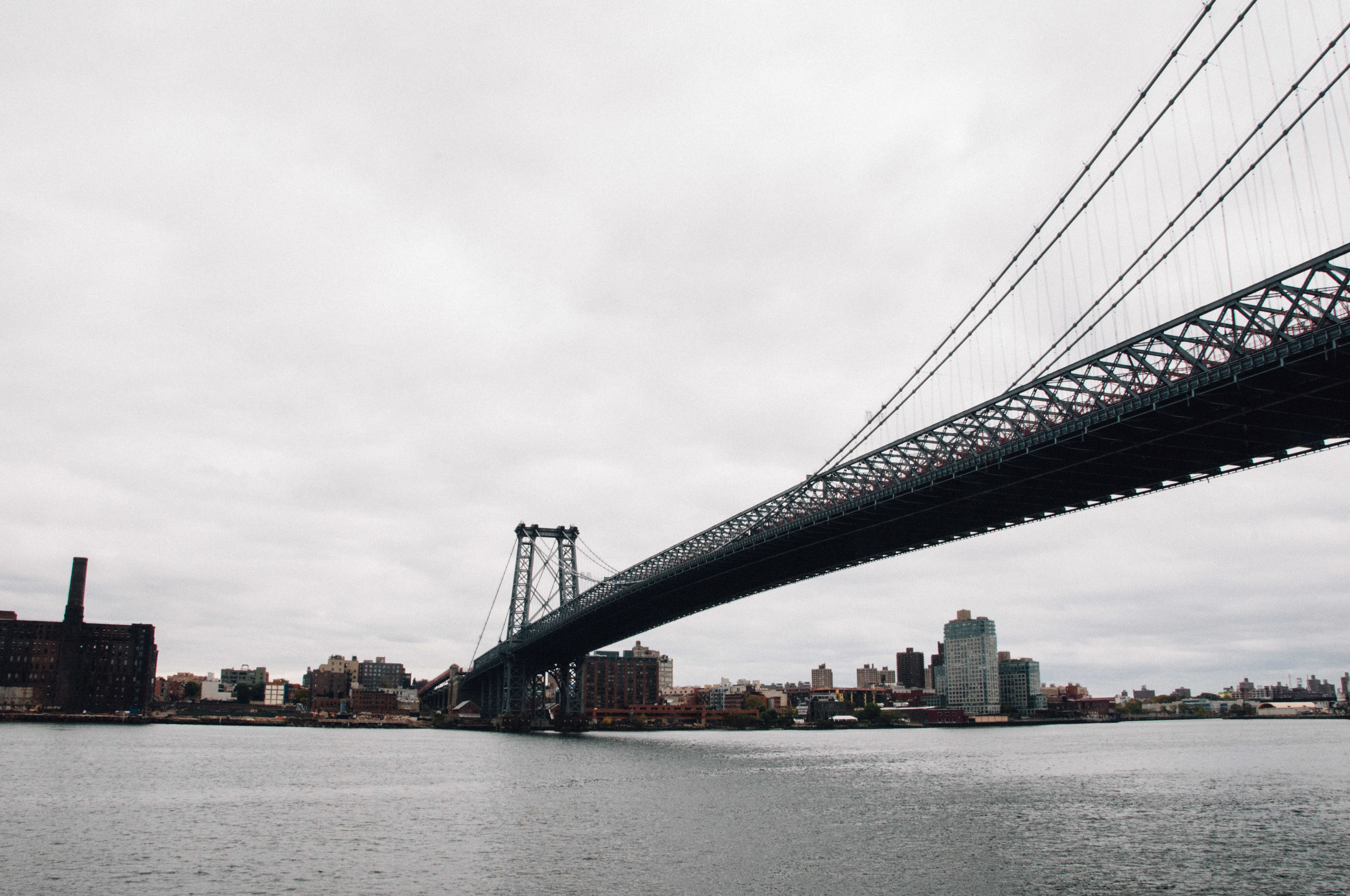
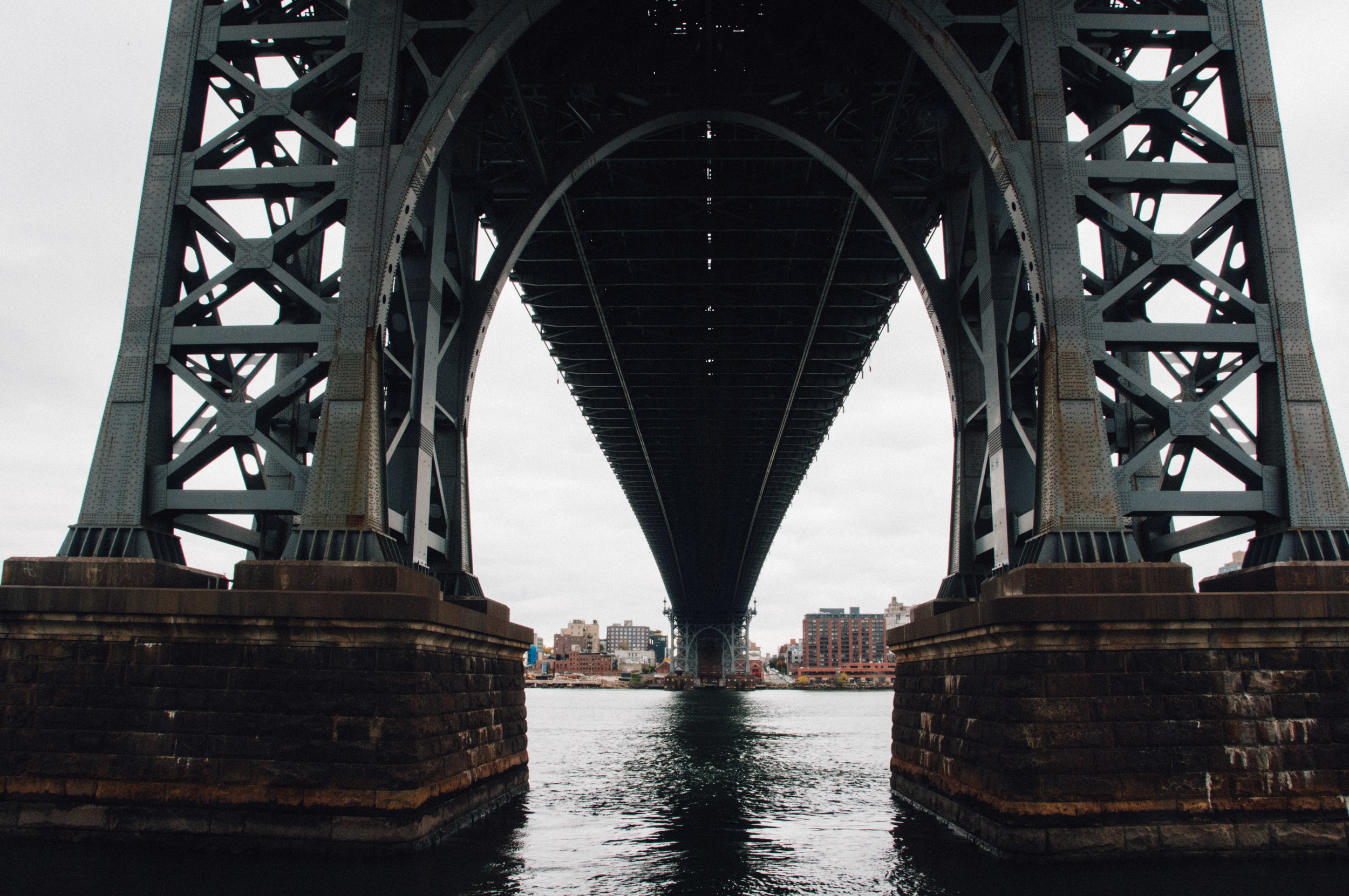
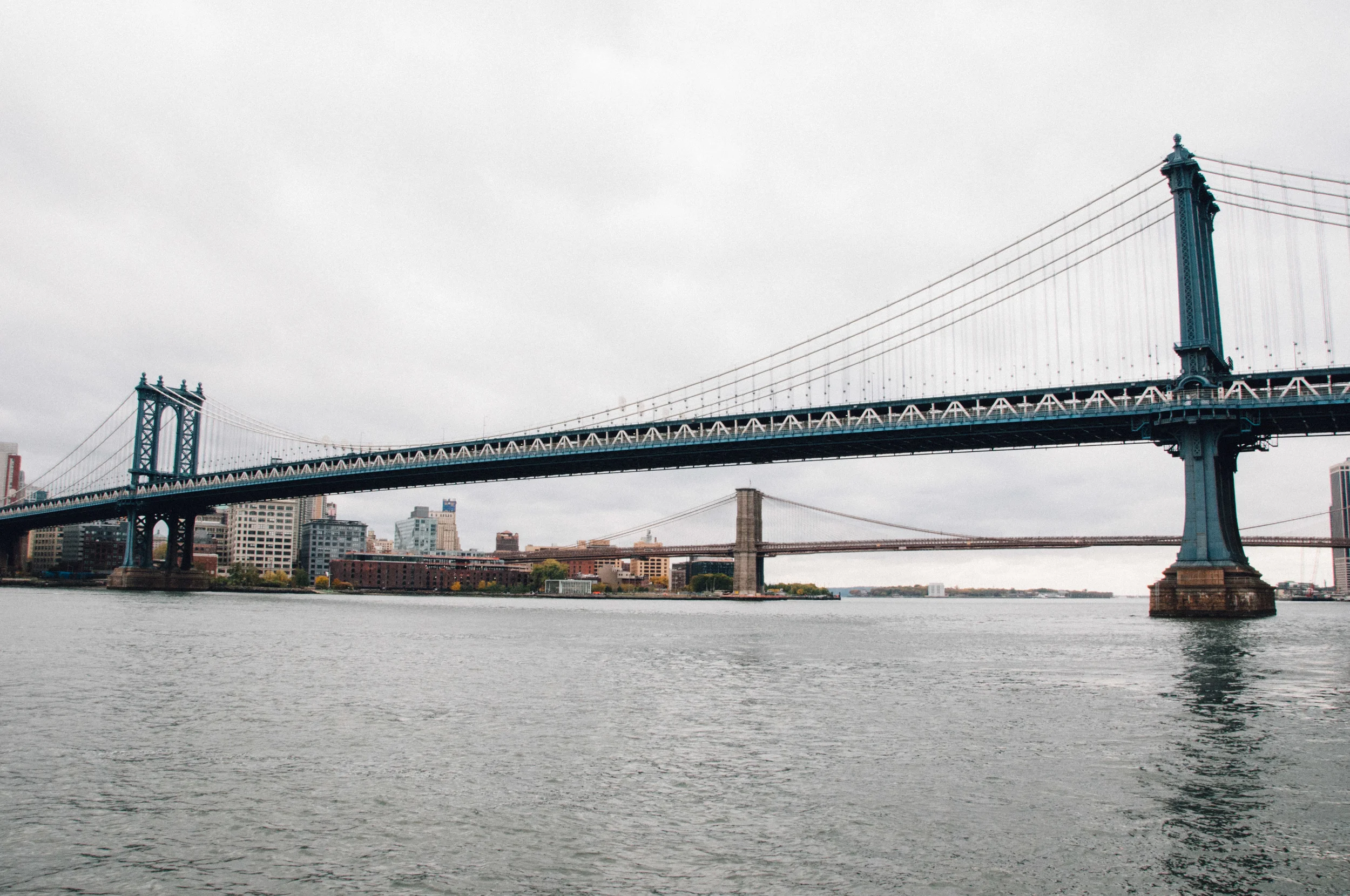
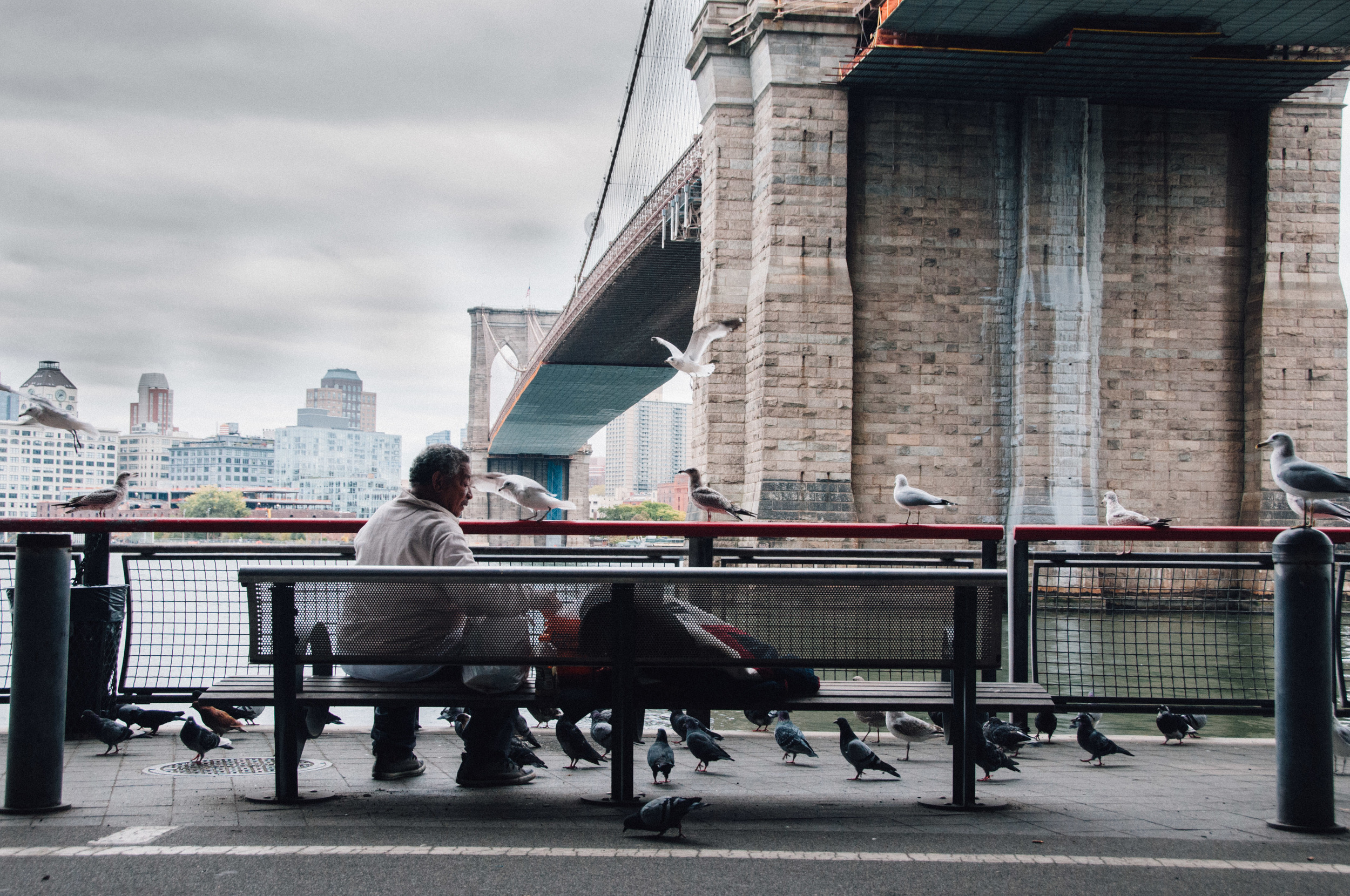
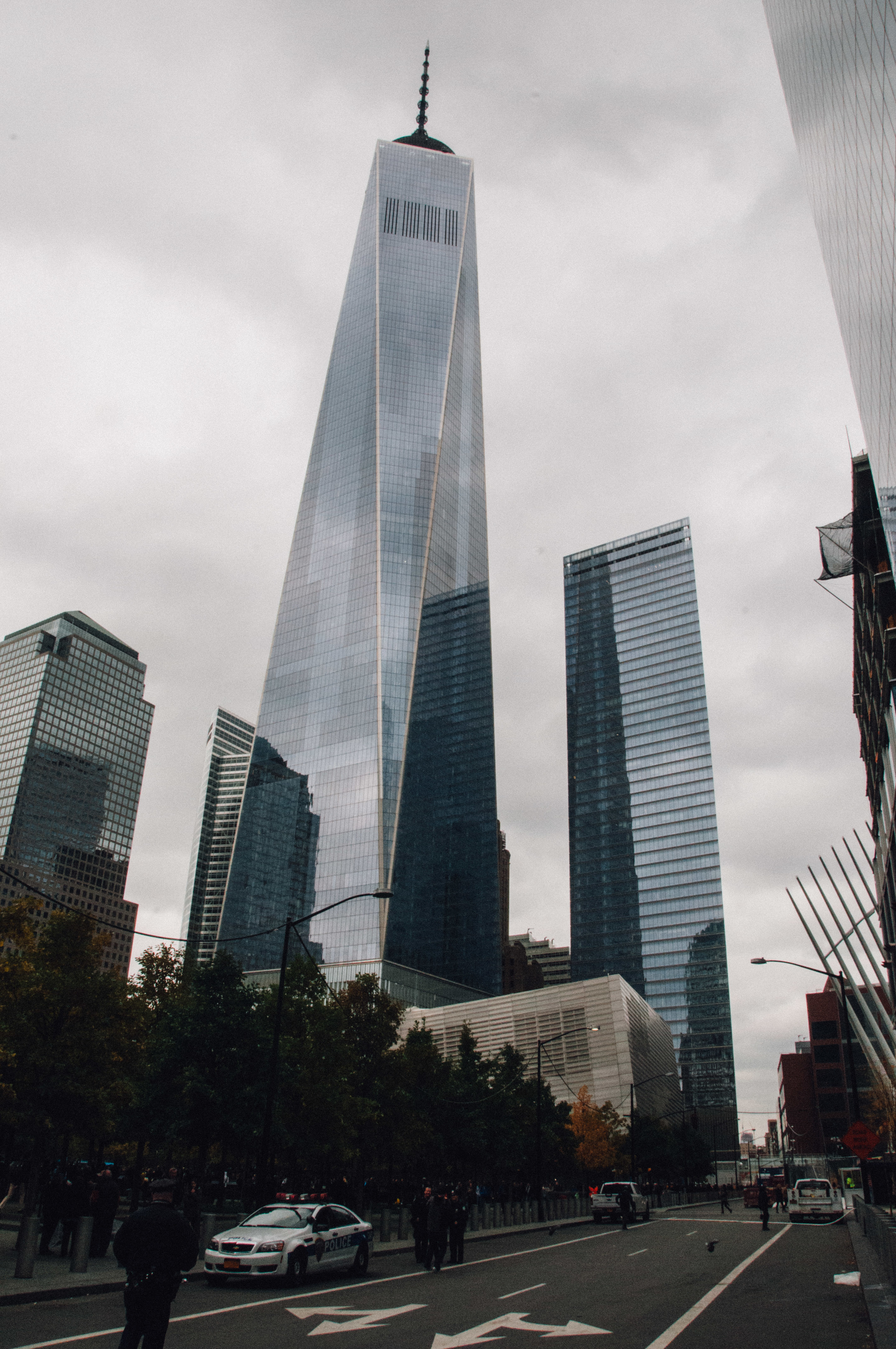
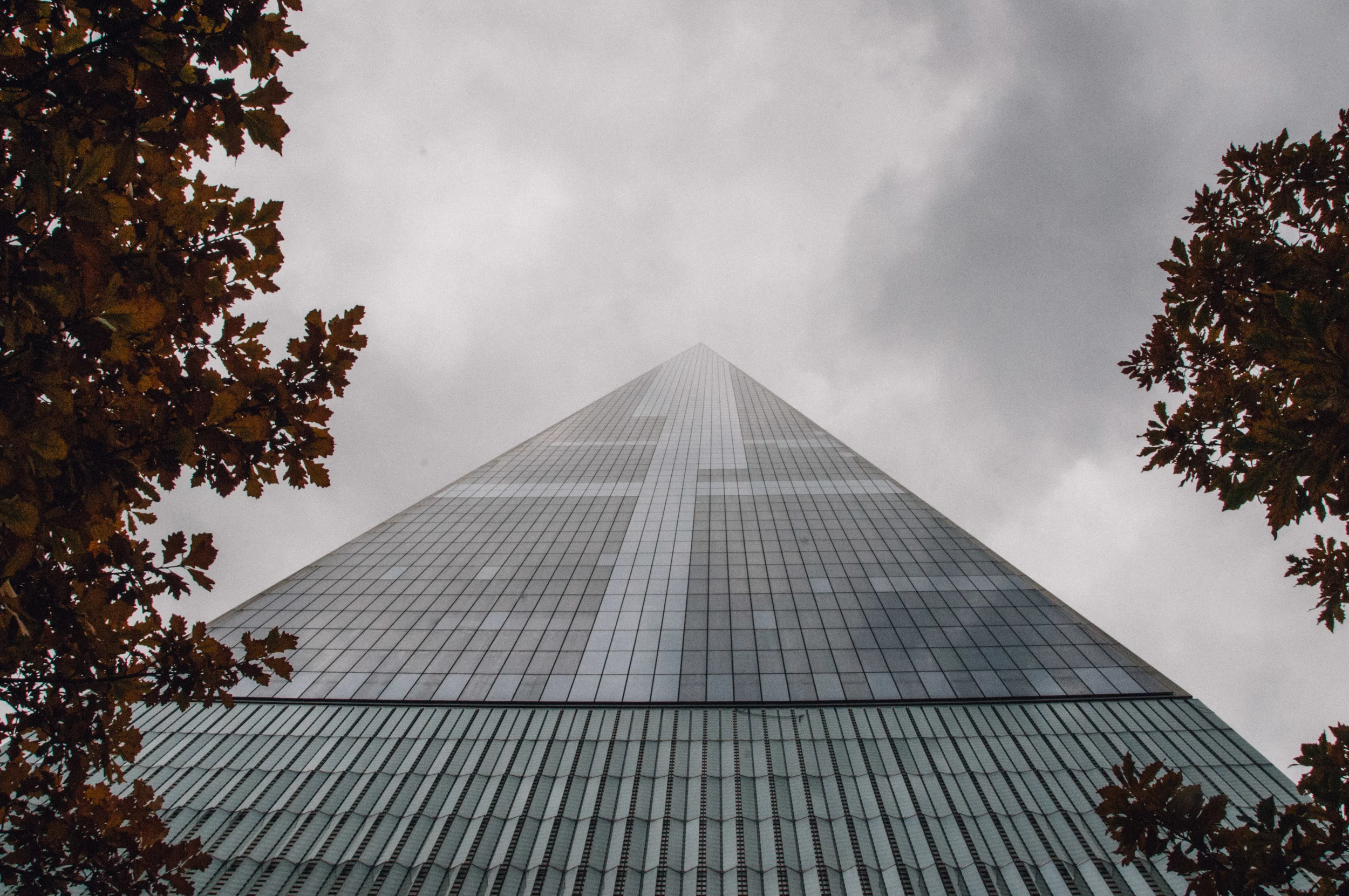
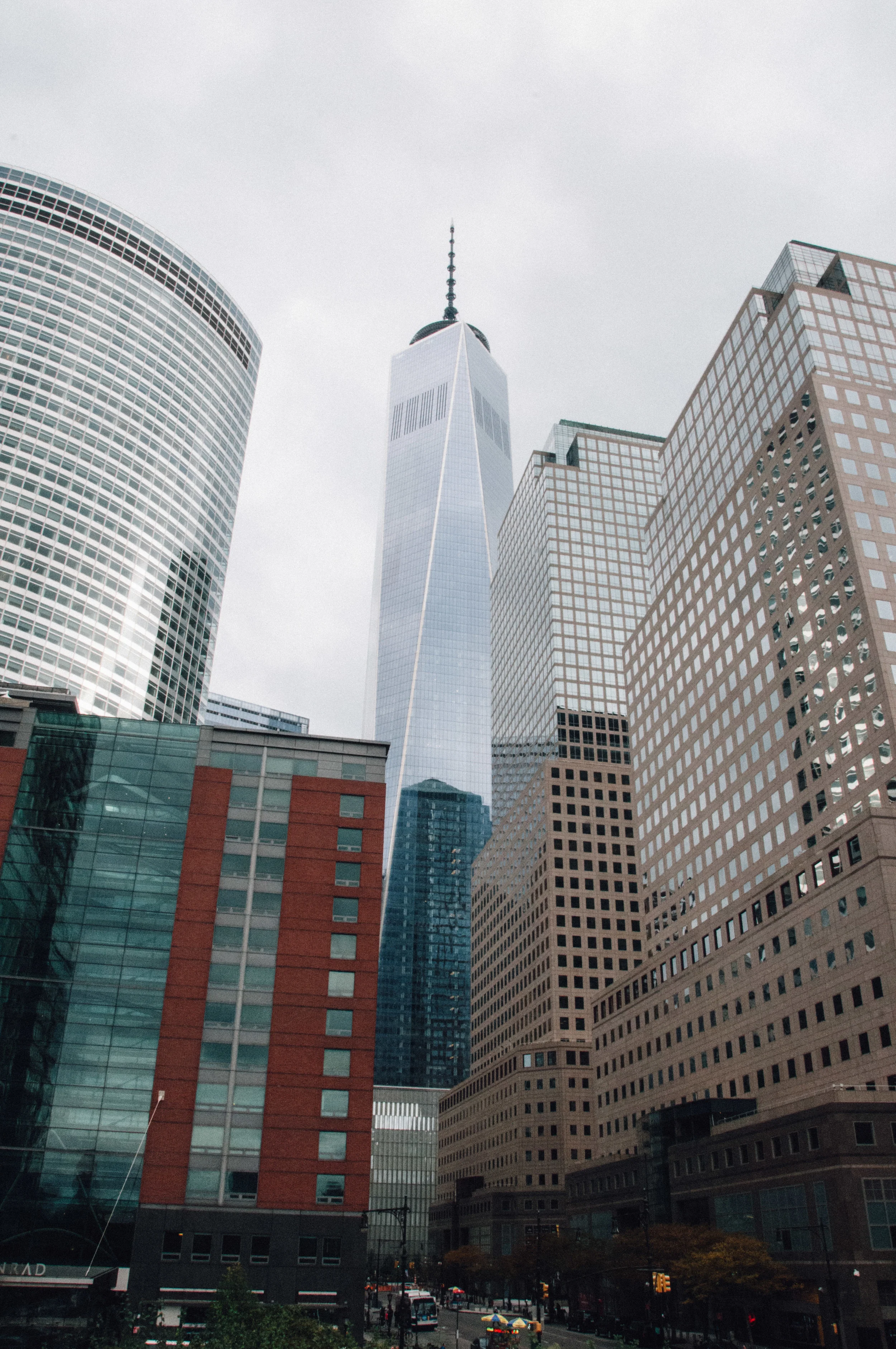
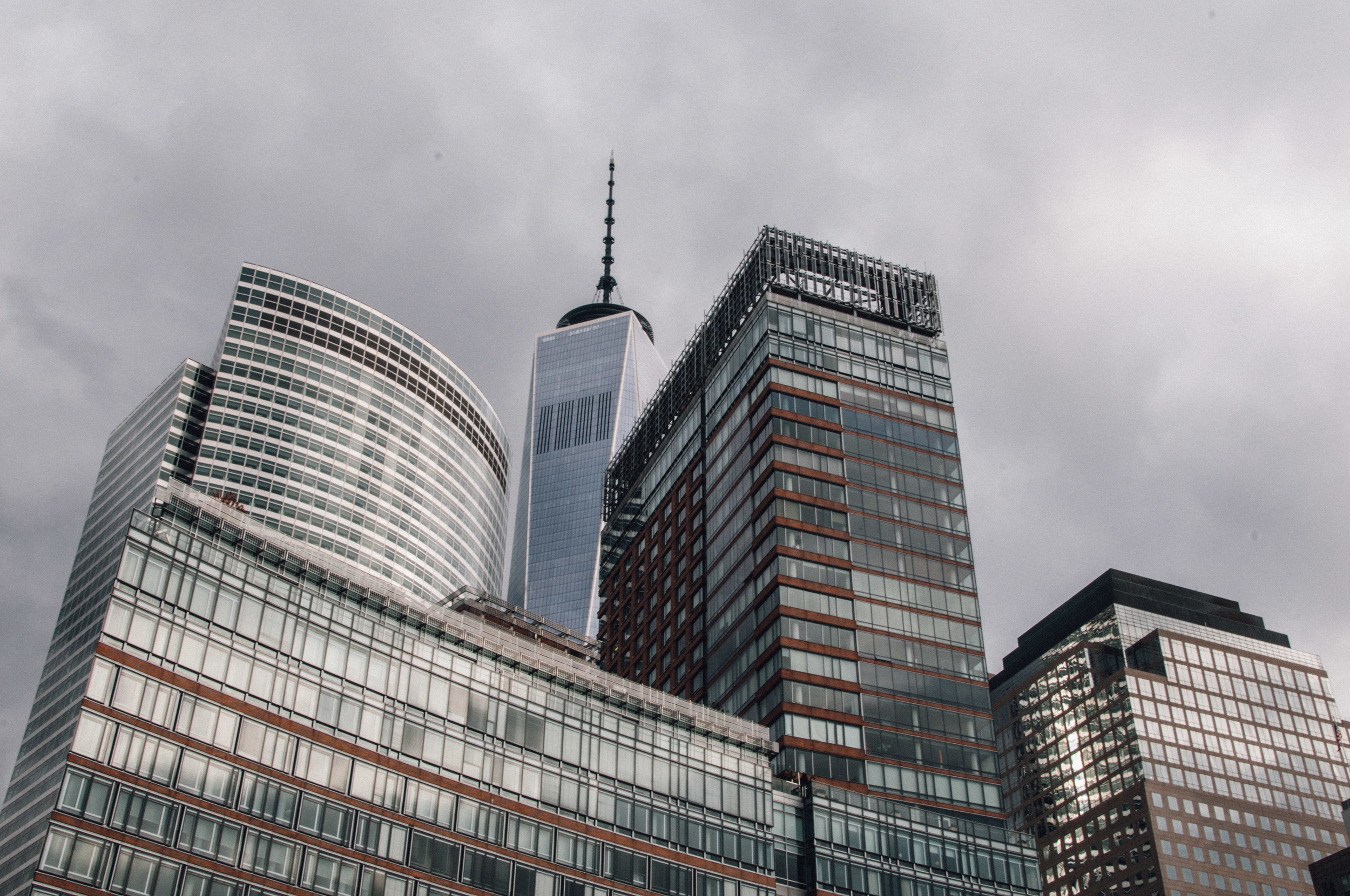
We got up the next morning and explored the city. We started in the Village area, walking down the east side of Manhattan past the Williamsburg, Manhattan, and Brooklyn Bridges, on our way to One World Trade Center. Then we made our way back up the west side of the island up to the Highline Park. When we finally made it back to Jake’s place in time for dinner we had walked 16 miles and earned a few blisters each.

Montreal 2015 by William Bryan

We all met at the Massachusetts Ave. T stop at around six. Three of us work full time so it was the earliest we could all meet up to make the five and a half hour drive up to Montreal. With full duffle bags hanging off our shoulders and bursting backpacks on our backs we fought our way onto the T, rush hour is a pretty miserable experience on a rainy 60-degree day. The train was packed all the way until the end of the line. Orph’s mom picked us up from the Alewife T stop a little bit before seven and we made the way to his house. After saying "Hi" (and "Bye") to his family and thanking them profusely for letting us use his car over the long weekend, we were off.

The six of us packed into his mini-van and drove through the night, jamming to music and pretending to be grown up as we talked about our jobs and the upcoming elections. None of us had a chance to eat dinner before leaving so we stopped along the way at the only restaurant that is open at 9:45 at night along the highway in the middle of nowhere — Subway. It had been dark for so long it felt like it was one in the morning, but we still had three more hours of driving before we would make it to our basecamp for the weekend. We switched drivers and got on the road again.

The border took about 10 minutes.

“Do you have any guns, alcohol, tobacco, knives, produce, or other controlled substances,” the Canadian border guard said.

He was surprisingly cheery for one in the morning. We did have a few of those items: a pocket knife, some fruit, a small bottle of vodka, but nothing too serious.

“No,” Choppa said from the driver’s seat.

“What is the purpose of your visit?”

“Uh, fun,” Choppa said. There was a hint of a question in his voice, what was the purpose of our trip? Fun seemed like as good an answer as any.

The border guard smiled, he knew what we were up to — six young college students driving into Canada at the start of a long weekend, we were definitely there for fun.

We pulled out of the border control station with more energy than when we’d first gotten in the car. We were in Canada. It was past one in the morning, we were tired and worn out. But we were in Canada. We were excited.

Choppa got up to 70 MPH pretty quickly out of the border, then he realized that the signs were in kilometers. It still didn’t take long to get into the city, though, even going almost half the speed. After some inconvenient construction-caused traffic on the only route into the city from the south, we made it to our friend’s place around two o’clock. I promptly went and got a Guinness.

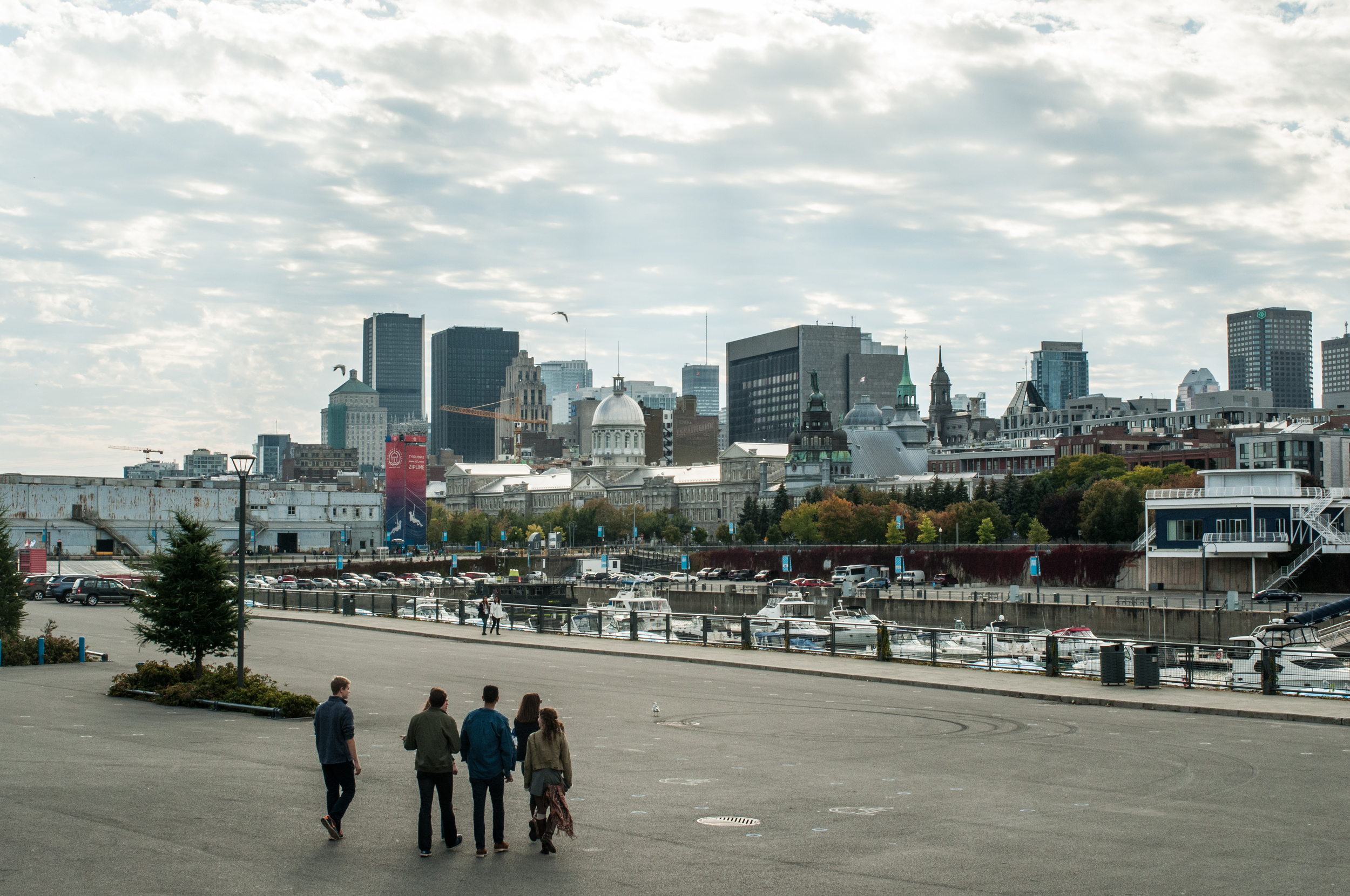
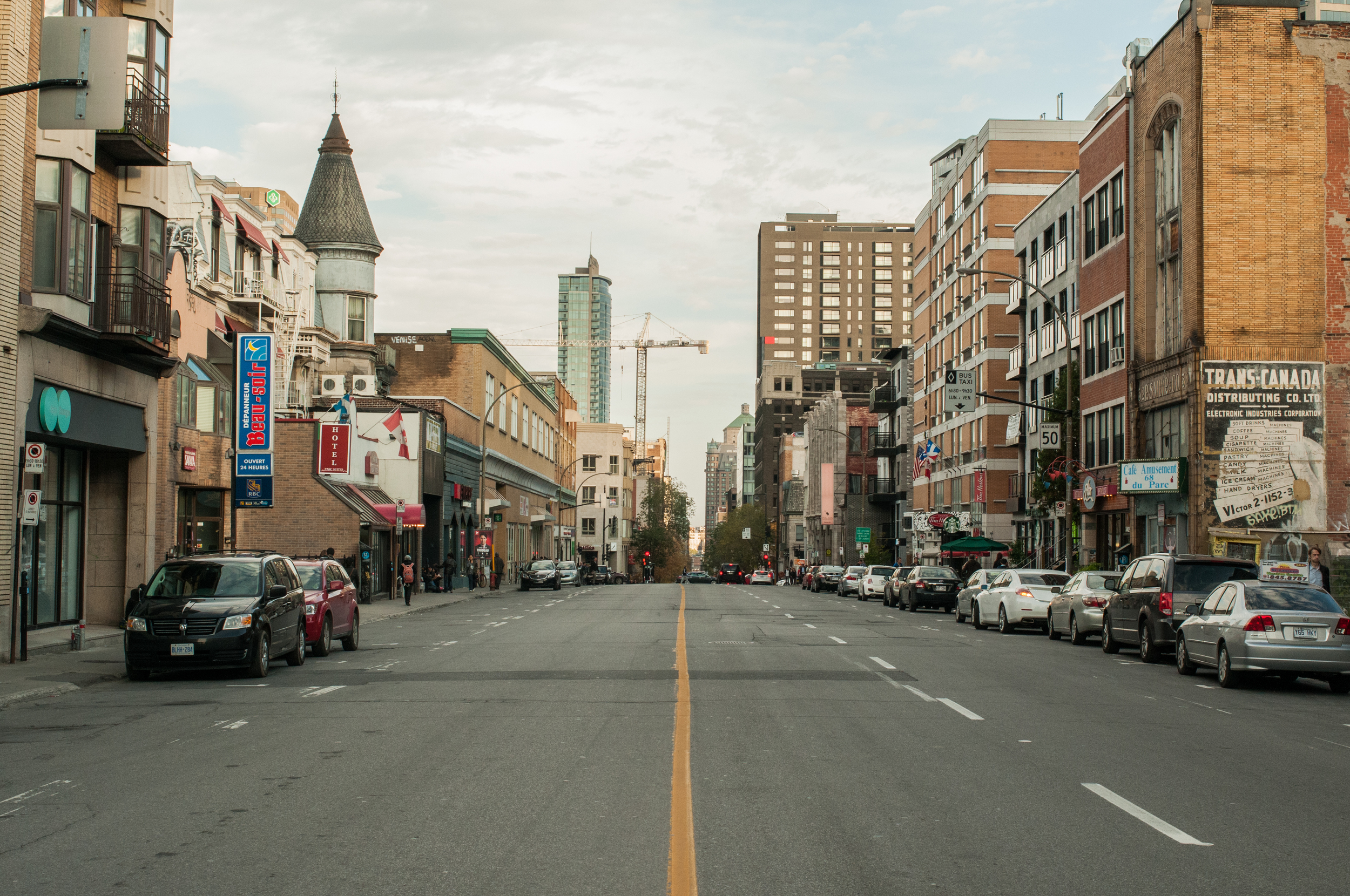
Over the next three days we stayed up until 5, 6, and 7 AM, woke up after not enough sleep, explored the city, enjoyed good food and drinks, and fell in love with Canada. We climbed Mont Royal (it’s more of a hill than a mountain), ate poutine, explored the waterfront, and drank hot maple apple cider, which I highly recommend.

This was my second trip to Montreal in two years and, after a jam-packed and sleep-deprived three days, I definitely need time to rest up, but I wouldn't mind making the drive up more often; even at one in the morning.

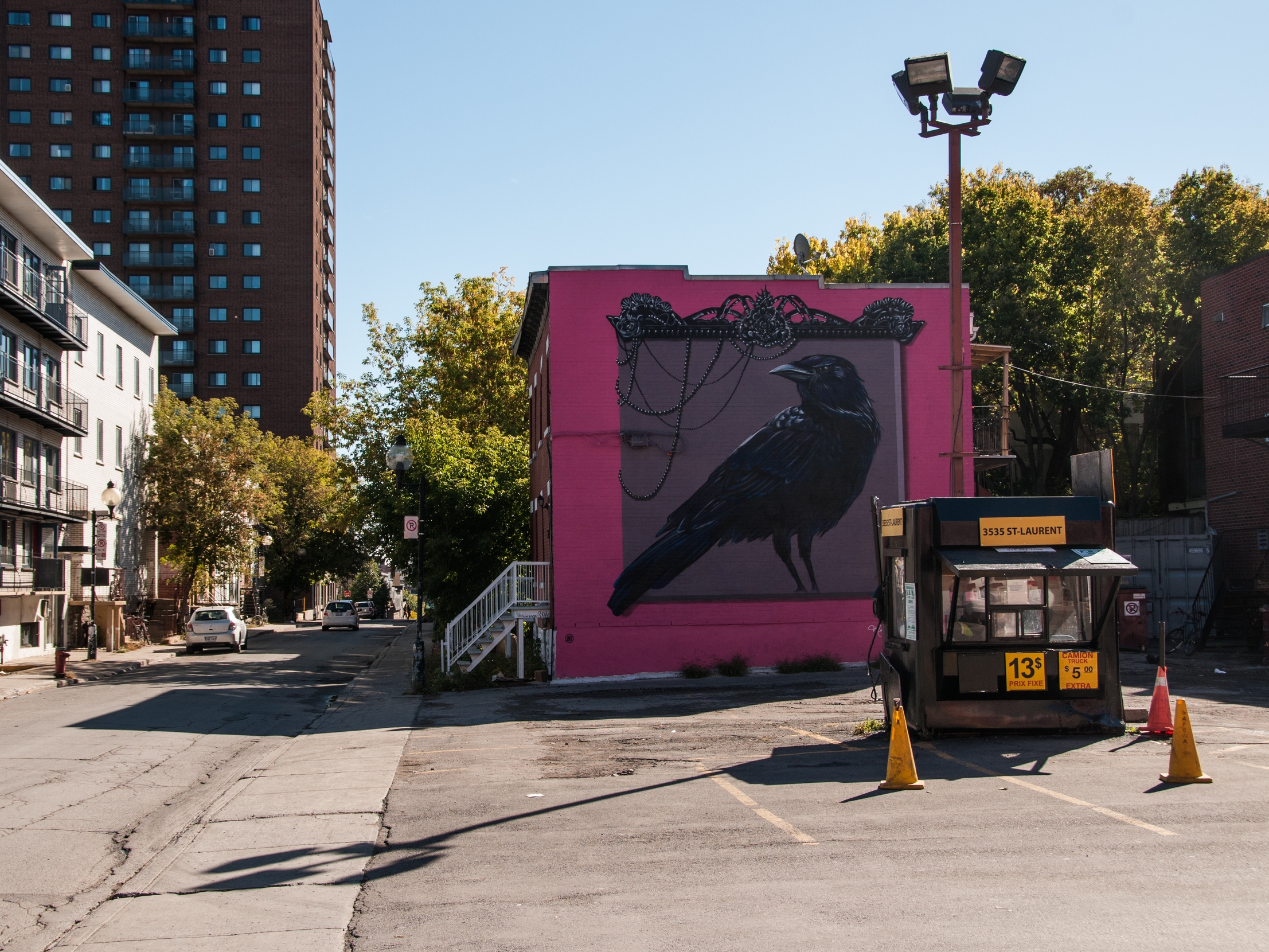
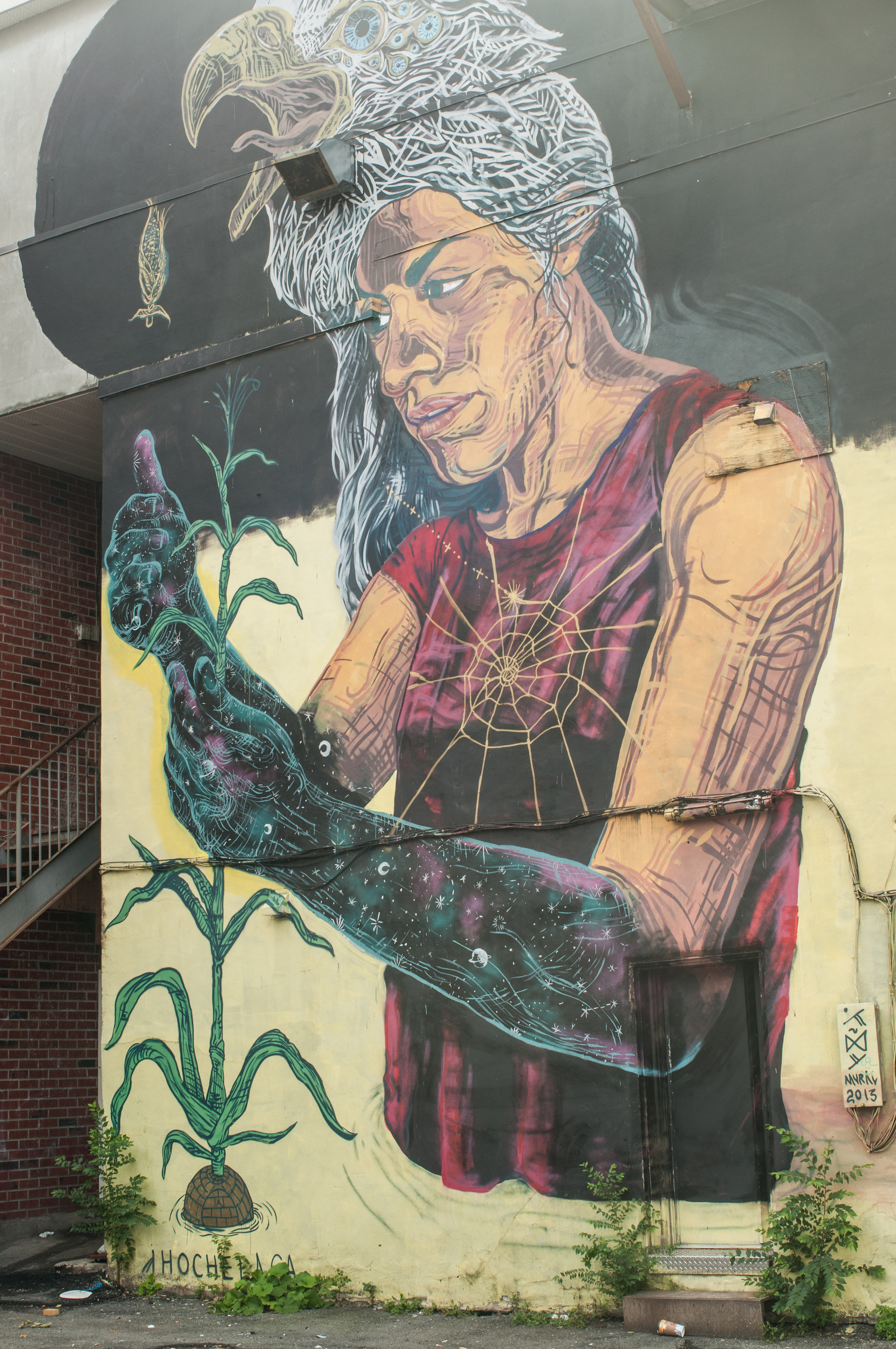
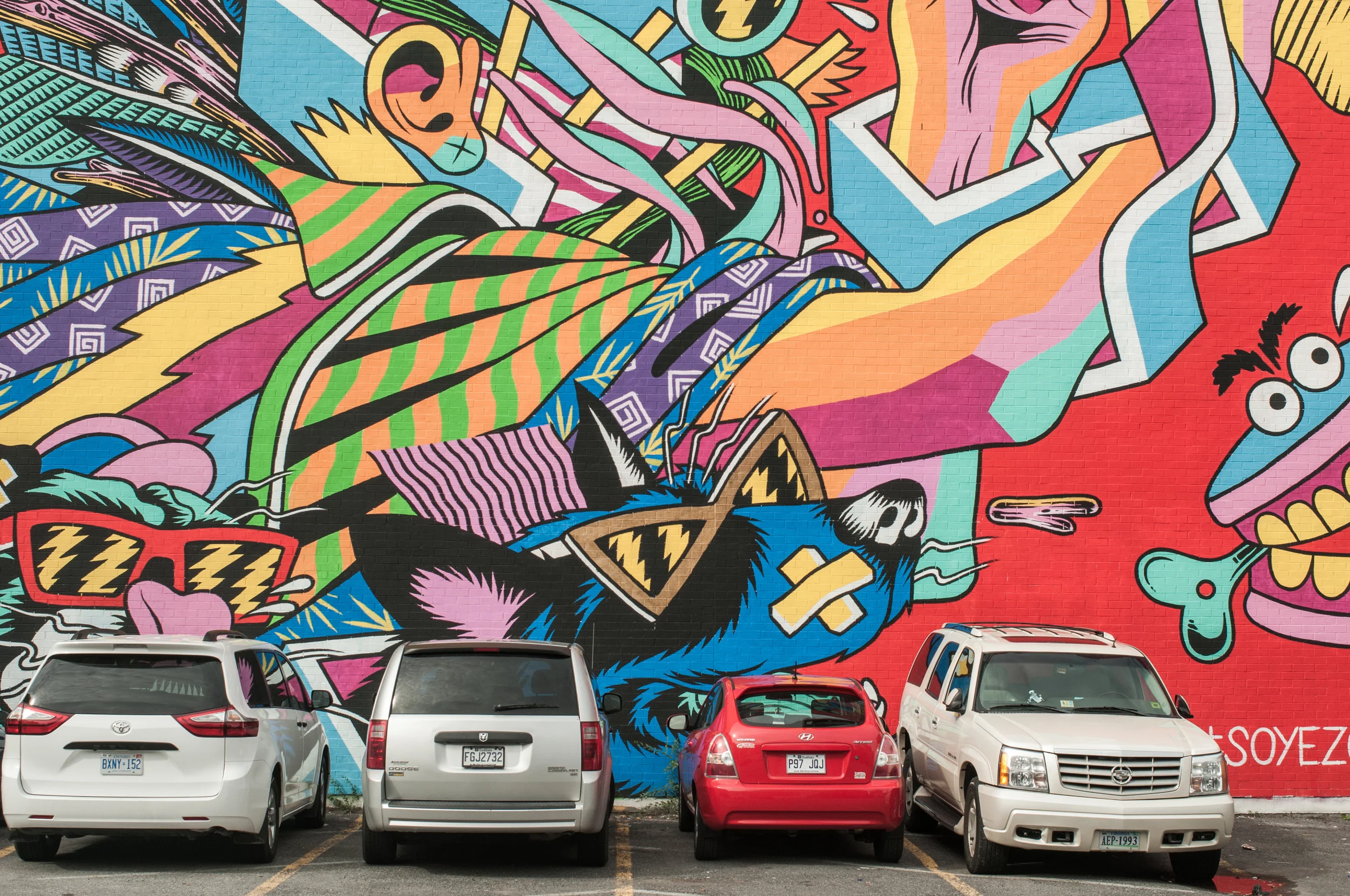
Montreal has an annual mural festival, and we were staying about 50 feet from the festival’s main office. The whole city is covered in public art, but that area in particular had dozens of pieces, both massive and small.

Being the person in the group with the camera means there are never any pictures of you, which I don't mind, but usually I focus more on the scenery than the people I'm with. I tried to change that up a little on this trip.

Big Sur 2015 by William Bryan

A mini, one-night adventure down south into Big Sur.

I only had 25 days back home in California before I had to return to Boston to start working, so I made a point of trying to be outside, doing as many CA-only things as I possibly could before returning to the East Coast. One of the top things on my list was Big Sur.

I’ve been camping in Big Sur in the past, but I was so young that all I remember is having a temper tantrum, breaking my bike helmet, and not being allowed to ride my bike for the rest of the trip –I’ve been wanting to try and cover up that memory with something fresher. Big Sur is so close to my house that to not have been there in more than 10 years while other people fly around the world to visit seemed a little bit crazy. With this in mind, I managed to convince three of my best friends to do a one-night-but-lots-of-fun style adventure in Big Sur before I left to fly east.

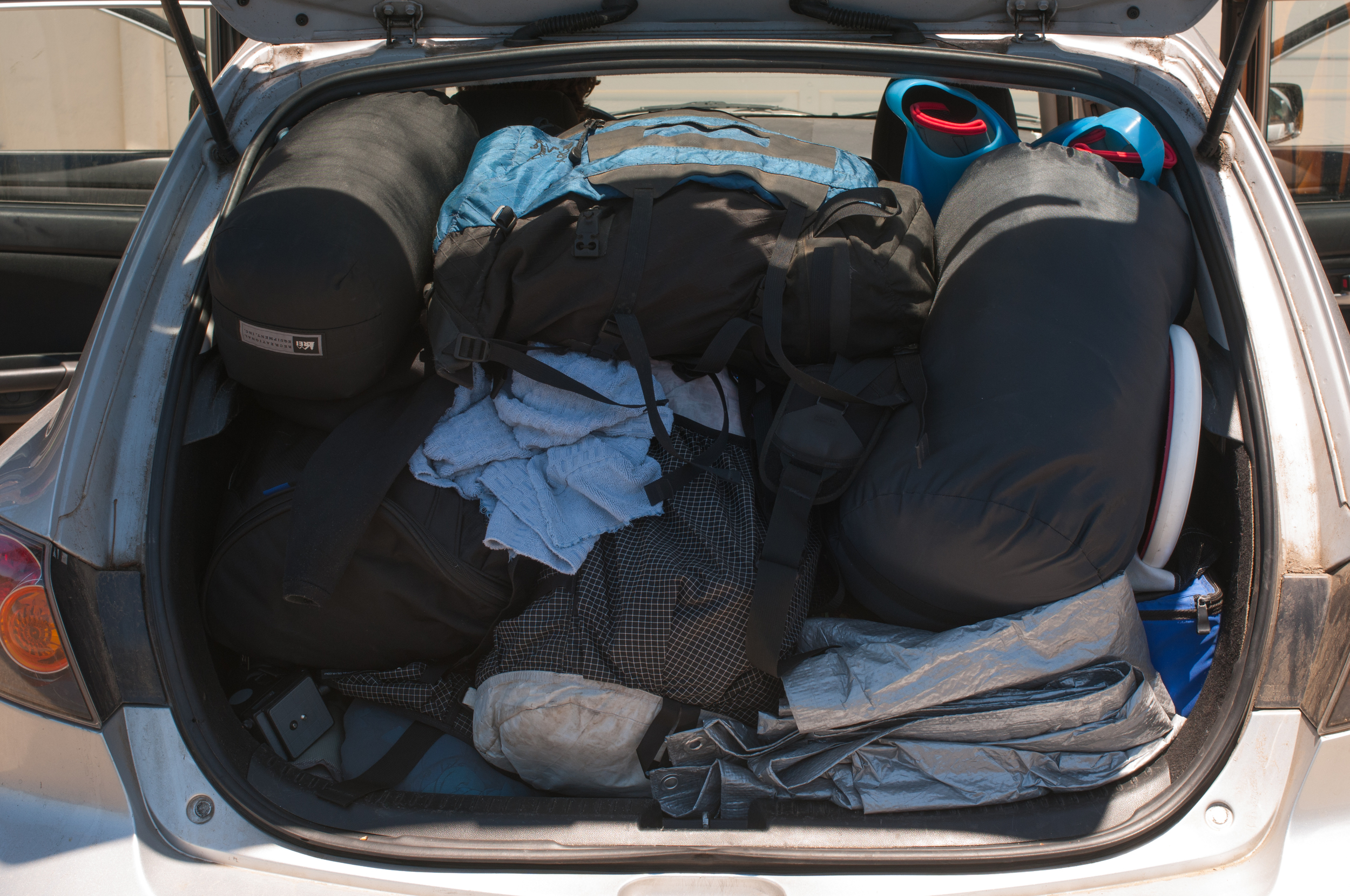
The car packed full.

The car packed full.

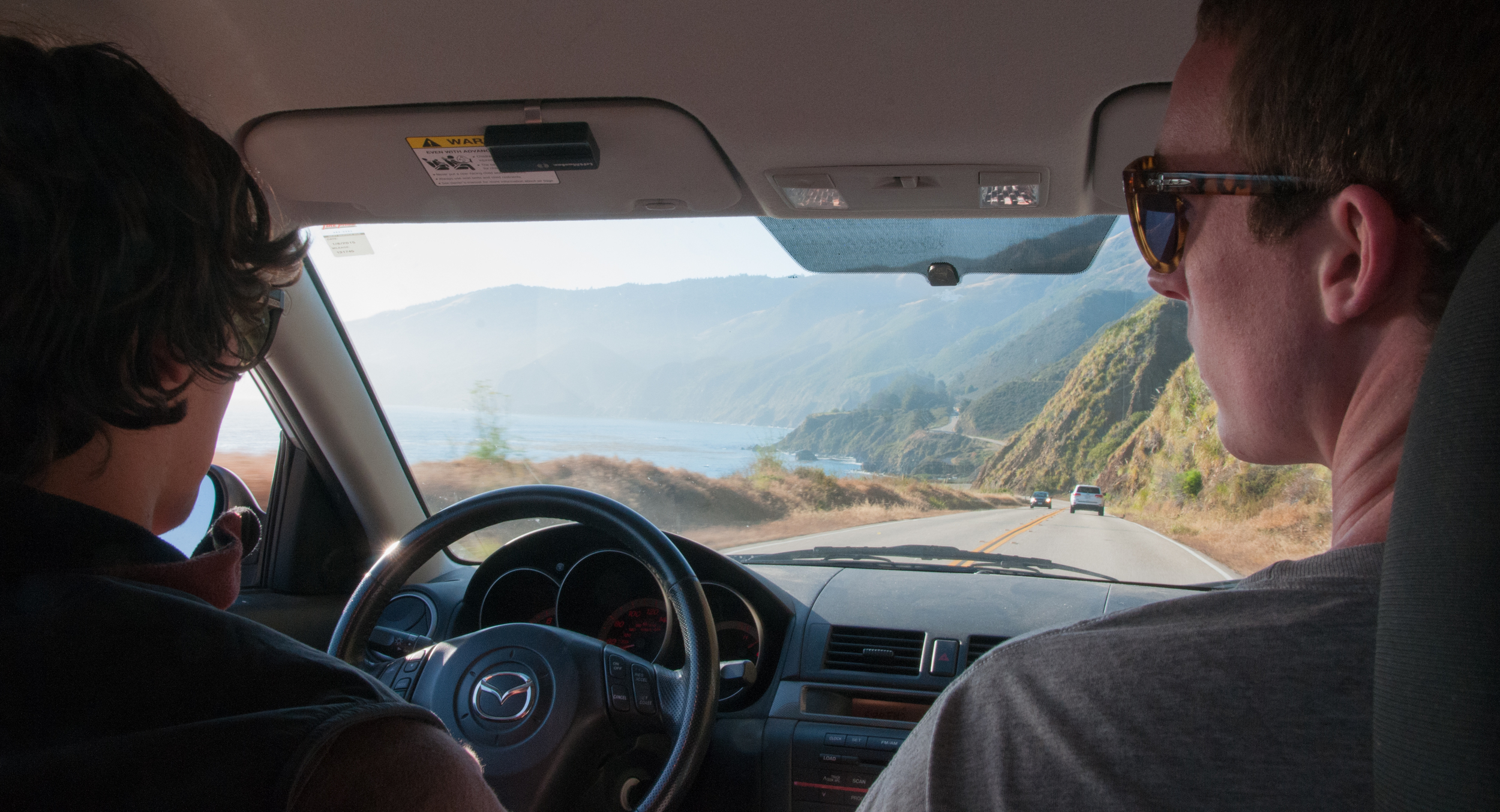
After deciding that morning that we were actually going to go, we threw together our camping gear, a small amount of food (and an even smaller amount of water), and got out of Santa Cruz around 1 pm. We drove down the coast on Highway 1 towards Big Sur and talked about how we didn’t have more than an inkling of a plan of where we would sleep. Bryson has camped in Big Sur a few times recently so he had a couple of spots in his head that we could check out as we drove down the coast; the only problem is that these campsites fill up with reservations months in advance; so trying to find a site without any reservation is (very) unlikely.

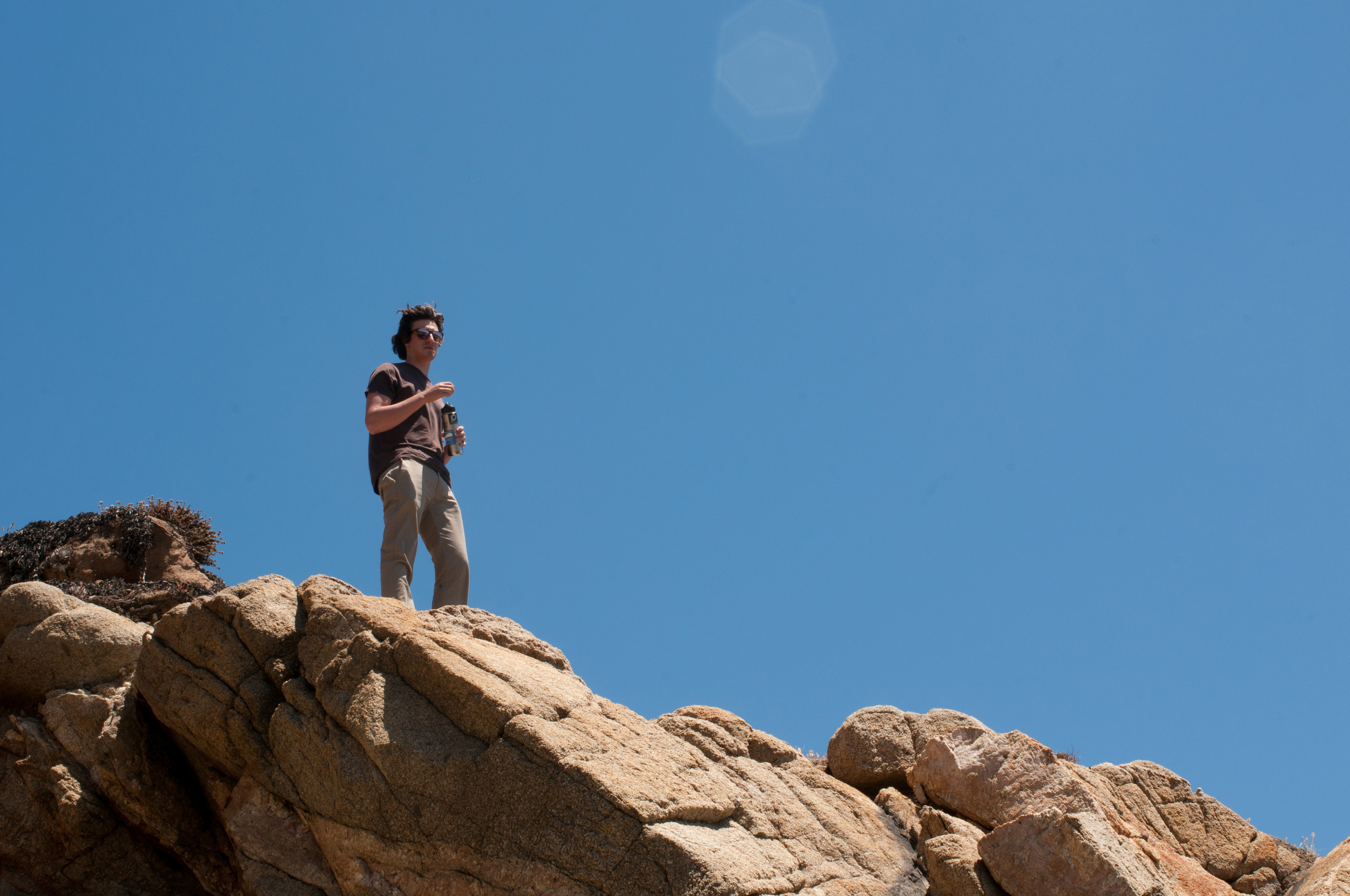
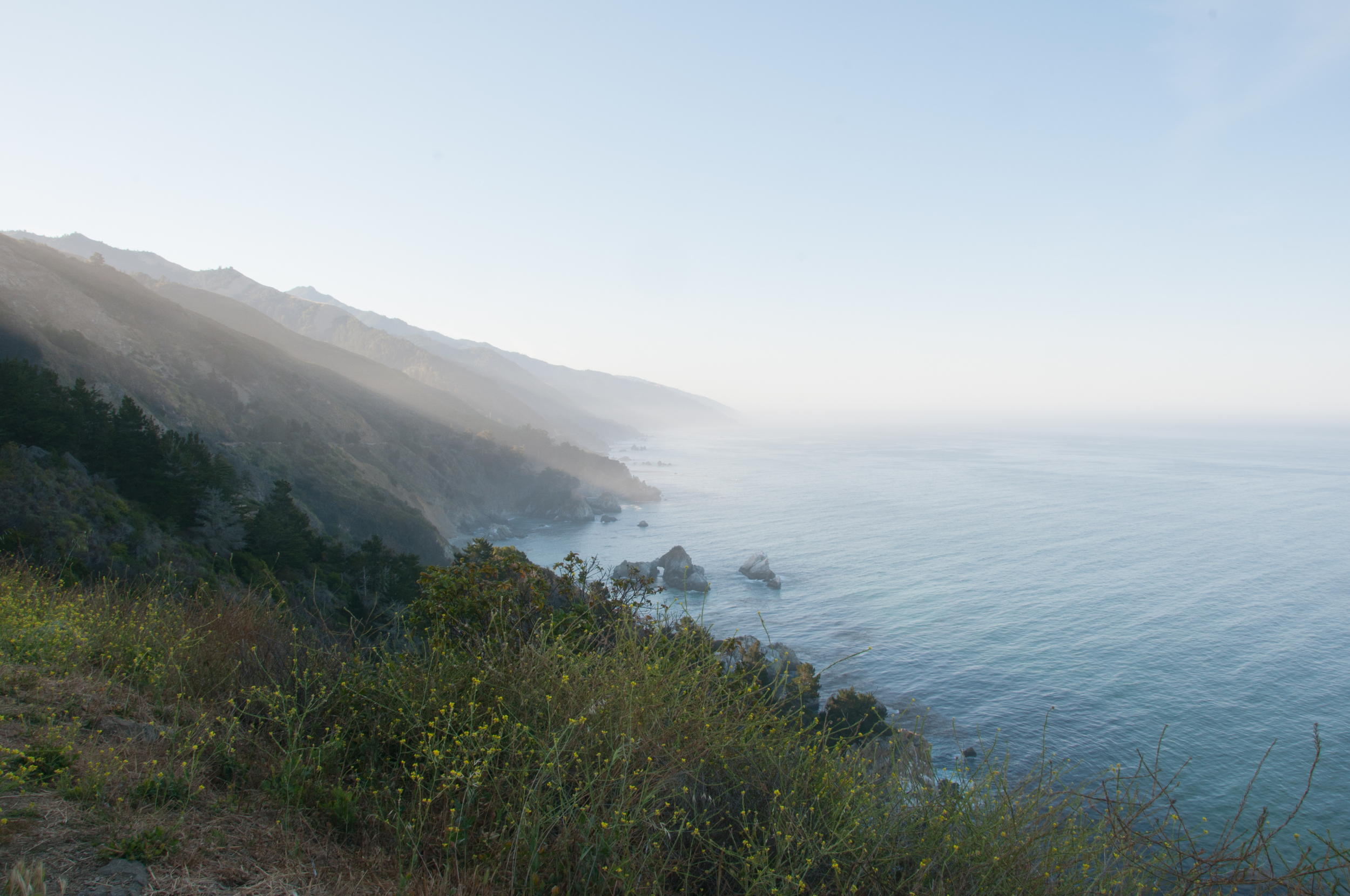
Bryson overlooking the Pacific.

Bryson overlooking the Pacific.

The idea behind this micro-adventure was to let loose and unwind, so we made a point of going to the beach and hanging out before we bothered to look for a place to sleep. We swam through the crystal-clear blue-green water to an island off the beach and, after exploring for a bit, got caught in a rip current on the way back, so it took us a while to swim the hundred feet back to shore.

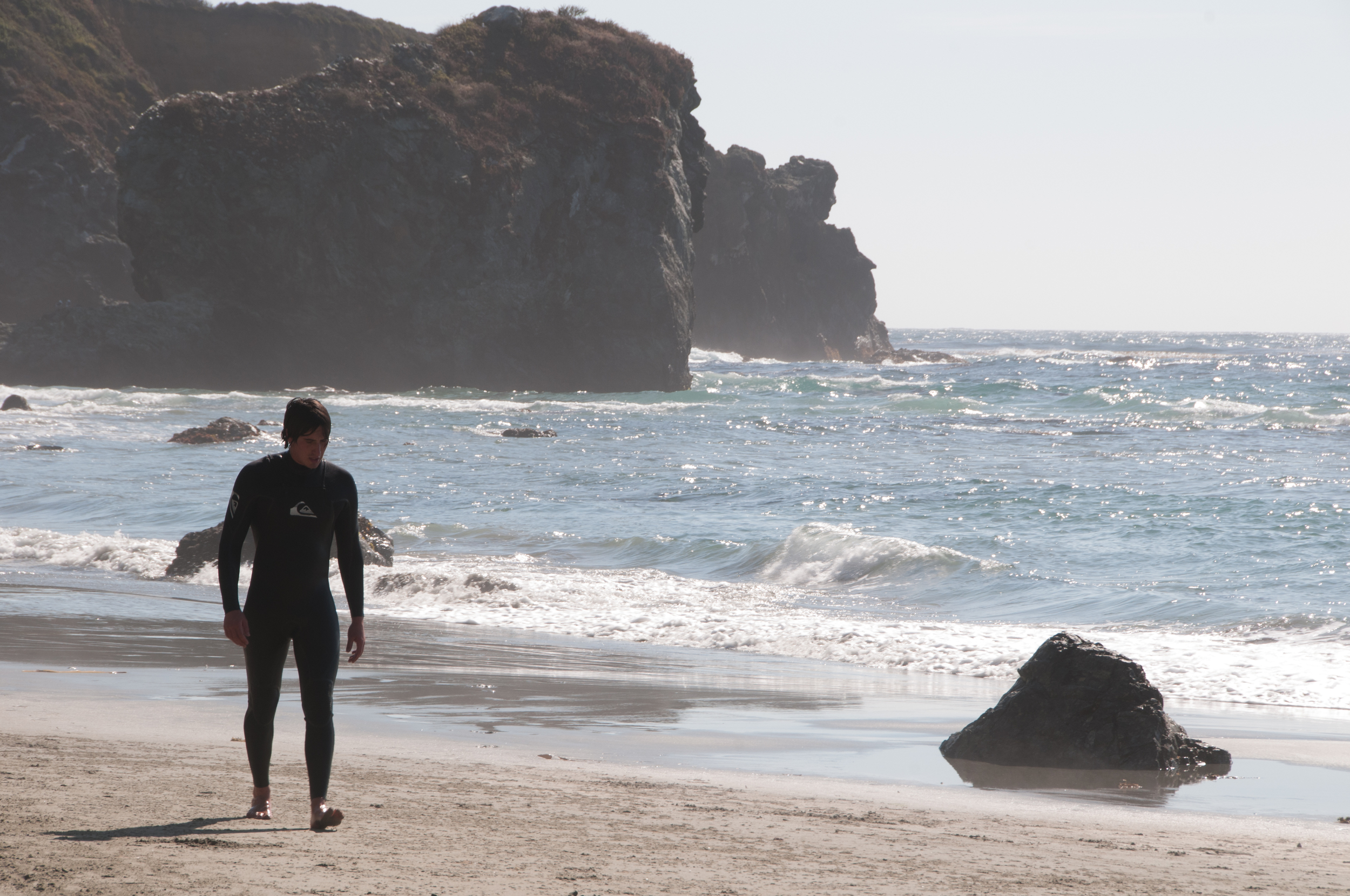
Bryson after struggling through the current. The island is in the background.

Bryson after struggling through the current. The island is in the background.

Kite hunting.

Kite hunting.


“Well that sucked,” I said to Bryson as he walked the last few feet to shore.

“Yeah, that’s one of the strongest rip-tides I’ve ever been in.”

We stood and waited for Joseph and Ryan to get to shore. We all sat on the sand soaking in the sun when Joseph spotted a kite stuck on the cliff, about 75 feet up.

“I’m gonna go get it,” he said.

Looking up at Joseph.

Looking up at Joseph.


The rest of us all laughed at Joseph’s antics for a few minutes until we saw the shale fall off of the cliff around him.

“Yo, I don’t think you can go any higher, man,” Bryson yelled up to him.

Joseph turned around and looked down at us all with a grin, who knows if he heard what Bryson had said, but we could tell he was determined to grab the kite. He struggled a few more feet up the face of the cliff before realizing that he definitely couldn’t go any further.

“It doesn’t look like it’s that easy to come down, either,” Ryan said to Bryson and I.

At this point Bryson, who has gotten into rock climbing while in college, dropped a couple of climbing vocab words about crumbly rock that’s bad to climb on and being stuck mid climb with no good way to go. I didn’t know what any of the slang meant so I just listened as I watched Joseph, 60 feet up the cliff.

“Jo, seriously, come down.” I’m not sure who said it; it might have been all of us at once.

He leaned against the face of the cliff for a few more minutes and then decided to take our advice and head back down.

Around 6 o’clock we decided to look for a campsite more seriously. Unsurprisingly, our hunch that there wouldn’t be any open spots was true. We also realized that we didn’t have any kind of camp stove to cook our food, so we needed to find an open campsite to cook up our measly dinner. We drove for a half an hour inland to a campsite that did have spots, but has no view of the ocean and was full of mosquitoes.

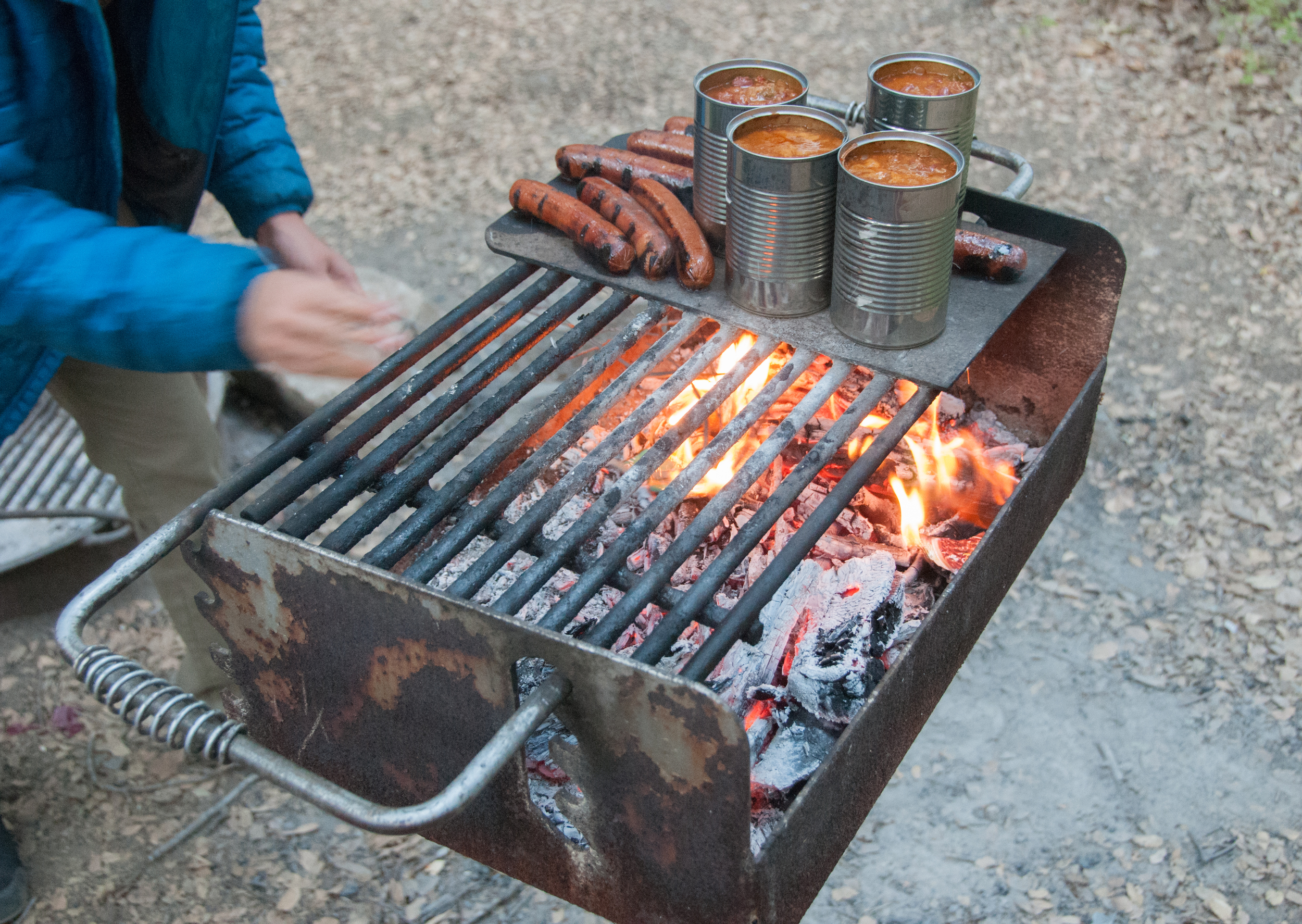
We cooked up our hotdogs and cans of vegetarian Annie’s chili – that I barely remembered to grab on my way out the door that morning – while swatting at the bugs. It’s amazing how being outdoors can make hotdogs and fire-warmed cans of chili taste so good.

On the road.

On the road.

There is a retreat center in Big Sur called Esalen that lets the public into their hot springs after midnight. Bryson had told us about this while we were hanging out at the beach, and we all wanted to try and go midnight swimming. The problem was we didn’t want to have to drive for 45 minutes back to our campsite after jumping in the hot springs on the coast so we decided that we would leave our kitchen in the woods for good and camp somewhere else.

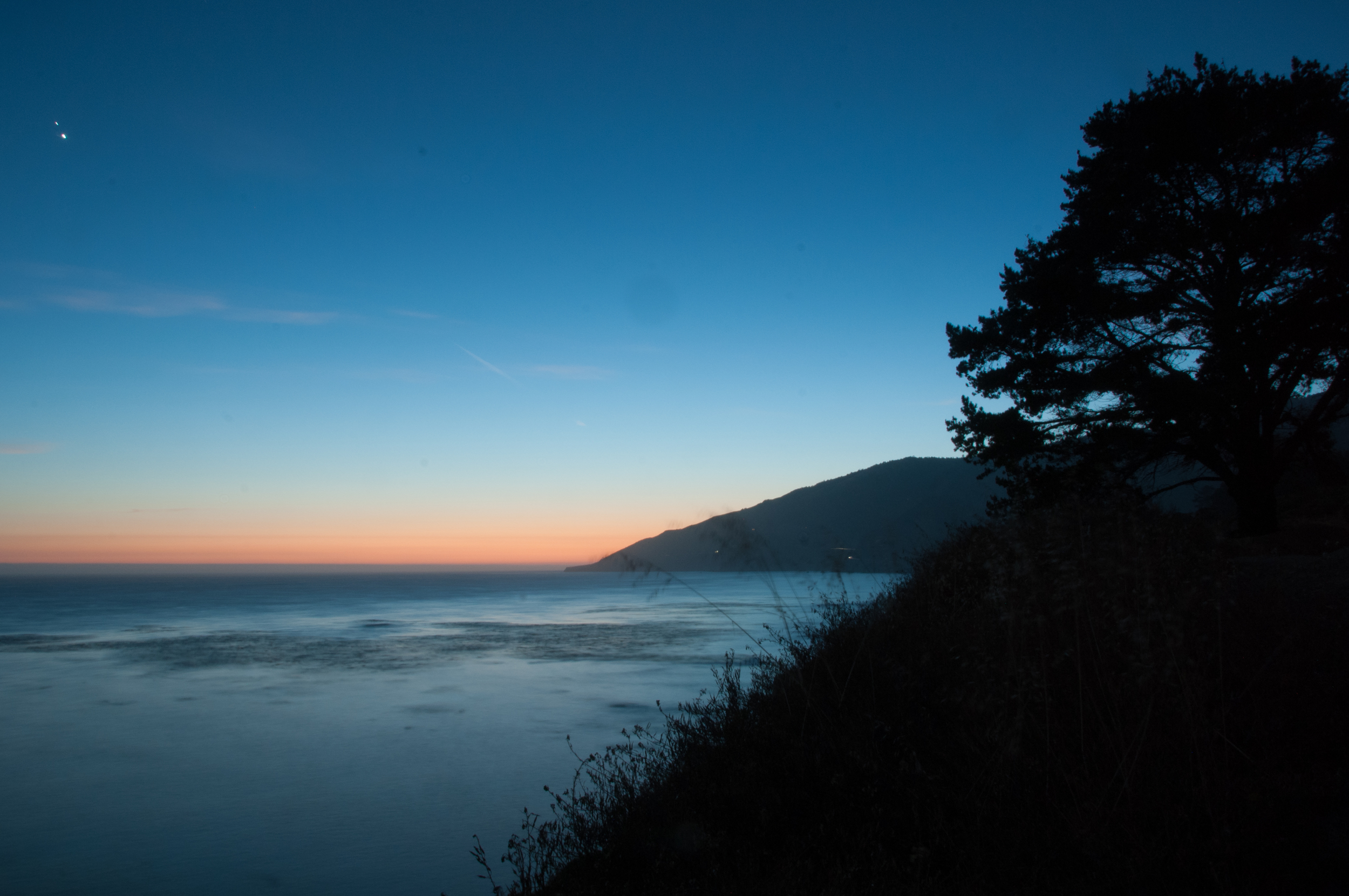
Sunset.

Sunset.

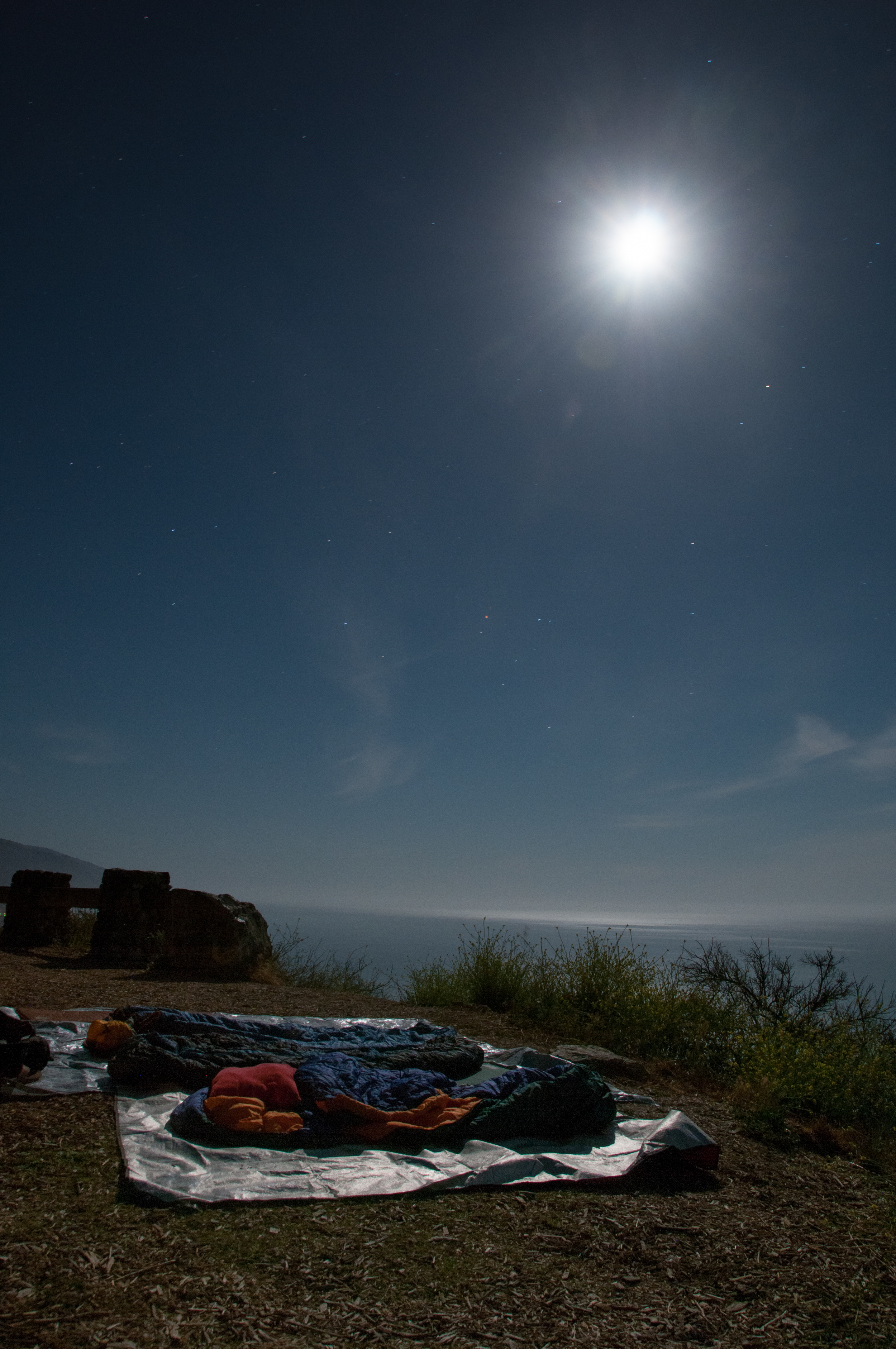
As we made our way down the windy road back to the water we watched as the sun went down and the full moon rose into the sky. There’s nothing quite like looking at a vast expanse of ghost-lit ocean with nothing but the bright white moon and your best buds to keep you company.

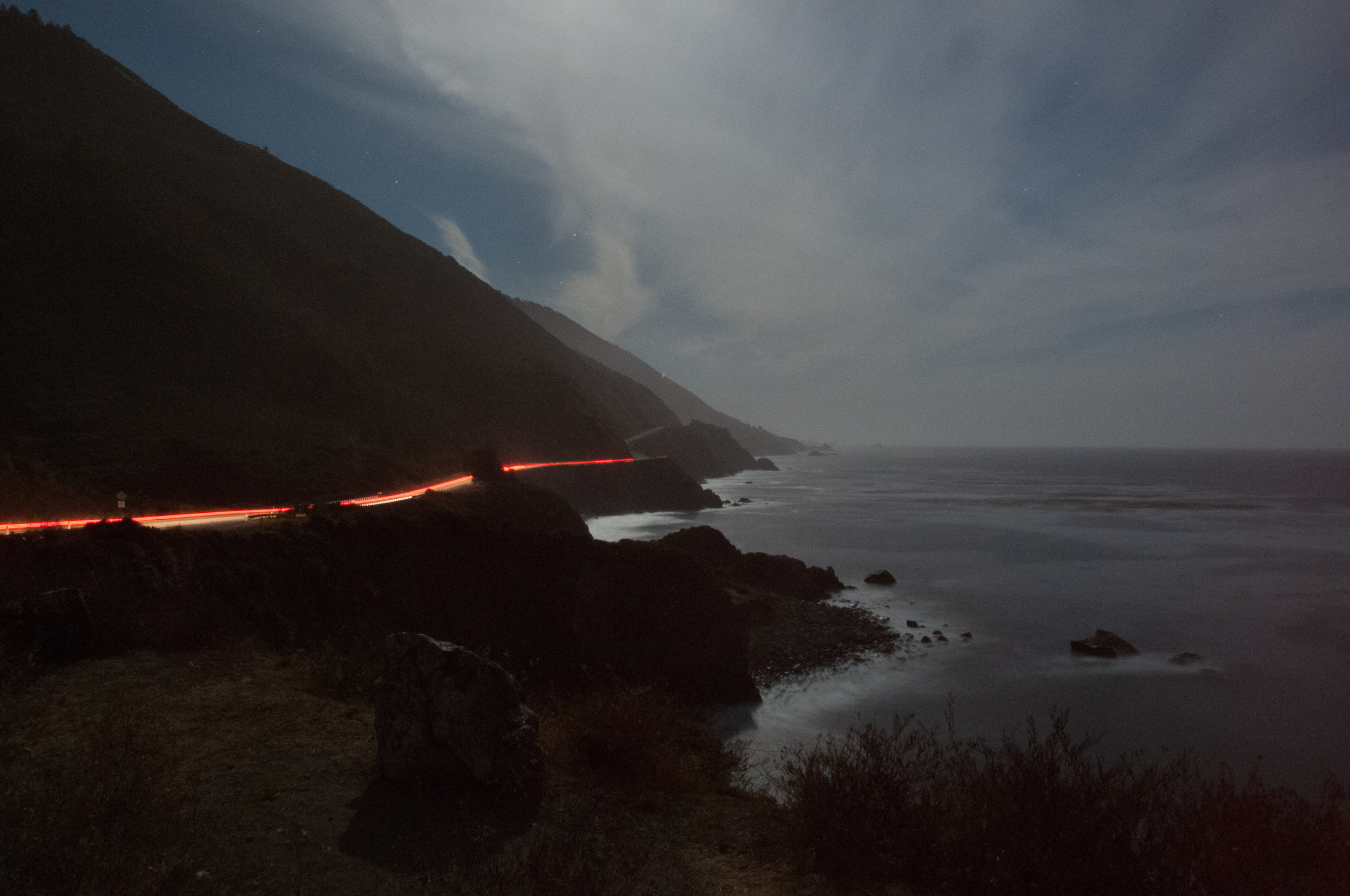
We didn’t need flashlights after the sun went down because the moon was so bright.

We didn’t need flashlights after the sun went down because the moon was so bright.

We got to Esalen a little bit before 12 am to try and make sure we got a spot in the hot springs.

“Hey,” Ryan said to the young man and woman working the gate that night. “We’re here to, uh, swim in your hot springs. That’s a thing, right? If we come after midnight?”

“Yeah,” the man responded. “But we’re all booked up for tonight. You have to sign up in the morning if you want to swim at night.”

We all looked at each other in the car and said “shit.”

“So there’s no way we can get in tonight?” Ryan asked.

Our “camp” just after midnight.

Our “camp” just after midnight.

“No, sorry. But here’s a brochure.”

Ryan took the brochure, even though he knew none of us would even open it up, thanked them, and we turned around and drove back to the highway.

“Well what do you guys want to do now?” Bryson asked us.

We had planned on swimming and then returning to the windy road and sleeping on a pullout, but that road was another 15 minutes further south and none of us wanted to backtrack.

“Why don’t we just drive up the highway and find a pullout? It’s not much different than sleeping in a pullout on the other road,” I said.

We talked about whether or not a Highway Patrol Officer would kick us out of a pullout and decided that if they did we could just drive home. Everyone agreed and we sped up the highway with the windows down and the music loud, looking for a place to sleep.

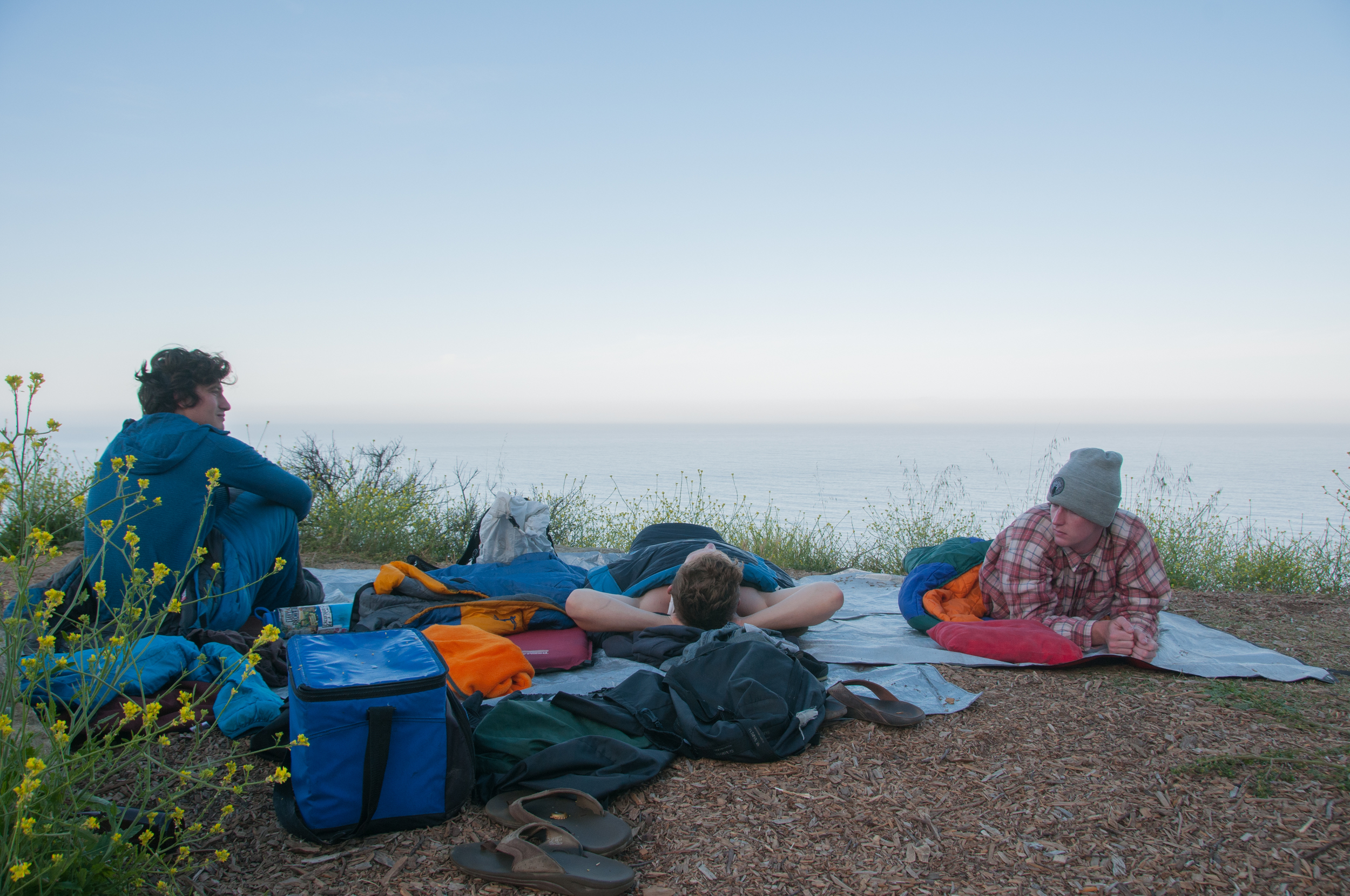
We didn’t have a plan as we made our way up Highway 1 in the middle of the night, but we found a Vista Point with a parking lot that had a nice place to sleep right on the cliffs, overlooking the Pacific.

We all slept like logs that night, even though Ryan didn’t have a sleeping pad. I think we were just happy that we didn’t have to drive back up the coast in the middle of the night, trying to stay awake long enough to make it home.

Waking up on the cliff.

Waking up on the cliff.

Time to head home.

Time to head home.

Cuba 2015 by William Bryan

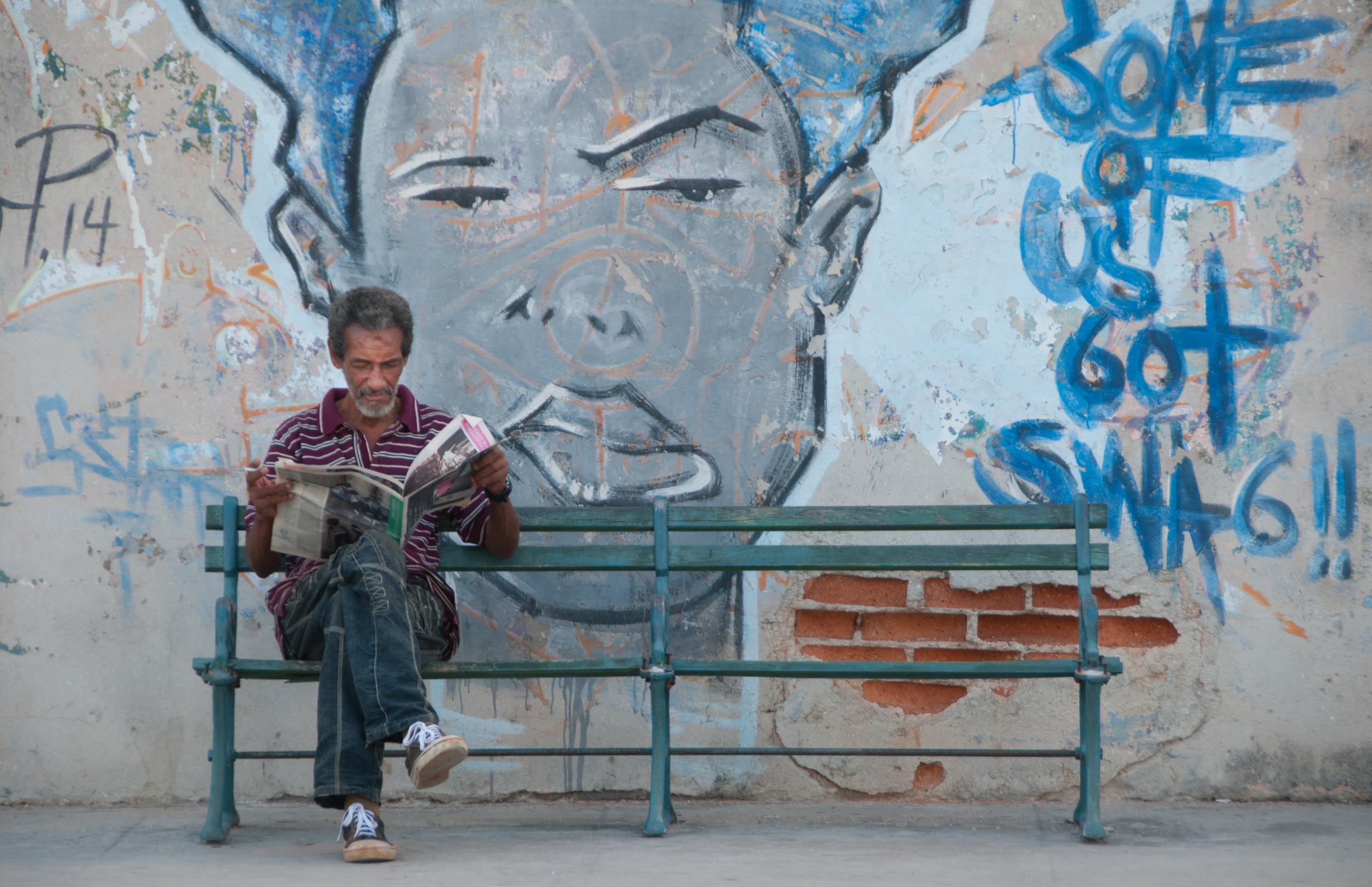
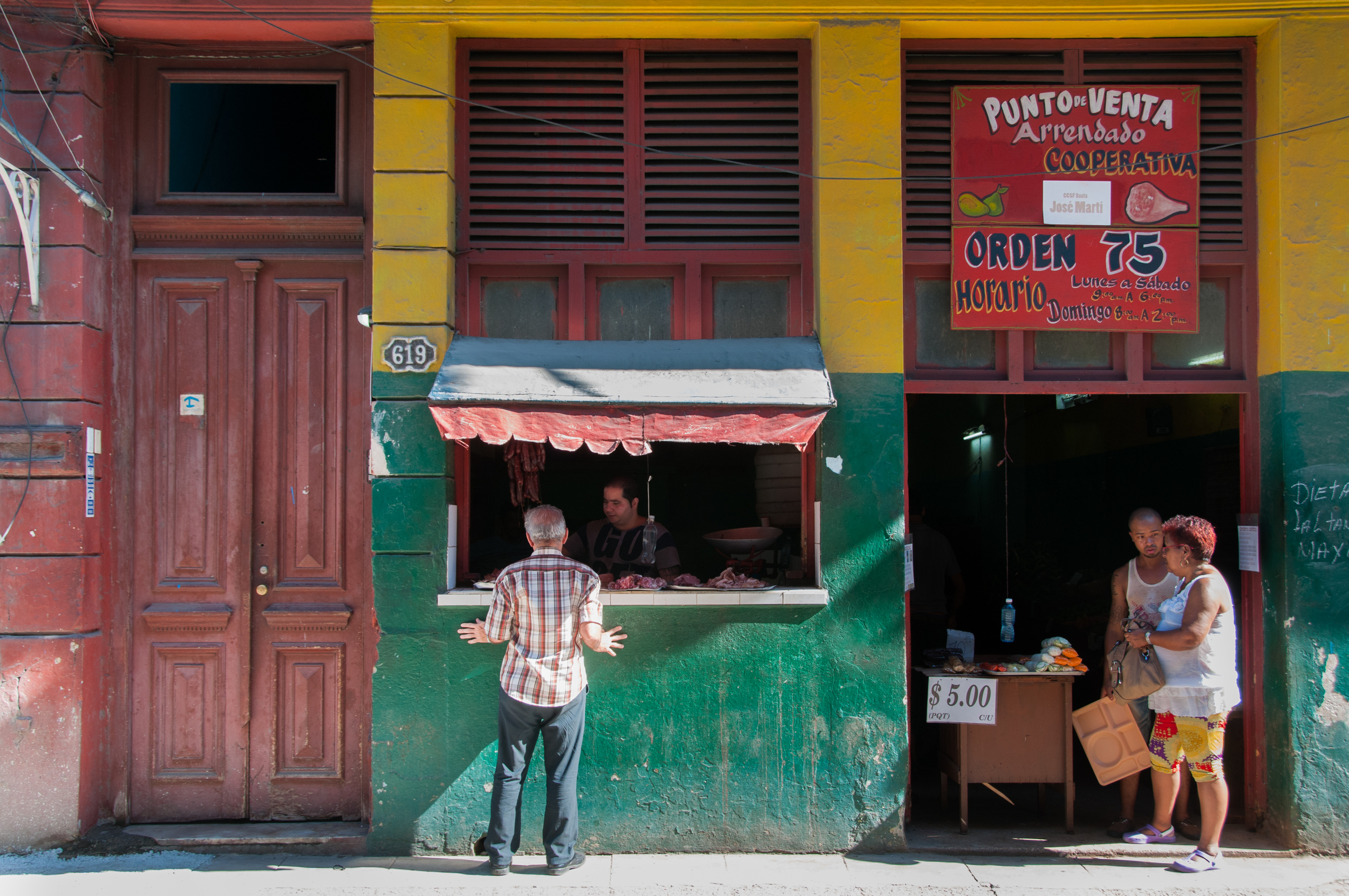
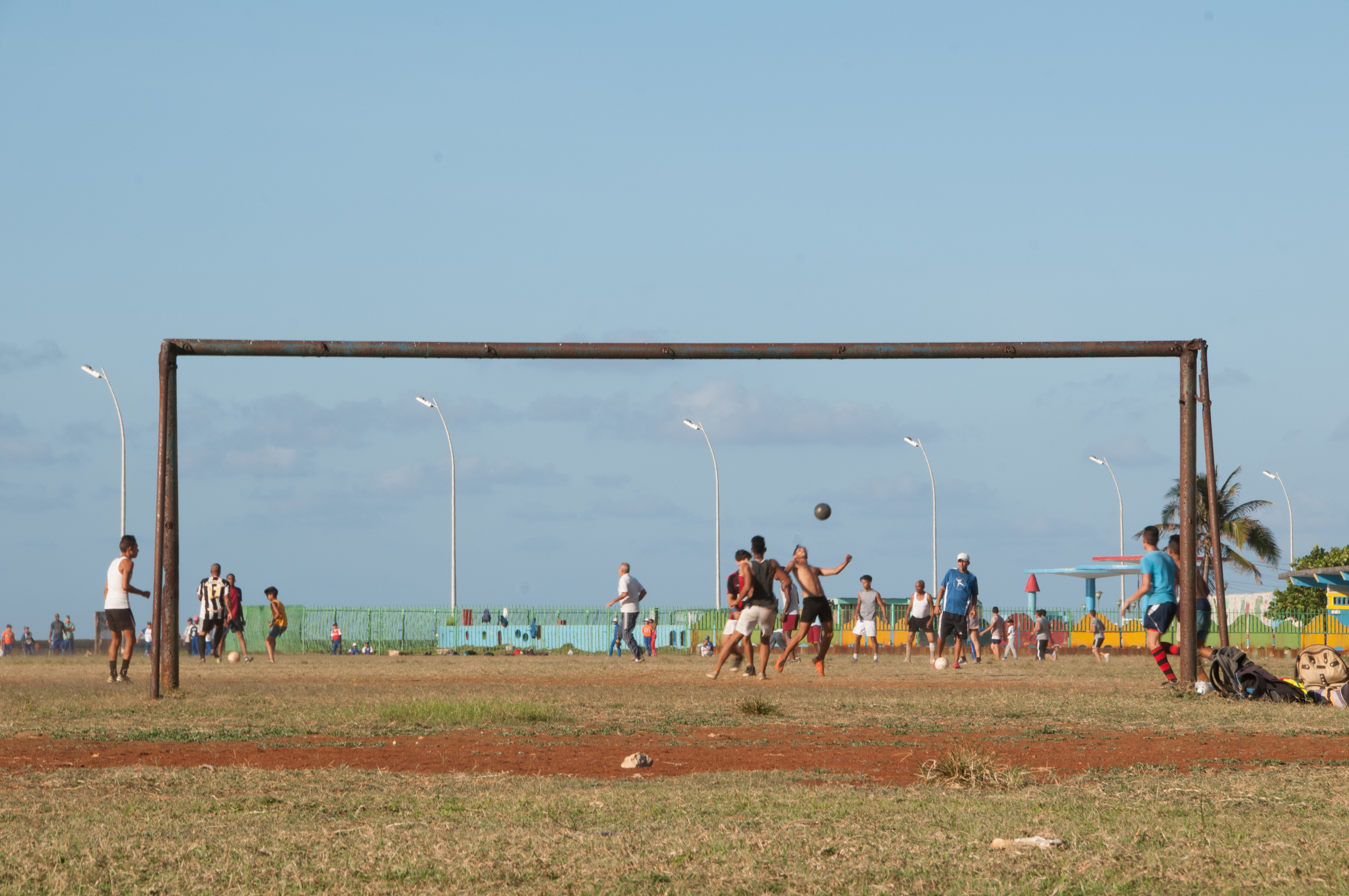
I visited Cuba as part of a three week summer session through Northeastern. The school offers hundreds of different trips during the summer that students can take and earn credit for two university courses. The trip that I went on is called “Cuba y la Fotografía.” As the name suggests, I went to photograph and learn about Cuban culture.

I just returned from three weeks in Cuba, which is possibly the second most difficult country for U.S. citizens to travel to after North Korea. But going to Havana is nothing like traveling to its Communist partner in the East (or at least as far as I know). People in Cuba are generally happy, healthy, and well educated; there are definitely hardships, but there aren’t any internment camps.

It isn’t easy getting to Cuba, it involves a little bit of flying and a lot of waiting around. We never really knew when our flight might take off – the laid back attitude in Cuba extends to airline personnel in the U.S. apparently. We sat at the Miami airport for three hours expecting our flight to take off at any minute. When it did finally take off our teacher had to fight to make sure that our whole group made it onto the same flight, but after a full day of traveling we finally made it.

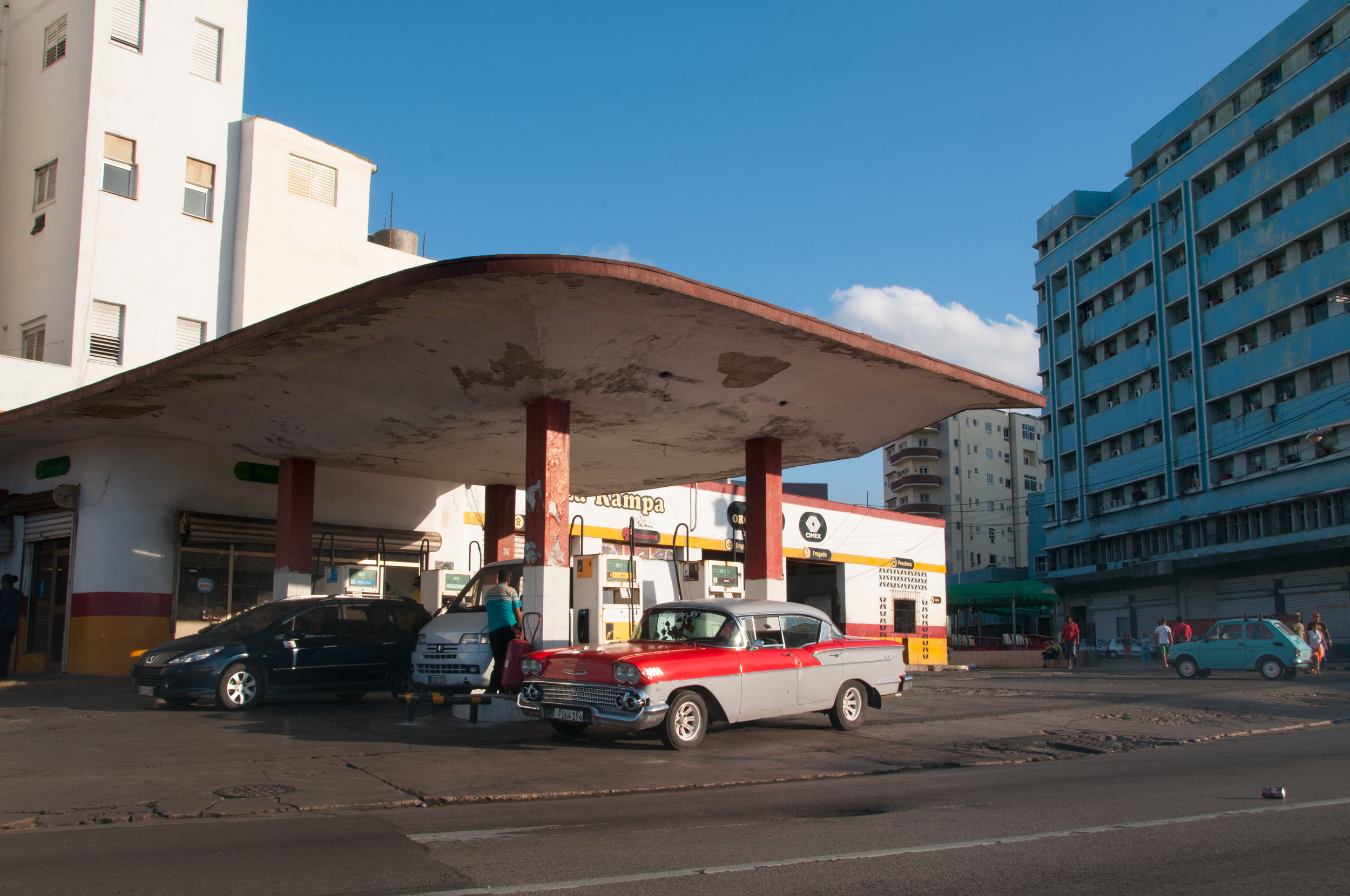
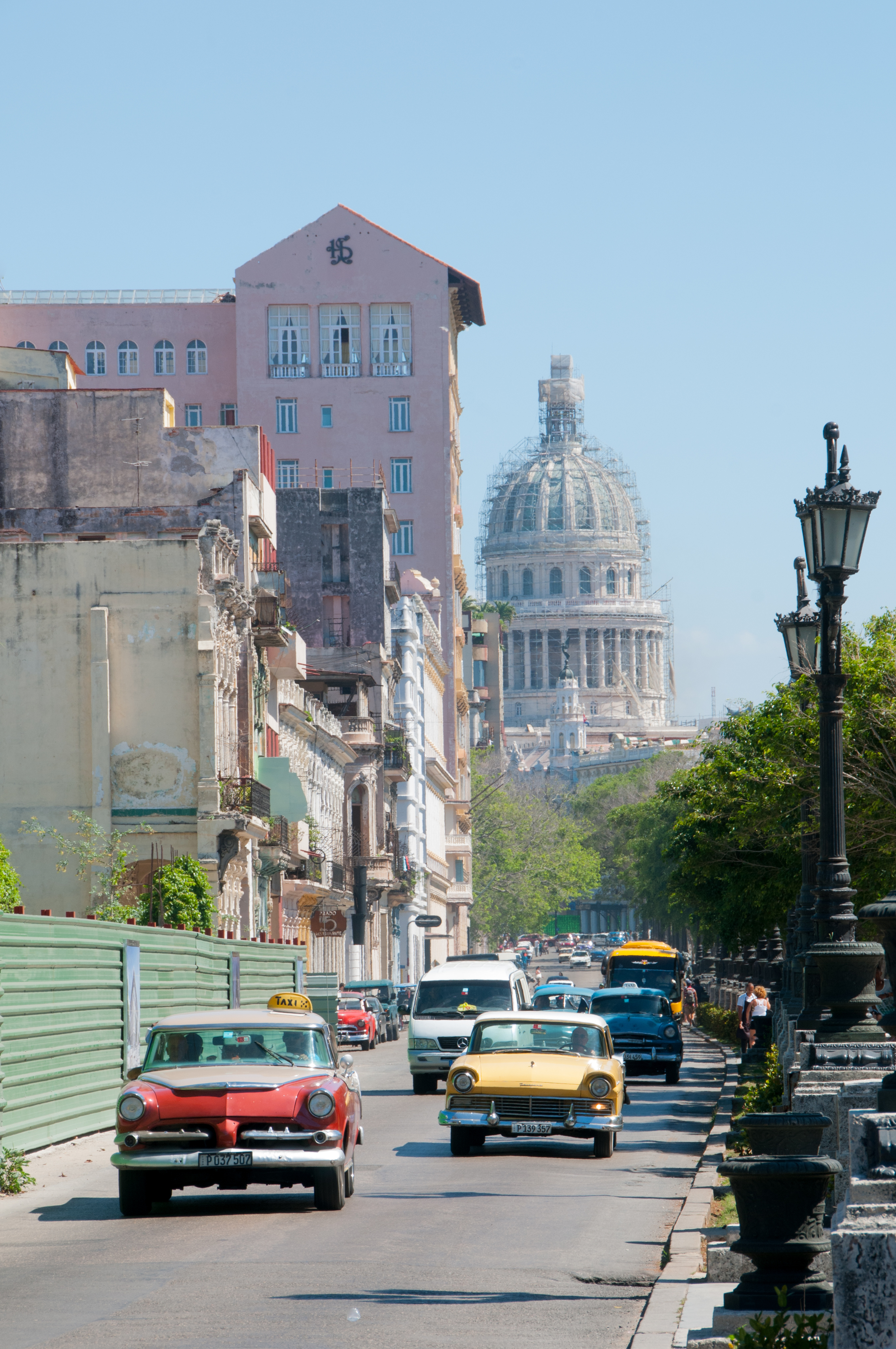
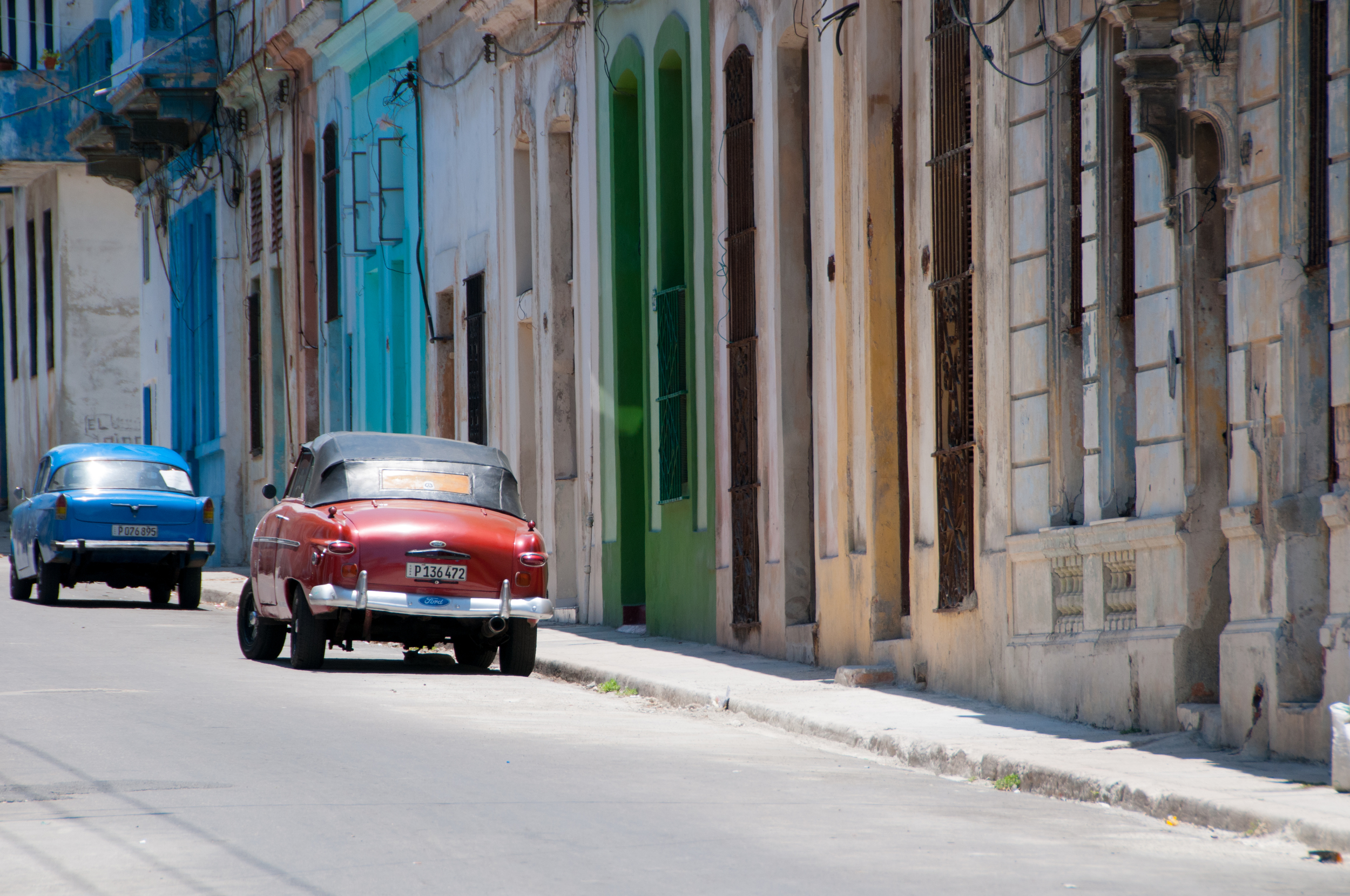
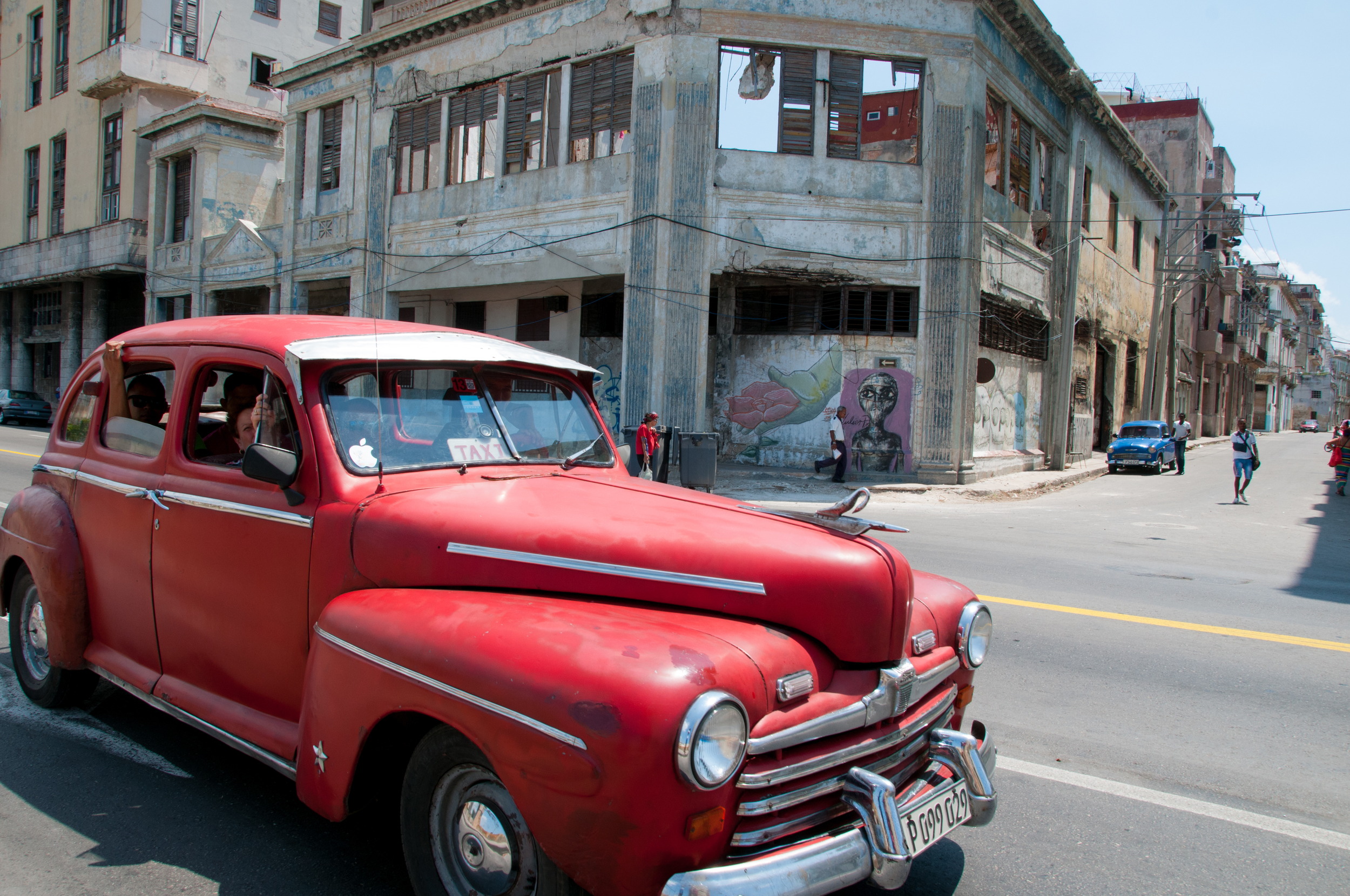
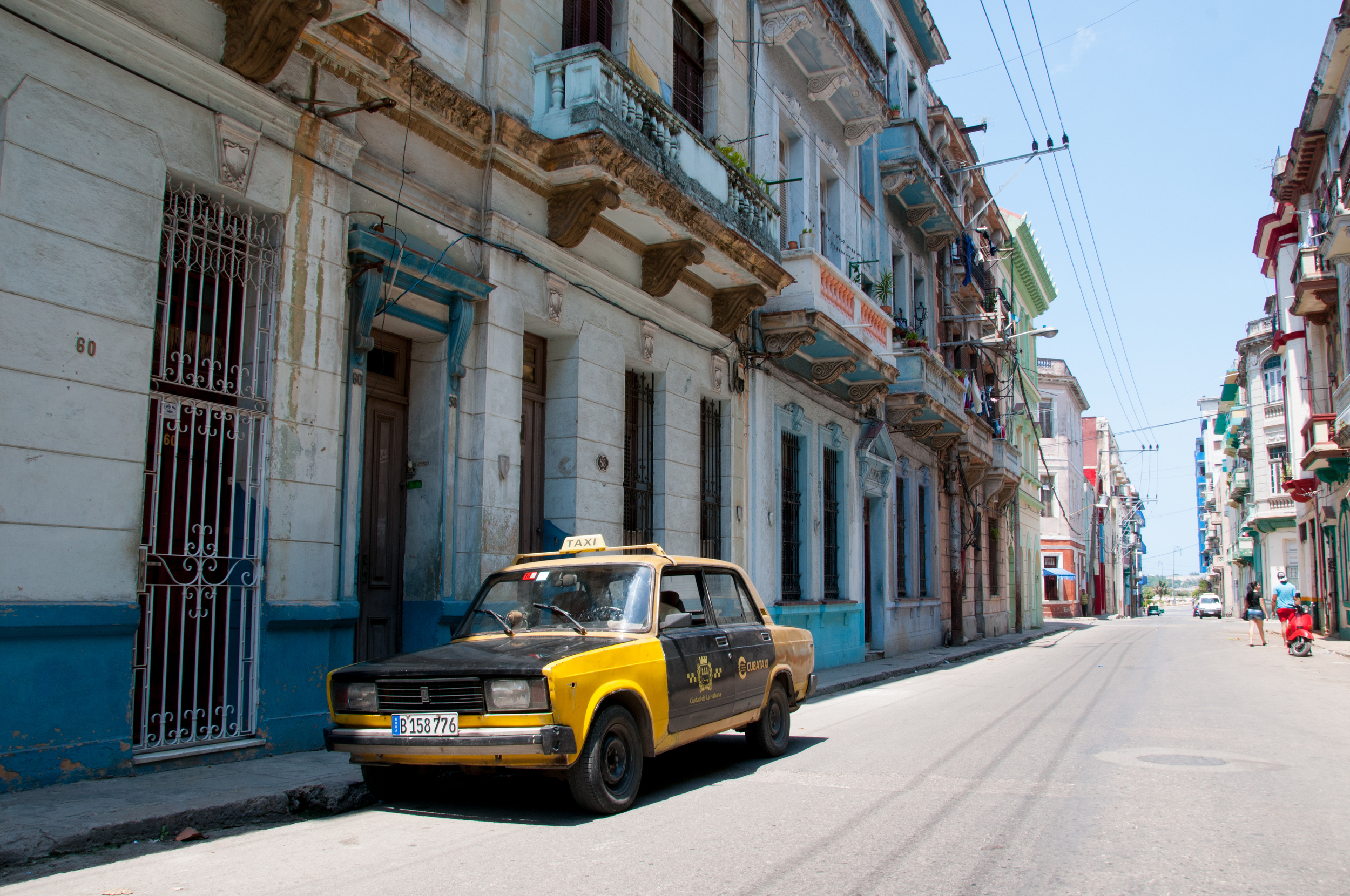
It’s really a shame that U.S. citizens aren’t allowed to go to Cuba, because everyone from the U.S. should come to this burst of color in the Caribbean that is stuck in the 50s.

For this post I decided that in addition to photos and words, I’d set up three galleries. Check out the galleries and their descriptions are at the bottom of this post.

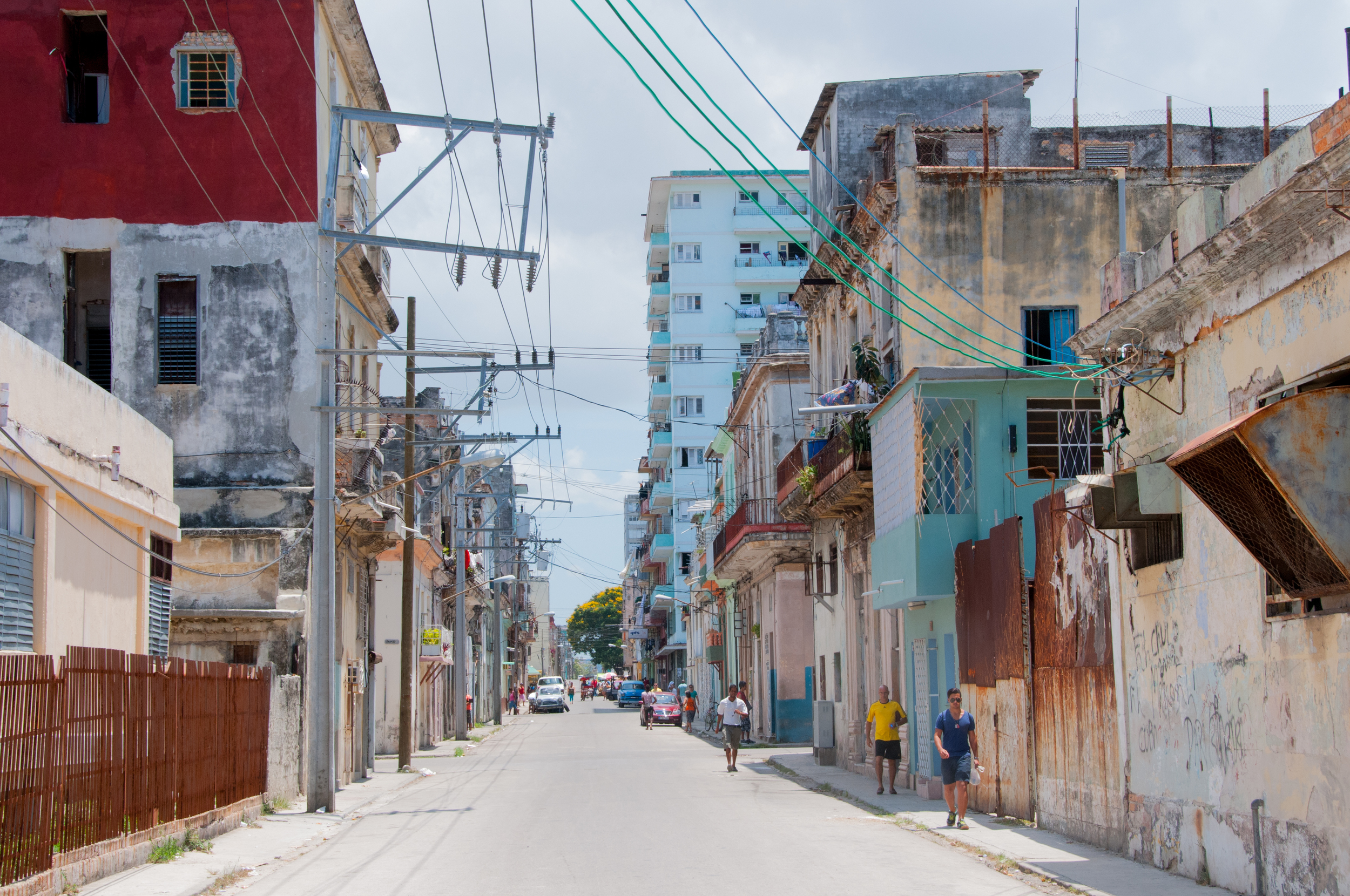
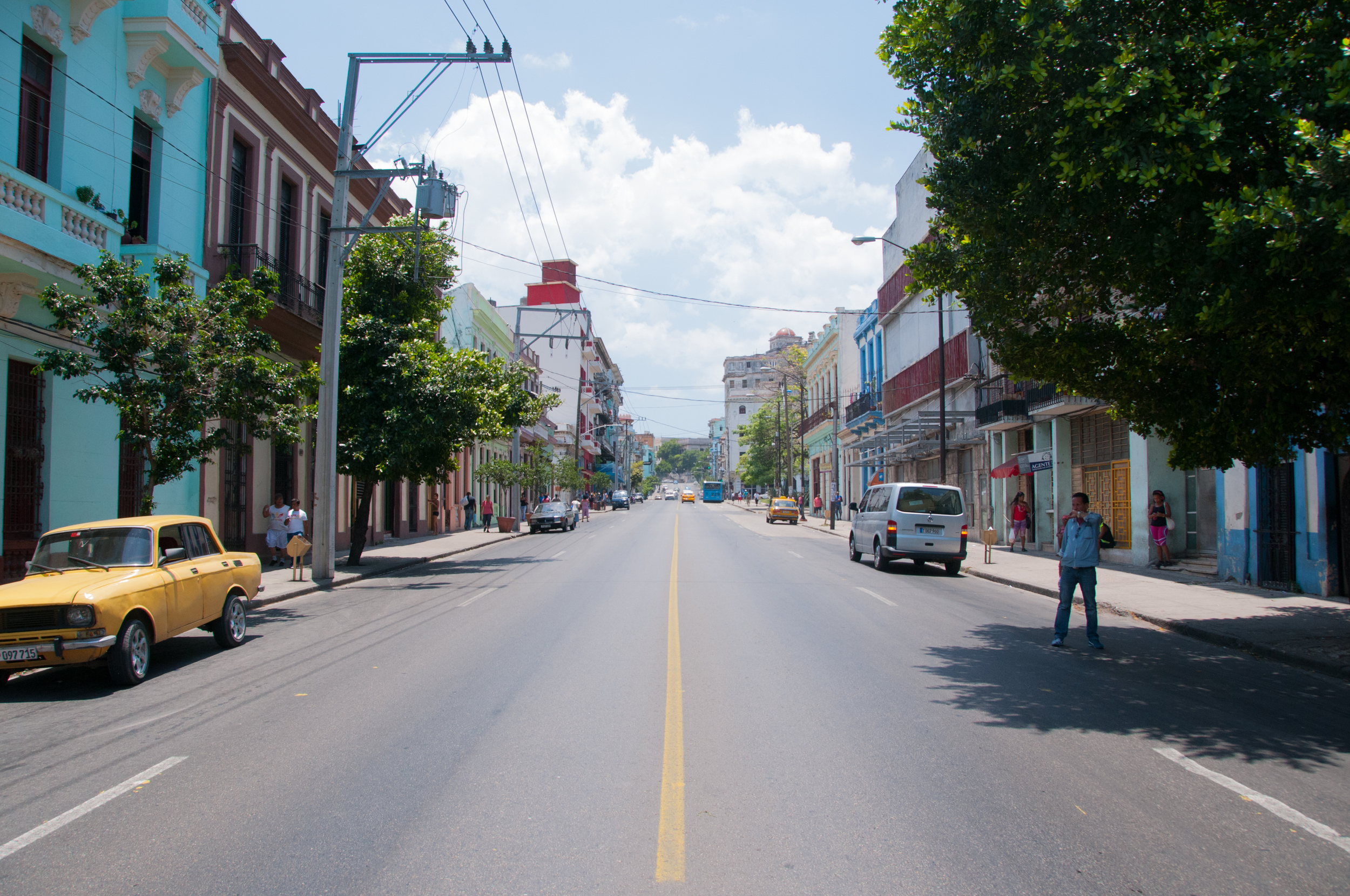
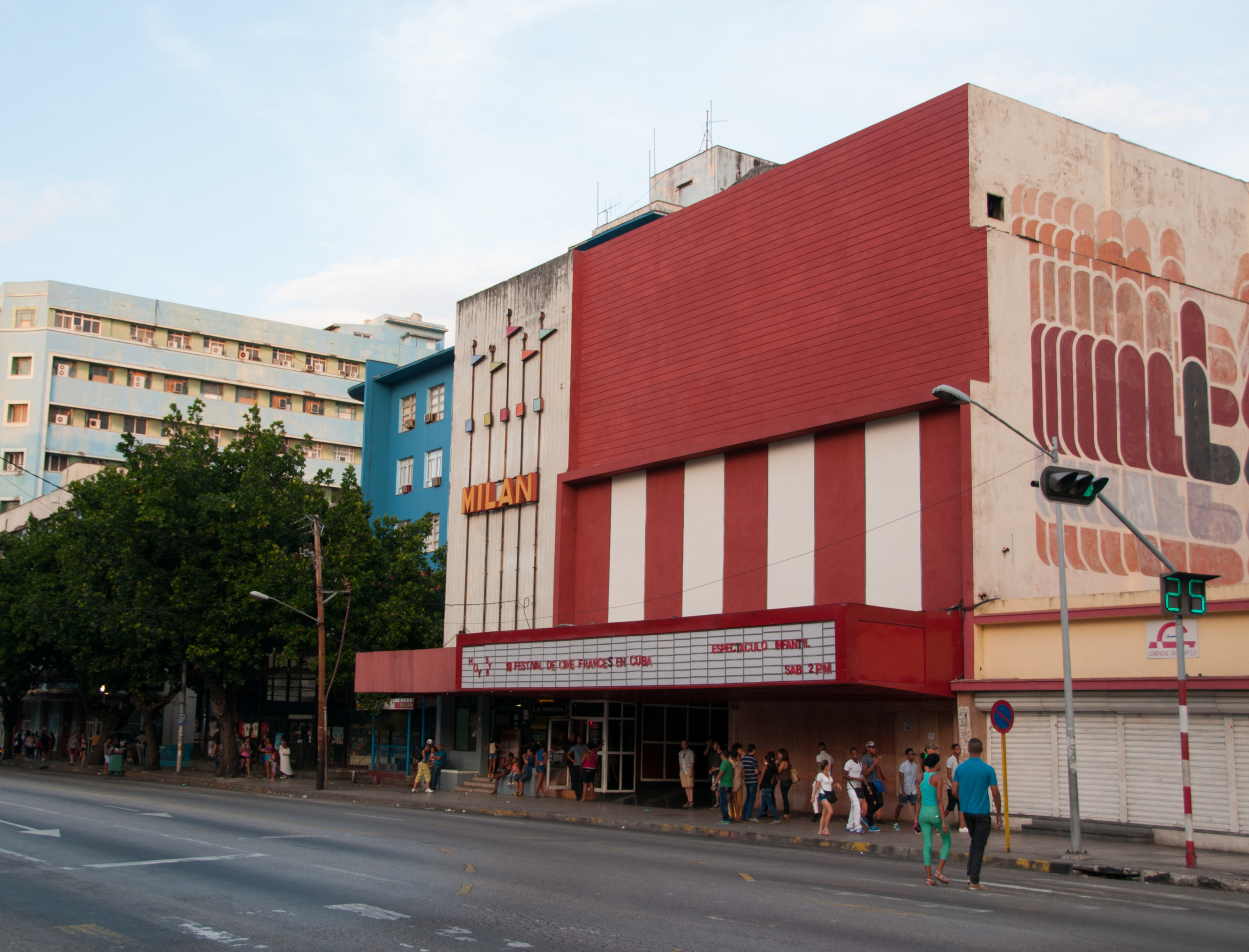
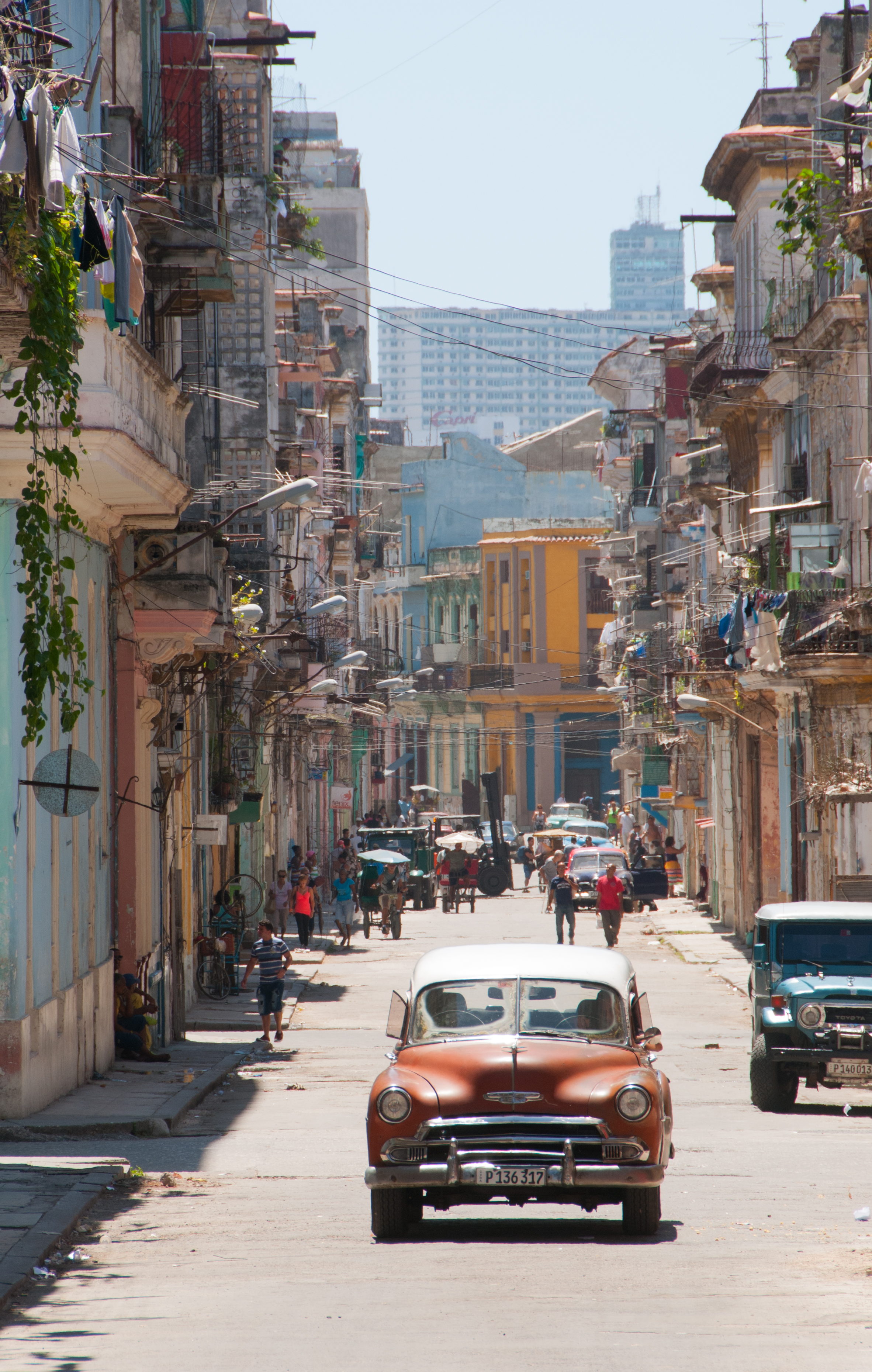
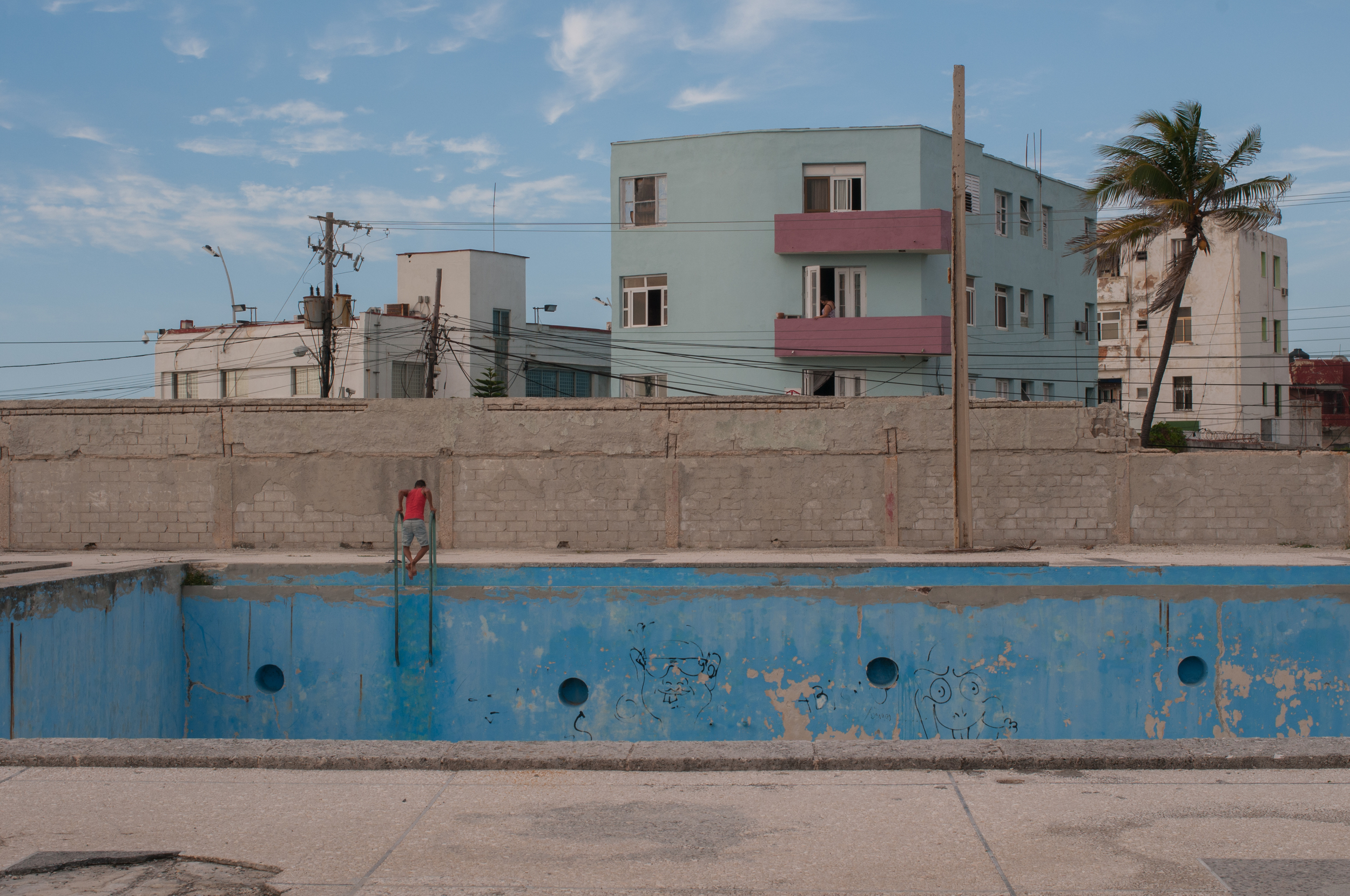
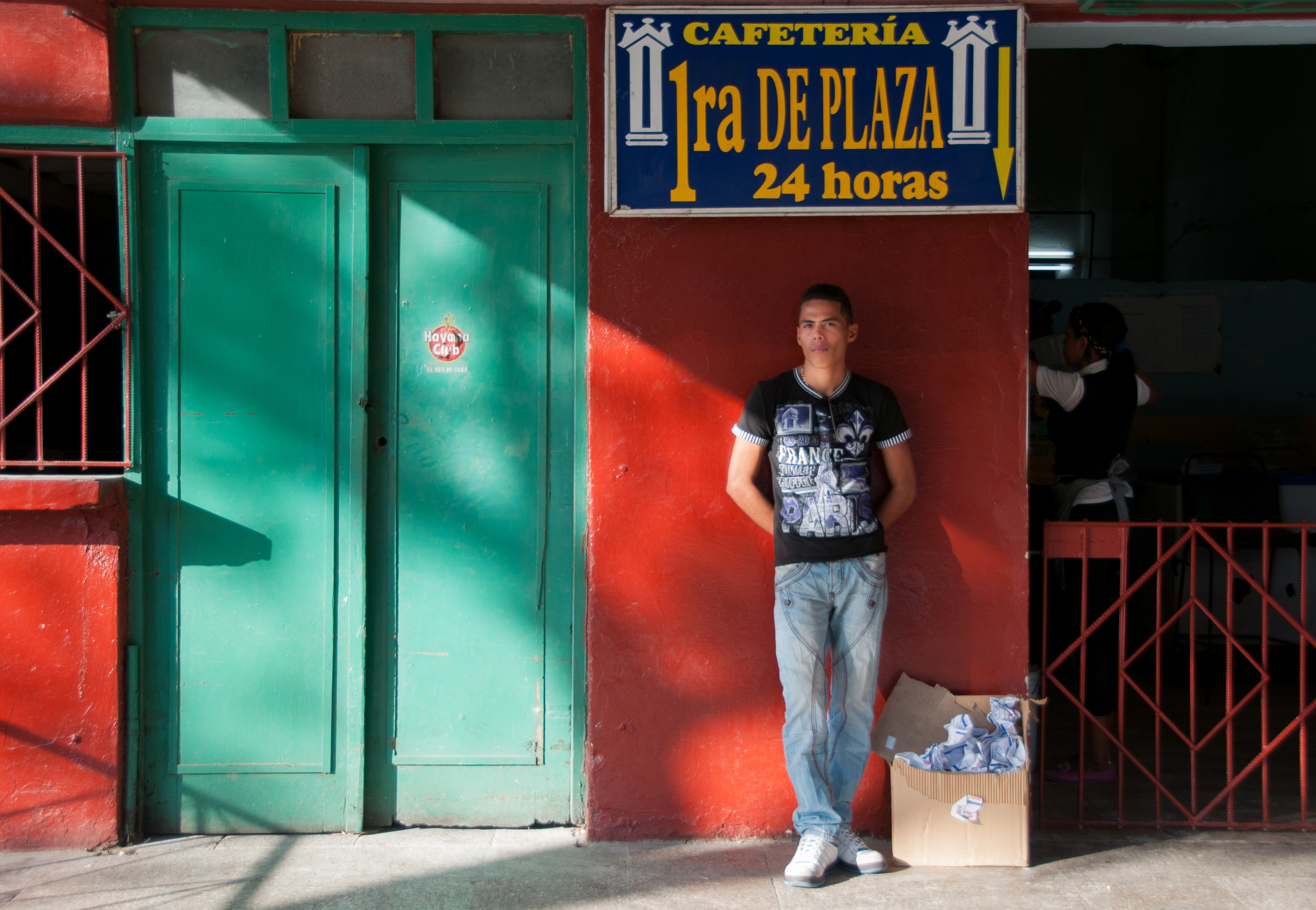
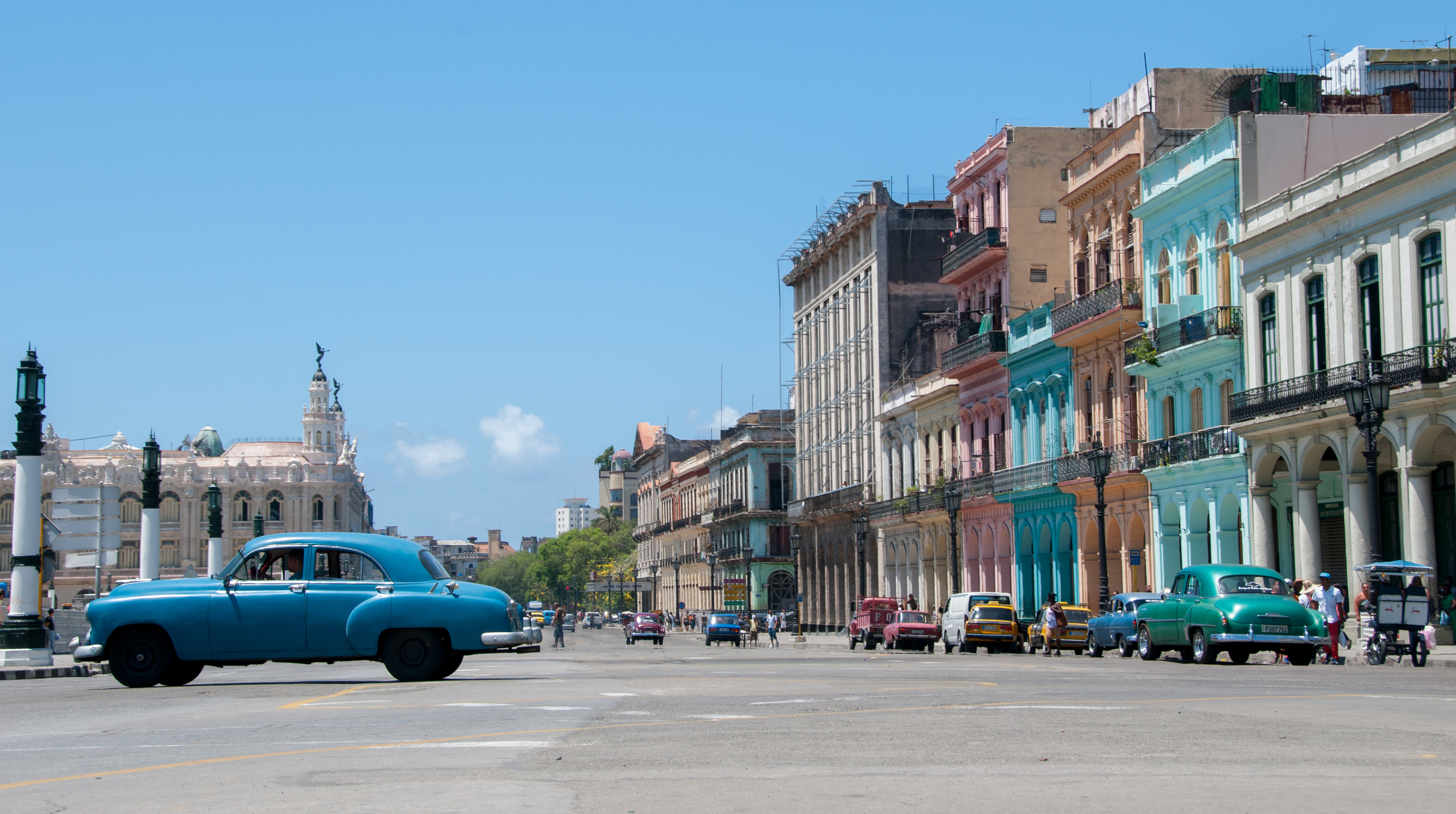
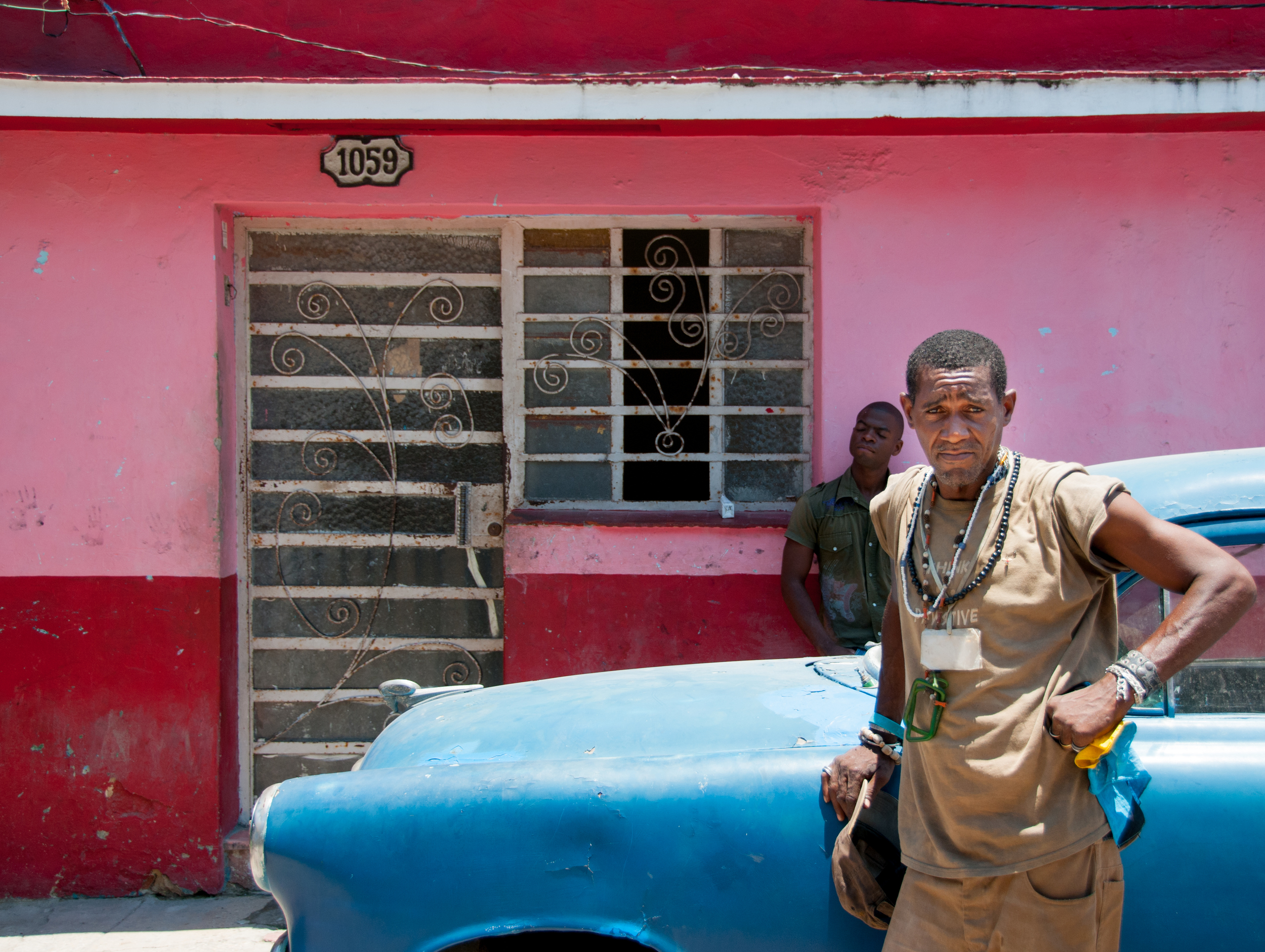
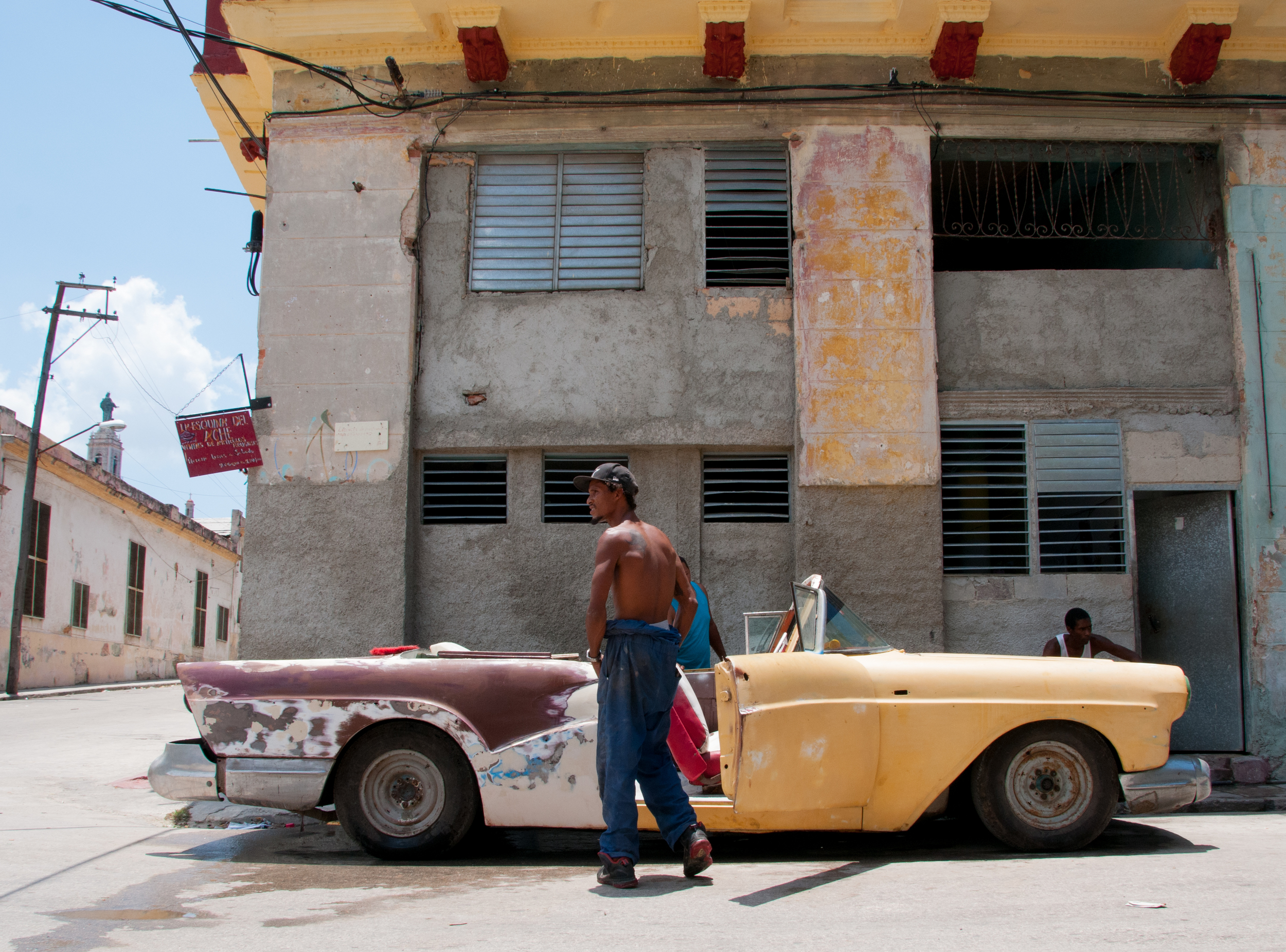
Cubans aren’t modest when it comes to color. Every car, house, and wall is painted a different shade of blue, green, pink or yellow. Everything is so vibrant.

Cubans are (mostly) extremely friendly; they often ask for money, but never make you feel too uncomfortable (as a guy, at least).


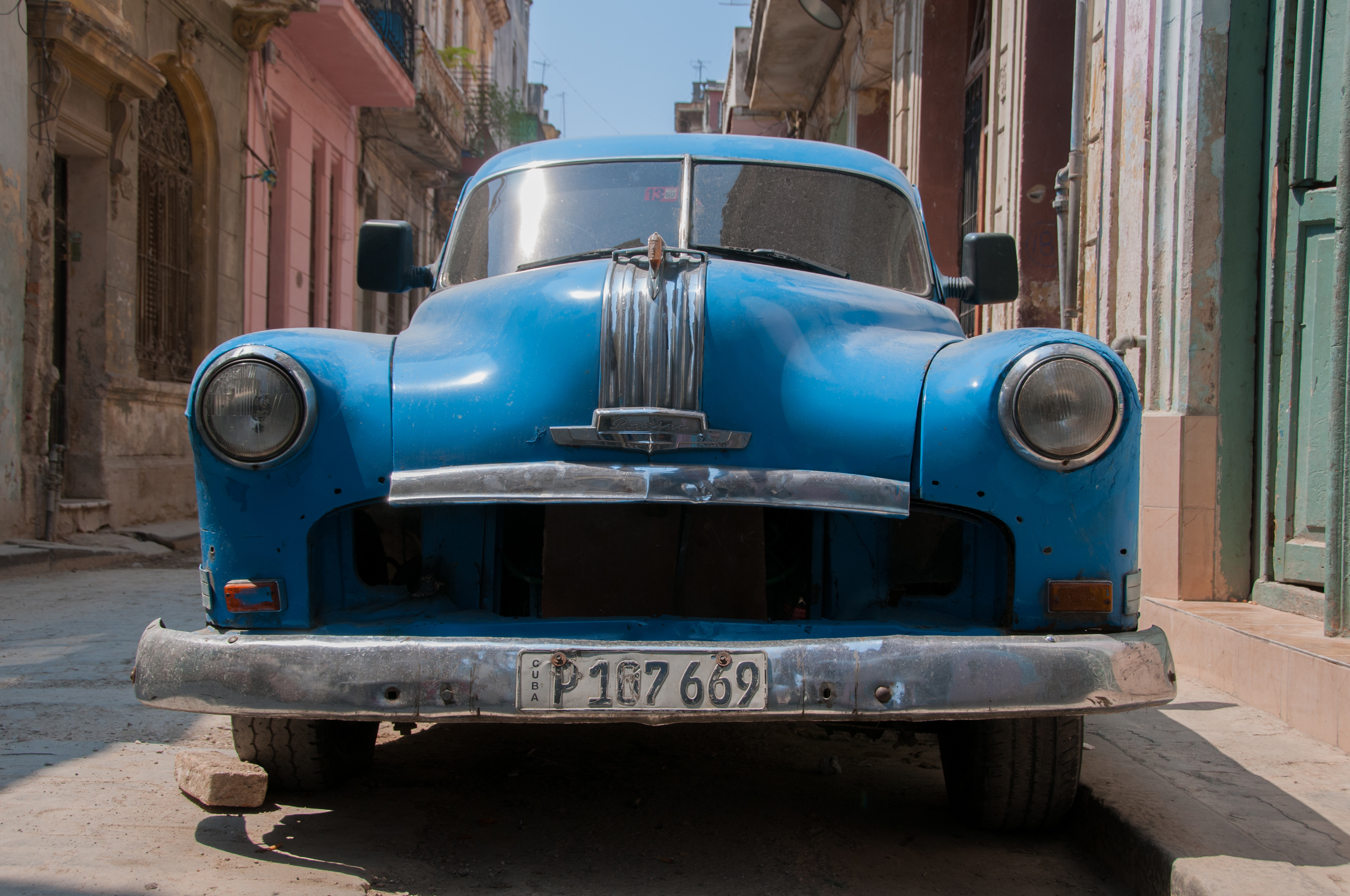
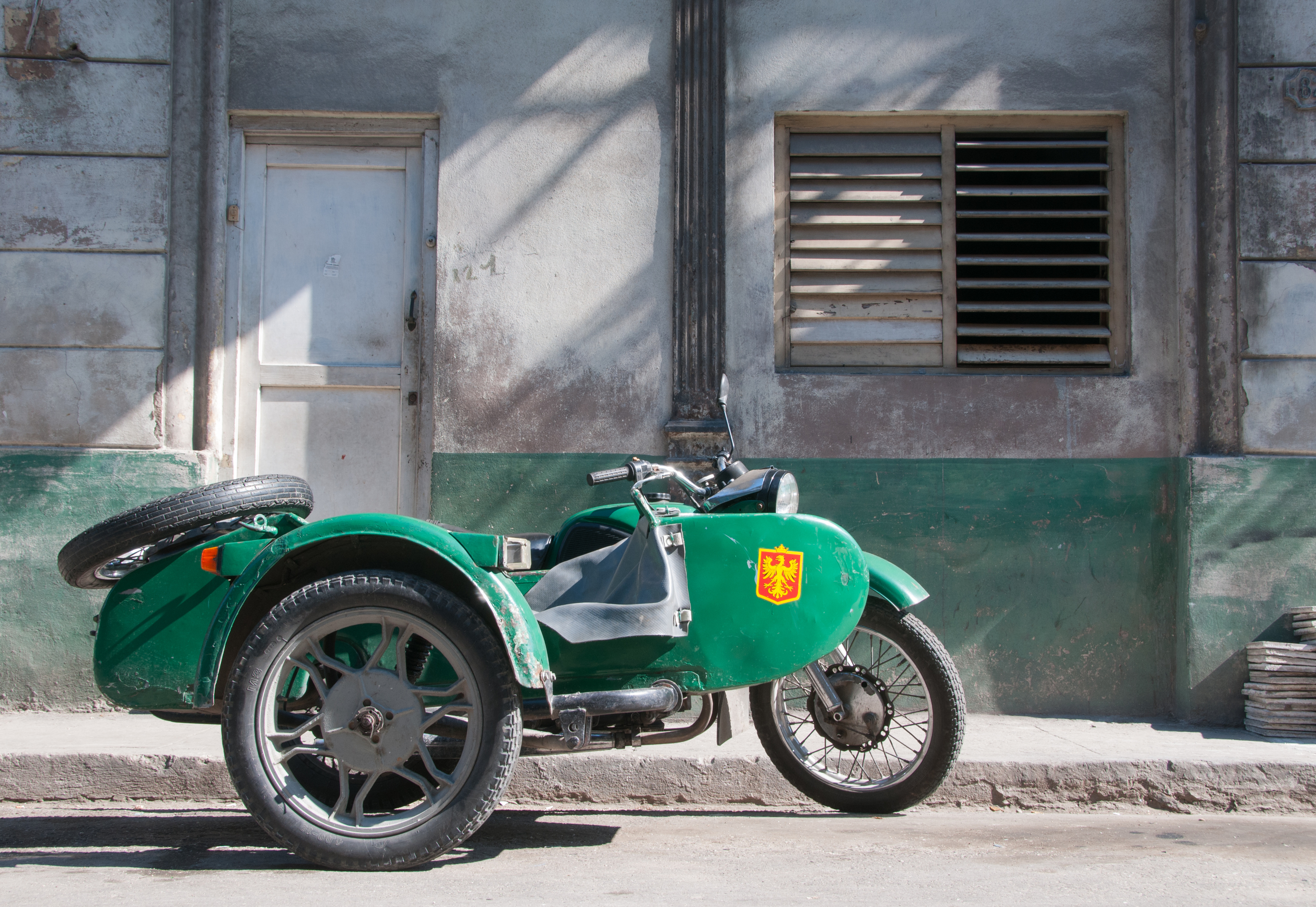
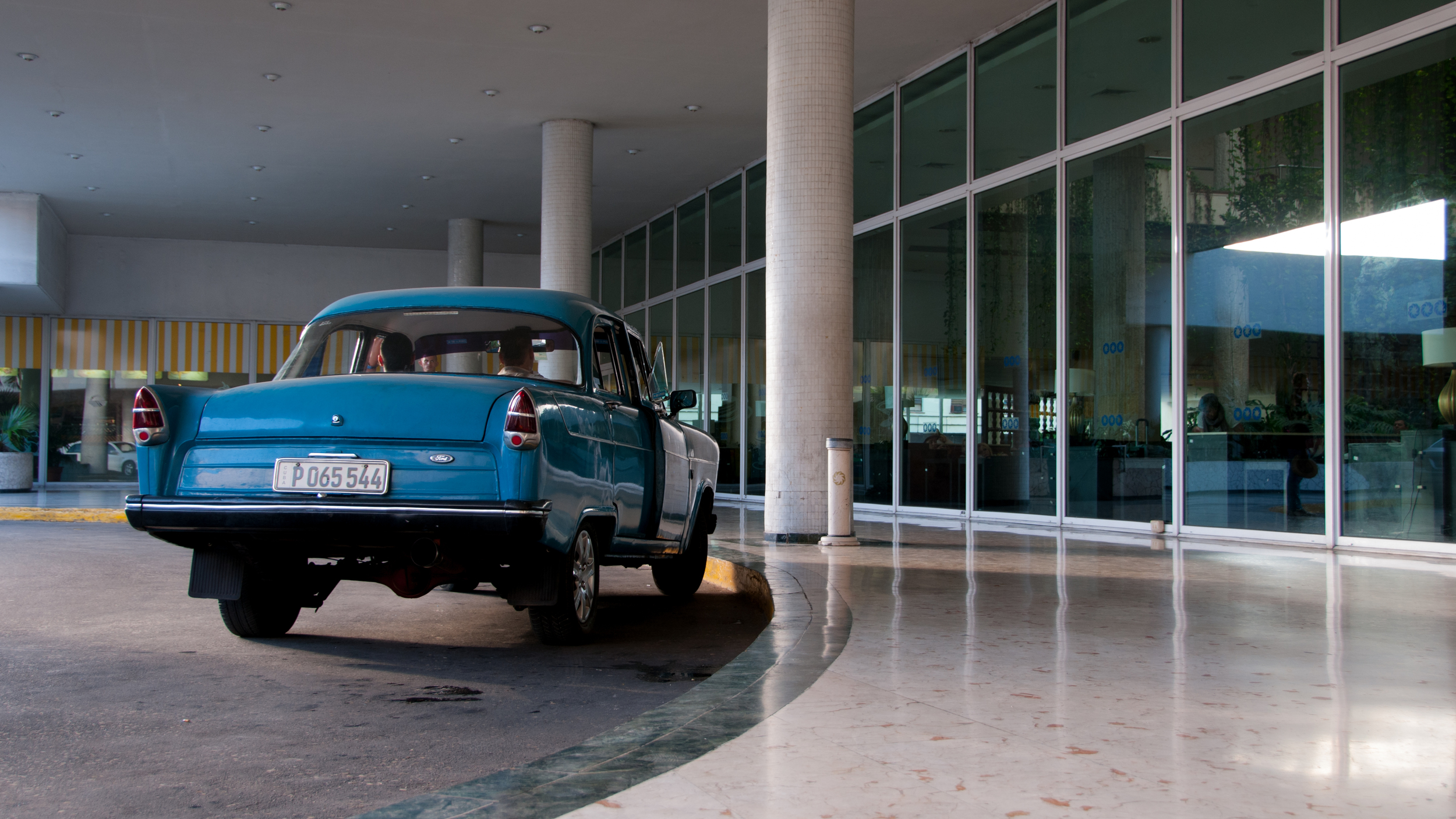
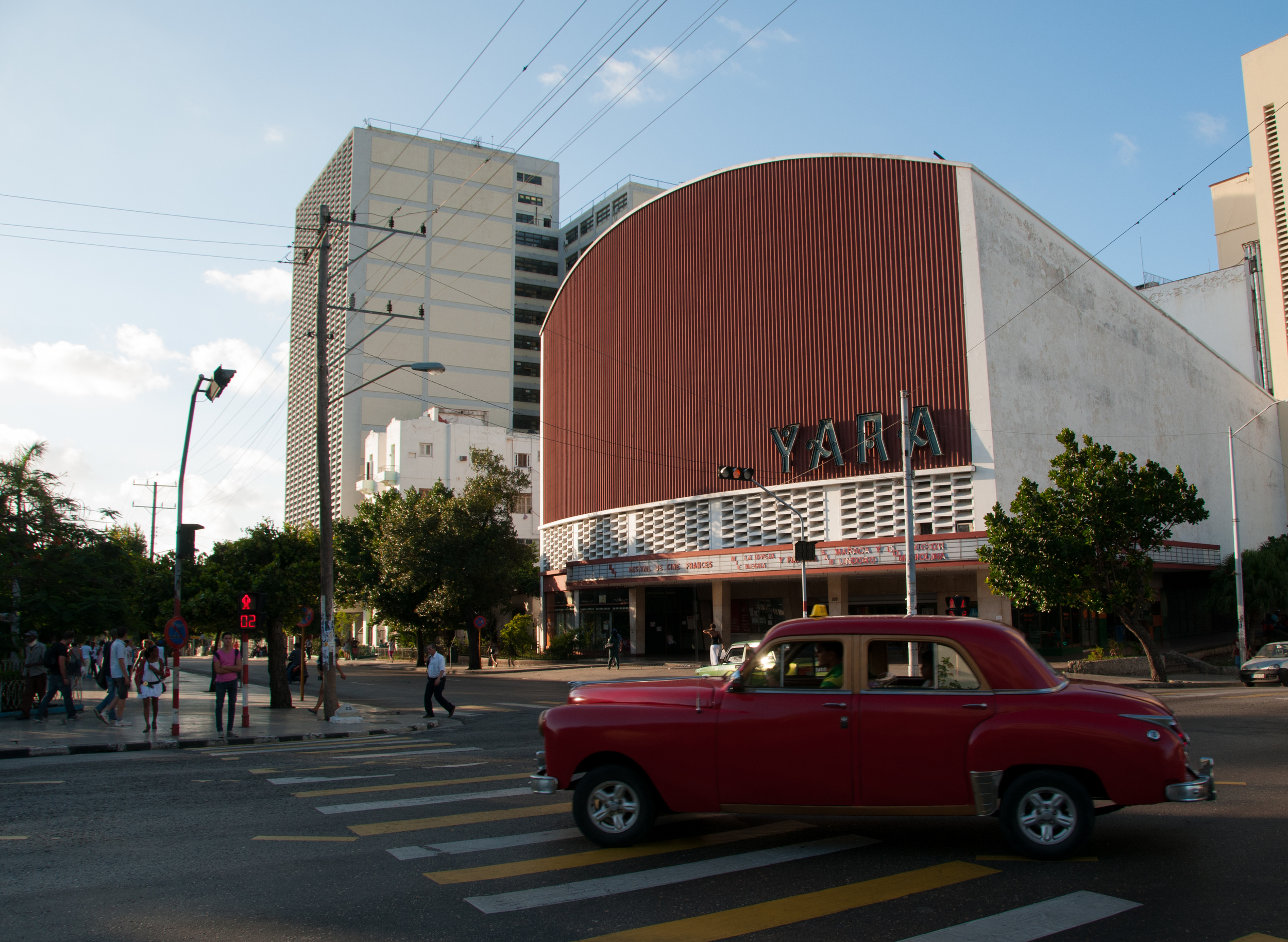
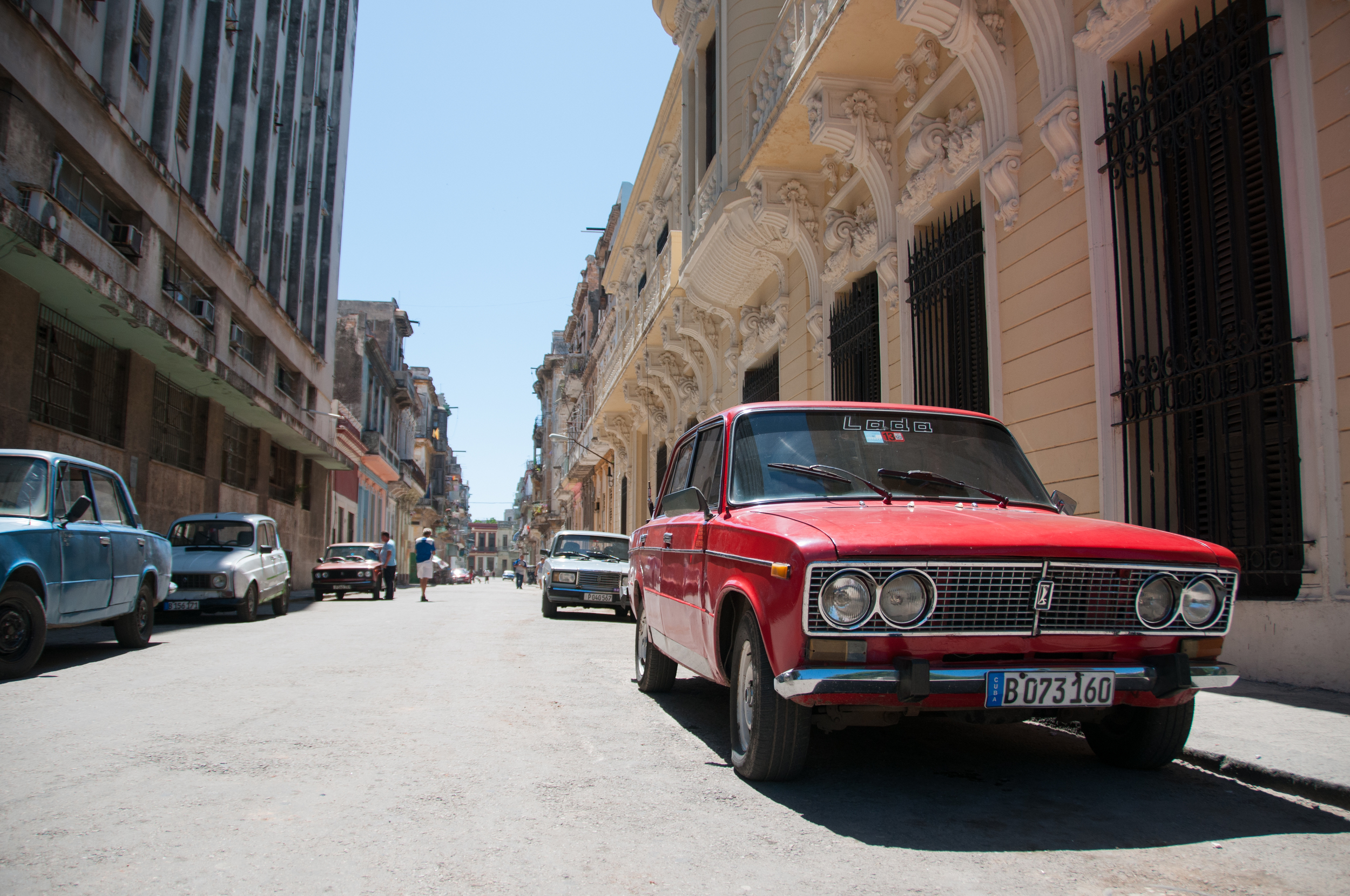
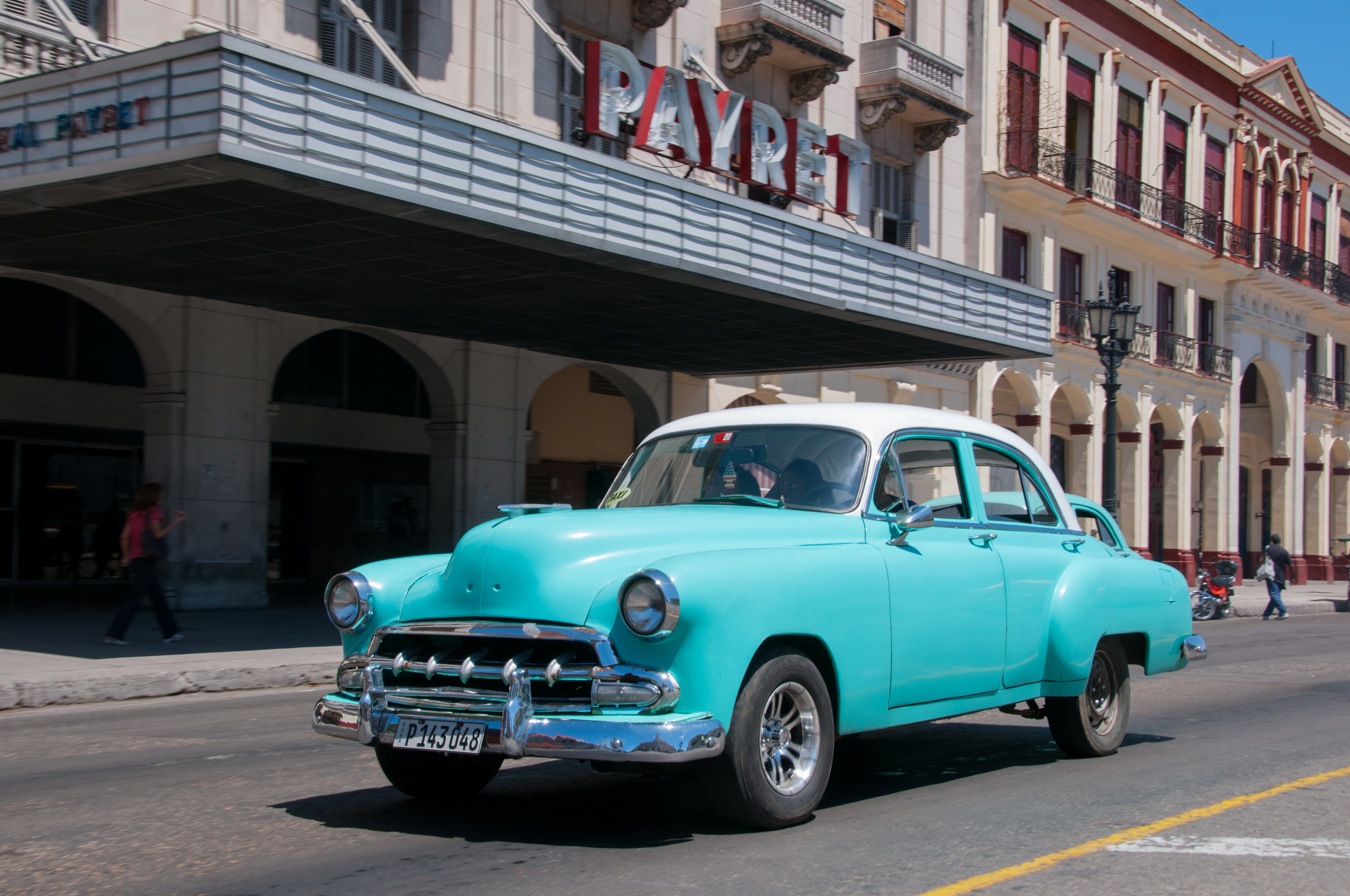
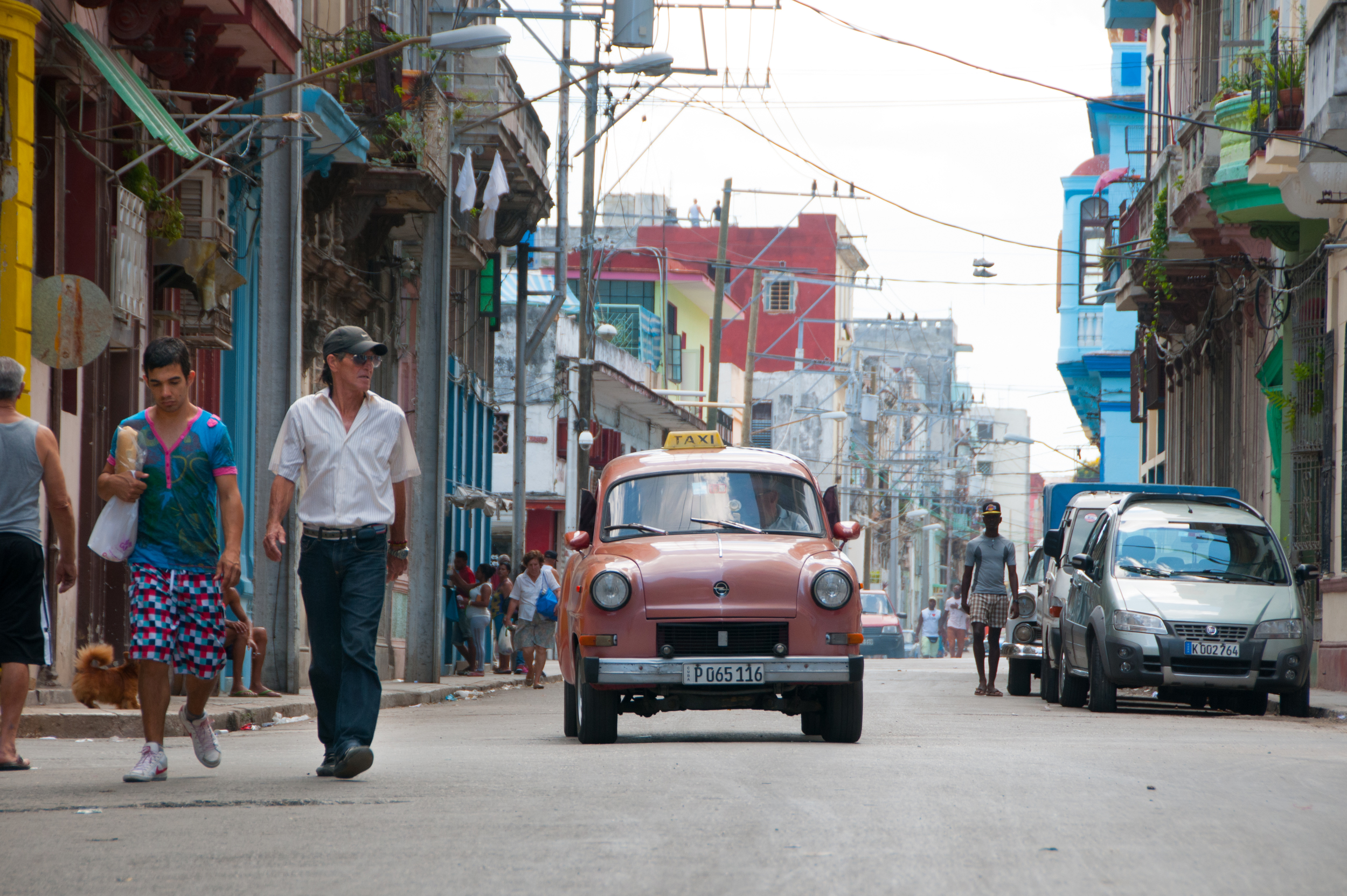
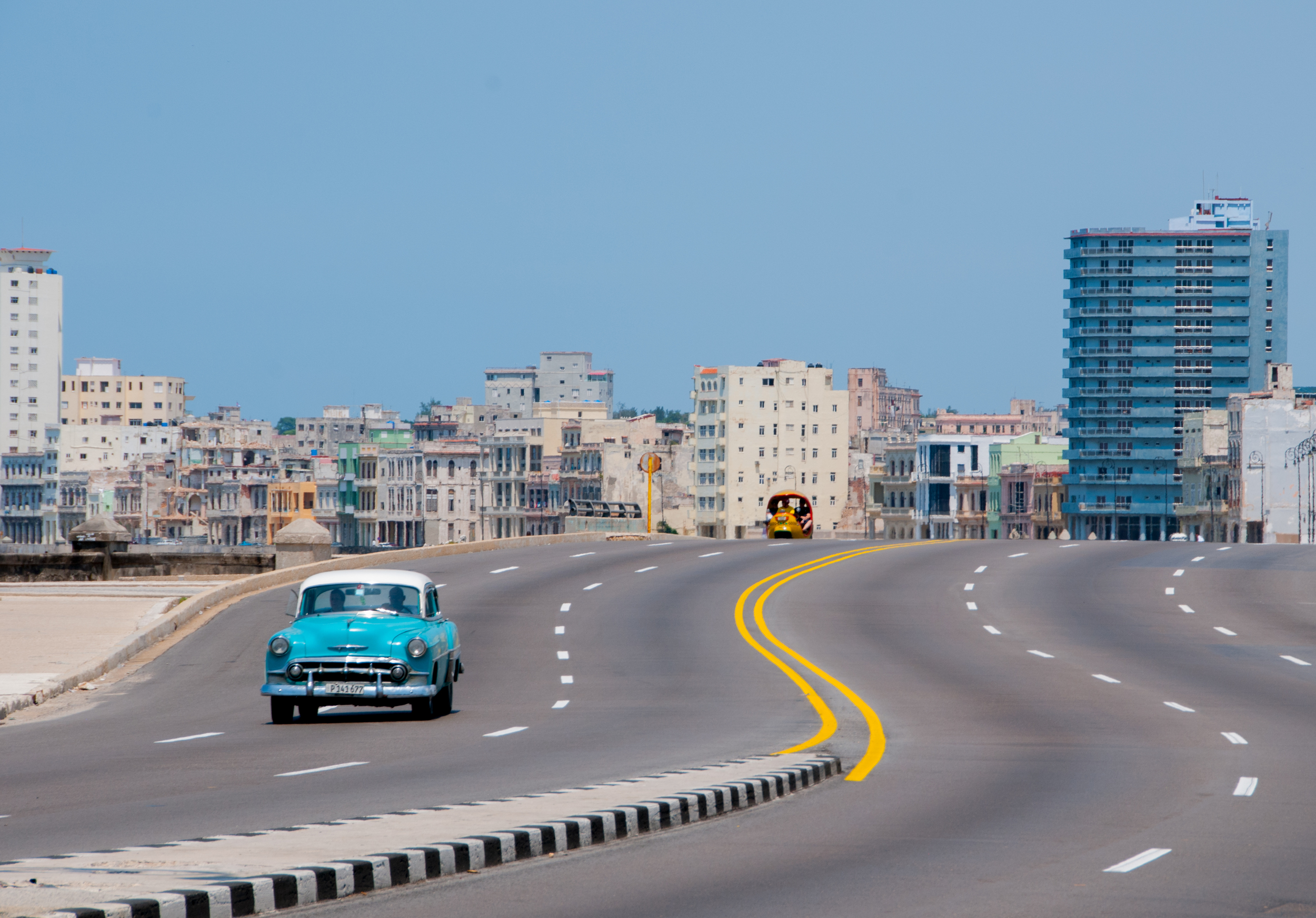
Not all of the cars are old. The U.S. embargo on Cuba doesn’t apply to the whole world, so Cubans can buy cars from other countries. German, Italian and Russian cars from ten years ago or so are fairly common on the streets of Havana. Old American cars from the 50s still outnumber newer cars, but new cars aren’t unheard of.

Another note about people: they’re happy, but at the same time they seem sort of somber. Education and healthcare are free, but Cubans only get the equivalent of $30 a month for their salary – life here definitely isn’t easy. The U.S. embargo doesn’t mean that Cuba can’t trade with other countries, but it definitely affects people’s mentality and every day lives.

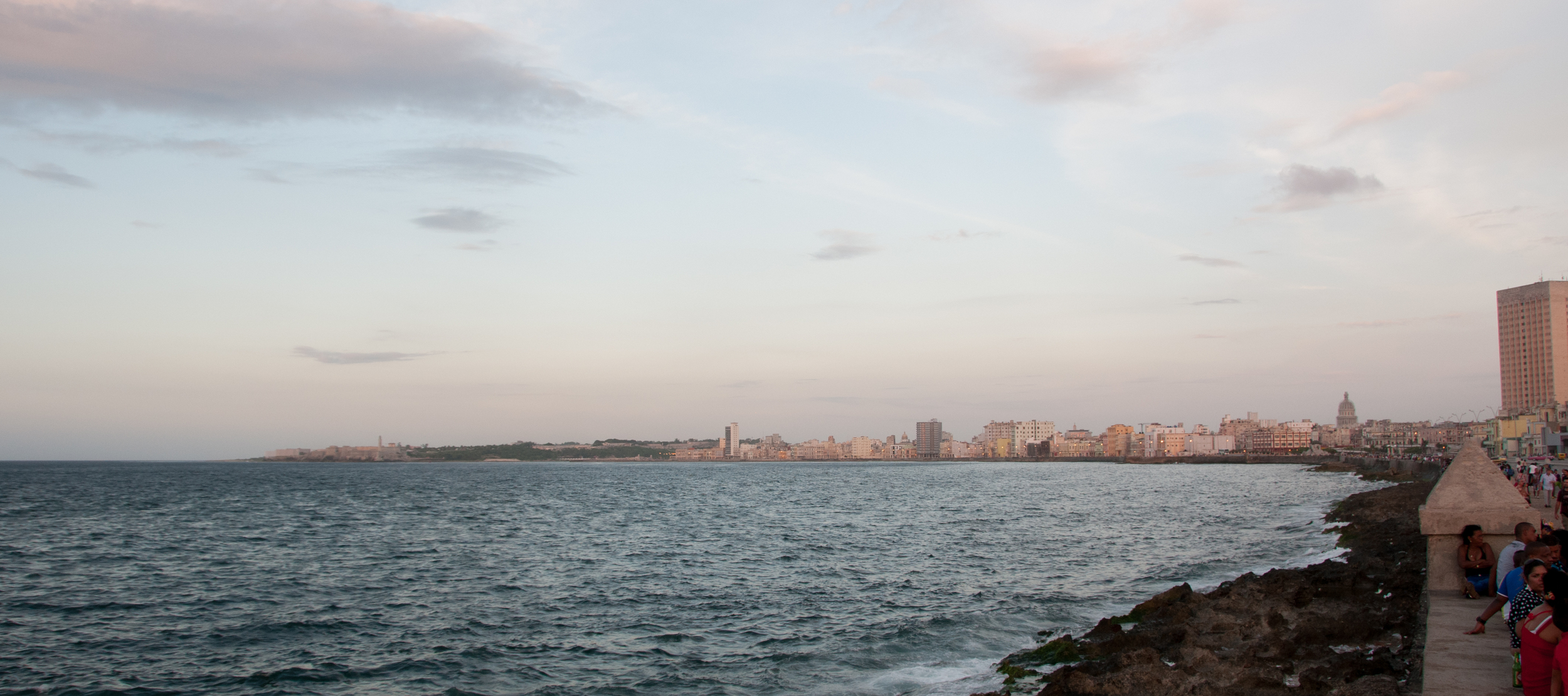
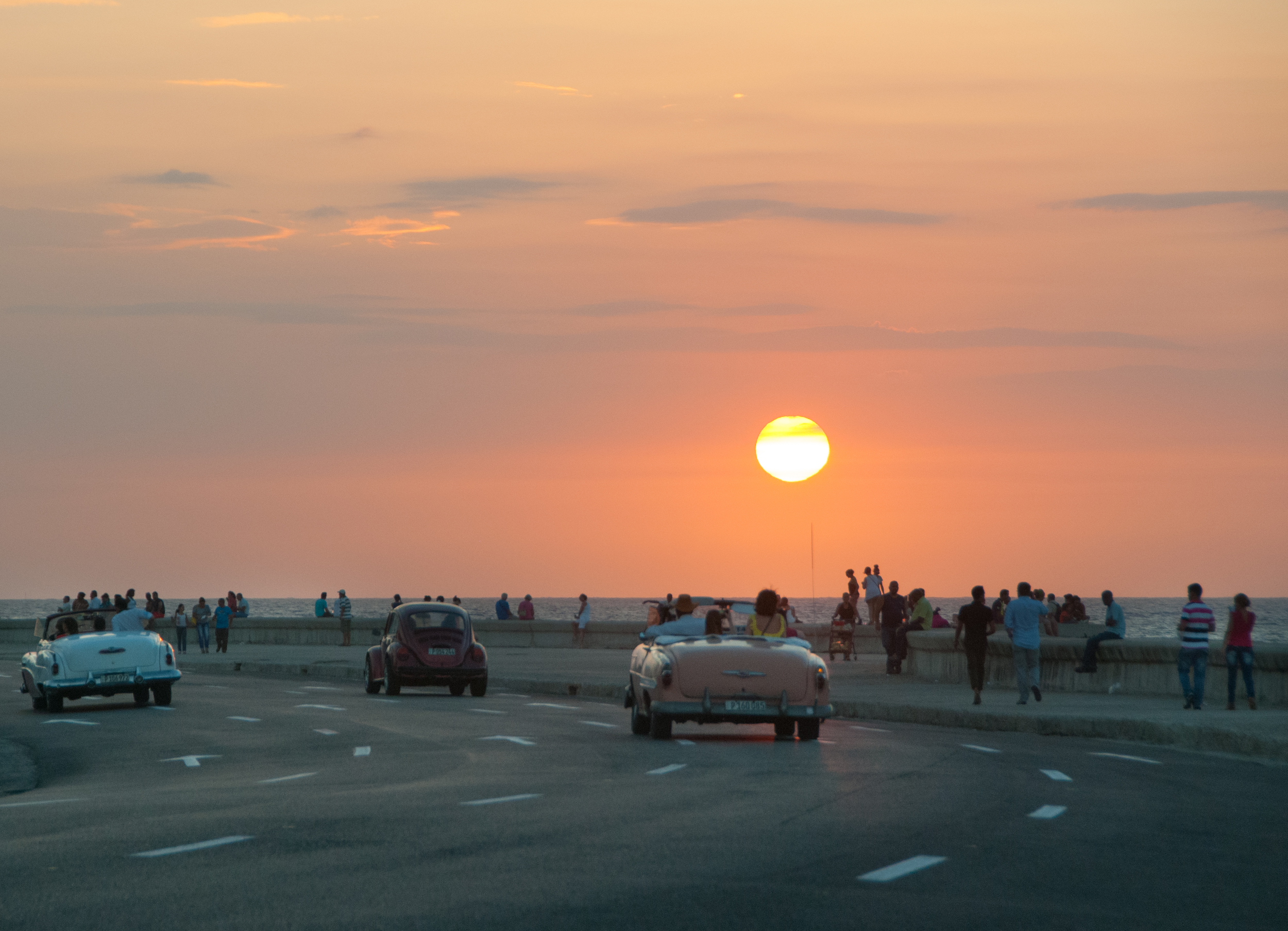
This is the Malecón, a cement storm wall on the ocean that people are constantly sitting on hanging out. Couples were always sitting here kissing and cuddling on the wall, both day and night.

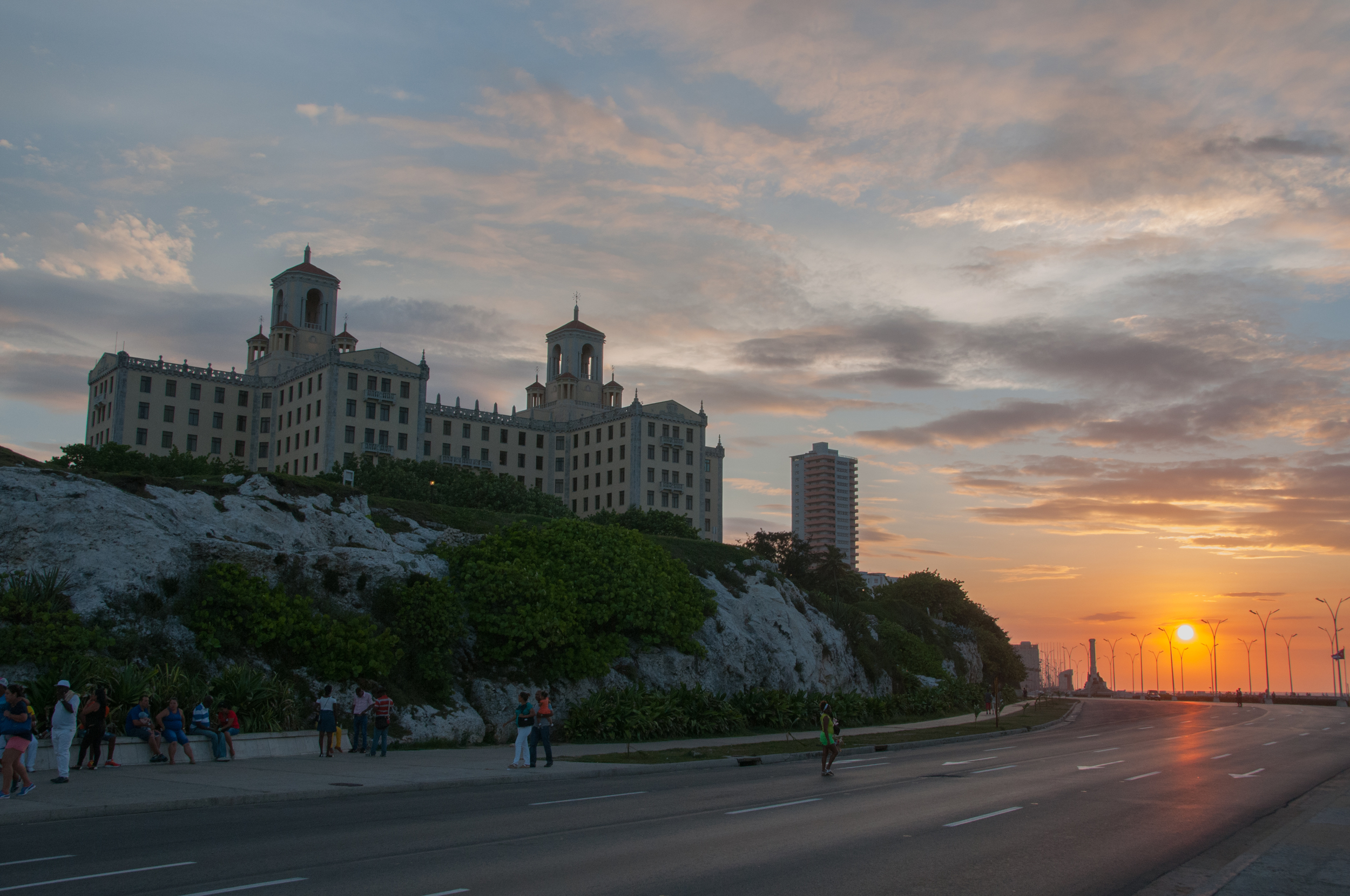
Hotel Nacionál, this is where the wealthy European and Canadian tourists stay while in Cuba. It has a great view of the sunset.

It’s hot in Cuba, but not unbearable. I had a nice sheen of sweat on my forehead all day long in the hot sun. My room had air conditioning and most restaurants and stores do too, but standing in the sun in the middle of the day got very, very warm.

Things in Cuba are cheap. The conversion rate for U.S. dollars to Cuban Convertible Pesos (CUC) is about $1 to 1CUC (with a 13% exchange fee). A beer at a bar is $1-2 CUC, and lunch is typically $4.50 CUC. I didn’t spend more than $15 CUC for a (very) nice dinner. Food in Cuba can be a mixed bag. Some restaurants, upscale places that are meant for tourists, can be very good and completely safe. But others, including the restaurant that our daily lunch was at, weren’t as great. We found pieces of plastic in fried chicken, and that chicken was often not cooked all the way through, which, even in the States is unnerving. Some people in my group had worse stomach issues than others, but having an upset stomach was nearly a daily ailment.

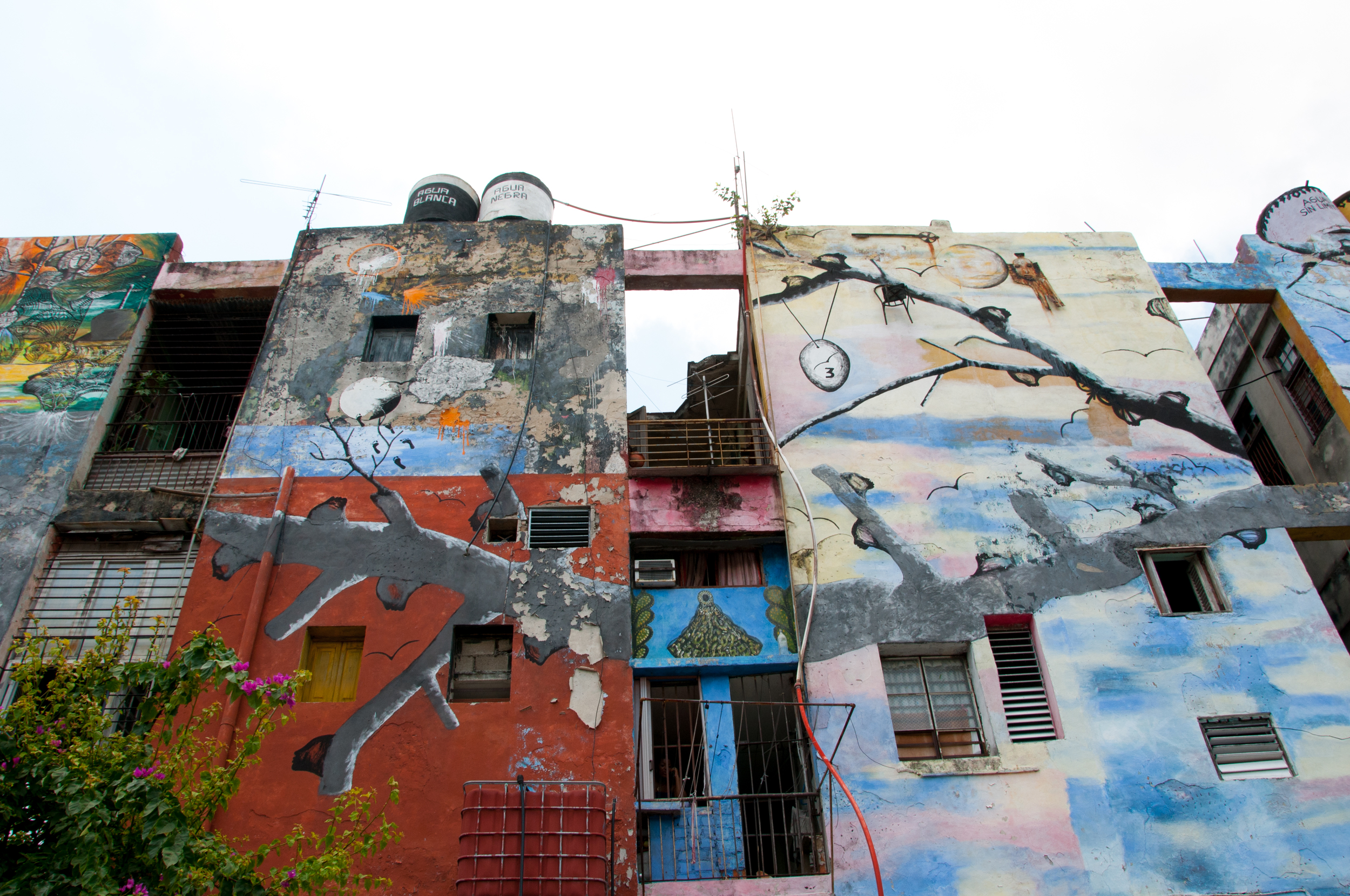
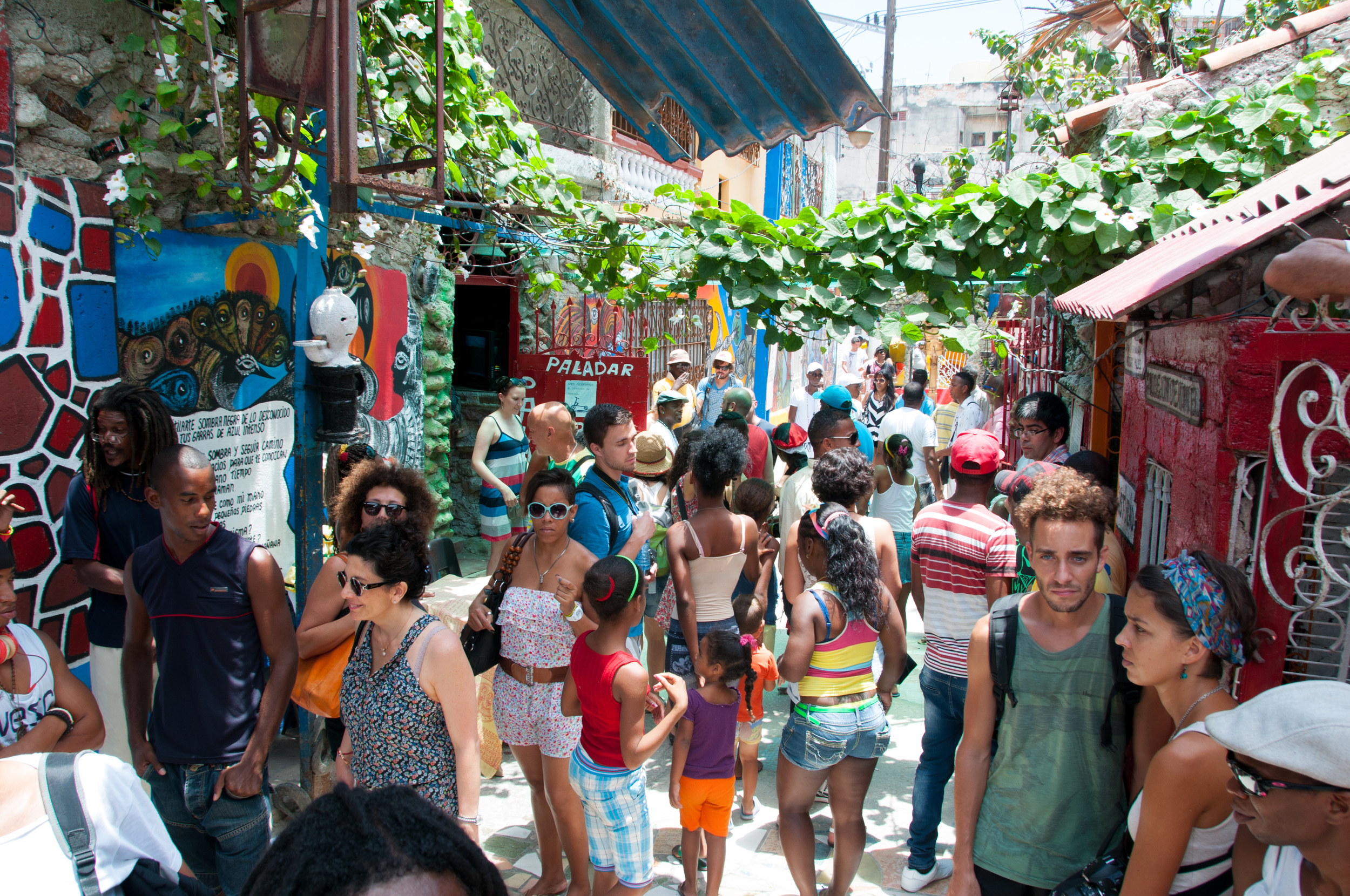
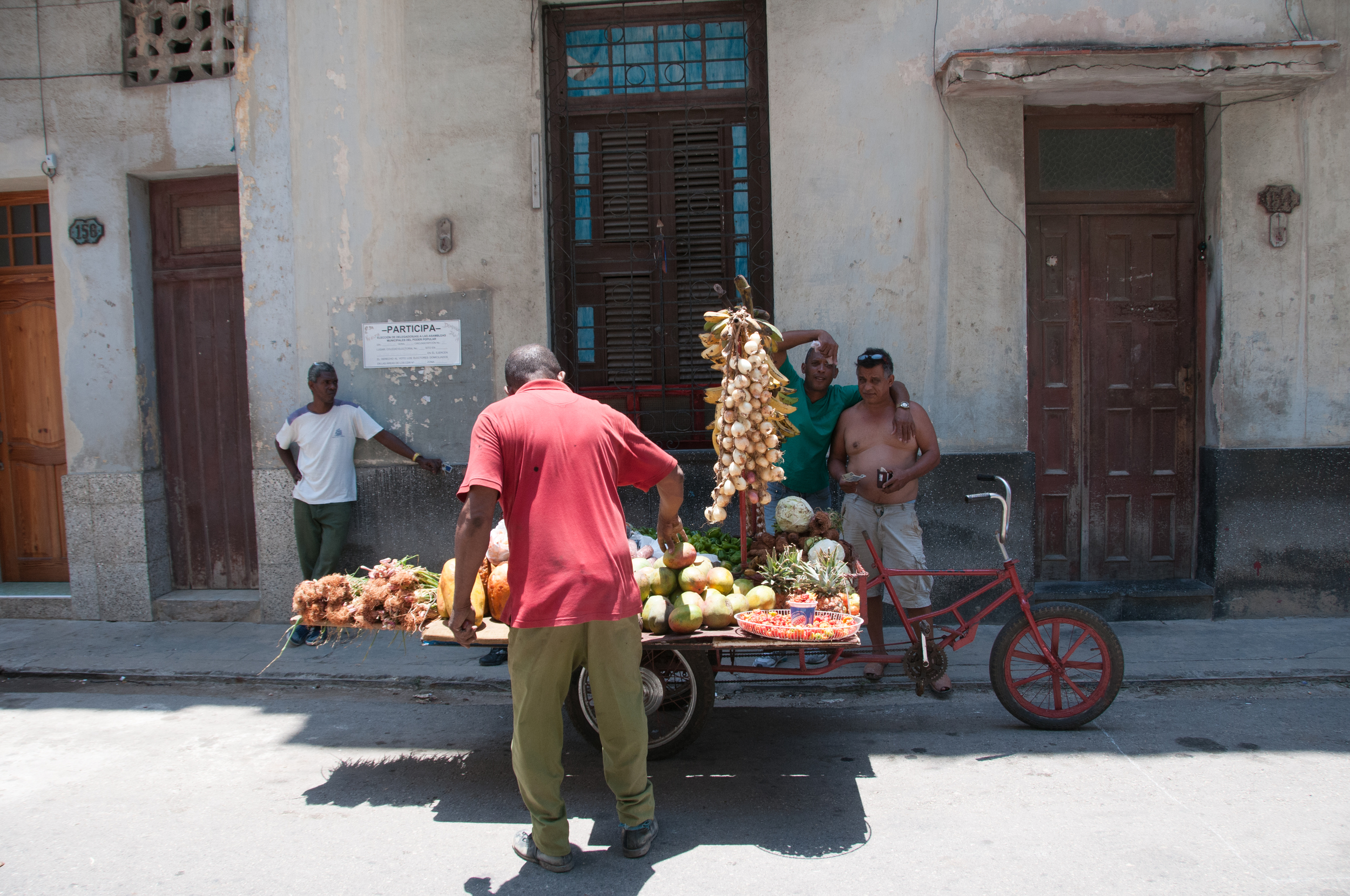
People here are very welcoming to tourists. On the third day we were walking around Havana and a couple grabbed us and showed us this street. Every wall is covered in art and the doors on either side lead to artists’ studios.

We went back the day after for a Rumba Festival that the couple told us about. A band played music non-stop for 3 hours while Cubans danced, drank and tried to sell CD’s to tourists.

Galleries:

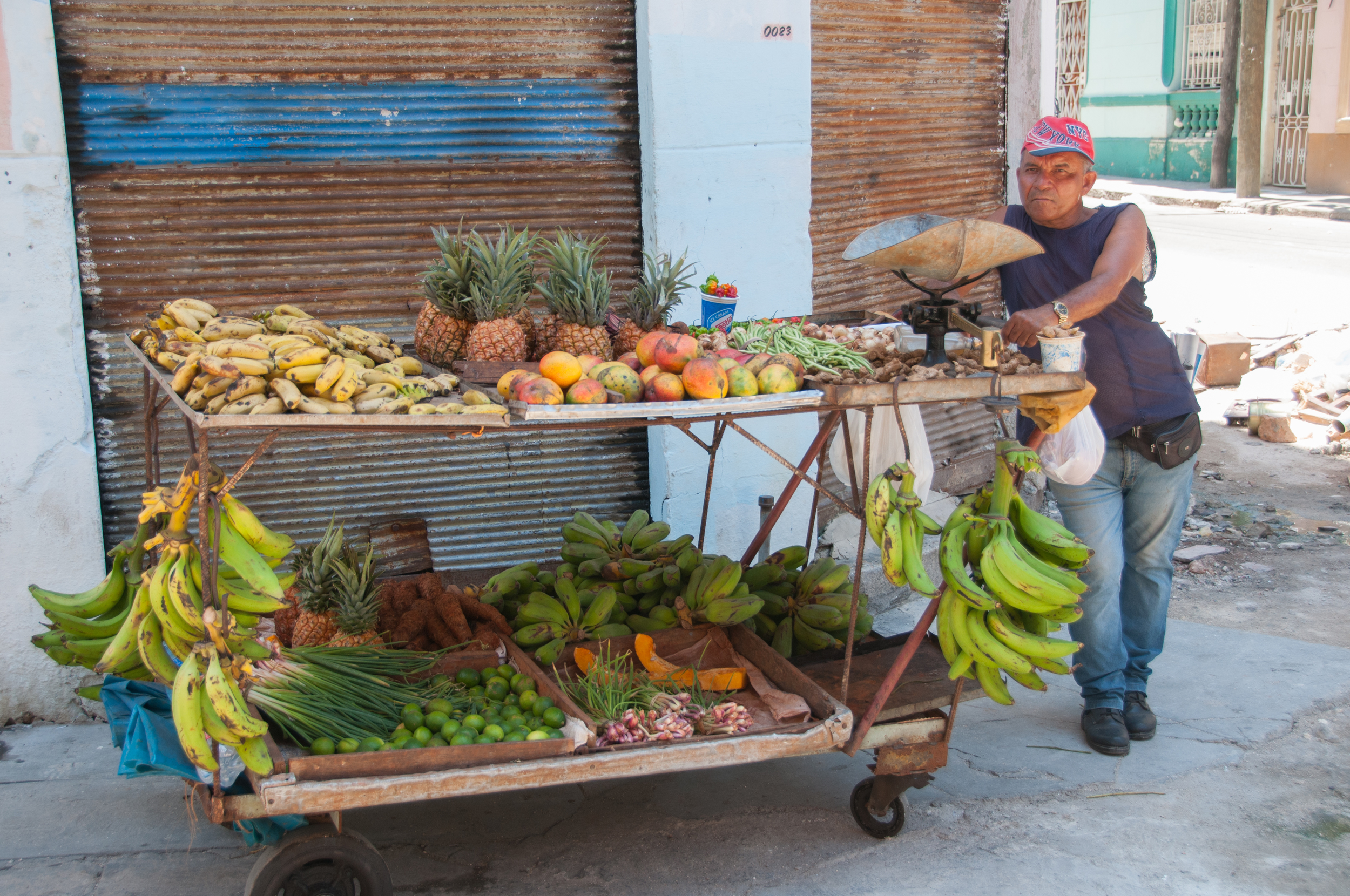
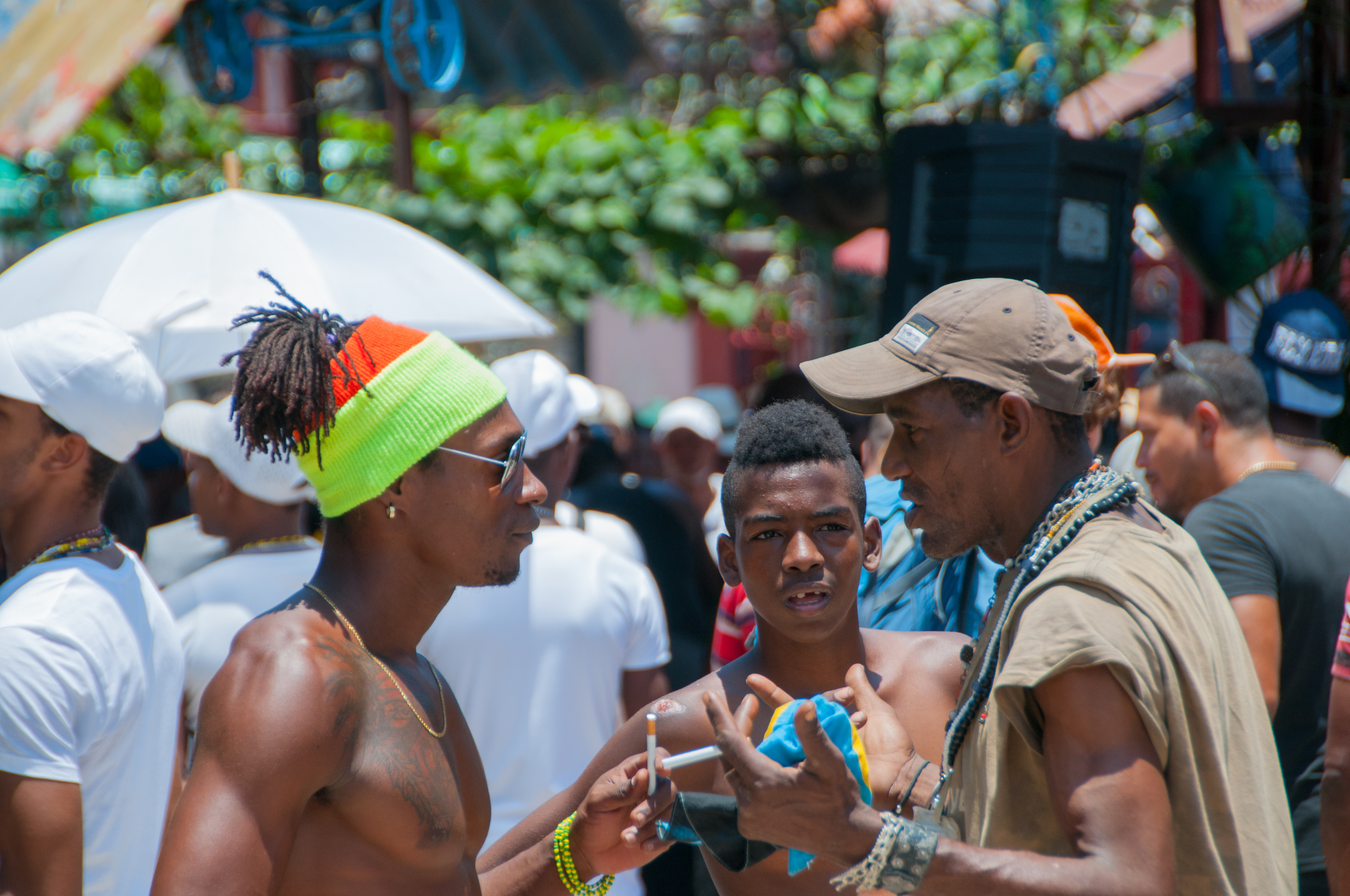
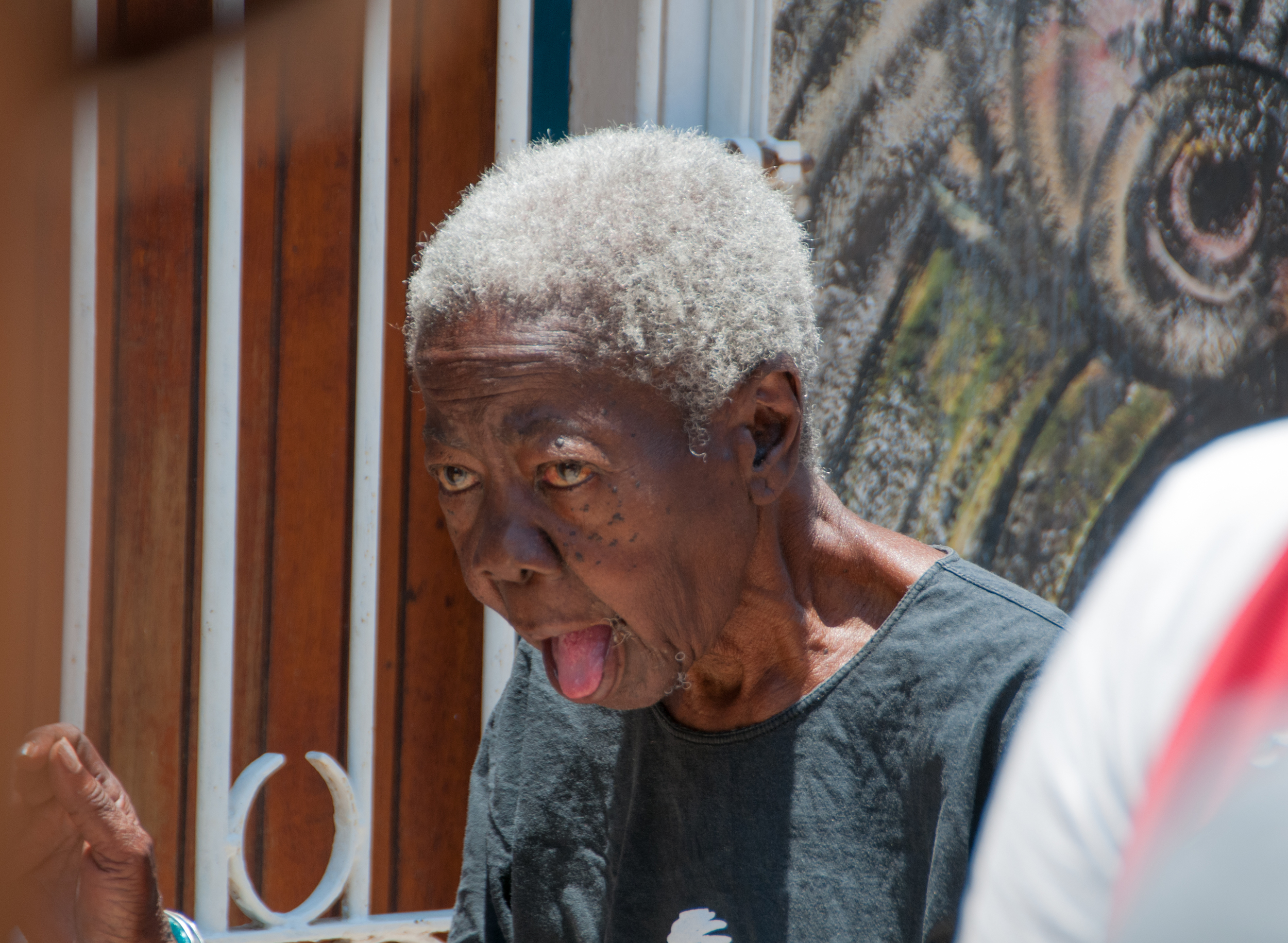
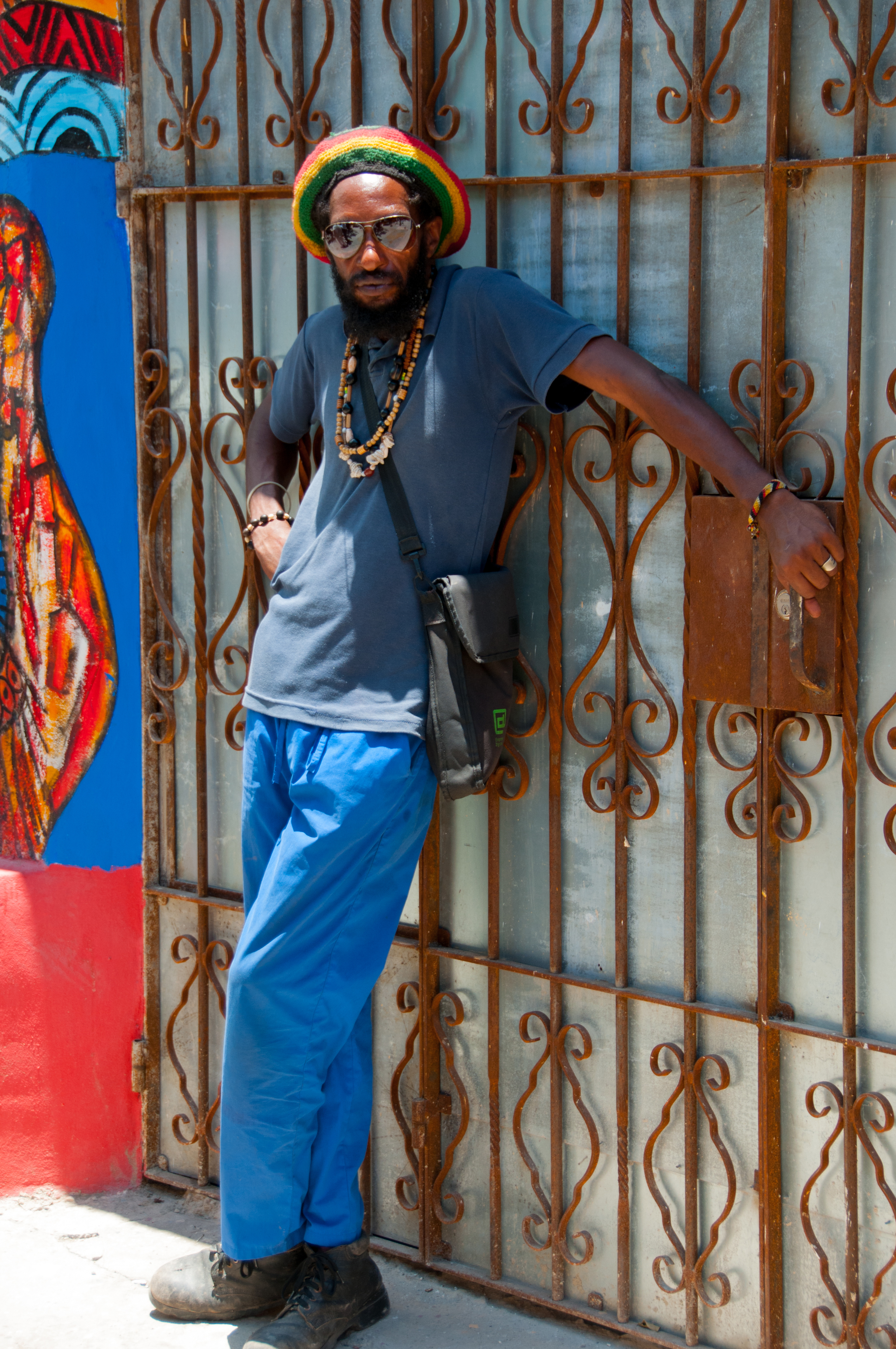
People

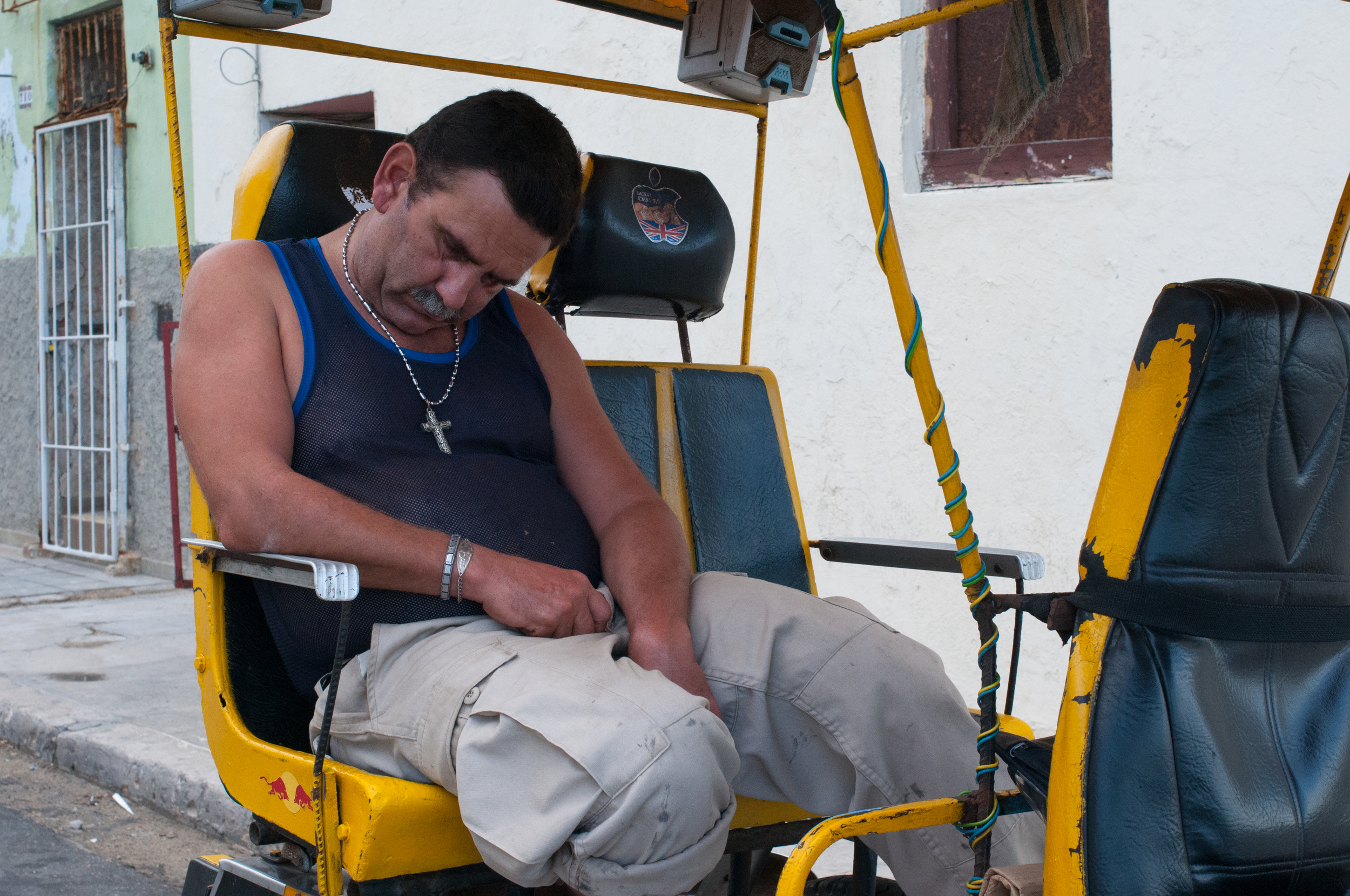
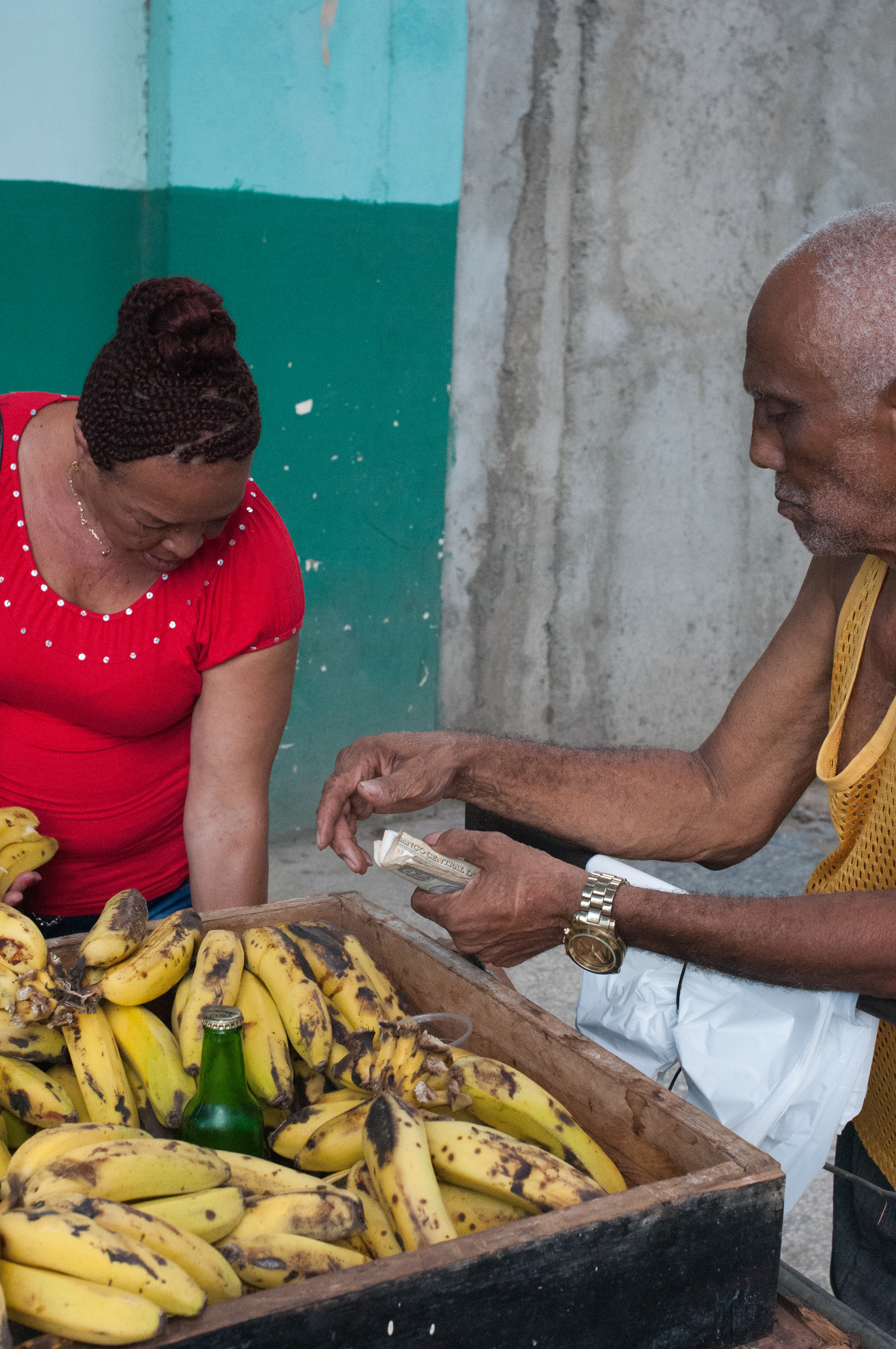
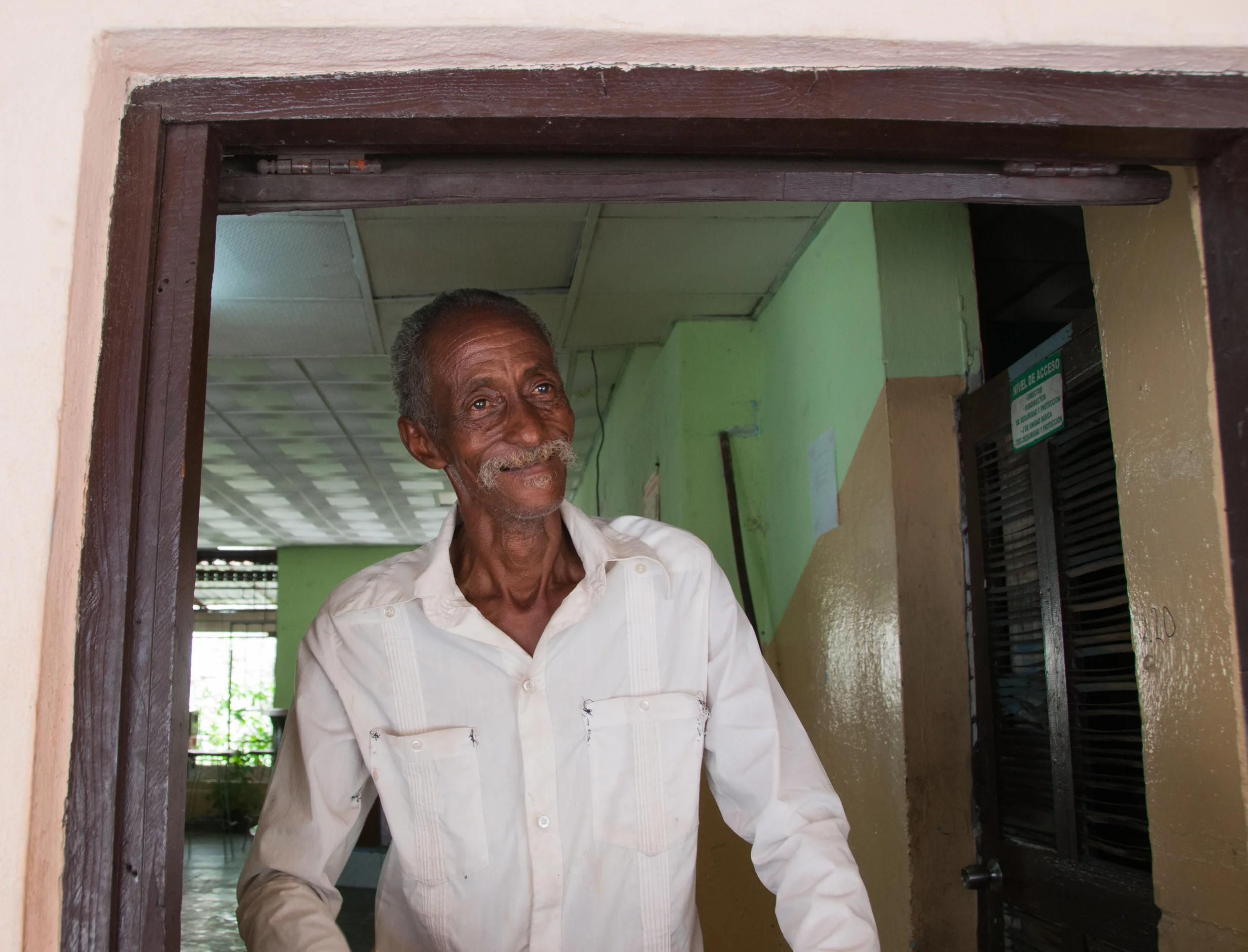
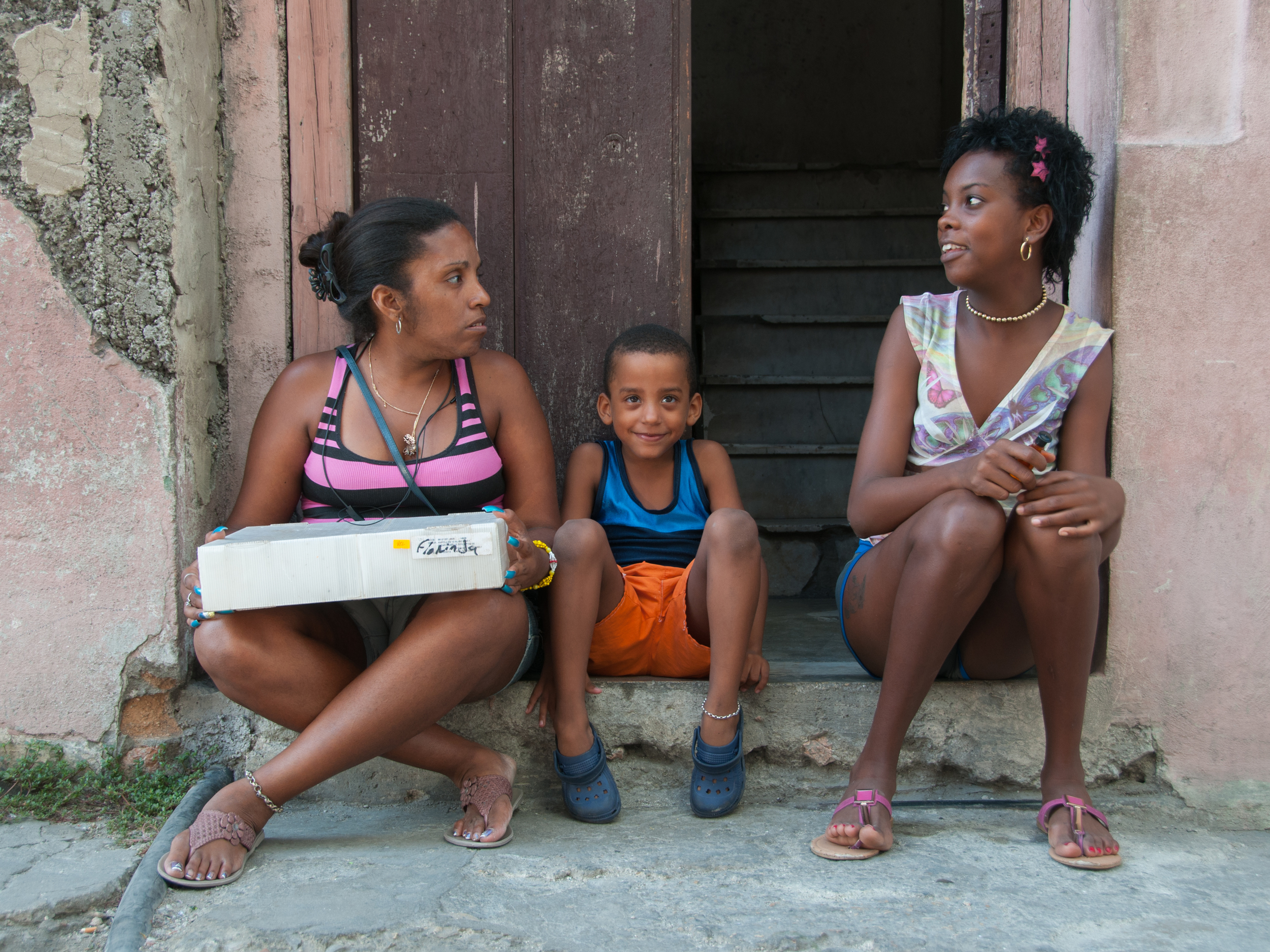
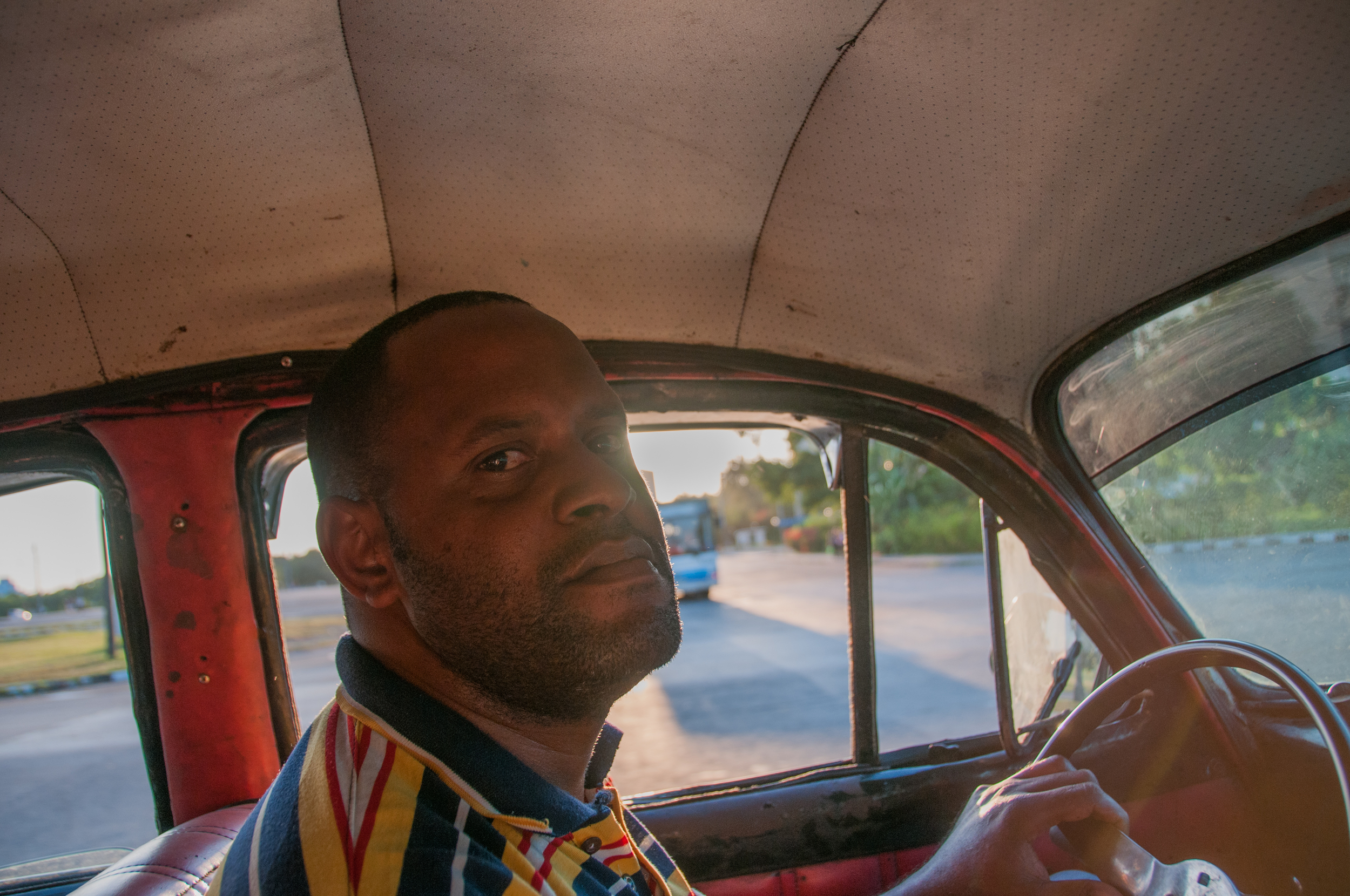
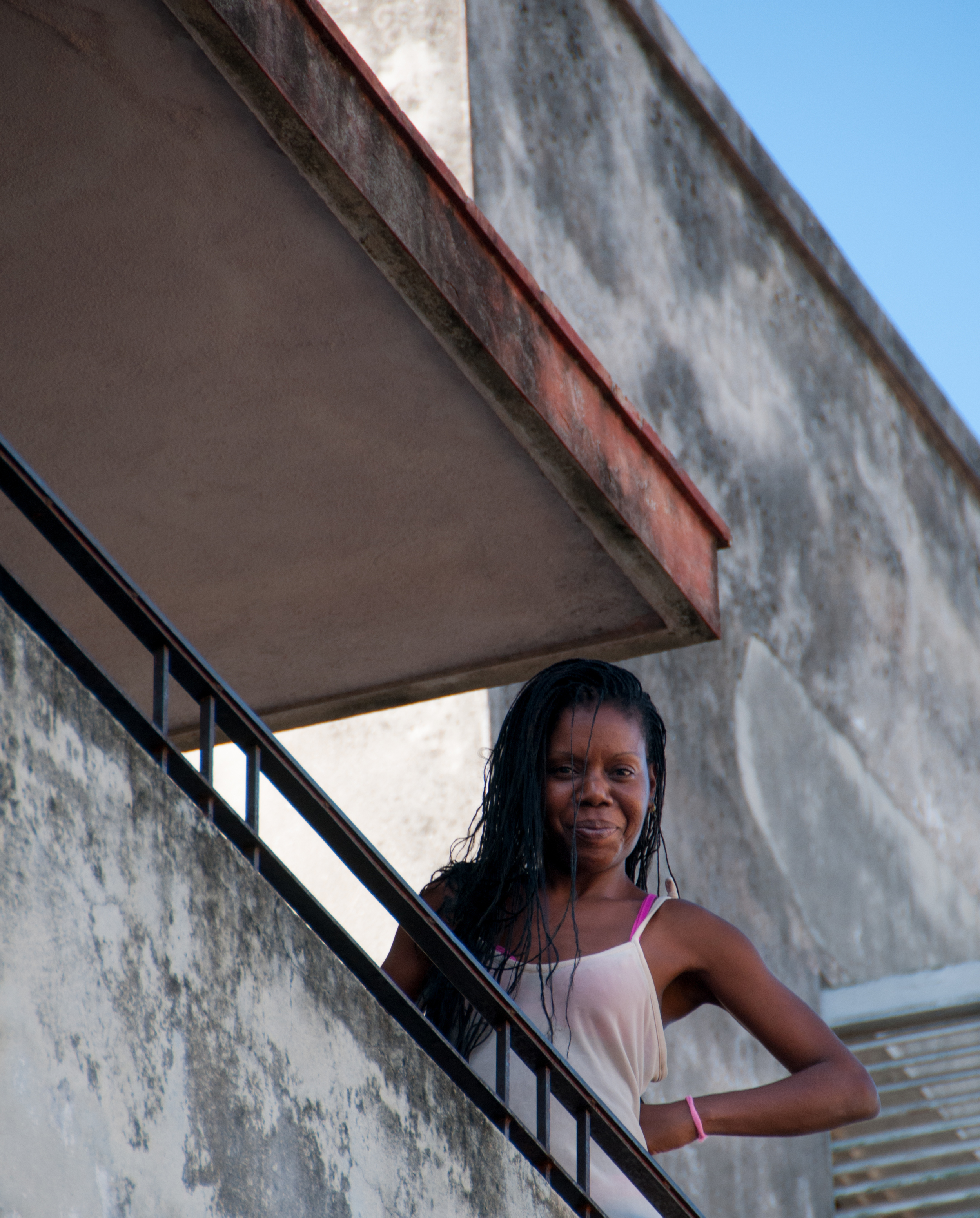
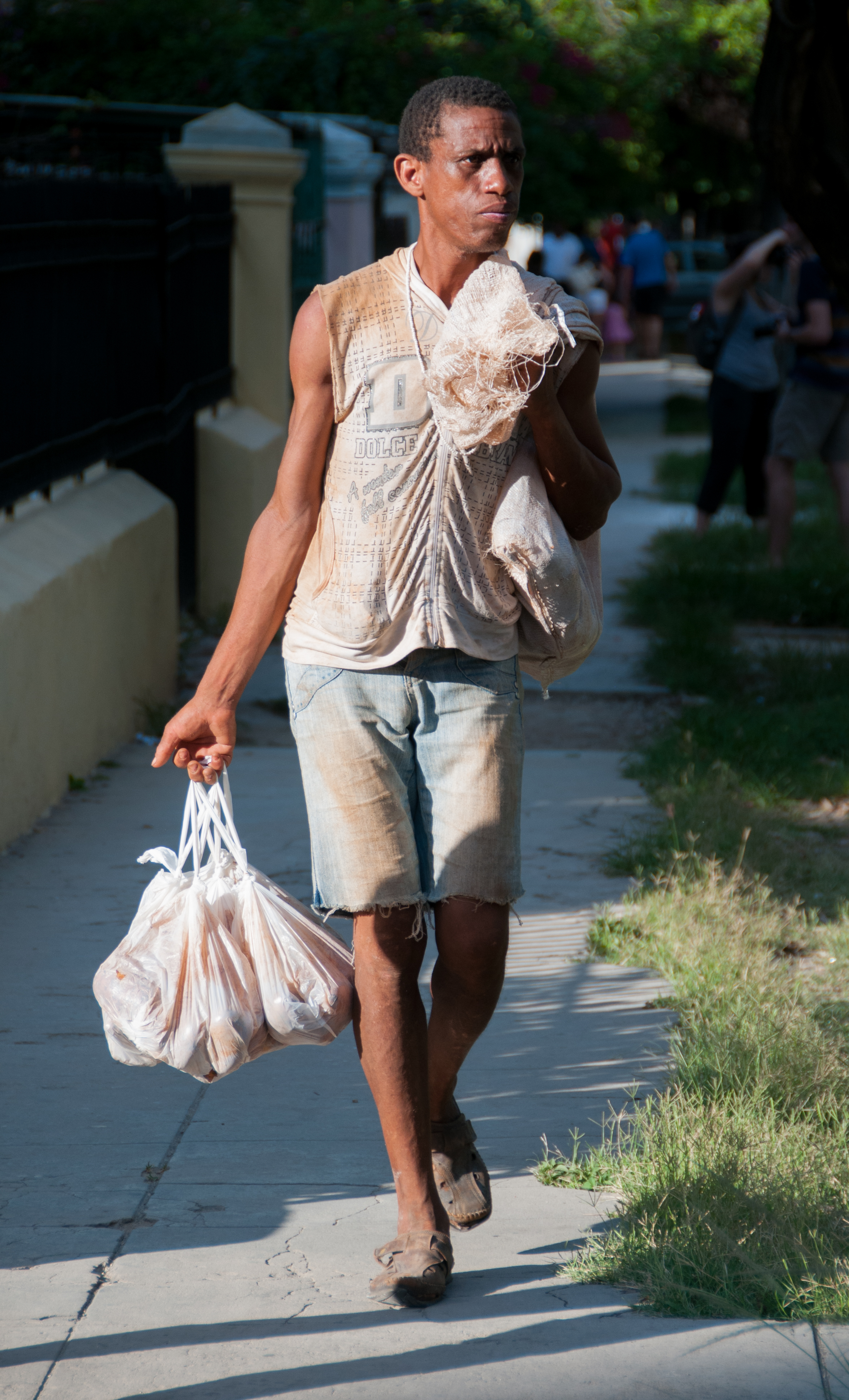
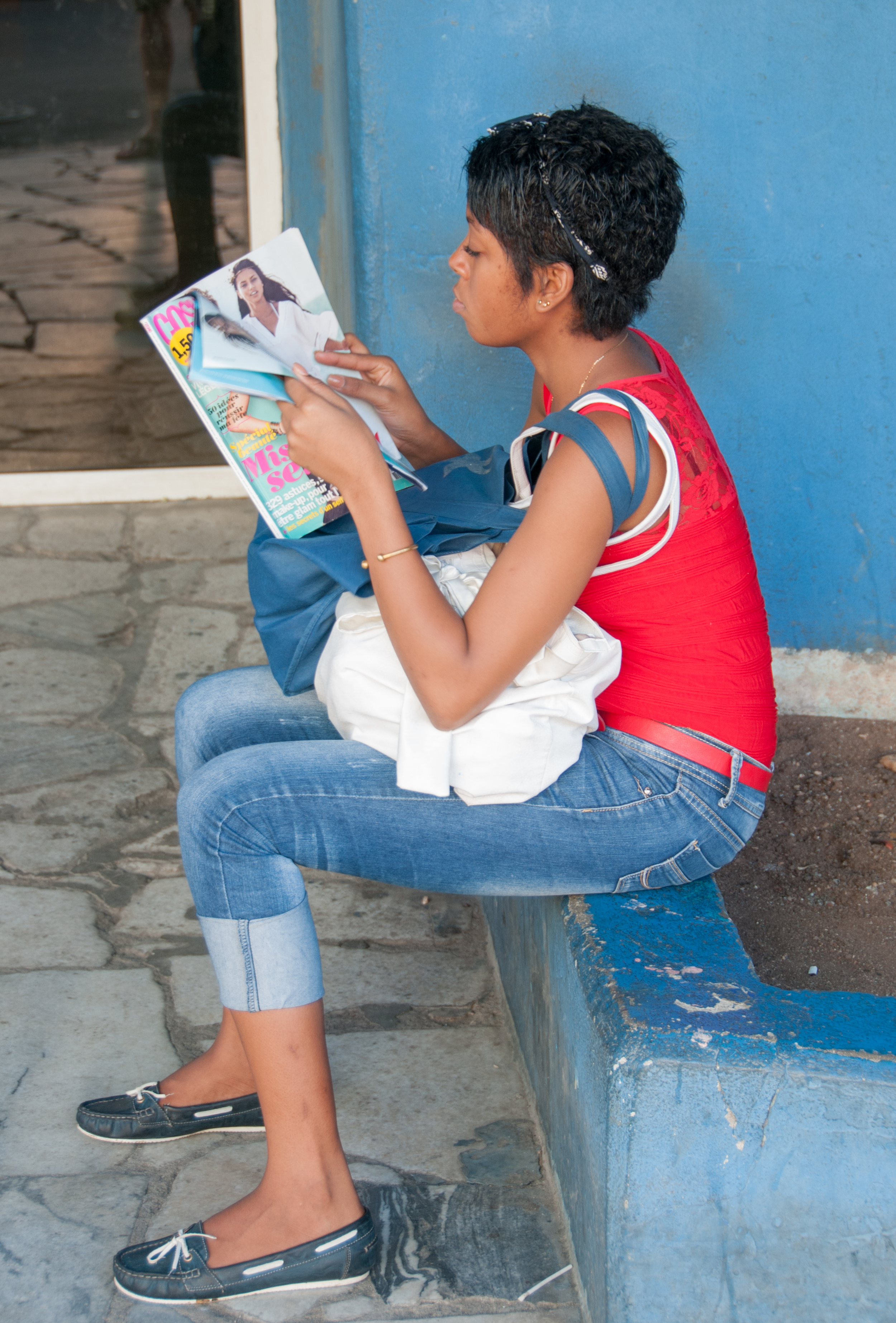
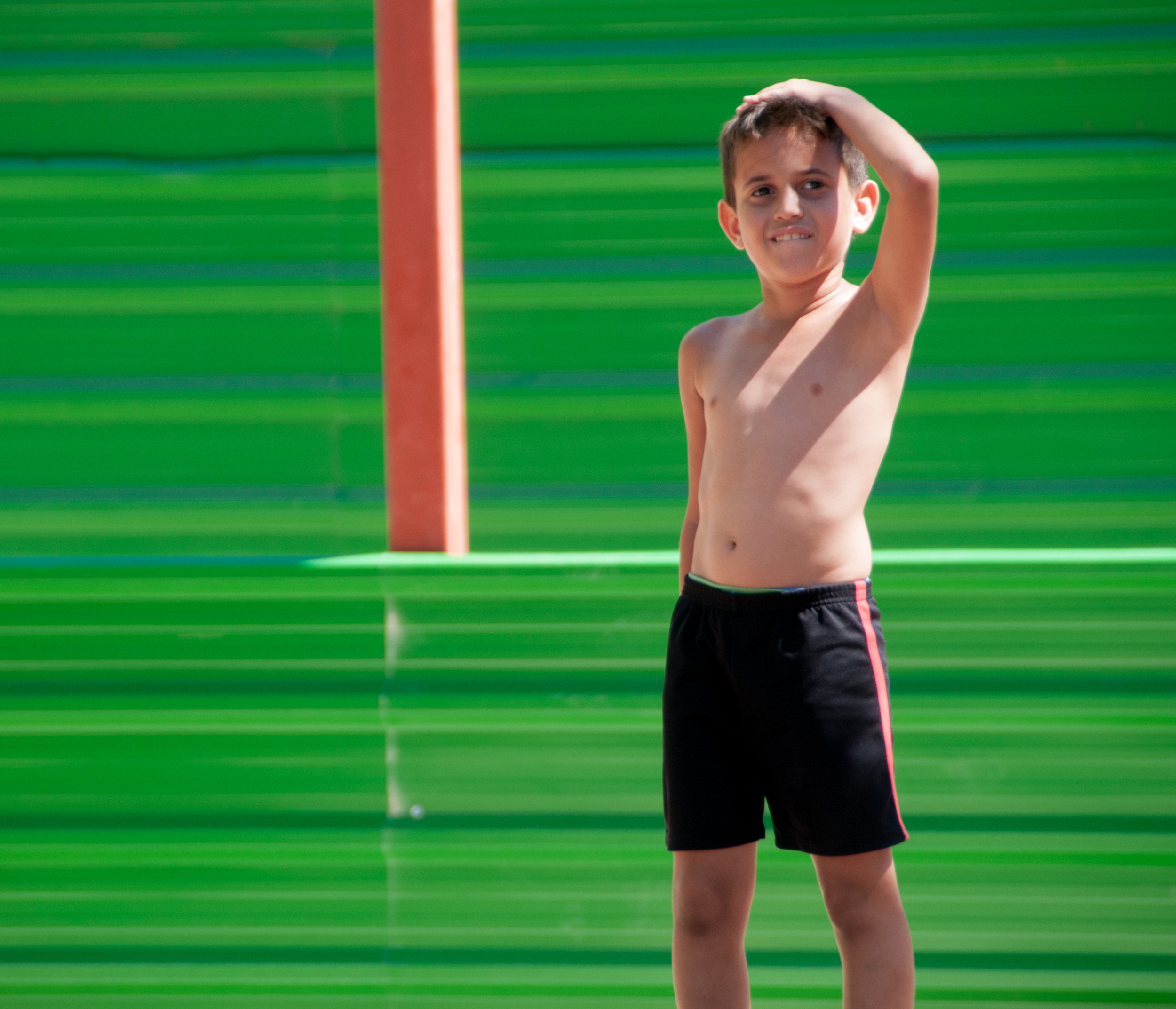
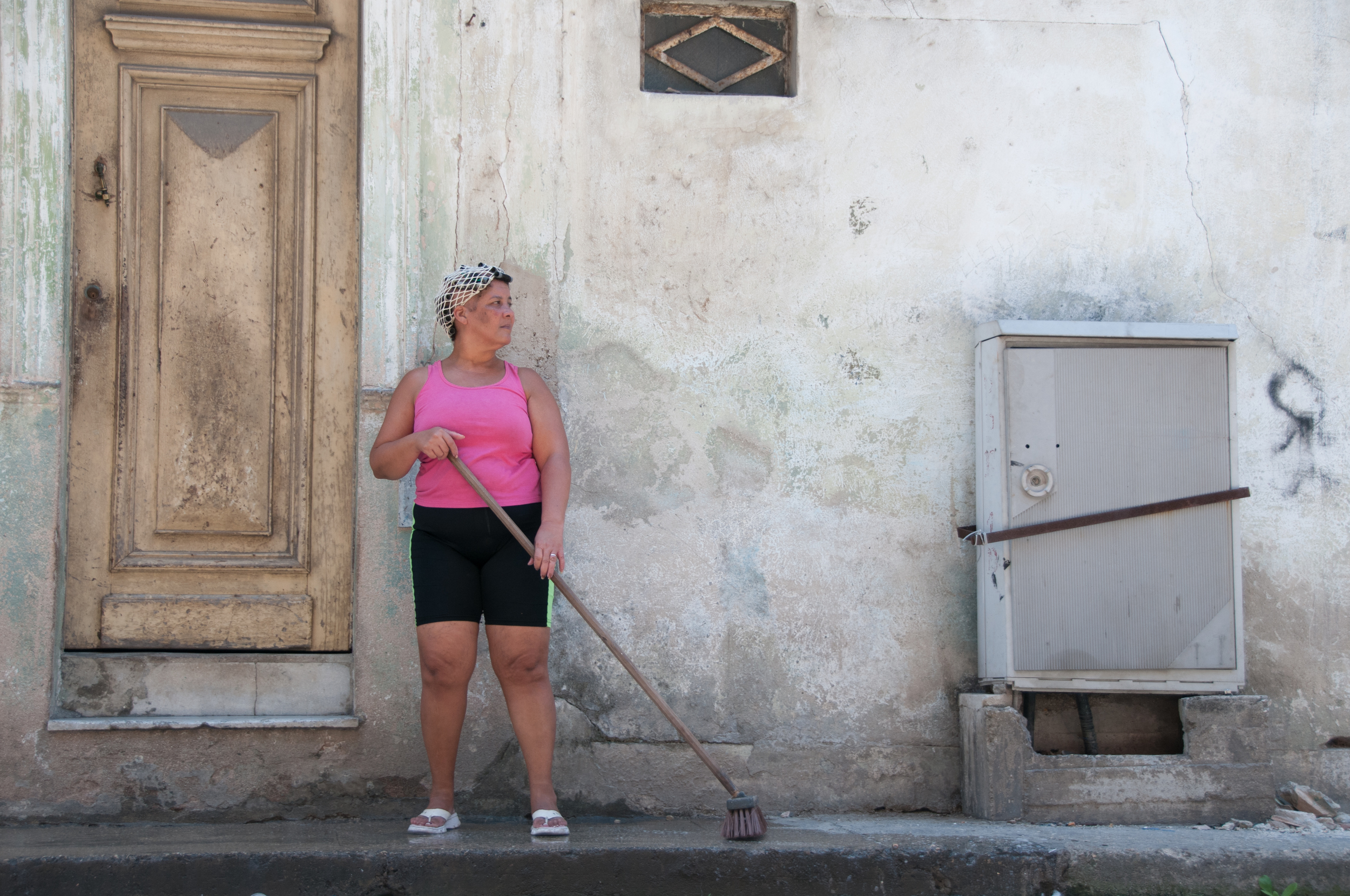
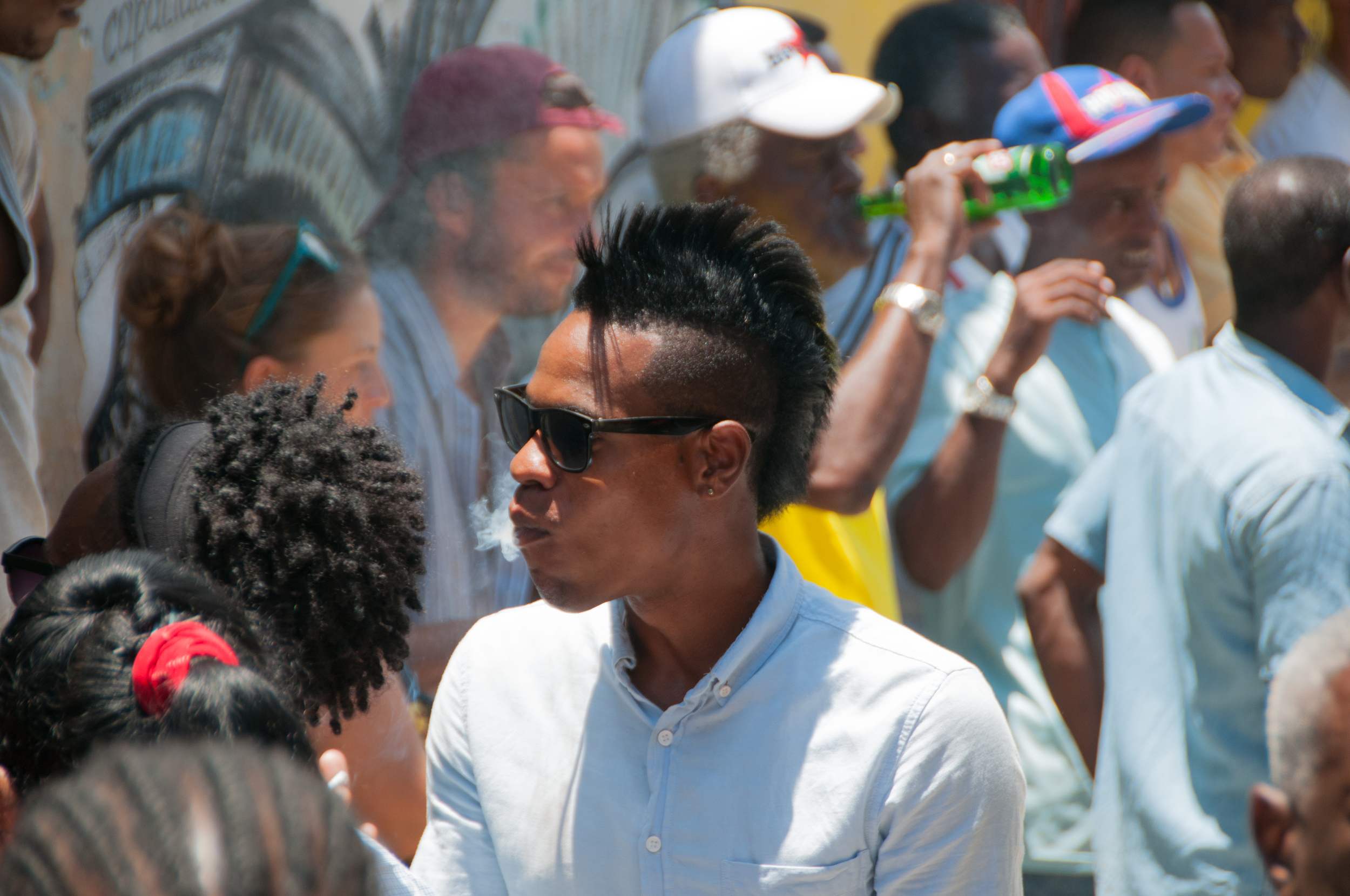
The people in Cuba are full of life and character, there were people in my group that were much better at making portraits of Cubans than I was, but here are a few pictures just to give you a flavor.

Cars

Cuba is known for its old 50s U.S. cars, so here are some pictures of just old cars.

Final

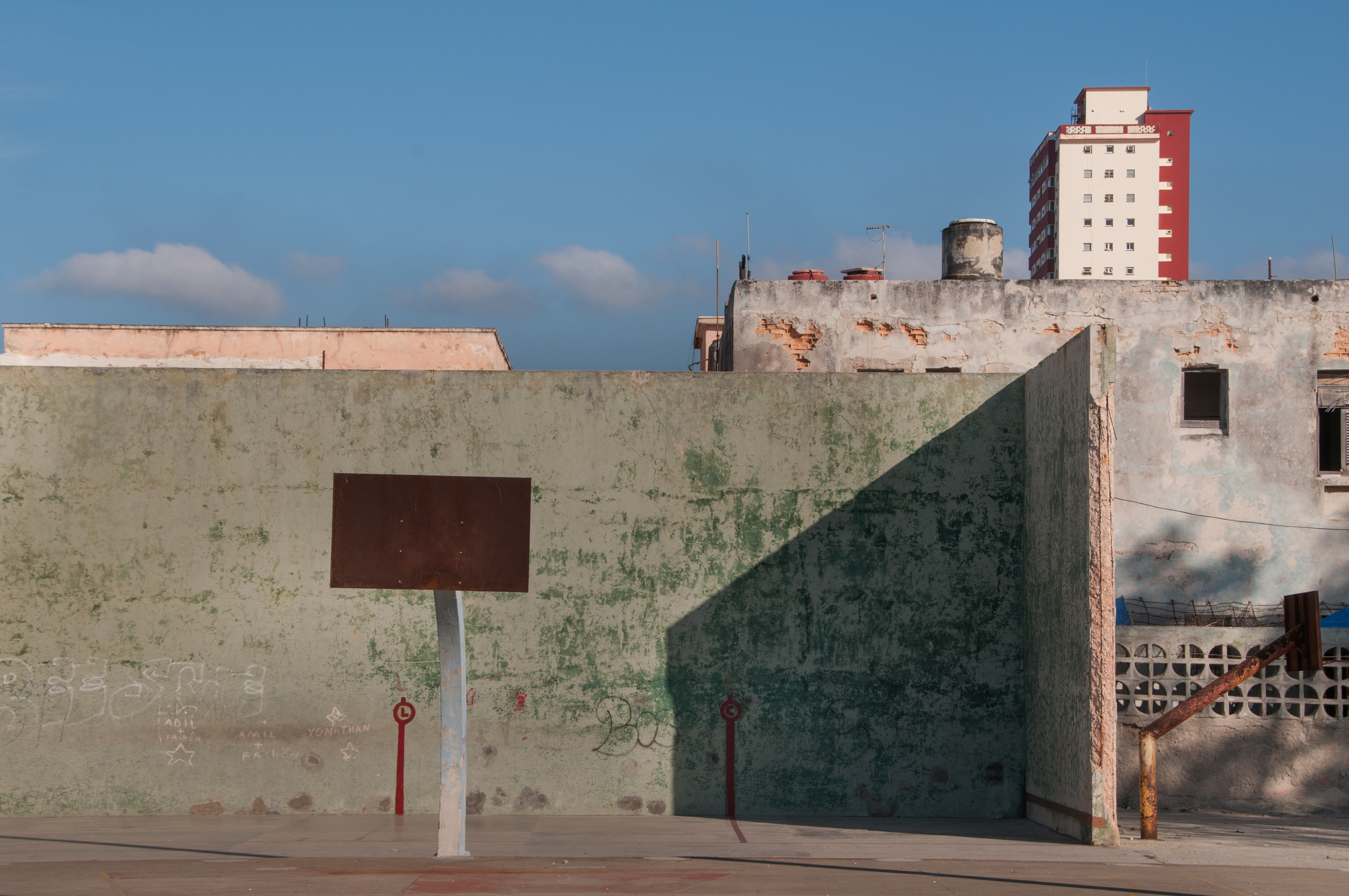
For the photography portion of my classes down in Cuba we were required to present at least ten pictures to the class and say a few words about why we chose those pictures. Most of the students had loose themes that all of their images fell into (portraits, architecture, colors, textures). My general theme was geometry, architecture and trying to find order in the chaos of Cuba, while trying to show the environment that Cubans live in. These are the pictures that I presented in my final presentation.